4-Day Dolomites Itinerary in Autumn: Alta Badia in October
Last Updated on November 25, 2026 by Kimberly
Planning a Dolomites itinerary for October? Go to Alta Badia. The larches turn gold, the summer crowds are gone, and the valley slows down in the best way. It’s my favorite season here, and this is the exact plan I’d hand a friend.
I’ve stayed in Alta Badia SEVERAL times in the fall: once with my husband in La Villa, where he’s still talking about the Zuppa da Vino at La Tor, and once on my own at Ciasa Roby in San Cassiano, where the owner and staff made a solo trip feel easy.
This 4-day Dolomites itinerary for Alta Badia in autumn covers the golden Lärchenweg and Armentara Meadows, the Sas Ciampac hike, Ladin museums and food, where to stay in San Cassiano and La Villa, and how to get here without a car. If it’s your first trip, start with my Dolomites travel guide and where to stay in the Dolomites by area.
In a Rush?
Where I Stayed in Alta Badia
Ciasa Roby, San Cassiano
Family-run B&B with a wonderful owner and staff, great food and a hearty breakfast. Quiet, comfortable rooms within walking distance of a lot of good trails. Where I stayed solo.
Check rates and availability
Where Is Alta Badia?
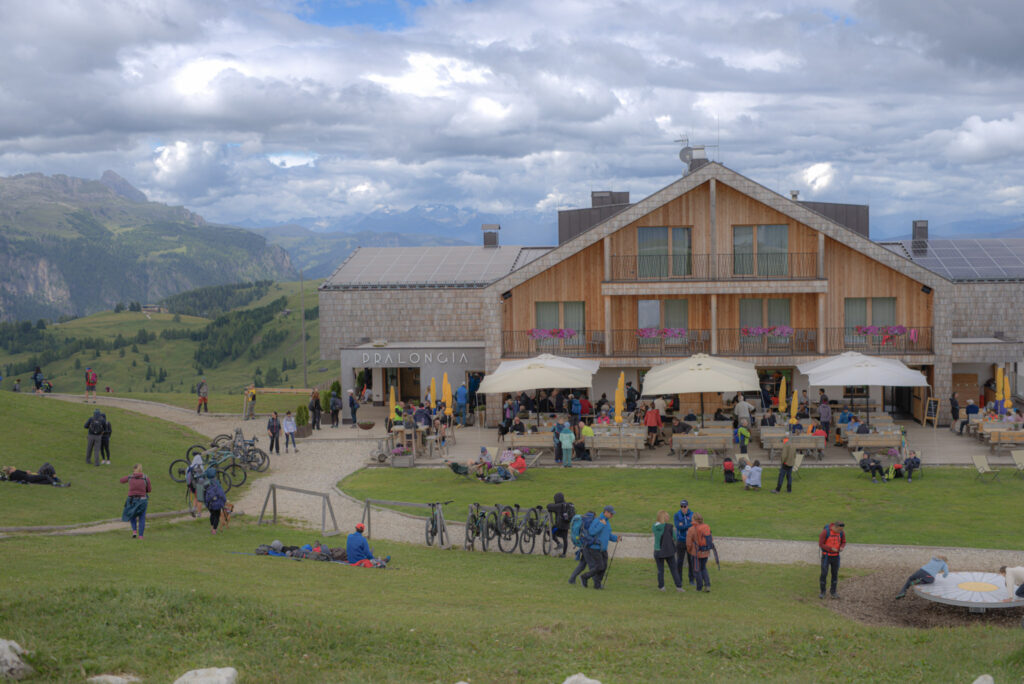
Alta Badia sits in the upper Val Badia valley in South Tyrol, Italy, right in the heart of the Dolomites. The region is made up of six main villages: It’s also close to two of my favorite easy outings in the area, the Sass de Putia loop and the walk from Passo delle Erbe to Ütia de Pecol.

- Corvara
- Colfosco
- La Villa
- San Cassiano
- Badia
- La Val
This is prime Dolomites territory, surrounded by legendary peaks like the Sella Group, Marmolada, and Lagazuoi, with easy access to high passes, panoramic trails, and some of the most iconic viewpoints in the Alps.
It’s also home to a thriving Ladin culture, which you’ll see in the language on signs, taste in traditional dishes, and feel in the way villages are built and life is lived. It doesn’t feel like a resort town. It feels like a place where people live, and they’re proud of it.
Is It Worth Going to the Dolomites in October?
If you’ve only seen pictures of the Dolomites in summer or winter, autumn looks very different. If your dates land in late September or early October, you might also catch an Almabtrieb, when the cows come down from the summer pastures. Want more fall ideas? Try the Lago Federa hike, the Cascate Saent waterfalls or a stop at Lago di Carezza.
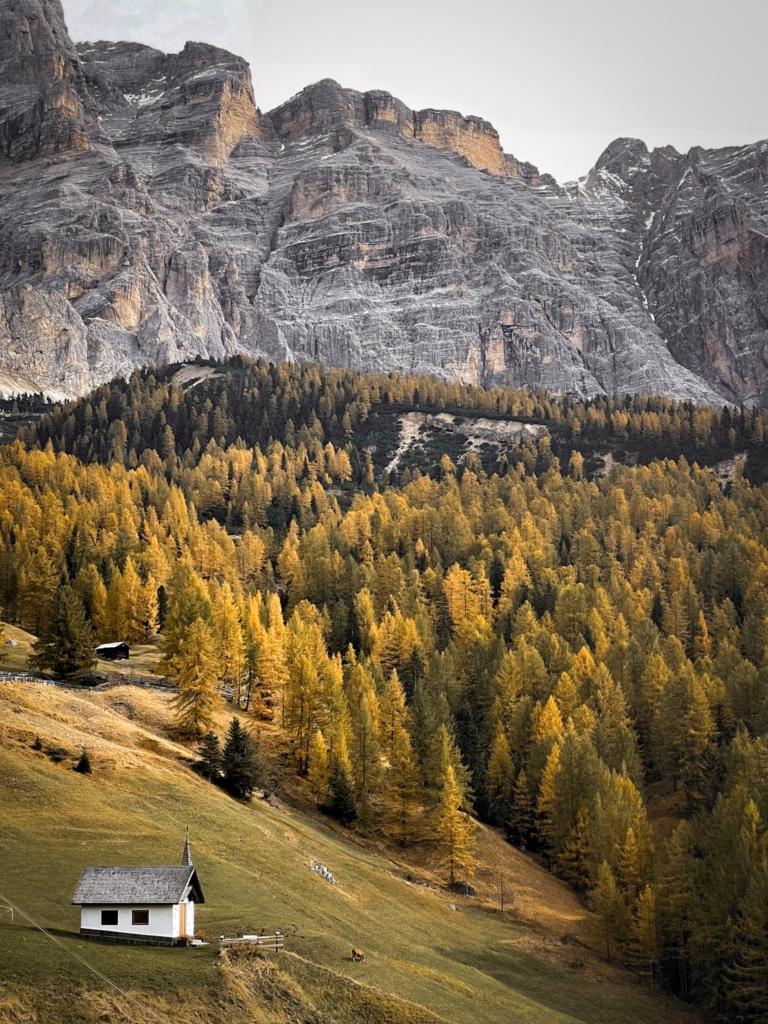
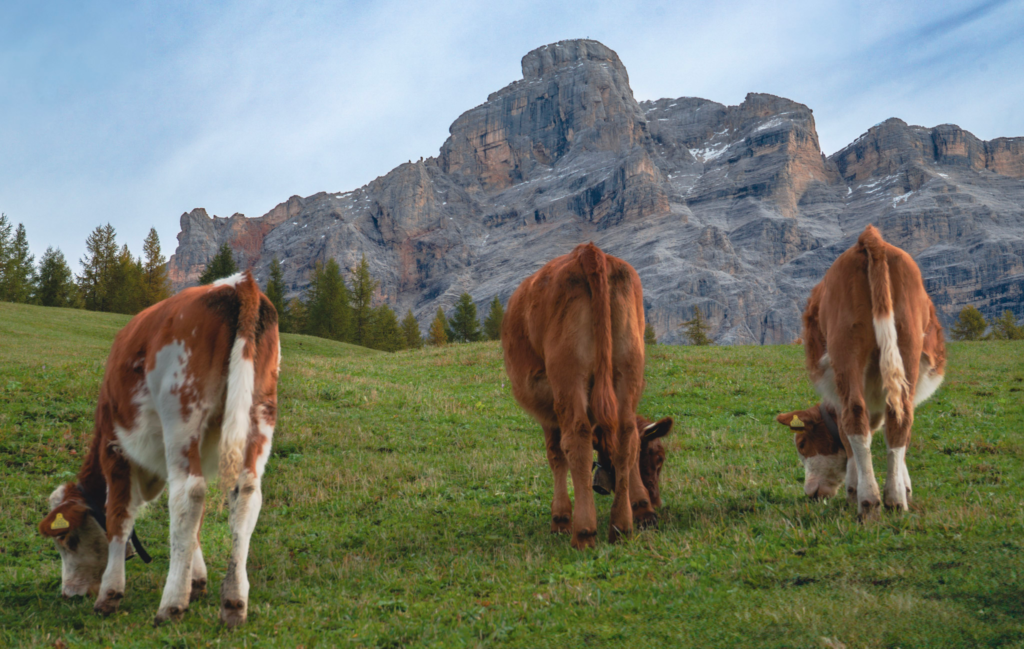
Alta Badia has such a quintessential charm, and you get amazing views from any point in the valley.
- Golden larches: By late September, valleys start turning gold, peaking in early to mid October. The larch forests around the Lärchenweg and Armentara Meadows are the best place to see them.
- Peace and quiet: Summer crowds are gone. Trails that feel busy in July suddenly become calm, with long stretches where it’s just you, the trees, and the sound of cowbells.
- Food traditions: This is harvest season, roasted chestnuts, Ladin dishes, pumpkin everything, game meats, mountain cheeses, and new wine show up on menus.
A few more reasons to go in autumn:
- Lower costs: Accommodation is easier to book and often more affordable than in peak summer or ski season.
- Dramatic light: Lower autumn sun makes the Dolomites’ jagged peaks even more photogenic. Sunrise and sunset feel extra cinematic.
Why Base Yourself in Alta Badia Instead of Cortina or Val Gardena?
Cortina and Val Gardena get most of the attention, but Alta Badia is the base I’d pick for an autumn Dolomites itinerary. It has a quintessential mountain-village charm, and you get amazing views from just about any point in the valley.
The valley walks are beautiful and easy to string together, so you don’t need a big summit day to feel like you’ve seen the Dolomites. The Ladin culture is front and center too. Alta Badia does a good job of sharing it, from the museums to the food on your plate.
It also works if you can’t hike all day. There are lifts that take you up to the views, so everyone in your group gets the same scenery, whatever their pace.
The tradeoff: Cortina is a bigger town with more shops and restaurants. If that matters more to you than quiet villages and Ladin culture, read my easy hikes near Cortina and where to stay in the Dolomites by area before you decide.
My 4-Day Dolomites Itinerary for Alta Badia in Autumn
Here’s a sample four-day itinerary to get you started. You don’t have to follow it perfectly, but it will give you a solid framework for planning an autumn trip to Alta Badia. You can follow this Dolomites itinerary with or without a car.
Map of My Alta Badia Itinerary
Every stop in this Dolomites itinerary is on the map below, color-coded by day, with the places I stayed and the closest airports and train station.
Tap the icon at the top left to see every stop by day, plus where I stayed and how to get there.
Day 1: Arrival in La Villa and Evening in San Cassiano
Morning: Getting to Alta Badia
Nearest Airports to Alta Badia
The closest and most practical airports for Alta Badia are: Flying into Venice? My guide from Venice Marco Polo to Cortina covers the first leg, and my Italy train travel guide explains how the trains work.
- Bolzano (BZO): around 1.5 hours away, closest, but limited flights
- Innsbruck (INN): about 2 hours, great if you’re coming from Austria or Germany
- Venice Marco Polo (VCE): about 3 hours, the most popular international option
- Verona Villafranca (VRN): about 3 hours, another solid choice with European connections
How to Get to Alta Badia by Car
Driving is the most flexible option, especially if you plan to visit multiple valleys or trailheads. Before you rent a car, read my tips for driving in Italy.
Approximate driving times:
- From Bolzano: ~1 hour 45 minutes
- From Cortina d’Ampezzo: ~1 hour
- From Venice: ~3 hours 15 minutes
- From Innsbruck: ~2 hours 30 minutes
- From Vicenza (U.S. Army base): ~3 hours 15 minutes
- From Aviano (Air Base): ~3 hours
- From Garmisch / Stuttgart: ~3.5 to 5 hours
If you’re coming from Austria, you’ll need a vignette (toll sticker) for the motorways.
Related post: link to your vignette guide here so readers can dive deeper.
By Public Transportation
You can absolutely visit Alta Badia without a car, you’ll just need to plan ahead, especially in shoulder season.
Kimberly’s Tip
Buses run less often once the summer timetable ends. Check the South Tyrol public transport timetable for your exact dates before you plan a car-free day.
Closest train stations:
- Brunico (Bruneck), often the easiest for bus connections
- Bressanone (Brixen)
- San Lorenzo
From these stations, you’ll catch a Südtirol Mobil regional bus up into Alta Badia, with routes that connect to villages like Corvara, La Villa, and San Cassiano.
Services are reliable, but schedules can be reduced in autumn, so it’s worth checking timetables in advance on the Südtirol Mobil website or app.
Afternoon: Where to Stay in Alta Badia
Instead of giving you a generic list of hotels, I want to share the places I’ve actually stayed in Alta Badia, and why I’d go back. You can always scroll down to my Stay22 map afterward and choose something that fits your budget and style, but these are my personal picks. If you’d rather stay up at Passo delle Erbe, read my Ütia de Börz review. Planning to sleep in a hut on another trip? Start with my best rifugios for first-timers and how to book a rifugio.
Want more options? Browse hotels across the Dolomites. You can read more of my honest stays on my hotel reviews page.
Ciasa Roby: A Cozy Stay in San Cassiano
If you’re looking for where to stay in San Cassiano as a solo traveler or couple, Ciasa Roby is one of my favorite budget-friendly guesthouses in Alta Badia. Check rates and availability at Ciasa Roby.
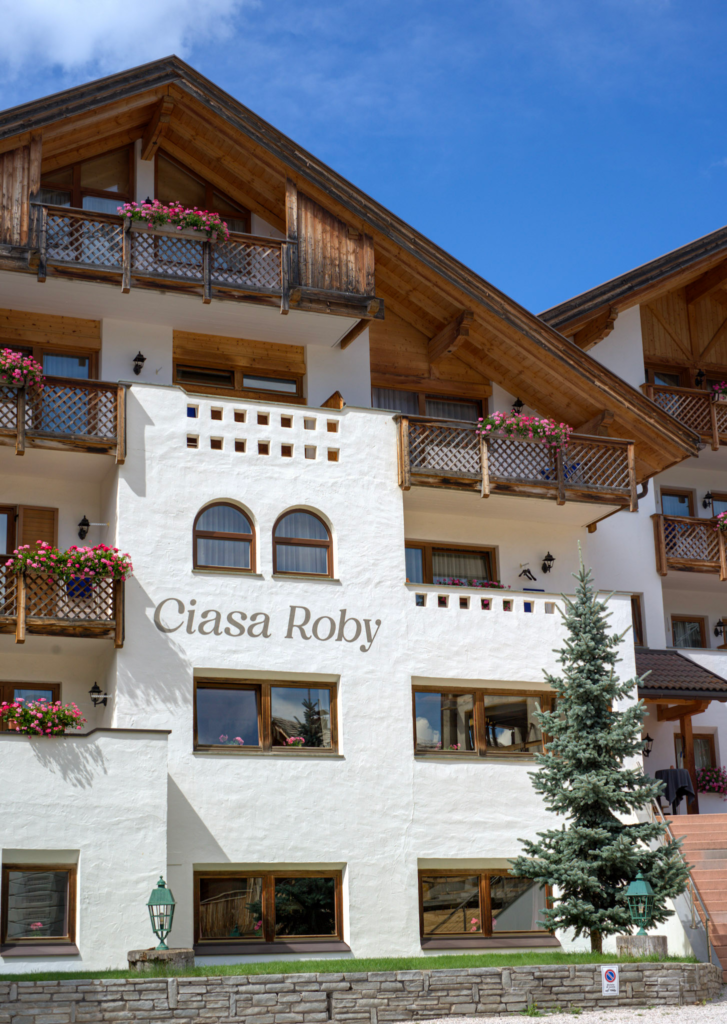
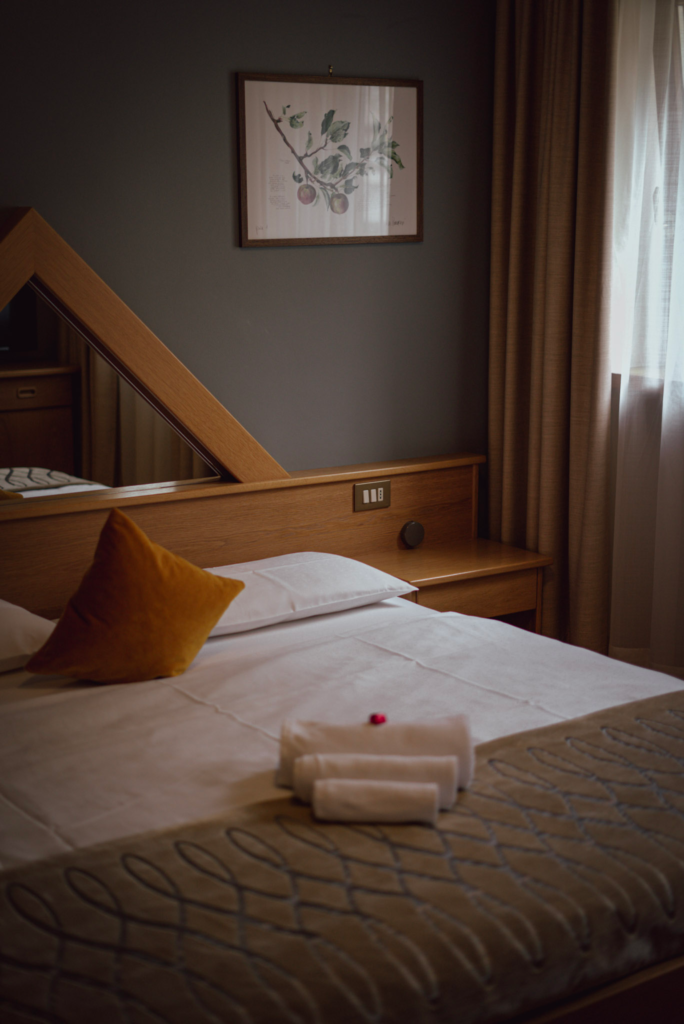
This family-run B&B is a short walk from the center of San Cassiano, and you’re within walking distance of many good trails, so you can start most hikes without getting in a car. When I stayed here solo, the rooms were simple, quiet, and comfortable.
What I loved most was the hospitality, and of course the food. The owner is wonderful, and so is the staff. Breakfast is hearty, with fresh bread, local cheeses, jams and mountain honey, exactly what you want before a day on the trail. As a solo traveler, I appreciated how much they helped me get oriented and make the most of my days out.
Perfect for: solo hikers, couples, and anyone looking for an affordable, welcoming stay in a prime village without sacrificing location.
My Top Pick
Ciasa Roby, San Cassiano
| Type | Family-run B&B |
| Best for | Solo travelers, couples and hikers |
| Why I love it | The hospitality, the food and a wonderful owner and staff |
| Location | Walking distance to San Cassiano and a lot of good trails |
Ciasa Agrietar: Family-Run Apartments in La Villa
In the neighboring village of La Villa, Ciasa Agrietar offers an authentic, quiet base with room to breathe. My husband and I stayed here for four days in November with our dogs, and it immediately felt like a little alpine home rather than just a place to sleep. You can check availability at Ciasa Agrietar here.

Our apartment came with:
- Small but well-equipped kitchen
- Very comfortable bed
- Big family sitting area
- Spacious bathroom
- Views of the Dolomites right outside our windows
Ciasa Agrietar is also dog-friendly, right off the main road, and close to accessible walking paths. There’s a Conad just around the corner and a Despar not too far away, so it’s easy to stock up on groceries and lean into slow mornings and home-cooked dinners.
Perfect for: travelers who want a quieter base in Alta Badia, self-catering flexibility, and easy access to both outdoor adventure and village life, couples, dog owners, and military families included.
Evening: First Walk and Dinner
Once you arrive in Alta Badia, check into your accommodation. If you’re staying at Ciasa Agrietar, you’ll have a small kitchen, living area, and mountain views, perfect for easing into slower mornings and building in rest between hikes.
After you’ve unpacked and settled in, start with a gentle riverside walk in La Villa. The path is easy, with wooden fences, open fields and larch-covered hillsides along the way. It’s a nice way to stretch your legs after traveling and get a feel for the valley’s pace.
Later in the afternoon or early evening, head over to San Cassiano and visit the Ursus ladinicus Museum. This small, well-designed museum tells the story of the prehistoric “Ladin bear” discovered in a nearby cave. It’s interactive without being overwhelming, and it offers a fascinating glimpse into the region’s ancient natural history.
Dinner: La Tor (La Villa)
Head back to La Tor in La Villa for your first taste of Ladin cuisine.
This restaurant has a cozy, welcoming feel and serves hearty comfort food that hits especially well on a crisp autumn evening. Between my husband and me, we tried:
- Barley soup, simple, warming, and full of flavor
- Zuppa da Vino, a wine-based soup he still talks about
- Baked Maccheroni La Tor, basically a twice-baked macaroni with just the right amount of spice and richness
It’s the kind of dinner that makes you feel like you’ve properly arrived in the mountains.
Day 2: Lärchenweg, Armentara Meadows and Ladin Culture
Morning: Lärchenweg (Larch Trail)
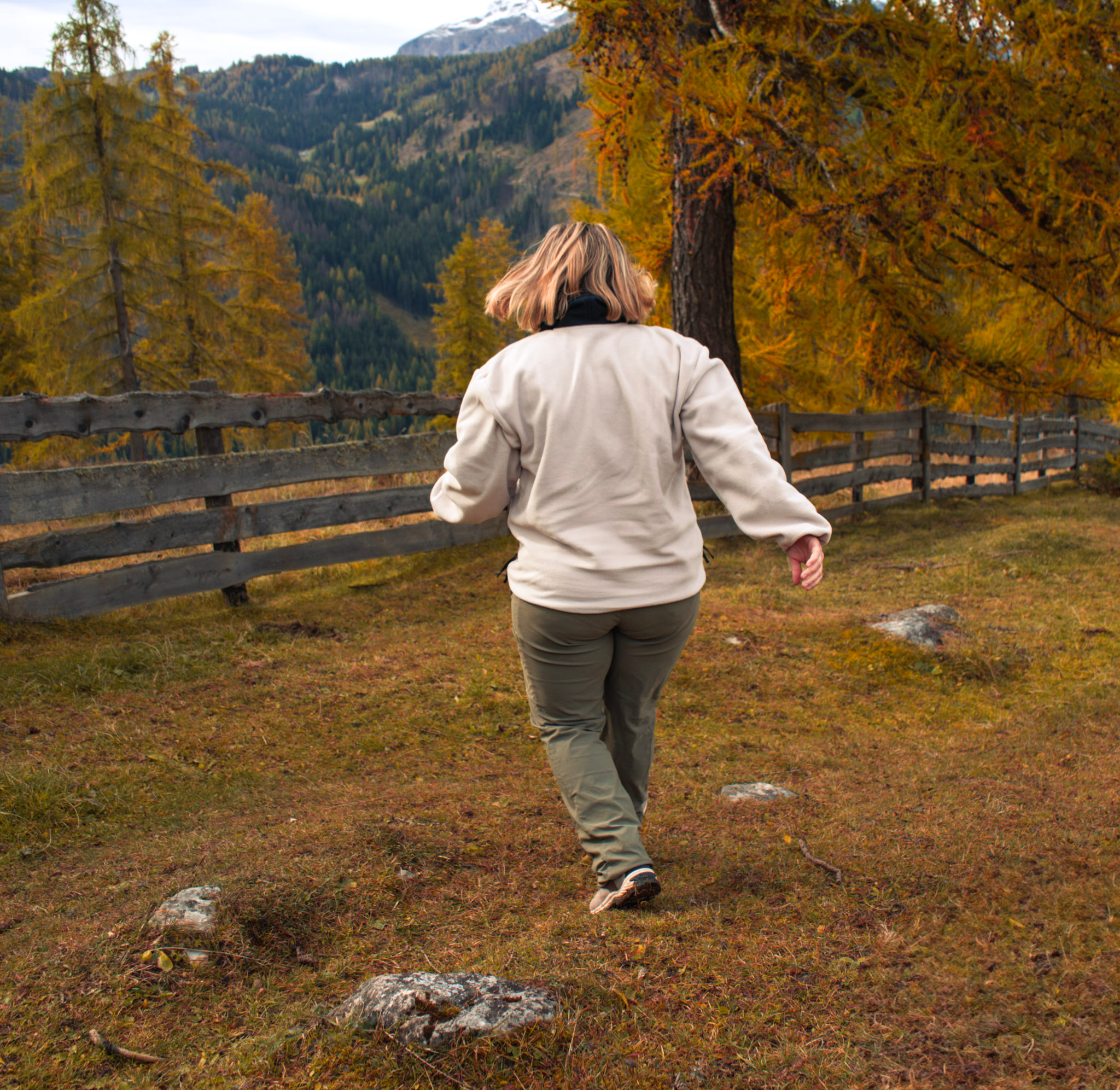
Start your day with one of Alta Badia’s most atmospheric autumn walks: the Lärchenweg, or Larch Trail.
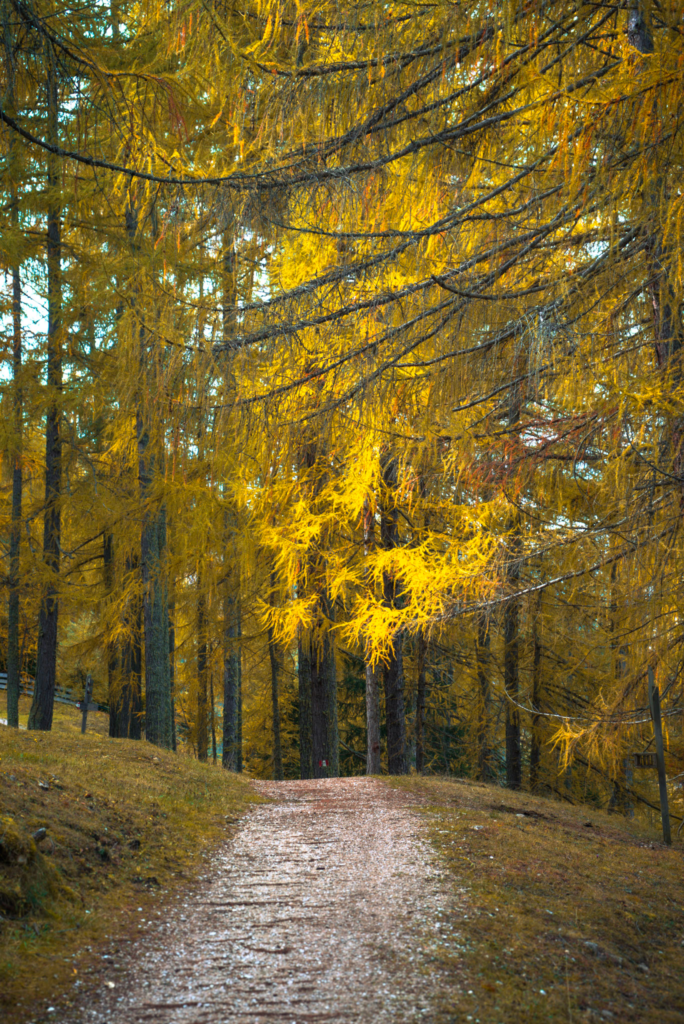
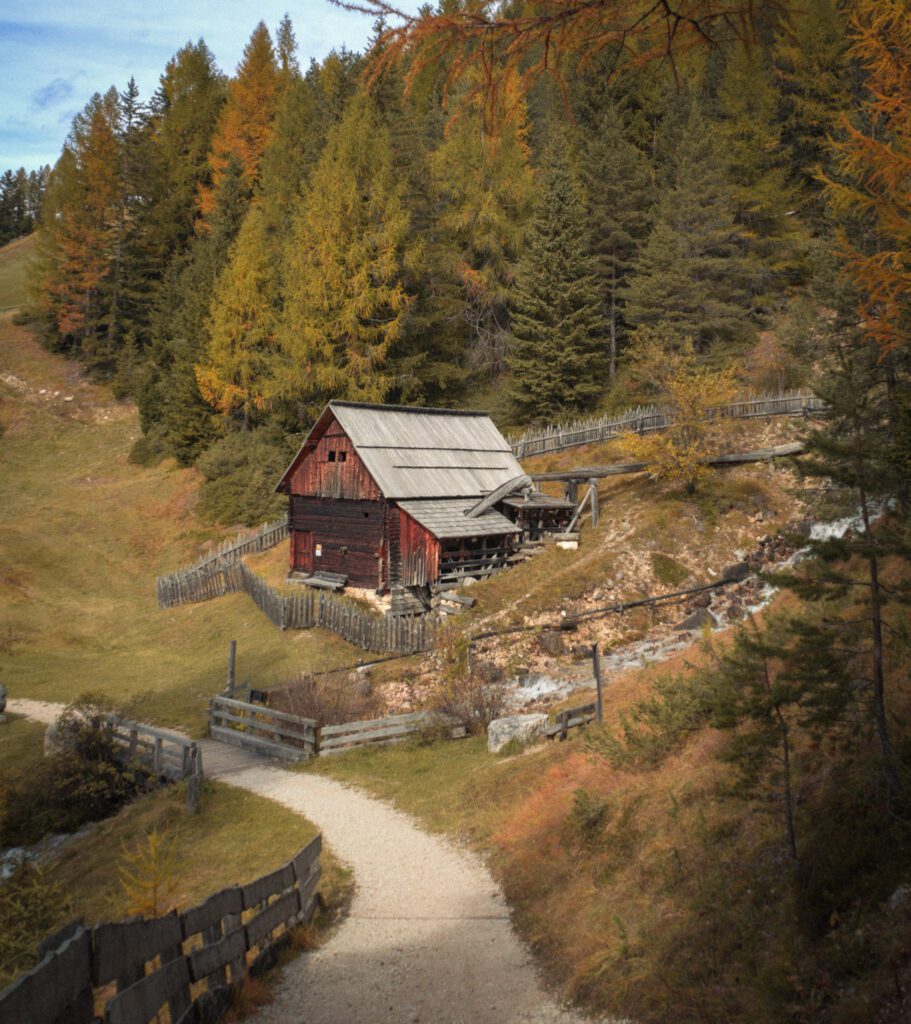
In October, the larches along this path turn gold, and the trail opens up to views of the peaks and valleys around La Villa. The trail itself is gentle, making it accessible even if you’re easing into hiking for the season. Expect golden needles underfoot, wooden fences and views down to the villages, so bring your camera.
Midday: Armentara Meadows
From the Lärchenweg, you can continue toward the Armentara Meadows, a wide alpine plateau beneath the Santa Croce massif. Here, fiery larch trees edge soft grassy slopes and old wooden huts dot the landscape.
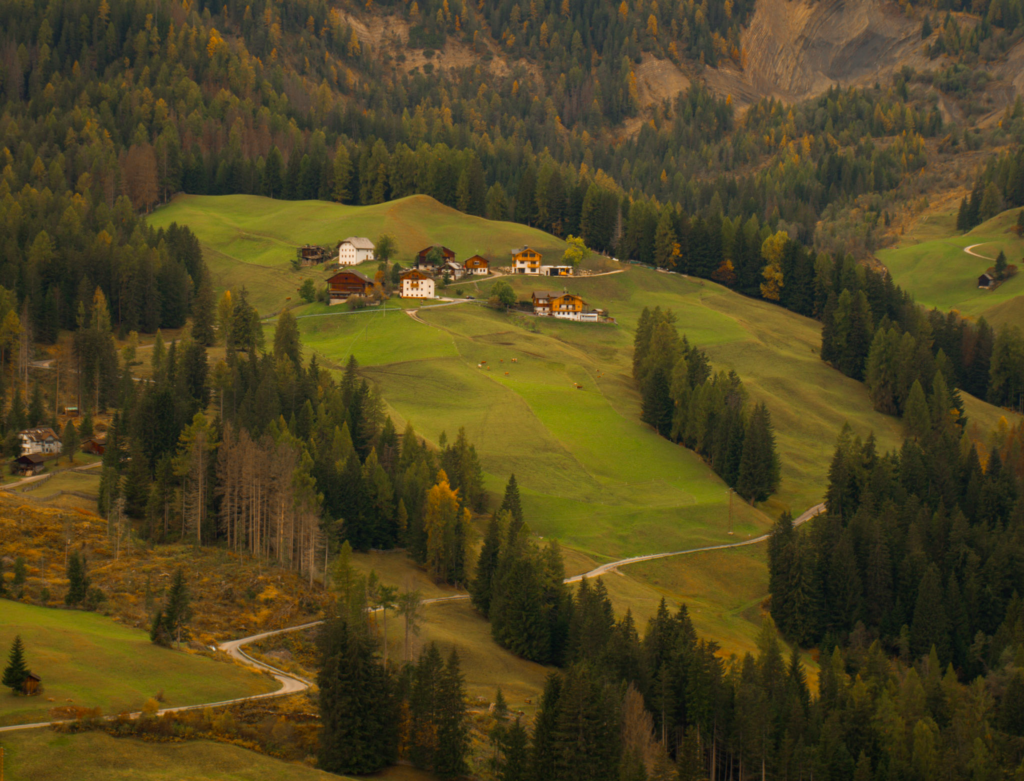
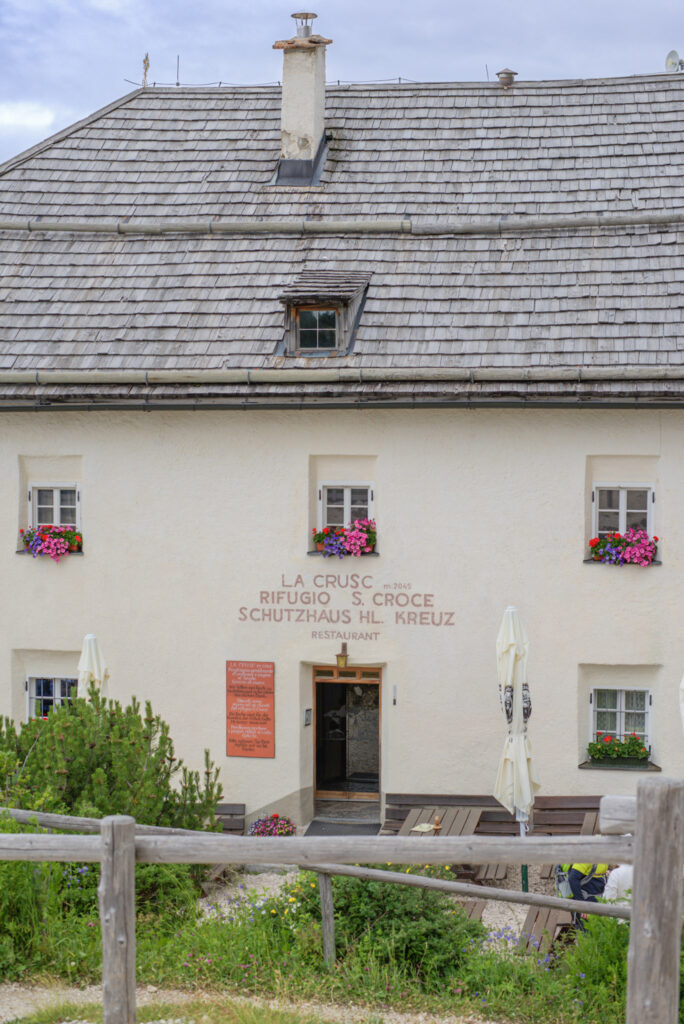
If you’re limited on time, a great starting point is Furnacia, where you’ll find access to the meadows with a bit less planning needed. It’s easy to spend a few hours up here walking and taking photos.
Afternoon: Museum Ladin Ciastel de Tor
In the afternoon, drive to San Martino in Badia to visit the Museum Ladin Ciastel de Tor. The museum is housed in a medieval castle perched above the valley and offers a deep, engaging dive into Ladin history, language, identity, and daily life.
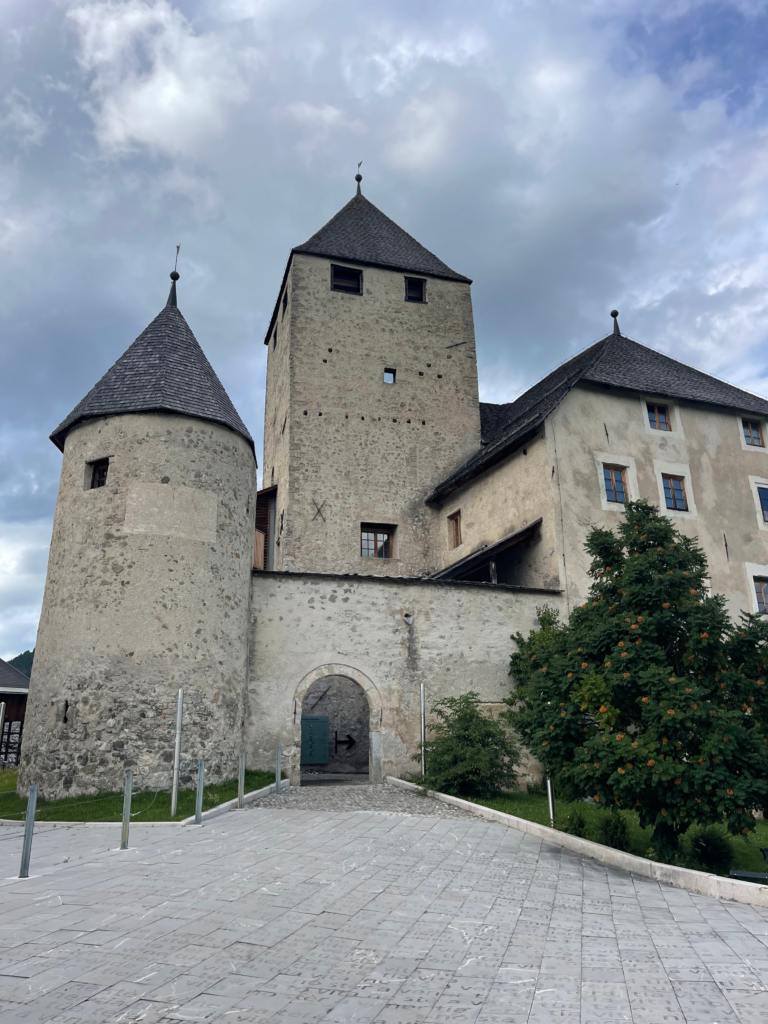
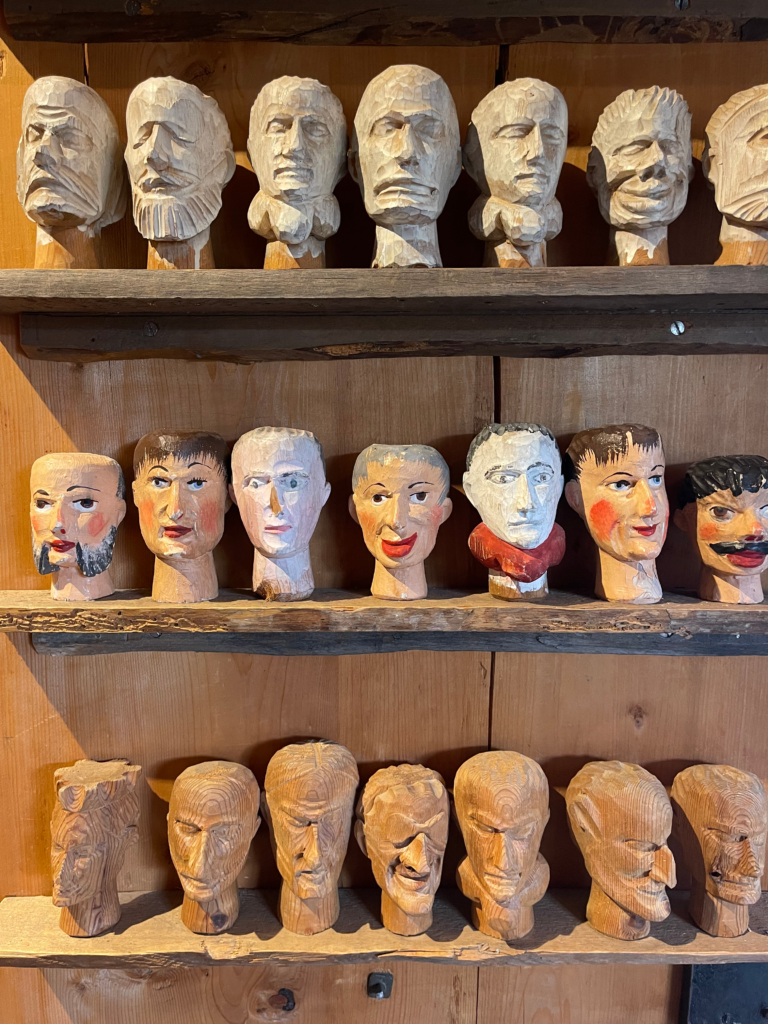
You’ll learn how Ladin culture developed, how it survived, and how it continues to evolve today. Expect interactive exhibits, historical artifacts, and storytelling that actually sticks with you.
- Plan for about 2.5 hours here
- Note: They’re closed on Mondays, so plan your days accordingly
This is one of my favorite museums in the region because it really helps you connect what you’re seeing in villages and on signs with a deeper cultural story. Ciastel de Tor is a wonderful way to get better acquainted with the culture of the Dolomites.
Dinner: Plazores (San Vigilio)
In the evening, head toward San Vigilio for dinner at Plazores, a restaurant that gained wider attention after being featured by Stanley Tucci in Searching for Italy.
Plazores takes traditional Ladin dishes and reimagines them with a modern, creative twist. The setting is warm, and the menu mixes traditional Ladin dishes with more modern ones.
If you go, my suggestion is to try the Cancicheci, crisp fried ravioli filled with spinach and ricotta. It’s rich and filling.
Day 3: Guided Hike to Sas Ciampac
After a slow breakfast in your apartment, coffee, bread, mountain honey, maybe some cheese you picked up from a local shop, it’s time for a big hike.
Sas Ciampac Hike
For Day 3, I recommend a guided hike to Sas Ciampac. The Alta Badia tourism board runs a guided walk to Sas Ciampac on Thursdays from June through late September. Places are limited, so reserve at a tourist office or online by the day before. These hikes are a great way to get oriented, learn about the landscape, and gain confidence on less-traveled trails. Not sure if you need a guide? I break it down in guided vs. self-guided hiking in the Dolomites. If you prefer booking a tour, see my best tours for solo travelers.
Kimberly’s Tip
The guided Sas Ciampac hike runs on Thursdays from June to late September, and places are limited. Reserve at a tourist office or online by the day before, and bring your confirmation with you.
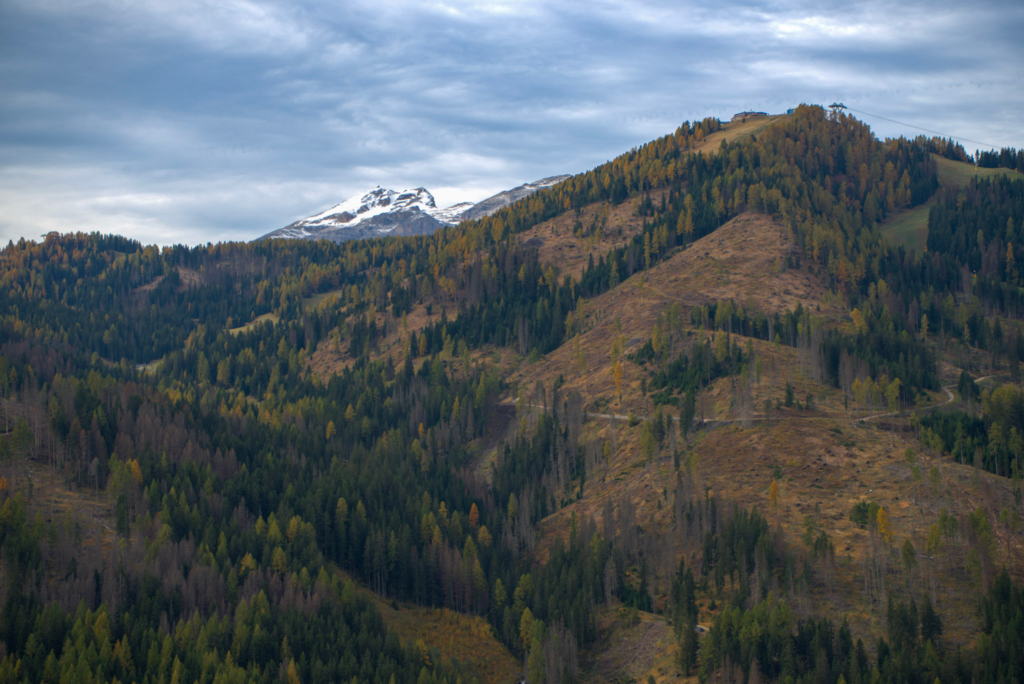
This particular excursion heads toward the Cier Pass and the Puez Plateau, eventually reaching Sas Ciampac at 2,672 meters above sea level. From there, the views are spectacular, rugged ridgelines, sweeping valleys, and, in autumn, pockets of golden trees scattered through the lower slopes. It feels dramatic and expansive in the best way. The Puez Plateau is also part of the Alta Via 2, if you’re dreaming about a hut-to-hut trek next.
What to Expect on the Sas Ciampac Hike
The guided route starts at Passo Gardena (2,121 meters) and ends in Colfosco. Plan on about 10 kilometers and 5 hours of walking, with roughly 550 meters of climbing and 1,000 meters down. If you’re here in October, after the guided season ends, you can hike the same route on your own or book a private guide.
If you’d rather hike independently, you can:
- Check Alta Badia’s event calendar to see when the guided version is offered
- Or use a Komoot route for Sas Ciampac, which will include parking details and wayfinding information
I love guided hikes in regions like this because they add context, ecology, history, local perspectives, that you don’t always get when you go alone. But either way, this is a day that leaves you feeling like you’ve really been in the Dolomites, not just looked at them.
Dinner: La Stua de Michil (Corvara)
If you want one special dinner on this trip, book La Stua de Michil in Corvara well ahead.
This Michelin-starred restaurant at Hotel La Perla is known not just for its food, but for its hospitality. Many of my Italian friends from the region insist it’s one of the most special dining experiences in the Dolomites. It’s open for dinner only, Monday through Saturday, and closed on Sundays.
Kimberly’s Tip
Make your dinner reservations before you arrive. In shoulder season, a lot of restaurants close one or two days a week, and you don’t want to find that out at 7 p.m.
While we weren’t able to get in during our last trip (lesson learned: make reservations early), it’s firmly on my list for next time. If you manage to snag a spot, you’ll be rewarded with an evening that combines creativity, local ingredients, and a sense of place.
Day 4: Morning Pastries, Scenic Drive, and WWI History
On your final morning in Alta Badia, take things slow.
Morning: Gasser Bakery & Farewell Walk
Start with morning pastries at Gasser Bakery in La Villa. This is the kind of place where you can linger over a coffee and something sweet while watching the village come to life. Their apple strudel is especially good in autumn.
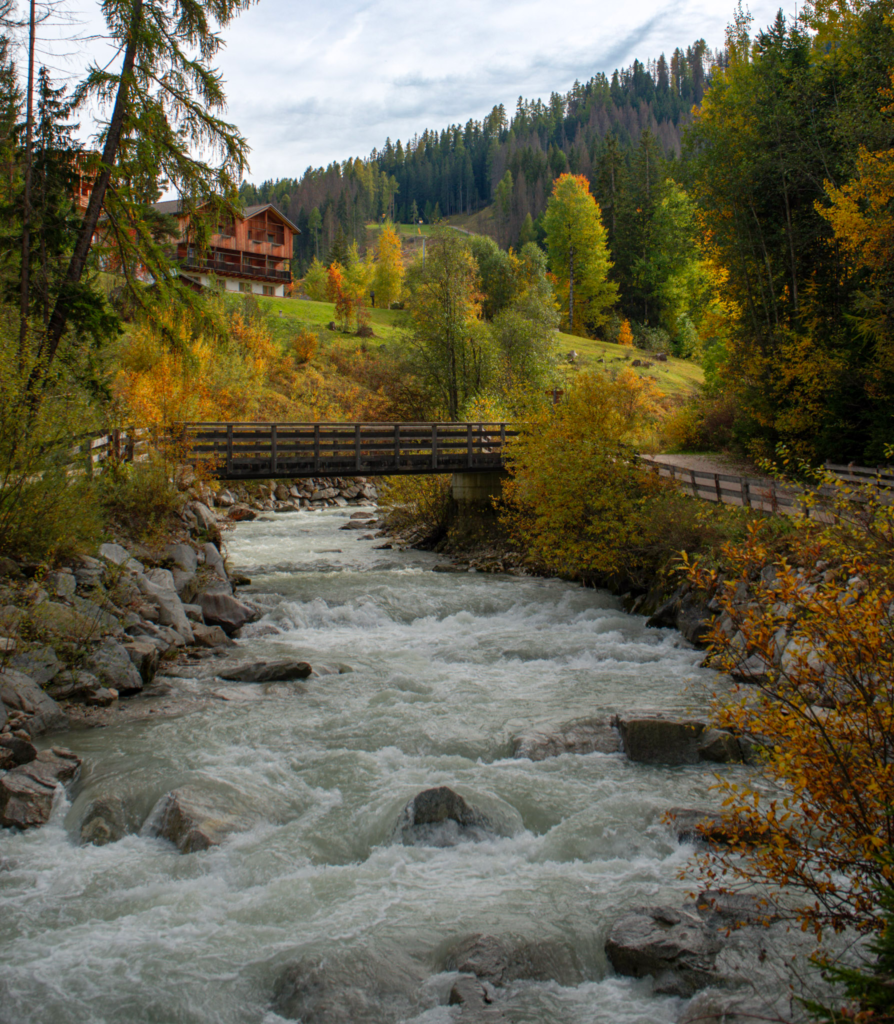
If you’re not ready to say goodbye to the trails, take one last walk along the river or around the village. Even a short stroll feels meaningful when you know you’re leaving soon.
Midday: Scenic Drive to Passo Gardena or Val di Funes
If you have a car and time before your onward journey, I highly recommend a scenic drive:
- Gardena Pass: Famous for its hairpin turns and incredible panoramic views. In autumn, the light and colors make it even more dramatic.
- Val di Funes: One of the most iconic Dolomites views, a small church set against towering peaks, with fields and forests framing the scene.
Both are worth it; choose based on your route and energy.
Afternoon: Great War Museum at Falzarego Pass
On your way out of the region, consider stopping at the Great War Museum on Falzarego Pass. It offers a powerful look at the WWI history of the Dolomites, trenches, tunnels, and stories of soldiers who lived and fought in these very mountains.
It’s a sobering stop. The WWI tunnels on Lagazuoi are right above the pass, and if you can add one more night, here’s what to expect when you stay at Rifugio Lagazuoi. The Alta Via 1 crosses this area too, so if you’re curious, here’s my Alta Via 1 itinerary.
Understanding Ladin Culture in Alta Badia
One of the biggest reasons Alta Badia feels distinct from other Dolomites regions is its Ladin heritage. You can see more Ladin traditions at the Desmontegada cattle drive in Moena and in the mountain huts across the Dolomites.
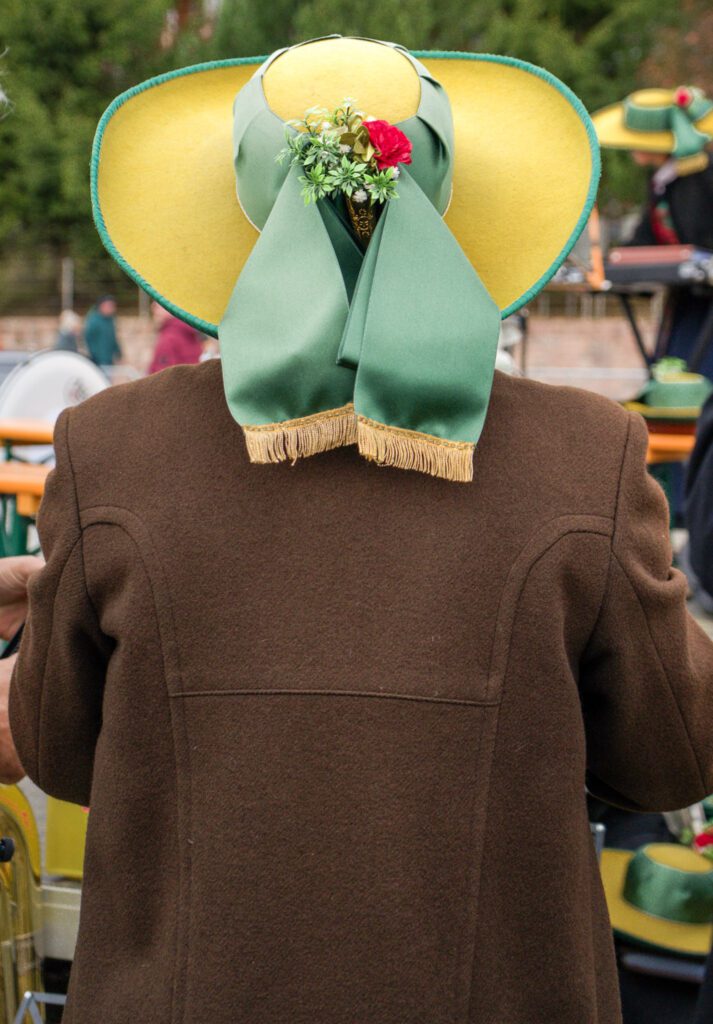
The Ladins are one of Europe’s oldest ethnic groups, descended from the Rhaetian people. Their language, Ladin, is still spoken daily in homes and schools, and it’s recognized alongside Italian and German in South Tyrol.
You’ll see Ladin show up in:
- Food: Dishes like canederli (bread dumplings), barley soup, and turtres (savory pastries)
- Architecture: Traditional wooden houses and barns, often with carved details and flower-filled balconies
- Place names: Villages and landmarks often have Ladin names alongside Italian and German
- Museums:
- Ciastel de Tor (Badia) for history, identity, and traditions
- Ursus ladinicus (San Cassiano) for archaeological and natural history
In autumn, with fewer distractions and slower days, it’s easier to notice the details, how language shifts between Ladin, Italian, and German, how traditional recipes show up on menus, how festivals and food reflect the rhythm of the seasons.
Quick Museum Info: Ciastel de Tor & Ursus ladinicus
To make planning easier, here’s a quick snapshot of prices and opening times for the two main Ladin museums:
Tickets (2026 prices):
- Adults: €10 for both museums, €8 for Ciastel de Tor only, €6 for Ursus ladinicus only
- Families (2 adults and children 7 to 16): €20 for both museums
- Children under 7: free
- Reduced: €8 for both museums for students under 28, seniors, groups over 15 and visitors with disabilities
Opening hours (seasonal):
- Open May 1 to November 1
- Tuesday to Sunday: 10:00 to 18:00
- Closed on Mondays
Always double-check current details before you go, as hours and prices can change.
What to Eat in Autumn in Alta Badia
Autumn is one of the best times to eat your way through Alta Badia. Look out for:
- Törggelen feasts, roasted chestnuts, speck, new wine
- Speck, smoked ham, often served with bread, cheese, and pickles
- Pumpkin dishes, soups, risottos, and gnocchi
- Game meats, venison, boar, chamois
- Mountain cheeses, nutty, sharp, and often paired with local honey
- Apple strudel & Kaiserschmarrn, alpine dessert staples with autumn spices
- New wine (Suser), lightly sparkling, only available in fall
If you’re a food-motivated traveler, this season really delivers.
Practical Tips for Your Dolomites Itinerary in Alta Badia
Weather and apps
Use Meteo Trentino or 3Bmeteo for day-to-day forecasts. I also recommend having a good offline maps app, see my guide to the best hiking apps for the Dolomites.
Traveling solo
Alta Badia is a great region for solo travelers. Trails are well-marked, locals are kind, and guesthouses are used to solo guests. For more, read my guide to solo hiking in the Dolomites. New to hiking alone? Start with my solo hiking guide and solo travel for women.
Military families
This is one of the easiest weekend getaways from bases like Vicenza or Aviano. Off-season is budget-friendly, and there are plenty of kid-friendly walks and gentle trails. More for military families is on my military life page.
What to Pack for the Dolomites in Autumn
Autumn in Alta Badia can start below freezing and warm up fast by midday, so pack for both. Layers are everything here. Layers are non-negotiable. Think thermal base layers, a warm midlayer, a waterproof shell, good hiking boots, trekking poles, hat and gloves, sunglasses, and sunscreen. You’ll find everything I carry on my travel and hiking gear for women page, and my booking tools on trip planning resources.
What to Wear
- Layers, layers, layers: this is the most important thing to pack. Mornings can be freezing and afternoons warm, so you’ll be taking layers on and off all day. Start with a warm insulated jacket and build around it.
- Gloves: cold fingers come fast on shaded trails and windy ridges in autumn. I like the REI Co-op Trailsmith gloves.
- Hiking boots with grip: trails can be wet or icy in the morning. These are the hiking shoes I wear.
- Sunglasses: the autumn sun is low and bright. My Goodr sunglasses don’t slip when I hike.
What to Carry
- A comfortable daypack: my Osprey daypack is the one I hike with.
- Trekking poles: your knees will thank you on the steep descents. I use these hiking poles.
- Water: huts start closing for the season, so carry your own. I bring my CamelBak.
- An eSIM: I use Holafly so I have maps and bus timetables without hunting for Wi-Fi.
What I Hike With
My Dolomites essentials
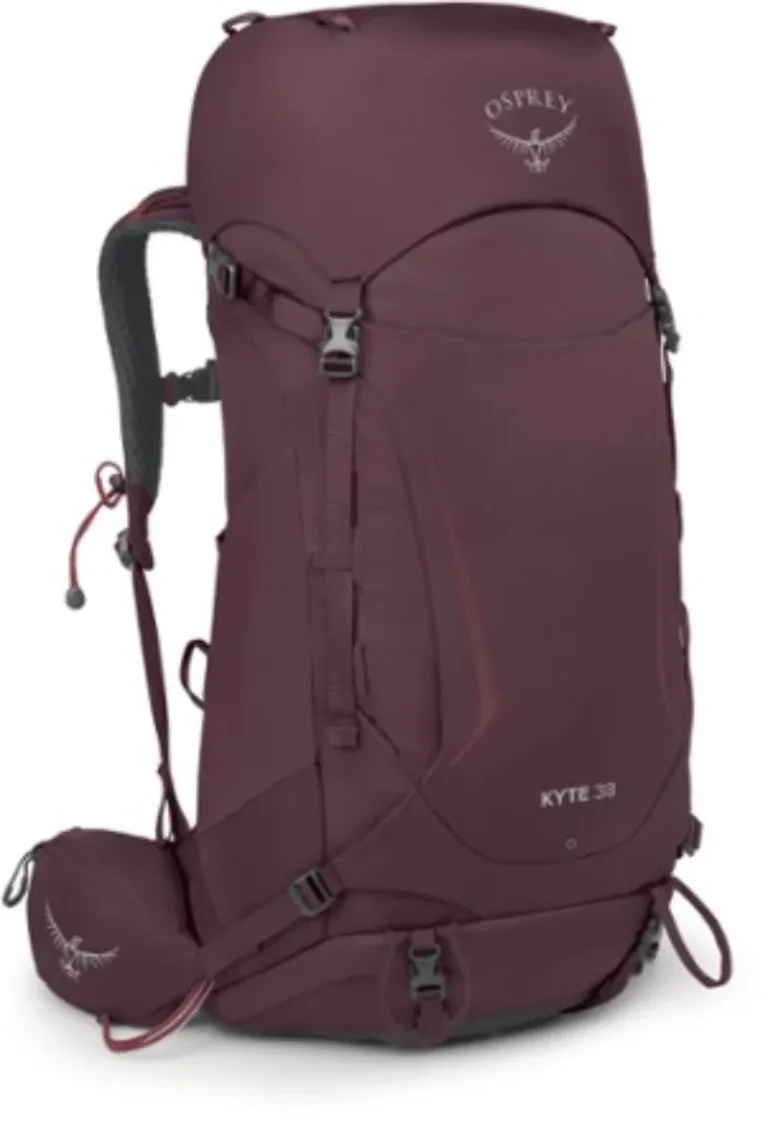


For everything else I carry, see my travel and hiking gear for women.
How to Extend Your Dolomites Itinerary
Have more than four days? Here’s how I’d add on, depending on what you love most.
- More hiking near Cortina: move one valley over for Lago Federa, Lago di Sorapis and Tre Cime.
- A hut-to-hut trek: spend a few nights in rifugios on the Alta Via 1 or a short Alta Via 2.
- Val Pusteria: base yourself near Bruneck with my Val Pusteria itinerary.
- Somewhere quieter: head to the Carnic Alps for the MADE Trek.
Dolomites Itinerary FAQs: Alta Badia in Autumn
When is the best time to see autumn colors in the Dolomites?
Generally from late September through mid-October. Higher elevations will turn earlier; valleys and meadows follow slightly later. For everything to bring on a longer trek, use my Dolomites hut-to-hut packing list. Coming back in winter? Here are my things to do in the Dolomites in winter, plus the Bruneck Christmas market and the Krampus run in Dobbiaco. Browse all my Christmas market guides too.
Is 4 days enough for a Dolomites itinerary?
Yes, if you focus on one area like Alta Badia. This 4-day itinerary gives you hikes, culture, and food without rushing.
If you’re planning a 7-day Dolomites trip, use this as your first base, then move on to a different region for contrast; for example, head to the Carnic Alps around Cima Sappada for the MADE Trek, which offers a quieter, history-rich alpine experience.
Do I need a car to visit Alta Badia in autumn?
Not strictly, but it helps. Trains + buses will get you there, but having a car gives you more freedom with trailheads and mountain passes, especially in shoulder season.
Are the Dolomites crowded in autumn?
No. This is shoulder season, and that’s exactly why I love it. You’ll still find some visitors, but nothing like the summer or winter rush.
What should I pack for autumn in the Dolomites?
Think in layers: base layer, midlayer, warm fleece or light down, waterproof jacket, sturdy boots, hat, gloves, buff, sunscreen, and sunglasses. Weather can switch quickly.
Is Alta Badia worth visiting?
Yes, especially in autumn. The villages sit close together, the larch walks are easy, bigger hikes like Sas Ciampac are right there, and you get Ladin food and two museums in the same valley.
Why avoid the Dolomites in November?
Between the autumn season and ski season, most lifts, rifugios and many hotels and restaurants close. That gap usually runs through November, so check closing dates before you book.
Why Alta Badia Belongs on Your Autumn Dolomites Itinerary
Alta Badia has become one of my favorite areas in the Dolomites, and autumn is the season that keeps calling me back. For more of the region, see my Italy travel guide. Want help planning your own trip? I offer itinerary planning, and if you’d rather not go alone, come on one of my women’s group trips.
Golden larches, quiet trails, Ladin food and family-run guesthouses are why autumn is my favorite time in this part of South Tyrol. Every time I return, I find something new, a hike I somehow missed, a dish I hadn’t tried, a story from a local that shifts how I see the landscape.
If you want an autumn trip in the Dolomites that’s easy to plan, works for solo travelers and mixes hiking with Ladin culture, Alta Badia is a great place to start.
More Dolomites and Italy travel guides
- Dolomites travel guide: how to plan your trip
- Where to stay in the Dolomites by area
- Italy travel guide
- Solo hiking Tre Cime di Lavaredo
- Hiking to Lago di Sorapis solo
- Cadini di Misurina hike
- Easy hikes near Cortina
- Dolomites lakes near Cortina
- Palaronda trek guide
- Val Venegia easy hike
- Christmas markets in Italy
- Bolzano and Merano Christmas markets
- All my hiking guides
Research and Sources
This itinerary comes from my own two autumn trips to Alta Badia, staying in La Villa and San Cassiano. For opening dates, guided walks and timetables, I checked the Alta Badia tourism board, the Museum Ladin Ciastel de Tor and South Tyrol public transport.