
The Complete Dolomites Travel Guide
Expert tips: Logistics, seasons, bases, and culture — done right.
You have fourteen tabs open. One says Tre Cime, one says Lago di Braies, one is a hut booking page in German that keeps timing out, and none of them agree on where you should sleep. I got you.
Here is the honest trade-off, before anything else: the Dolomites are not a single destination. They are several valleys spread across three Italian provinces, each with its own language, bus network, opening season, and personality. Most trip plans fall apart because people treat the region like a single city and try to see it all in five days. You end up driving passes instead of standing on them.
I lived in northern Italy for three years, and I still come back season after season, for hut-to-hut treks, slow mornings in mountain villages, and afternoons on alpine paths with no agenda. What I’ve learned is that a good Dolomites trip has almost nothing to do with how many highlights you hit and everything to do with picking the right base, the right month, and the right two or three things per day.
This page is the map to everything I’ve written. Start with the section that matches your current planning stage.
Currency
Euro
Language in the dolomites
Ladin, Italian, German
Best time to Visit?
July, September and October
Where Are the Dolomites in Italy?
The Dolomites sit in the far north of Italy, spread across three provinces: South Tyrol (Alto Adige), Trentino, and Belluno in the Veneto, with a quieter eastern edge reaching into Friuli.
They became a UNESCO World Heritage Site in 2009. The range covers roughly 140,000 hectares, which is why saying “I’m going to the Dolomites” is about as specific as saying you’re going to the Rockies.
You will hear three languages up here, sometimes in the same village: Italian, German, and Ladin. Towns often have two names and your GPS may only recognize one of them. Brunico and Bruneck are the same place. So are Ortisei and St. Ulrich, Lago di Braies and Pragser Wildsee.
Getting there: Venice Marco Polo and Treviso are the most common arrival airports, followed by Verona, Innsbruck, and Munich. By train, the useful stations are Bolzano and Bressanone for the western valleys, Calalzo di Cadore for Cortina, and Trento for the south.
How to Plan a Trip to the Dolomites: Start Here
Three decisions shape everything else: how many days you have, which base you pick, and whether you’re driving. Get those right and the rest is just choosing hikes. Most people planning a trip to the Dolomites do it backward, building a list of viewpoints first and then discovering those viewpoints are three hours apart. For a first visit, five to seven days at one base works.
First Timers- Guide to the Dolomites: How to Plan Your Trip: Start here!
The Dolomites By area and Province
My biggest advice for travelers is to connect with the local tourism boards for updated information, and then puruse blogs like mine or others to help you plan your vacation. Each valley has its own character, and comparing Val Gardena vs. Alta Badia, or Ortisei vs. Cortina, is really a matter of pace. Use these to see which one matches the trip you want before you book anything.
Use this widget below to learn more about each area and province
The Areas of the Dolomites, by Province
The range spans four provinces and about 160 km. Choose an area to see exactly where it sits.
How to get to the Dolomites:
- Venice Marco Polo Airport to Cortina -Detailed transportation options from Venice’s main airport to the Dolomites, including bus, shuttle, train + bus combinations, and estimated travel times — useful for hut-to-hut trekkers flying in from abroad.
Where to stay in the Dolomites
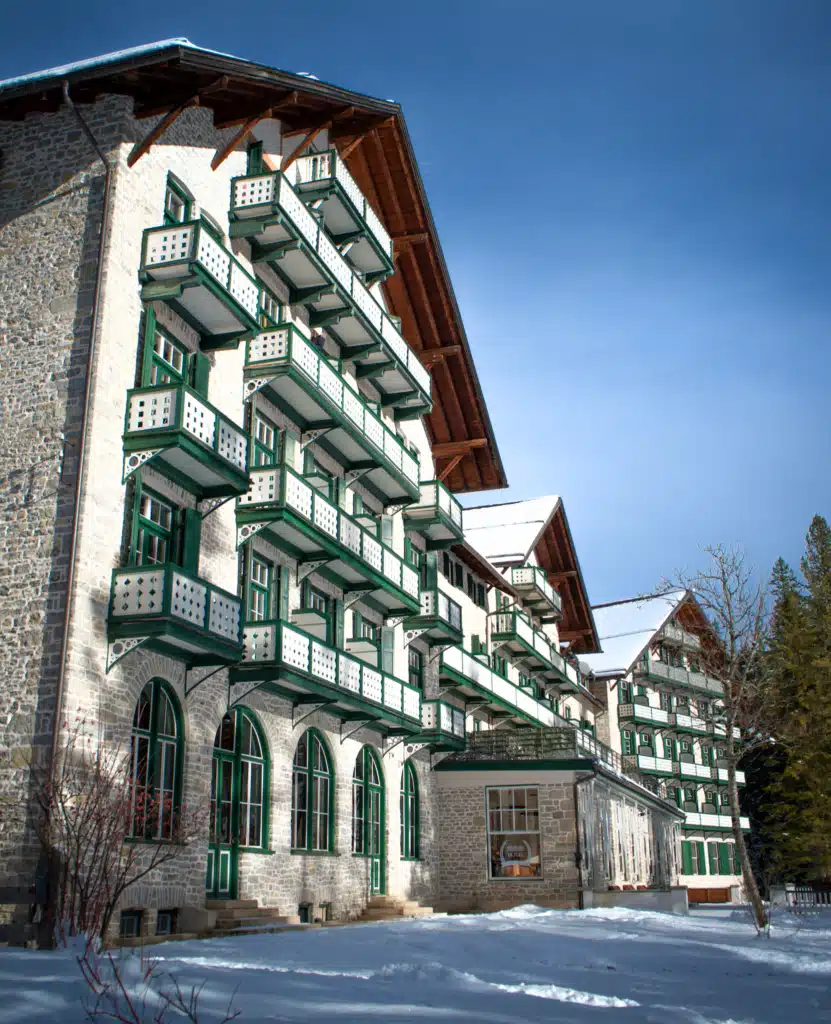
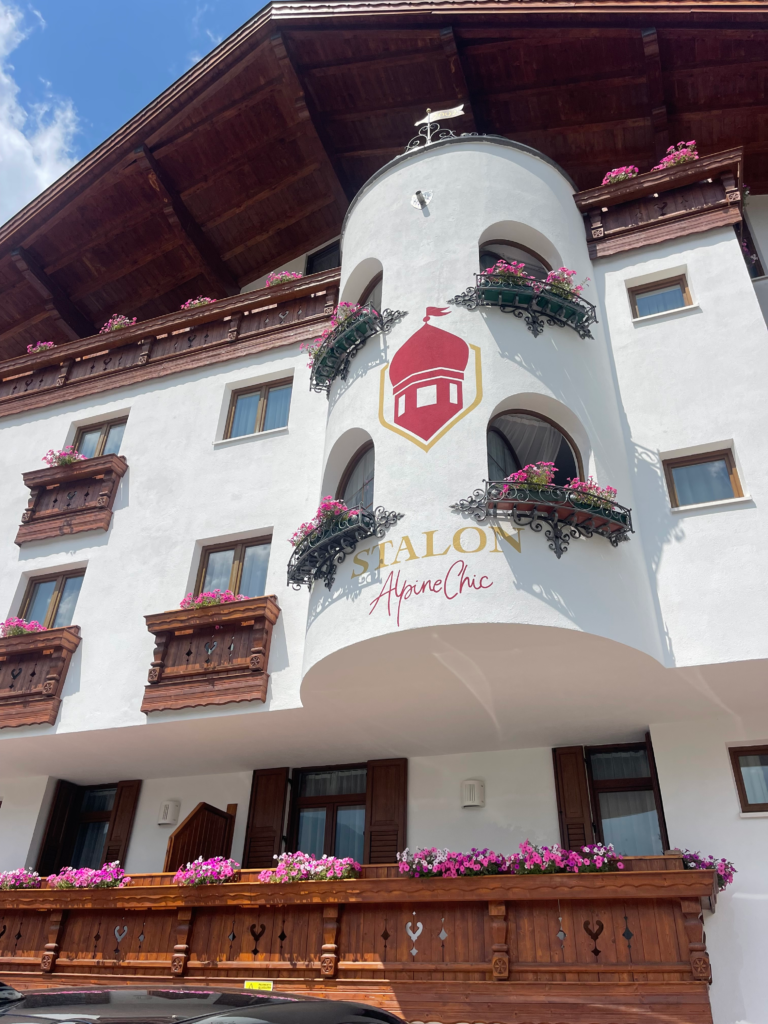
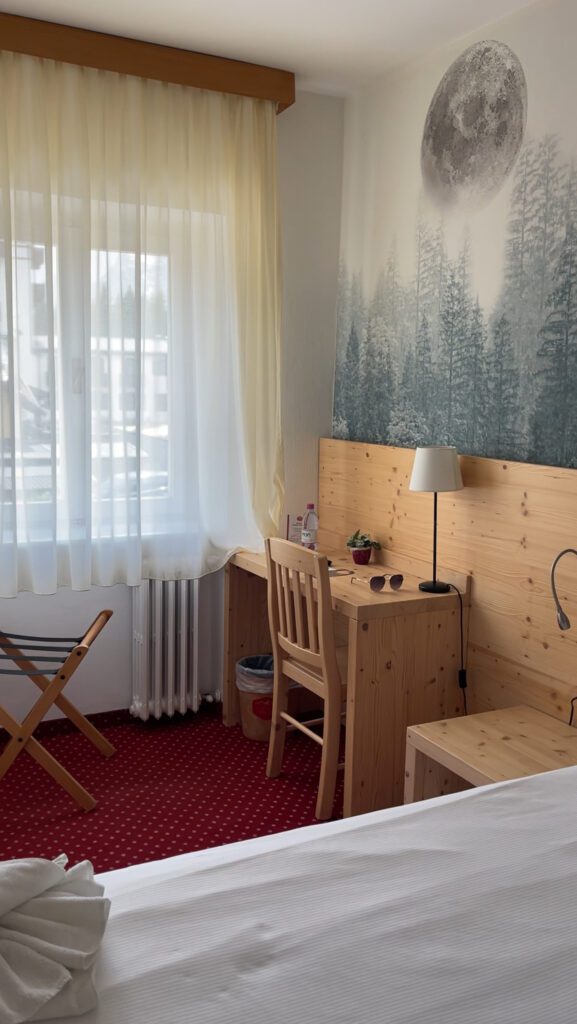
- Where you stay in the Dolomites: 9 Hotels I’d pick again matters more than most people realize. The region spans multiple valleys, and choosing the wrong base can mean hours of unnecessary driving—or missing out on early mornings and quiet evenings entirely. These guides will help you choose a base that actually supports the kind of trip you want.
- Where to stay before and after the Alta Via 1– Ideal for hikers planning their Alta Via 1. Sometimes we plan the meat and bones of our trip first, but we can’t forget about the beginning and end!
- What Hiking Apps will you need for your trip to the Dolomites?: You might be surprised that there are smartphone apps out there that help you with your time in the Dolomites!
Hotel Reviews
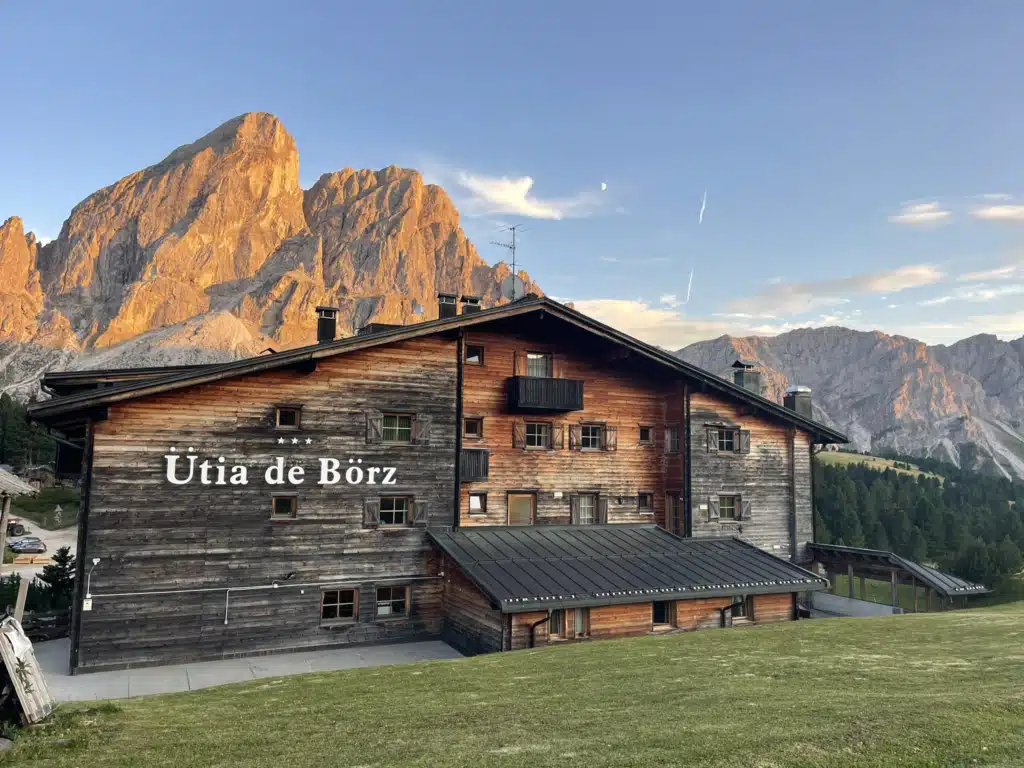
- Ütia de Börz Review: Is this Hotel in the Dolomites Worth It?– Find out about my 3-day stay at this beautiful hotel in Passo Dell Erbe
- What to Expect When You Stay at Rifugio Lagazuoi (Dolomites Overnight Guide) – Learn about Rifugio Lagazuoi and what it’s like staying the night at this Iconic rifugio
Coming Soon
- Where to stay in San Martino di Castrozza for hikers (coming soon)
- Where to stay in Cortina d’Ampezzo (coming soon)

Getting Around the Dolomites: Car, Bus, and Cable Car
You do not need a car in the Dolomites, but you do need to plan around not having one. Buses run well inside each valley and badly between them, so a car-free trip means committing to one area rather than hopping. If you are flying in, Venice Marco Polo and Innsbruck are the two airports that make the drive least painful.
- Do you need a car in the Dolomites? Car-free travel guide
Coming Soon - Dolomites 2026 access rules and reservation requirements
Coming soon
Dolomite Itineraries
Need Planning inspiration? I’ve got a few Itineraries that will help you with planning your trip to the Dolomites!
3-Days in the Dolomites
4-Days in the Dolomites
Staying in a Rifugio: How to plan your first hut to hut
A rifugio is a mountain hut with beds, hot food, and usually a shared bunk room. Booking a rifugio in the Dolomites opens in spring and the popular ones sell out within weeks, which catches out almost every first-time Alta Via hiker. Bring a liner, bring cash, and expect a set dinner rather than a menu.
- What to expect when staying at a mountain hut in the Dolomites
- Guided vs Self-Guided vs DIY: How to Choose the Right Dolomites Trek (Alta Via 1, Alta Via 2 & More)
- How to Make a Reservation at a Rifugio in 2026
- Rifugio Lagazuoi overnight stay guide
- Best Rifugios in the Dolomites for First-Timers (Easy Hikes + Stunning Views)
Best Time to Visit the Dolomites, Month by Month
The best time to visit the Dolomites depends entirely on whether you need the lifts and rifugios open, and most people find that out too late. Late June through September is the full-service window. September and October bring larch color and half the crowds, but rifugio closing dates start landing mid-October and they vary by valley every year. May is the month I’d talk you out of.
Winter in the Dolomites
- What to expect in the Dolomites in Winter- This blog post is a comprehensive look at what you can do in the Dolomites in the winter. It’s a realistic look at winter travel beyond skiing, including snowshoeing, scenic walks, alpine villages, and what to expect when visiting outside the peak summer season.
- Surviving the Dobbiaco/Toblach Krampus Run and What to Expect – Are you curious what it’s like to attend the Largest Krampus Run in the Dolomites? This is the perfect Post to find out!
- Is the Bruneck Christmas market worth it?
- Bolzano and Merano Christmas Markets: A 4-Day Dolomites Itinerary
- Exploring Rango’s Christmas Market in Trentino: Stone Archways, Ancient Cellars, and an Old-World Holiday Atmosphere
Spring in the Dolomites
April and May are the closure window. Lifts stop between seasons, many rifugios are shut, and high trails still hold snow well into June, so if those weeks are your only option, plan a valley trip from Bolzano or Brunico rather than a mountain one.
Summer in the Dolomites
Summer is the only stretch when everything runs at once. Lifts operate, rifugios are open, buses hold full schedules, and the high routes clear of snow from roughly late June through mid September. It’s also the season the reservation systems were built for. Tre Cime, Braies, and Alpe di Siusi all restrict access in these months, and the difference between a good day and a frustrating one usually comes down to whether you started before 8am.
Fall in the Dolomites
- Almabtrieb in Moena 2026: How to Attend the Desmontegada in Val di Fassa
- Almabtrieb Seiser Alm 2026: How to See the Cattle Drive in Compatsch
What to Pack for the Dolomites
Mountain weather here changes fast, and it changes hardest at altitude. A July afternoon at 2,700m can drop cold enough that you regret leaving the extra layer in the car. Ask me how I know.
Dolomites Hut to Hut Packing List: What I Actually Pack for Rifugio to Rifugio Hiking
This is the gear I actually carry/wear/use
- Osprey daypack for day hikes and rifugio overnights
- Trekking poles for the long descents, which are what actually wreck your knees here
- CamelBak bladder because refill points between huts are not guaranteed
- Hiking shoes with real grip for wet limestone
- Holafly eSIM for the valleys where your carrier gives up



Best Hikes in the Dolomites: Day Walks and Hut to Hut
Hiking in the Dolomites scales from a flat meadow loop to eleven days of hut to hut. I have done Alta Via 1, Alta Via 2, the Palaronda Trek, and the MADE Trek, and I have also spent entire days on a single easy hike and eating a long lunch. Both are legitimate trips. Start with a beginner-friendly route if you have not hiked at altitude before, because the descents here are longer than they look on a map.
Multi-day treks
- Alta Via 1 rifugio booking guide, stage by stage
coming soon - What is the Alta Via 1: Here’s Everything You Need to Know
- Alta Via 1 Short: 4 days on the iconic Alta Via 1 solo
- Alta Via 2 Short: 4 Days Solo on the Alta Via 2
- Italy’s MADE Trek: How to do this quiet trek in the Italian Dolomites
- Palaronda Trek Itinerary: A 4-Day Solo Hike Through the Pale di San Martino
Day hikes
Passo delle Erbe
- Easy Day Hike From Passo Delle Erbe: Ütia de Börz to Maurerberghütte and Ütia de Pecol Loop
- Sass de Putia circuit hike (Peitlerkofel)
Passo Falzarego/Passo Giau/Cortina D’Ampezzo
- The Best Fall Hike in the Dolomites: Croda da Lago + Lago Federa
- Cortina d’Ampezzo Circuit (coming soon)
- Lagazuoi tunnels hike through the WWI galleries (coming soon)
- How to Hike Lago di Sorapis: A Solo Hiker’s Guide (2026)
- 5 Hikes Near Cortina D’Ampezzo That Are Absolutely Worth it
- Lakes near Cortina D’Ampezzo
Sexten Dolomites
Alta Badia
- Easy day hike to Rifugio Pralongià in Alta Badia (coming soon)
- La Villa to Armentara Meadows via the Larchenweg (coming soon)
Trentino
San Martino Di Castrozza and Passo Rolle
The Famous Lakes and Viewpoints: Worth It or Not?
Every one of these has a reservation system, a parking fee, or a crowd problem, and some have all three. Here are straight answers on whether Lago di Braies is worth the reservation hassle, what parking at Lago di Carezza actually costs in 2026, and which of these I would skip if your days are limited.
- Is Lago di Braies worth it? (coming soon)
- Is Lago di Carezza (Karersee) worth visiting?
- Seceda, Tre Cime, and Alpe di Siusi: 2026 access rules (coming soon)
- How to Hike Lago di Sorapis: A Solo Hiker’s Guide (2026)
- Overtourism in the Dolomites: Is Cadini di Misurina Still Worth It?
Ladin Culture, Food, and Festivals in the Dolomites
The answer to what language they speak in the Dolomites is three languages, and the third one is the reason these valleys feel different from anywhere else in Italy. Ladin predates both Italian and German here. If you time a trip for late September, you can also catch an Almabtrieb, the cattle drive down from the summer pastures, which is the single best day I have had in this region.
- Ladin culture in the Dolomites and where to find it (Coming Soon)
- Almabtrieb in Moena 2026: How to Attend the Desmontegada in Val di Fassa
- 3 museums you can visit in the Dolomites (Coming Soon)
- Almabtrieb Seiser Alm 2026: How to See the Cattle Drive in Compatsch
Resources I use to plan my trips
Local tourism boards will post about festivals, events and maybe even guided hikes you can do for a low cost. They’ll have webcams and they’ll be a great resource!
- Alta Badia and San Cassiano
- Passo delle Erbe
- Cortina d’Ampezzo
- Val Pusteria and Brunico
- Val di Fassa and Moena
- San Martino di Castrozza
Where to Next?
Looking for Travel Planning services in the Dolomites? I offer Travel Planning and Itinerary Services to help you plan your trip to the Dolomites.
Dolomites FAQ
Five to seven days for a first trip based in one valley, which gives you time for four or five outings without repacking. Ten days lets you split between two bases or add a multi-day trek. Anything under four days and you will spend most of it driving.
Late June through September for open lifts, open rifugios, and full bus service. Late September into mid-October for larch color and fewer people, though closures begin. I absolutely love September to October in the Dolomites for the pace and the fall colors!
No, but it changes how you plan. Without a car, base in Val Gardena or Val Pusteria where buses and trains are frequent, and accept that you’ll explore one area rather than several.
Yes, easily. Cable cars deliver you to viewpoints and mountain restaurants, several lakes have flat loop paths, and there are museums and market towns for weather days.
Lago di Braies, Seceda, Alpe Di Siusi, Tre Cime
I believe that Alta Badia and Passo delle Erbe are two of the best places , along with the lesser known Cima Sappada
I think so! It’s really not that bad. It’s a quick visit and a walk around Lago Di Braies
6-9 months in advance. You’ll want to make reservations as soon as possible!
Some do, many don’t, and card machines fail regularly because mobile signal is unreliable at altitude. Carry enough euros to cover your whole stay, including drinks and any shower fee.
Italian, German, and Ladin. Ladin is a Romance language spoken in five valleys and it predates both of the others. Most people working in tourism also speak English.