2 Day Siena Itinerary: How to Explore Beyond a Day Trip
Last Updated on April 28, 2026 by Kimberly
You’re probably here because you’re trying to figure out how to spend your time in Siena — and whether it’s actually worth slowing down for.
Most people visit Siena as a rushed day trip from Florence and leave without ever really understanding what makes the city special.
I’ve been twice now: once on a quick visit, and once arriving on foot after walking the Via Francigena into the city.
The difference was everything.
The second time, I approached Siena differently. I took the time to understand the contrade through a walking tour, booked a guided visit to the Duomo rather than just going at it with an audio guide ( but I do explain the differences below!), and experienced the food culture in a way that actually connected me to the region. It completely changed how I experienced the city.
If you’re planning 2 days in Siena and want it to feel intentional rather than rushed or overwhelming, this is the exact step-by-step itinerary I’d follow — built on real experience, not a checklist. If you’d rather just get lost in beautiful photographs of Siena, I have a post for that too!
Siena at a Glance (Quick Picks)
Take a Walking Tour of Siena to gain more of a perspective on the city!
Invest in the OPA SI Pass if you want to see the Duomo complex, including the Faccione!
Check the Rates here
For first-time visitors or solo travelers who want ease and support:
→ Hotel Chiusarelli
Walkable to the centro storico, near the Basilica di San Domenico, and ideal if you want a front desk, breakfast, and help with logistics.
For longer stays, digital nomads, or a more local feel:
→ Cozy Apartment in Siena
Quiet residential area just outside the center, with more space and a kitchen — a good option if you want to settle in for a few days.
Check availability and compare prices here →
Two Days in Siena Itinerary Overview
Before we get into the details, here’s the exact flow I followed on my second visit:
Day 1: Arrive + Walking Tour + Piazza del Campo + Aperitivo + Dinner
🏨 Stay: Hotel Chiusarelli or a nearby apartment
🍷 Book: Walking Tour in Siena with Tastings and Stories
Day 2: Duomo Visit + Facciatone + St. Catherine + Cooking Class
⛪ Book: Siena: Cathedral Complex Pass with Audio Guide (OPA SI PASS)
Nervous about driving in Italy? Don’t worry, my guide to driving in Italy will help you out with a few tips!
How Siena Is Laid Out (with a map)
Before you arrive, it helps to understand how Siena actually works. Not just what to see — but how the city fits together. Once this clicks, navigating becomes much easier.
Siena is built on three hills that meet in a Y-shape. The historic center is divided into 17 contrade (neighborhoods), each with its own flag, symbol, and identity.
You don’t need to memorize them — just notice the flags hanging from buildings as you walk. It’s a reminder that Siena isn’t just a tourist stop; it’s a lived-in city.
Here’s the simple way to think about the layout:
- Piazza del Campo is the center of everything. If you get turned around, come back here and reset.
- The Duomo complex sits uphill to the west, on its own ridge.
- The Basilica di San Domenico is further north, near the edge of the historic center.
- The train station is below the city walls — you’ll either walk uphill or take the escalators.
- The Piazzale Gramsci bus terminal is just inside the walls on the northwest side (this is where you’ll catch buses to San Gimignano or Monteriggioni).
Map with a bit of Advice
I don’t think you need to follow a perfect route in Siena. The streets twist, the hills are real, and getting slightly lost is part of the experience — but once you know where the Campo and the Duomo sit in relation to each other, everything starts to make sense.
I’ve built a custom Google Map with every place mentioned in this itinerary — restaurants, hotels, sights, the bus terminal, and the escalator entrance. Save it before you go so you can access everything offline.
How to Use This Map:
Click the icon in the top left corner to see all the places I’ve pinned around the city— from cafés and museums to scenic viewpoints. You can turn layers on or off and click any pin to learn more about each spot. Want to keep it handy for your trip? Click the star next to the map’s title to save it to your Google account.
Then, open the Google Maps app, go to “Saved” → “Maps,” and you’ll see this map ready to guide you while you explore.
Where to Stay in Siena as a First-Time Visitor/ Solo Female Traveler
I’ve stayed in two very different places in Siena, and I’d recommend both for different types of solo travelers.
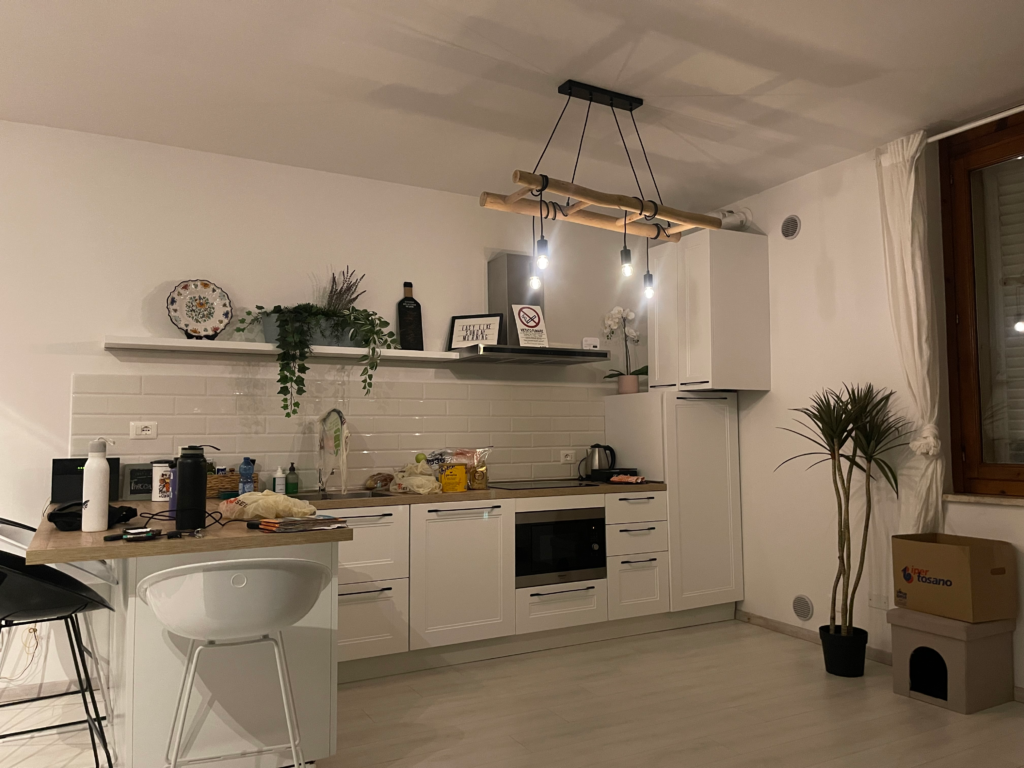
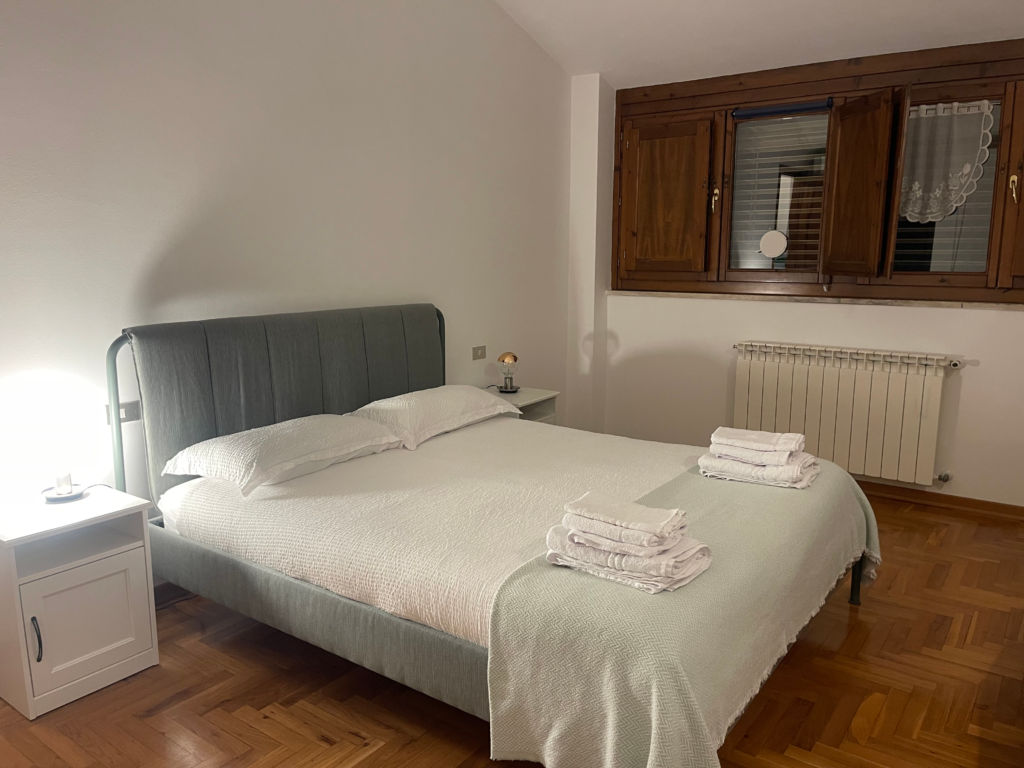
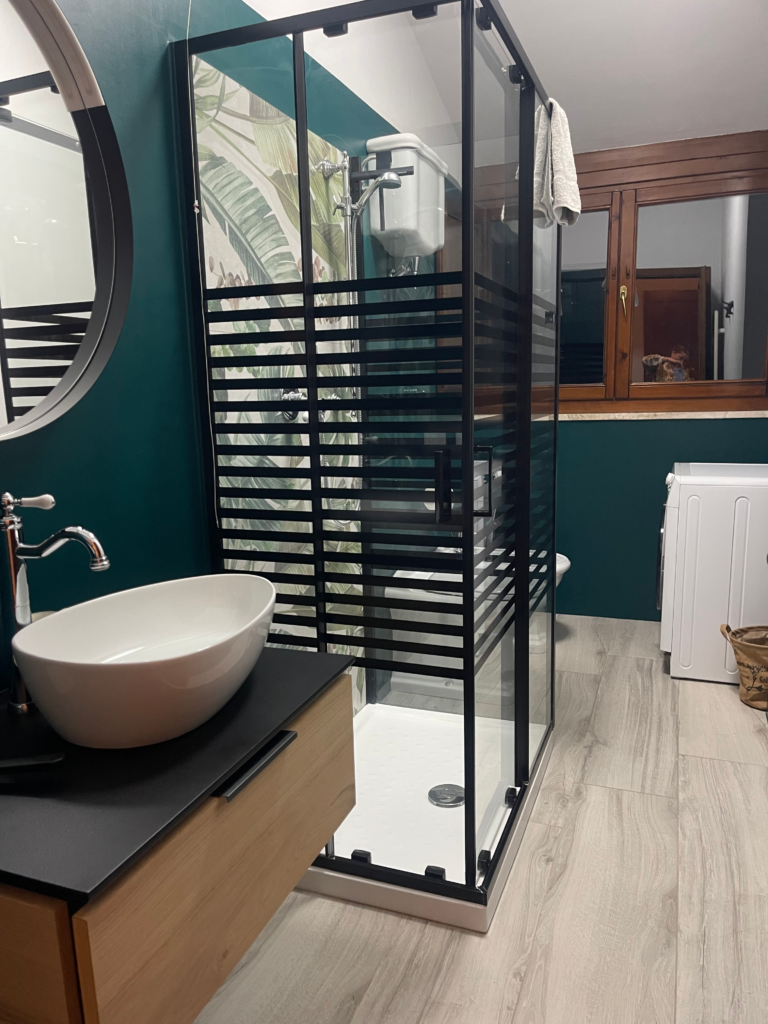
The Cozy Apartment in Siena
Address: Via Simone Martini, 93, 53100 Siena
Best for: Solo travelers who want to feel local, digital nomads, girls’ trips, and longer stays
This apartment is exactly what it sounds like. It’s quiet, it’s residential, it’s a few minutes’ walk from the centro storico, and it gives you the kitchen and the space to live like a local for a few days instead of just visiting. If you’re a digital nomad working from Italy, or if you’re traveling solo and want a real home base instead of a hotel room, this is the move.
While there is no concierge, you’ll have an attentive host available 24/7 via WhatsApp, and they’re so kind!
Hotel Chiusarelli
Best for: First-time solo women, those who want a front desk, and anyone who wants to be steps from the Basilica and the best Duomo views
Hotel Chiusarelli is one of those places that just gets it right. It’s close to the old town but in a quiet part of Siena, within walking distance of the Basilica di San Domenico (where St. Catherine’s Head is kept), and the views over the city and the Duomo from the area around the hotel are among the best in Siena.
For a solo first-timer, having a real hotel with a real front desk and real staff who can answer questions, recommend restaurants, and call a taxi for you matters. This is the one I’d book if I were planning my first solo trip to Italy. They have a pretty decent breakfast as well!

Check availability and book here
Best Neighborhood for First-Timers
If you’re booking somewhere not on this list, aim for the area near the Duomo or just outside the centro storico walls (like where Hotel Chiusarelli sits). You’ll be close to everything, the streets are well-lit at night, and there’s enough foot traffic that you won’t feel isolated walking back to your room after dinner.
Solo Traveler Tip: If this is your first solo trip to Italy, book the hotel. The front desk, the daily housekeeping, and the staff who can call you a taxi or recommend a restaurant in English are worth the slightly higher price tag. Save the apartment stay for trip two, when you already know the city.
Day 1 of Your 2 Days in Siena: Arrival + Walking Tour + First Night
On both of my visits to Siena, I kept the first day intentionally light. It’s not a city I tried to rush, it’s one I eased into.
Morning: Arrive in Siena + Coffee + Piazza del Campo
When I arrived, I didn’t rush into sightseeing.
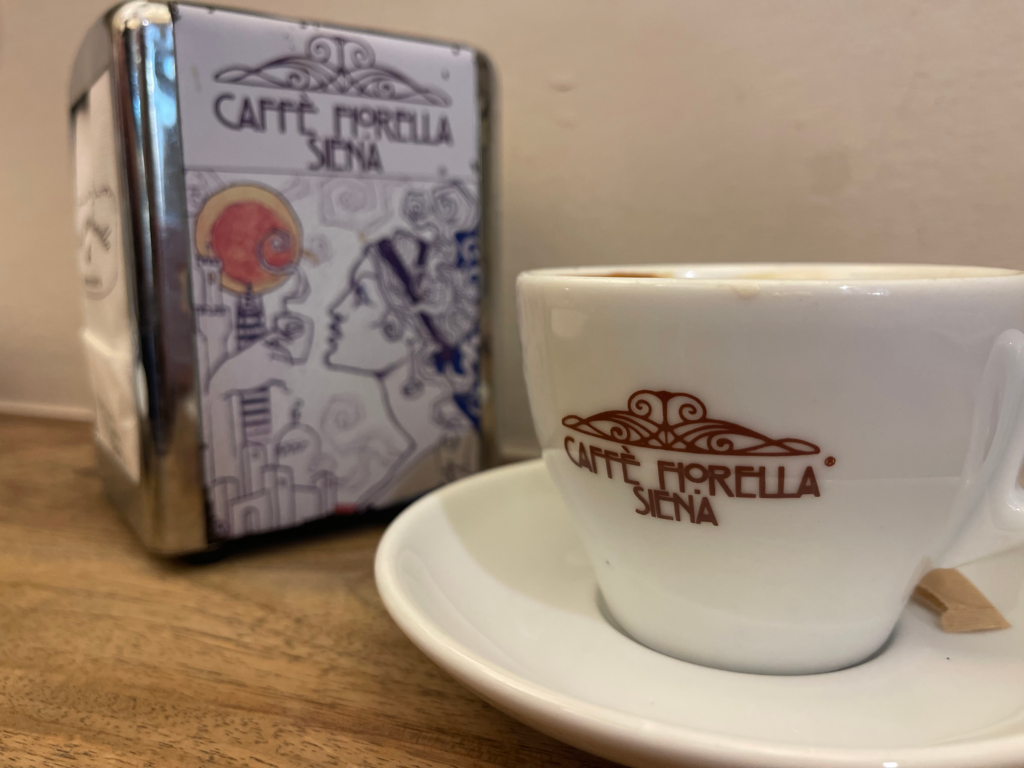
I dropped my bags and went straight for coffee. On both visits, I went to Torrefazione Fiorella — it was simple and affordable, and I felt completely comfortable there on my own.
Afternoon: Let a Local Show You Siena (Walking Tour + Tastings)
On my first visit, I explored Siena on my own ( I kind of let Rick Steves guide me)
I saw things — but I didn’t fully understand them. Sure, a guidebook is great, and I love that, but nothing really makes you understand a place more than taking a tour.
On my second visit, I booked a Walking Tour in Siena with Tastings and Stories, and it completely changed how I experienced the city.
This is where everything clicked:
- How the contrade actually work
- Why the Palio matters
- What I was looking at as I walked through the streets
It wasn’t just helpful — it made the rest of my time in Siena better.
If you’re visiting for the first time, I’d strongly recommend doing this on Day 1 as I did. It gives you context early, so everything else feels more meaningful.
Evening: Aperitivo + Dinner at Antica Trattoria Papei
After the tour, I slowed things down and went back to my hotel to just kind of recoup!
Later that evening, I stopped for an aperitivo — ordered a spritz at La Bottega di Sunto Siena. I sat for a bit and just let the day shift into evening. This ended up being one of my favorite parts of both trips! Just people watching! I spent about 15 euros here, on two spritz, and of course, they gave me various nibbles.
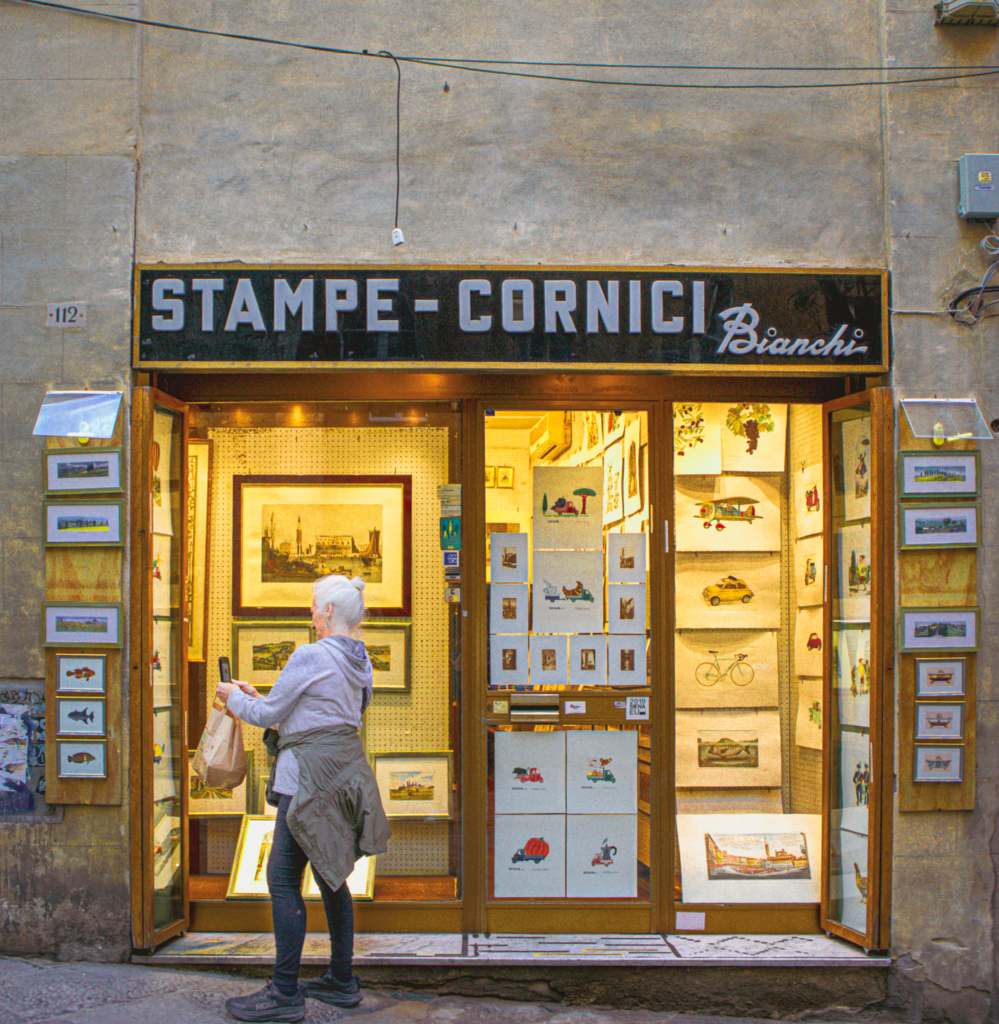
One thing I want to recommend: if you’re looking for a locally made souvenir, head to Stampe cornici Bianchi. There are some beautiful prints you can buy here, all by local artists, and the owner IS WONDERFUL to talk to! Two prints cost about 120euros. It’s well worth it because it’s from a local artist!
For dinner, I went to Antica Trattoria Papei. This wonderful Trattoria is actually mentioned in Rick Steves’ Italy Guidebook! I actually went here on my first visit as well. I just wanted something familiar!
Antica Trattoria Papei opens at 7 pm; reservations are recommended. However, my second time, I stopped by, and the owner was truly hospitable and got me seated!
The first time, I ordered pici. The second time, after finishing the Via Francigena, I went for a steak with mushrooms and fries (simple, I know) because I had been CRAVING a steak. I actually wanted a Bistecca alla Fiorentina, but every restaurant I went to told me it was too big for a solo traveler!
Solo Traveler Tip: The famous Bistecca alla Fiorentina is enormous — designed-for-two-people enormous. If you’re a solo traveler craving steak, order something simpler!
Day 2 of Your 2 Days in Siena: Duomo, St. Catherine
Morning: Exploring the Duomo Complex (OPA Si Pass)
On my second day in Siena, I decided to explore the Duomo complex on my own with the OPA Si Pass — and if you prefer to move at your own pace, this is a really good option. You can grab this on GetYourGuide for 18 euros per person (21.13 USD).
This pass gives you access to the full Duomo complex, including the cathedral, library, crypt, baptistery, museum, and the Facciatone viewpoint (WHICH IS HIGHLY RECOMMENDED!)
What I liked about doing this without a guide is that I could take my time. I wasn’t rushing through rooms or trying to keep up, I could stop, go back, and actually look at things properly.
On my first visit, I saw the murals! On my second visit in April, I did not!
Read This before you Visit Siena!
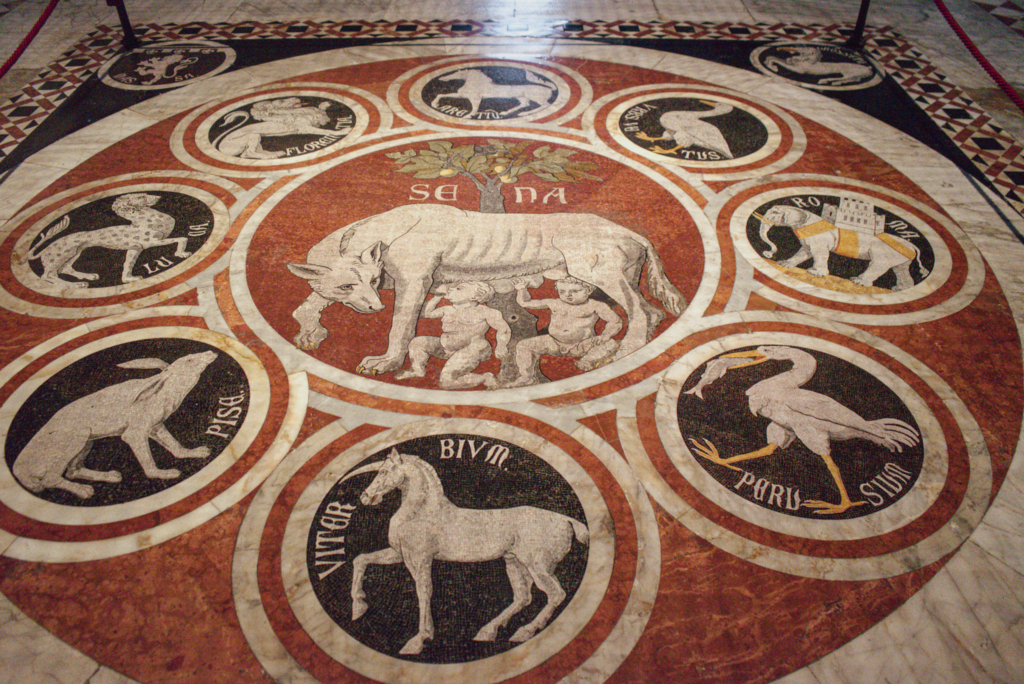
Read this before you book your flights: The famous mural floor inside the Siena Duomo is only uncovered for a few weeks each year.
For 2026, you can see it from 27 June to 31 July and from 18 August to 15 November.
If seeing it matters to you (and it should), plan your trip inside one of those windows. Always verify dates on the official Opera della Metropolitana site before booking, as windows shift each year slightly.
What Makes the Siena Duomo Different
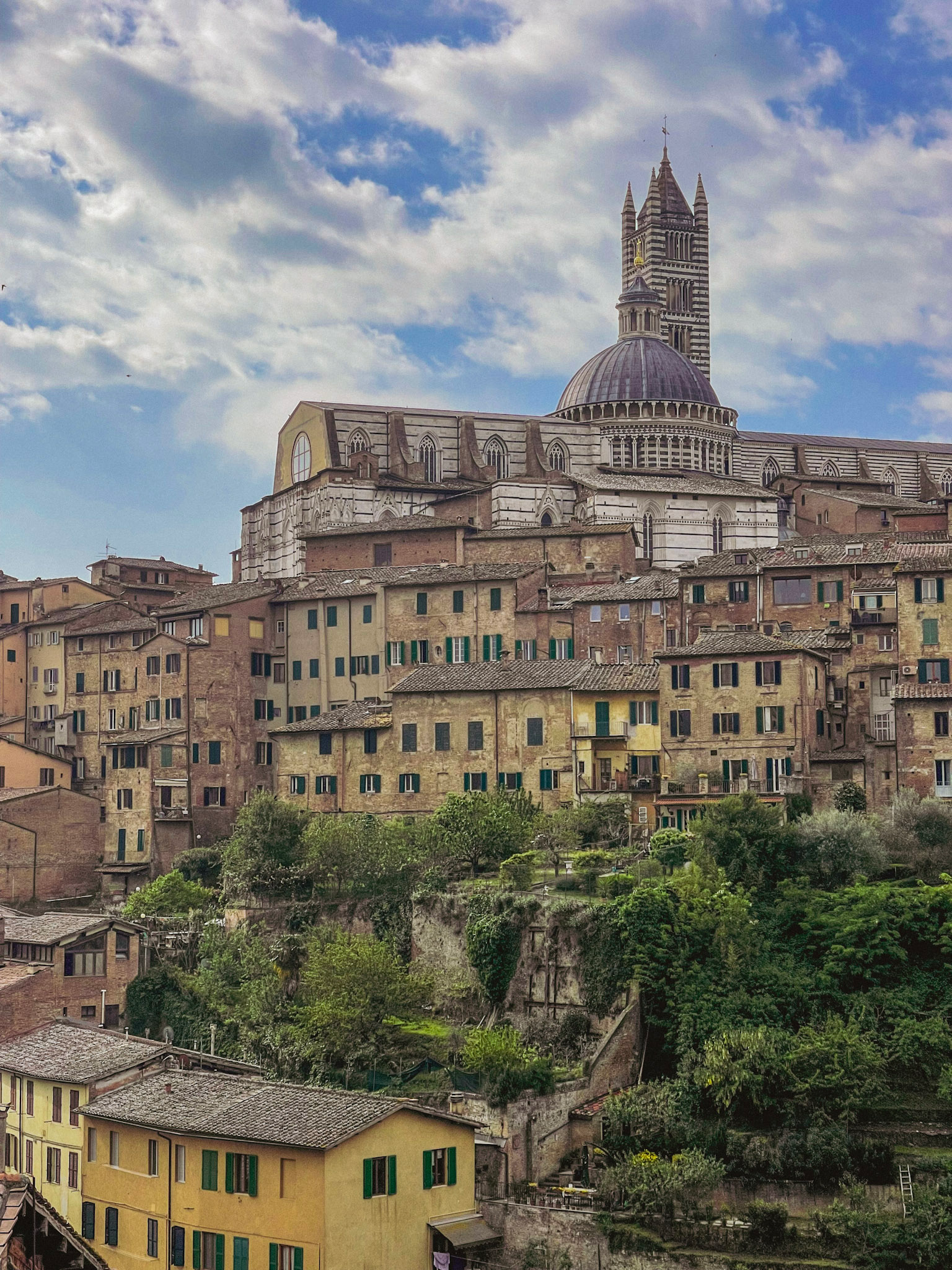
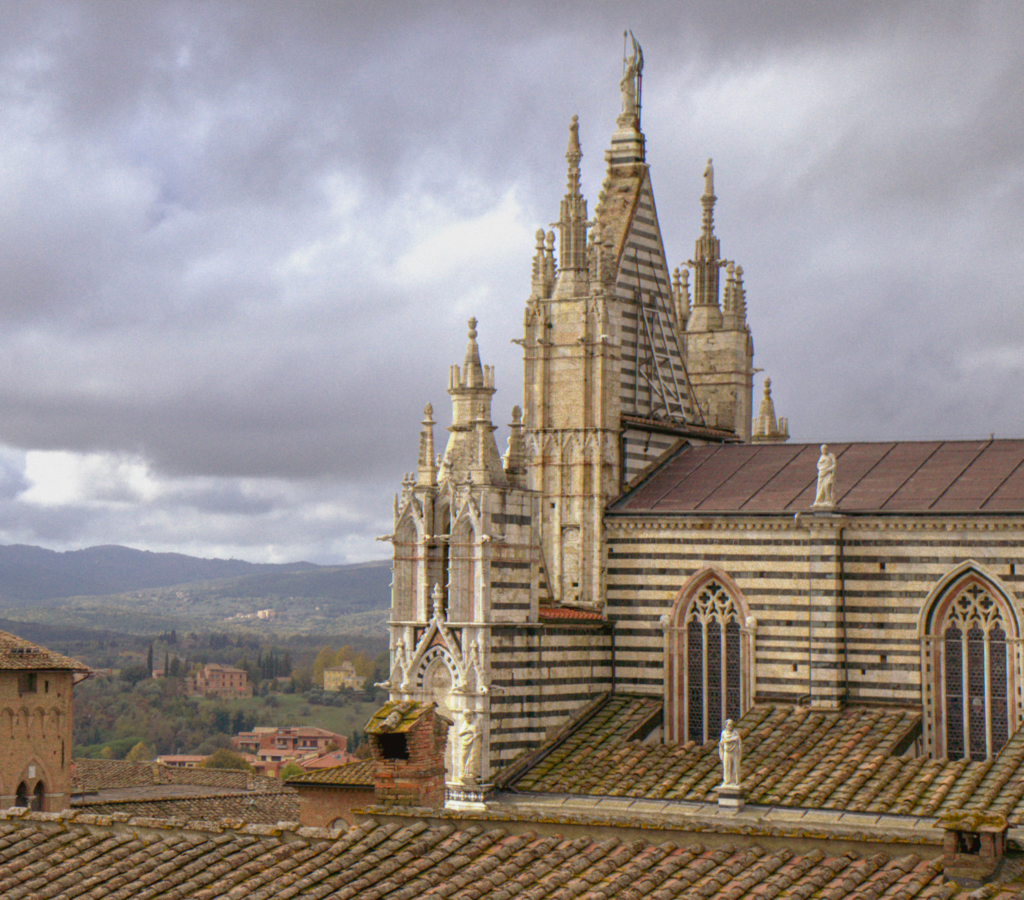
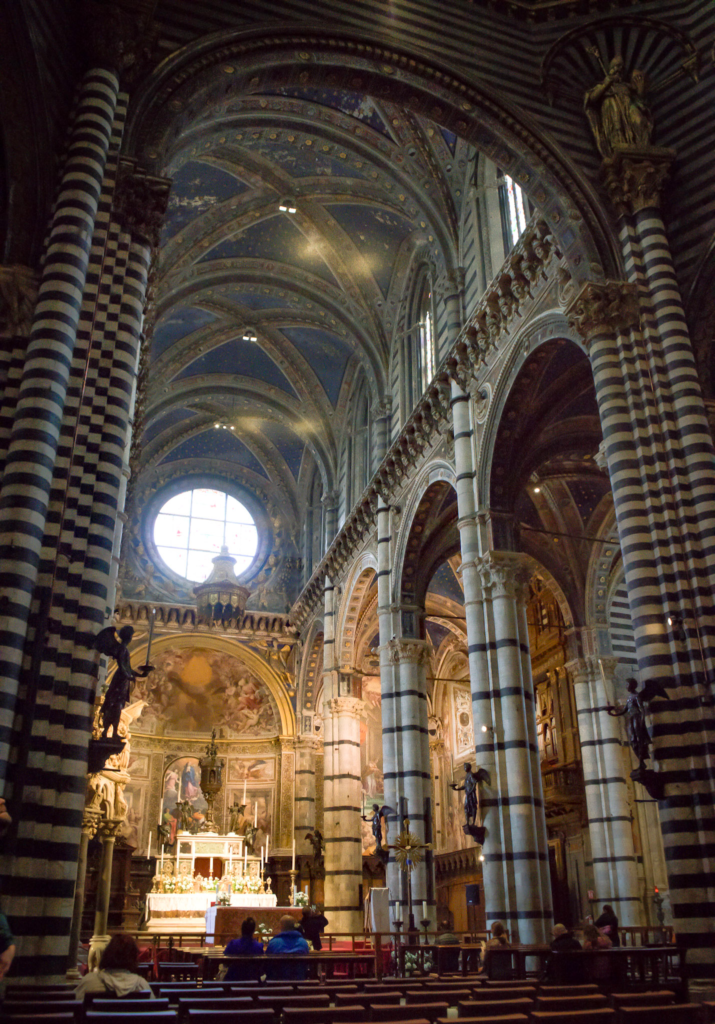
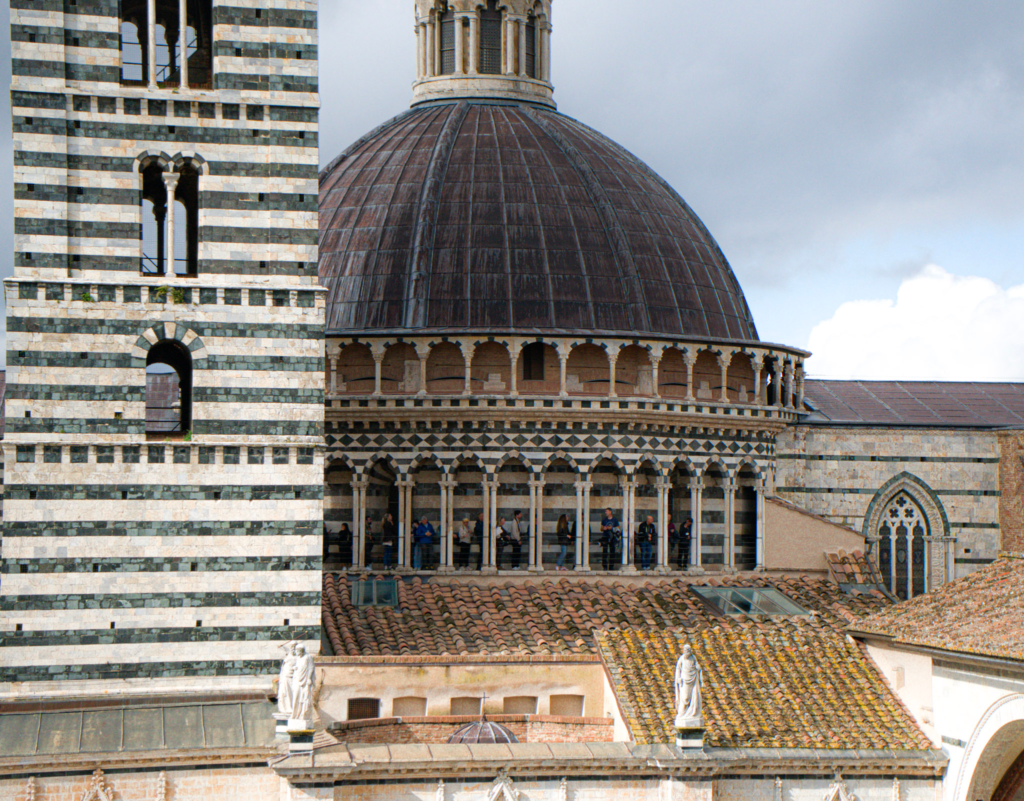
The Siena Duomo isn’t just another cathedral — it reflects how powerful and ambitious Siena once was.
In the 13th and 14th centuries, Siena was a wealthy, independent republic competing directly with Florence. The Duomo was meant to show that power.
There were even plans to expand it into one of the largest cathedrals in the world — but construction stopped after the Black Death in 1348 and financial decline.
What you see today is only part of that original vision.
Inside the Cathedral
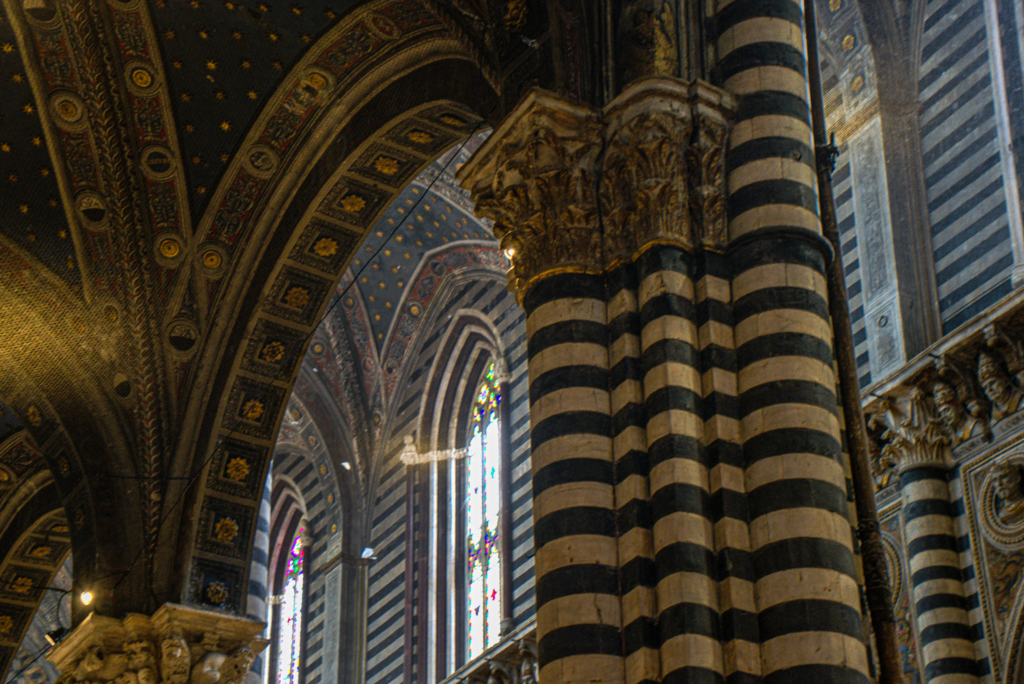
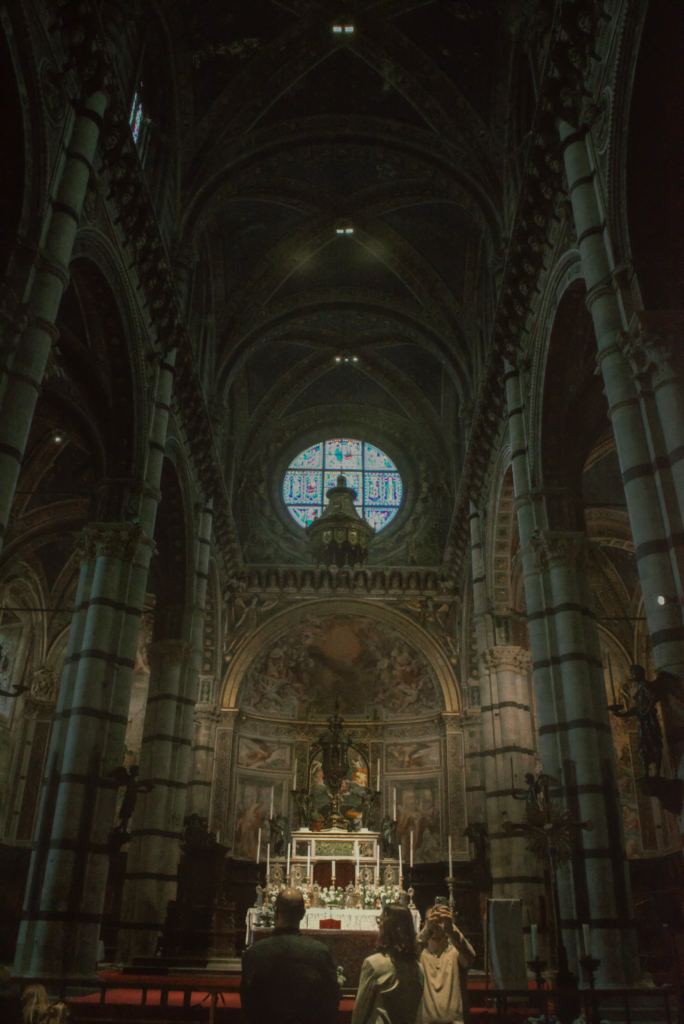
Stepping inside, the first thing you’ll notice is the black-and-white striped marble — the symbolic colors of Siena.
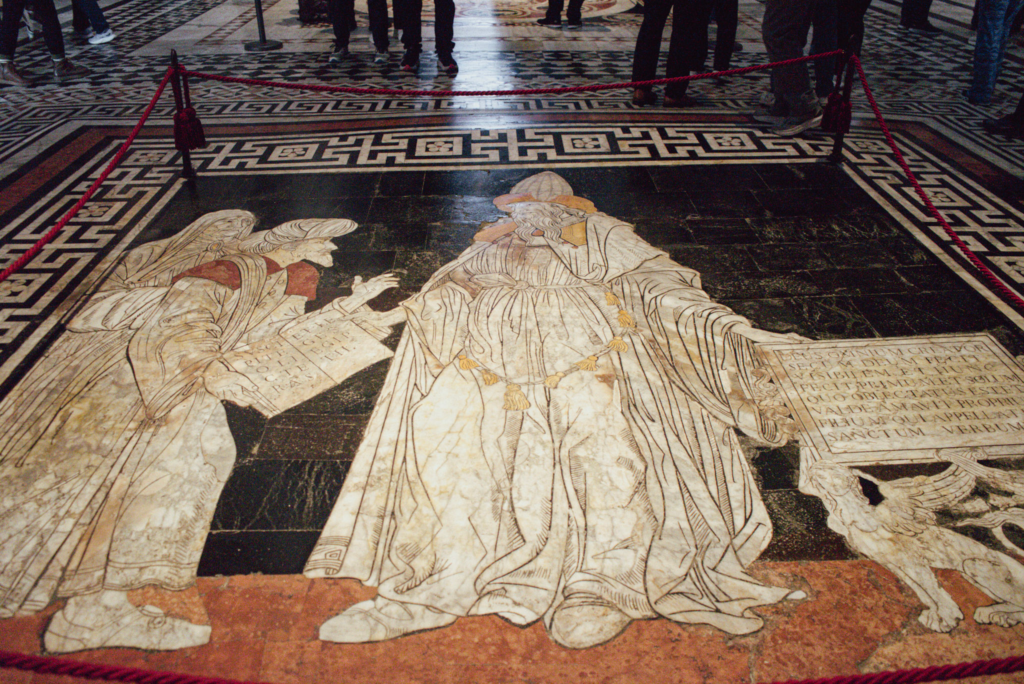
Then there’s the floor.
If you’re visiting when it’s uncovered, the marble mosaic floor is one of the most unique features of any cathedral in Italy. It’s made up of detailed panels that tell biblical and philosophical stories, designed by different artists over centuries.
Take your time here. This isn’t a quick walk-through space.
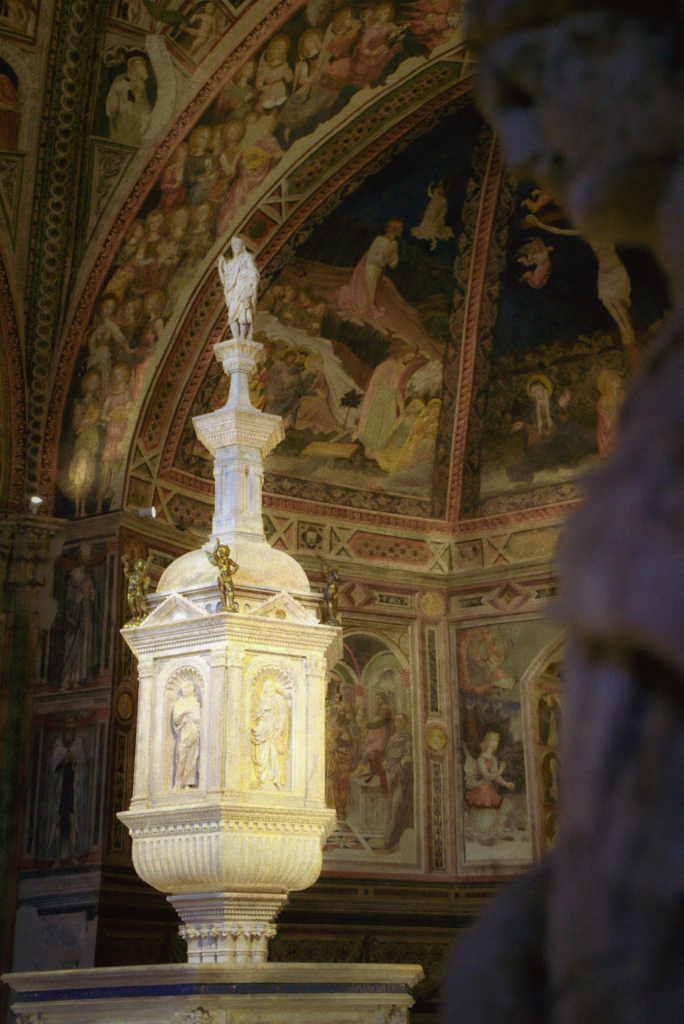
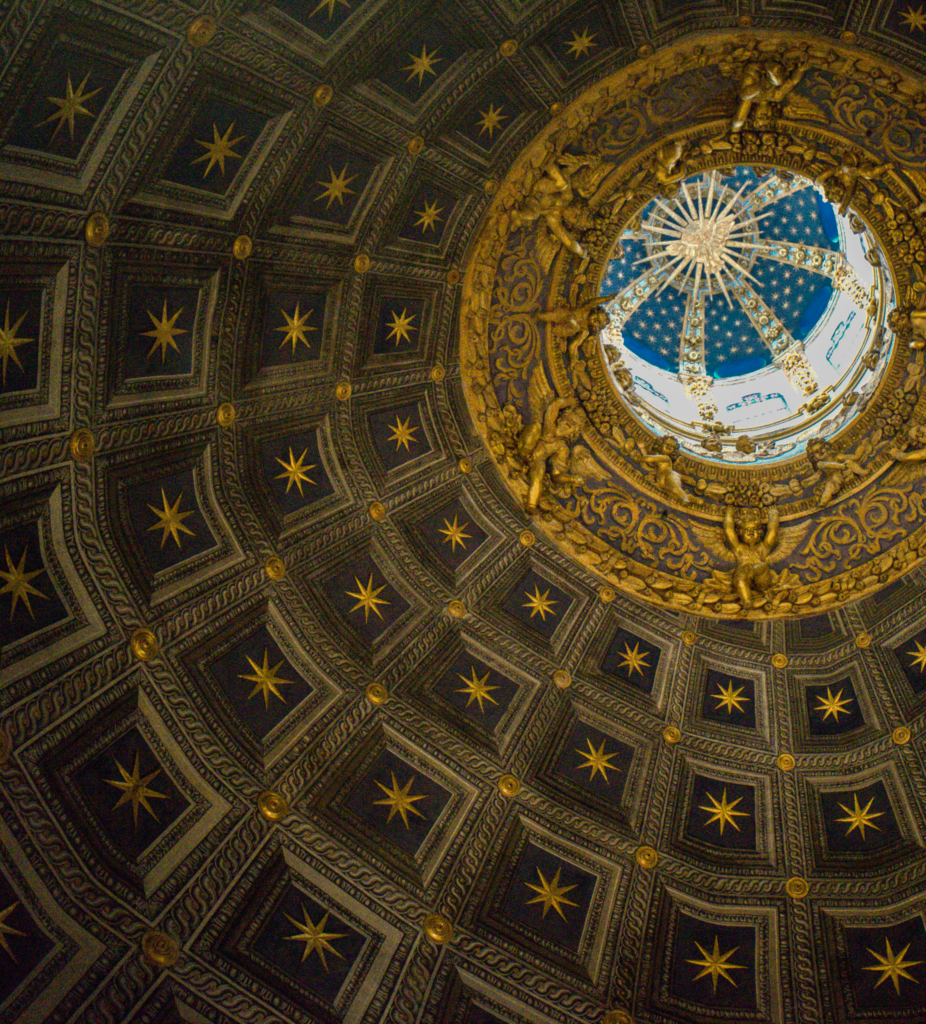
You’ll also see works connected to artists like Michelangelo and Donatello, along with intricate chapels and carvings that reflect both religious devotion and the city’s wealth.
The Piccolomini Library
This was one of the most unexpectedly beautiful parts of the complex.
The Piccolomini Library is covered in vibrant frescoes that stand in stark contrast to the cathedral’s darker tones.
They depict scenes from the life of Pope Pius II, who was born in Siena, and the colors and detail are almost overwhelming in the best way.
It’s one of those rooms where you walk in and immediately stop.
Climb the Facciatone (Don’t Skip This)
This is my favorite part of the entire Duomo complex.
The Facciatone is the unfinished facade of what was intended as a massive expansion of the cathedral. This was my favorite part of my visit!
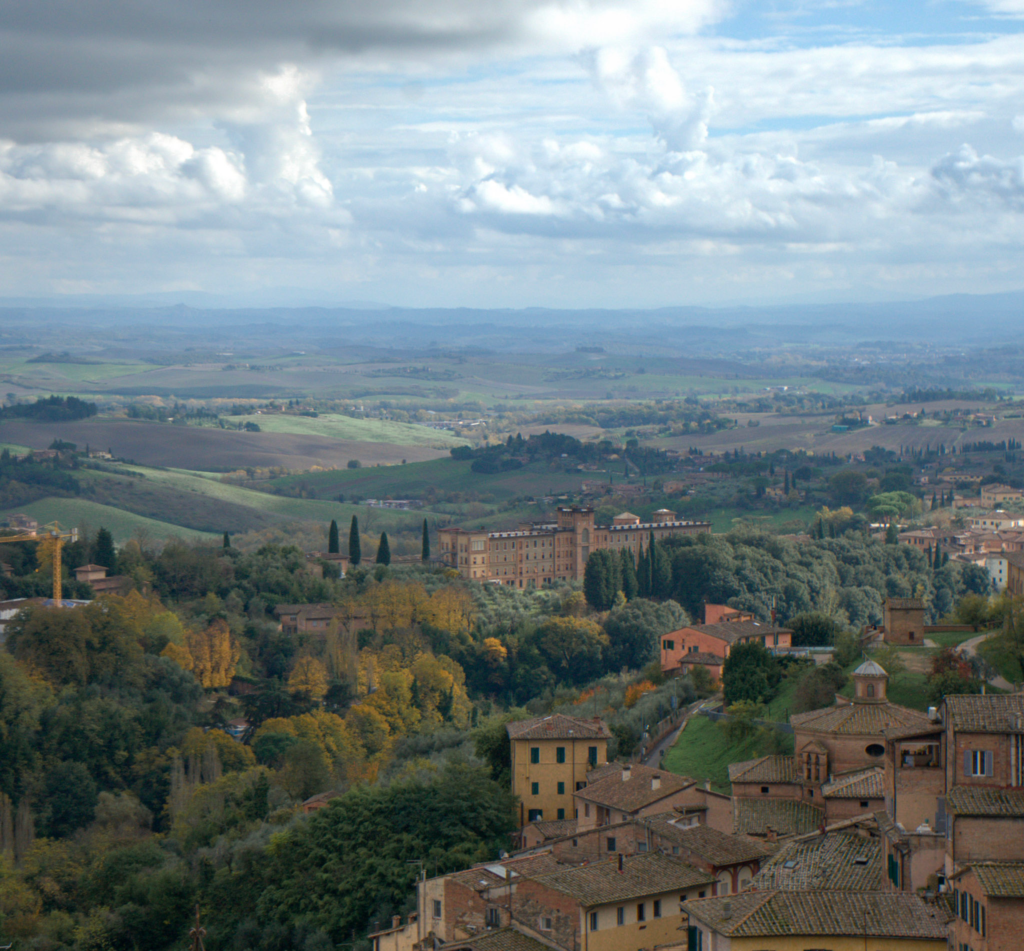
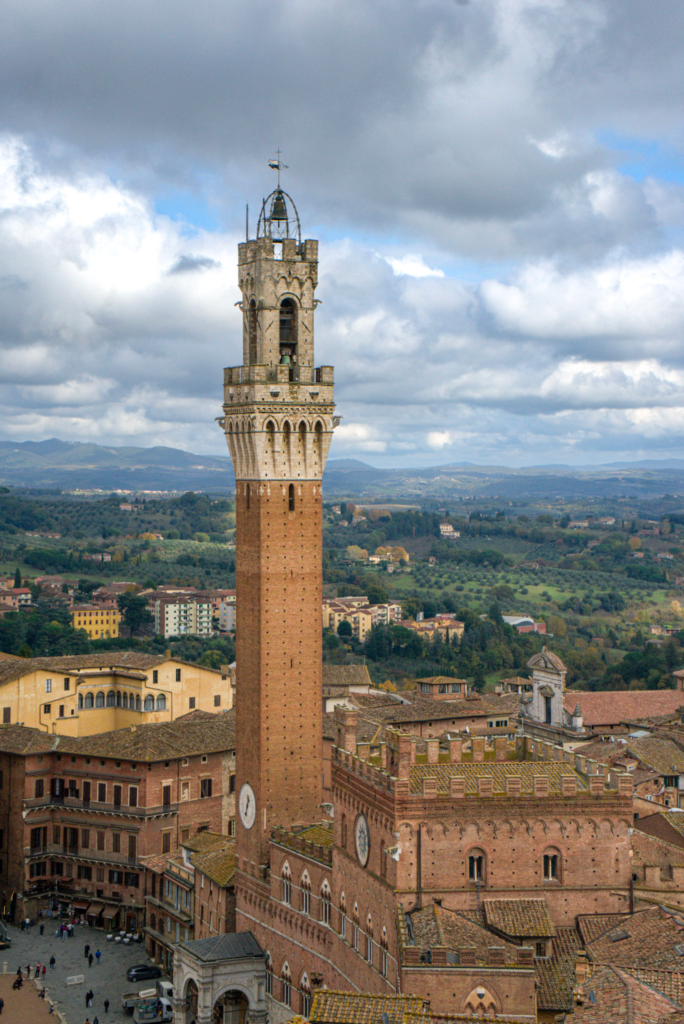
You can climb it — and from the top, you get one of the best views in Siena.
You’re looking out over:
- the rooftops
- Torre del Mangia
- the surrounding Tuscan hills
Most people miss this because they don’t realize it’s included in the pass. You get some of the best views of the Tuscan hills!
Lunch: Te Ke Voi?
For lunch, walk to Te Ke Voi?, a casual focaccia spot that’s perfect for a solo traveler. Order at the table by QR code, no awkward language barrier, and the focaccia is excellent. I had the Focaccia La Bona (€9), which is mortadella, buffalo mozzarella P.D.O., and chopped pistachios. It was exactly what I needed mid-day.
The atmosphere is simple and friendly, and there were lots of people working on laptops when I was there. If you’re a digital nomad or a solo traveler who wants to eat without performing dining-alone-with-confidence, this is a perfect spot.
My Honest Take on the OPA Si Pass
If you like exploring at your own pace, this is absolutely worth it.
You get access to everything, and you can move through it in a way that feels relaxed instead of rushed.
That said, you do need to be willing to read, observe, and piece things together yourself. There’s less built-in context compared to a guided tour.
mid-afternoon Basilica di San Domenico (St. Catherine)
Later in the day, I walked to the Basilica di San Domenico. Pay attention to the hours here, because you’ll want to visit before they close for the day!
Basilica di San Domenico (St. Catherine) Hours are the following
Basilica Hours
- Daily: 8:45 AM – 5:45 PM
Crypt Opening Hours
- Morning: 7:00 AM – 8:00 AM
- Evening: 5:45 PM – 6:45 PM
This is where St. Catherine of Siena is kept — and it turned out to be one of the most memorable parts of the trip. I visited her after my Via Francigena, and I have no clue why but it was really powerful to see her.
She was born in Siena in 1347 and became a major religious and political figure, known for helping convince the pope to return from Avignon to Rome.
After her death, her body remained in Rome, but her head was brought back to Siena, where it’s still preserved today.
Seeing it in person is intense and pretty cool (especially after finishing the Via Francigena!)
But with even a bit of context, it feels meaningful rather than confusing, and it connects back to everything you’ve been seeing throughout the city.
Evening: Dinner
Two strong options for your last dinner.
- Osteria Le Logge has, quite simply, the best wine list in Siena. The setting is intimate, and the food is excellent. This is the splurge dinner.
- La Taverna di San Giuseppe is more casual but equally memorable. I had the Antipasto Toscano with local meats and cheese, which was generous and excellent, and the room has the kind of warm, candle-lit feeling that makes solo dining feel deliberate rather than lonely.
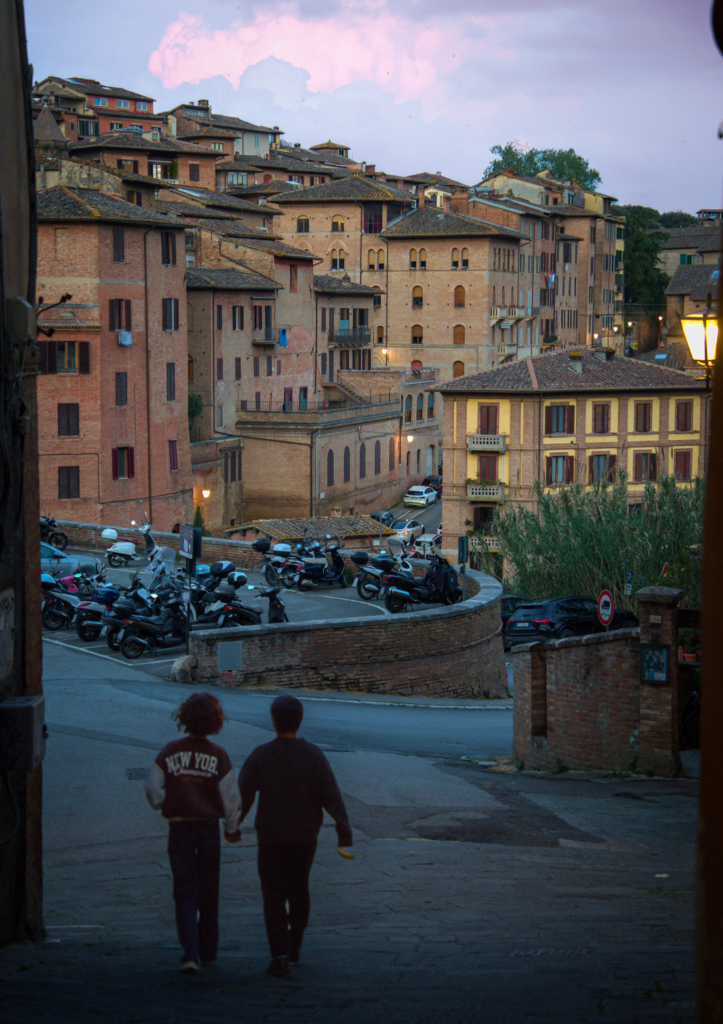
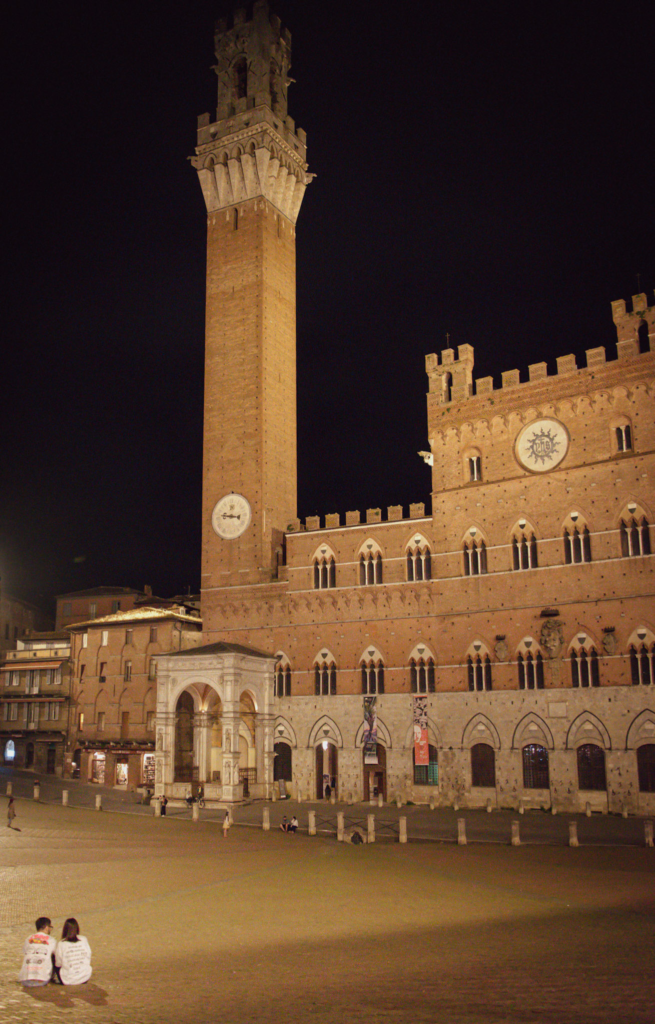
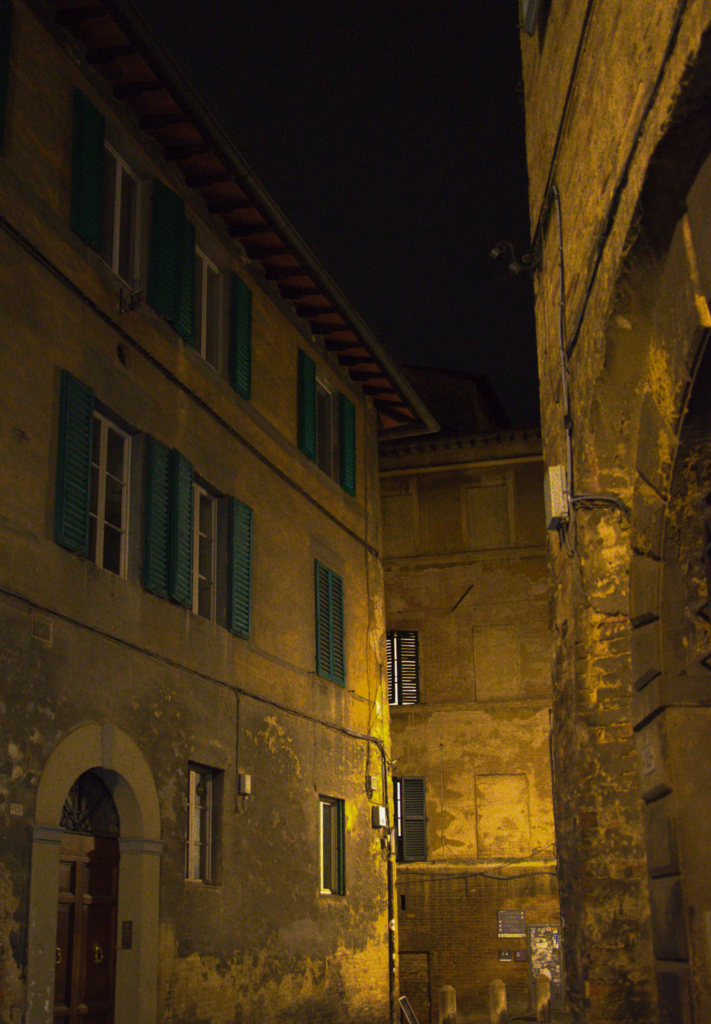
After Dinner: The Dusk Camera Walk
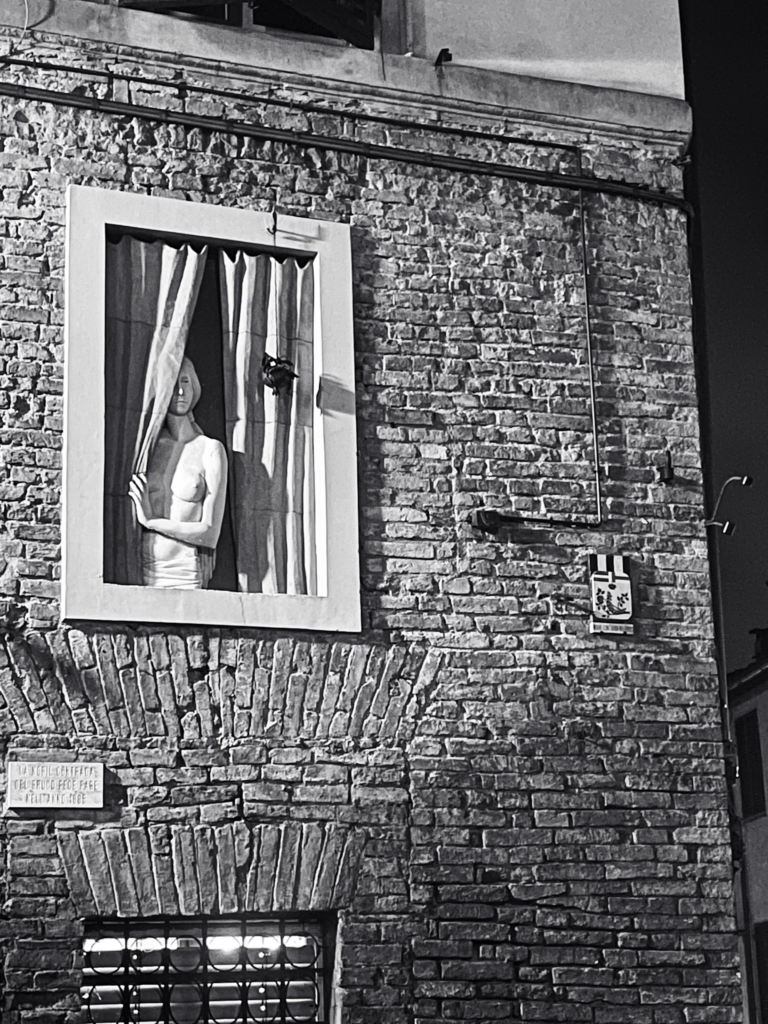
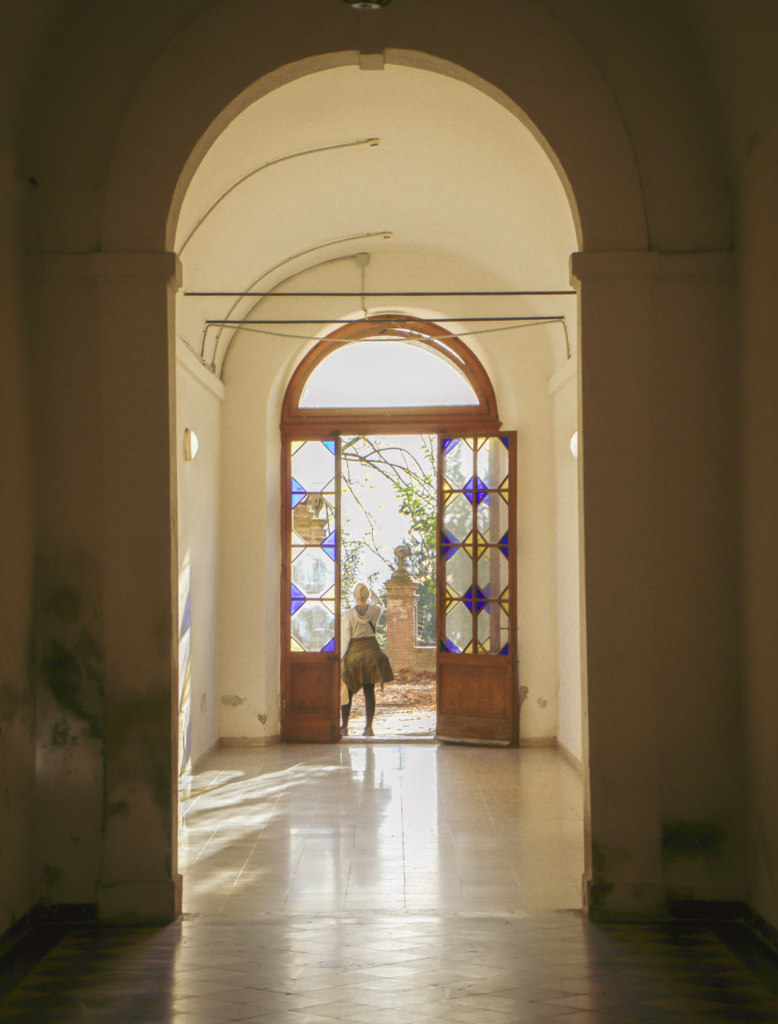
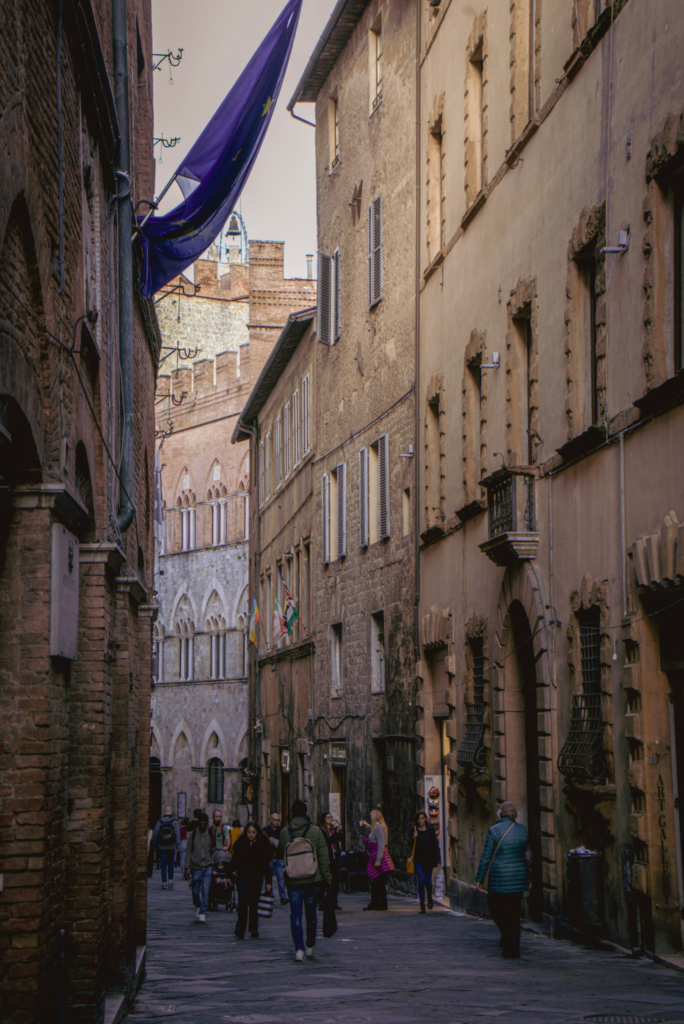
Take your camera (or your phone) and walk through Siena at dusk. The light hits the brick of the Duomo and the surrounding buildings in a way that doesn’t really happen anywhere else I’ve been. The day-trippers from Florence are gone. The locals are coming out for a passeggiata. The bells are ringing.
Walk from your hotel through the centro storico, end up somewhere near the Duomo as the sun goes down, and just take pictures. You can fill an entire memory card in Siena at dusk. This was my favorite ritual on both visits, and it’s the moment I’d send any solo traveler out to find on her own.
Guided Skip The Line Tour or OPA Si Pass?
When I was planning my second day in Siena, this was the biggest decision I had to make.
Guided Skip-the-Line Duomo Tour
✔ €40, 2 hours, English-speaking guide
✔ Includes Siena walking tour + Duomo entry
✔ Covers St. Catherine at Basilica di San Domenico
✔ Explains the Palio, contrade, and city history
→ Best if it’s your first time and you want everything to actually make sense
OPA Si Pass (self-guided option, that I did!)
✔ Access to the full Duomo complex (Cathedral, Crypt, Baptistery, Facciatone, Museum)
✔ More flexibility with timing
✔ Better if you prefer to explore slowly on your own
→ Best if you’re comfortable navigating without context
Is Siena Worth Visiting for Two Days?
Yes. And honestly, two days is the sweet spot.
One day is enough to see Piazza del Campo and the Duomo, but you’ll be running and you won’t have time for the Facciatone, St. Catherine’s Head, the museums, or a slow dinner.
Three days starts to feel long unless you’re using Siena as a base for day trips into the wider Tuscan countryside.
Two days lets you see the headline sights without rushing, gives you a full evening to walk the city at dusk with your camera (the best time of day in Siena, full stop), and leaves room for a long lunch, a real aperitivo, and at least one dinner where you order Pici and wine and sit there for two hours.
When to Visit Siena
I’ve visited in late October and mid-April, and I’d recommend either of those windows over the summer months. Here’s what to know.
Best time to visit: Late April through mid-May, or late September through October. The weather is warm but not punishing, the light is gorgeous for photos, and the crowds are manageable. April had wildflowers in the surrounding countryside; October had that golden Tuscan light everyone romanticizes.
Dates to avoid:
- Palio di Siena: July 2 and August 16. These are the two days of the famous bareback horse race in Piazza del Campo. The city is electric, but it’s also packed and expensive, and the Campo itself is closed for setup days beforehand. If you want to experience the Palio, plan it intentionally, book a year in advance, and know what you’re signing up for.
- August in general: Many restaurants and small businesses close for Ferragosto (the August holiday), and the heat in Tuscany can be brutal.
- If you want the mural floor: Plan inside the 2026 windows of 27 June – 31 July or 18 August – 15 November.
How to Get to Siena
By Train
The most straightforward option for solo travelers without a car. You’ll connect through Florence (Firenze Santa Maria Novella) or Empoli. The journey from Florence takes about 90 minutes and costs €10–12 one way.
When you arrive at Stazione di Siena, you have two options to reach the centro storico: walk or take the free escalators (scale mobili) at the Galleria Porta Siena shopping mall across from the station. The walk is about 20 minutes uphill on uneven cobblestones.
Solo Traveler Tip: If you have a heavy suitcase, take the escalators. There is no shame in this. I walked it on my second visit and felt every step. The escalators are free, they cut out most of the climb, and you’ll arrive at the top of the hill ready to explore instead of sweating through your shirt.
By Car
Siena is surrounded by ZTL (zona traffico limitato) zones — you cannot drive into the historic center without risking a fine that arrives months later in the mail.
If you’re driving, plan to park outside the walls and walk in. Public lots at Santa Caterina, Il Campo, and Il Duomo all have escalators or lifts up into the city. If you can find lodging that includes parking (like the apartment I stayed at on my first visit), even better.
As a Day Trip from Florence
Doable, but a day trip means missing the dusk walk through Siena, which is the soul of the city. If you can swing two days, swing two days.
Getting Around Siena
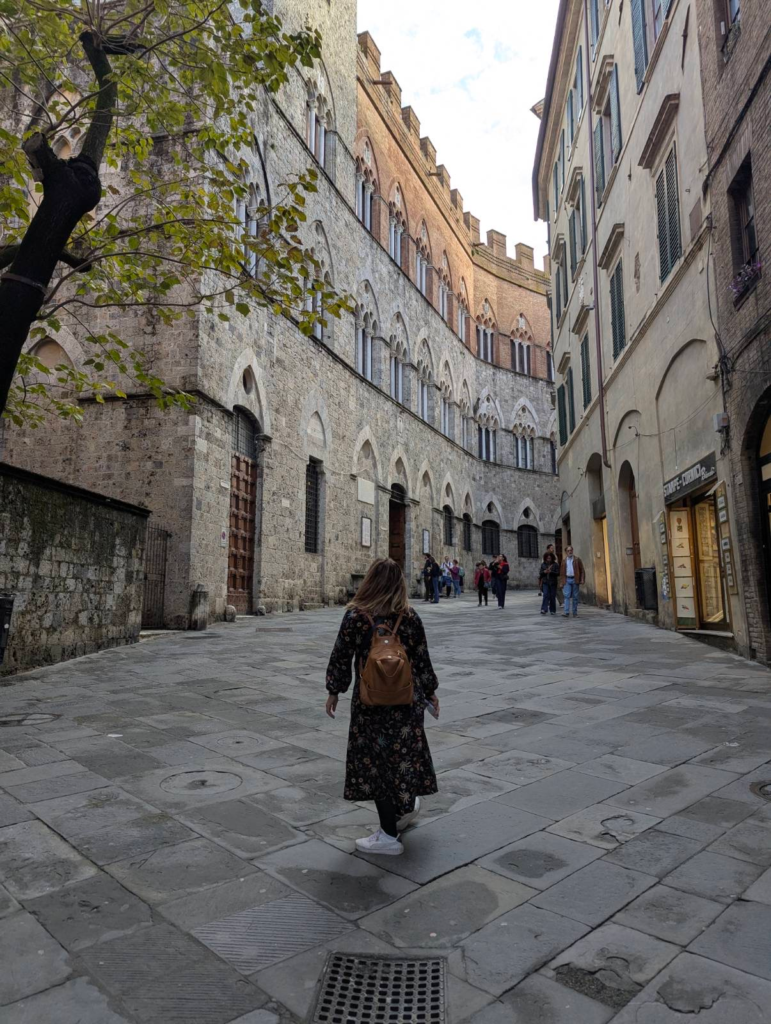
Siena is small. You don’t need a car, a bus, or a tram to see the city itself. Everything on this itinerary is within walking distance of anywhere in the centro storico.
A few practical notes for first-timers:
- The streets are steep. Siena is built on three hills, and you will feel them. If you have any mobility considerations, factor this in.
- Cobblestones are no joke. Wear real walking shoes. Not fashion sneakers, not sandals, not the cute flats. Real walking shoes with grip and arch support. I’m a huge fan of supportive walking shoes for trips like this.
- Google Maps works fine in the medieval streets, though it occasionally tries to send you the long way around. Trust your eyes and follow signs to Piazza del Campo or Duomo when in doubt.
- Cash and card are both fine in Siena for almost everything, but I always carry a little cash for small caffè bars and tips.
Half-Day Trips from Siena
If you have time to extend your trip, two of the best half-day options are San Gimignano and Monteriggioni. I walked through both of them on my Via Francigena hike from San Gimignano to Siena, so I can speak to both with experience.
San Gimignano
Famous for its medieval towers, it’s the bigger of the two and has more to see. Take bus 130 from Siena’s Piazzale Gramsci or Via Tozzi terminal. The ride is about an hour and fifteen minutes. A single ticket is €6.90, or €8.80 if you buy on board (always cheaper to buy at the station or in the Tiemme/Autolinee Toscane app). Plan for half a day in the town itself.
Monteriggioni
Smaller, walled, and almost too perfect to be real. Bus 130 from Siena stops in Monteriggioni on the way to San Gimignano, so you can do both in one ambitious day, or just Monteriggioni for a quieter half-day trip. Plan for two to three hours in the village itself.
If you’re considering walking part of the Via Francigena, the stretch I did from San Gimignano through Monteriggioni into Siena was one of the best multi-day walks I’ve ever done. You can read my full guide to walking the Via Francigena in Tuscany here and my packing list for the Via Francigena here.
Solo Female Travel Tips for Siena
I felt safe in Siena during both visits. Walking back to my apartment at night, walking back to my hotel at night, sitting alone at restaurants, riding buses, navigating the train station. All of it felt fine to me.
That said, I want to be honest: safety perception is personal, and it depends a lot on where you’re coming from and what your baseline is. What feels like nothing to a woman from a major US city might feel different to a woman from a smaller town, and vice versa. So instead of telling you Siena is universally safe, here’s what I’d tell a friend.
What I do:
- Stay in well-lit areas at night, especially near the Duomo and the Campo, where there’s foot traffic.
- Carry a crossbody bag with a zip closure instead of an open tote, especially in crowded areas around the Campo.
- Keep my phone charged and a paper map in my bag as backup.
- Trust my gut. If a street feels off, I take a different one. This has rarely happened in Siena, but the rule applies anywhere.
What surprised me:
- The centro storico empties out earlier than I expected, especially in shoulder season. Dinner crowds clear by 10 or 10:30, and after that it’s mostly residents.
- Italian restaurant staff in Siena were notably warm to solo diners. I never felt rushed or pitied.
On dining alone: Italian aperitivo culture is your friend. Order a spritz at the bar, order a glass of wine at a wine bar, sit at the counter for lunch. Solo dining is normal in Italy, especially in cities like Siena, where there are plenty of travelers.
On language: English is widely spoken in tourist-facing places, but learning a few Italian phrases will get you a warmer reception. Buongiorno (good morning), buonasera (good evening), grazie (thank you), vorrei (I would like), and il conto, per favore (the bill, please) will carry you a long way.
What to Pack for Siena
Pack for the season, but here are the Siena-specific essentials I wouldn’t travel without:
- Real walking shoes with grip. Cobblestones plus steep streets equals one twisted ankle if you’re in fashion sneakers. These are my recommendations.
- Light layers. The Duomo and other churches are cool inside even in summer, and modesty (covered shoulders, no short shorts) is required for entry. A light scarf solves both problems.
- A crossbody bag with a zip.
- A reusable water bottle. Siena has free public fountains with safe drinking water, including some near the Campo.
- A camera or a phone with good low-light performance. For the dusk walk.
- A light rain jacket if you’re visiting in April or October.
For longer trips that include hiking, my full Via Francigena Tuscany packing list has more details.
Two Days in Siena: What I’d Tell a Friend
Siena rewards slowness. The fast version of this city, the day-trip version where you check Piazza del Campo off your list and head back to Florence, misses everything that makes Siena worth the trip. The slow version, where you sit on the bricks of the Campo, climb the Facciatone, eat Pici without rushing, and walk the streets at dusk with a camera, is one of the best two-day trips you can take in Italy.
If you’re a solo woman planning your first trip to Italy, Siena is a good place to start. It’s small enough to feel manageable, the food is excellent, the people are warm to solo diners, and the city itself is one of the most beautiful in Europe.
If you want to extend your Tuscany trip beyond Siena, you can read my full guide to walking the Via Francigena in Tuscany, or my Via Francigena packing list here.
Buon viaggio.
Frequently Asked Questions About Visiting Siena
In my experience, yes. I felt safe during both visits, walking alone at night and dining alone. That said, safety perception is personal. Stay in well-lit areas at night, carry a zip-closure crossbody bag in crowded spots, and trust your gut.
Two days is the sweet spot. One day is too rushed; three days start to feel long unless you’re using Siena as a base for day trips into the wider Tuscan countryside.
The floor is uncovered from 27 June to 31 July and from 18 August to 15 November 2026. Always verify on the official Opera della Metropolitana site before booking.
Take bus 130 from Piazzale Gramsci or Via Tozzi terminal in Siena. A single ticket is €6.90, the journey takes about 1h15, and the same bus stops in Monteriggioni along the way.
The OPA Si Pass is a combined ticket covering the Duomo, the mural floor (when uncovered), the Piccolomini Library, the Crypt, the Baptistery, the Facciatone, and the Museo dell’Opera. For first-time visitors, it’s absolutely worth it over individual tickets.
Yes. Trains from Florence Santa Maria Novella to Siena take about 90 minutes and cost €10–12 one way. But a day trip means missing the dusk walk and rushing the Duomo, so two days is better if you can swing it.
St. Catherine of Siena (1347–1380) was a medieval Dominican mystic, a Doctor of the Church, and a co-patron saint of Italy and Europe. After her death in Rome, the people of Siena returned her head to her hometown, where it has been preserved in a reliquary in the Basilica di San Domenico. Entry to the basilica is free.
Late April to mid-May, or late September to mid-October. Avoid the Palio dates (July 2 and August 16) unless you’re going specifically for the race, and avoid August in general due to heat and Ferragosto closures.