What to Pack for the Via Francigena Tuscany (Packing List + What I Regret Bringing)
Last Updated on April 27, 2026 by Kimberly
If you’re researching what to pack for the Via Francigena in Tuscany, learn from my mistake: I overpacked. This guide will help you create the ultimate Via Francigena Tuscany packing list.
Not catastrophically—but enough that I felt every extra gram on the final 20-kilometer walk into Siena, when my feet were already done, and the hills felt personal.
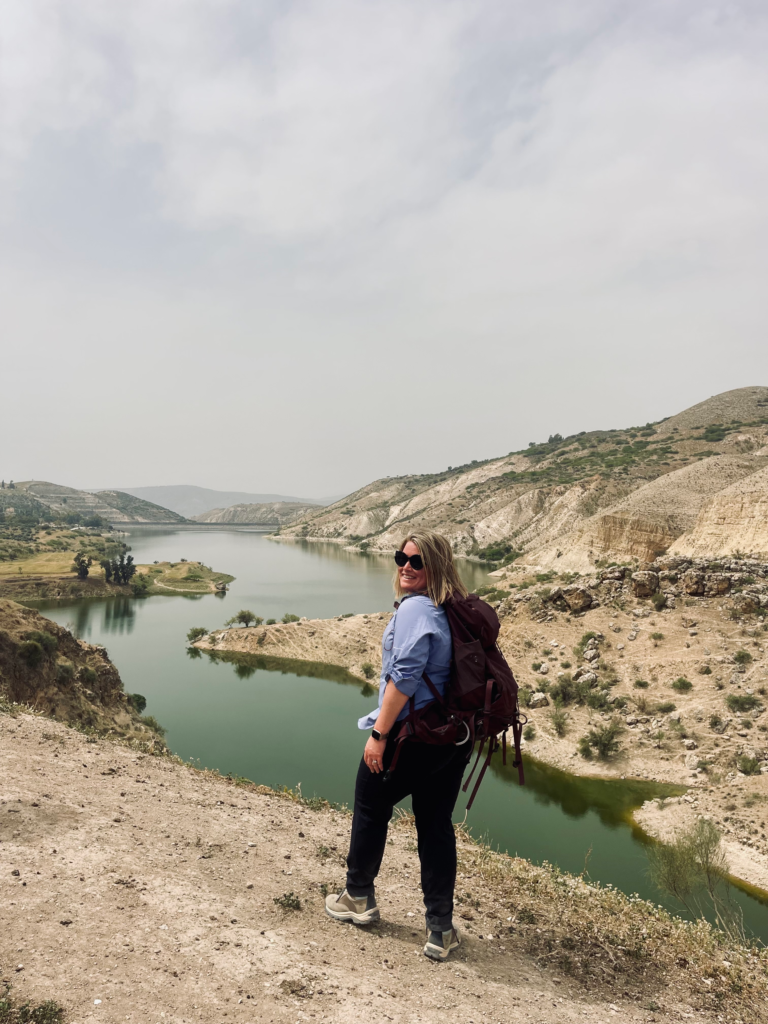
This is my Via Francigena Tuscany packing list based on walking 48 km solo from San Gimignano to Siena in April—what I actually carried, what performed, what I never touched, and what I wish I had brought.
Nothing here is theoretical. Every item was tested on the trail.
If you’re planning this route, read the full itinerary here first:
👉Via Francigena San Gimignano to Siena itinerary and 2 Day Siena Itinerary: How to Explore Beyond a Day Trip
Via Francigena Tuscany Packing List (Quick Version)
If you don’t want to read everything, this is what actually mattered:
Backpack: Osprey Kyte 38
Boots: Timberland White Ledge Mid (broken in)
Socks: Smartwool hiking socks
Hydration: 3L bladder + electrolytes
Rain jacket: Lightweight + packable
Trekking poles: Essential for Day 2 + Day 4
Everything else is optional.


The Best Backpack for Your Via Francigena Tuscany Packing List
I carried the Osprey Kyte 38 for this entire walk, and it’s one of the best backpacks for the Via Francigena if you’re doing a 3–4 day section.
The fit is designed for women, the hip belt actually transfers weight properly, and the airflow on the back panel made a noticeable difference on warmer days.
At 38 liters, it’s more than enough—if you pack well.
That’s the catch.
The bag will happily hold more than you need, and you will feel that on Day 4.
👉 My rule: pack your bag, then remove two things. The last items you hesitate to remove are usually the ones you don’t need.
One Thing I Wish I Had Packed
A portable travel clothesline.
I forgot mine, and it became obvious immediately.
If you’re following a Via Francigena packing list properly, you’ll be washing clothes nightly. Most hotel bathrooms are not set up for drying anything.
This weighs almost nothing—and makes a huge difference.
Best Boots for the Via Francigena
I walked every kilometer in the Timberland White Ledge Mid Waterproof boots, and this is my second pair. So in my opinion, these are what work for me. You’ll of course have to try them on and see if they work for you!
That alone should tell you everything.
The biggest advantage is ankle support—especially on:
- Uneven terrain
- Rolling hills
- The long descent into Siena
The cushioning held up well. By Day 4, my feet were tired—but not in pain.
No blisters. No hot spots.
Just distance.
👉 Non-negotiable: break your boots in before you arrive.
If you don’t, Day 2 will make that decision for you.
Evening Shoes: Keen Rose Sandals
After each walking day, I changed into my Keen Rose sandals, and they were one of the best decisions I made.
I have had this pair for years, which is the real endorsement — Keen sandals last.
They are supportive enough that tired feet do not protest, stylish enough that you can wear them to dinner, and light enough that carrying them in the bag on days you do not need them barely registers.
If you are walking a multi-day route and plan to spend any time in town after you’re done walking, you need a proper recovery shoe. These are mine.
I even use these as hut shoes when staying at rifugios in the Dolomites!
Socks: Smartwool Hike Light Cushion Crew
I wore Smartwool Hike Light Cushion Crew socks for every walking day, and they are worth every penny.
Merino wool manages temperature and moisture in a way that synthetic socks simply do not.
Pack two to three pairs and wash as you go. Do not cut corners on socks — your feet are carrying you 48 kilometers, and they deserve good ones.
Sometimes I do double up on socks!
What to Wear on the Via Francigena Tuscany (Packing List Guide)
April in Tuscany is warmer than people expect—especially once you’re moving.
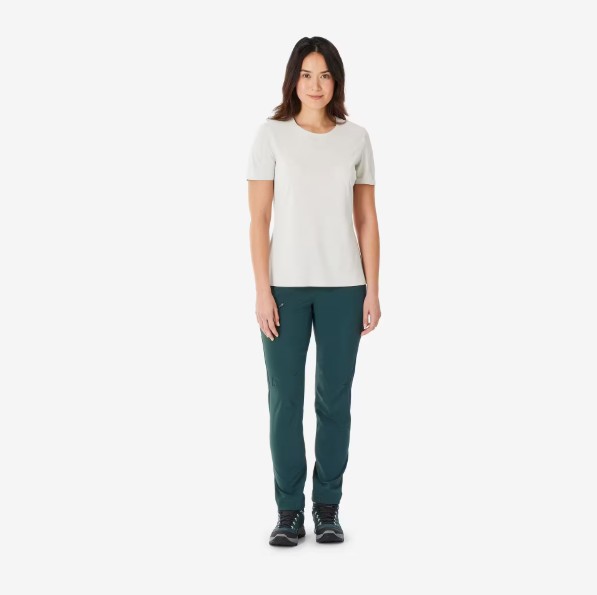
Hiking Trousers: Decathlon QUECHUA MH500
I wore my Decathlon QUECHUA MH500 trekking trousers for all three walking days, and they were the right call.
Lightweight, breathable, quick-dry, and unrestrictive on climbs. I brought a second pair of Decathlon trousers as a backup and never touched them.
April in Tuscany is warmer than most people expect, especially by mid-morning once the sun is up and you have been moving for an hour.
Light trousers are the right choice. Leave the heavy hiking pants at home.
Underwear: REI Co-op Active Hipster
This is the one category where I will tell you: do not underpack. I brought the REI Co-op Active Hipster (6 pairs) and light, breathable, moisture-wicking underwear is non-negotiable on a multi-day walk.
Pack enough. More than you think you need.
You can wash everything else and wear it twice — not this. Budget for three to four pairs minimum and wash nightly.
Rain Jacket: REI Co-op Trailmade
I brought my REI Co-op Trailmade rain jacket and it is the right jacket for this route — packable, genuinely waterproof, and light enough that it lives in the top pocket of the Osprey without adding meaningful weight.
Spring weather in Tuscany can turn quickly. The morning I started Day 2 with food poisoning, the temperature dropped, and I was grateful for it.
I also brought a second, longer rain jacket and I never touched it. One good rain jacket is enough. Two is dead weight by Day 3.
Hydration and Electrolytes
Water System: Forclaz MT500 3L Hydration Bladder
I used the Decathlon Forclaz MT500 3-liter hydration bladder throughout the walk and it sits inside the Osprey Kyte perfectly.
Three liters feels like a lot but on a warm spring day covering 16 to 20 kilometers, you will use it. Fill up at your hotel every morning and top up wherever you can along the route.
Electrolytes: Liquid IV
I put Liquid IV Strawberry Hydration Multiplier in my CamelBak every single day, and on Day 2 — when I was walking through food poisoning and genuinely unsure if I was going to make it to Colle Val d’Elsa — it kept me upright. I am not being dramatic.
Electrolytes during a multi-day walk are not optional; they are especially important if something goes wrong. Pack more than you think you need. They weigh nothing and the day you need them you will be very glad they are there.

Trekking Poles
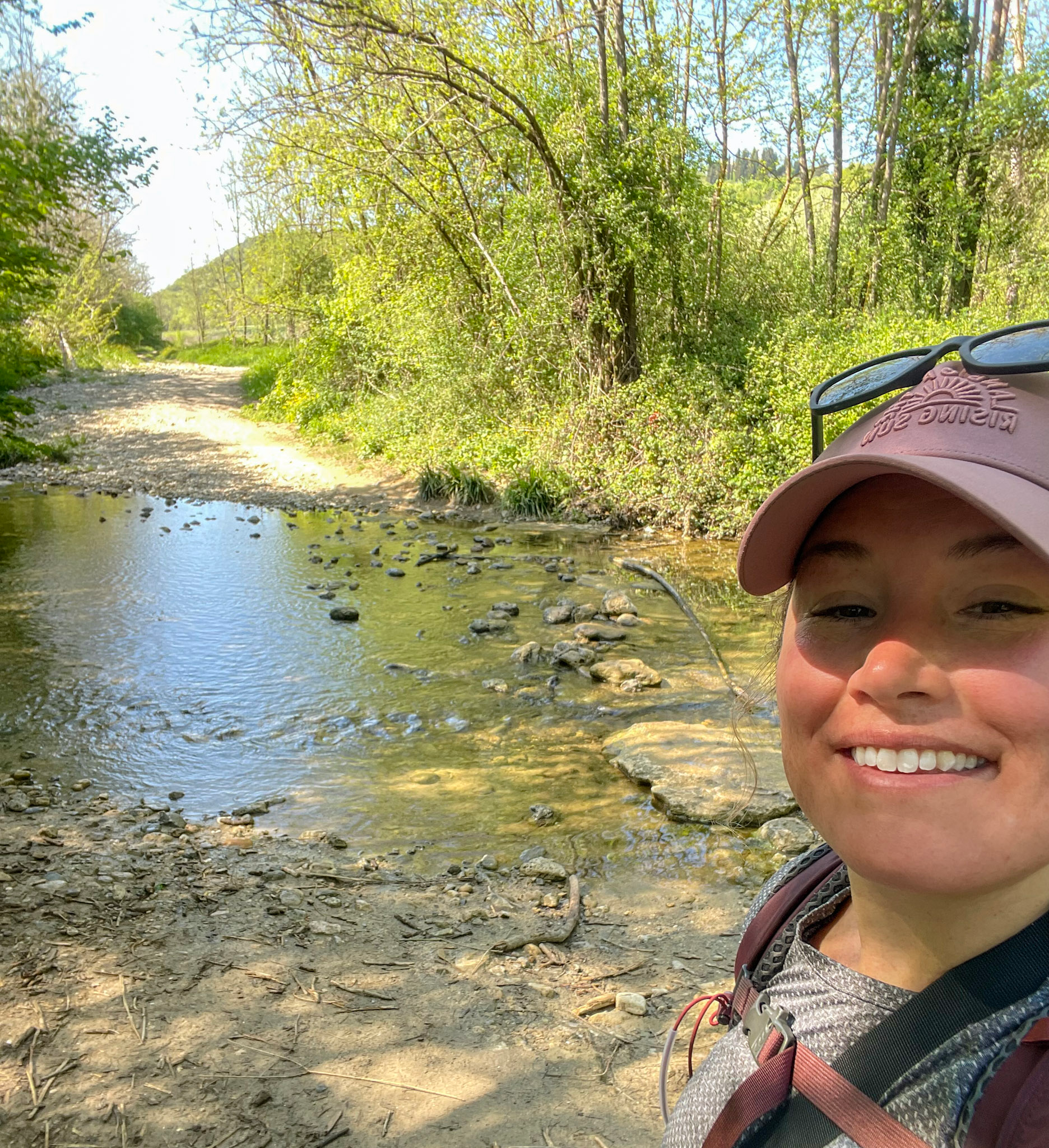
I used the REI Co-op Traverse trekking poles and they are worth bringing on this route specifically for two reasons: the river ford crossings on Day 2, where poles give you balance on slippery stepping stones, and the final descent into Siena on Day 4, which is steep and relentless on already-tired legs. Poles on that last hill into the city gates felt like mercy.
If you have never walked with trekking poles, practice at home first. They take a day to feel natural and you do not want to waste Day 2 figuring out the rhythm.
Tech and Camera Gear
Camera: Sony Alpha a7 III
I brought my Sony Alpha a7 III and the photography from this walk is some of the best I have taken. The light in Tuscany in April is extraordinary, and a full-frame camera does things a phone simply cannot match. The only lens I had on me was the 28-200mm by Tamron.
That said, I want to be honest: it is a heavy camera to carry 48 kilometers. I managed it with a Peak Design camera clip that clips directly onto the Osprey shoulder strap, which distributes the weight well and keeps the camera accessible without taking the bag off.
On days when I got annoyed with it, I put it in a ziplock bag in the bag for protection. It worked.
But if I did this walk again for pure experience rather than content creation, I would bring my compact camera instead and leave the a7 III at home.
I also brought the DJI Osmo. Not worth the weight on a route where you are walking to feel something, not to film everything.
Peak Design Camera Clip
The Peak Design clip is genuinely the reason carrying the Sony was manageable at all. It clips to the pack strap anchor points and sits across the chest rather than hanging from your neck. For anyone doing content creation on a long walk, this is the solution. Without it I would not have carried the camera past Day 1.
Power and Charging
I carried the BioLite Charge 40 PD power bank and it was essential. The SloWays navigation app uses continuous GPS tracking which drains your phone battery quickly even in offline mode.
You will also want battery left for photos, messaging, and the inevitable “where am I” moment on the Pian di Lago road section. A full charge on the BioLite got me through a full walking day with phone battery to spare each evening.
Charge it at the hotel every night without fail. It becomes part of the routine: boots by the door, power bank on the charger, pack ready by 8am.
Health, First Aid, and the Pill Organizer That Saved Me
I brought a pill organizer loaded with vitamins, ibuprofen, Imodium, Tylenol, and allergy medication–Pack it. You do not know what will happen the night before you start, and having everything in one compact organizer means you are not digging through your bag at 3am.
I also packed a small medical kit that included moleskin, extra ibuprofen, blister plasters, and basic emergency supplies. I did not need most of it, but moleskin is the one item I would never leave behind on a multi-day walk.
One developing blister on Day 2, if left untreated, becomes a serious problem by Day 4. Treat everything early.
I also carried a small knife as a just-in-case. It never came out of the bag, but it weighed almost nothing, and the peace of mind on a solo walk is worth it.
Bugspray (that keeps the ticks away)
I also packed Ben’s Insect Repellent Wipes (30% DEET), and while I didn’t need them constantly, I was glad I had them—especially in shaded areas and near water along the route. The wipe format is what makes these worth bringing. They don’t leak, they don’t take up space, and they’re easy to apply without having to deal with a spray bottle in the middle of a trail.
If you’re walking the Via Francigena in spring or early fall, insects aren’t overwhelming—but they’re present enough that having a lightweight, reliable repellent like this makes a difference.
What I Overpacked — Be Honest With Yourself
This is the section most packing lists skip. Here is what I carried that never left the bag or that I actively regret bringing:
Too many long-sleeve shirts. I brought several and wore none of them. April in Tuscany is warm once you are moving. A light base layer for the early morning is enough. Leave the long sleeves at home or pack one at most.
A second pair of trekking trousers. I wore the QUECHUA MH500 every walking day and the backup pair stayed folded at the bottom of my bag for the entire trip. One good pair of quick-dry hiking trousers, washed nightly, is sufficient.
Two rain jackets. I wore one and never touched the other. One packable, waterproof jacket is the correct number. Two is anxiety packing and you will feel it on the hills into Siena.
The DJI Osmo. I brought it thinking I would create video content throughout the walk. I used it for less than an hour on Day 1 and put it away. On a route where you are covering 12 to 20 kilometers a day with a full pack, the weight and mental overhead of managing video equipment is not worth it. Leave it at home unless video content is the primary purpose of the trip.
The heavier camera body. I love my Sony a7 III and the images are beautiful. But if I were walking this route again for the experience rather than for content, I would bring a compact camera and leave the full-frame system at home. Your back will thank you on Day 4.
What I Wish I Had Brought
A portable travel clothesline. This is the single most useful thing I forgot. When you are packing light and washing clothes nightly, you need somewhere to dry them. Hotel bathrooms on this route are not equipped for it. A travel clothesline weighs almost nothing and costs very little. Buy one before you leave and attach it to your packing checklist permanently.
My compact camera instead of, or alongside, the Sony. For walkers who want to document the trip without the weight commitment of a mirrorless system, a good compact camera gives you 80 percent of the result at 20 percent of the weight.
Complete Via Francigena Tuscany Packing List
The bag:
Footwear:
- Timberland White Ledge Mid waterproof boots — broken in before arrival
- Keen Rose sandals — evening and town shoes
- Smartwool Hike Light Cushion Crew socks — 2 to 3 pairs
Clothing:
- Decathlon QUECHUA MH500 trekking trousers — one pair is enough
- REI Co-op Active Hipster underwear — 3 to 4 pairs minimum
- REI Co-op Trailmade rain jacket — one jacket only
- Lightweight t-shirts, quick-dry — 2 to 3 maximum
- One smart casual outfit for evenings
- Light base layer for cool mornings
Hydration:
- Forclaz MT500 3L hydration bladder
- Liquid IV electrolyte packets — one per walking day minimum, bring extra
Gear:
Camera (content creators):
- Sony Alpha a7 III + Peak Design camera clip
- Or: compact camera for lighter travel
- Ziplock bag for camera protection in pack
Health and first aid:
- Pill organizer — ibuprofen, Tylenol, Imodium, allergy medication, vitamins
- Moleskin — treat blisters early, every time
- Small medical kit — blister plasters, bandages, emergency basics
- Multitool or small knife
- Sunscreen — spring Tuscany sun is stronger than it looks
- Insect Repllent Wipes— these will come in handy
Documents and admin:
- Pilgrim Passport / credenziale — included in SloWays package or get independently at viefrancigene.org
- Hotel vouchers and emergency contact numbers printed
- Travel insurance details
The Right Pack Makes the Walk
The Via Francigena from San Gimignano to Siena is four days and 40+ kilometers of some of the most beautiful walking in Italy. It is also the kind of trip where your pack is your constant companion — you feel every decision you made when you were standing at home deciding what to bring. The women who enjoy this walk the most are not the ones with the most gear. They are the ones who packed with intention, left the backup rain jacket at home, and showed up with broken-in boots and enough electrolytes to handle whatever the first morning throws at them.
Everything on this list is something I actually carried. The things in the overpacking section are things I actually regret. If this walk is on your list — and it should be — I hope this saves you the extra weight and sends you out the door feeling prepared rather than loaded down.