Dolomites Mountain Huts: A Rifugio Guide From 12 Real Stays (2026)
Last Updated on July 11, 2026 by Kimberly
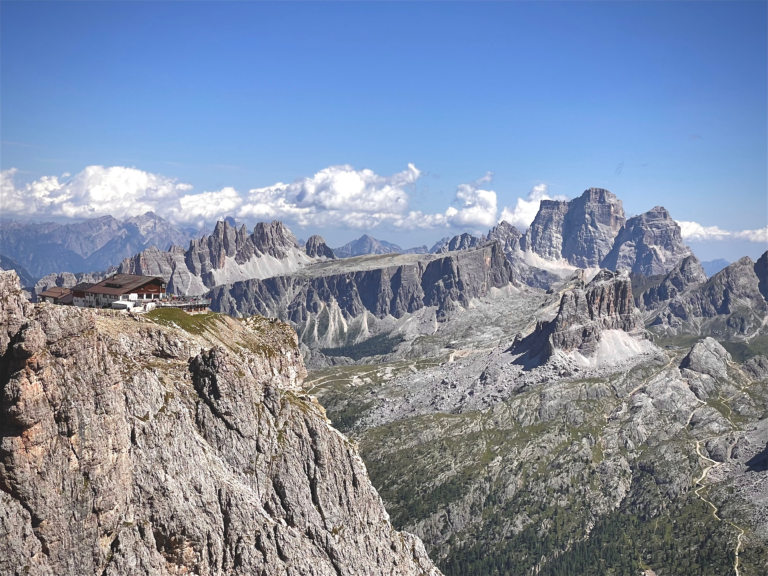
Dreaming of waking up to mountain views and a hot Italian breakfast at 2,000 meters? Same. The Dolomites mountain huts — rifugi, if we’re being proper about it — are the reason I keep coming back to these mountains, and they’re the part first-timers stress about most.
I’ve slept in 12 different rifugi across the Dolomites — on the Palaronda Trek, the Alta Via 1, the Short Alta Via 2, and the MADE Trek — some solo, some with friends, some just a single night. Everyone shaped how my hike actually felt. They’re where strangers turn into trail friends, where tired legs meet ridiculous amounts of polenta, and where the mountains slow you down enough to notice where you are.
This guide covers exactly what staying in a Dolomites mountain hut is like for the 2026 season: how booking really works, what to pack (and what to leave home), the stuff that surprised me, and how to walk into your first rifugio without second-guessing yourself.
This guide is for you if…
- You’ve never stayed in a rifugio and feel a little unsure
- You’re hiking solo, especially as a woman
- You’re planning the Alta Via 1, 2, Palaronda, or a shorter hut stay
- You want the experience without the unnecessary stress
When to Visit: The Dolomites Hut Season
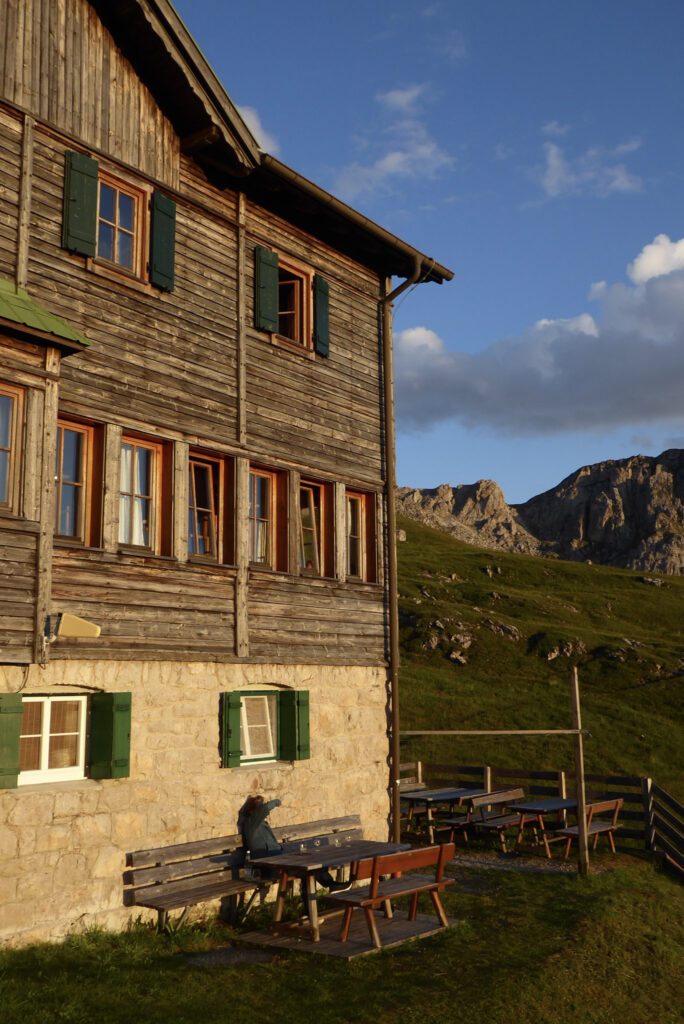
Rifugi run on a short, weather-dependent season, and when you go changes the crowds, the booking scramble, and your odds of scoring a private room. The quick version:
- Late June — shoulder season. Huts begin opening, but high passes can still hold snow. Fewer crowds, easier bookings; confirm your hut is open first.
- July — peak. Long days, reliable trails, but the busiest stretch. Book early, especially for private rooms.
- August — peak. Warmest, most crowded, Italian-holiday busy. Beds vanish months ahead.
- September — my favorite. Thinner crowds, crisp air, golden larches late in the month. Some huts start closing, so check dates and pack warm.
What Is a Rifugio in the Dolomites?
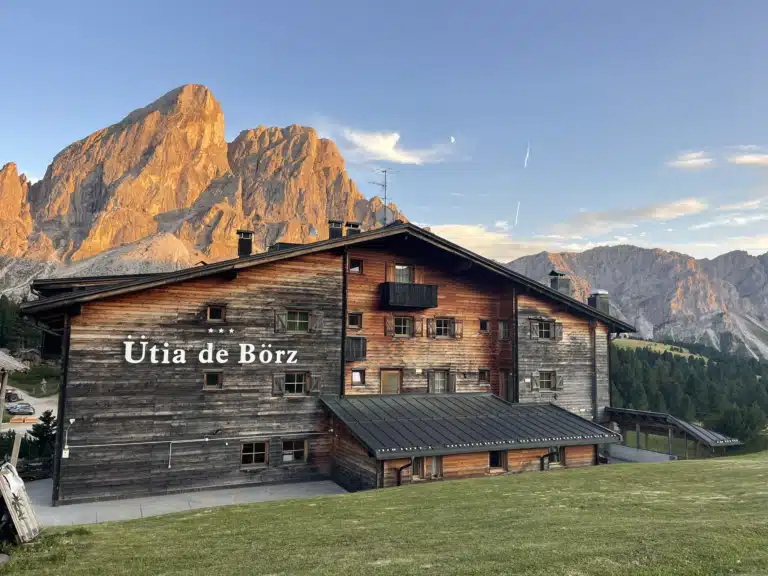
A rifugio (plural: rifugi) is a mountain hut offering basic but comfortable lodging for hikers in the Alps. Unlike wild camping — which isn't allowed here — a rifugio gives you a roof, a hot meal, and a room full of people who get why you'd walk uphill all day for this. Most are family-run and woven deep into local mountain culture, and I loved that each one had its own personality.
A few things stay constant from hut to hut:
- Bunk-style dorms or limited private rooms
- Communal dining
- Half-board (dinner + breakfast)
- Access only by foot or cable car
Some rifugi surprise you with sunny terraces, Wi-Fi, and a proper bar — what I've started calling Dolomiti luxury. There are over 400 rifugi scattered across the range, from no-frills shelters to modern huts with real comforts. Many date to the early 20th century, built by Alpine clubs or the military, and served as shelter for climbers, shepherds, and World War I soldiers along routes like the Alta Via 1.
Pin these so you can save this guide!


How to Book a Rifugio in the Dolomites
Let's talk about the part that stresses everyone out: booking. For 2026 (and even 2027), the pressure is real on famous routes and iconic huts. The Alta Via 1 and Alta Via 2 keep getting more popular, and private rooms disappear fast.
My honest booking advice
- Hiking in July or August? Treat booking as "do it now," not "I'll sort it later."
- Want a private room? Book as early as you possibly can.
- Flexible on dates and fine with dorms? You've got more breathing room — but popular huts still fill.
Want the full walkthrough with sample emails? How to Make A Reservation at a Rifugio
CAI Membership & Rifugio Discounts (Worth Knowing, Not Required)
You'll see references to a CAI discount when booking. CAI is the Club Alpino Italiano, Italy's national alpine club. If a hut is CAI-affiliated, members usually get a small discount on the overnight bed only (roughly €5–15 a night). It does not apply to meals, drinks, showers, or packed lunches, and it does not get you priority or guaranteed availability.
Here's the catch: many of the most popular huts — especially privately run ones along the Alta Via 1 — don't honor CAI discounts at all. On a long hut-to-hut trek with several CAI huts, the savings can add up, but I don't consider membership essential. Availability, route flow, and safety always matter more than a few euros a night.
What to Expect Staying in a Dolomites Mountain Hut
A hut-to-hut hike is more than a trek — it's a crash course in alpine culture, complete with camaraderie, rough edges, and some of the best views you'll sleep next to. Here's what your stay actually looks like.
Sleeping arrangements
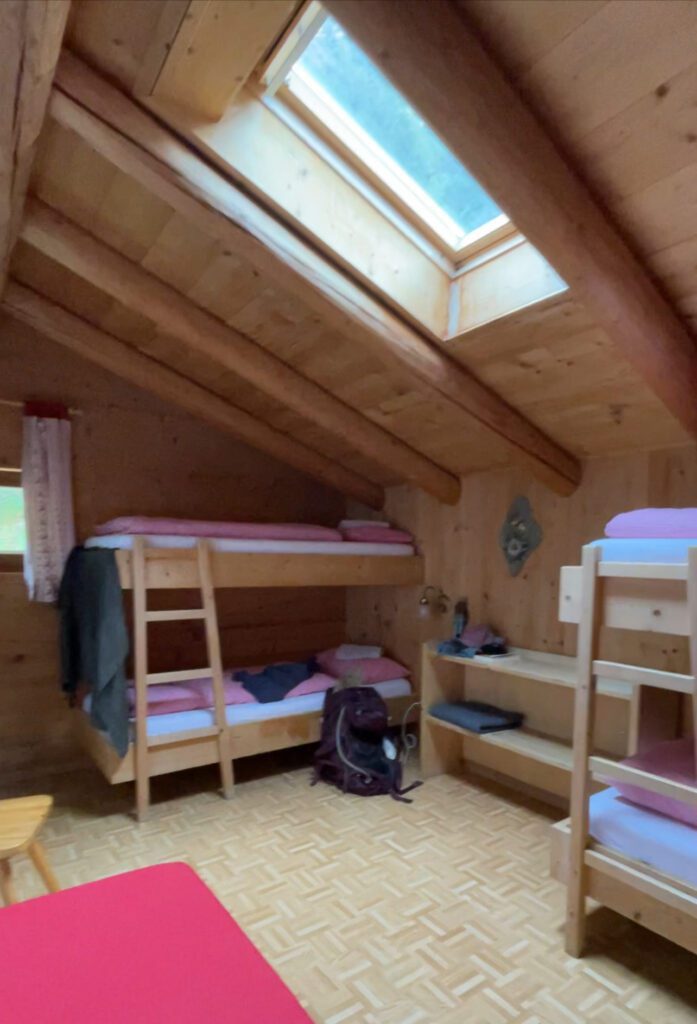
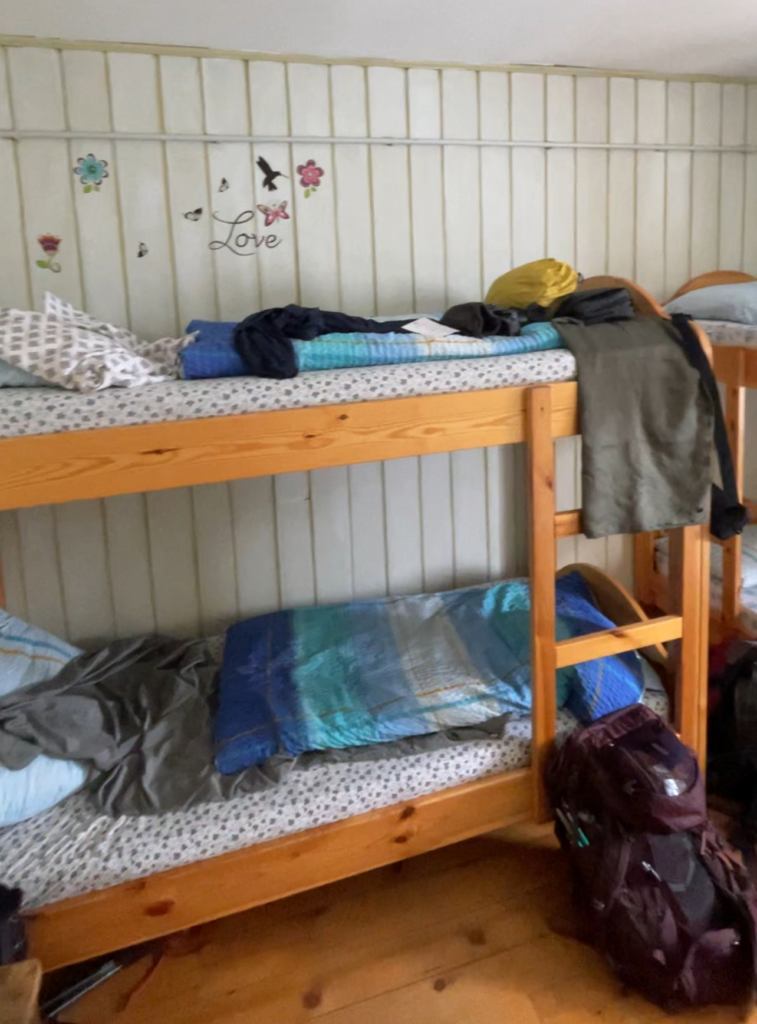
Most rifugi run shared dormitory rooms with bunk beds; some have private rooms for a premium. Linens aren't always provided, so a lightweight sleeping bag liner earns its place in your pack. My first night at Rifugio Genova, I hung my microfiber towel off the end of the bunk as a makeshift privacy curtain — my own little nook in a shared room. I did it on every trek after that (just ask your bunkmate first; usually no one's above you anyway).
Dorm life (the real reality)
Dorms range from cozy four-bed rooms to halls with 6, or even 24 beds. And yes — because we're all adults here — you'll occasionally see things you didn't plan on seeing. I lost count of how many times I rounded a corner to a stranger in his underwear. One morning an older gentleman greeted me belly-out with a delighted "CIAO!" My husband still jokes that I finally got to spend the night with an Italian man. If you're modest, change in the bathrooms — there's room for everyone here.
My honest take on the rooms
The communal rooms were mostly fine. I was tired enough that I just wanted to sleep, and I think everyone felt the same. A few that stuck with me:
- Rifugio Pederu (Alta Via 1) — noisy bunkmates kept the whole room up. My only genuinely bad night.
- Rifugio Firenze (Short Alta Via 2) — a 30-bed room that felt overstimulating.
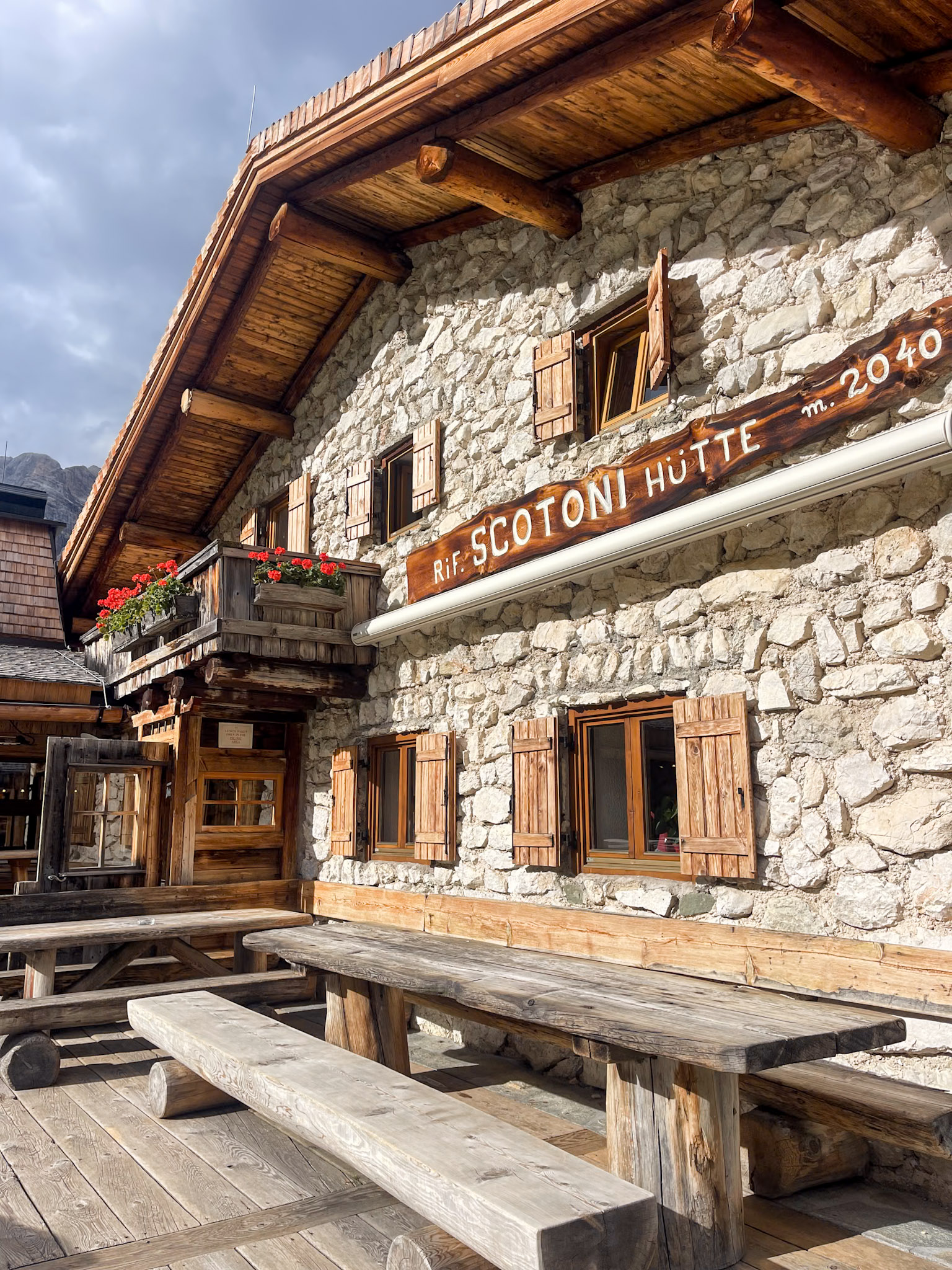
- Rifugio Scotoni (Alta Via 1) — my favorite by a mile. Loads of character, great facilities, and a chef who kept the whole room entertained.
- Rifugio Croda da Lago — our girls' trip squeezed into a tiny room with one very good-natured man who drew the short straw.
- Rifugio Tolazzi (MADE Trek) — I had a whole bunk room to myself in peak season. That's what a lesser-known route gets you.
Charging phones and electronics
There are communal charging areas in most rifugi, often a single central station. A few have outlets in the rooms, but don't count on it. When in doubt, ask the staff — they'll point you to a plug.
Staying connected (and the eSIM I use)
Cell service in the high huts is patchy to nonexistent, which is honestly part of the charm. For the valleys and trailheads where you do get signal, I use a Holafly eSIM so I can confirm bookings and check weather without hunting for Wi-Fi. In a real emergency with no signal, talk to the hut staff — some still have an old landline. I watched a Dutch hiker call his wife on a rotary phone at Rifugio Pradidali for their anniversary (I have questions too).
Where to stamp your Dolomiti Passport
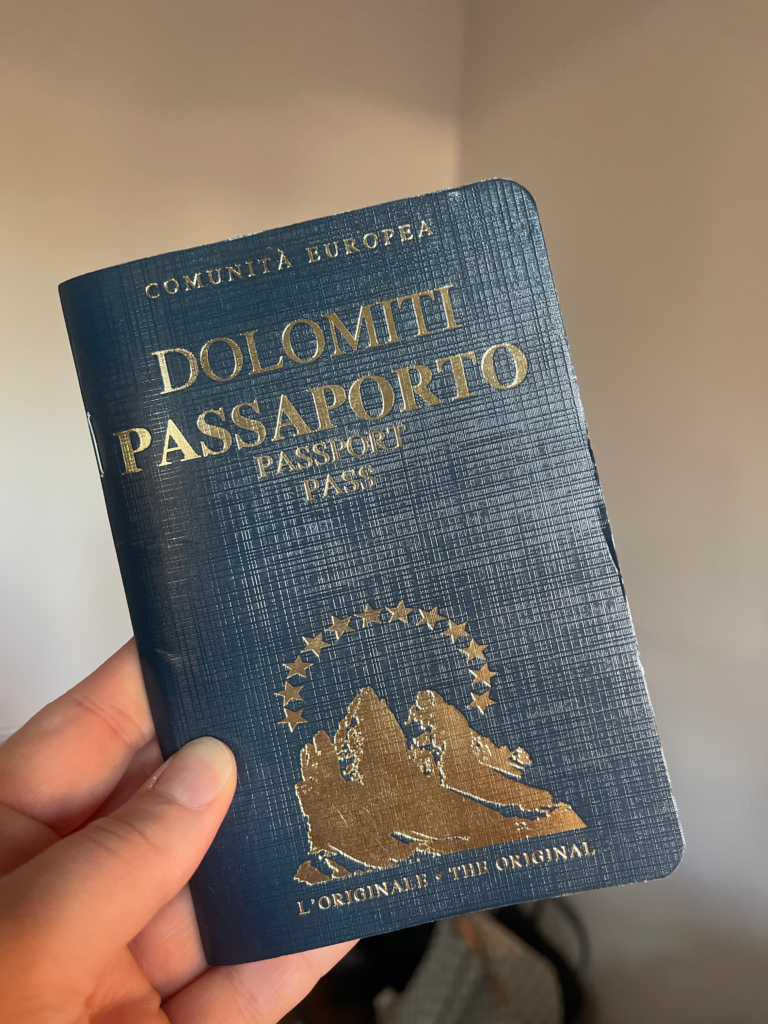
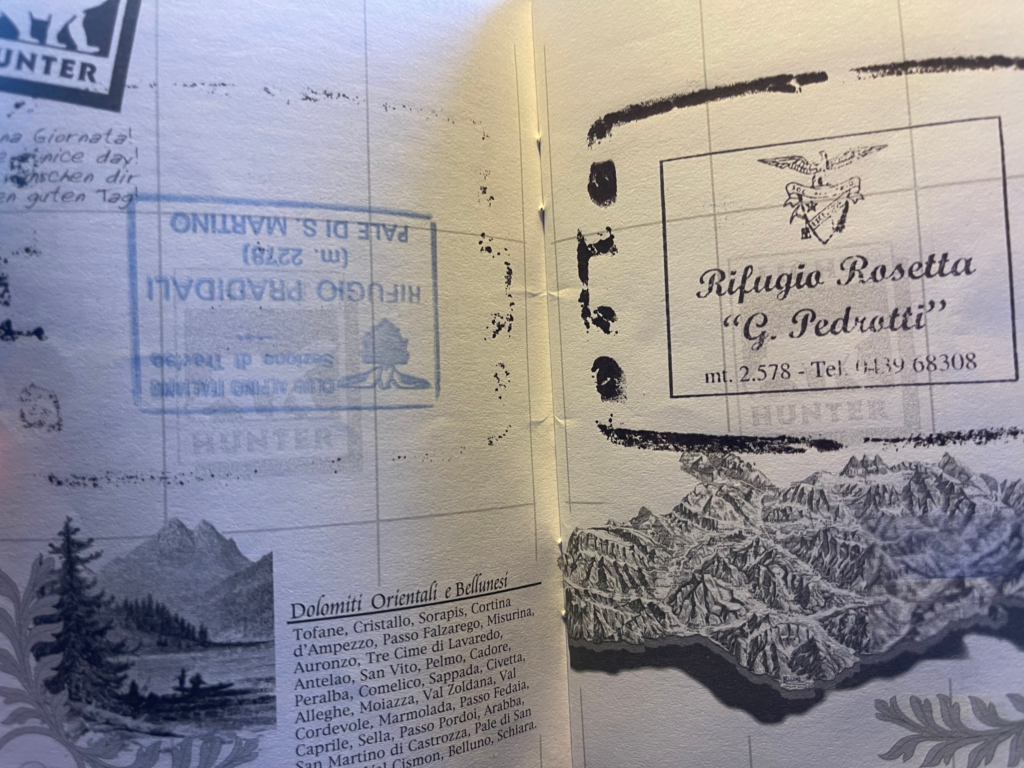
Souvenir shops around the Dolomites sell a little Dolomiti Passport, and you collect a stamp at each hut. You'll usually spot the stamp on the front desk near the maps, or just ask. It's a sweet way to keep a paper trail of every hut you slept in.
Rifugio Bathrooms & Showers: What They're Really Like
This varies wildly from hut to hut, so set expectations low and let yourself be pleasantly surprised.
Ensuite bathrooms
Rifugio Scotoni had ensuite bathrooms for a few of its dorm rooms. So yes, sometimes you get lucky.
Coin and timed showers
At places like Rifugio Genova / Schlüterhütte you buy a shower coin at the bar (around €3–7), pop it in the slot upstairs, and the clock starts the second the water does — you've got about 2–3 minutes of hot water. It leads to genuinely funny hallway moments where everyone's rooting for each other to beat the timer. Rifugio Firenze just tallied showers onto your bill at the end. At Rifugio Pederu, the showers are modern with frosted glass that doesn't hide much — but I promise nobody's paying attention.
Water-use rules — please respect them
The higher the hut, the tighter the water, because every drop is hauled up or caught from rain and snowmelt. Rifugio Pradidali on the Palaronda kept showers to a minimum for good reason. I watched hikers try to sink-bathe around the rules, and I'd ask you not to: you can absolutely go 24 hours without a shower.
Food at Dolomites Mountain Huts (One of the Best Parts)
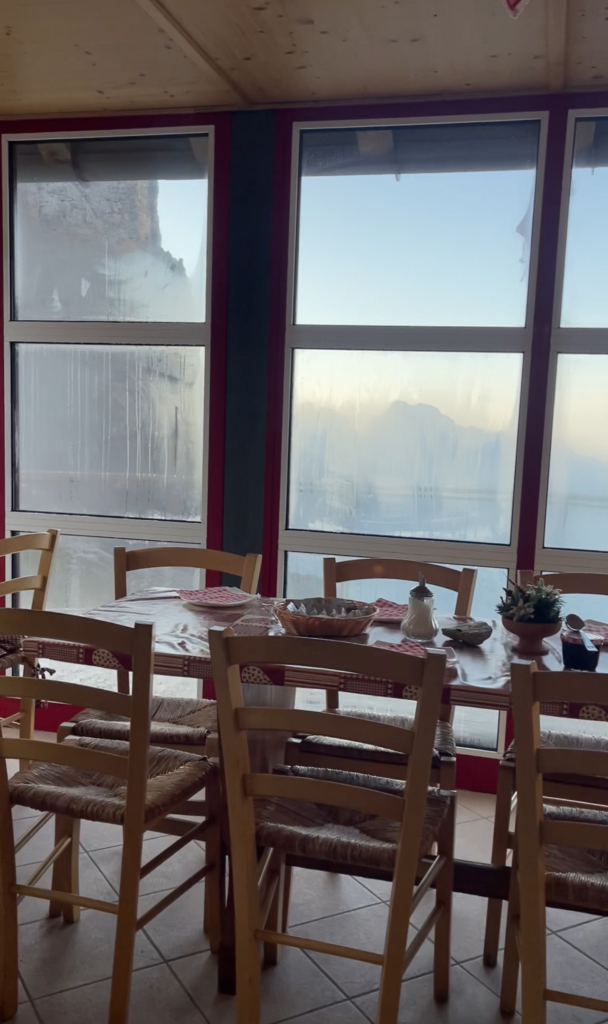
Meals are hearty and communal: polenta, pasta, local stews, dumplings. Breakfast is simpler — bread, jam, butter, coffee, sometimes yogurt and muesli. Sharing a long table after a hard day is how trail friendships start; I still keep up with a few people I met hopping hut to hut.
Meal times:
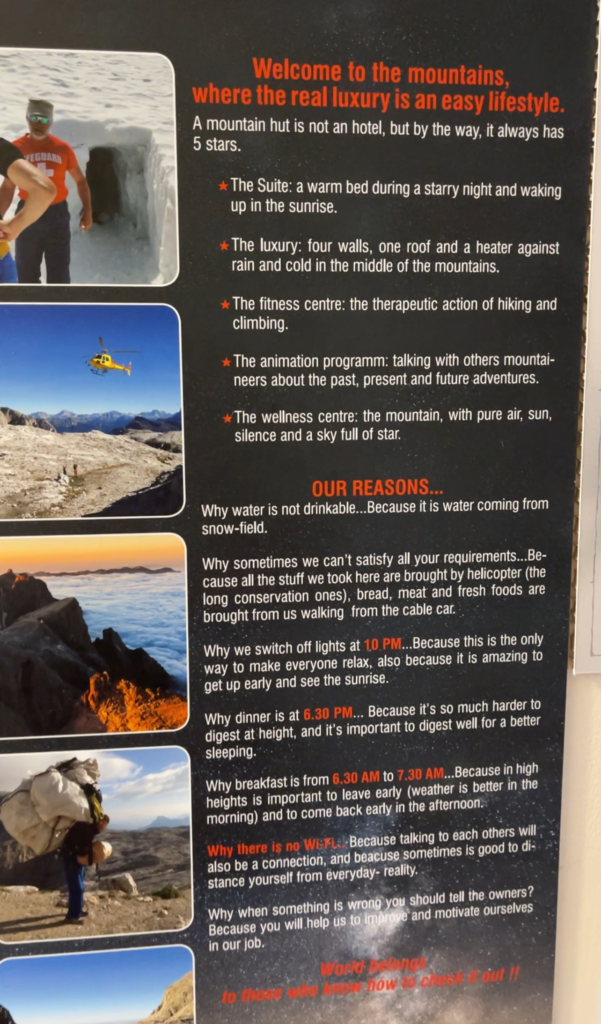
- Breakfast: 07:00–09:00
- Dinner: 18:30–21:00
What you'll actually eat
Expect plenty of polenta — creamy or grilled — with melted cheese (formaggio fuso), mushrooms (funghi), or crispy speck dumplings (canederli). Barley-and-mushroom risotto is a staple, and pasta lovers do fine with cacio e pepe or maccheroni. For something heartier there's grilled pork, lamb, or frico, the pan-fried cheese-and-potato cake you'll find all over Friuli. Rifugio Scotoni pours its wine in etched glasses and the owner grills a mean plate of meat. Dessert is usually panna cotta with berry compote or a slice of homemade cake — and if you're lucky, house-made strudel.
Gluten-free options
More huts accommodate gluten-free diets than you'd expect. If you have celiac disease or a serious sensitivity, email the hut before you book to ask about options and cross-contamination — managers are helpful and appreciate the heads-up.
Vegetarian and vegan meals
Vegetarians eat well: mushroom risotto, polenta with cheese, pasta with tomato sauce are often naturally meat-free, and most huts have a veg main or two. Vegan options are rarer but growing — soups, grilled polenta, mushroom pasta without dairy if you ask ahead. Email in advance, and stock a few backups from a valley grocery store if you know you're hard to feed.
Packed lunches for the trail
Most huts will make you a packed lunch (about €5–10) if you ask the night before. At Rifugio Pederu mine was an apple, a croissant, and two little ham-pickle-cheese sandwiches — simple, but it kept me going.

What to Pack for a Rifugio Stay
Keep your load light — you're carrying it up a mountain. Here's the checklist I actually pack from:
Heading out on a multi-day trek? Here is my full Alta Via 1 & 2 packing list for solo female hikers here — everything I carried, what I wish I'd left at home, plus a free checklist.
Rifugio Etiquette: How to Be a Good Hut Guest
Quiet hours. "Hüttenruhe" is the German term for lights-out, and it starts at 10pm. I had two guests blow past it once and keep the whole dorm awake — don't be those people.
Windows. Rooms get hot with 8–24 bodies in them. Ask your roommates before you crack a window.
Checking in. Aim to arrive before 6pm and call ahead if you'll be late — it helps staff and protects your bed. You check in at the bar. Arriving early also means first pick of bunks (I always want a bottom bunk; raise your hand if you fear the midnight tumble).
Boots off. There's a designated boot area, and slippers are usually provided. Rifugio Scotoni and Pederu even had boot warmers — such a nice touch.
Quick etiquette checklist:
- Keep dorm aisles clear
- Pack quietly in the morning
- Use a headlamp instead of the overhead light
- Don't assume tap water is drinkable
- Respect lights-out and meal times
Why Dolomites Rifugi Have So Many Names (and How to Decode Them)
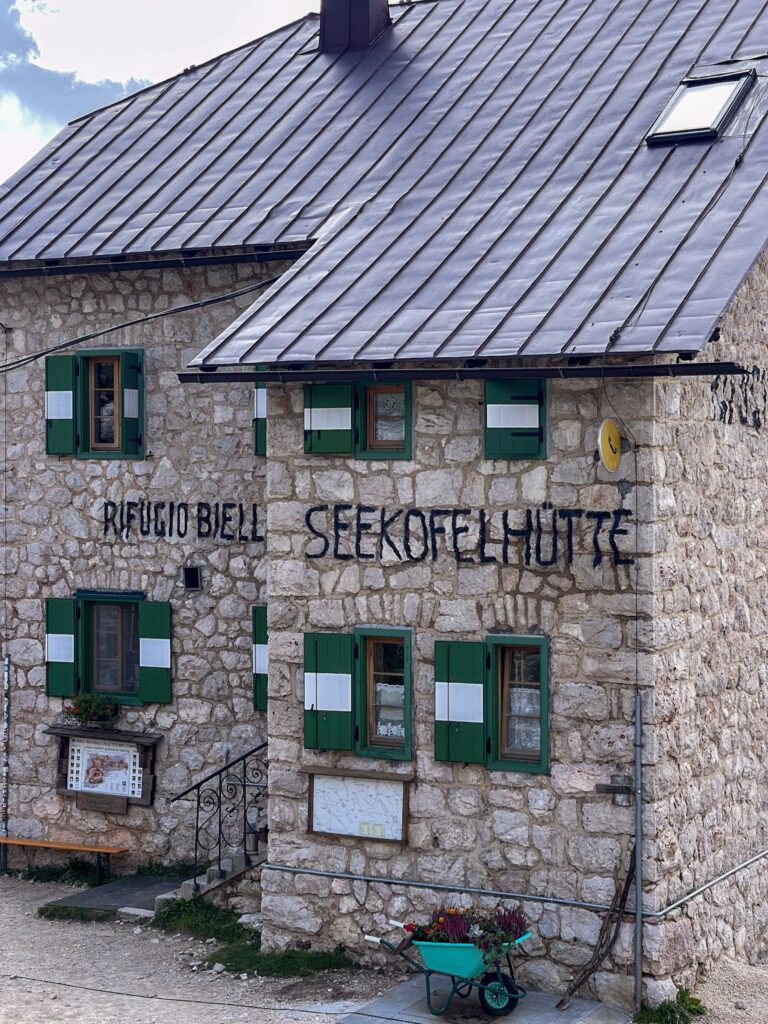
Start planning and you'll notice the same hut shows up under two or three names. That's because the Dolomites overlap Italian-, German-, and Ladin-speaking valleys, so signage and booking platforms don't always agree.
| Italian | German | Ladin |
|---|
Quick tips: Italian names dominate maps and booking platforms; German names show up across South Tyrol / Alto Adige; Ladin names appear on local signage in certain valleys.
Can You Stay in a Rifugio Without Hiking Long Distances?
Yes. Some rifugi sit a cable car ride or short walk from a parking area, which makes them great for families, older travelers, or anyone who wants the experience without a big trek. One of my favorite nights was a girls' group overnight at Rifugio Croda da Lago — a perfect fall trip and one of our best bonding moments.
Dolomites Mountain Huts vs. Huts in Other Countries
Rifugi stands out for its hospitality, affordability, and communal feel. Here's how they compare to alpine huts elsewhere.
| Country | Meals | Booking | Sleeping | Vibe |
|---|---|---|---|---|
| Italy | Communal, set menu | Direct or via Bookatrekking | Dorms + few private | Warm, rustic, traditional |
| Switzerland | À la carte or half-board | Online portals + SAC | Mostly dorms | Pricier, very clean |
| Austria | Full board often available | Alpine club memberships | Dorms + shared | Efficient, lively |
| USA | Self-catered or basic | Permits or online | Bunkhouses or tents | More DIY |
Final Thoughts: You're So Ready for This
Dolomites mountain huts are about more than a bed for the night. They're about waking up somewhere ridiculous, sharing wine and stories with people you just met, and falling into the rhythm of the mountains. Whether it's your first hut or your fifteenth, I hope this took the guesswork out of it. Quick recap:
- Season: late June to late September
- Cash: bring euros — many huts don't take cards
- Charging: limited plugs; pack a power bank
- Languages: Italian and German common; some English
- Solo-friendly? absolutely — I've felt safe and welcome every time
FAQ: Staying in a Dolomites Mountain Hut
Some do, especially the bigger or more modern ones — but don't count on it. Many huts on my Palaronda Trek had none. Take it as a chance to unplug.
Many rifugi are dog-friendly, but always check ahead and bring your own pet bedding.
Basic English is usually understood at popular huts, but a few words of Italian or German go a long way.
Meals are included with half-board. Bring trail snacks for the daytime.
Yes. I've stayed in many rifugi solo and always felt safe. Stick to popular trails, arrive before dark, and trust your instincts.
Keep Planning Your Dolomites Trip
First-Timer's Guide · Best Rifugios · Where to Stay Before & After Alta Via 1 · Palaronda Trek · MADE Trek · Best Apps for the Dolomites · Best Hikes Near Cortina · Guided vs Self-Guided · Best Hotels in the Dolomites.

Hey! Thanks for creating this! I’m a bit nervous about my first stay at a Rifugio next year but I think after reading this I’ll be set!