Tusheti Wool Factory and Felting Class in Alvani: A Cultural Day Trip in Kakheti, Georgia
Last Updated on November 10, 2026 by Kimberly
Planning a trip to Kakheti and wondering if there’s more to do than wine tastings? There is, and one of my favorite days in Georgia, spent learning about Tusheti wool, had nothing to do with wine. (Okay, there was a little wine at lunch.)
On Day 4 of an October group trip with Laura of Type 2 Travel, we left Telavi, stopped at Alaverdi Monastery, and drove to Alvani, a pair of villages in Kakheti with deep ties to the Tushetian people of the high Caucasus.
We spent the afternoon in a working Tusheti wool factory, watched a wet-felting demonstration, and then made our own felted designs. I went in expecting a quick craft stop. I left with a gray carry-all, wool fibers on my clothes, and a lot more respect for the women and men who do this work.
In this post, I’ll explain what Tushetian wool is, what you see at the factory and the workshop, how the day runs, which Georgian souvenirs are worth buying, and how to arrange a visit yourself.
In a Rush?
Where I Stayed Around Wool Day
| Night before (Telavi) | Esquisse Hotel, Telavi Check rates and availability |
| Night after (Kutaisi) | Newport Hotel, Kutaisi Check rates and availability |
At a Glance
Tusheti Wool Factory and Felting Class
Zemo and Kvemo Alvani, Kakheti, Georgia
| Time needed | About 3 hours, with lunch |
| Felting class | About 1 hour, no art skills needed |
| Booking | By appointment, arrange ahead |
| Getting there | About 40 minutes by car from Telavi |
| Best for | A Kakheti day that isn’t all wine |
What Is Tushetian Wool?
Tusheti is a remote mountain region in northeastern Georgia, and its people, the Tush, have raised sheep and worked wool for generations. Tushetian sheep are known for being tough and for producing good wool, which has long been used for felt rugs, socks, slippers, and blankets.
Here’s what most people don’t realize: you don’t have to go to Tusheti to experience Tushetian culture. The road up to Tusheti is one of Europe’s scariest drives, and it’s only open part of the year. When winter hits the mountains, most Tushetian families move down to Alvani in the Kakheti lowlands. That means the craft is practiced here year-round, and you can see it on an easy day trip.
If Tusheti is on your list but the mountain road isn’t, this is a good alternative.
Here’s what you need to know to decide if this is worth it for you.

Why Visit a Tushetian Wool Workshop in Kakheti
Most Kakheti itineraries are wine, wine, monastery, wine. I love Georgian wine, but I was so thankful to have something different, and this was it.
Three reasons I’d recommend it:
- You see the whole process, from raw fleece at the factory to finished felt at the workshop.
- You make something yourself, which beats watching from behind a rope.
- Your money goes straight to local makers, many of them women, keeping a traditional craft alive.
What You See at the Wool Factory and Felting Workshop
Stop 1: The Tusheti Wool Factory in Alvani
Dimitri “Dito” Arindauli runs the factory. His father, Gogi Arindauli, founded it in 2005 as Georgia’s first Tushetian wool processing plant. After the Soviet Union collapsed, local wool processing collapsed with it, and this family business helped bring it back.
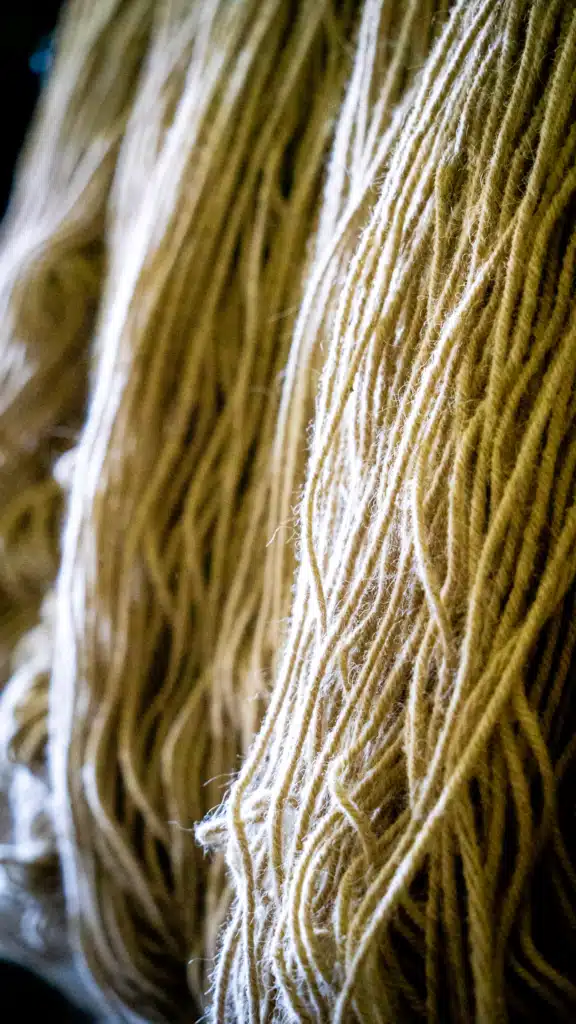
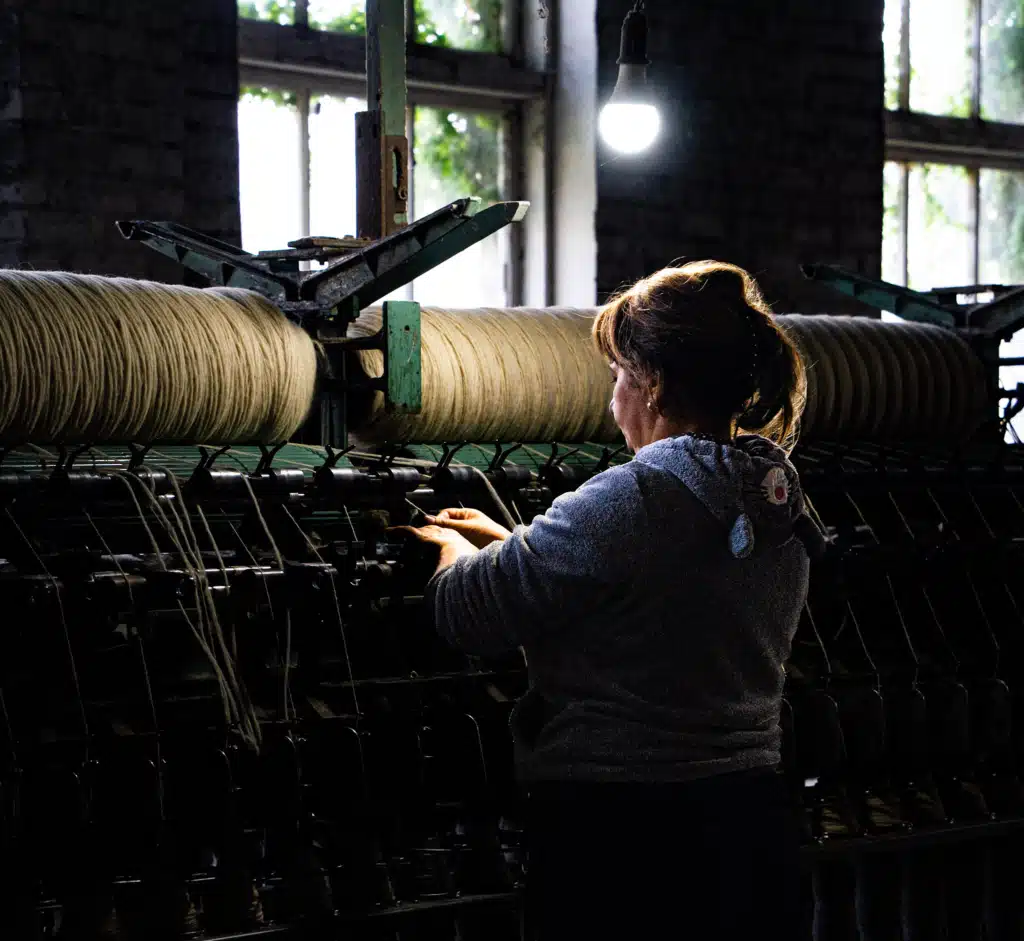
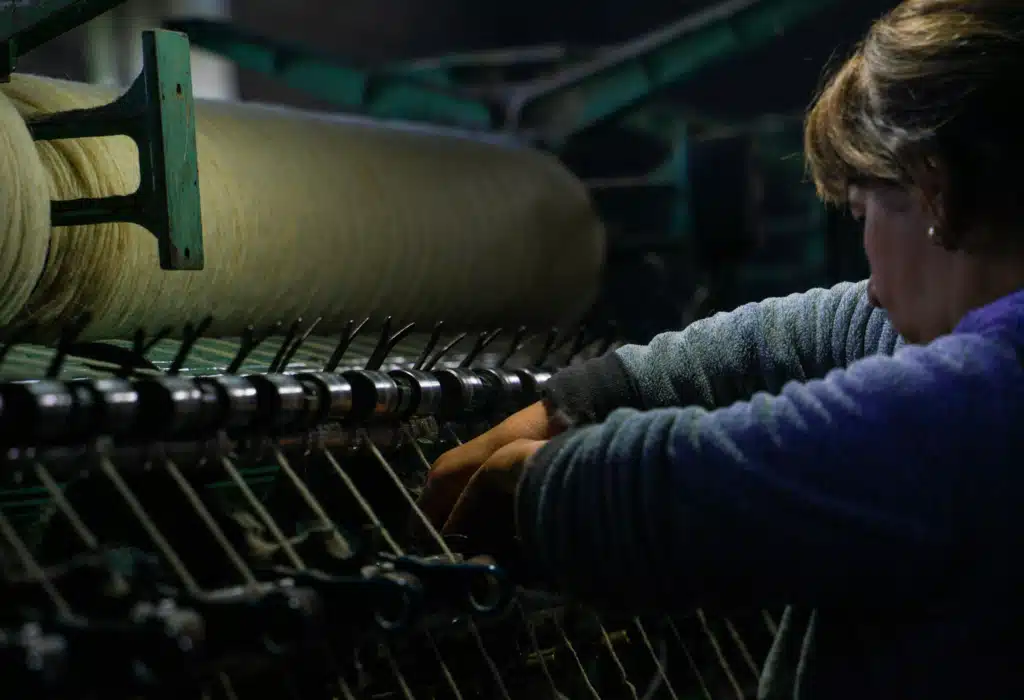
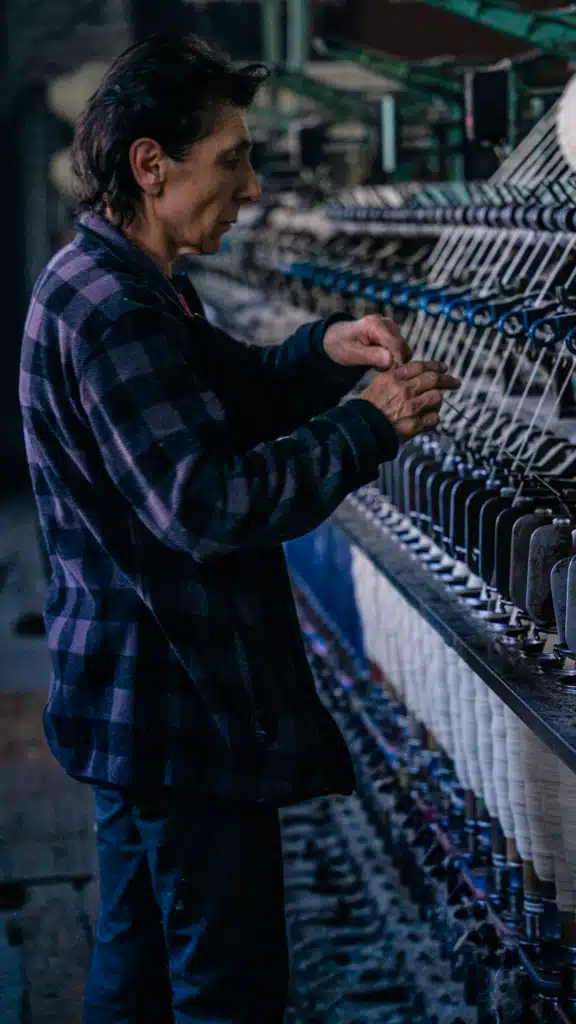
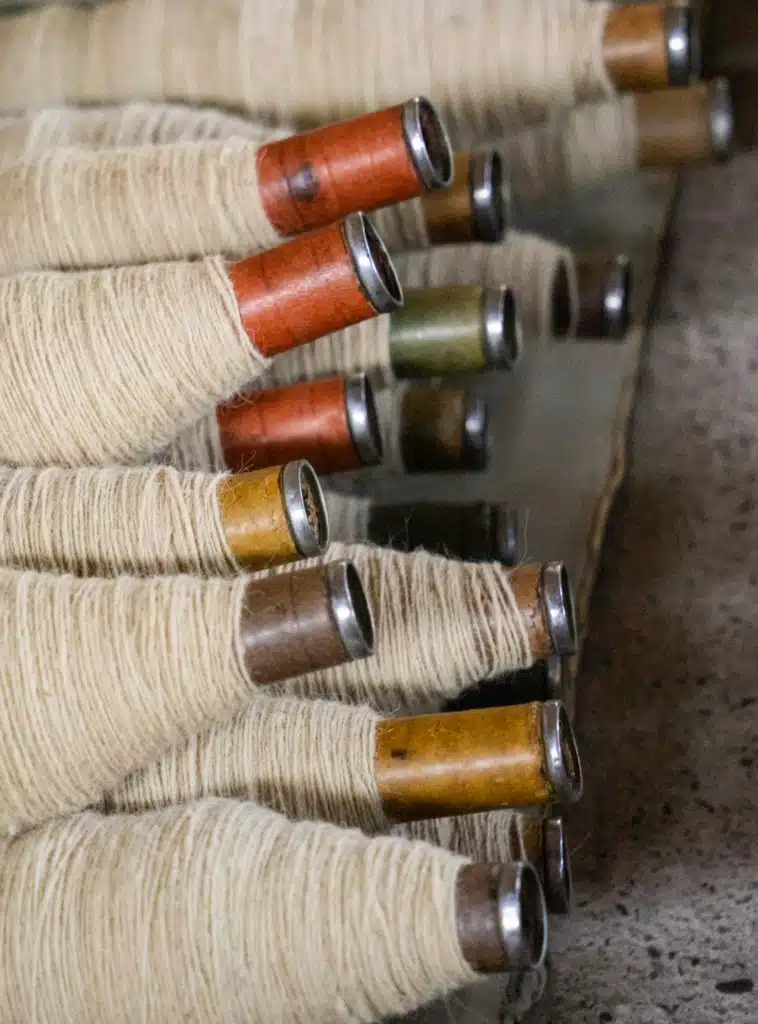
Visitors can see each stage: cleaning, washing, dyeing, carding, and spinning the wool into thread. You can also buy yarn and wool on site.
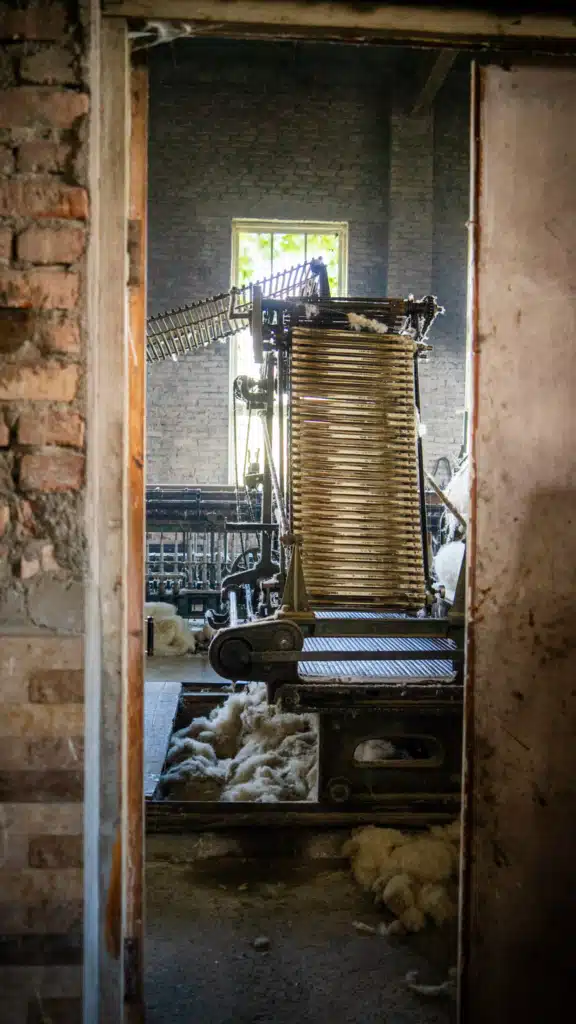
Fair warning: this isn’t a polished visitor center. It’s a working factory, and it looks like one. More on that in my experience section below.
Stop 2: The Felting Workshop in Alvani
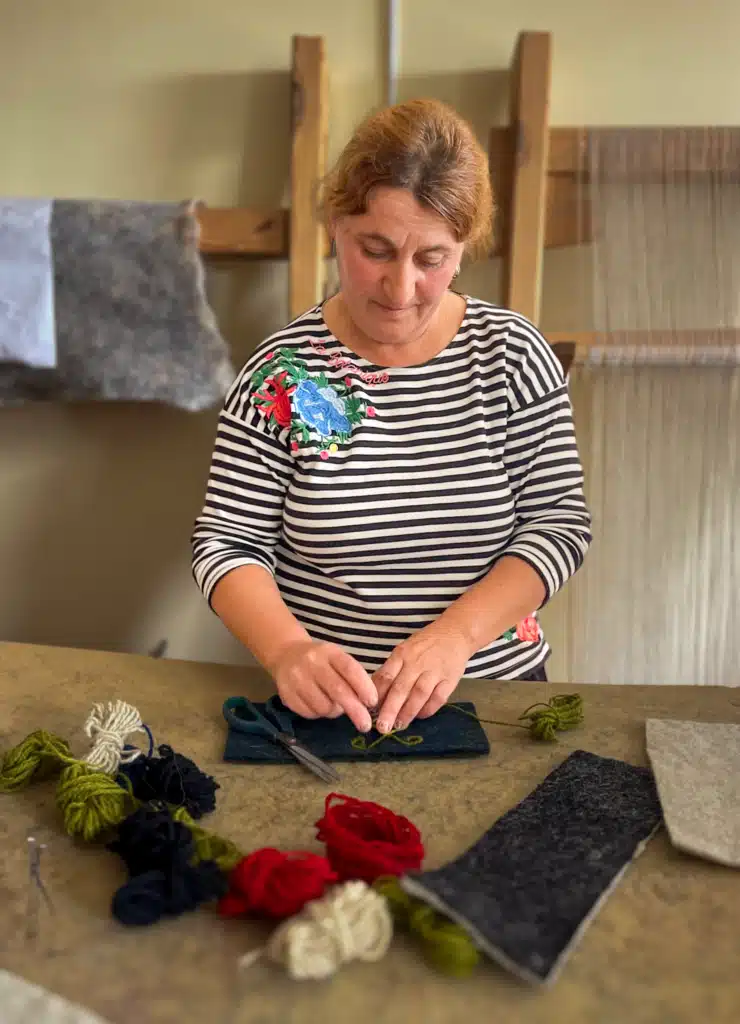
Just down the road is a workshop where local women turn that wool into felt, rugs, slippers, wall hangings, and small gifts. We watched the wet felting demonstration, took our class, and shopped here.
How the Day Works
Here’s how our day ran, so you can plan a similar one:
- 11:20 am: Left our hotel in Telavi
- 11:50 am: Stopped at Alaverdi Monastery, a fortified monastery with the Caucasus behind it, where monks have made wine for centuries
- 12:30 pm: Arrived in Alvani for a 45-minute visit to the wool factory and workshop
- 1:30 pm: One-hour felting class
- 2:30 pm: Lunch at our host’s home, with mountain tea, wine and his homemade craft beer
- 3:30 pm: Left for Kutaisi through the mountain pass at Tianeti, arriving around 7:30 pm
Plan on about three hours in Alvani, including lunch. If you’re heading west to Kutaisi like we were, this is a good way to break up the drive.
Planning Your Georgia Trip?
Start with these guides from my October trip.
What You’ll Do in the Felting Class
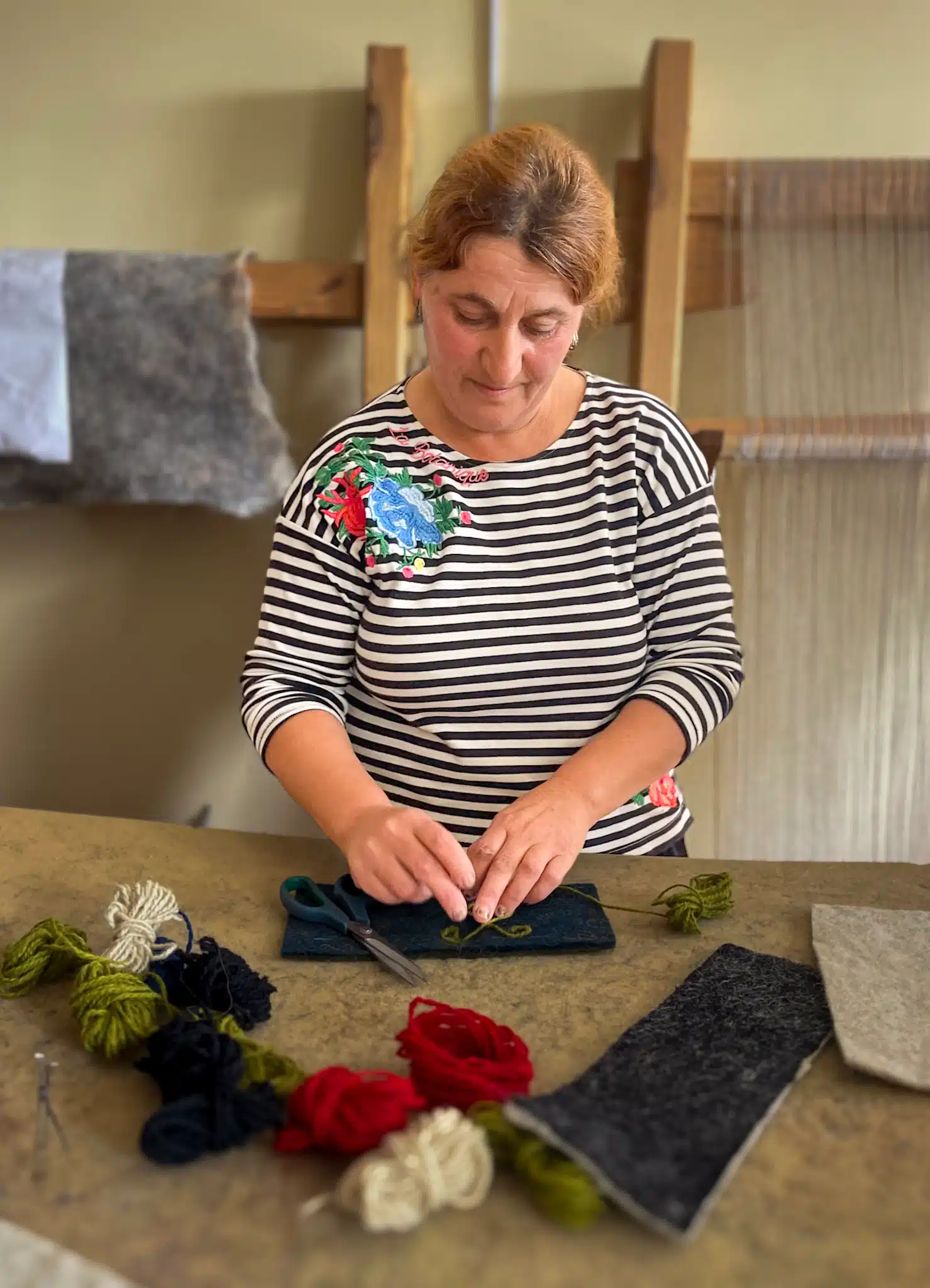
First, we watched a local woman demonstrate wet felting: she laid out the wool, wet it, and worked the fibers together by hand until they bound into felt. Then it was our turn. Your class may vary a little, but here’s how ours went:
- Pick a design: We chose a pattern from a sheet of paper. No art skills needed.
- Lay out the wool: You build your design with colored wool on a wool base.
- Felt it in: You work the fibers together until the design holds.
- Take it home: You keep what you make.
How to Visit the Tusheti Wool Factory and Workshop
We visited with Laura of Type 2 Travel, who arranged everything, and that’s the easiest way to do it. Both the factory and the workshop are small, working operations, so this isn’t a place you show up to unannounced.
You can arrange the factory and the felting workshop on your own. The lunch at our host’s home, with his craft beer, is a different story. I think that part only happens by joining one of Laura’s group trips.
- The wool factory (Zemo Alvani): Dimitri “Dito” Arindauli runs it, and tours are by appointment. Go with a guide or a Georgian speaker to set it up and translate.
- The felting workshop (Kvemo Alvani): Mzemoe is run by a group of local women in the old House of Culture. Message them on their Facebook page, Tushetian Handicraft, to arrange a visit or a class.
- Getting there: Alvani is about 40 minutes by car from Telavi. You’ll want a driver, and you can book one with GetTransfer.
- Make a day of it: Pair it with Alaverdi Monastery on the way, like we did.
Kimberly’s Tip
Arrange your visit at least a few days ahead, and bring some lari. These are small rural businesses, so don’t count on paying by card.
My Tushetian Wool Experience
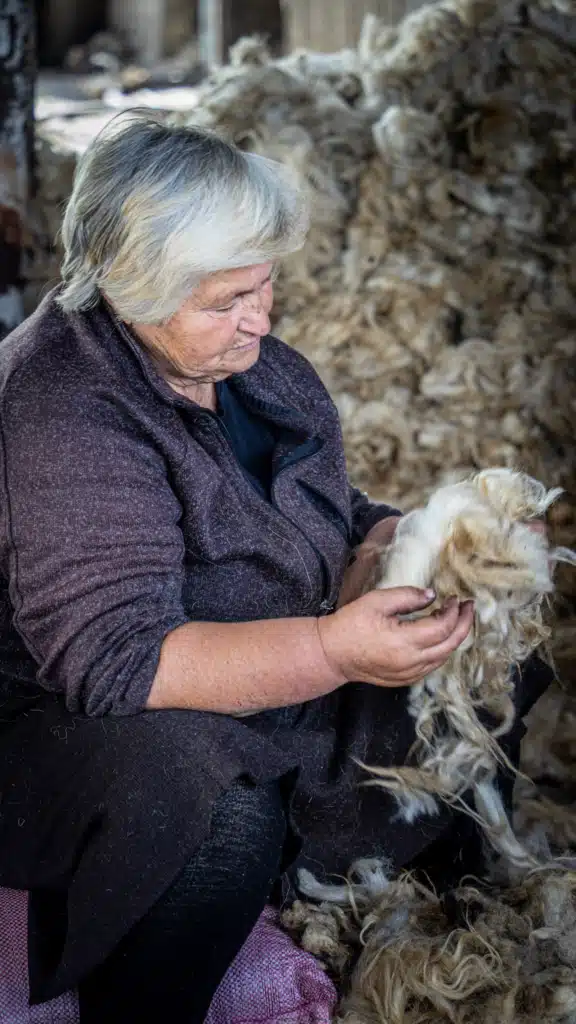
We were brought to the back of the complex, where workers laid out TONS of wool. They sorted it and laid it out for the factory. It was so interesting, and I never knew how this whole process worked till now. I have such an appreciation for what we were seeing and let into.
One woman sat there with the patience of a saint and just sorted through the pile next to her.

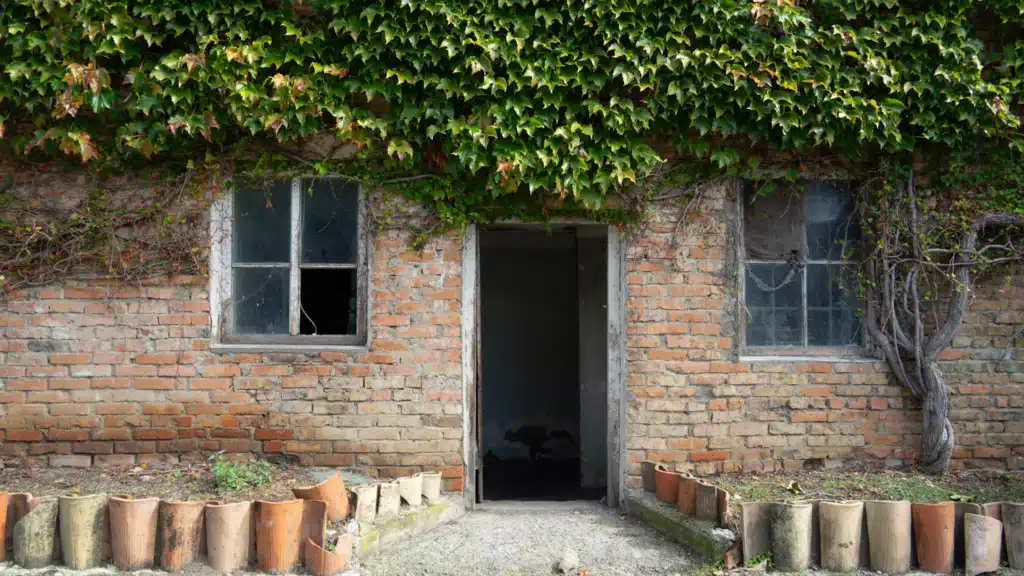
The factory hit me first, and the smell came before anything else. It smelled like burnt hair and old dust, and dust coated pretty much everything.
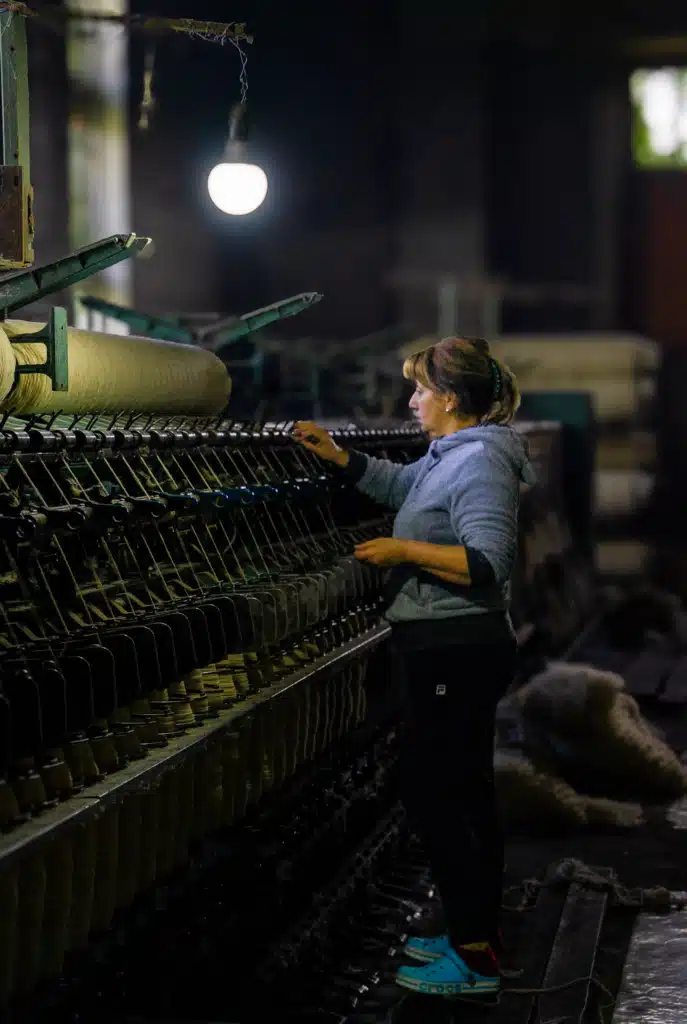
The machines looked old and worn down. I honestly wasn’t sure they’d run. Then the workers threaded the yarn through and switched them on, and the hum filled every empty space in the room. They work. They just don’t look like they should. It’s a very cool space, and I appreciated the demonstration with these behemoth machines. It was something truly special.
The Wet-Felting Demonstration and My Class
Then we went to the workshop for a wet-felting demonstration. All eyes were on the woman leading it. Wet felting looks gentle from a distance, but up close you can see how much physical effort it takes. She made it look easy, and it isn’t. Nobody in our group was on their phone. Everyone was just trying to understand what she was doing.
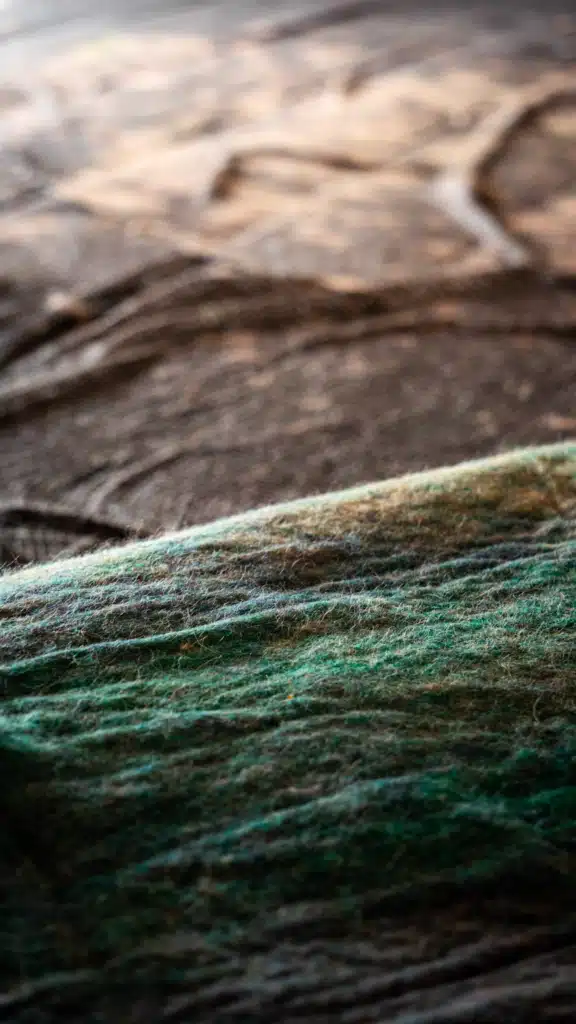
I picked a design from the paper, went with it, a simple design on a green piece of felt, and just started, getting completely absorbed. Felting is strangely hypnotic. You keep working the same spot, the design slowly locks in, and an hour goes by fast. It was so much fun.
Shopping at the Workshop
Then came the shopping. I bought a gray carry-all with flowers on it for 60 lari. Other women in the group bought wine bottle covers and felt flowers. Nobody left empty-handed.
We ended the day with lunch at our host’s home. He invited us in, fed us, and poured us his own homemade craft beer. It’s the kind of afternoon you can’t plan from a booking site.
Would I tell you to skip any part of it? No. The factory gives the workshop context, and the workshop gives the factory a purpose. Do both.

What to Expect: An Honest Heads-Up
Nothing went wrong on our visit, but here’s what to know before you go:
- It’s dusty. If you’re sensitive to dust or have allergies, keep this in mind for the factory portion.
- It smells. Raw wool processing doesn’t smell nice. You’ll get used to it.
- It’s real work, not a show. The machines are loud and old, and people are doing their jobs around you.
Georgia Souvenirs Worth Buying
The workshop shop is one of the best places in Kakheti to buy something handmade. I bought a gray carry-all with flowers on it for 60 lari, and other women in our group picked up felted wine bottle covers and felt flowers. If you’re looking for Georgia souvenirs beyond felt, these are worth packing room for:
- Felt and wool: slippers, bags, wall hangings and pure wool yarn, ideally bought straight from the makers.
- Churchkhela: walnuts strung on a thread and dipped in thickened grape juice. It travels well.
- Georgian wine and chacha: especially amber wine made in a qvevri. Check your airline’s rules before packing bottles.
- Spices: khmeli suneli, the classic Georgian spice blend, and Svanetian salt.
- Minankari: Georgian cloisonné enamel jewelry, sold in Tbilisi’s Old Town.
Tusheti Wool Factory FAQ
Can you visit the Tusheti wool factory without a tour?
Yes, but not as a walk-in. Visits are by appointment, so arrange it ahead through a guide, your guesthouse or a Georgian speaker.
How long do you need in Alvani?
Plan on about three hours, including the factory visit, a one-hour felting class and lunch.
Do you need art skills for the felting class?
No. You pick a simple design from a sheet, lay out colored wool and felt it in. Everyone in our group left with something they made.
Where is Alvani?
Alvani is a pair of villages, Zemo (Upper) and Kvemo (Lower) Alvani, in Kakheti, about 40 minutes from Telavi. Many Tushetian families spend the winter here when the road to Tusheti closes.
Final Thoughts on the Tusheti Wool Factory
One of my favorite days in Georgia had nothing to do with wine. If you’re looking for things to do in Kakheti that go beyond tastings, a few hours in Alvani gives you the whole story of Tushetian wool, from raw fleece to finished felt, and something handmade to take home. The factory gives the workshop context, and the workshop gives the factory a purpose. Do both.
Keep Planning
More From My Georgia Trip
Save This Guide for Your Trip to Georgia
Pin this so you have the day, the booking details and what to buy handy when you plan your Kakheti trip.