Paris Travel Tips: 6 Things Not to Do on Your First Trip
Last Updated on November 5, 2026 by Kimberly
There I was in Paris, barging onto the metro before the people inside had a chance to get off, when I realized I’d committed a faux pas. I’d gotten on too soon. That moment is exactly why I wrote these Paris travel tips, and it’s tip #2 below.
These are the Paris travel tips I wish someone had given me before my first trip. The short version: say bonjour before anything else, let people off the metro first, keep your voice down, order your water by name, ask for the check, and ask before you photograph anyone. Below, I explain why each one matters to locals and what to do instead, plus what to wear in Paris.
You’ve probably heard that Paris has a reputation for being unwelcoming to visitors. Most of the time, though, the coldness travelers describe comes from something they did in the first five seconds without realizing it.
I’ve been to Paris several times now, stayed in neighborhoods from Montmartre to the 6th arrondissement, and lived in Europe for more than eight years. I’ve watched friends, family, and myself make every mistake on this list. You aren’t a bad traveler; ya just didn’t know! I didn’t either, and we all learn somehow.
In a Rush?
Here Are a Few Hotels I’ve Stayed At in Paris
| Saint-Germain (6th) | Hotel Saint Paul Rive Gauche Check rates and availability |
| Montmartre (18th) | Hôtel Dalila Check rates and availability |
Are Parisians Rude?
Ask anyone who has visited Paris whether Parisians are rude, and you’ll probably get a mixed bag of responses. In my experience, most of the rudeness travelers describe is a misunderstanding of Paris etiquette, not an unfriendly city. That’s why so many of my Paris travel tips start with etiquette.
Daily life in Paris runs on a few unspoken rules: you greet people before you ask them for anything, you keep your voice low in shared spaces, and you don’t rush a meal. Visitors who don’t know these rules often break all three in their first hour, then wonder why the response feels cold.
The good news? It all comes down to small gestures. A “bonjour” at the door or ordering your water by name tells people you took the time to understand where you are. Parisians notice that, and they respond accordingly.

Save These Before You Go
French Phrases for Your First Trip to Paris
| Hello | Bonjour (evening: Bonsoir) |
| Excuse me | Pardon / Je descends |
| Tap water | Une carafe d’eau, s’il vous plaît |
| Sparkling | Une eau gazeuse, s’il vous plaît |
| The check | L’addition, s’il vous plaît |
| A photo? | Est-ce que je peux prendre une photo ? |
1. Don’t Walk Into a Shop Without Saying Bonjour
In France, saying “bonjour” when you walk into a shop, bakery, pharmacy, or café is a simple acknowledgment. It acknowledges that you’re entering someone’s space and that you NOTICE the person behind the counter.
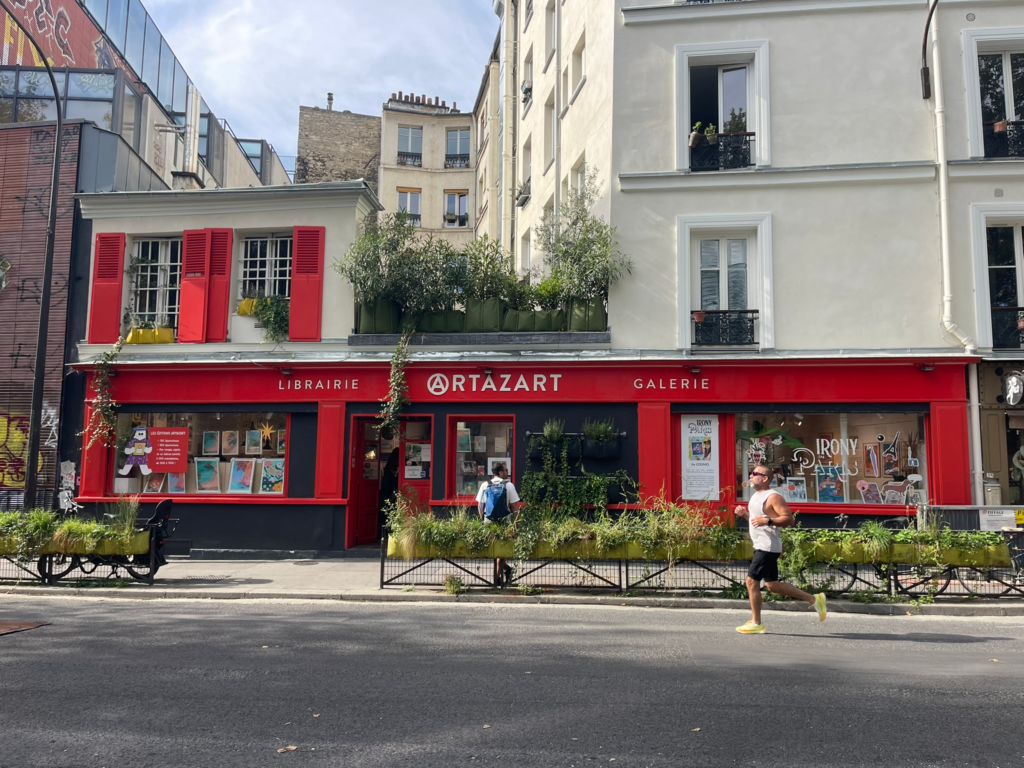
Skipping it and going straight to “Do you have this in a medium?” comes across as rude, even when you don’t mean it that way. That moment is often where the “Parisians are rude” stereotype comes in.
I think greeting people matters in every country, and in France it carries real weight. The same goes for Belgium, where I live now.
What to do instead: Make eye contact and say “Bonjour, madame” or “Bonjour, monsieur” as you walk in. Switch to “bonsoir” in the evening. When you leave, say “Merci, au revoir.”
Learn a handful of French phrases before you go. People appreciate the effort even when you can’t finish the sentence and have to switch to English halfway through. Still, starting in French is a great way to show Parisians you’ve made an effort!
2. Don’t Rush Onto the Metro the Second the Doors Open
This is a big one! It’s the part I hate most about any metro, in any city.
When the train pulls in and the doors open, the instinct is to step on right away, especially if you’re nervous about getting left behind. But people need to get off first, and a crowd blocking the doors makes that much harder. At rush hour, it backs up the whole platform and causes real havoc for commuters trying to get to work.
What to do instead: Stand to either side of the doors, let everyone off, then board. If you’re near the door and need to get out at the next stop, say “Pardon” or “Je descends” (I’m getting off) so people can make room. On crowded trains, avoid sitting on the fold-down seats by the doors, since they take up standing room.
For solo female travelers visiting France: stand to the side and take a moment to check the line and direction before you board, and you’ll blend in with everyone else on the platform. My favorite travel apps for solo female travelers make this part easy.
Traveling With Luggage?
Keep Your Suitcase Off the Metro
Rush hour with a suitcase is the fastest way to block a metro door. Sort your bags on both ends of the trip.
Arriving
Book an Airport Transfer
Skip the RER on day one. A Welcome Pickups driver meets you at arrivals at CDG or Orly and takes you straight to your hotel.
Book Your TransferLeaving
Store Your Bags for the Day
Checking out before a late flight or train? Drop your bags with Radical Storage and spend your last hours in Paris hands-free.
Find Luggage Storage3. Don’t Speak Loudly on the Metro
Listen on a Paris metro car, and you’ll notice how quiet it is. People talk, but quietly, and phone calls are short or saved for later. A group of travelers chatting at a normal American volume stands out right away.
I noticed this more after living in South Korea, where quiet on trains and subways is the expectation. After that, coming back to Europe, I was already more aware of my volume.
What to do instead: Keep your voice low, save phone calls for when you’re off the train, and use headphones for anything you’re watching or listening to. Being a quiet presence on the metro also makes you look less like a tourist, which is helpful when you’re riding alone.
Kimberly’s Tip
Download your metro app and offline maps before you land. Looking at your phone on the platform is normal. Standing in the middle of a busy corridor trying to work out which direction you need is what makes you stand out as a first-timer. Move to the side, against a wall, to get out of everyone’s way. I use a Holafly eSIM so my maps work the moment I land.
First Trip to Paris?
Book These Before You Go
Three easy ways to see the big sights on your first trip.
See It First
Eiffel Tower Tickets
Book your time slot before you go so you’re not stuck with whatever is left on the day.
Book Eiffel Tower TicketsOn the Water
Seine River Cruise
A Bateaux Parisiens cruise takes you past the Eiffel Tower, the Louvre and the bouquinistes along the Seine.
See Cruise TimesGo With a Local
Montmartre Walking Tour
Learn the stories behind the artists and streets of Montmartre with a guide instead of guessing.
Book the Walking Tour4. Don’t Just Ask for “Water” at a Restaurant
Paris restaurant etiquette has a few surprises, and water is the first one. Ask a Paris waiter for “water,” and you may get a bottle of mineral water added to your bill when you wanted free tap water.
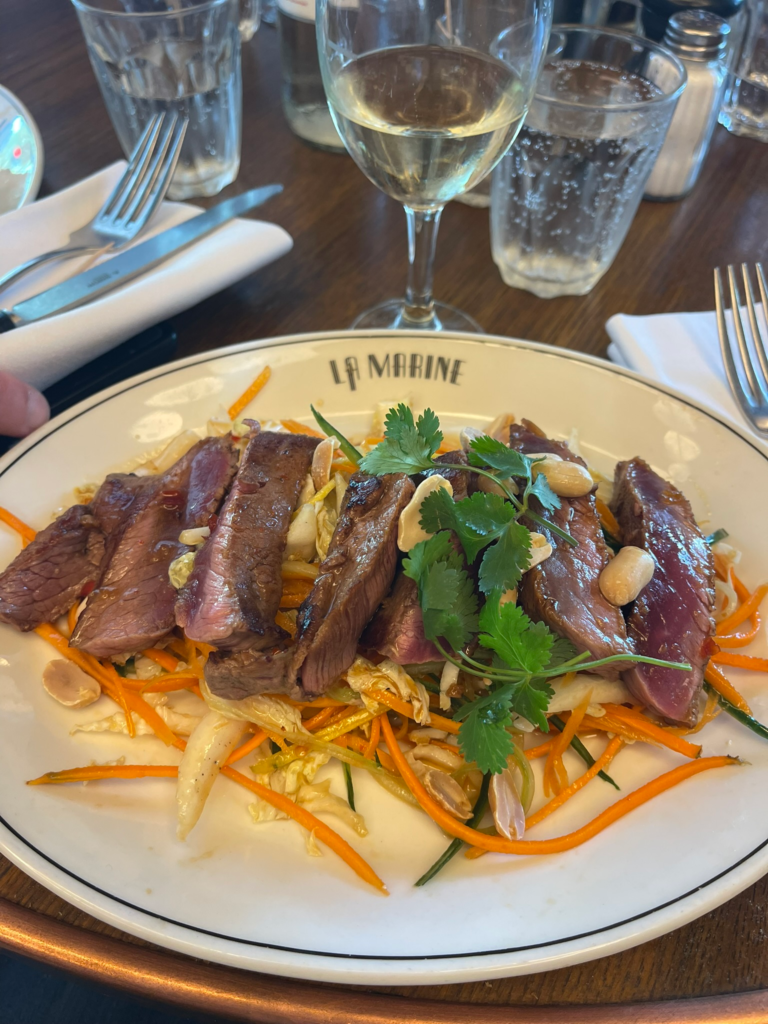
Guys, no one is trying to trick you here!
“Water” is just vague, and there are several options.
I always order sparkling water, so I know exactly what I’m asking for and I know what I will be paying for!
What to do instead:
- Tap water: “Une carafe d’eau, s’il vous plaît.” With a meal, a carafe of tap water is normally free. Paris tap water is safe to drink.
- Sparkling water: “Une eau gazeuse, s’il vous plaît.” This is bottled, and you’ll pay for it.
- Still bottled water: “Une eau plate, s’il vous plaît.” Also paid.
5. Don’t Wait for the Server to Bring the Check
On a recent trip to Paris, my husband’s cousin kept asking why the waiter was taking so long with the check. We explained what was going on: the server hadn’t forgotten us. In France, bringing the bill before you ask for it can feel like rushing you out. Meals are meant to be unhurried, and the table is yours for as long as you want it. This is one of the biggest café etiquette differences for American visitors in Paris.
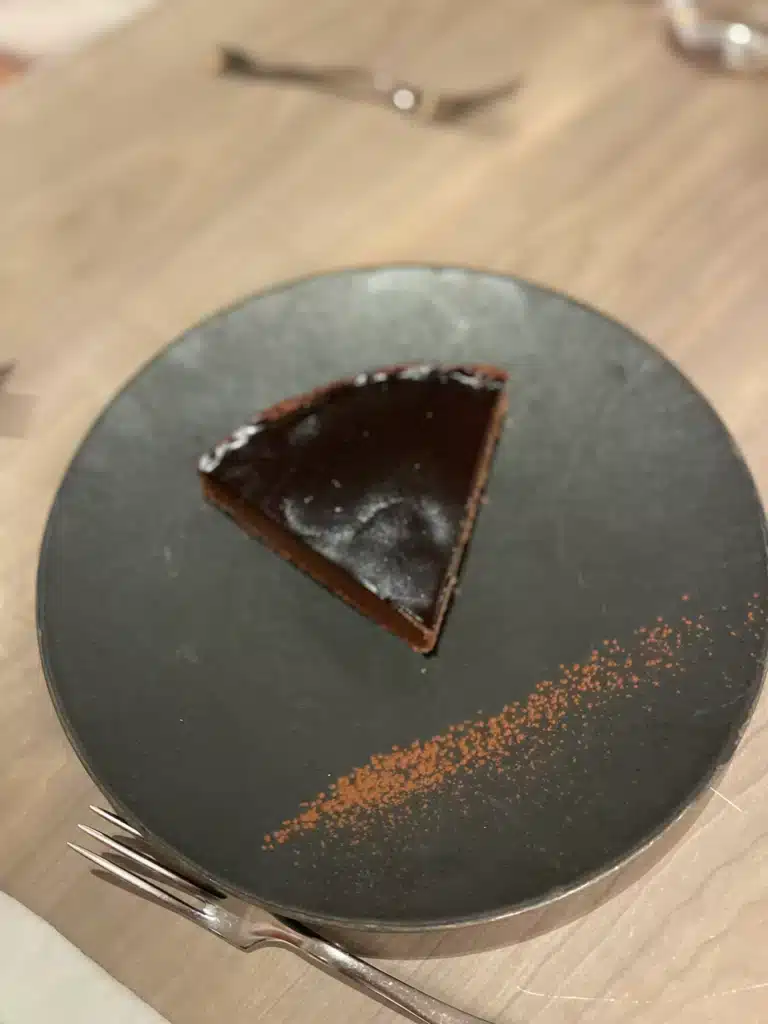
I think this is standard across Europe; Europeans just have a different way of eating and a different idea of what a meal means.
If you’re on a schedule, it can be frustrating until you know how it works.
What to do instead: When you’re ready, catch your server’s eye and say “L’addition, s’il vous plaît.” If you’re short on time, ask for the check when your last course or coffee arrives. In many cafés, you can also pay at the counter on your way out.
Want a local to set the pace for an evening out? A Paris cocktail bar tour is an easy way to experience a slow Parisian night, especially if you’re traveling solo.
Planning Your First Paris Trip?
Get an Itinerary Built Around You
I help women plan Paris trips that fit how they actually like to travel. Prefer company? Join one of my women’s group trips.
| Plan | Work with me on your itinerary |
| Travel Together | See my upcoming women’s group trips |
6. Don’t Photograph People Without Asking
I love photography and taking pics, but I have learned that there’s a way to do this, and we need to start being careful.

I was walking along the Left Bank with a photographer friend while she photographed the bouquinistes, the booksellers whose green stalls line the Seine. One of them got very upset. I’ve seen the same reaction from artists and artisans in Montmartre. People are not props for our photos.
They’re people at work, and many of them don’t want their face posted online.
If Montmartre’s artists are part of why you’re visiting, a guided Montmartre walking tour is a respectful way to learn their stories.
There’s a legal side too. French law protects a person’s right to their own image (droit à l’image), and publishing a recognizable photo of someone generally requires their permission. The City of Paris explains what you can and can’t photograph in Paris.
Europe’s data protection rules add another layer, and it’s why I’m careful about flying my drone anywhere people are around, even in the Dolomites.
What to do instead: Ask first. “Est-ce que je peux prendre une photo ?” works, and so does pointing at your camera with a smile. If the answer is no, accept it and move on. If you’re photographing a scene, frame it so people aren’t identifiable, or buy something from the vendor and then ask. Asking for permission goes a very long way.
What Not to Wear in Paris (and What to Wear Instead)
Of all my Paris travel tips, this one surprises people most. Most guides about what not to wear in Paris give you a long list of rules. Want the truth?
Parisians don’t care what you’re wearing. Wear what’s comfortable for you. If you want to be fashionable, be fashionable. If you want to walk 20,000 steps in sneakers, do that.
The volume and tone of your voice are usually what give you away as a tourist!
It’s getting harder to pick out tourists by their clothes, but a loud conversation on the metro or in a café still gives you away right away. If you want to avoid dressing like a tourist in Paris, start by lowering your voice. Not everything needs to be an announcement.
I have a few tips for my solo traveler friends, though:
A crossbody bag that sits close to your body. Choose a crossbody that keeps your things within reach and doesn’t make you look like a tourist.
In fall and winter, wear it under your jacket so it’s covered on the metro and in crowds.
My go-to is my Baggallini RFID crossbody, which protects my cards and holds everything I need for a full day.


When I’m shooting photos, I switch to my North Face sling or my because my camera fits inside and I can slide it to the front of my body in busy areas.
The bag on my wish list is the Peak Design Everyday Sling, which has the clean, minimal look that works anywhere in Paris.
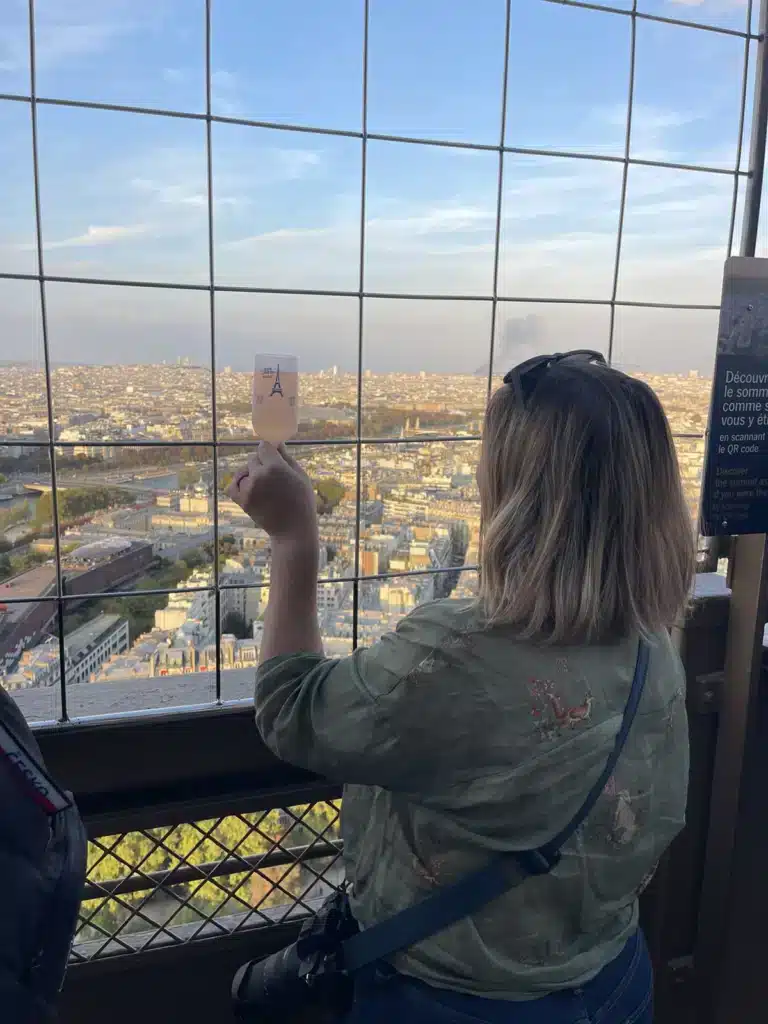
A jacket that covers your bag. A longer coat looks polished, keeps you warm, and keeps your bag hidden on the metro. For what to pack, see my Europe packing list.
For winter in Europe and Christmas market season, I wear my Uniqlo down jacket. It’s warm and light, and it packs down small enough to fit in a carry-on.
Shoes you can actually walk in that still look good. Paris is a walking city, and your shoes matter more than anything else you pack.
I switch between my New Balance sneakers (the sleek styles, not the grandpa ones) and a comfortable pair of boots. Both handle cobblestones and long days, and neither looks out of place at dinner.
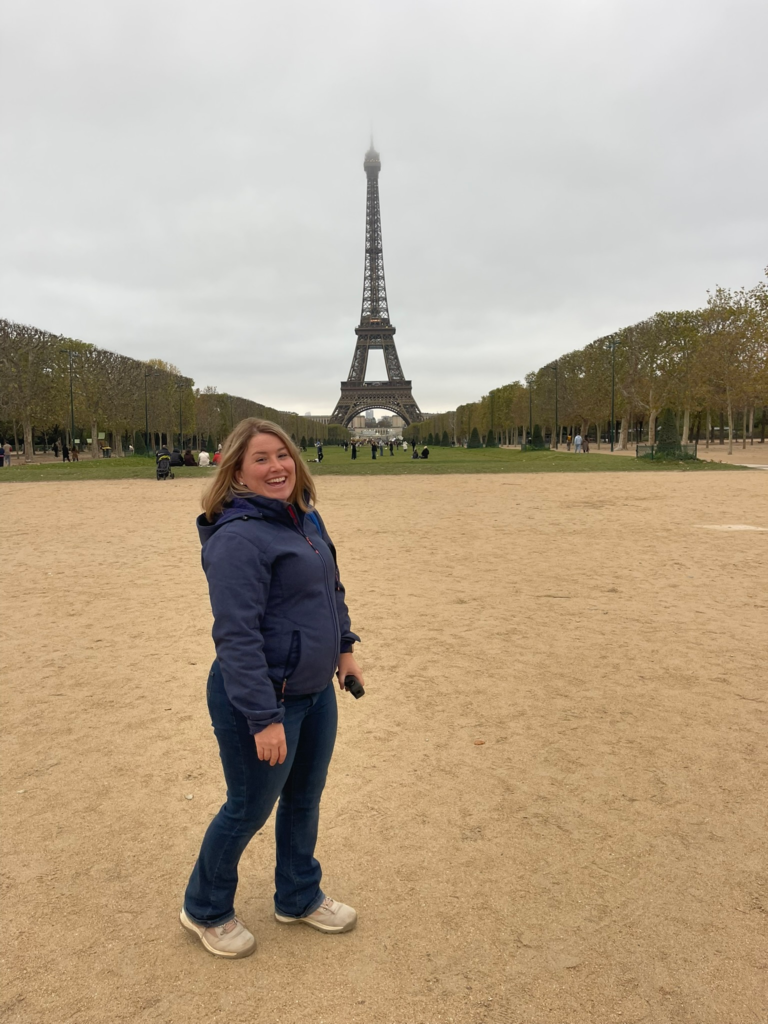
Sunglasses that stay put. I’ve worn my Goodr sunglasses for almost two years, and they’re on every packing list I make. They’re my favorite pair for hiking and for everyday wear, and they don’t slip, whether I’m on a trail or walking along the Seine.
So, what tourists should not wear in Paris all comes down to this: anything that makes you uncomfortable or makes your belongings easy to reach. Everything else is up to you.
Shop My Paris Essentials
What I Wear and Carry in Paris
Baggallini Bryant RFID Crossbody
My everyday pick. RFID protection, slim enough to wear under a coat.
Shop the BaggalliniFor the Camera Enthusiast: Peak Design Everyday Sling 6L
A dedicated camera sling for travelers who shoot all day and want their gear protected and close.
Shop the Peak Design SlingLululemon Curved Crossbody
On my wish list. Clean and minimal, and it works with any outfit.
Shop in the USShop in GermanyShop in Belgium and the EUGoodr Sunglasses
I’ve worn mine for almost two years. My favorite pair for hiking and everyday wear, and they don’t slip.
Shop GoodrUniqlo Down Jacket
My winter and Christmas market jacket. Warm, light, and easy to pack.
Shop the Uniqlo Down JacketStill deciding what to pack? My Europe packing list covers what to bring in every season. Grab the free printable version below.
Paris Travel Tips: What Really Matters on Your First Trip
If you remember only a few Paris travel tips, make them these. Say bonjour, let people off the train, keep your voice down, order your water by name, ask for the check, and ask before you take someone’s photo. You’ll get warmer service and easier conversations, and you’ll feel a lot more confident navigating the city on your own. For more ideas beyond the city, start with my France travel guide.
Ready to Plan Your Trip?
Use My One Week in Paris Itinerary
Now that you know what not to do, here is what to do: seven days planned by neighborhood, with a map and a free printable version.
See the 7-Day ItineraryReady to Plan Your Days?
Start With These Paris Guides
Now that you know the etiquette, here’s how to fill your time.
| First Day | One day in Paris: a self-guided walking route |
| Solo Day | Things to do alone in Paris |
| Experience | Make your own perfume at a Paris perfume workshop |
Paris Travel Tips: FAQ
Do I need to speak French in Paris?
No. English is widely spoken in hotels, museums, and most restaurants in central Paris. Starting every conversation with “bonjour” and learning a few basic phrases makes a real difference, even if you switch to English right after.
Not if you greet the person first. Say “Bonjour,” then ask “Parlez-vous anglais ?” (Do you speak English?) before continuing. What comes across as rude is starting a conversation in English without acknowledging the person at all.
A carafe of tap water with your meal is normally free. Ask for “une carafe d’eau, s’il vous plaît.” If you just say “water,” you may be served bottled water and charged for it.
Service is included in restaurant prices in France, so a tip isn’t expected the way it is in the United States. Leaving a few euros or rounding up for good service is appreciated but optional.
Ask first. French law protects a person’s right to their own image, and many vendors and artists don’t want their face shared online. A simple “Est-ce que je peux prendre une photo ?” is usually all it takes.
Greet people before anything else, keep your voice low on the metro, let passengers off before you board, and dress a little more polished than you would at home.
Research and Sources
- My own trips to Paris, most recently in 2026
- City of Paris: photographing in Paris (droit à l’image)