
What It’s Like Being Stationed in Vicenza, Italy (What to Expect + What to Do)
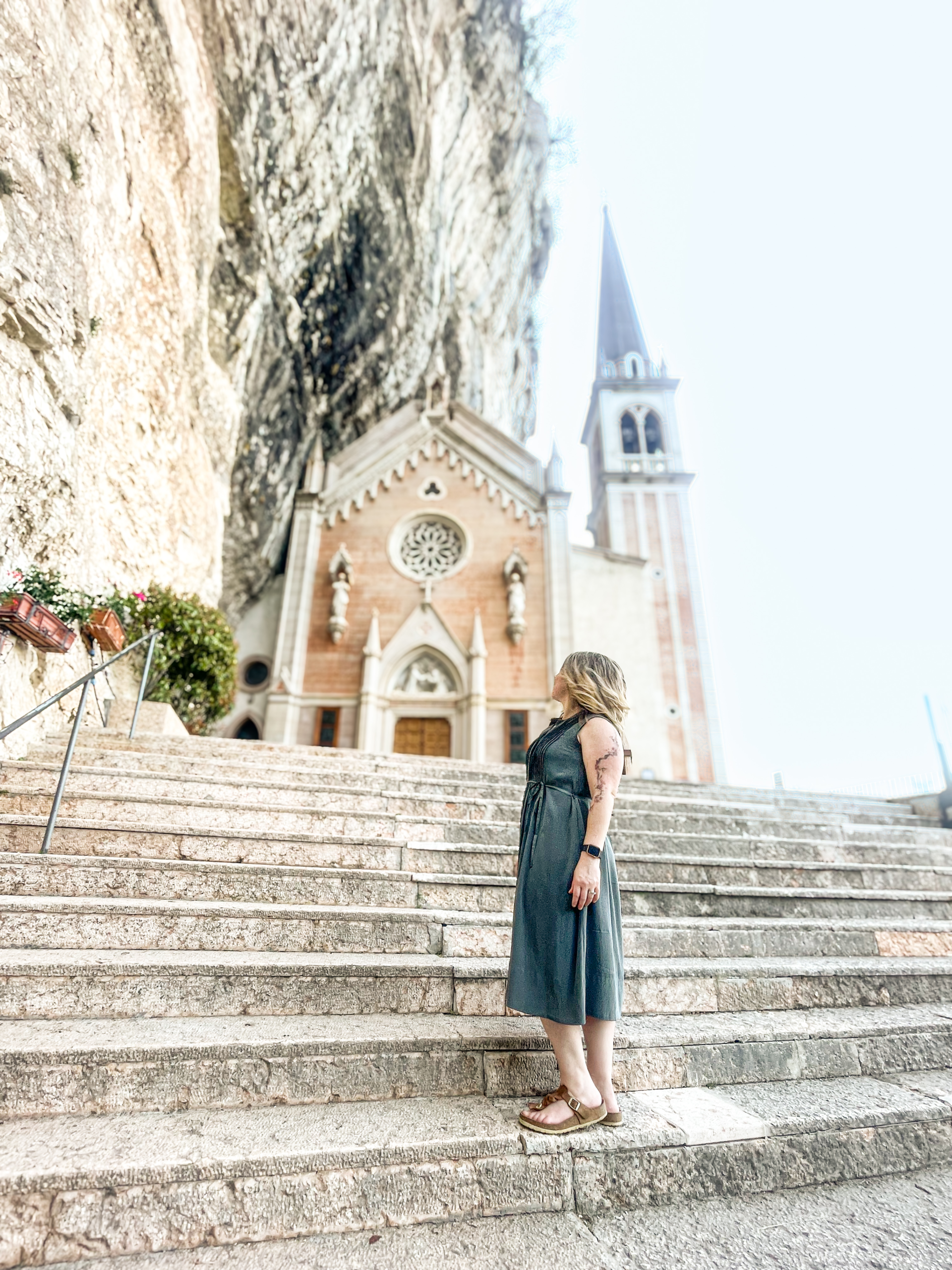
If you’ve just been stationed in Vicenza, Italy—or you’re about to be—there’s a good chance you’re wondering what life here is actually like and how to make the most of it.
Because living in Vicenza isn’t the same as visiting Italy.
It’s slower. It’s less obvious. And if you’re not intentional, it’s very easy to miss what makes this place incredible.
After spending 3 years here, I’ve realized that the difference between people who truly love being in Vicenza and those who feel stuck comes down to one thing: how they choose to experience it.
So this guide breaks down what it’s really like to live in Vicenza, how to get to know your duty station, and what to prioritize—from exploring the province of Vicenza to taking day trips to the Dolomites, Lake Garda, and the surrounding wine regions of Northern Italy.
Looking for advice on your move and what you should do to make your PCS successful? Check out this post on your PCS to Vicenza, Italy
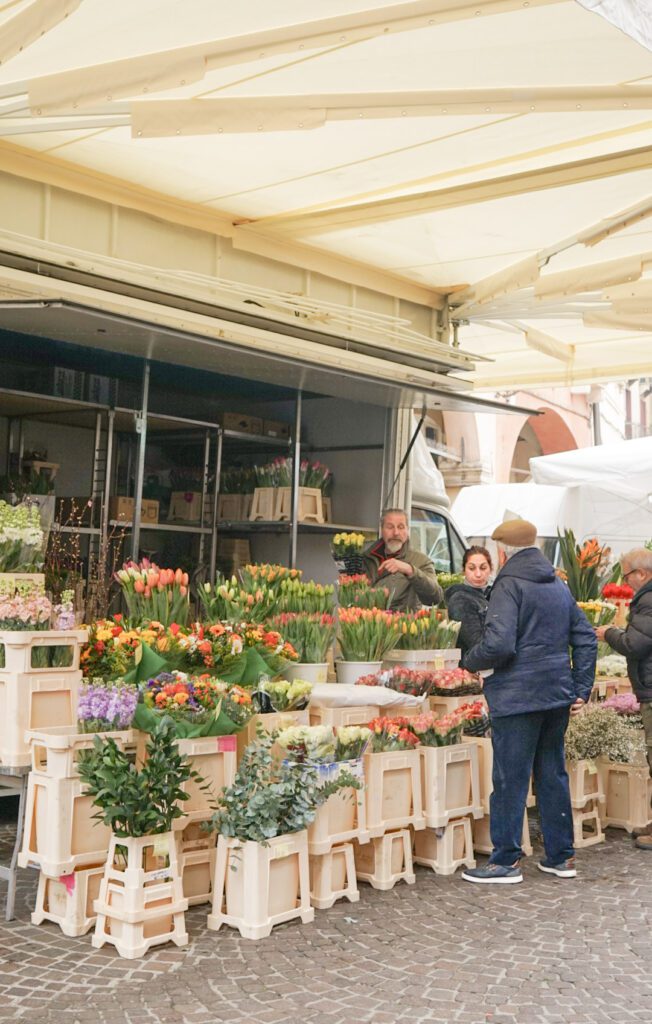
What It’s Actually Like Living in Vicenza, Italy
Vicenza is not a place that overwhelms you right away. It’s different from being stationed elsewhere in Europe, and I would definitely classify Vicenza as one of the least-known duty stations. To be able to be stationed here, you’re incredibly lucky. Your experience will be vastly different from that of those in Germany or Belgium.
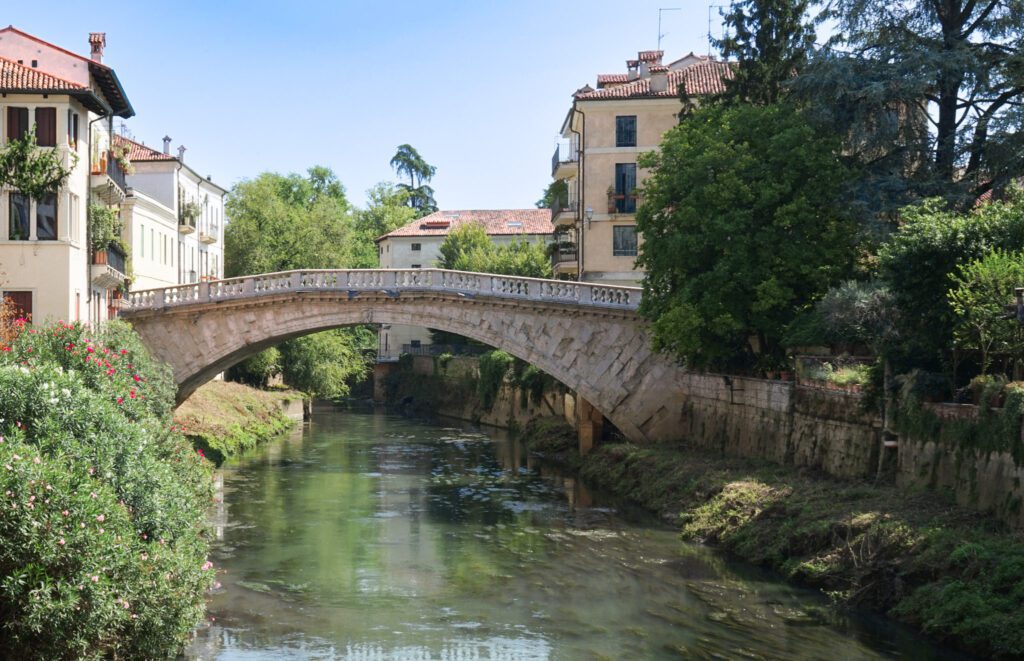
When you first arrive, it can feel quieter than expected. Especially if you’re coming from a larger duty station or expecting something closer to Rome or Florence. The city center is compact, daily life is slower, and outside of the main piazzas, things can feel almost too calm.
But that’s where most people get it wrong.
Vicenza is one of the most livable duty stations in Europe because of that balance. You have a historic, walkable city filled with local life, but you’re also positioned in one of the most strategic locations in Northern Italy.
Vicenza, Italy for Foodies and Wanderers: Things to Do in Vicenza
Within an hour, you can be in Verona or Venice. Within a couple of hours, you’re in the Dolomites or on the edge of Lake Garda. You’re surrounded by places people plan entire trips around—and it becomes your everyday reality (and also you’re gonna find you might want to travel outside of the busy seasons in Italy to really enjoy it)
If you’re new here, start by getting familiar with the city itself. Learn the layout, find your go-to coffee spot, and walk the historic center. This is the foundation that makes everything else feel more accessible.
If you need a starting point, I break it down in more detail in my PCS guide to Vicenza and my favorite things to do in Vicenza, which will help you get oriented quickly.
The Food Scene in Vicenza (And What You Need to Understand Early)
One of the things I love most about being stationed in Italy is the food—but not in the way I expected.
Before living here, I thought Italian food meant pasta-heavy meals and big restaurant experiences. What I didn’t understand is how regional and seasonal everything is, especially in the Veneto region.
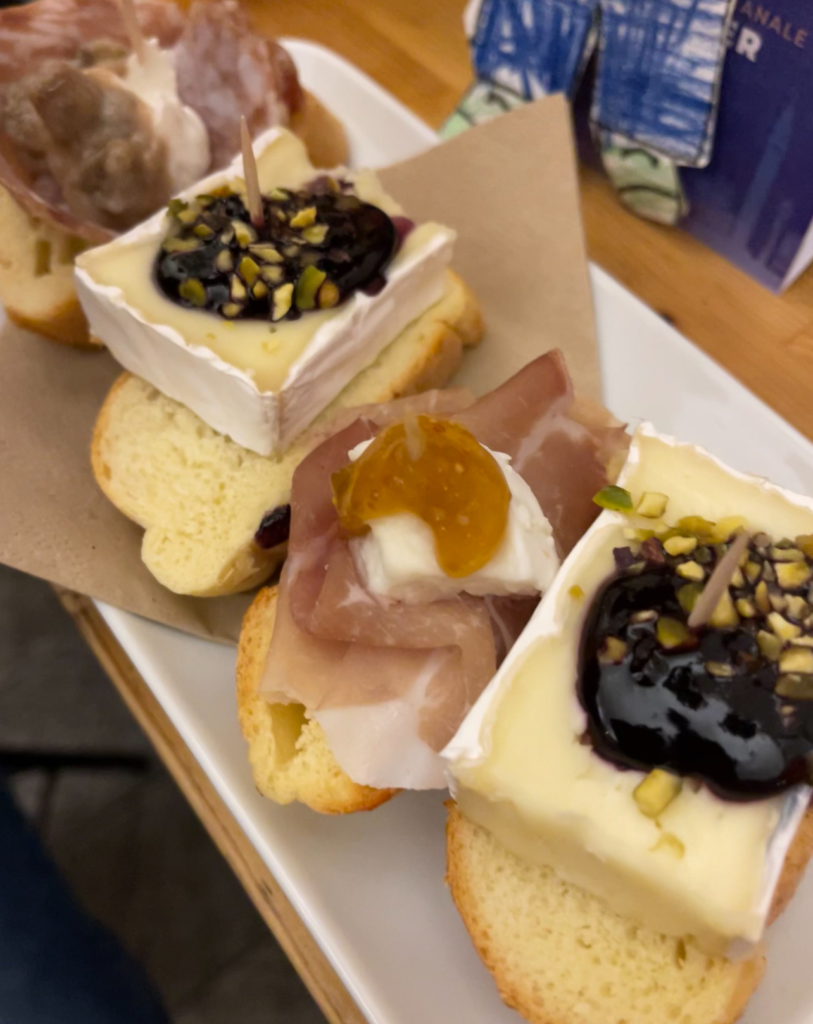
In Vicenza, food feels more grounded. You’ll see a lot of rice dishes, polenta, local cheeses, and cured meats. Menus are often smaller, but more intentional. You’ll see Venetian tapas or cicchetti on the menu in Venice and many areas around Veneto. If you really want to experience your new duty station, take a food tour in Venice and Verona. It’s where you’ll learn so much about the food culture. What aperitvo hour is and the rules around drinking coffee in Italy (it’s quite silly but I do love it)
Eating here isn’t something you rush through. Even a simple dinner can become an experience, not because the service is slow, but because there’s no pressure to leave. You sit longer. You talk more. You start to realize that meals are treated as time set aside—not something squeezed into a schedule.
It changes how you approach food entirely.
Also, get used to eating dinner later in the evening (7-8pm), to lunches at a set time, and to Pausa Pranzo and Riposo.
If you’re new, give yourself time to adjust your expectations. Try local dishes, try local cooking classes in Vicenza, pay attention to seasonal menus, and don’t default to what feels familiar. That’s where most people miss out.
Dishes to try in Veneto, Italy
- Bigoli
- Bacalla Alla Vicentina
- Amarone Risotto
- Cicchetti
- Polenta
Café Culture, Aperitivo, and Daily Life
Café culture in Vicenza is one of the easiest ways to start feeling settled—and one of the most misunderstood parts of living in Italy.
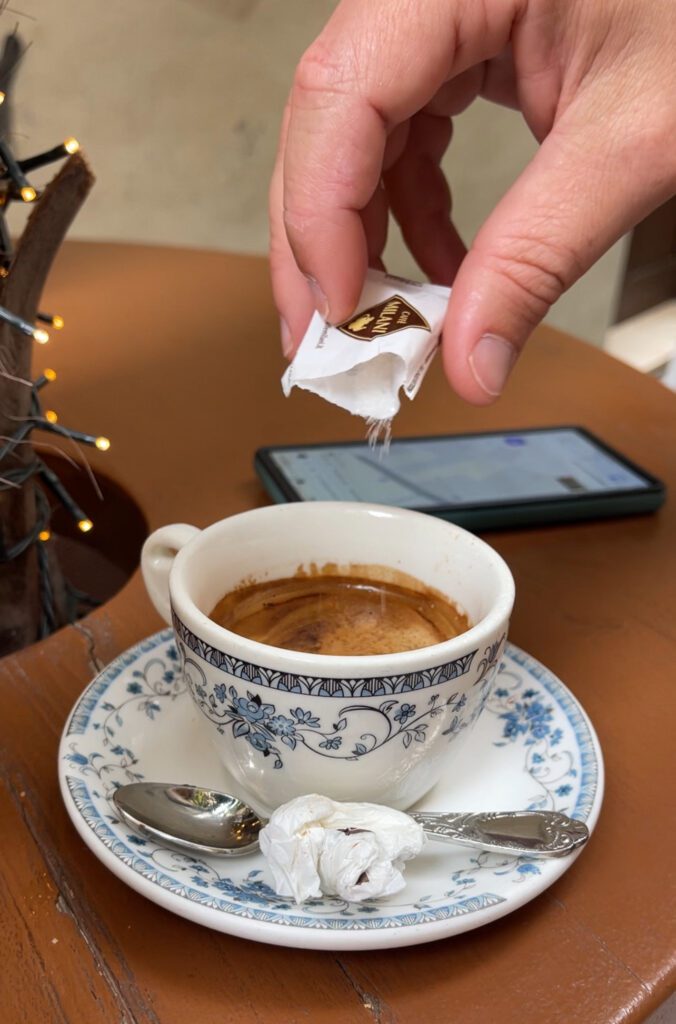
At first, it feels like something you “go do.” You find a café, sit down, and take your time. But once you start living here, it becomes part of your routine. I loved my coffees at Cafe Pigafetta, and of course at my local bar in Caldogno.
Mornings are quick. You step into a local bar, order an espresso or cappuccino, drink it standing at the counter, and move on (sometimes) It’s simple, but it becomes a daily anchor point.
Then the afternoon shifts into an aperitivo.
This is one of my favorite parts of being stationed here. There’s a natural transition at the end of the day where people gather, sit outside, and have a drink—usually a spritz or wine. It’s not an event. It’s just part of life. Veneto, the region you’ll be living in, is known for its aperitivo hour, and you’ll have any number of spritzes to choose from —Aperol, Cynar, Hugo… you name it.
I’ll never forget turning the corner at 930am and seeing a sea of Aperol before me. I knew that these were my people. The adage “It’s 5 o’clock somewhere” definitely applies here.
And that’s the difference.
Things that feel like “treats” elsewhere are just normal here, it’s apart of daily life.
The longer you’re in Vicenza, the more you stop seeking these experiences out and start naturally participating in them. That’s when it really starts to feel like you live here—not just that you’re stationed here.

Exploring the Province of Vicenza (Don’t Skip This)
One of the biggest mistakes you can make while being stationed in Vicenza is staying too local or just relegating yourself to the base and base life. The first thing you should do is grab a train ticket and take the train to other places in the region.
The city is great—but the province of Vicenza is where things really open up.
Within a short drive, you have access to mountain towns, historic sites, and places that feel completely different from the city itself. Asiago, Verona, Venice, Trento, Garda, Bassano del Grappa, and Marostica are just a few examples, and each offers a different experience.
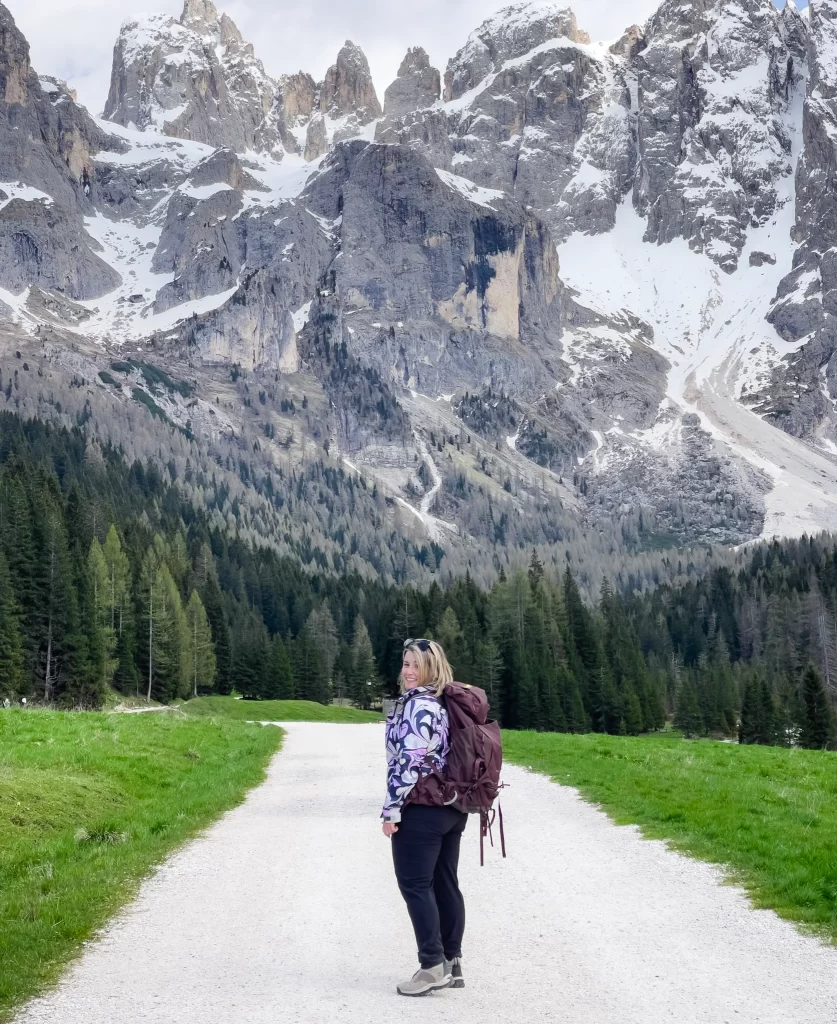
Driving up to Asiago, you’ll notice the shift immediately. The air is cooler, the landscape changes, and the pace feels even slower. You’ll find local cheese producers you can visit. It’s also where you’ll find some of the most significant WWI history in the region, including hikes like the Strada delle 52 Gallerie (it’s more on Monte Pasubio), which is one of the most unique experiences near Vicenza.
Bassano del Grappa offers something different. It’s more polished, known for its bridge and its connection to grappa production, but still feels local and lived-in.
If you haven’t explored these areas yet, start there. I’ve broken down specific routes and stops in my guides to Verona, the Dolomites guides, and the 52 Galleries hike so you can plan it out easily. One of the coolest hikes you can do if you are a family? hunting down the sculptures of Marco Martalar, like the Drago Vaia in Folgaria and the Aquila Vaia in Enego.
Day Trips You Should Take (Even If You Go Alone)
If there’s one thing I would do differently, it’s this:
I would stop waiting.
It’s easy to think you’ll travel more later. That you’ll go when someone visits. That you’ll plan the “perfect” trip.
But some of the best experiences here come from just deciding to go.
From Vicenza, you can reach the Dolomites in a few hours. You can spend a day at Lake Garda. You can take a quick trip to Verona or even cross into another country for the weekend, like Slovenia, Austria, France, or Switzerland.
Personally, I loved going to the French Riviera in February and visiting Menton during the Fete Du Citron!
And you don’t need a group to do it.
Some of the most rewarding experienc Venice to Verona day trip guide.
Wine Regions Near Vicenza (What You’re Surrounded By)
Another thing I didn’t fully appreciate at first was how close Vicenza is to some of Italy’s most important wine regions. Soave, Valpolicella, Prosecco, Alto Adige, Bardolino, Custoza.
There’s so much beyond what you know about wine in Italy.
To the west, you have Valpolicella near Verona, known for Amarone and Ripasso. To the east and north, you have the Prosecco Hills, which are completely different from what most people expect Prosecco to be.
Then there’s Soave, which produces crisp white wines that pair perfectly with local food, and smaller producers around Vicenza that offer more personal, less commercial experiences. A Daytrip to Soave is easy, and it gives you the opportunity to visit the ancient castle walls.
And of course, Bassano del Grappa, where you can learn about grappa production and how it fits into the region’s culture. I am forever a fan of Poli Grappa; this family, which runs production in Bassano Del Grappa, has my heart.
Air Quality in Vicenza (What to Expect and How You Adjust)
One thing that surprised me about living in Vicenza—and Northern Italy in general—is the air quality.
It’s not something people talk about much before moving here, but it’s something you’ll likely notice once you arrive.
Vicenza sits in the Po Valley, which is known for having periods of poor air quality, especially in the winter months. The geography of the region tends to trap pollution, which can lead to hazy days and higher AQI levels than you might expect from a place surrounded by mountains and countryside.
Coming from South Korea, where the air quality was significantly worse, I felt somewhat prepared for it. But that doesn’t mean it won’t catch you off guard if you’re not expecting it.
At first, it can feel a little contradictory. You’re in Italy, surrounded by beautiful landscapes, and yet there are days when the air feels heavier than you imagined.
That said, this is something most people adjust to fairly quickly.
You start to notice patterns. Some days are clearer, especially after rain or when the weather shifts. And one of the biggest advantages of being stationed in Vicenza is how easy it is to get out of the valley. Driving up to places like Asiago or heading into the Dolomites, the difference in air quality is almost immediate.
For most people, it becomes something you’re aware of—but not something that defines your experience here. Just be ready to deal with it, and if you have asthma, you’ll be a bit sensitive to it.
Like many aspects of living in Vicenza, it’s just part of getting to know the environment and adjusting to a new way of life.
Why Getting to Know Your Duty Station Matters
Being stationed abroad is temporary, but it doesn’t have to feel that way while you’re in it.
The more you explore, the more connected you feel. The more you engage with your surroundings, the more meaningful your experience becomes. I wish everyone could break out of the bubble and make the most of their time here. You are so connected to culture, and you have a chance to talk to people from different backgrounds.
Vicenza rewards effort.
It’s not a place that hands you everything immediately, but if you take the time to explore it—really explore it—it becomes something entirely different.
And by the time you leave, you’ll realize it wasn’t just where you were stationed, it was a place that was home.
