
Best Things to Do in Seoul, South Korea (From Someone Who Lived There)
You’re probably here because you are trying to figure out what to do in Seoul. One of the biggest mistakes I see first-time visitors make when planning a trip to Seoul is trying to do everything.
Palaces, markets, neighborhoods, mountains, temples, museums, food experiences, every blog post makes Seoul sound like a city you have to conquer rather than experience.
After years of visiting Seoul, I’ve learned this: the best things to do in Seoul aren’t about ticking off attractions, they’re about balance. Ancient history next to neon streets. Mountain hikes inside the city. Quiet temples five minutes from traffic. Visiting historic landmarks in the DMZ, Long meals, long walks, and wandering without a plan.
This guide focuses on the best things to do in Seoul, South Korea, based on what genuinely felt worth my time. These are the experiences I’d recommend to a friend visiting Seoul for the first or second time — with practical tips to help you build a realistic itinerary without overbooking your days.
This Post Pairs Well With:
- Read all my South Korea posts here
- What it’s really like to Visit the Joint Security Area in South Korea
- How to Hike Mt. Inwangsan in Seoul: One of my favorite hikes in Seoul
Seoul at a Glance: How to Plan Your Days
First-time visitors: Palaces, markets, one museum, one hike
Culture lovers: Museums, temples, hanok stay
Outdoor lovers: Inwangsan, Bukhansan, Namsan
Food-focused trips: Markets, cooking classes, neighborhood eating
If you try to do everything, Seoul will feel exhausting.
If you mix these intentionally, it feels unforgettable.
Make sure to also look at Klook for tours
Things to Do in Seoul – My Experience
I want to start this list with a bit of context, because how you experience Seoul really depends on how you approach it.
I lived in South Korea for three years and visited Seoul often, sometimes for longer stays and sometimes just for a few days at a time. Over the years, I did a mix of everything: palace hopping, museums, food markets, hiking, temples, neighborhoods, and more than a few days where I packed my schedule a little too full on purpose.
I did that intentionally so I could later tell the difference between what sounds essential and what actually feels worth your time. And while you definitely don’t need to experience Seoul the way I did — especially if you prefer slower travel — having that contrast helped me understand the city better.
Looking back, Seoul was never about racing between attractions for me. It was about layers. Wandering neighborhoods like Insadong and Bukchon Hanok Village without a strict plan. Spending entire afternoons eating my way through markets. Hiking city mountains like Inwangsan or Bukhansan National Park, then ending the day with a simple dinner and a long walk.
That doesn’t mean I skipped the highlights. Visiting palaces like Changdeokgung, walking temple grounds at Jogyesa, taking in the view from Namsan, and diving into Seoul’s food culture were all memorable for a reason. But what stuck with me most was how seamlessly those experiences fit into everyday city life.
So if there’s one thing I’d say based on my own time in Seoul, it’s this: choose the experiences you’re genuinely excited about, plan a few anchor activities, and don’t overfill your days. Leave space to wander, eat when you’re hungry, hike when the weather’s good, and let Seoul reveal itself naturally. That’s when the city is at its best.
1. Visit Seoul’s Royal Palaces (Changdeokgung Is the Best One)
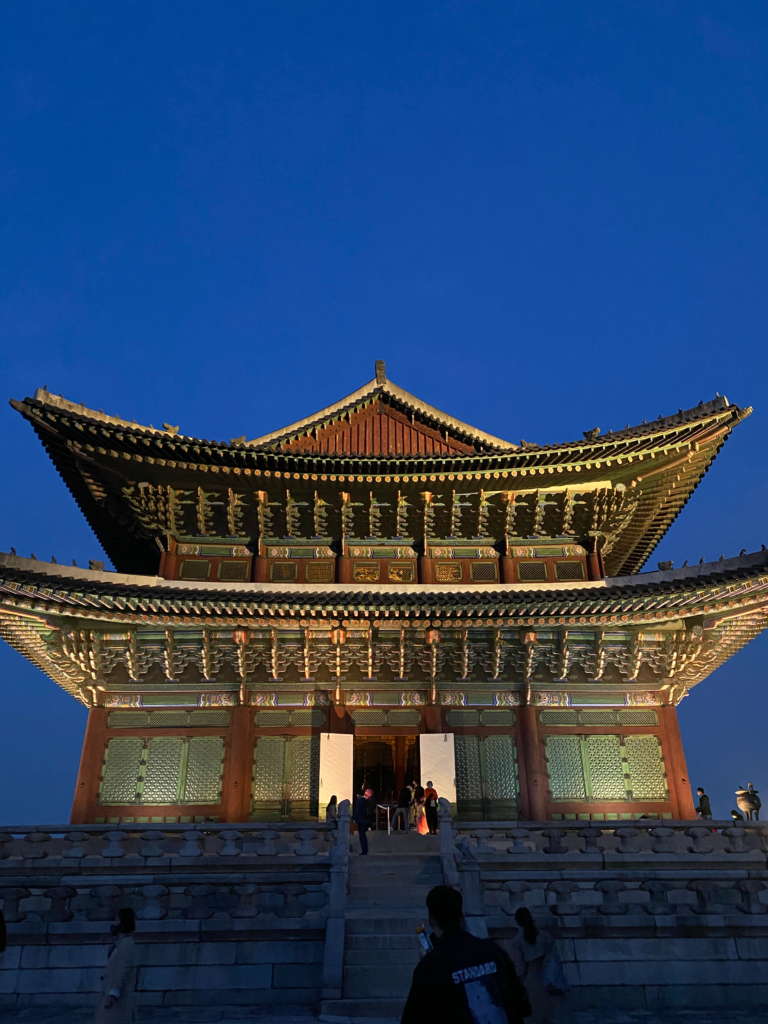
If you visit only one palace in Seoul, make it Changdeokgung Palace. This one is much more spread out and has two separate areas. Here is the thing, though. It can be extremely hard to get tickets during certain times of the year. And during spring? It’s packed! This is one of the best places to see blossoms in Seoul.
The Secret Garden (Huwon) is absolutely worth the guided tour and offers one of the most peaceful experiences in central Seoul.
While Gyeongbokgung Palace is the most famous, Changdeokgung felt more balanced and thoughtfully designed.
It blends into the surrounding landscape in a way that makes it feel calm rather than overwhelming. Gyeongbokgung is surrounded by mountains and cityscapes. With inwangsan in the background. If you really want to see something special, come around 10 am or 2 pm for the changing of the guard.
Planning tip: Choose one major palace, not all of them. Changdeokgung + the Secret Garden gives you history and breathing room.
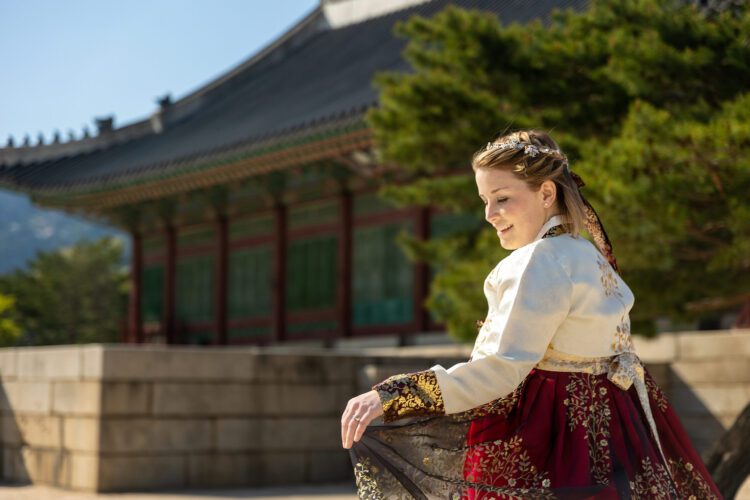
As far as prices go, don’t fret if you do decide to do both palaces; getting into them is free if you wear Hanbok. There are plethora of shops to rent hanbok…but let me talk about that further down…
2. Wander Insadong: Seoul’s Historic Arts & Culture District
Insadong wasn’t always a tourist-friendly street filled with tea houses and souvenir shops. Historically, Insadong was Seoul’s center for scholars, artists, and merchants, particularly during the Joseon Dynasty.
For centuries, this area was known for:
- calligraphy and brush makers
- antique dealers
- paper artisans
- traditional painters and scholars
After the Korean War, Insadong became a place where displaced families sold antiques and handmade goods to survive, which unintentionally preserved much of Korea’s traditional art culture during a period of rapid modernization. That legacy is why Insadong still feels different from other central Seoul neighborhoods today. You can stop by many art stores and purchase things like caligraphy brushes, rice or Hanji paper.
When you walk through Insadong now, you’re not just browsing shops — you’re moving through one of the few areas in Seoul where traditional Korean culture was actively protected rather than replaced. Many of the tea houses are tucked upstairs or hidden behind wooden doors, intentionally designed to feel removed from the street below.
Today, Insadong sits at the intersection of old and new Seoul. You’ll find traditional crafts alongside modern interpretations, locals shopping for ceremonial items, and visitors stopping in for tea or souvenirs that actually have cultural meaning.
Planning tip: Insadong is best explored slowly. Skip the main drag if it feels busy and head into the smaller side alleys or upstairs tea houses — that’s where the atmosphere really changes.
3. Explore Seoul’s Food Markets (Gwangjang Is a Must)
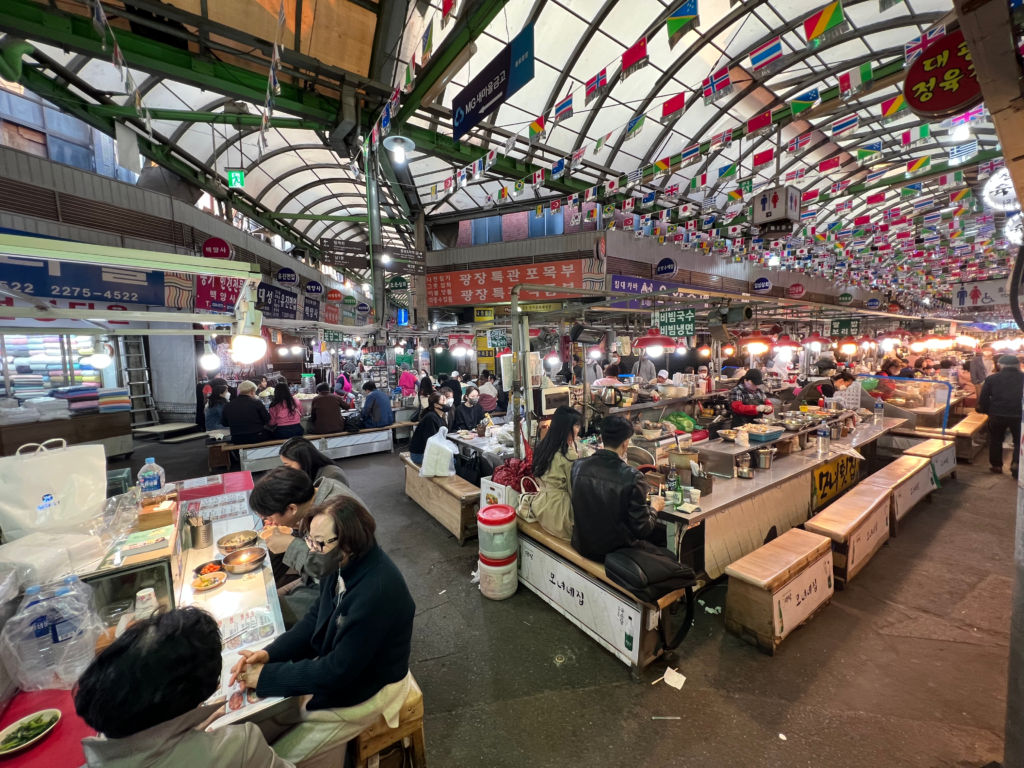
Gwangjang Market isn’t just one of the best food markets in Seoul , it’s one of the oldest continuously operating markets in South Korea, dating back to 1905.
Originally, Gwangjang Market was established as a place where local merchants could trade goods freely during a time when Korea’s economy was tightly controlled. Long before it became famous for street food, it was a wholesale textile and fabric market, supplying hanbok materials and everyday goods to Seoul residents.
That history still shows today. It is one of my favorite places in Seoul for a peek into daily life and to see life in Seoul. While most visitors come for food, parts of the market remain dedicated to textiles, bedding, and traditional clothing — a reminder that this isn’t a market built for tourists, but one that evolved alongside the city.
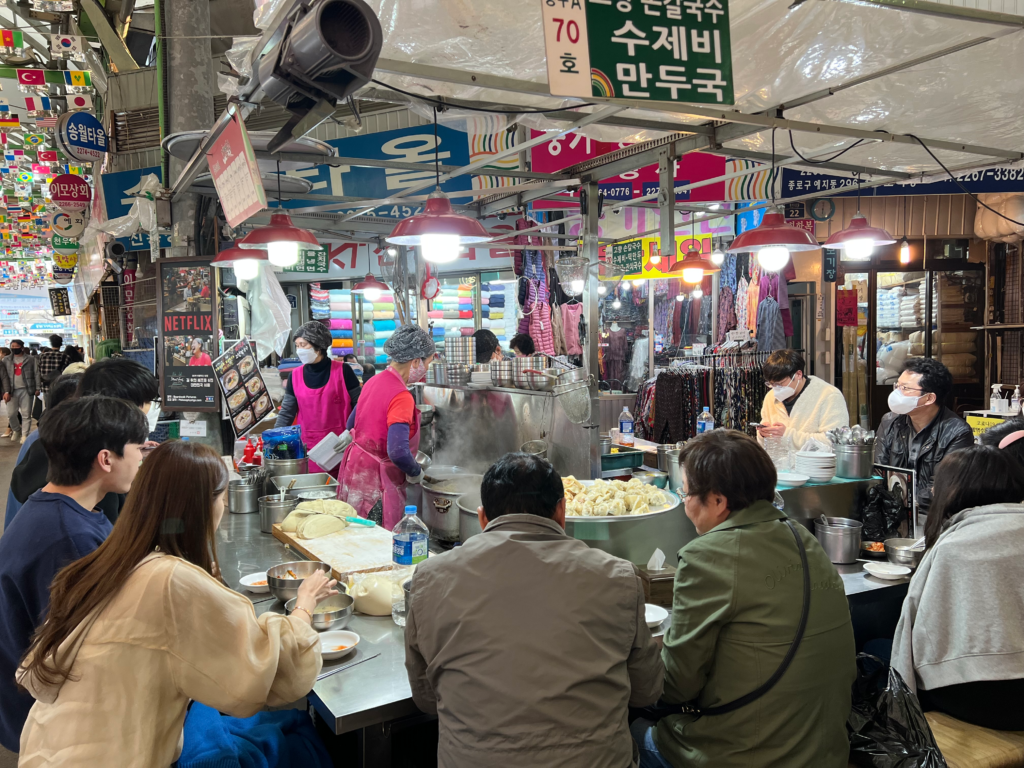
Over time, food stalls became a natural extension of the market, catering to workers, merchants, and locals who needed fast, affordable meals. Dishes like bindaetteok, mayak gimbap, and knife-cut noodles weren’t created for social media — they were practical, filling, and inexpensive. That’s exactly why they still work.
What makes Gwangjang Market special now is that it hasn’t been overly polished or redesigned. It’s busy, loud, and sometimes chaotic — and that’s the point. You’re eating food that locals have been eating here for generations, often prepared the same way.
Some bloggers call this one too touristy, but I don’t think they realize locals are mostly here. That’s okay, I lived in Seoul. I know the difference.
A few popular ones you can also visit are Namdaemun and Mangwon. Both serve their purposes and you have to remember all of these markets were set up to serve the locals.
At Gwangjang Market Korean fried Chicken, octopus, Ocotopus and fried peppers. Korean Pancakes are a must, though!
Planning tip: Gwangjang Market is best visited hungry and without a strict plan. Order small portions, share dishes, and move between stalls. This is a place for grazing, not sitting down for a long formal meal.
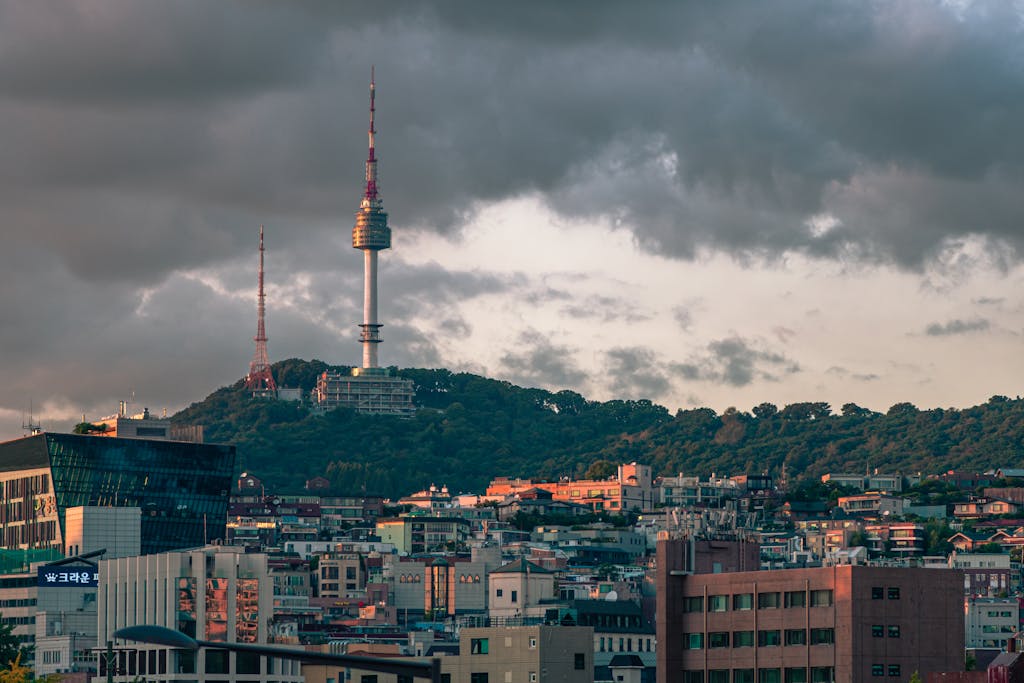
4. Visit N Seoul Tower via Namsan Park
N Seoul Tower is undeniably touristy — and still worth visiting if you approach it right.
Before it became one of Seoul’s most recognizable landmarks, Namsan was already an important green space for the city. Namsan Park has long served as a recreational area for locals, and today it’s one of the most popular places in Seoul for walking, light hiking, and evening strolls. Visiting the tower on foot helps put it back into that local context.
Instead of taking the cable car straight up, walk through Namsan Park. The paths are well-maintained, scenic, and surprisingly peaceful given how central the location is. You’ll see locals exercising, couples on evening walks, and families enjoying the space, which gives the experience a very different feel than arriving directly at the observation deck.
From the top, the view isn’t just about photos. It’s about understanding scale. Seoul stretches endlessly in every direction, and seeing the city from above helps everything you’ve explored at street level finally click into place.
You can leave a lock on the love lock bridge, they have vending machines all around to get one.
Best time to visit: SUNSETS ARE AMAZING HERE! You’ll get clear daytime views, city lights after dark, and a much more relaxed experience if you arrive before peak evening crowds.
Planning tip: Even if you skip going up the tower itself, walking through Namsan Park is still worth doing. It’s one of the easiest ways to experience nature inside Seoul without committing to a full hike.
Prices: 21,000 won (approx. $15–$16 USD) for adults and 16,000 won for children/seniors. Namsan Tower is accessible via a ~15,000 won round-trip cable car ride, a cheaper bus (1,400 won), or hiking. Combined tickets for the observatory and packages are also available.
5. Visit a Museum in Seoul (The War Memorial of Korea Is Especially Impactful)
Seoul has excellent museums, but if you’re interested in understanding modern Korean history, the War Memorial of Korea stands out.
This museum focuses on Korea’s military history, with a strong emphasis on the Korean War and the events that shaped the divided peninsula we see today. Exhibits cover everything from early conflicts to post-war recovery, and the scale of the museum reflects just how central this history is to modern South Korea.
While you can visit on your own, this is one museum where context really matters. The timeline, terminology, and geopolitical layers can feel overwhelming if you’re unfamiliar with Korean history.
That’s why a private guided museum tour of the War Memorial of Korea is such a valuable option. Having a knowledgeable guide walk you through the exhibits helps connect the dots — especially when it comes to understanding the Korean War, foreign involvement, and how those events still influence daily life in Seoul today.
Who this is best for:
Travelers interested in history, repeat visitors to Seoul, or anyone planning to visit the DMZ who wants a deeper background beforehand.
Planning tip: This museum pairs extremely well with a DMZ visit or a historical walking tour like the Dark Side of Seoul. Seeing the timeline laid out first makes those experiences far more meaningful priority for you
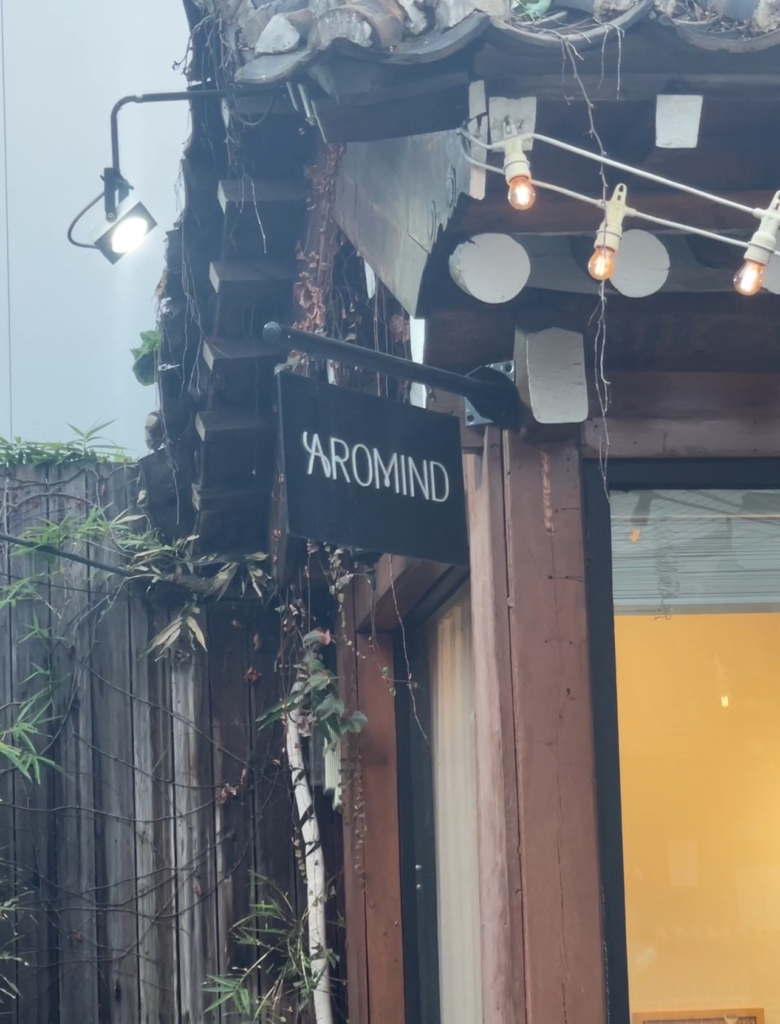
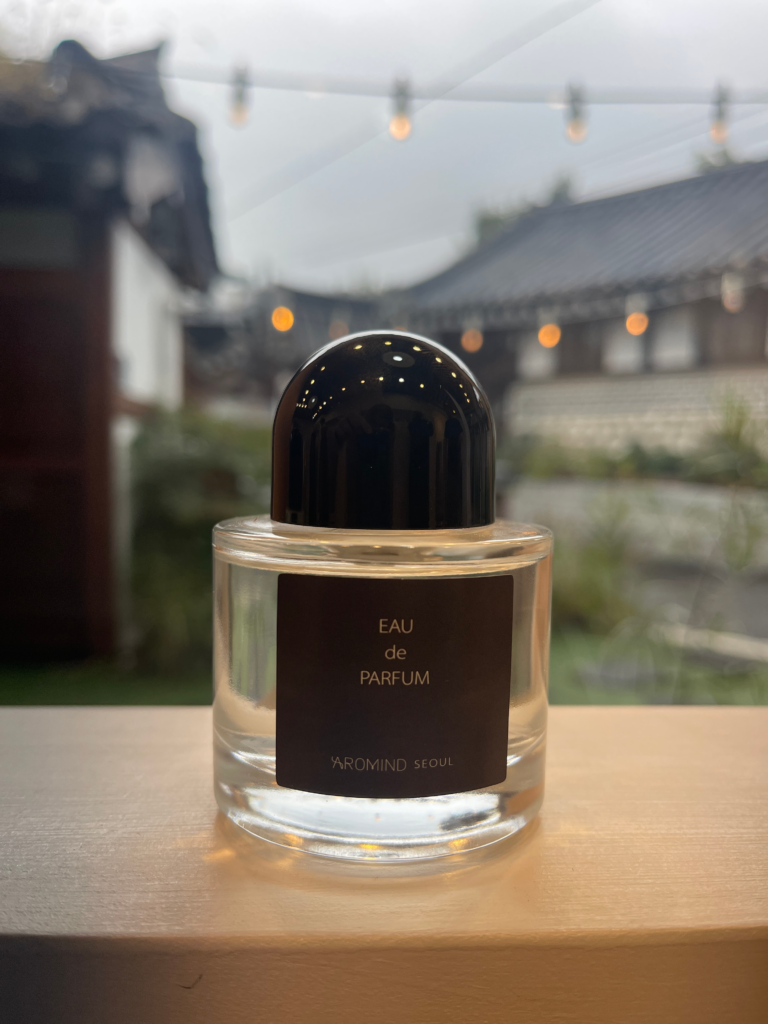
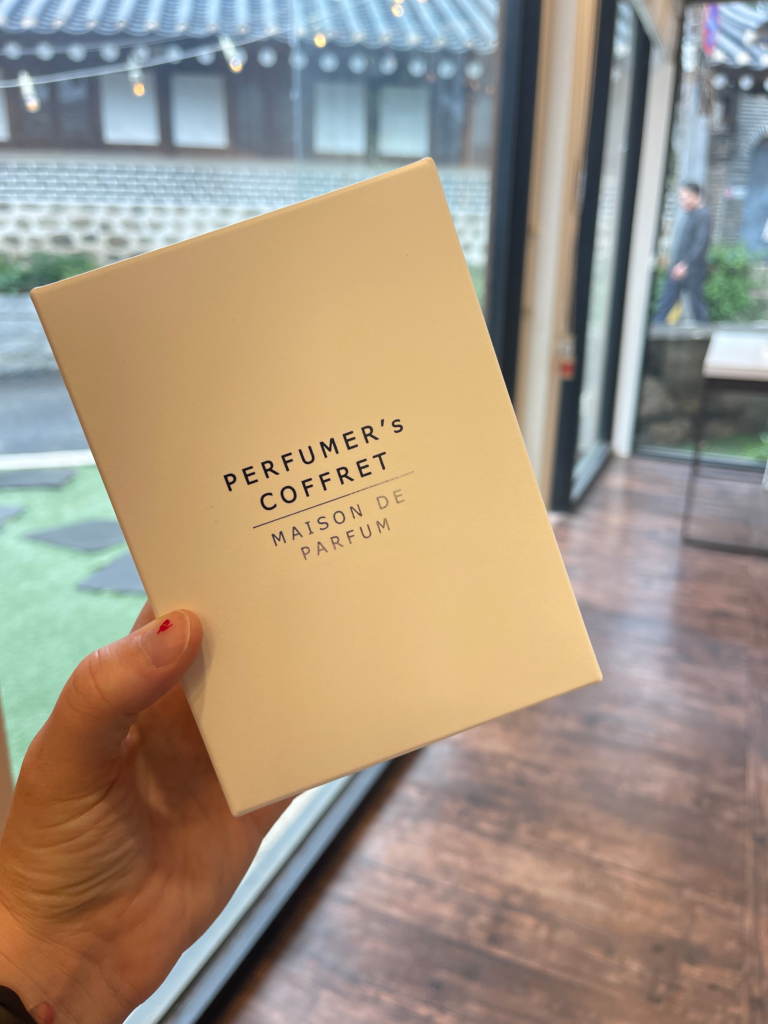
6. Take a Perfume Making Class in Seoul(Proust & Aromind)
This was one of my favorite unexpected experiences in Seoul — and something I ended up doing twice.
Perfume-making workshops are surprisingly common in Seoul and offer a creative, hands-on break from nonstop sightseeing. Instead of rushing between attractions, you slow down, learn about scent profiles, and leave with something genuinely personal — not just another souvenir.
I did two different workshops, one with Proust and another with Aromind, and each experience felt distinct.
Proust leaned more toward storytelling and emotion, focusing on how scent connects to memory and mood. Aromind felt slightly more technical, with a stronger emphasis on understanding individual notes and building a balanced fragrance from the ground up. Doing both gave me a deeper appreciation for how intentional these workshops are — they’re not rushed, gimmicky experiences.
What I loved most is how calm and focused these classes felt. They’re a great contrast to busy markets, crowded palaces, and packed neighborhoods, and they offer a different lens into Seoul’s creative culture. The hosts make them fun and interactive and guide you along the way.
My favorite part about all this was the fact that I now have a scent that reminds me of Seoul when I wear it!
Who this is best for:
Slow travelers, creatives, solo travelers, or anyone who wants a quieter afternoon activity that still feels meaningful.
Planning tip: These workshops work especially well on a rainy day or as a mid-trip reset when you need a break from walking nonstop.
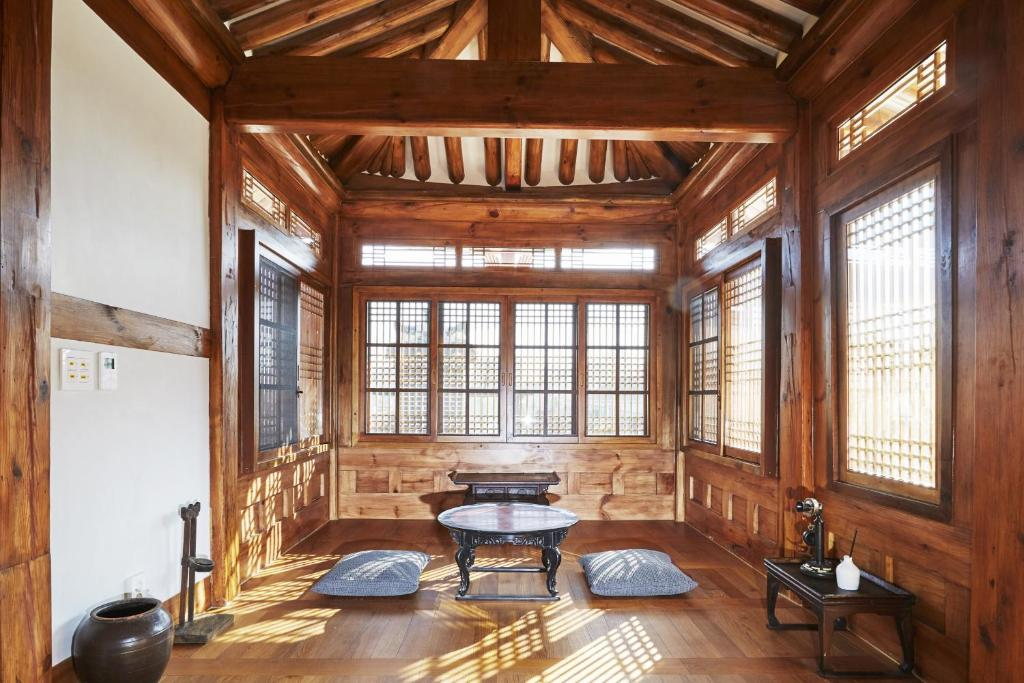
7. Stay in a Hanok for a Cultural Experience
I touch on staying in a hanok briefly in my post on where to stay in Seoul for first-timers offers insight into traditional Korean living that museums can’t fully replicate. A hanok isn’t just an old-style house, it reflects Korea’s relationship with nature, seasons, and daily life, from underfloor heating (ondol) to open courtyards designed for airflow and light.
The most well-known place to experience this in Seoul is Bukchon Hanok Village, a historic residential area tucked between royal palaces. Bukchon was traditionally home to government officials and noble families during the Joseon Dynasty, which is why many of the hanoks here were larger and more refined than those found elsewhere.
Today, Bukchon sits in sharp contrast to modern Seoul. While many hanoks were lost during rapid post-war development, this area was preserved, making it one of the few places where you can still experience traditional architecture inside the city rather than in an open-air museum.
That said, it’s important to set expectations. Hanok stays are not about luxury in the Western sense. Rooms are often smaller, beds are floor-based, and sound carries more easily. What you gain instead is atmosphere, quiet mornings, and a sense of connection to how people lived before Seoul became the high-rise city it is today.
Best time to experience it: Early morning or evening, when day visitors leave and the neighborhood feels calm again.
Set expectations: This isn’t a hotel experience — it’s cultural immersion. If that appeals to you, staying in a hanok is absolutely worth doing at least once.
In a hurry? Just want to book a Hotel?
The Westin Seoul Parnas (Gangnam)
Spacious rooms, upscale amenities, quiet neighborhood, excellent sleep quality
Pullman Ambassador Seoul Eastpole
Contemporary design, reliable service, ideal for longer stays
Nine Tree by Parnas Seoul Insadong
Central location, walkable streets, close to palaces and subway lines
Traditional hanok stay in Seoul: Rakkojae Hanok Hotel
Korean hanok experience, peaceful setting, cultural immersion
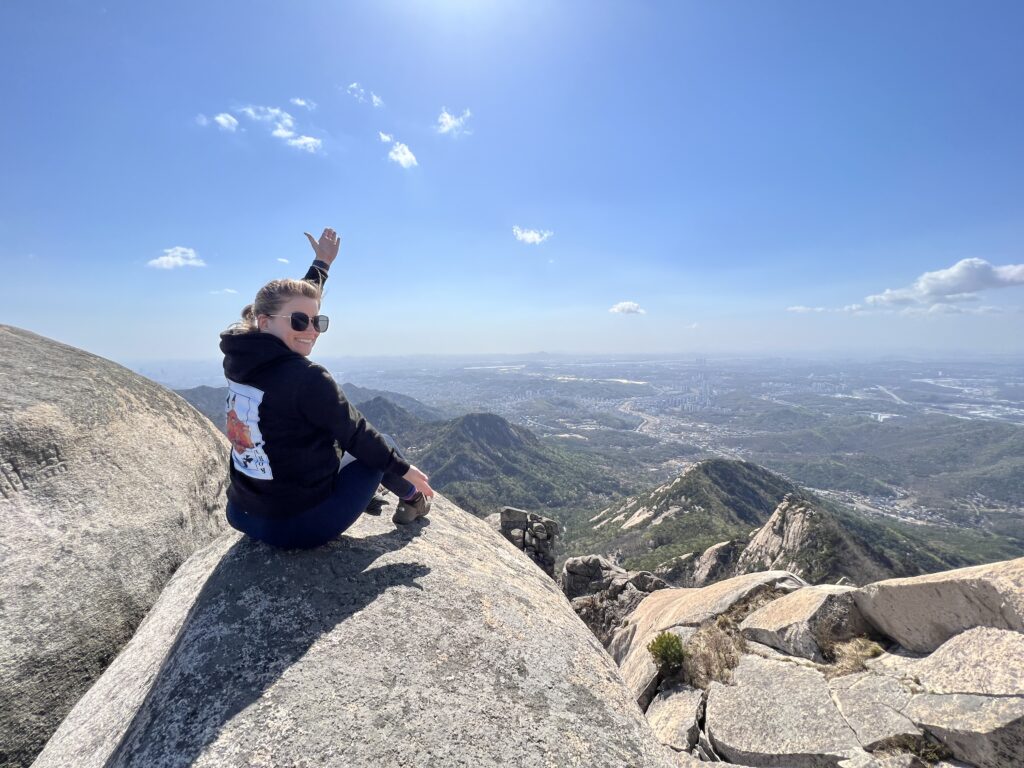
8. Go Hiking in Seoul (Without Leaving the City)
Seoul is one of the best large cities in the world for hiking — and it’s something many visitors don’t realize until they arrive. I wish more people knew that South Korea has some of the best hiking in Asia!
Hiking here isn’t treated as an “outdoor adventure” reserved for weekends away. It’s part of everyday life. Trails are well-marked, public transportation makes access easy, and you’ll see locals of all ages hiking year-round, often fully geared up and moving at a surprisingly fast pace.
To make it even more accessible, Seoul has resources specifically designed for visitors and residents alike. The Seoul Hiking Tourism Center offers trail information, route suggestions, and even gear rentals, which makes hiking in Seoul incredibly approachable, even if you didn’t pack full equipment.
What makes hiking in Seoul special is the contrast. You can step off the subway and be climbing granite ridgelines or forested paths within minutes, all while staying inside the city limits.
Best Hikes in Seoul
- Inwangsan — Short, steep, and dramatic, with excellent city views
- Bukhansan National Park — A full mountain experience with multiple trail options
- Gwanaksan — Very popular with locals and university communities
- Namsan — Easy, central, and ideal for a relaxed walk
- Seoul City Wall Trail — Combines hiking with history and city views
Each of these offers a different perspective on Seoul, from dense urban landscapes to surprisingly quiet forested ridges.
Good to know: Weekends are busy, especially on well-known trails like Bukhansan. If you want a quieter experience, start early or hike on a weekday. You’ll be shocked at the number of people out on the trails. The peaks get so busy!
Planning tip: pick up some food at CU or 7/11, seriously. Eating on the mountaintops is a sport where you’ll find people eating ramen, gimbap, and breaking bread with some liquid courage like soju! There are even vendors that sell popsicles!
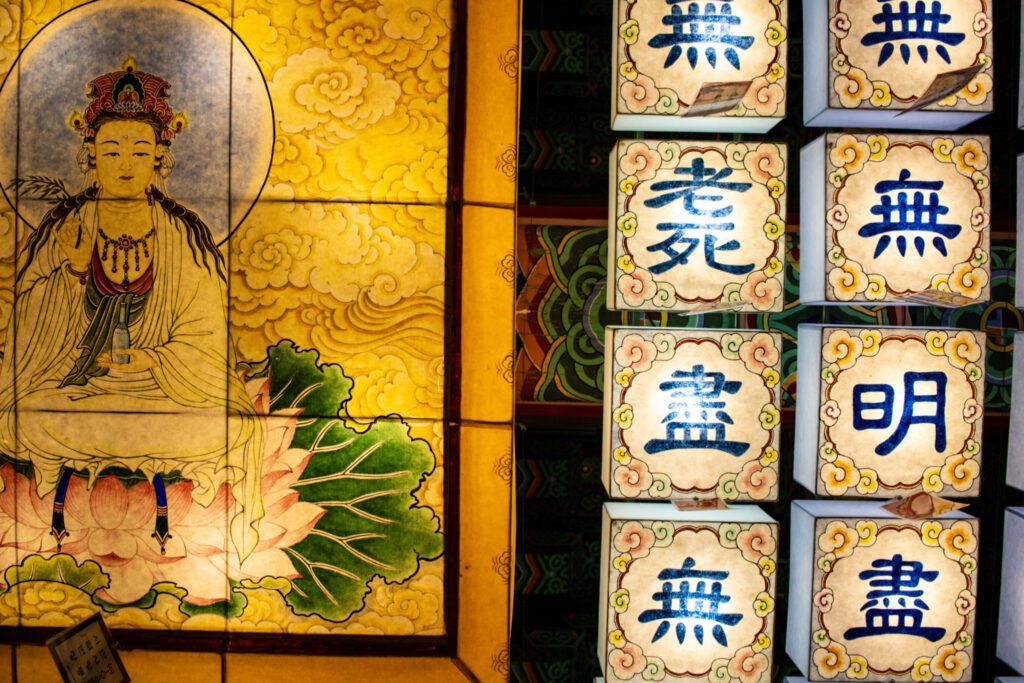
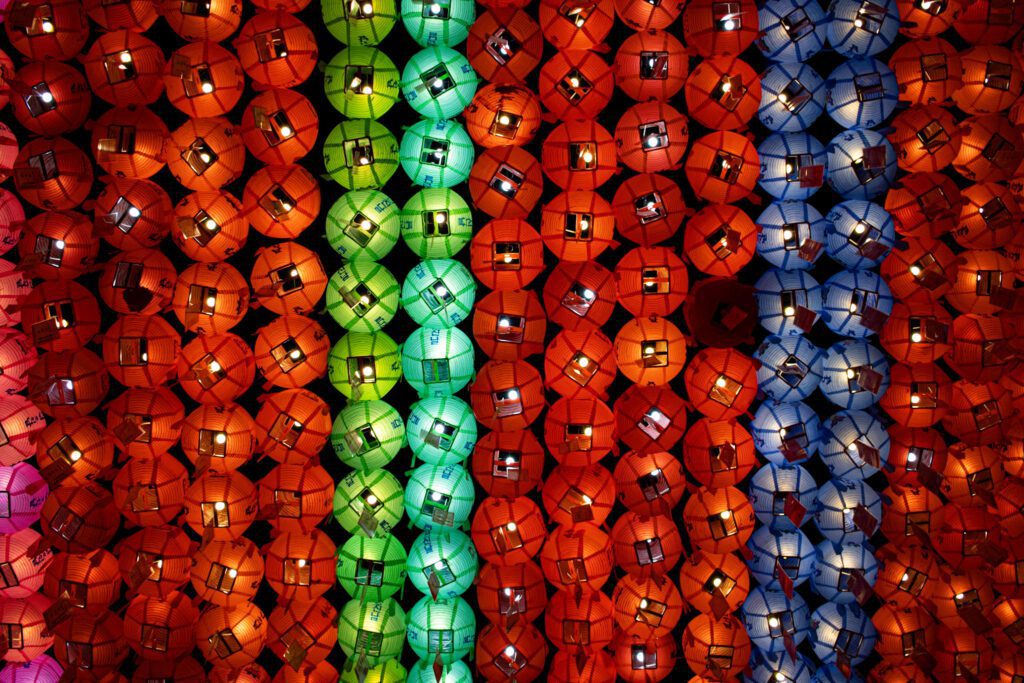
9. Visit Jogyesa Temple for a Quiet Moment in the City
Jogyesa Temple offers one of the calmest pauses you’ll find in central Seoul.
Jogyesa is the main temple of the Jogye Order of Korean Buddhism, which emphasizes meditation and mindfulness. Unlike many mountain temples, Jogyesa sits right in the heart of the city, making it one of the most accessible places to experience Korean Buddhist practice without leaving Seoul or committing to a temple stay.
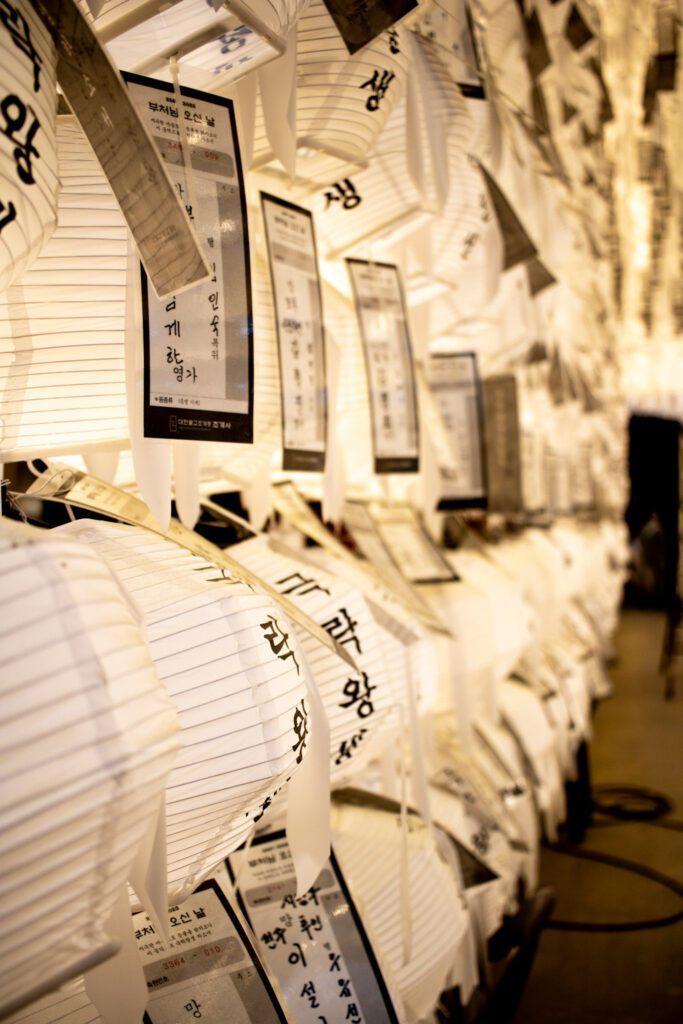
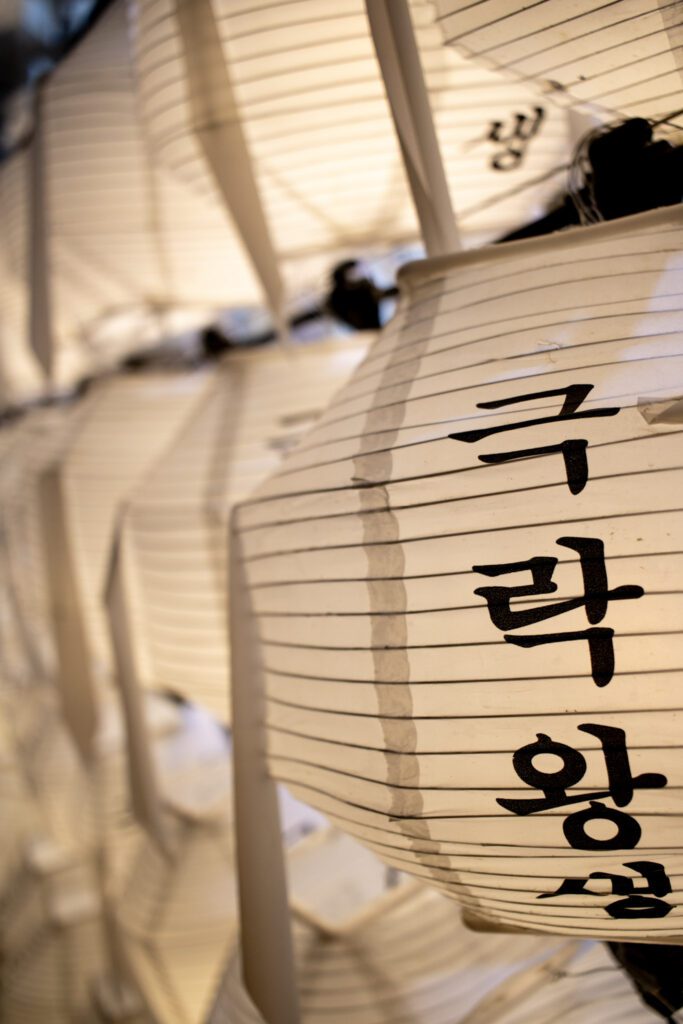
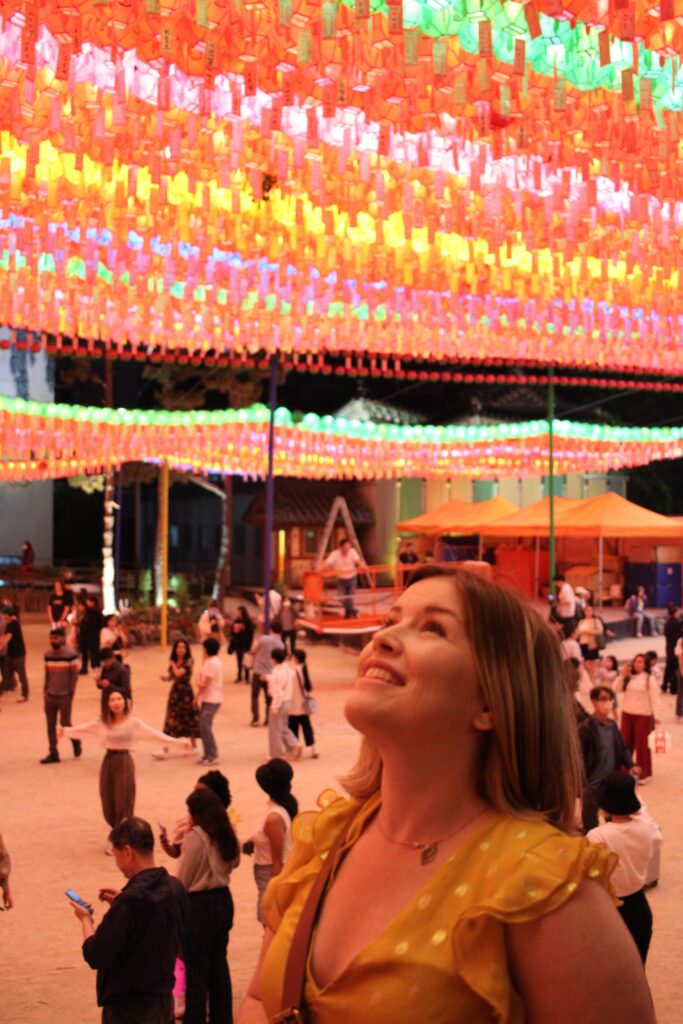
What makes Jogyesa special isn’t size or grandeur — it’s atmosphere. The temple grounds are compact but intentionally designed, with ancient trees, lanterns, and quiet spaces that feel removed from the traffic just outside the gates. It’s a place people actually use, not just visit.
You don’t need a guide here. Walk slowly, observe respectfully, and take your time. Whether you spend ten minutes or an hour, the experience offers insight into everyday spiritual life in Korea rather than a staged performance for visitors.
Best time to visit: Early morning or late afternoon, when the grounds are quieter and the light is softer.
Good to know: Jogyesa is especially beautiful during lantern festivals, when the courtyard fills with color — but even on an ordinary day, it’s worth a stop.
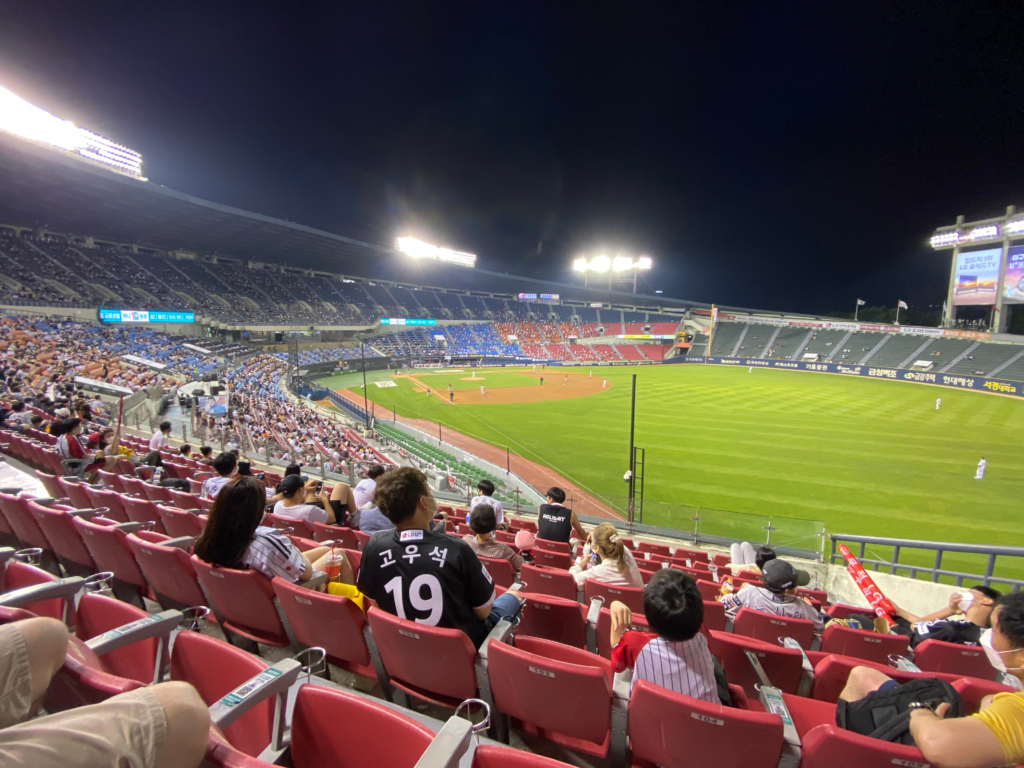
10. Attend a Korean Baseball Game (And Root for the LG Twins)
Even if you’re not a sports fan, attending a Korean baseball game is one of the most fun cultural experiences you can have in Seoul.
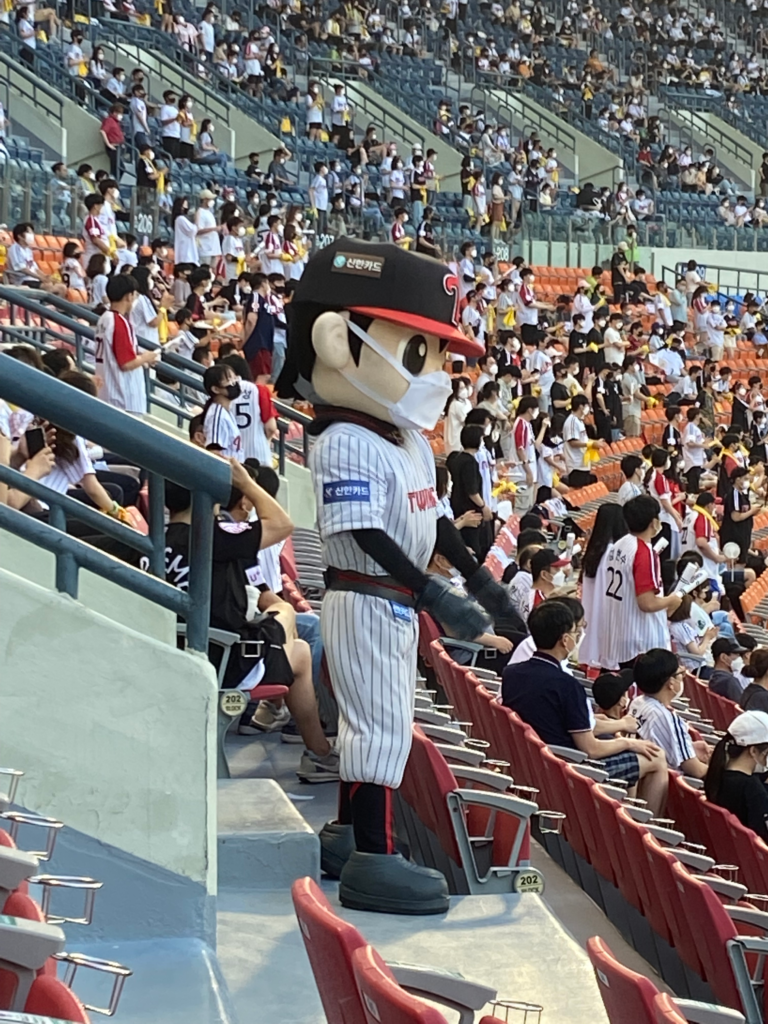
Baseball in South Korea isn’t a quiet, sit-and-watch affair. Games are loud, communal, and highly interactive. Fans chant in unison, cheerleaders lead coordinated songs for each player, and food vendors circulate constantly. The atmosphere feels closer to a festival than a traditional sporting event. IT IS SO FUN!
If you’re going to do it properly, you should absolutely root for the LG Twins (GOO TWINS!!!)
The LG Twins are one of Seoul’s most popular teams and play at Jamsil Baseball Stadium, which is easy to reach by public transport. Their fan base is passionate, loyal, and fully committed to the chanting culture — making it an ideal first KBO experience.
What makes Korean baseball special is the sense of community. Families, friends, coworkers, and solo fans all show up with the same goal: eat well, cheer loudly, and have a good time. Even if you don’t understand the rules, you’ll be swept into the rhythm of the game within minutes.
Good to know: You don’t need to stay for the entire game to enjoy the experience. Even a few innings is enough to soak in the atmosphere.
Local rule (or just my rule): If you’re in Seoul, you root for the LG Twins. No exceptions.
11. Join a Korean Food or Cooking Class in Seoul
Korean food is everywhere in Seoul — but learning why dishes are prepared the way they are adds an entirely different layer to the experience.
Food tours and cooking classes help decode Korean cuisine beyond menus and translations. You start to understand the balance of flavors, the role of fermentation, why certain dishes are eaten at specific times, and how food ties into history, seasonality, and daily life in Korea.
These experiences are especially valuable early in a trip. After joining a food tour or cooking class, ordering food on your own feels easier and more intuitive. You recognize ingredients, understand side dishes (banchan), and feel more confident walking into local restaurants without overthinking it.
Food tours often focus on specific neighborhoods or markets, while cooking classes tend to be more hands-on and personal — both are worthwhile, it just depends on how you like to learn.
Who this is best for:
First-time visitors, solo travelers, food lovers, or anyone who feels overwhelmed by choice when eating out in Seoul.
12. Take a Day Trip to the DMZ (With the Right Expectations)
Depending on who you are a visit to the Korean Demilitarized Zone is educational and sobering rather than exciting — and that’s exactly how it should be.
The DMZ exists because the Korean War never officially ended, and the peninsula remains divided. Visiting isn’t about spectacle or thrill-seeking; it’s about understanding how modern South Korea was shaped by war, occupation, and ongoing geopolitical tension. Seeing the border in person makes that reality tangible in a way books and museums can’t fully replicate.
This is not casual sightseeing. Tours are structured, regulated, and heavily guided, and for good reason. A knowledgeable guide provides essential context — explaining what you’re seeing, why it matters, and how the division continues to affect daily life in Korea today.
For many travelers, the DMZ becomes more meaningful when paired with other historical experiences in Seoul, such as the War Memorial of Korea or a history-focused walking tour. Together, they help form a clearer picture of Korea’s past and present.
The itinerary for these tours lead you through Imjingak Peac Park and Freedom Bridge along with the Third infiltration Tunnel (the tunnel made famous by North Koreans digging their way through to South Korea)
Who this is best for:
Travelers interested in history, politics, or modern Korean identity.
Set expectations: This is a half-day experience that prioritizes learning over entertainment. If that context matters to you, it’s absolutely worth doing once — with a reputable tour operator.
13. Join the Dark Side of Seoul Walking Tour (One of the Most Eye-Opening Experiences)
This is one of the first big tours I took in Seoul. If you’re interested in understanding Seoul beyond palaces and postcard moments, the Dark Side of Seoul Walking Tour is one of the most thought-provoking experiences you can have in the city.
This walking tour focuses on Seoul’s lesser-discussed history — including colonialism, war, political unrest, social change, and the stories that don’t always make it into mainstream guidebooks. It’s not dark in a sensational way; it’s dark in a truthful way.
What I appreciated most is that the tour provides context. Seoul makes more sense once you understand what the city has lived through, and this experience helped connect a lot of dots for me — especially when paired with visits to palaces, museums, and the DMZ.
Who this is best for:
History lovers, curious travelers, repeat visitors, and anyone who wants deeper cultural understanding rather than surface-level sightseeing.
Planning tip: This works especially well early in your trip. Having that historical framework makes everything else you see in Seoul feel more grounded.
14. Do a Hanbok Photography Session (With Intention)
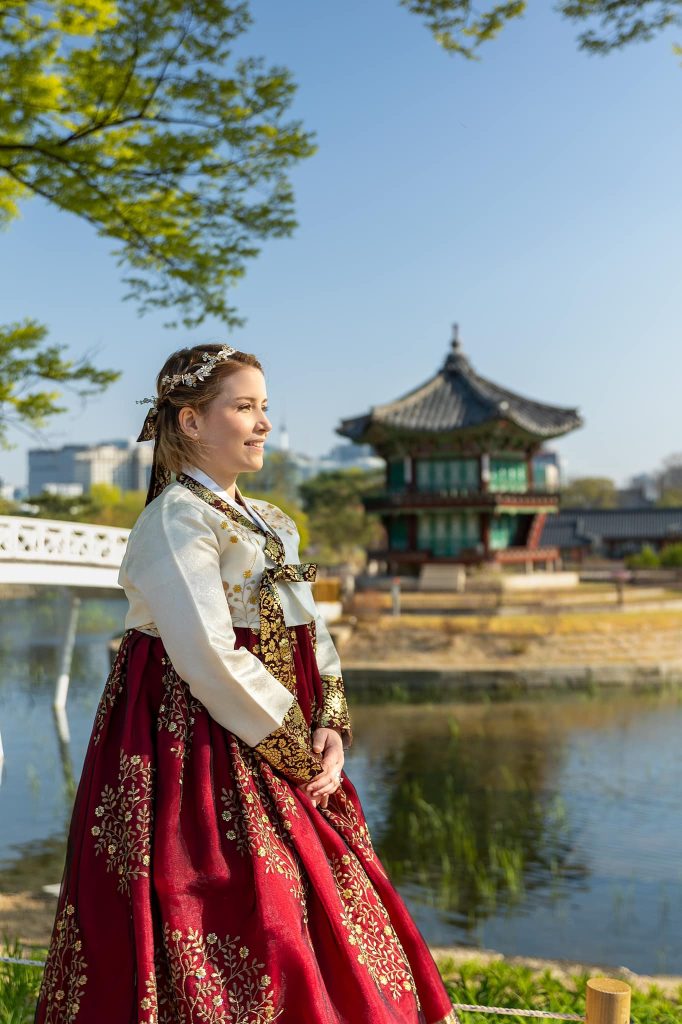
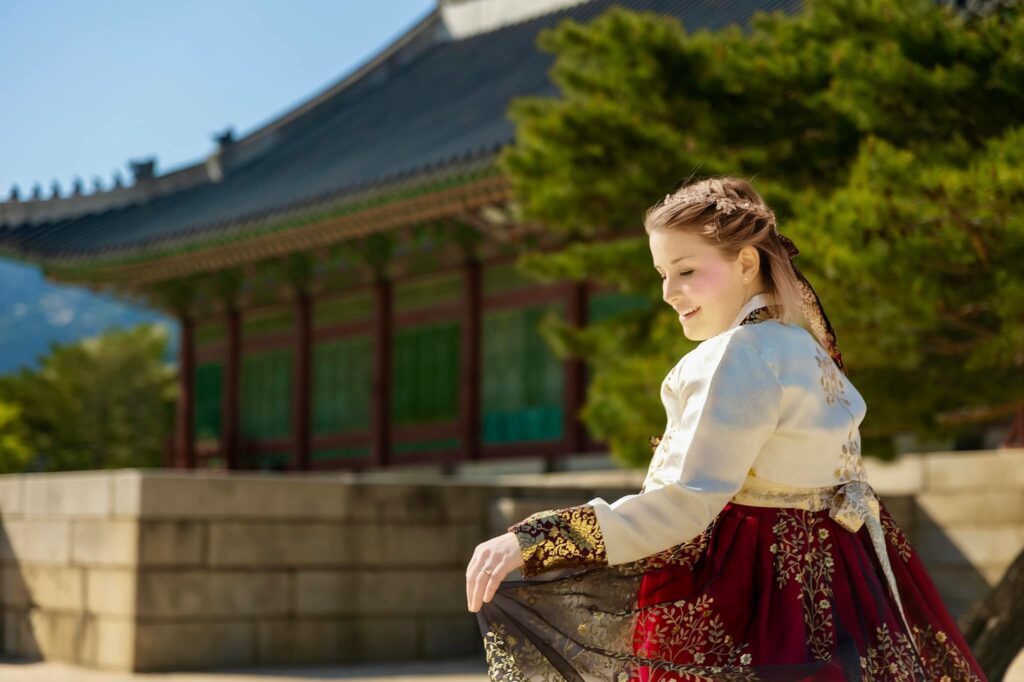
During my final year living in South Korea, I signed up for a hanbok photography session that included the hanbok rental and a palace backdrop.
To this day, those photos are some of the most meaningful travel images I own. Korea was a place I loved dearly, and having that moment captured — standing in traditional clothing in a space layered with history — felt like a quiet thank you to a country that had become home.
That’s why hanbok photography can be so powerful when done intentionally. It becomes less about the photo and more about honoring what the place meant to you.
Why Seoul Stays With You Long After You Leave
Seoul isn’t a city you rush through or fully understand on a first visit — and that’s part of its magic.
What makes Seoul special isn’t any single attraction, hike, market, or experience. It’s how easily those things exist side by side. One moment you’re standing in a palace courtyard, the next you’re hiking a granite ridge, then eating dinner at a tiny local spot before wandering home through neon-lit streets. The contrasts never feel forced — they feel lived in.
Having spent years in South Korea and a lot of time in Seoul, what I appreciate most is how flexible the city is. You can plan every detail or leave entire days open. You can move fast or slow way down. Seoul meets you where you are, and it rewards curiosity more than rigid itineraries.
If you take anything from this guide, let it be this: don’t try to see everything. Choose the experiences that genuinely excite you, give yourself space to wander, and let the city unfold naturally. That’s when Seoul stops feeling overwhelming and starts feeling personal.
And once that happens, it’s a city that tends to stay with you — long after you’ve left.
Frequently Asked Questions About Visiting Seoul
Yes, Seoul is absolutely worth visiting, especially for first-time travelers who want a mix of culture, food, nature, and modern city life. What makes Seoul stand out is how easily traditional experiences like palaces and temples exist alongside hiking trails, nightlife, and neighborhood cafés. The key is not trying to do everything at once. When planned intentionally, Seoul feels layered and immersive rather than overwhelming.
Most travelers need 4 to 6 days in Seoul to experience the city without rushing. This allows time for one or two palaces, a market visit, a hike, a museum, and space to explore neighborhoods at a slower pace. If you only have 2 or 3 days, focus on a few anchor experiences rather than trying to cover the entire city.
The best things to do in Seoul for first-time visitors include visiting one royal palace, exploring a traditional neighborhood like Insadong or Bukchon, eating at a local food market, walking or hiking in one of the city’s mountains, and experiencing Korean food beyond restaurants through a market, food tour, or cooking class. Balance is more important than volume.
If you only visit one palace in Seoul, Changdeokgung Palace is the best choice. Its layout feels calmer and more integrated with nature, and the Secret Garden offers one of the most peaceful experiences in the city. While Gyeongbokgung is larger and more famous, Changdeokgung tends to feel more rewarding for first-time visitors who want breathing room.
Seoul can feel exhausting if you try to see everything in a short amount of time. The city is large, dense, and packed with options. Travelers who build in rest, limit daily attractions, and mix sightseeing with slower activities like walking neighborhoods, hiking, or long meals usually find Seoul energizing rather than draining.
Yes, hiking is one of the most unique things to do in Seoul, and many trails are located directly inside the city. Mountains like Inwangsan, Namsan, and Gwanaksan are accessible by public transportation, while Bukhansan National Park offers more challenging routes just outside central Seoul. Hiking is part of everyday life for locals, not a niche activity.
Seoul’s food markets are absolutely worth visiting and offer insight into daily life, not just street food. Markets like Gwangjang have served locals for generations and still function as working markets alongside food stalls. Visiting without a strict plan and ordering small portions allows you to experience a wider range of traditional dishes.
Staying in a hanok in Seoul is worth it if you’re interested in cultural immersion rather than hotel luxury. Hanok stays offer a glimpse into traditional Korean living, with features like ondol floor heating and quiet courtyards. They work best for travelers who value atmosphere and experience over space and modern amenities.
Tours in Seoul are not required, but the right ones can add meaningful context. Historical experiences like the DMZ, the War Memorial of Korea, or walking tours focused on modern history are often more impactful with a knowledgeable guide. For food tours, cultural workshops, and niche experiences, tours can simplify logistics and deepen understanding.
Spring and fall are the most popular times to visit Seoul due to mild weather and seasonal scenery. However, Seoul is a year-round city. Summer offers lively festivals and hiking culture, while winter provides fewer crowds and a more local feel. The best time depends on whether you prioritize weather, crowds, or cultural events.
