
Things to Do in the Dolomites in Winter: Snowshoeing, Skiing & the Best Winter Tours
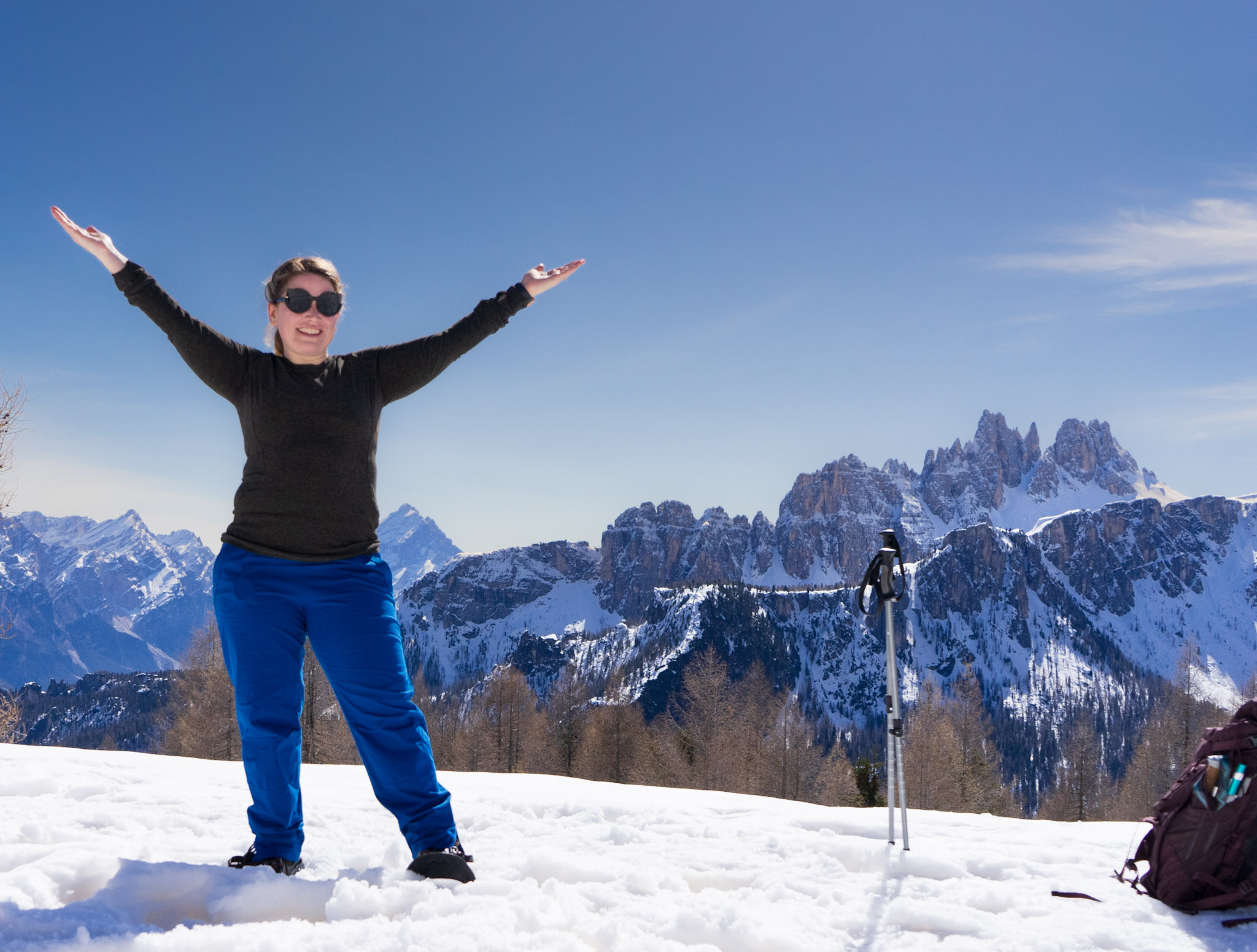
If you’re visiting the Dolomites in winter and skiing or snowboarding isn’t your thing, I want to clear something up right away: winter here is not just for skiers. People who don’t like skiing– we exist!
Snowshoeing, guided winter walks, snowmobile tours, toboggan runs, and even beginner-friendly ski lessons make the Dolomites one of the most rewarding winter destinations in Italy — especially if you want the scenery and atmosphere without the pressure of the slopes.
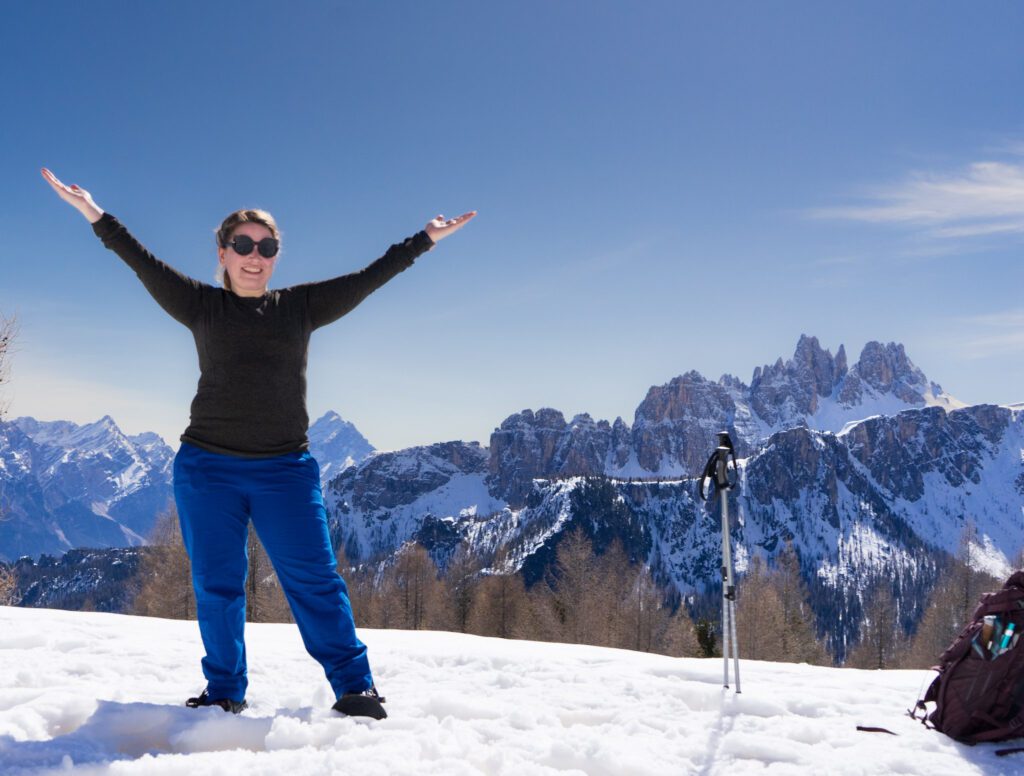
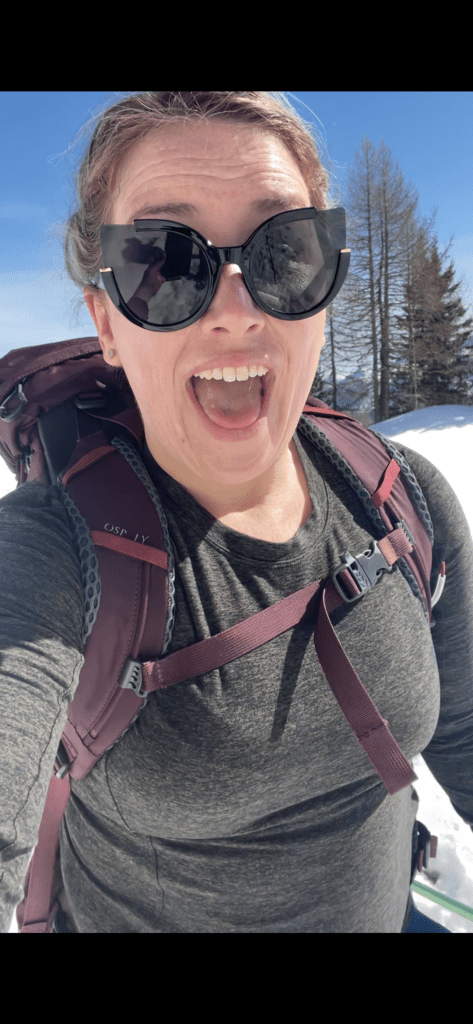
I learned this firsthand on a guided snowshoeing day near Cinque Torri, and while that exact activity with the guide I used is no longer offered, the experience completely changed how I see winter in the mountains.
This guide shares what snowshoeing in the Dolomites is really like, how to choose the right winter activity for your travel style, and where you can book excellent winter experiences today.
This Post Pairs Well With:
- A First Timers Guide to the Dolomites: How To Plan your trip to the Dolomites
- Lago Di Sorapis Hiking Guide: Passo Tre Croci to Sorapiss
- The Best Hotels In The Dolomites
- Five of the Best Hikes in the Italian Dolomites You Can Do Near Cortina
- The Best Travel and Hiking Apps for Exploring the Dolomites
- What to Expect While Staying at Rifugios in the Dolomites
At a Glance: Things to Do in the Dolomites in Winter
Best for:
Everyone!
Top Experiences:
Snowshoeing, winter lake walks, Tre Cime winter routes, beginner ski lessons, snowmobile tours
Difficulty:
Easy to moderate (guided options available)
Best Time to Visit:
Late December–March
Base Yourself In:
Cortina d’Ampezzo or the nearby valleys
Why Go in Winter:
Fewer crowds, dramatic scenery, quieter trails
Why Visit the Dolomites in Winter?
Winter in the Dolomites feels slower and more intentional than summer. Snow softens the landscape. Crowds thin out. The mountains feel bigger, quieter, and more powerful.
What makes winter here special is the variety of experiences available beyond skiing:
- Snowshoeing routes that follow historic trails and lead to panoramic viewpoints
- Guided winter activities that prioritize safety and local knowledge
- Beginner ski options that don’t require committing to a full ski holiday
- Rifugios that stay open during the ski season, offering warm meals and alpine comfort
If you want scenery, atmosphere, and meaningful time in the mountains, winter delivers.
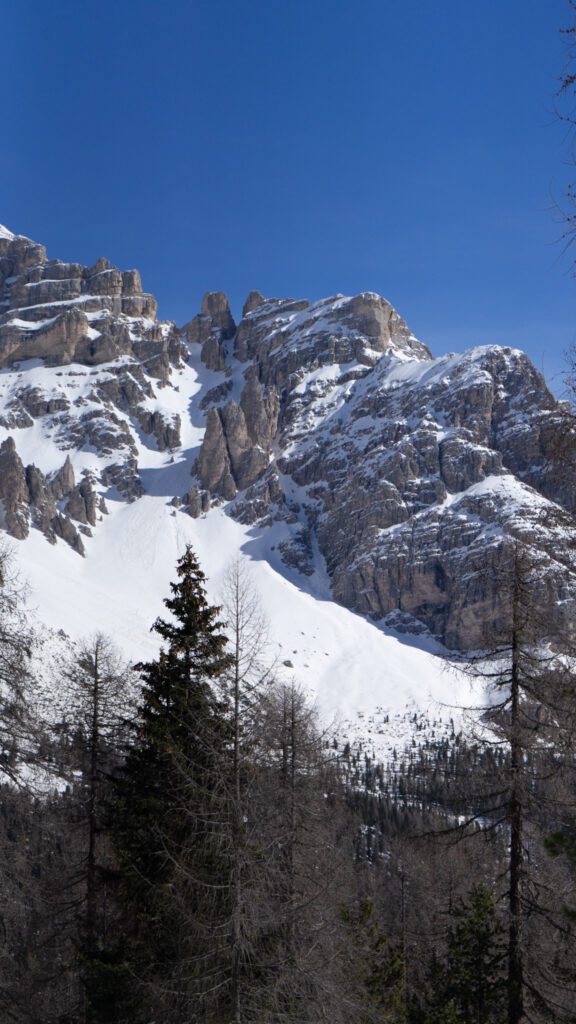
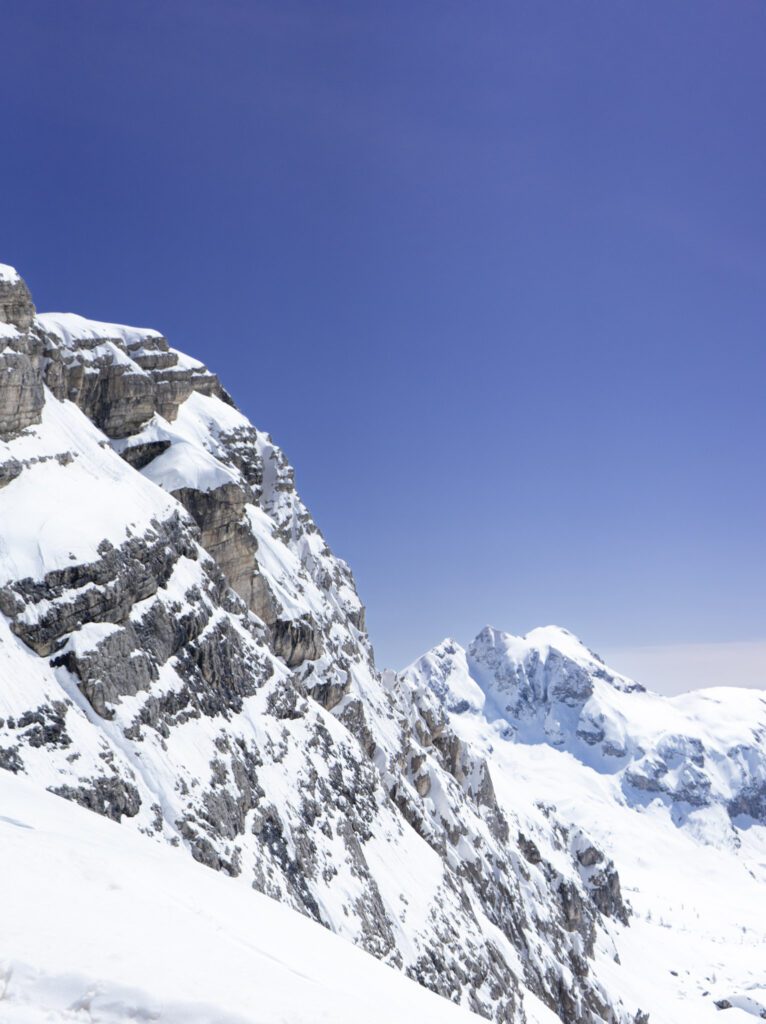
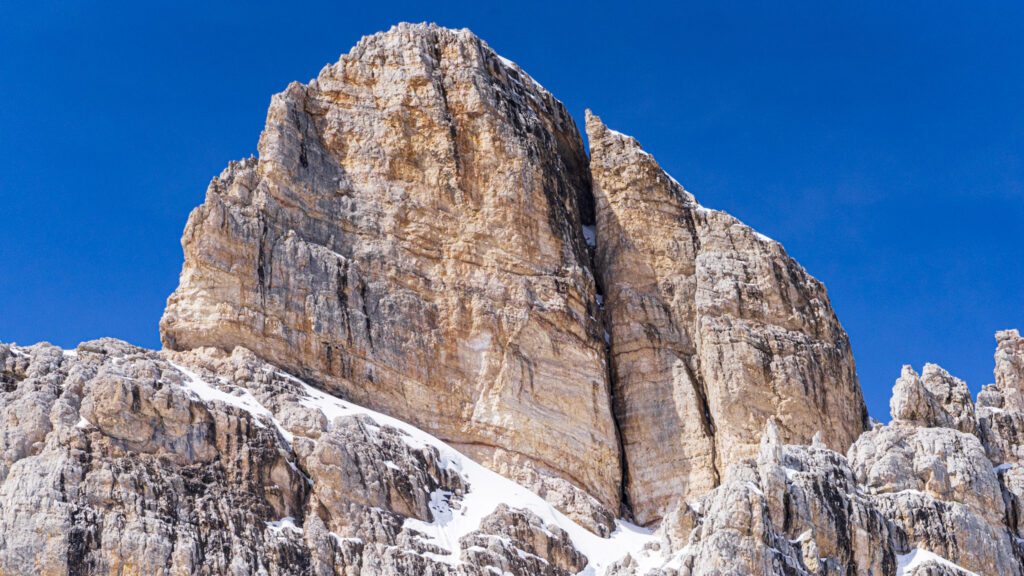
My Snowshoeing Experience Near Cinque Torri (A Real Winter Day in the Dolomites)
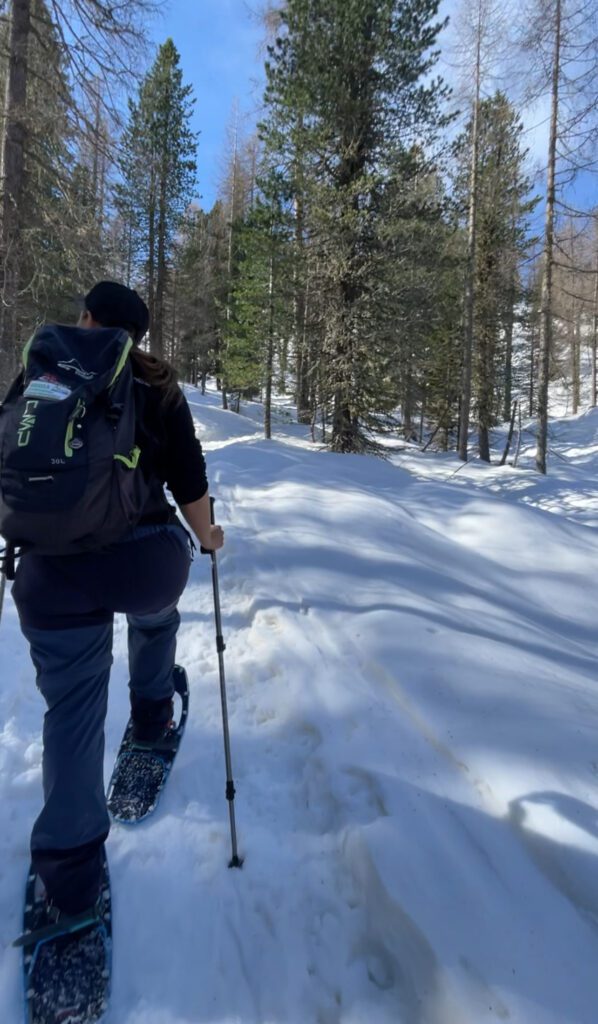
I met my local guide early in the morning at Passo Falzarego, just as the first light hit the peaks. From the start, the pace felt calm and deliberate — exactly what you want in winter.
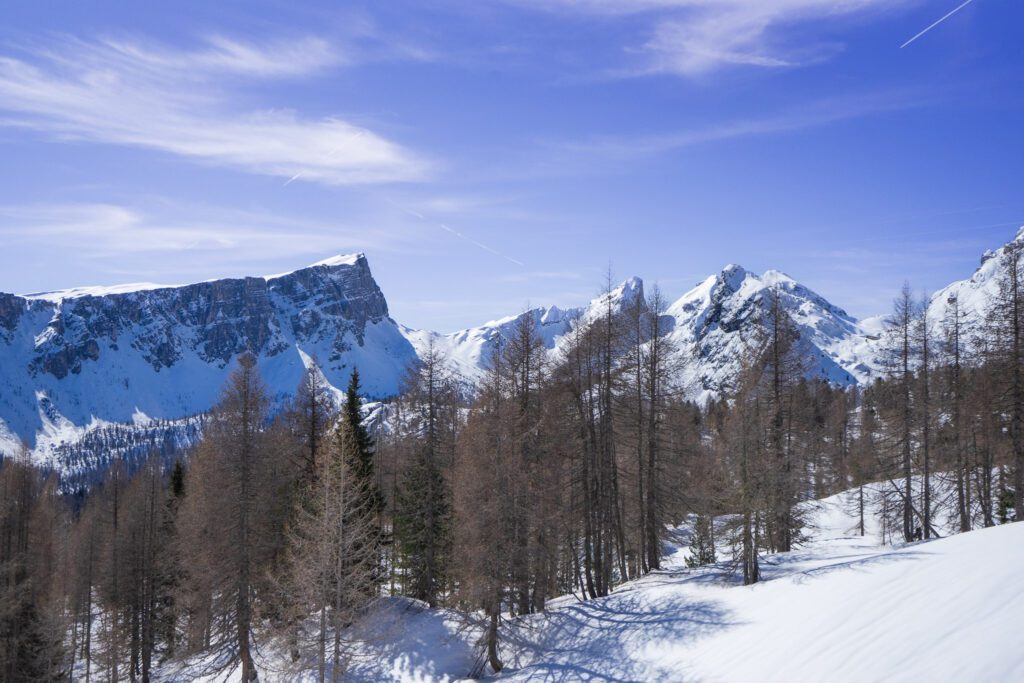
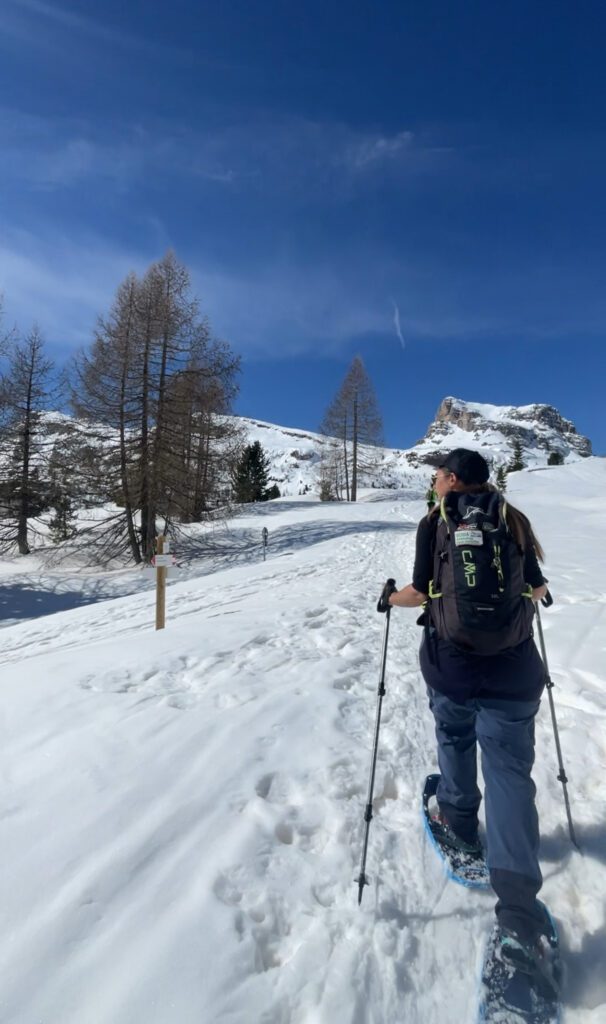
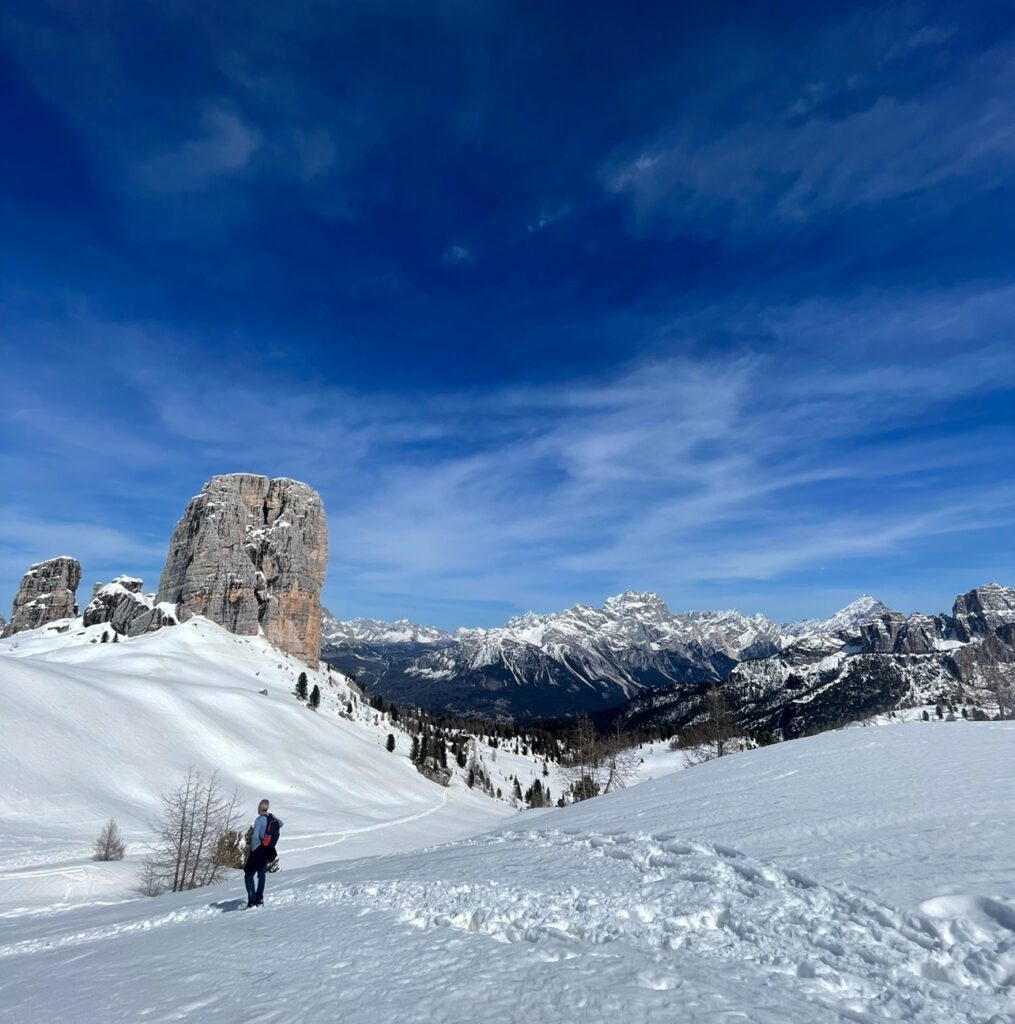
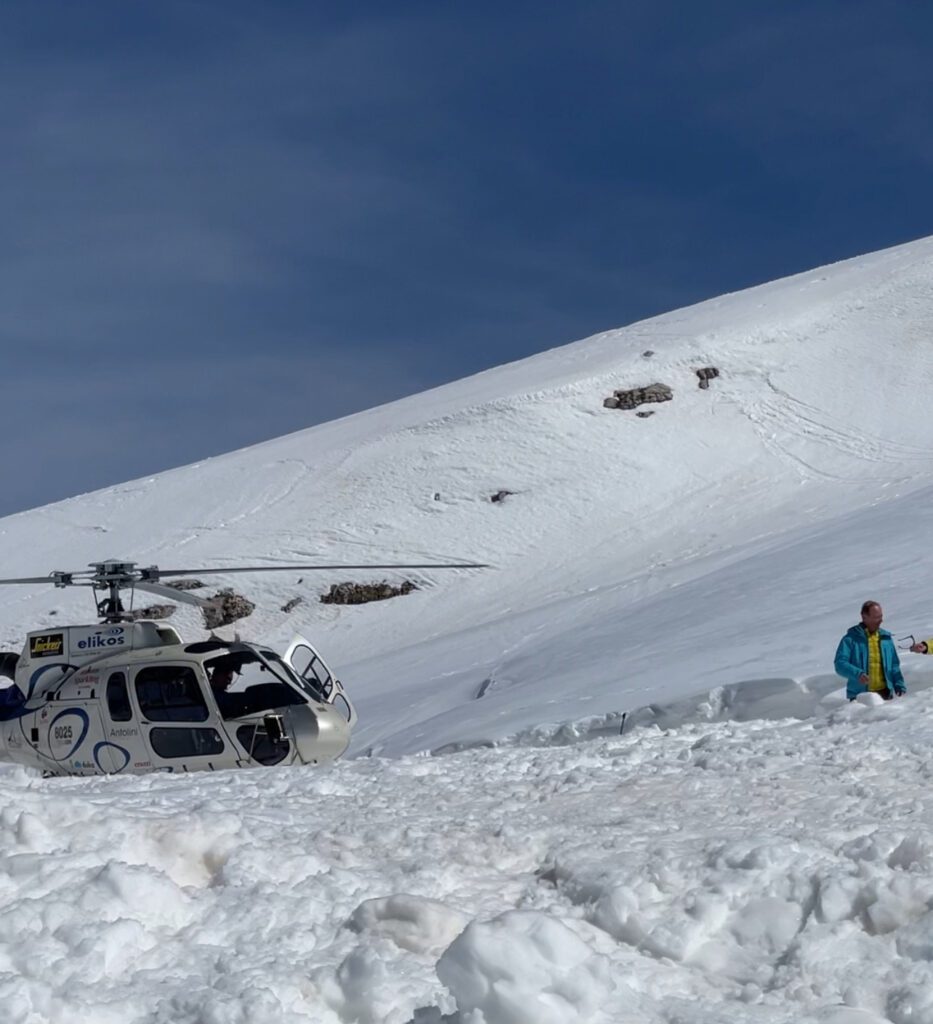
We snowshoed around the base of Cinque Torri, a route layered with World War I history. As we walked, my guide shared stories about soldiers who once lived and fought in these mountains, carving trenches into the rock that now sit quietly beneath the snow.
The views toward the Tofana group were incredible, but what stayed with me most was how attentive my guide was to the conditions around us. She checked on other hikers, watched the weather closely, and gently discouraged a group who were considering rock climbing in icy conditions.
She also spoke openly about winter rescues in the Dolomites — often caused by people underestimating conditions or heading out without proper gear. It was a powerful reminder that winter here is beautiful, but it demands respect.
The entire experience took about 4.5 hours, covered roughly four miles, and felt completely manageable thanks to the steady pace and constant awareness of safety.
Map of the area we snowshoe around

Cozy Rifugi Stops Along the Way
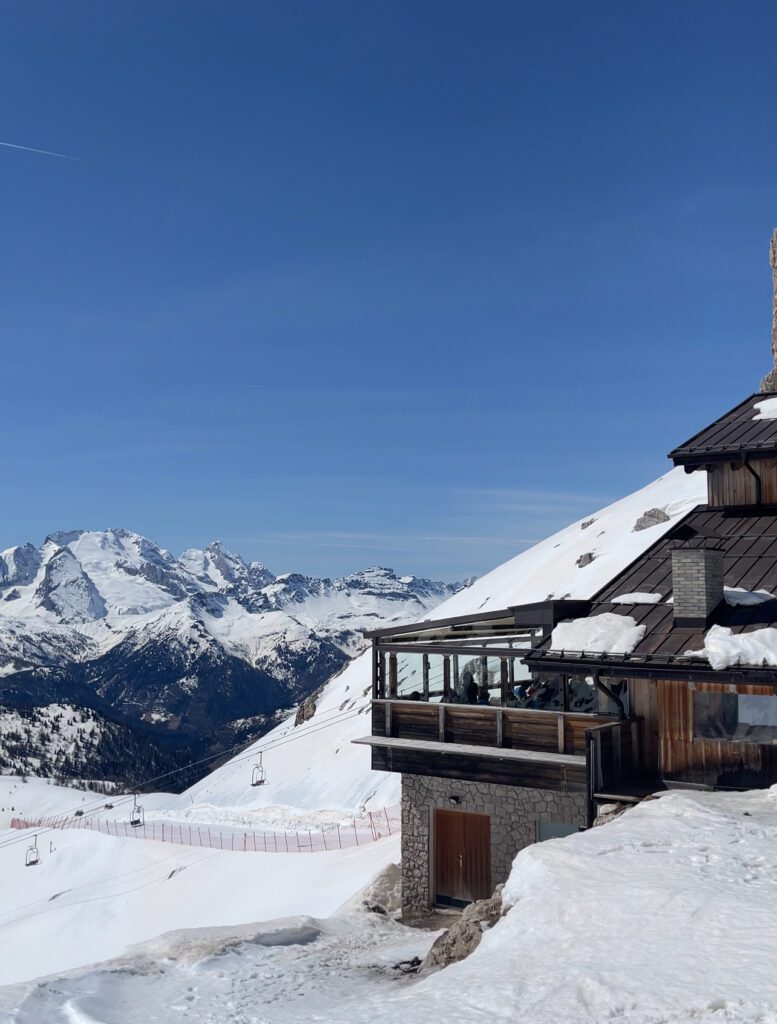
We paused at Rifugio Scoiattoli, perched above Cinque Torri, where skiers and snowshoers crossed paths for a quick rest and panoramic views.
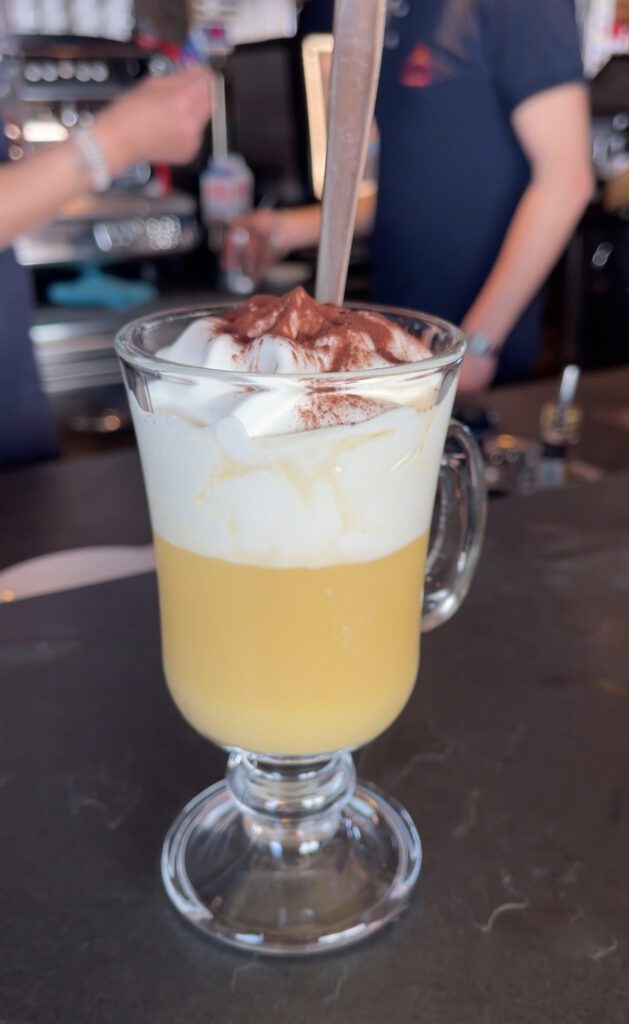
Lunch was at Rifugio Averau, one of the highest rifugi in the Nuvolau Group. Sitting indoors with a hot meal and a Bombardino while snow drifted outside felt like peak alpine comfort.
Mount Averau itself is steeped in Ladin legend — said to be home to the mythical eagle of the Kingdom of Fanes — and hearing these stories directly from a local made the experience feel rooted, not touristy.
The entire outing took approximately 4.5 hours and covered a roughly four-mile round-trip, with plenty of stops and a manageable pace.
What Snowshoeing in the Dolomites Is Like (Logistics & Difficulty)
- Difficulty: Moderate and beginner-friendly with a guide
- Distance: Typically 3–5 miles
- Pace: Slow, steady, and adjustable
- Gear: Snowshoes and poles are usually included
- Fitness level: Reasonable walking endurance required
One of the biggest advantages of guided snowshoeing is flexibility. Routes can be adjusted based on conditions, group ability, and weather — something that simply isn’t possible if you head out alone in winter.
Winter Walks & Easy Hikes in the Dolomites (Lakes, Valleys & Scenic Routes)
Not every winter experience needs to be a full snowshoe tour. Some of the most memorable winter moments come from slow, intentional walks.
Winter Walk Around Lago di Braies
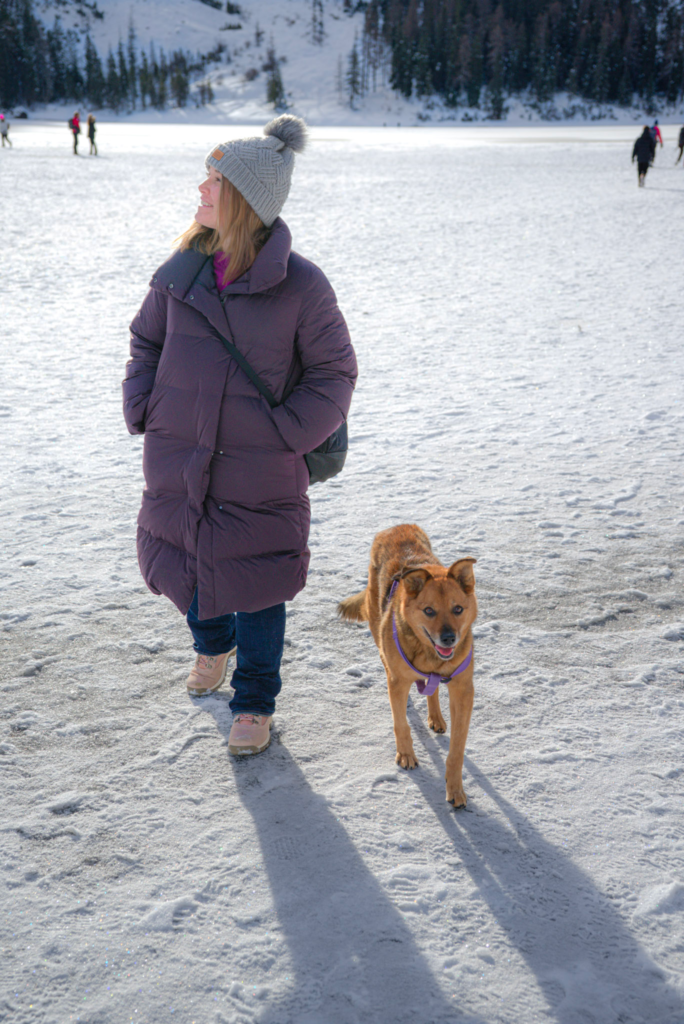
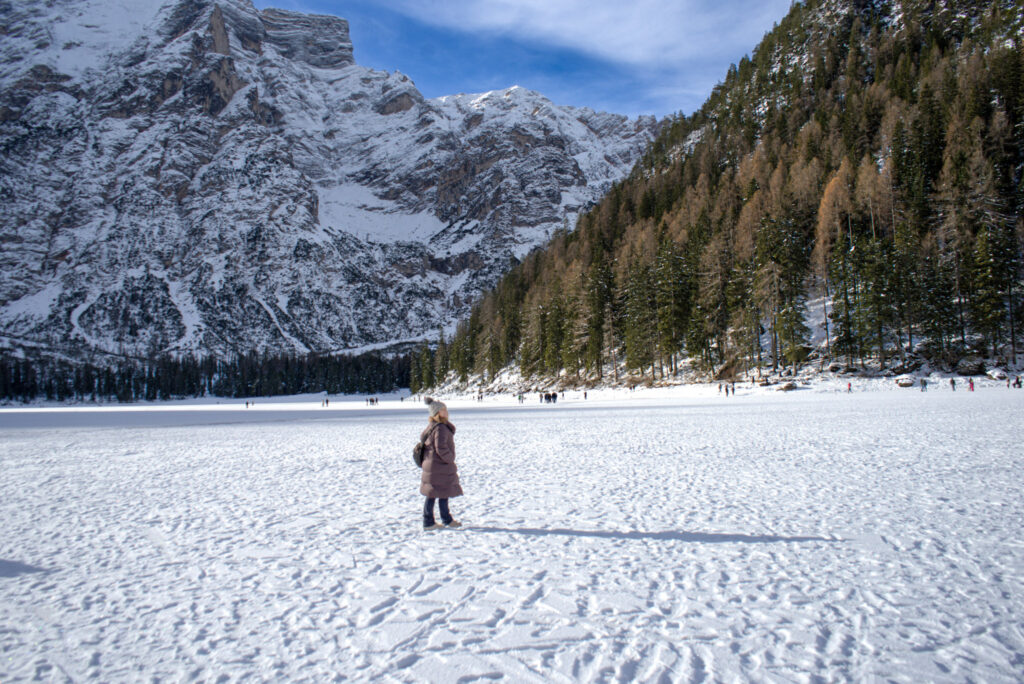
A winter walk around Lago di Braies is dramatically different from summer. The lake is quieter, often partially frozen, and surrounded by snow-covered forest.
My husband , dog and I spent some time here after our weekend in the dolomites for the Krampus Run in Dobbacio. You can walk on the lake but I would excercise caution with this.
The loop trail is generally accessible in winter, but conditions vary. Microspikes or light crampons are strongly recommended, especially in the early morning.
This is one of the most accessible and photogenic winter walks in the Dolomites.
Winter Walks & Crampon Routes at Tre Cime di Lavaredo
Tre Cime in winter feels raw and dramatic. While the full circuit isn’t always accessible, guided winter walks and crampon-assisted routes allow you to experience the area safely.
Traction is essential, and guided options are highly recommended due to avalanche risk and changing access conditions. Even short walks here offer unforgettable views.
On the same weekend getaway for the Krampus run, my husband, dog, and I did a short winter walk via this route
Scenic Winter Walks on Alpe di Siusi
Alpe di Siusi is one of the best places in the Dolomites for scenic winter walking — especially if you want wide-open views without technical terrain.
As Europe’s largest high-altitude alpine meadow, Alpe di Siusi offers groomed winter walking paths that wind through snowy pastures with constant views of the Sassolungo and Sciliar groups. The terrain here is gentle, expansive, and incredibly photogenic, making it ideal for relaxed winter walks rather than hikes.
Why Alpe di Siusi works so well in winter:
- Well-maintained winter walking trails
- Minimal elevation gain
- Stunning panoramic views in every direction
- Easy access by cable car from Siusi or Ortisei
Most walks here don’t require snowshoes — waterproof boots and microspikes are usually enough, depending on conditions. It’s an excellent option if you want to move through the landscape without committing to a guided tour or specialized gear.
If you’re looking for a winter experience that feels peaceful, spacious, and effortlessly beautiful, Alpe di Siusi is hard to beat.
This trail is perfect, remember you don’t have to do the whole thing!
Best Things to Do in the Dolomites in Winter (What to Book)
This is where many travelers get stuck — there are so many options. Below is how I’d break it down based on travel style and comfort level.
Here are a few excellent options currently available:
Guided Snowshoeing in the Dolomites (Cortina Area)
A classic introduction to snowshoeing with equipment included. Ideal for first-timers who want alpine views without technical terrain.
Snowmobile Safari to the Three Peaks of Lavaredo
A more adventurous winter experience offering access to the iconic Tre Cime di Lavaredo area. Best for travelers looking for excitement rather than hiking.
Toboggan Ride & Lunch in the Tre Cime Region
A relaxed winter activity combining downhill fun with a warm mountain lunch — perfect for couples or families.
Each of these experiences offers a different way to enjoy the Dolomites in winter, depending on your comfort level and interests.
Pro Tip
Booking a local guide enhances your adventure, providing safety, knowledge, and unforgettable stories!
Skiing in the Dolomites: What to Know & Where to Go
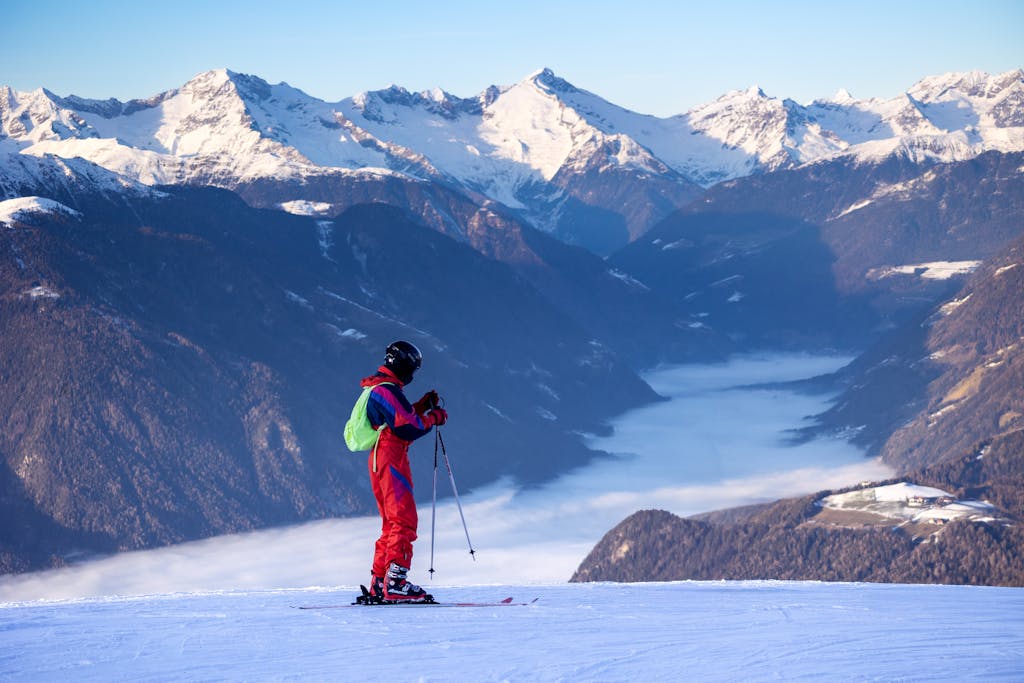
For those of you who love skiing, it’s world-class in the Dolomites — trust me, I’ve seen it all, but it’s also far more approachable than many first-time visitors expect.
Whether you’re a complete beginner, a casual skier, or someone who hasn’t skied in years, the Dolomites offer an enormous range of ski areas, lesson options, and terrain styles — all connected by excellent infrastructure and jaw-dropping scenery.
What Makes Skiing in the Dolomites Unique
Unlike many ski destinations, the Dolomites combine:
- Wide, well-groomed pistes
- Extensive lift networks
- Beginner-friendly terrain
- Scenic skiing through UNESCO-listed landscapes
Most ski areas are part of the Dolomiti Superski network, meaning one lift pass can give you access to multiple resorts across the region.
This makes it easy to tailor your ski experience — whether you want one gentle area or the option to explore widely.
What to Wear & Bring for Winter Adventures
Winter mountain travel requires preparation, even on guided outings.
Wear:
- Thermal base layers
- Insulating mid-layers (fleece or light down)
- Waterproof jacket and pants
- Insulated, waterproof boots
Bring:
- Warm gloves and a hat
- Sunglasses and sunscreen (snow glare is real)
- Small backpack with water
- Phone or camera with a cold-resistant battery
Most guided tours provide snowshoes and poles, but always confirm in advance.
Where to Stay for Winter Adventures in the Dolomites
For my trip, I stayed near Cortina d’Ampezzo at B&B Hotel Passo Tre Croci Cortina. This was about 45 minutes away from the start point of the snowshoeing experience.
I believe this hotel is perfect for solo travelers like me (or maybe you!)
Things I loved:
- Parking on site
- Close to a major hiking trail in the summer
- Nestled in between Cortina and Lago Di Misurina
- Easy to get to
- Great food
- Great Customer Service.
If you want a Hotel closer to where you might be based and other amenities, feel free to check out this awesome map for places to stay in the Dolomites during the wintertime:
Is Winter in the Dolomites Worth It?
Winter in the Dolomites is absolutely worth it — especially if you’re looking for more than a traditional ski holiday.
Snowshoeing, winter walks, beginner ski lessons, and scenic tours allow you to experience the mountains at a slower, more thoughtful pace. For me, snowshoeing near Cinque Torri was what unlocked winter here — quiet trails, meaningful conversations, and a deeper understanding of the landscape.
With winter demand increasing and global attention turning toward the Dolomites, planning ahead and choosing the right experiences makes all the difference.
Ready to Make Memories?
Don’t miss out on this bucket-list-worthy adventure! Spots fill up quickly, especially during winter months, so secure your place now.
📌 Love this guide? Save it for later on Pinterest or share it with your adventure buddies!
Trust me, your Instagram and your memories will thank you!

Oh my goodness, snowshoeing is so hard for me but I bet with those views it was quite easy! Thanks for sharing! If I know anyone going to Cortina, I’ll share this with them! This would be such an epic activity to do while in the Dolomites!
It was pretty tough. Elisa made it easy and I have to say snowshoeing makes for the perfect way to visit the dolomites in the winter time!