My Honest G Adventures Jordan Active Adventure Review: What 8 Days in Petra, Dana & Wadi Rum Are Really Like
I’d dreamed of Jordan for years, Petra, Wadi Rum, the Dead Sea — but every time I looked into it, I hit the same wall: logistics and price. I also noticed the topic of traveler safety in Jordan, which I address in this blog post, I wanted to go solo, I wanted to spend time there taking it alone. So many questions
How do you get from Jerash to Dana without renting a car? Which hikes are safe to do solo? And what if I wanted something deeper than just quick photo stops?
That’s why I joined the G Adventures Jordan Active Adventure tour. Over 8 days, I discovered a version of Jordan I never could have pieced together myself. This is my honest review of the trip, including the full itinerary, what I loved, what I’d change, and tips to make it even better if you go.
This is the trip that changed a lot for me. I fell in love with Jordan, and I hope reading this helps you plan your own trip to Jordan, and maybe you’ll be on one of my group trips to Jordan!
This Post Pairs Well With
- 20 Photos that will make you fall in love with Jordan
- The Jordan Cooking Experience that Changed the Way I Travel
- 9 Solo Travel Tips for Women Planning a Trip to Jordan
- Is Jordan Safe for Tourists? A Thoughtful Look at Travel Safety in Jordan
At a Glance: Jordan Active Adventure Tour
Not Ideal For: Luxury-seekers, those wanting lots of downtime
Duration: 8 days, 7 nights
Activity Level: Moderate (daily hikes 3–7 hours)
Group Size: 8–16 travelers
Accommodation Style: Simple hotels, eco-camps, and village guesthouses
Meals: Breakfast daily, some lunches and dinners included
Best For: Active travelers, solo travelers, cultural explorers
When to Visit Jordan
The best time to visit Jordan is February through May—spring brings mild temperatures, blooming wildflowers, and comfortable hiking weather. It’s warm but manageable, and nights in the desert are cool rather than freezing.
September through early November is also a great window, especially if you want to hike without the summer heat.
Summer is absolutely possible, but be prepared for extreme temperatures, especially in Petra and Wadi Rum. If you’re doing an active itinerary—like my tour with daily hikes—avoid June through August if you can.
How Long to Stay in Jordan
If this is your first time in Jordan, seven to eight days is the sweet spot. You’ll have time for the major highlights: Petra, Wadi Rum, Dana, the Dead Sea, Jerash, and Amman—without feeling rushed.
If you want to add more hiking, spend longer in Umm Quais, or take slower days for photography (trust me, you’ll want them), stretching your trip to 10 days is ideal.
Do I Need the Jordan Pass?
If you’re joining a group tour, you generally don’t need the Jordan Pass. Your visa is handled on arrival, and most of the major site entrances are already covered in your tour cost. That said, always double-check your specific passport requirements before you go, since visa rules can vary by country. For independent travelers, the Jordan Pass can still be a good value — but for guided tours, it’s usually unnecessary.
Our Guide: Firas
A G Adventures guide is called a CEO — Chief Experience Officer — and it’s not just a title. Our CEO, Firas, was exceptional. If you land Firas as your CEO, you’ll be in good, good hands!
He looked out for us constantly. When my airport transfer didn’t show up, I had to pay for a taxi to the hotel. Firas worked with the office until I was reimbursed, apologized even though it wasn’t his fault, and made sure I felt taken care of. Honestly, he was way too apologetic about it, but I understood why.
On the road, he kept the group laughing, motivated us on long hikes, and made sure we always felt safe. He reminded us to pull cash from ATMs before remote stops (I took out 250 JOD ≈ €330 / $350, which covered extras easily).
Guides can make or break a group trip. Firas made it. I would be lucky to have another guide like him. I hear his wife is a pretty fantastic guide as well!
Post-Trip Arrival in Amman
I chose to land the night before the tour started, as the starting time of this is on day 1 with an early start time. What I wish I had done was get to Amman at least one more day ahead of time. Why? Because I wanted to see more of Amman.
However, that is to be remedied by my upcoming Jordan Group Trip in April 2026. It’s already full, but the waitlists are now open for my Fall 2026 and Spring 2027 Jordan departures. Fall of 2026 is COED, Spring is Women only.
Jordan moved me so much that I knew I wanted to go back, and I get to take others with me.
Kimberly Kephart Jordan Group Trips
Click here to check out my group trips to Jordan
Day-by-Day: The 8-Day Jordan Active Adventure
Below is the full itinerary with my experiences, highlights, and tips. Remember that tours can change anytime.
Day 1: Amman → Jerash → Ajloun → Umm Qais
At a Glance
- Highlights: Jerash ruins, Ajloun Castle, hike to Mar Elias Church
- Meals: Lunch, Dinner
- Accommodation: Beit al Baraka guesthouse, Umm Qais
What We Did:
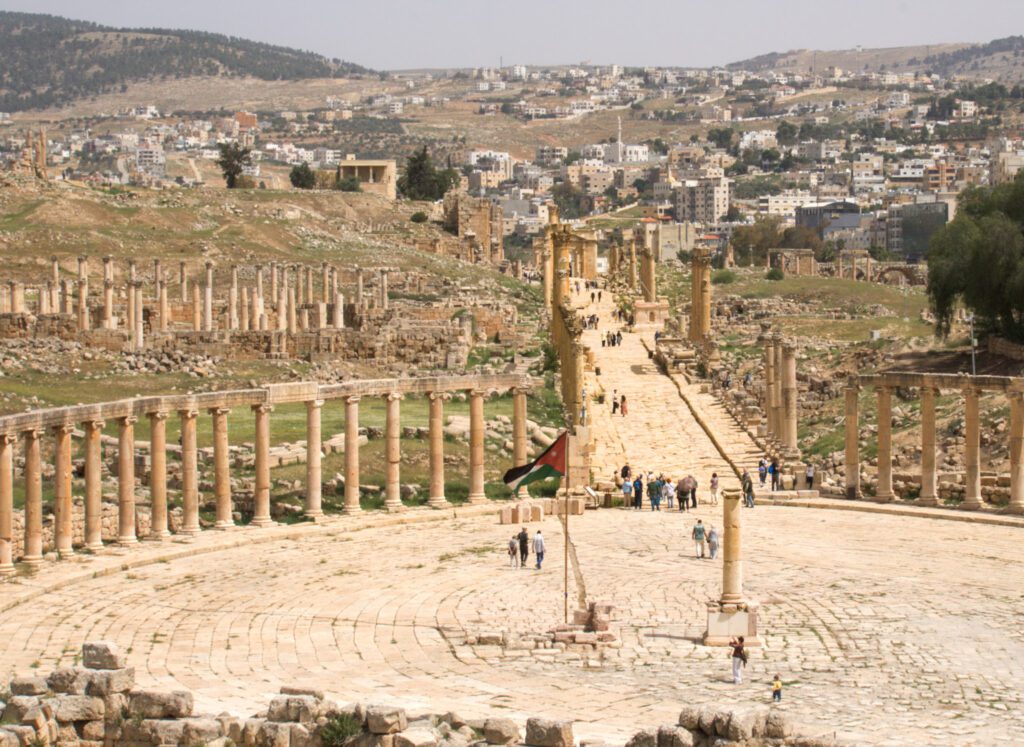
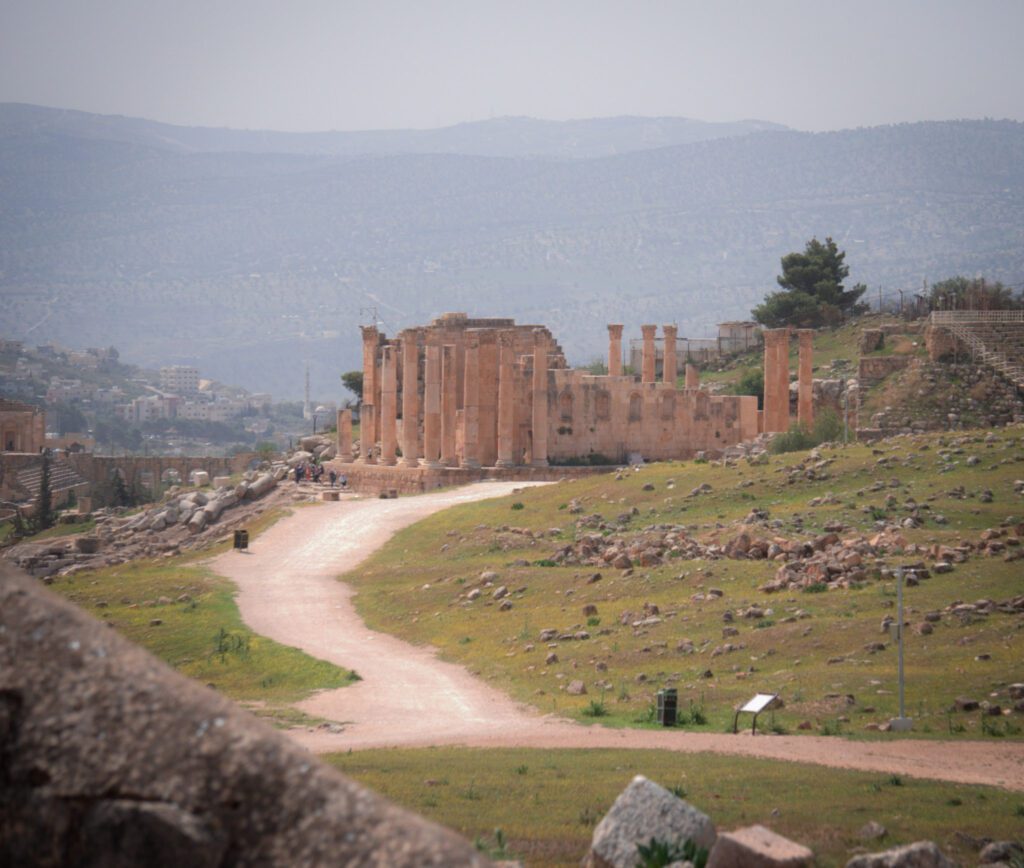
- Guided tour of Jerash, one of the best-preserved Roman cities outside Italy
- Visit Ajloun Castle, a 12th-century Crusader fortress
- Hike from Ajloun Castle to Mar Elias Church (7 km)
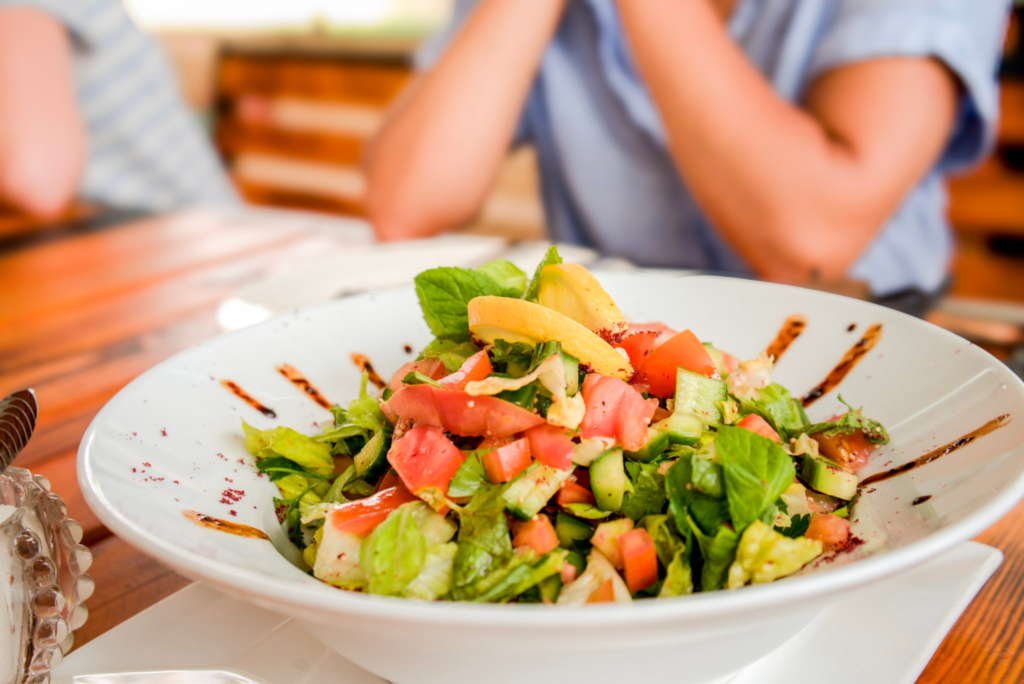
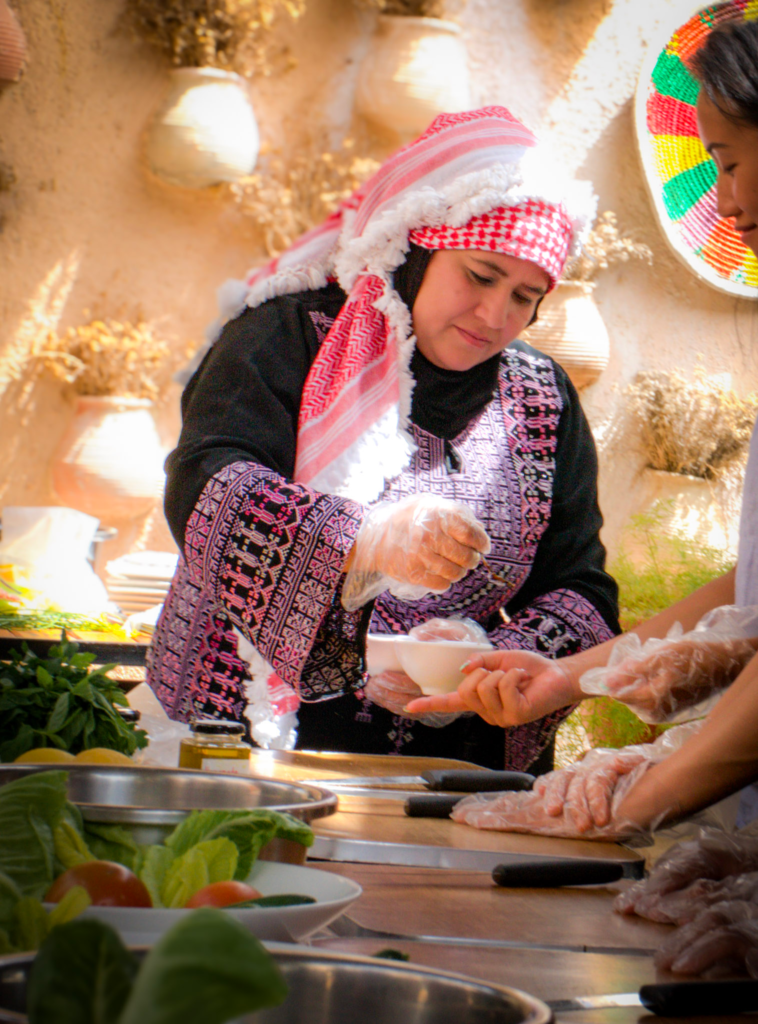
- Lunch at Beit Khayrat Souf, a women-run café and cooking class
- Dinner + overnight in Umm Qais at Beit al Baraka
My Thoughts:
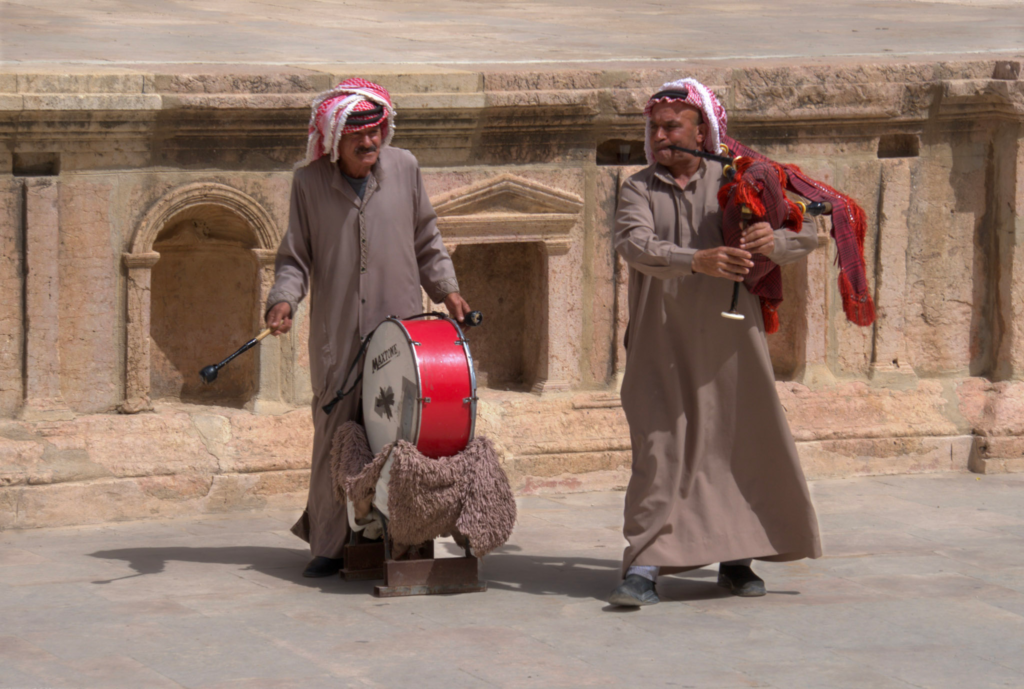
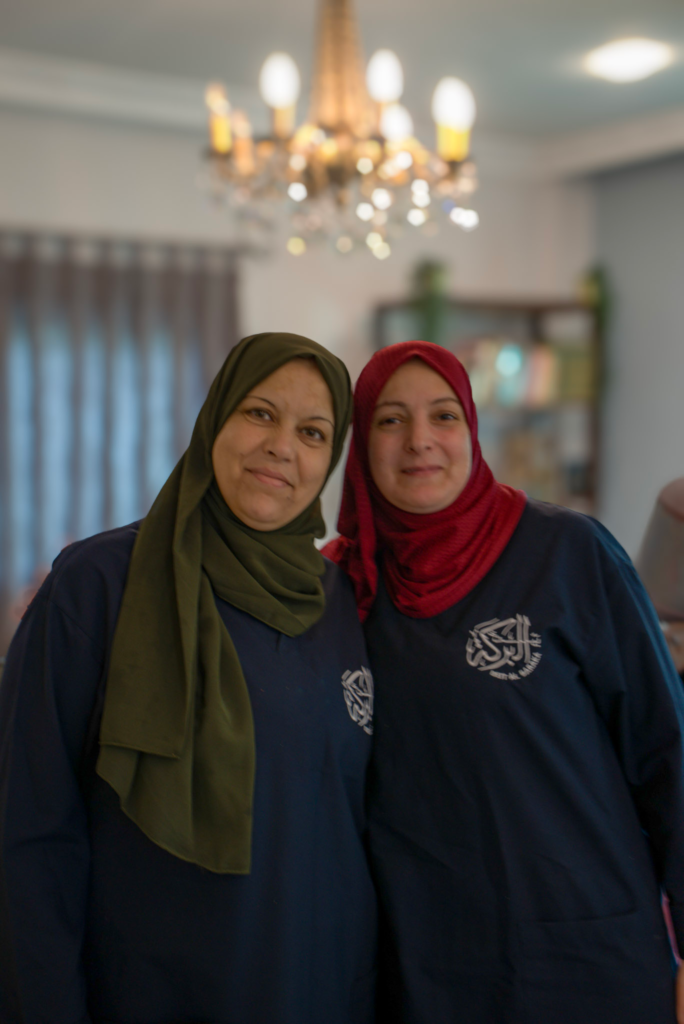
Jerash blew me away: Hadrian’s Arch, the Cardo, the theaters. But the real highlight was lunch at Beit Khayrat Souf. Cooking alongside local women gave me a glimpse into everyday life and the impact of tourism done right.
The only downside? We weren’t the only group. Another G Adventures tour (Solo-Ish Jordan) joined us, plus other groups. The patio was crowded, but even with the noise, the experience was meaningful. I truly loved it, and it’s the reason I am hosting a group trip to Jordan. It was that tiny glimpse into Jordanian Culture that sealed the deal in the beginning.
Read about my experience here
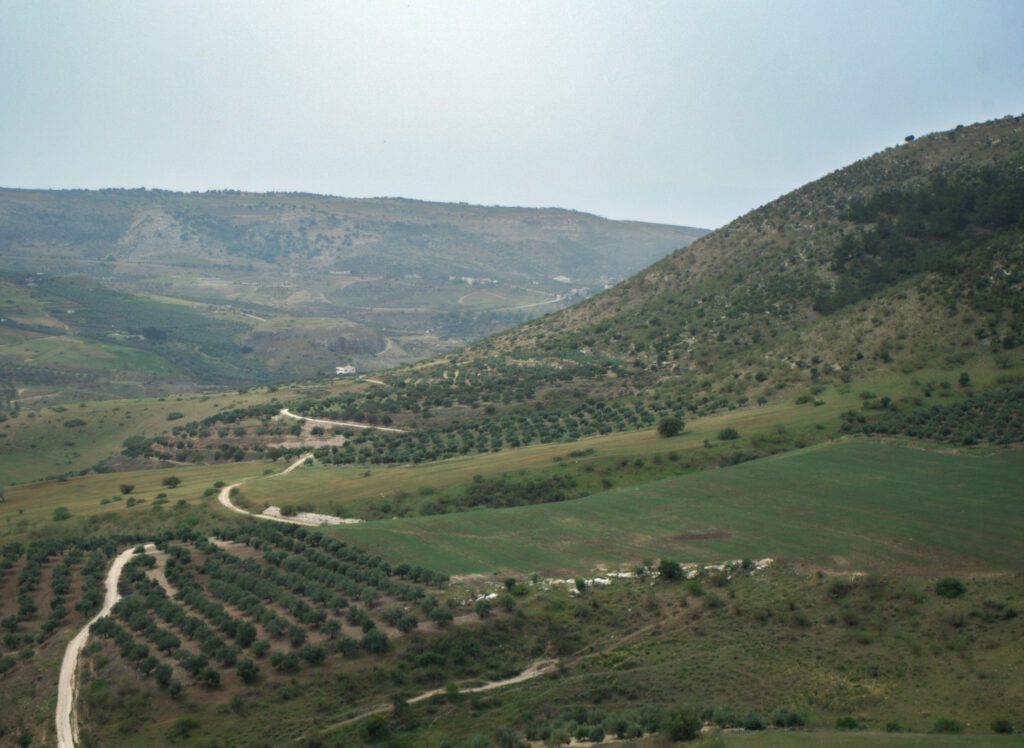
The Ajloun hike was scenic but felt like filler. Sharing space with other groups made it less personal. Still, the rolling orchards were lovely. It felt a bit random, and I can say I hiked miles through Northern Jordan.
Arriving at Beit al Baraka felt like stepping into a film set — a courtyard of orange blossoms, warm hosts, and a property that doubles as a community hub. They run local tours, and it was the coziest stay we had. I would 10/10 stay again.
Day 2: Umm Qais Ruins & Arab Dam Hike
At a Glance
- Highlights: Gadara ruins, Arab Dam hike with Farag
- Meals: Breakfast, Lunch
- Accommodation: Beit al Baraka, Umm Qais
What We Did:
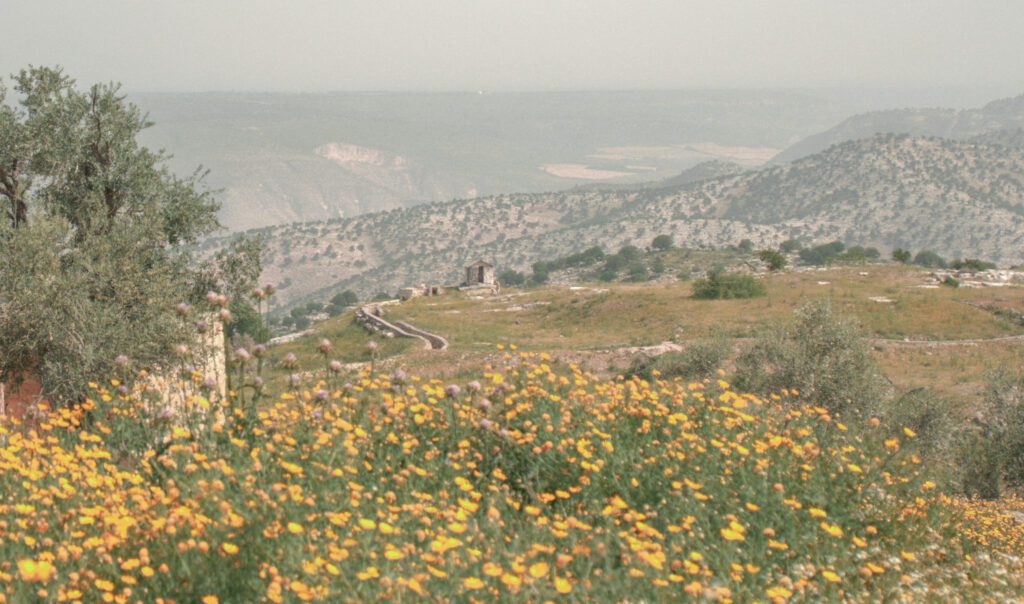
- Visit the ruins of Gadara with views into Israel and Syria
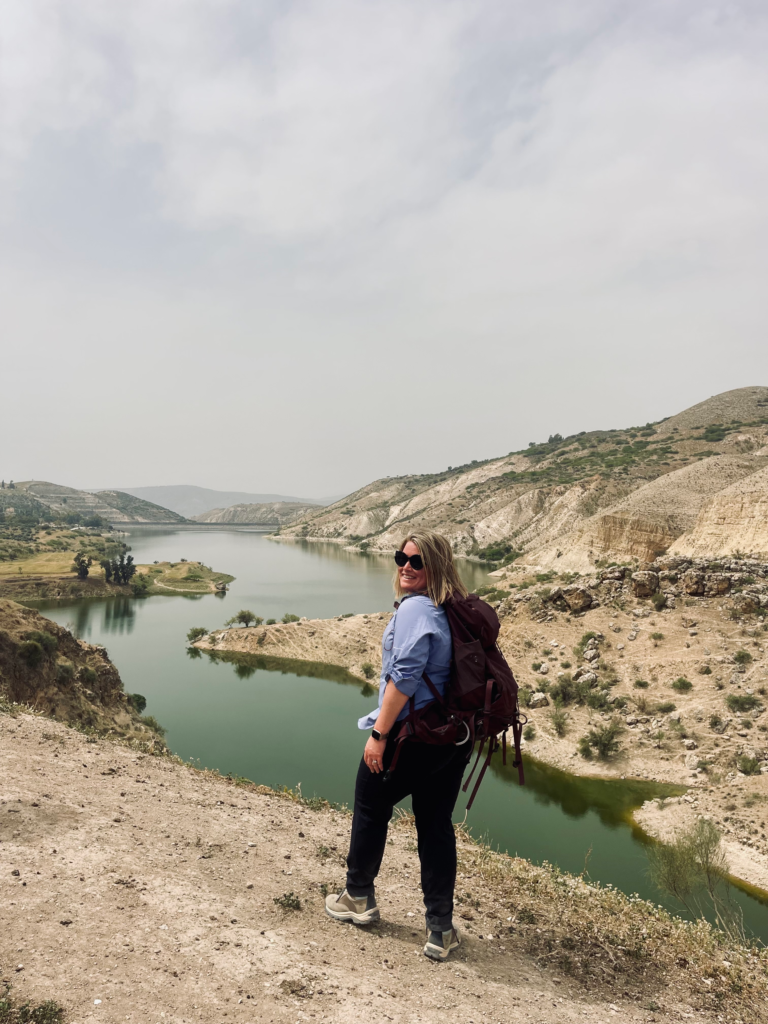
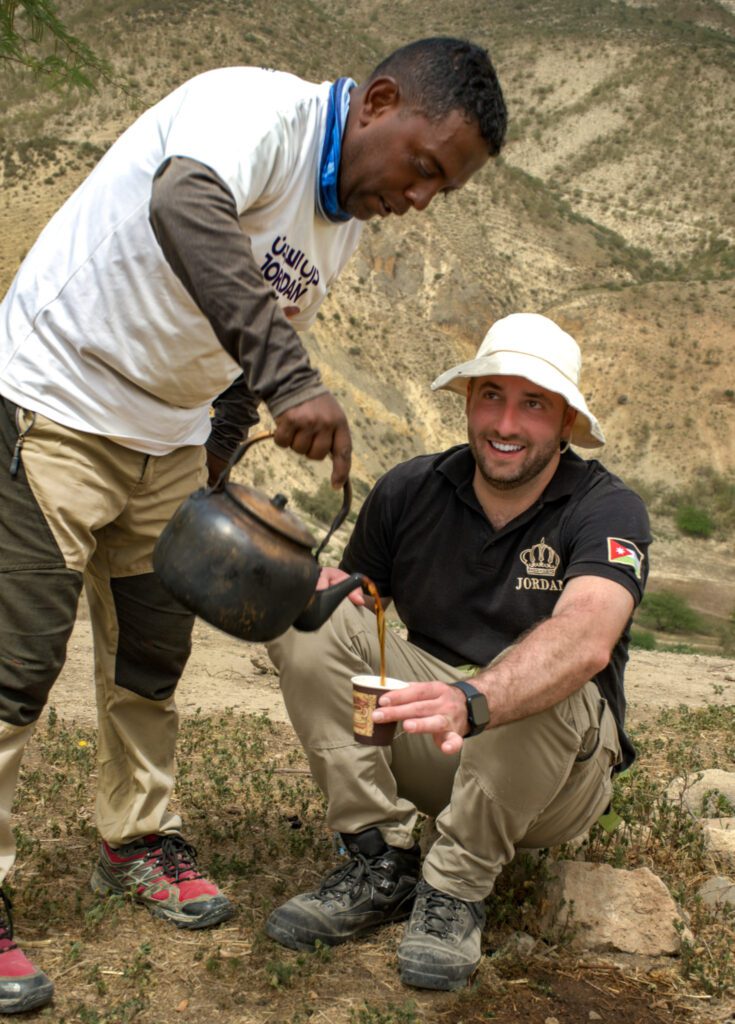
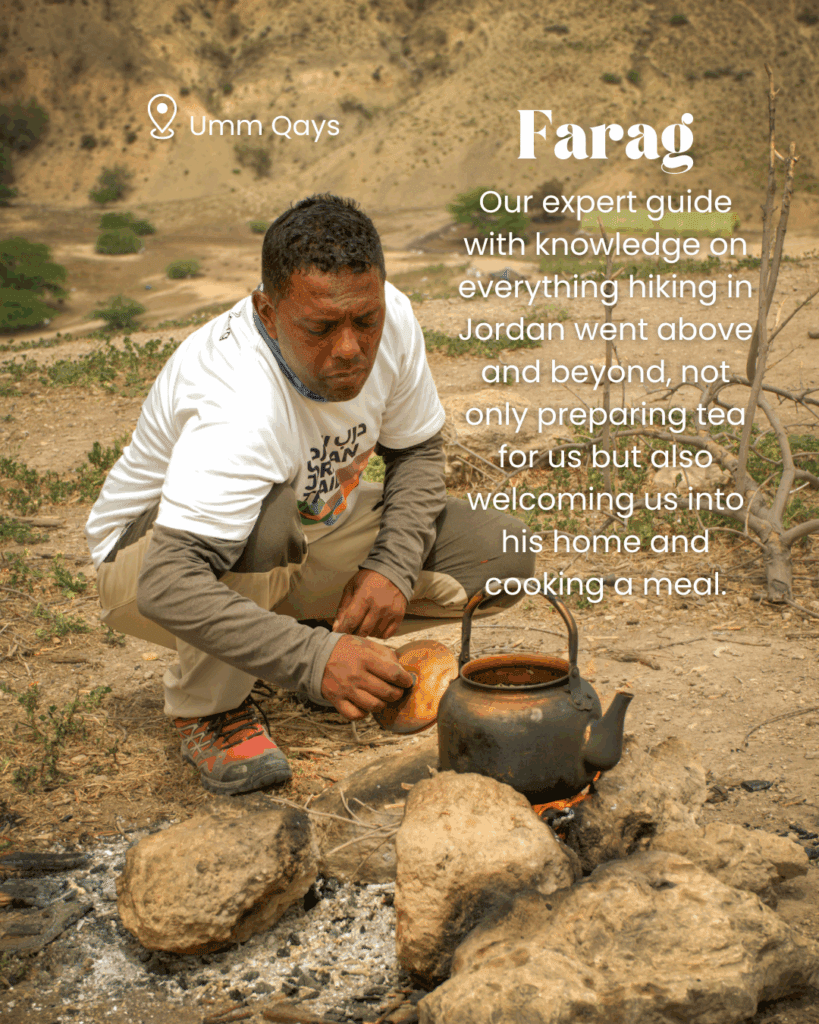
- Hike 12–13 km to the Arab Dam with Farag, a local guide who once hiked with the King of Jordan
- Picnic lunch
- Overnight in Umm Qais
My Thoughts:
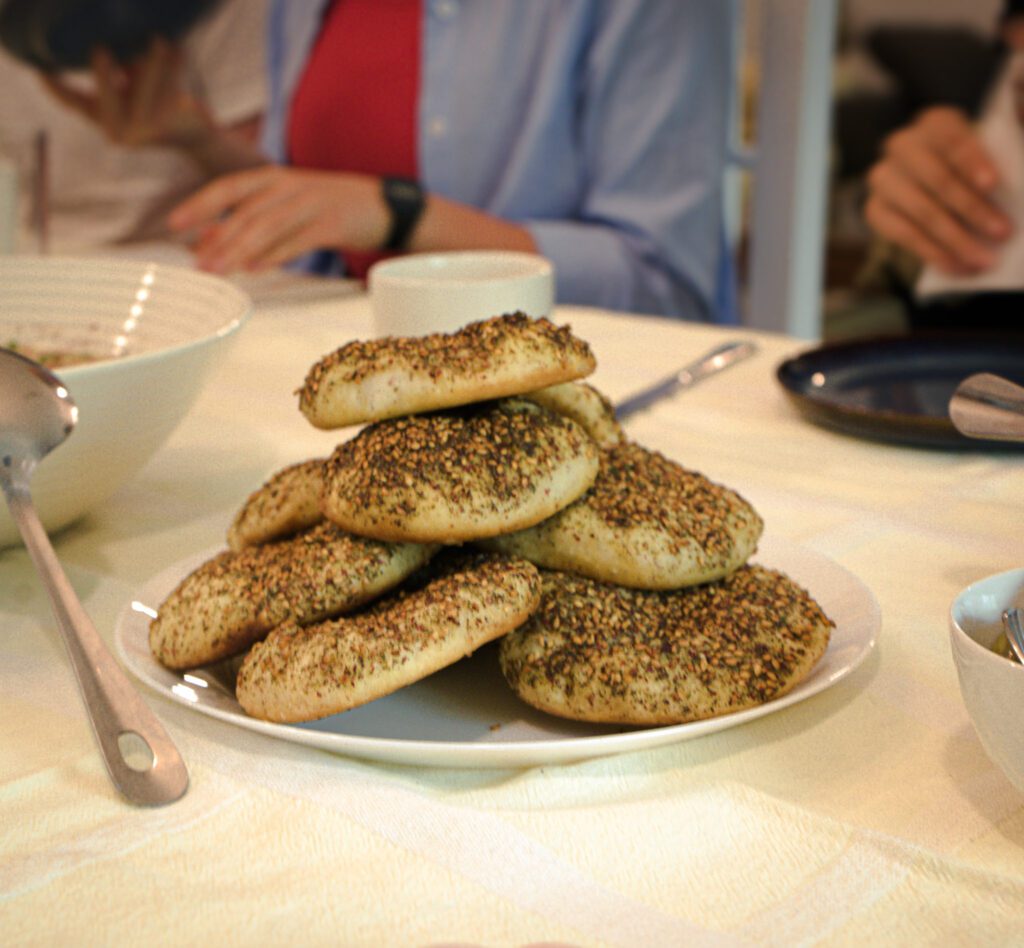
Breakfast at Beit al Baraka was the best of the trip: za’atar manaqish, fresh cheeses,and homemade jams. This was my favorite stay, with comfortable rooms, warm hosts, and the smell of orange blossoms in the courtyard.
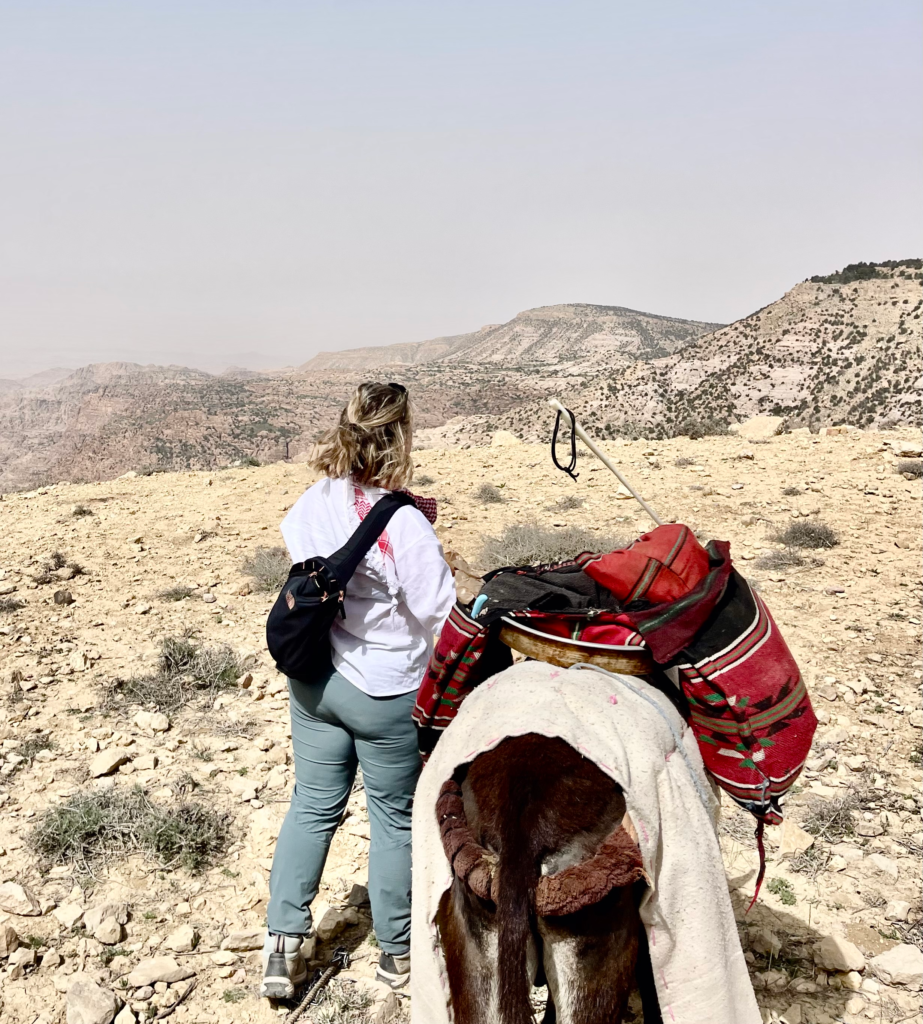
Northern Jordan deserves more love. Gadara’s ruins, overlooking the Sea of Galilee, were hauntingly beautiful. This is where we learned more about the Nakba and political tensions here. Everything was brought down to reality after that chat. Farag, our hiking guide for the day, had a personal connection, and his family has lived in this area for ages.
The Arab Dam hike was long but worth it. Farag, funny, direct, deeply connected to the land, made it memorable. He later invited us into his home for dinner (10 JOD). Sitting cross-legged on his floor, eating food prepared by his family, is something I’ll never forget.
We had a chance to ask Farag questions, and when it was my turn, I asked:
” What’s one thing you want people to know about Jordan?“
He replied directly, honestly, and with so much heart,
” that we are open, that we are welcoming and safe. I would love to welcome others to my country.”
That landed with me. Jordan has weathered some tough years — regional tensions have impacted the tourism industry and the people who rely on it, and COVID dealt another major blow to the economy. It’s a country that’s carried more than its share of hardship.
One thing to know: you’re close to the border here. We carried passports in case of checks. It added weight to the day — both literally and emotionally.
Book the G Adventures “Jordan Active Adventures” tour I took: Click here
Day 3: Umm Qais → Dana Biosphere Reserve
At a Glance
- Highlights: Dana Village walk
- Meals: Breakfast, Dinner
- Accommodation: Wadi Dana Eco Camp
What We Did:
- Drive 4 hours south to Dana Biosphere Reserve
- Short hike through Dana Village (2 km)
- Overnight at Wadi Dana Eco Camp
My Thoughts:
This was such a long day, so prepare for this one. Thank goodness the bus is comfortable, because you’re going to be sitting on it for a while. We stopped at a roadside spot to try mansaf, Jordan’s traditional dish of tender lamb served over rice with a rich, tangy jameed sauce. It was actually pretty good.
Another adjustment to the Jordanian lifestyle, people can smoke indoors, so be prepared for that. At every stop, we went into that was an issue for some people. I just chose to sit further away from the smokers.
Arrival in Dana
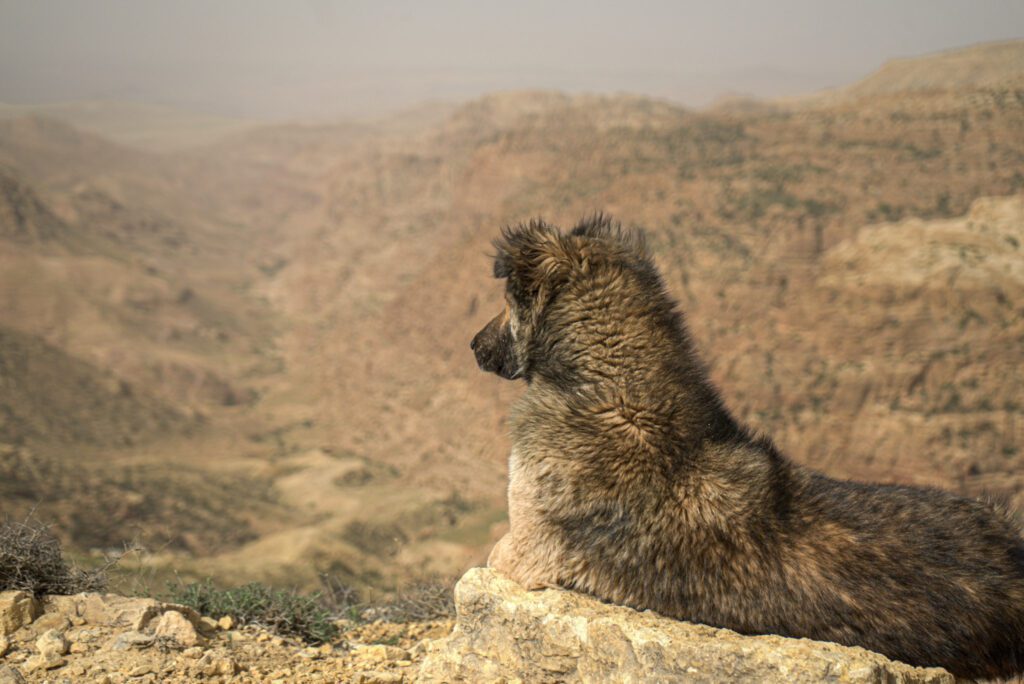
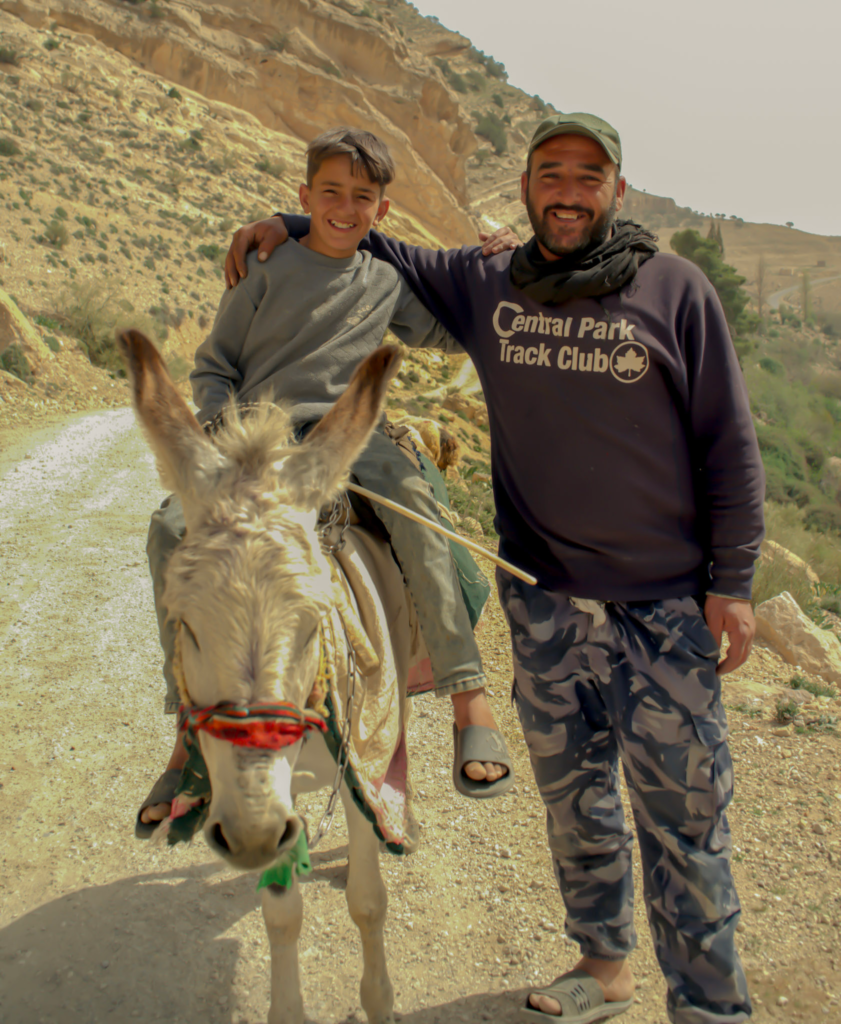
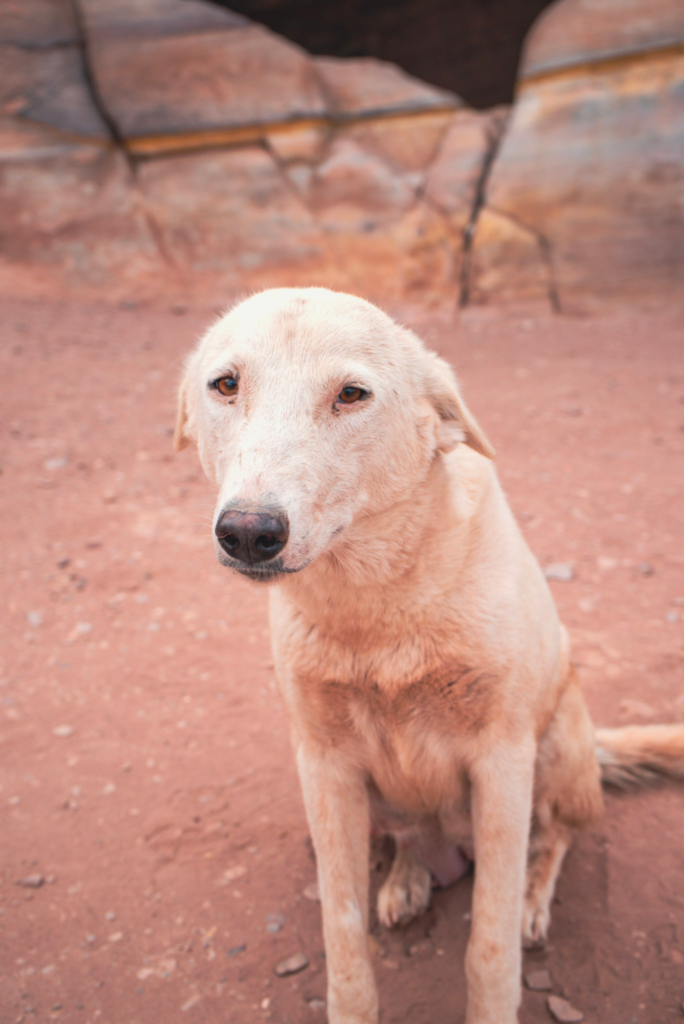
Pulling into Dana, you realize how remote it is. The 400-year-old village clings to the canyon edge. We walked its alleys, paused at a lookout, and tried to push further down the trail — but sunset caught us, and climbing back was brutal. It was straight up and your calves hate you for this! Along the way, local village dogs and donkeys meandered through the streets. I wanted to pick up a few puppies and take them home, but I couldn’t.
The eco-camp was simple but welcoming. Limited electricity, but the views made up for it. Dinner was a deliciously prepared meal of local dishes. Middle Eastern delicacies piled high and fresh.
Another note to remember: it’s suggested to bring a water bottle and fill it only with bottled water. What I loved about this trip was that our driver had installed a cooler in the bus, and Firas bought bottled water when he could. It was a nice added touch.
Day 4: Hiking With a Shepherd in Dana
At a Glance
- Highlights: Shepherd trek, picnic lunch
- Meals: Breakfast, Lunch, Dinner
- Accommodation: Wadi Dana Eco Camp
What We Did:
- Full-day trek (10–12 km) alongside a shepherd and his goats
- Picnic lunch
- Return to the eco-camp for dinner
My Thoughts:
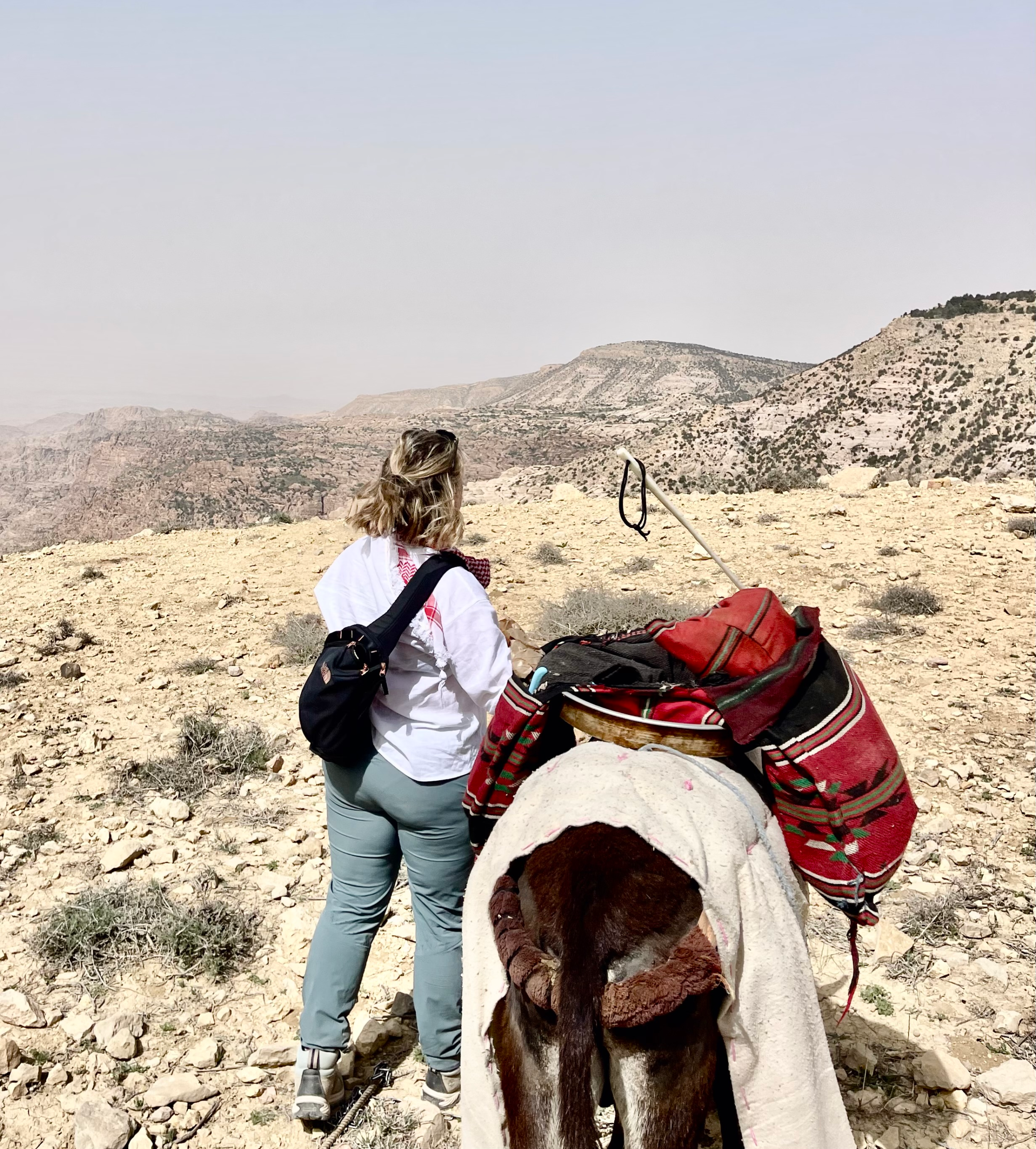
This was unique. Walking with a shepherd gave me perspective on Jordan’s timeless traditions. Still, I wished for more hiking deeper into the valley — this day felt slower than expected.
Expect an early start and be ready to follow your shepherds, Fadi and Shadi. These two are genuinely hilarious, and I think you’ll feel the same within minutes of meeting them. You’ll walk along the hillsides with dozens of goats, herding them with five or six dogs — and more will inevitably appear out of nowhere. Fadi and Shadi are brothers who run the shepherding operation, and spending a morning with them feels like stepping into a slice of daily life most travelers never see.
You’ll also help make a traditional dish of potatoes, tomatoes, tuna, and onions mixed and cooked over the fire itself. Everyone gets involved, chopping ingredients with whatever tools are on hand — we had one knife for everything.
At our Eco-Hotel, the view from my room stretched across the canyon, and I stayed outside until the stars came out and the temperatures dropped.
Pro tip: when you’re packing for Jordan, bring light clothing for the daytime and a sweater or light layer for the cooler evenings.
Day 5: Dana → Little Petra → Petra
At a Glance
- Highlights: Little Petra, Monastery, Treasury
- Meals: Breakfast (included), Lunch (not included)
- Accommodation: Hotel in Petra (the city)
What We Did:
- Drive to Little Petra
- Hike the backdoor trail into Petra (13–14 km)
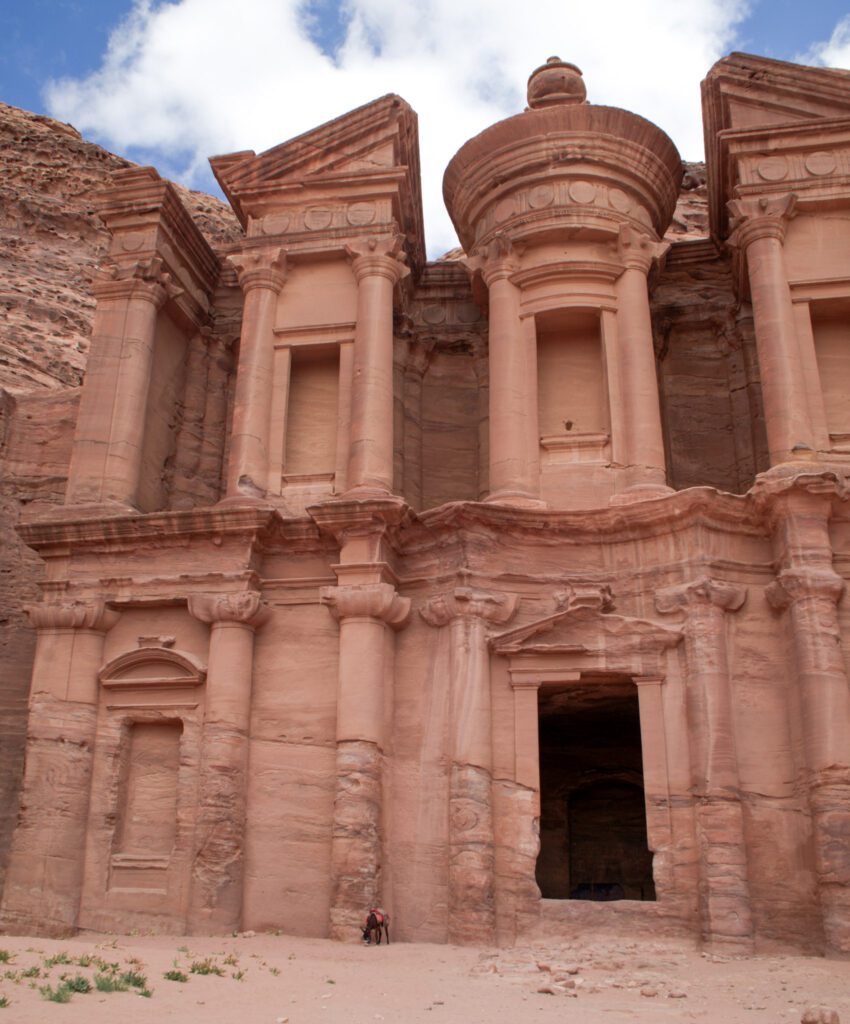
- Visit the Monastery and finish at the Treasury
- Overnight in Wadi Musa
My thoughts:
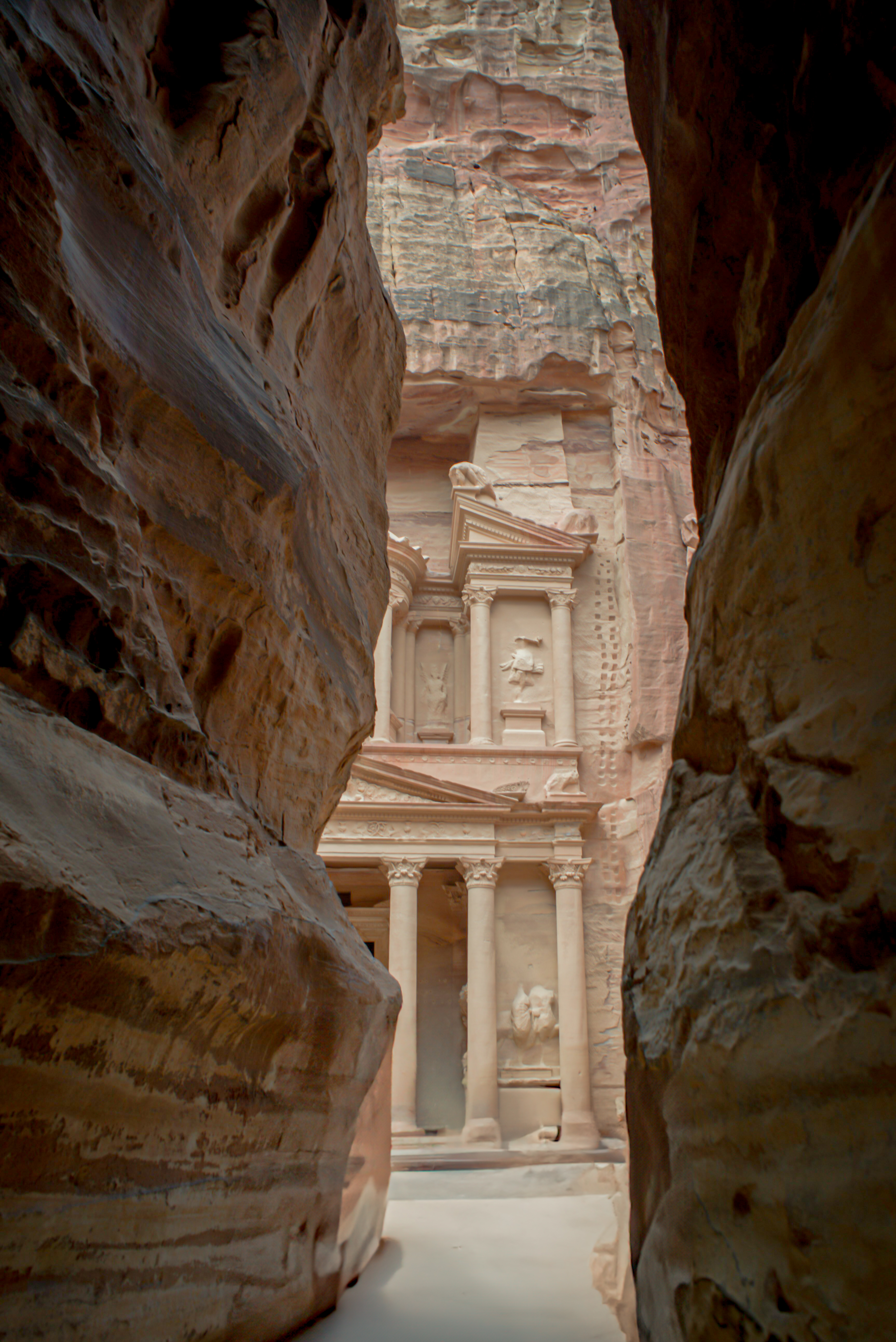
We were alerted to a flood advisory in Petra, so we had to leave Dana at dawn to stay ahead of both the weather and the early-morning rush. It’s something worth remembering — Petra fills quickly, especially with travelers hoping to see the light hit the Treasury before about 10 a.m. Once the sun shifts, the façade slips into shadow. Leaving early was the only way to make it work.
We arrived just in time. The clouds lifted, the crowds were thin, and the timing couldn’t have been better.
Then Firas gave us a surprise I’ll never forget. He lined us up, asked us to close our eyes, and guided us to a viewpoint in the Siq just before the opening. When we opened them, the Treasury was framed perfectly in front of us. Goosebumps.
And since social media loves to distort this place, here’s the truth: those “secret” viewpoints above the Treasury you see online are closed for safety reasons. Access is restricted, and anyone promising otherwise is misleading travelers.
Book the G Adventures “Jordan Active Adventures” tour I took: Click here
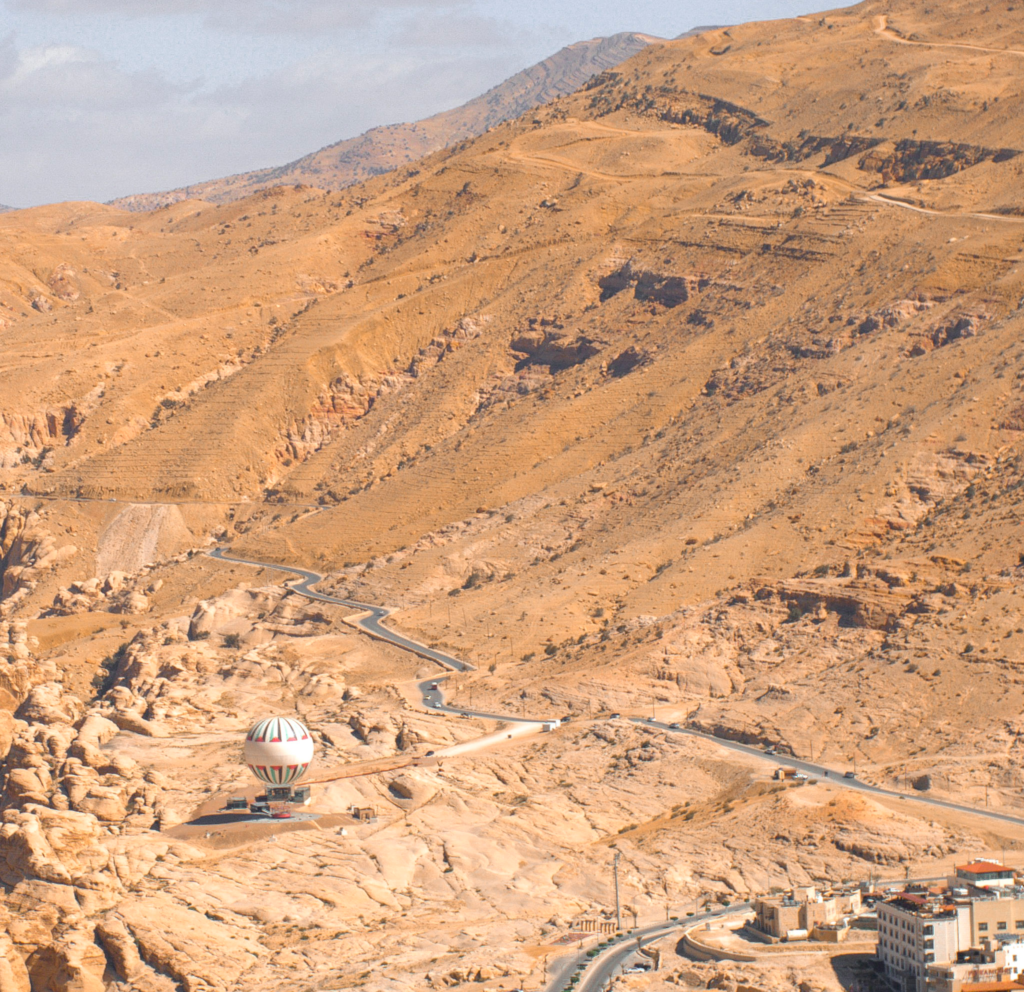
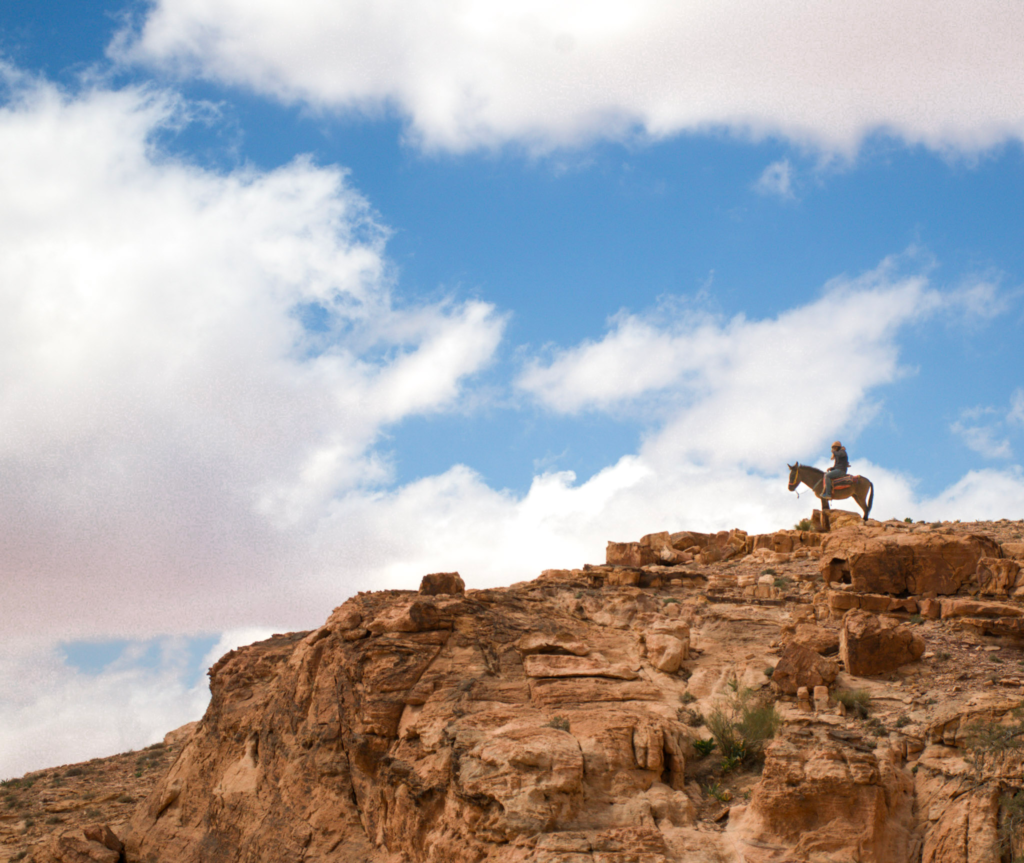
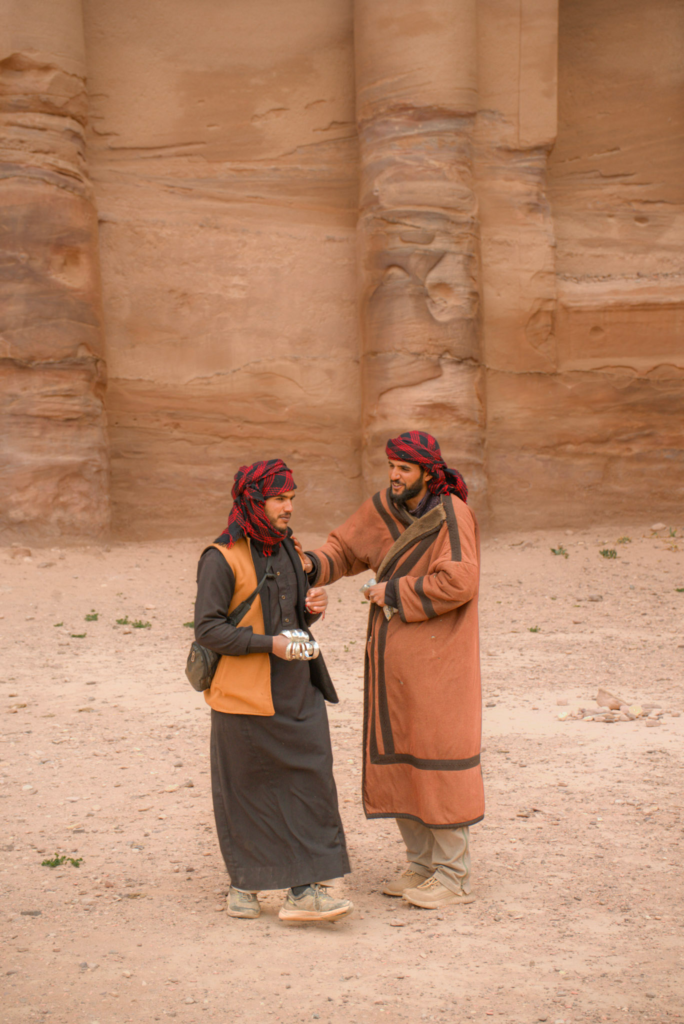
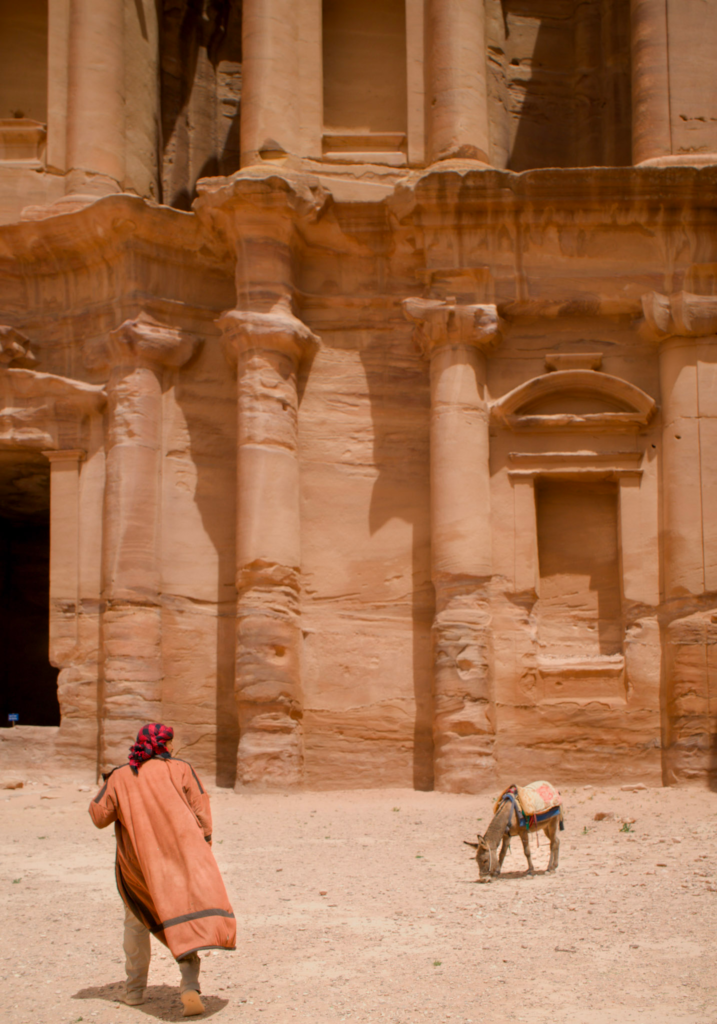
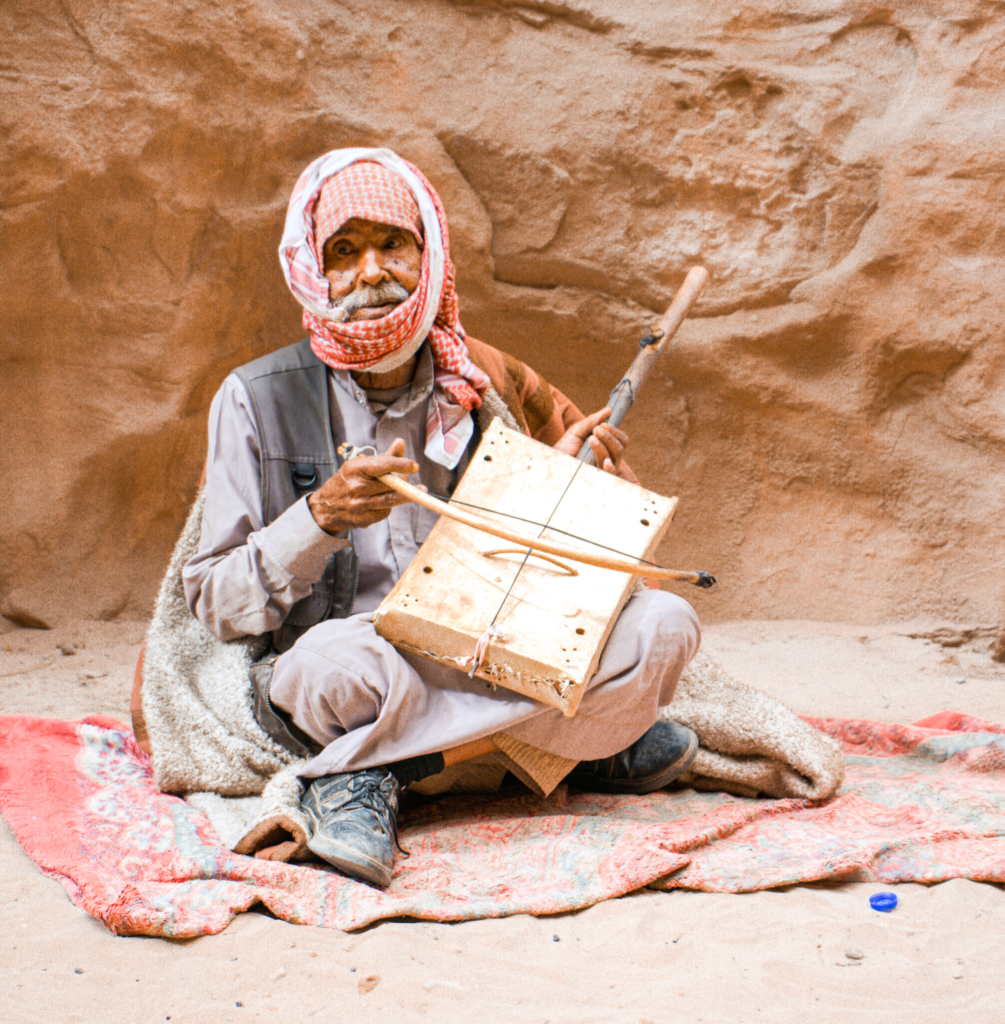
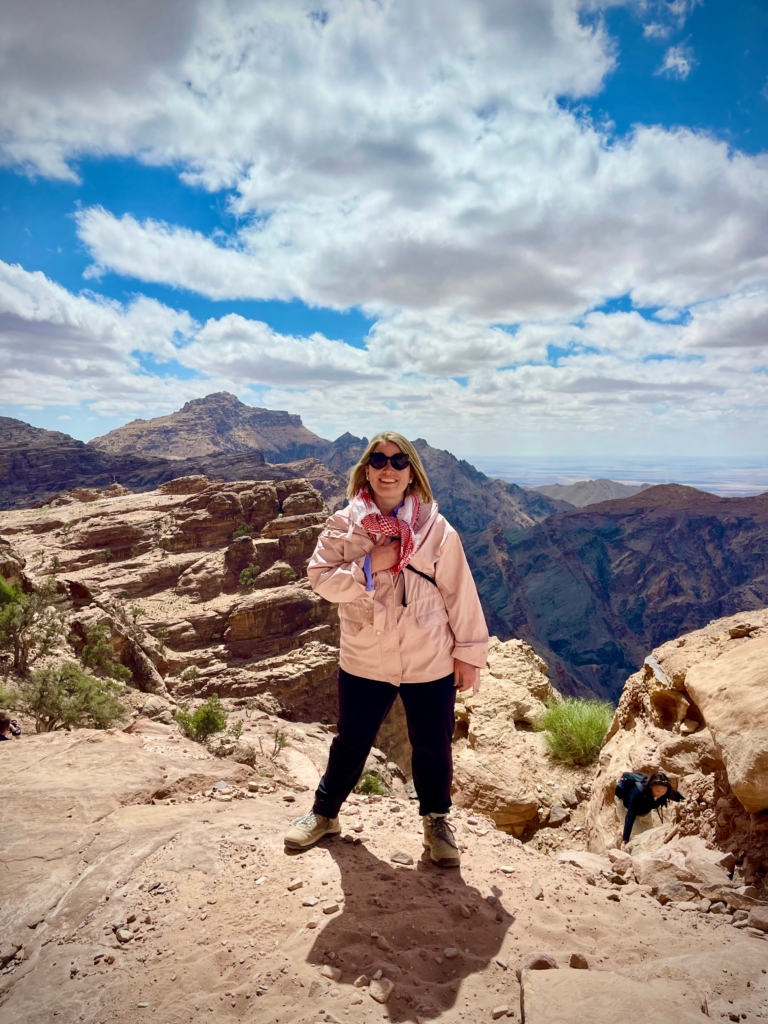
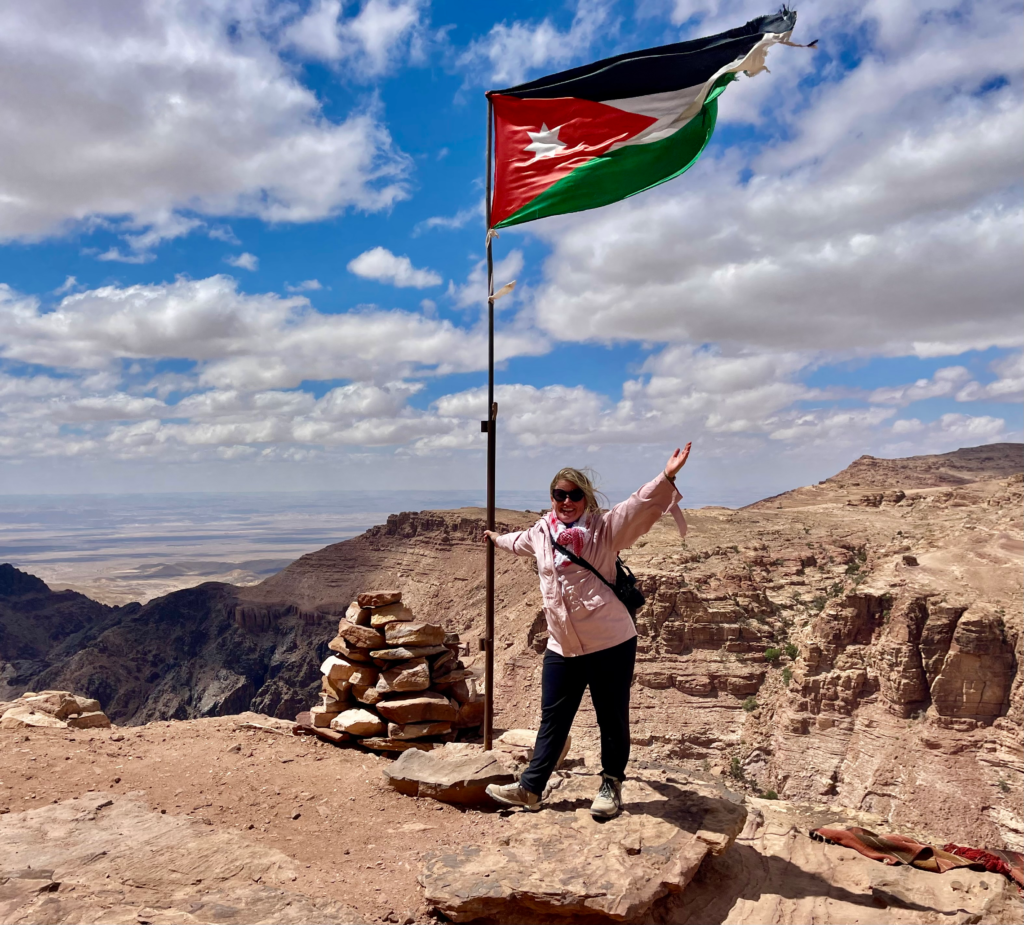
Be prepared for 850 steps to the Monastery but along the way, you get some beautiful viewpoints, you can stop at shops and talk with the locals. This was the best part.
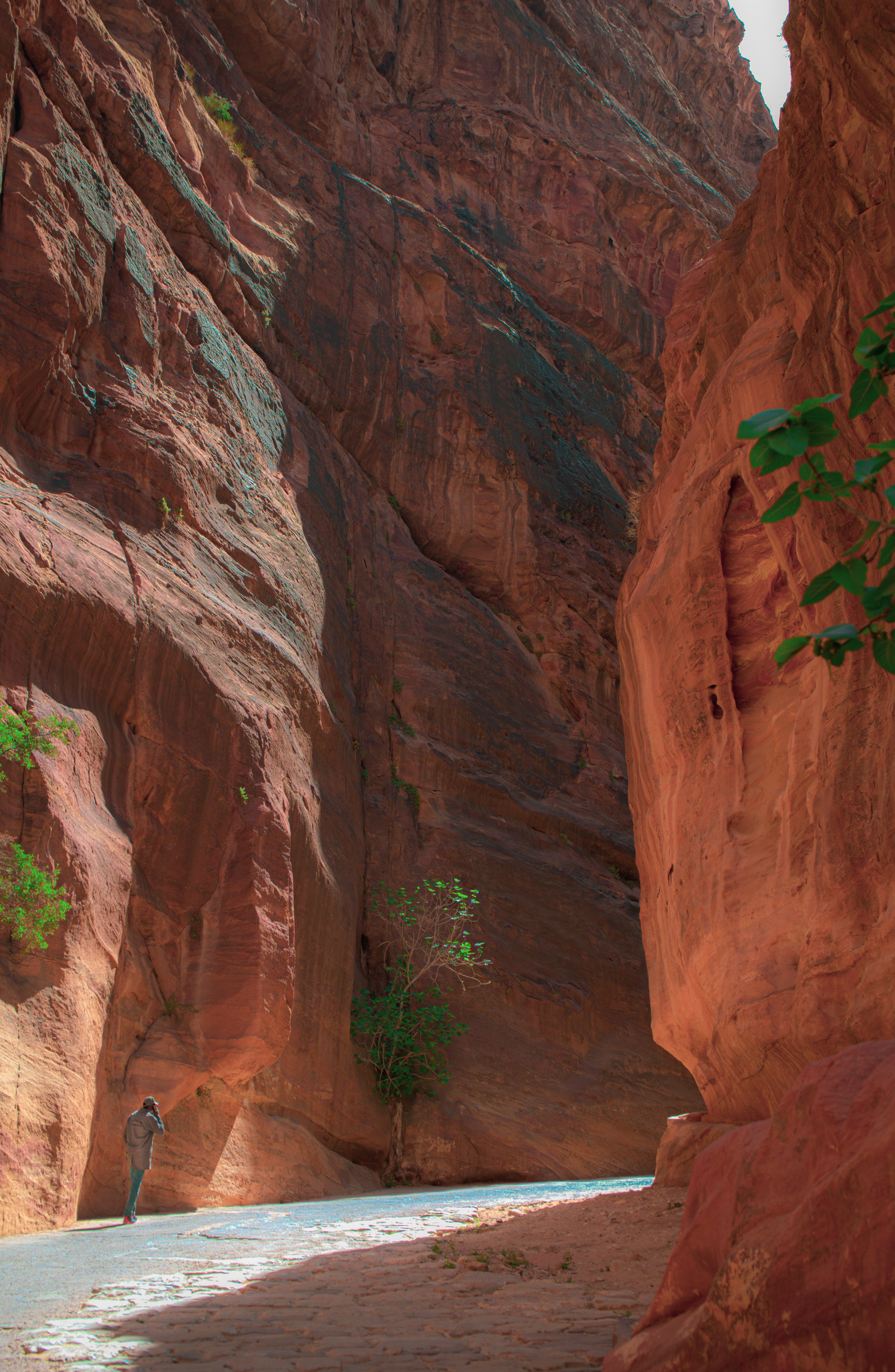
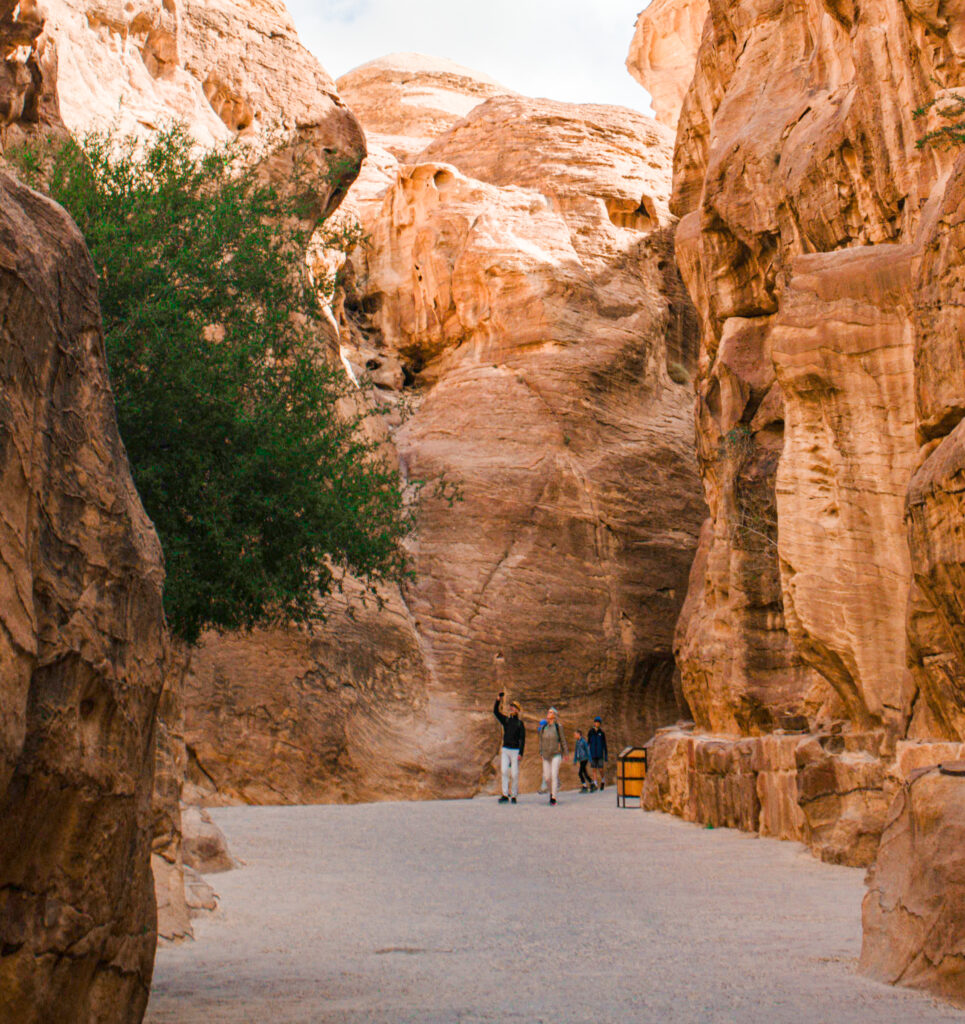
As for the hike itself, it was stunning but tight on time. You could easily spend hours wandering through Petra’s tombs, facades, and hidden corners. Walking through the site felt like stepping into a living history book. You’ll also learn about the Bedouin communities who once lived inside Petra and were later relocated to a nearby village, a story that carries layers of controversy and complexity
We ended our time at Little Petra. There isn’t much to this place, but it’s still beautiful to wander through.
Day 6: Petra → Wadi Rum
At a Glance
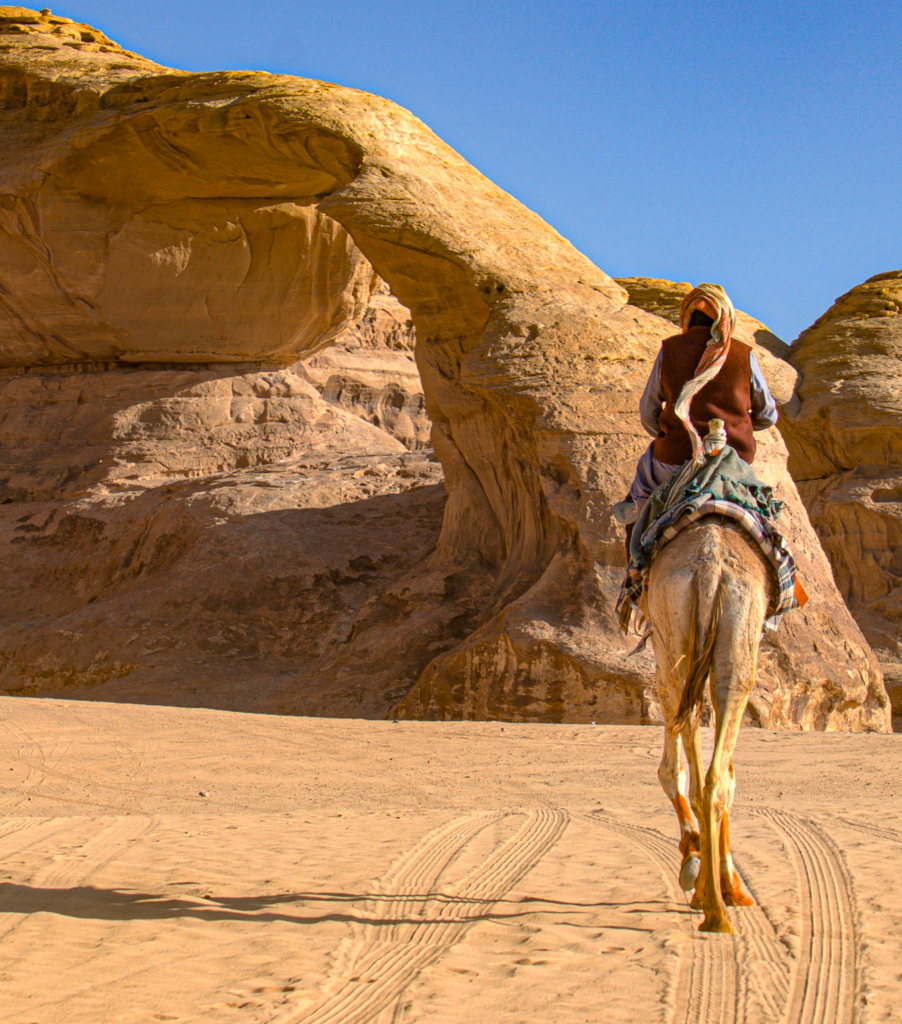
- Highlights: 4×4 desert safari, stargazing
- Meals: Breakfast, Dinner
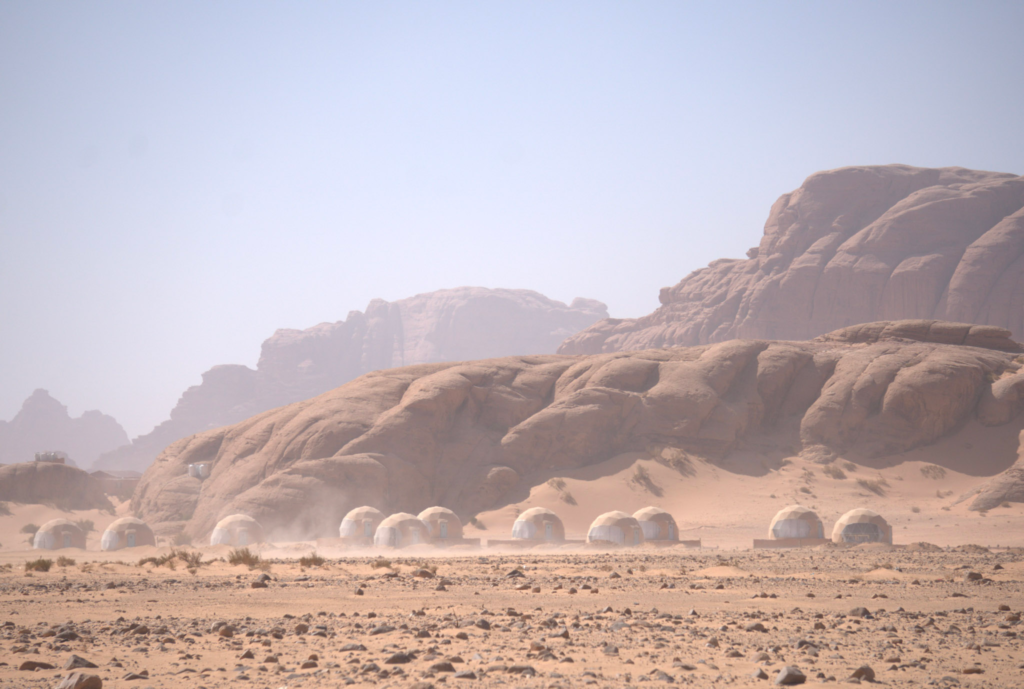
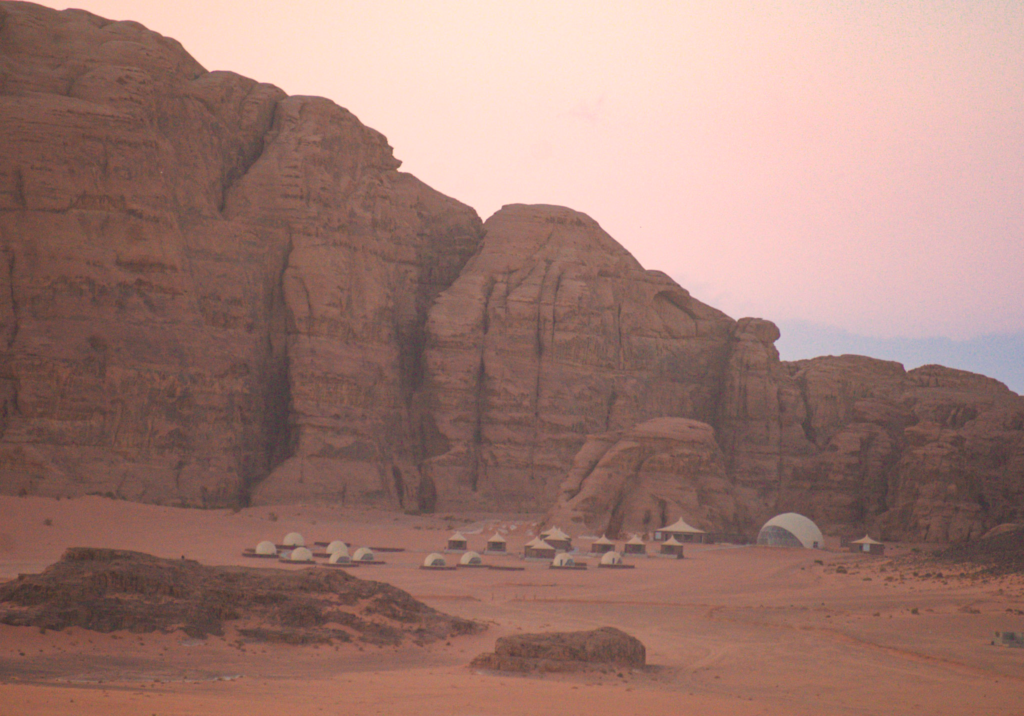
- Accommodation: Bedouin desert camp
What We Did:
- Transfer to Wadi Rum (2.5 hours)
- Afternoon 4×4 safari through dunes and rock formations
- Traditional Bedouin dinner
- Night walk + stargazing
- Overnight in desert camp
My Thoughts:
From Petra to Wadi Rum, it’s a decent drive, so get ready for the desert to slowly unfold around you. Our bus made a quick stop at a gas station on the way, and honestly, Jordanian gas stations have some of the best snack selections. I grabbed falafel fries and cardamom cookies and loved both.
Before reaching Wadi Rum, we stopped at the historic Hijaz Railway. Your CEO will explain the significance when you’re there, so I won’t spoil the moment.
After paying the park entrance fee, we met our Bedouin driver and switched vehicles. This is where a small bag or a 30–36L backpack really helps, since you’ll be transferring from the bus to a 4×4 jeep to reach the camp.
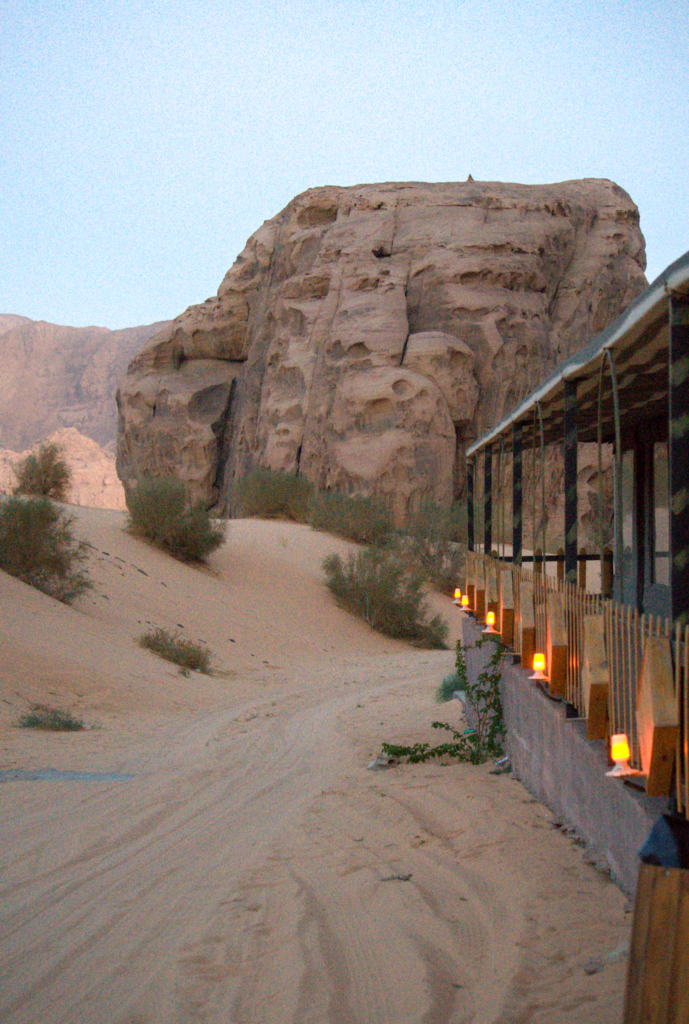
Our hotel was small, comfortable, and surprisingly spacious. I had a room with three beds, so I had plenty of room to spread out before our next adventure.
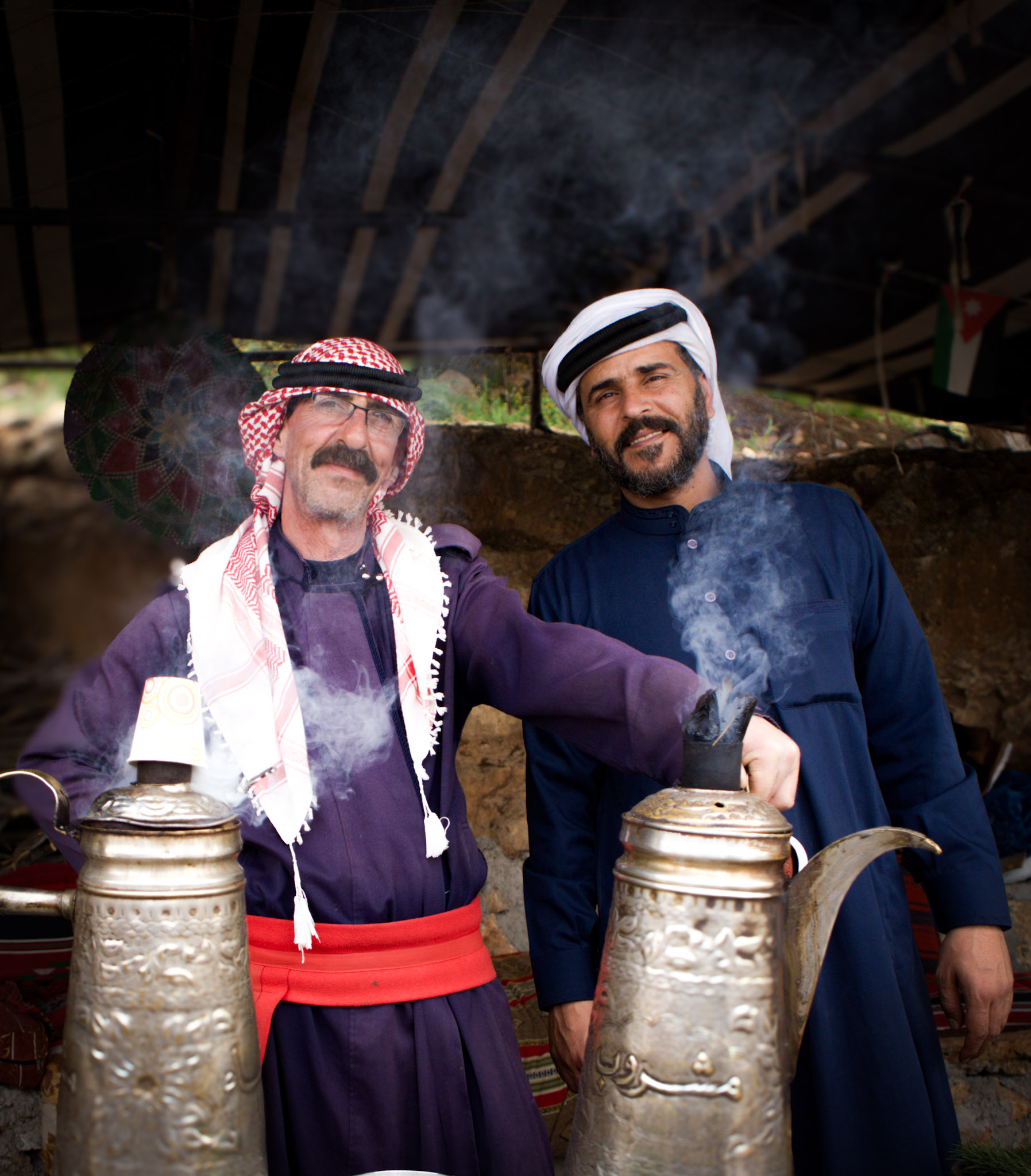
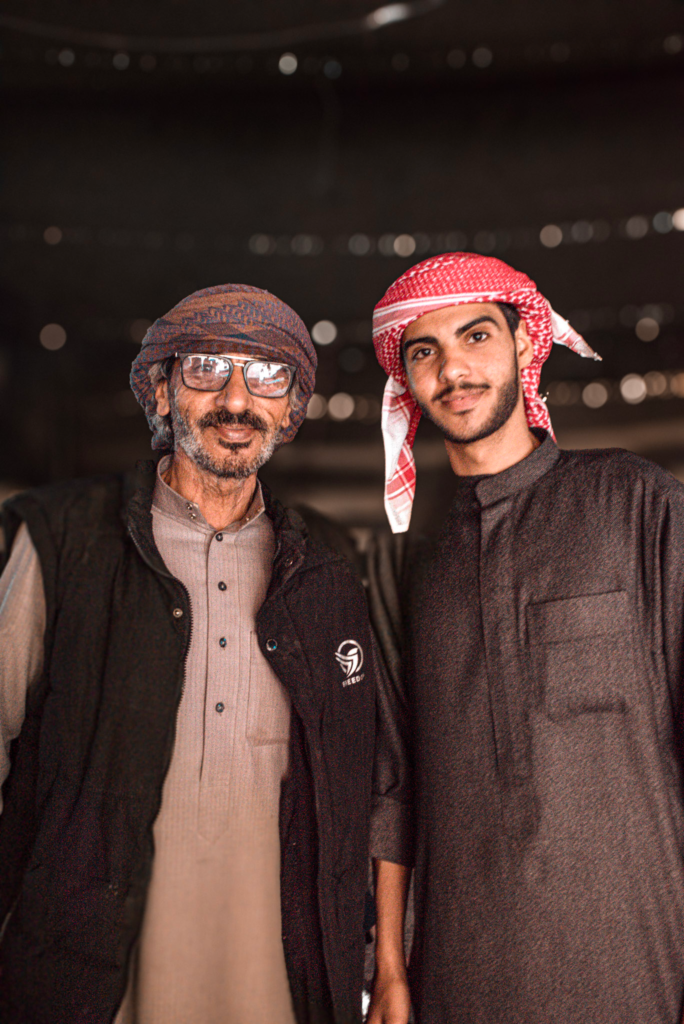
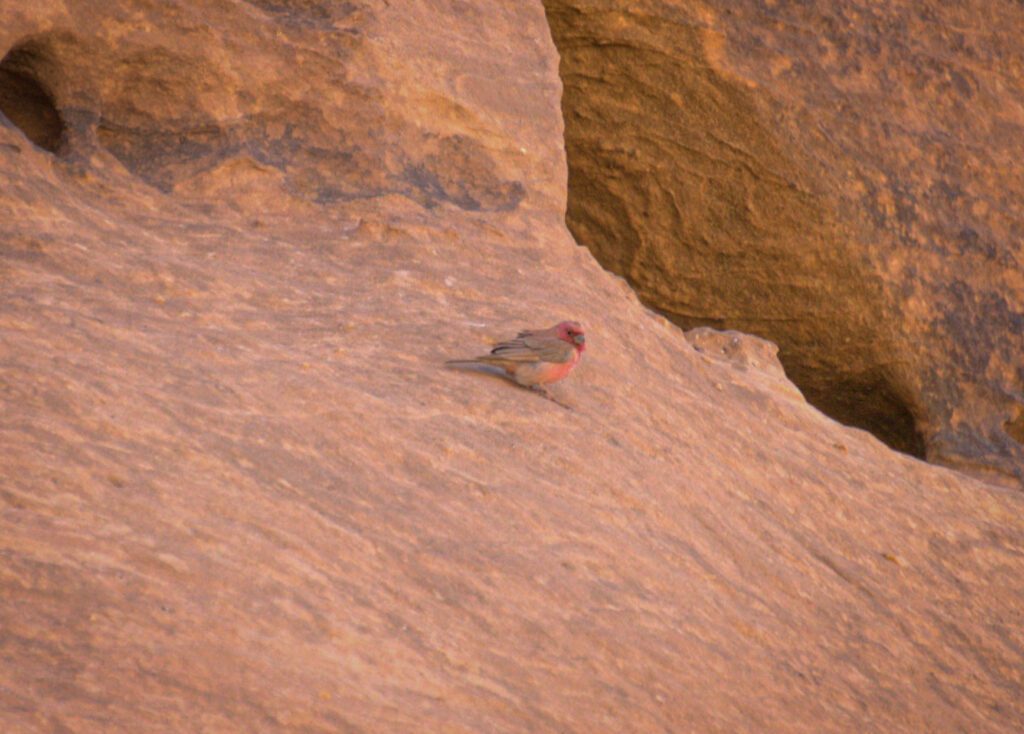
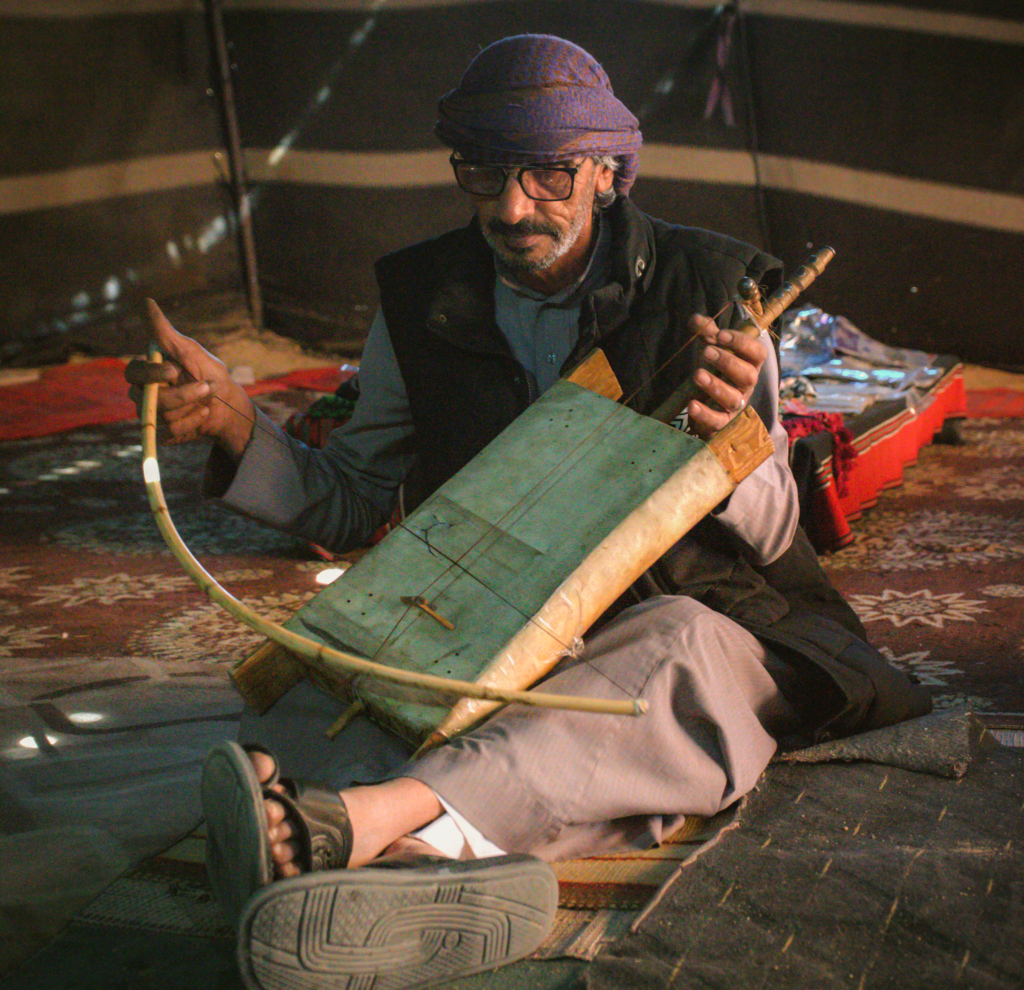
We had about thirty minutes to settle in before heading out for our 4×4 ride through Wadi Rum. The entire excursion lasts around two and a half hours and takes you to several filming locations you’ll probably recognize. My favorite moment was stopping at a Bedouin tent where a man began to sing. The whole tent fell quiet. We just listened. Then we asked questions. It was the kind of genuine connection you don’t always get on trips like this, but this one creates those moments naturally.
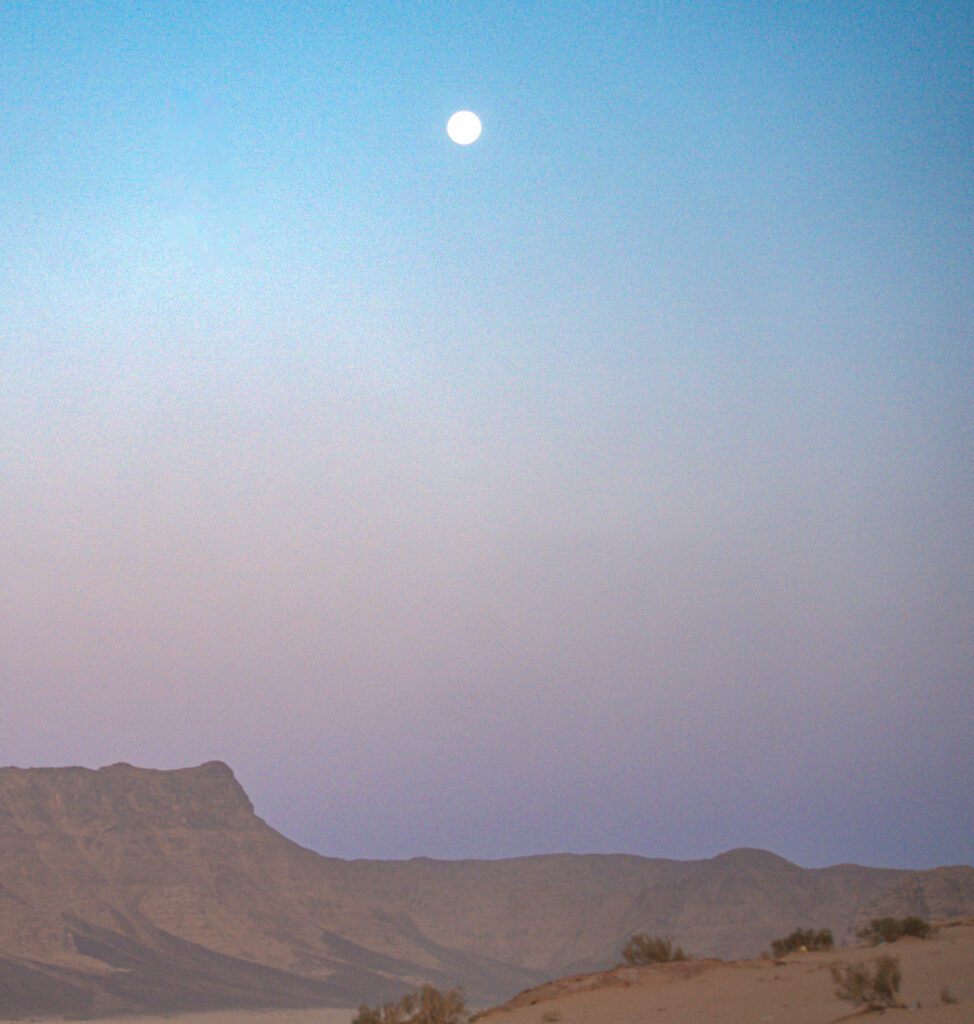
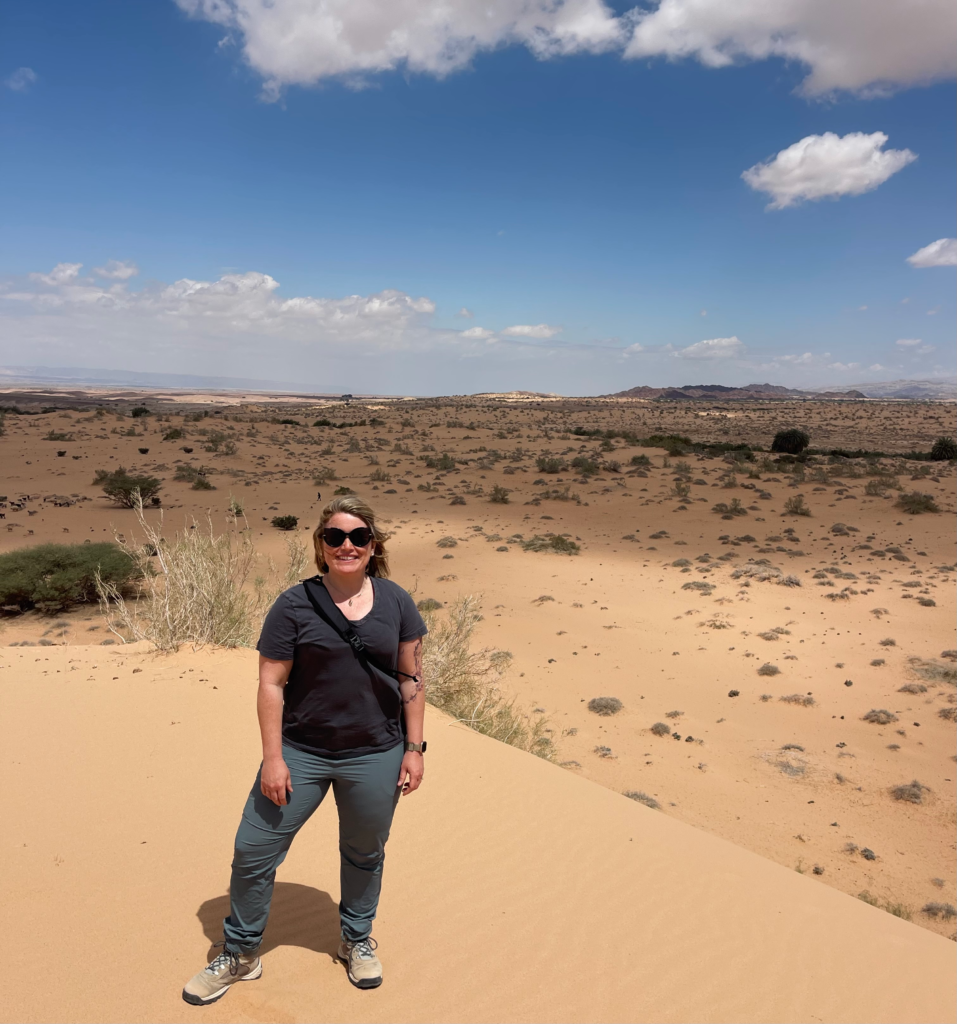
Wadi Rum is humbling. The silence, the vastness, the stars — it’s a place that invites reflection.
We had tea by a fire during our night walk, then listened to Bedouin music under the stars. It felt completely timeless.
I only wish we’d stayed longer. And if you go, bring bug spray. The mosquitoes don’t care how magical the desert night is.
Day 7: Wadi Rum → Wadi Araba → Dead Sea
At a Glance
- Highlights: Wadi Araba hike, floating in the Dead Sea
- Meals: Breakfast
- Accommodation: Dead Sea resort hotel
What We Did:
- Morning hike in Wadi Araba
- Transfer to the Dead Sea
- Float + mud bath
- Overnight near Dead Sea
My Thoughts:
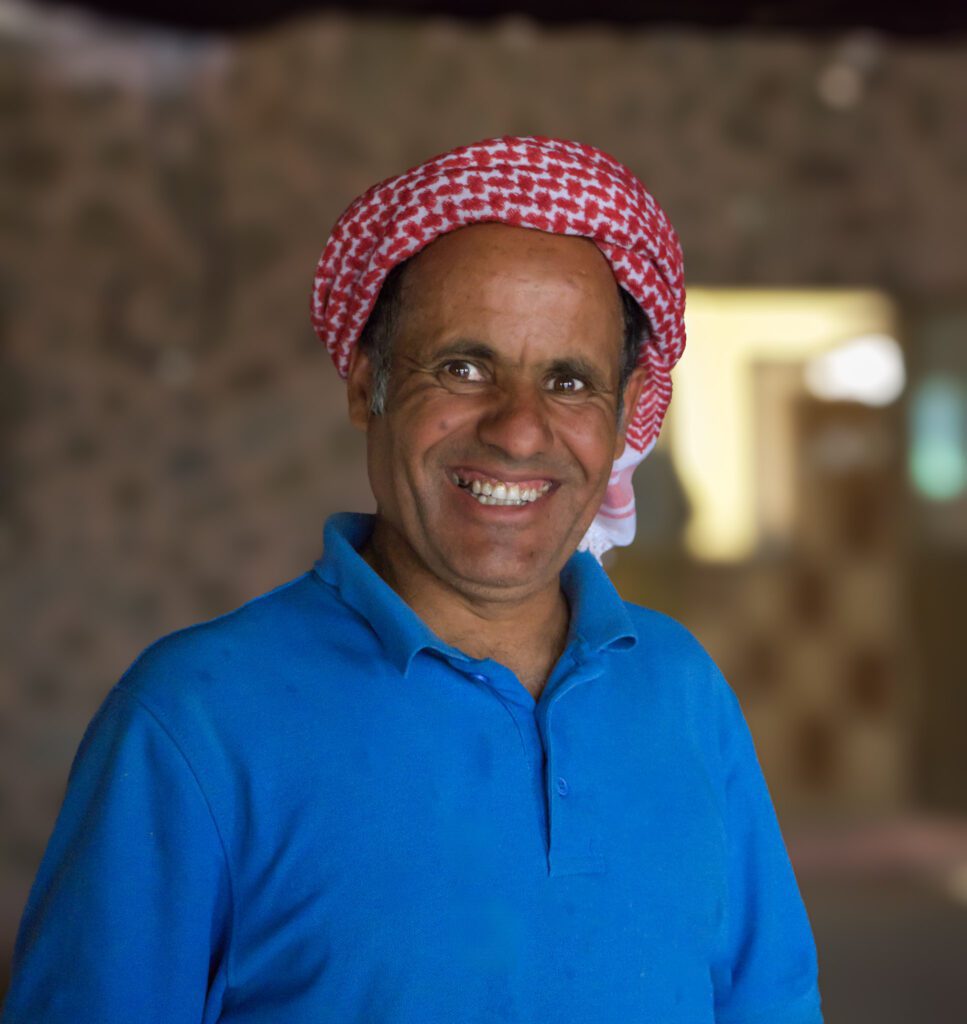
We left Wadi Rum early and made our way toward the Dead Sea, passing through Aqaba, where we learned about the Arab Revolt. Before reaching the coast, we had one more stop: a short hike with a man named Mohamed. He’s a farmer and guide from Wadi Musa, and he met us in his small 4×4, full of warmth and energy. He drove us to the trailhead, taught us about the local ecology, and then invited us to his restaurant — استراحة الوسط, the Halfway Rest Stop and Bedouin Kitchen.
This stop filled my heart. His entire family helped prepare lunch, and it was one of the most memorable meals of the trip. The lentil dal soup was absolute perfection.
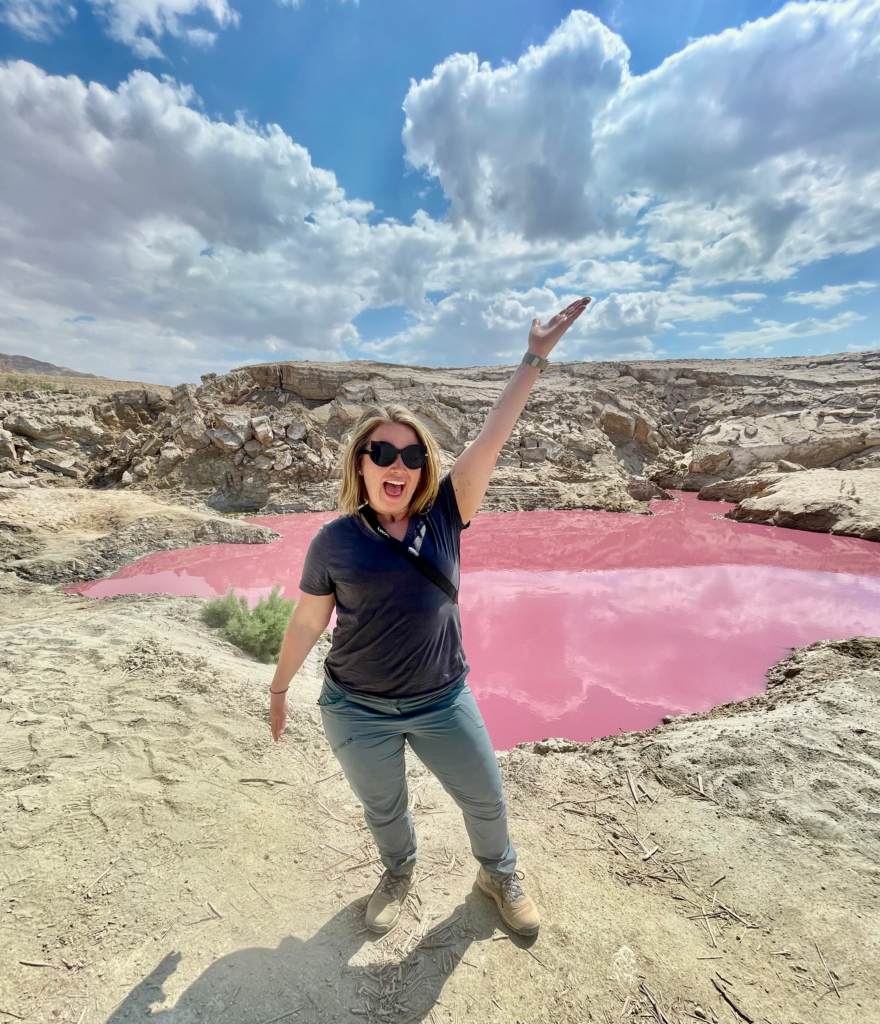
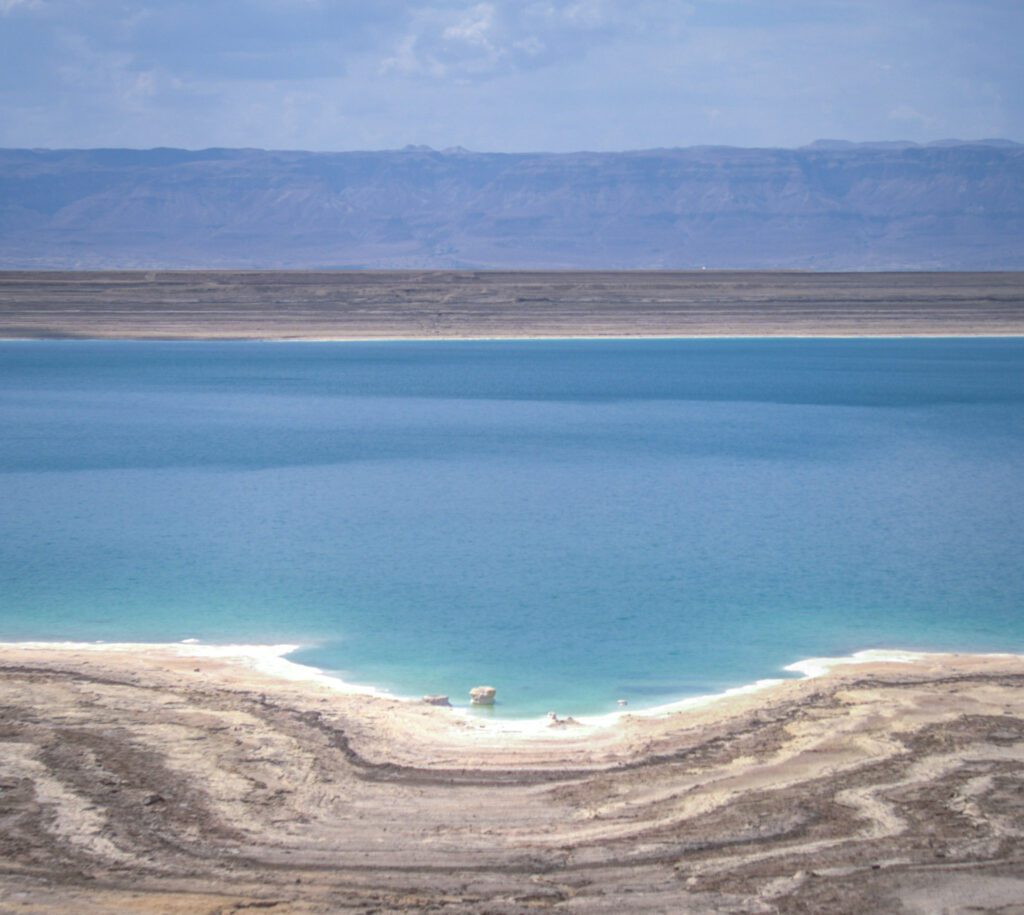
Floating in the Dead Sea was surreal — I couldn’t stop laughing at how buoyant I was — but the day itself felt rushed.
My room that night faced the border with Israel. With everything happening just across the water, it felt heavy. The hotel reflected the strain: occasional power outages, limited food options, and very few guests. Tourism is struggling, and you feel it here.
Bags go through a security check on arrival. It’s a reminder of how close Jordan sits to regional tensions, and how resilient the country continues to be.
Day 8: Dead Sea → Amman
At a Glance
- Highlights: Easy return to Amman
- Meals: Breakfast
- Accommodation: N/A
What We Did:
- Breakfast + onward transfers
- Optional G Adventures-arranged airport transfer
My Thoughts:
My driver was waiting at the hotel parking lot. The ride back was smooth, and Amman Airport was surprisingly easy to navigate (though security is tight). Leaving was bittersweet — I wasn’t ready to go.
What to Expect in Jordan
Jordan is one of those places that stays with you long after you leave. People are genuinely warm and curious, always ready to help with directions, share a story, or make sure you’re enjoying their country. The food is rich and comforting, the landscapes shift from soft desert light to ancient canyons, and the history—religious, cultural, and archaeological—sits in every corner.
As a woman, you don’t need to cover your hair unless you personally want to. But I followed cultural norms. You’ll see everything from jeans and T-shirts to hijabs and abayas. What matters most is dressing modestly and comfortably: think longer hemlines, loose pants, breathable fabrics, and layers for cool desert nights. Temperatures swing wildly—hot during the day, surprisingly cold after sunset—especially in Wadi Rum and Dana.
You’ll hear the call to prayer in most cities and towns. Fridays are the holy day, so some markets and shops close during mid-day prayer. The work week runs Sunday to Thursday, so expect a slightly different weekend rhythm than what you or I may be used to.
Personally, I felt incredibly safe in Jordan. People were respectful and welcoming, and traveling as a woman felt not just comfortable but genuinely enriching.
Taking a Tour in Jordan
After traveling across Jordan, I can honestly say a guided tour is one of the easiest, most stress-free ways to experience the country—especially if you want to cover multiple regions without juggling transport.
I used G Adventures’ Jordan Active Adventure for my first introduction to the country, and the logistics were seamless from day one. Airport pickup, entry fees, transportation across the country, and accommodations were handled for me, which meant I could focus on the experience instead of the planning.
What I appreciated most was the balance: structured days with hikes and sightseeing, paired with free time in cities like Amman or Petra to explore on your own, eat at local spots, or take photos at your own pace. It was also incredibly budget-friendly compared to arranging everything independently.
If you’re a solo traveler, especially, a tour removes the guesswork and gives you a built-in community. Jordan is safe, but distances can be long, and destinations like Dana, Petra, and Wadi Rum are easier to visit with organized transport.
Hotels on this Tour
Expect simple, comfortable accommodations throughout the tour. Most hotels fall in the three-star range or below, but remember that star ratings in Jordan don’t always line up with what you may be used to in Europe or the United States. Rooms are clean, beds are comfortable, and the staff are warm and welcoming, but amenities can be basic. Think reliable rather than luxurious. You’ll have everything you need — hot showers, air-conditioning in most places, and breakfast included — but the charm of this trip comes from the experience, not the hotel ratings.
With G Adventures, you can choose to share a room with a roommate or pay extra for your own. On this tour, I didn’t opt for a private room, yet I still ended up with one to myself. That won’t be everyone’s experience — I was simply lucky this time — but it’s worth knowing the option exists if having your own space matters to you.
Perhaps the most surprising stay was at Beit al Baraka. This bed and breakfast was a dream, and I would love to stay here again.
Tipping on this tour
Tipping is a normal and important part of travel in Jordan, and G Adventures prepares you for it with a simple system. At the start of the tour, everyone contributes to a group tipping pool (often called the ‘kitty’) — about 60 USD — which your CEO uses to tip local guides, restaurants, and community stops along the way. In addition, you’ll want to set aside separate tips for your CEO, Firas, and your driver, Ephram. A common guideline is around 60 USD per traveler for each of them, given at the end of the trip. It ensures the people who make your experience so meaningful are fairly compensated.
Book the G Adventures “Jordan Active Adventures” tour I took: Click here
The Pros of Booking This Tour
What made this tour shine was how completely it removed the guesswork. In a country where public transportation doesn’t reach many rural areas, having seamless logistics was invaluable. We moved from Dana to Petra to Wadi Rum to the Dead Sea without ever worrying about transfers, timing, or safety.
The local impact piece also mattered more than I expected. We ate at women-run cafés, visited family businesses, and spent time with Bedouin hosts who were genuinely excited to share their world with us. This isn’t a “drive-by” kind of tour — it’s active, intentional, and grounded in real connection. The daily hiking kept us engaged, and our guide, Firas, was the kind of person who makes a trip unforgettable: patient, funny, and deeply committed to his country. And for solo travelers? The balance was perfect. You get community without feeling crowded, independence without navigating alone.
The Cons of Booking This Tour
No tour is perfect, and this one had a few drawbacks. Some sections felt rushed, especially Wadi Rum and the Dead Sea, where I would have loved more time. The accommodations were simple — clean, safe, and reliable, but definitely not luxurious. The revised itinerary also felt a bit compressed in places, and on the first day, multiple groups were combined, which made the group feel bigger than ideal.
Costs & Value
Here’s what’s included: hotels, transportation, your CEO (guide), breakfasts, several lunches and dinners, and entrance fees for the major sites. Not included: flights, tips (budget about 50–100 USD total), extra meals (usually 5–15 USD), and personal expenses.
Expect to spend around €1,700–€2,200 / $1,850–$2,400 depending on the season.
Verdict: It’s worth it. The guide, the hikes, and the cultural moments far outweigh what you’d save by trying to piece this itinerary together on your own.
Book the G Adventures “Jordan Active Adventures” tour I took: Click here
Packing & Prep Tips for Jordan
For this Jordan Active Adventures Group tour, here is what I would pack and recommend
- Hiking boots or sturdy shoes
- Layers (desert nights are cold)
- Swimsuit + water shoes (Dead Sea shore is rocky)
- Hat, sunscreen, sunglasses
- Water bladder
- Cash: ATMs in Amman + Petra; not in Dana or Wadi Rum
- Power bank (eco-camps have limited outlets)
- Bug spray for Wadi Rum
Group Tour vs DIY
If you’re torn between joining a group tour or planning Jordan on your own, here’s the honest breakdown.
A group tour takes the pressure off from the moment you land. You don’t have to navigate unfamiliar roads, negotiate prices, or figure out logistics between places like Dana, Petra, Wadi Rum, and the Dead Sea. Everything is handled for you. It’s safe, easy, and surprisingly immersive — you meet local guides, eat in family-owned restaurants, and spend time in places you might never find on your own. And if you’re traveling solo, the social aspect is a huge bonus. These tours directly support local communities, from shepherds to cooks to drivers whose livelihoods depend on tourism.
Going DIY gives you more flexibility. You can linger longer in Petra, spend extra nights in Wadi Rum, or chase viewpoints at your own pace. With a rental car, it’s also cheaper. But it requires confidence, planning, and a willingness to navigate Jordan’s roads, timings, and cultural nuances without a buffer.
My take: for a first trip to Jordan, especially if you’re traveling solo, the group tour wins. It lets you focus on the experience — not the logistics — and still gives you plenty of meaningful, local connections.
Is Jordan safe for Solo female travelers?
Yes. Despite conflict nearby, I felt safe the entire trip. Jordanians are welcoming, and tourism is protected.
Do I need to be super fit?
Not at all. Hikes are moderate, but you should be comfortable with 10–15 km days.
What’s the food like?
Delicious — hummus, falafel, stews, and fresh breads. Veggies are easy; vegan is more limited.
What are the accommodations like?
Basic but clean. Eco-camps are rustic, hotels mid-range. Don’t expect 5-star.
Should I bring cash?
Yes. ATMs in Amman and Petra, but not everywhere else. I withdrew 250 JOD, and it was enough.
Final Verdict
Would I recommend the G Adventures Jordan Active Adventure tour? Absolutely.
Yes, it had flaws — some rushed days, basic hotels, and a big group moment or two. But the experiences outweighed all of that: Petra’s Treasury revealed by Firas, shepherding in Dana, tea under the stars in Wadi Rum.
This tour didn’t just introduce me to Jordan. It made me fall in love with it.
Plan Your Adventure
- Book the G Adventures Jordan Active Adventure Tour
- Or, join me on my Jordan group trip
