
17 Best Things to Do in Marrakech (What to See + Travel Tips)
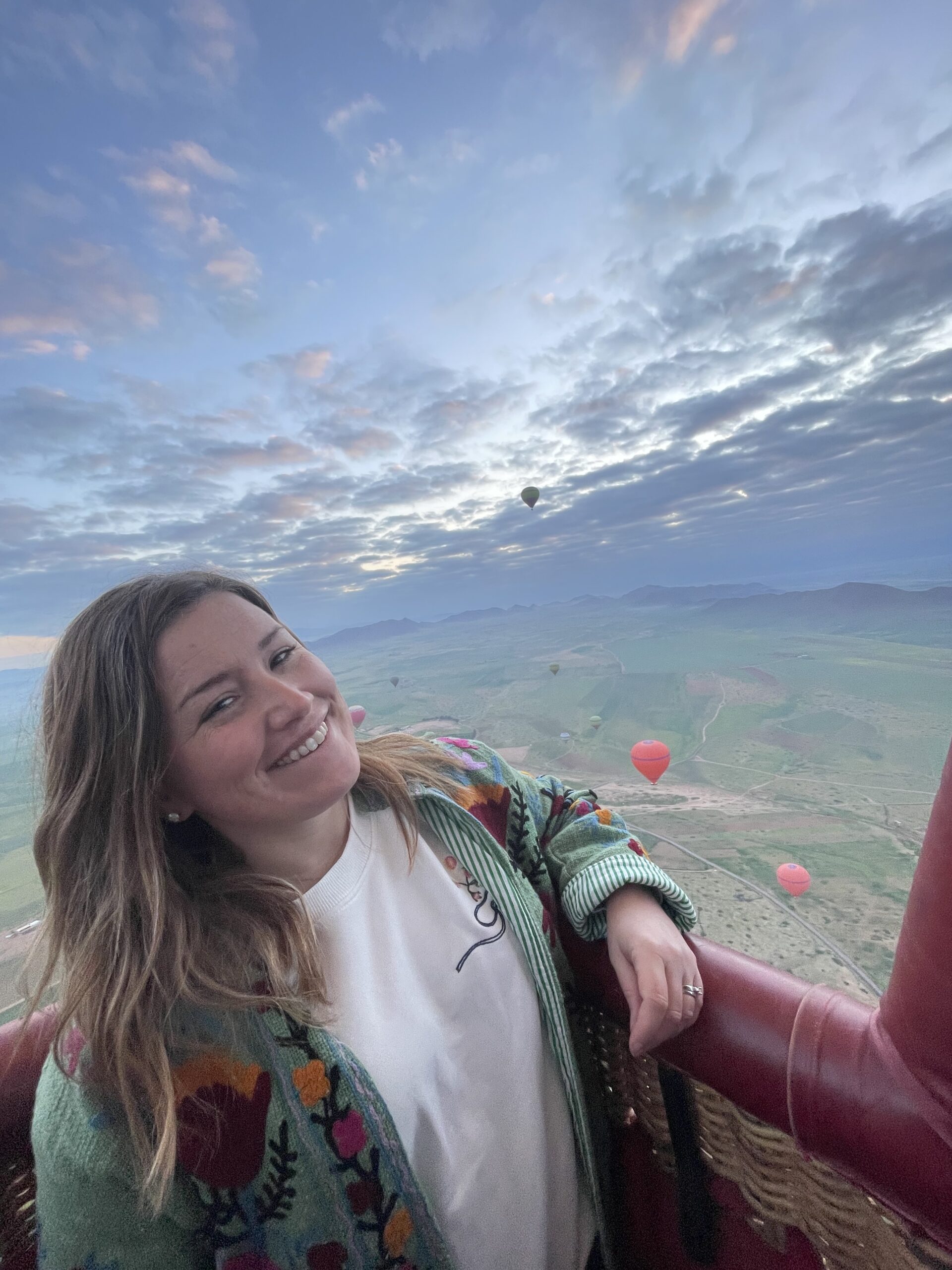
You are probably here because you want to know about the Best things to do in Marrakech, Morocco. Maybe it’s your first time in Marrakech, maybe it’s a city that has long been on your list.
It’s loud, fast-paced, and at times overwhelming, especially if you’re visiting solo or on a girls’ trip for the first time. I felt that almost immediately.
Another aspect of building your Marrakech Itinerary is that there are so many things to do in Marrakech, and that’s exactly why I came back for a second time (hoping for a third!).
If you’re a solo female traveler or visiting for the first time, this post will help you decide what to prioritize, what to skip, and how to navigate the city without feeling completely overwhelmed.
If This Is Your First Time in Marrakech, Do This First
This rule applies to much of Morocco; start making your reservations far in advance!
The last time I went to Morocco, it was hard to find a riad that had enough room for all of us, but Happy Nomads came through and helped us find a beautiful Riad close to the Medina
My top tips for planning a trip to Marrakech:
- Book your riad in advance,
- Plan your first night ahead of time– are you booking tours? Do you want to get dinner at places like Dar Essalem or grab drinks at a rooftop bar? It’s wise to make reservations!
- Arrange a transfer from the Marrakech airport to your hotel. We were lucky to have Jamal, who was a fantastic driver and, not only that, knew his stuff! Happy Nomads came in for the win for this one!
- Heading to Morocco during Ramadan? Check out my post on what to expect during Ramadan
- Check out other cities as well: Where to Stay in Casablanca, How to get around Casablanca, Hassan II Mosque
Map of Best Things to Do In Marrakech
To help you get an idea of where things are in Marrakesh, I have included the Google Map below. You’ll find everything I talk about here!
How to Use This Map:
Click the icon in the top left corner to see all the places I’ve pinned around the city— from cafés and museums to scenic viewpoints. You can turn layers on or off and click any pin to learn more about each spot. Want to keep it handy for your trip? Click the star next to the map’s title to save it to your Google account.
Then, open the Google Maps app, go to “Saved” → “Maps,” and you’ll see this map ready to guide you while you explore.
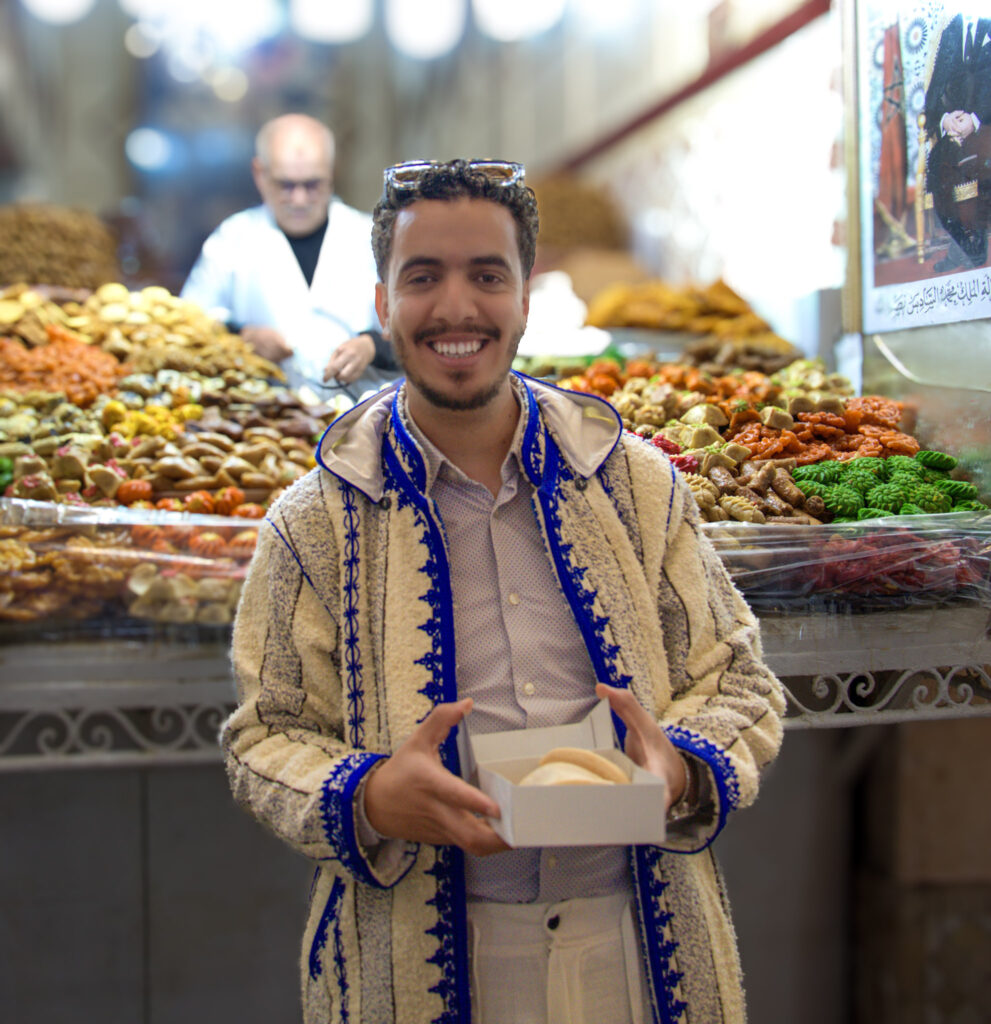
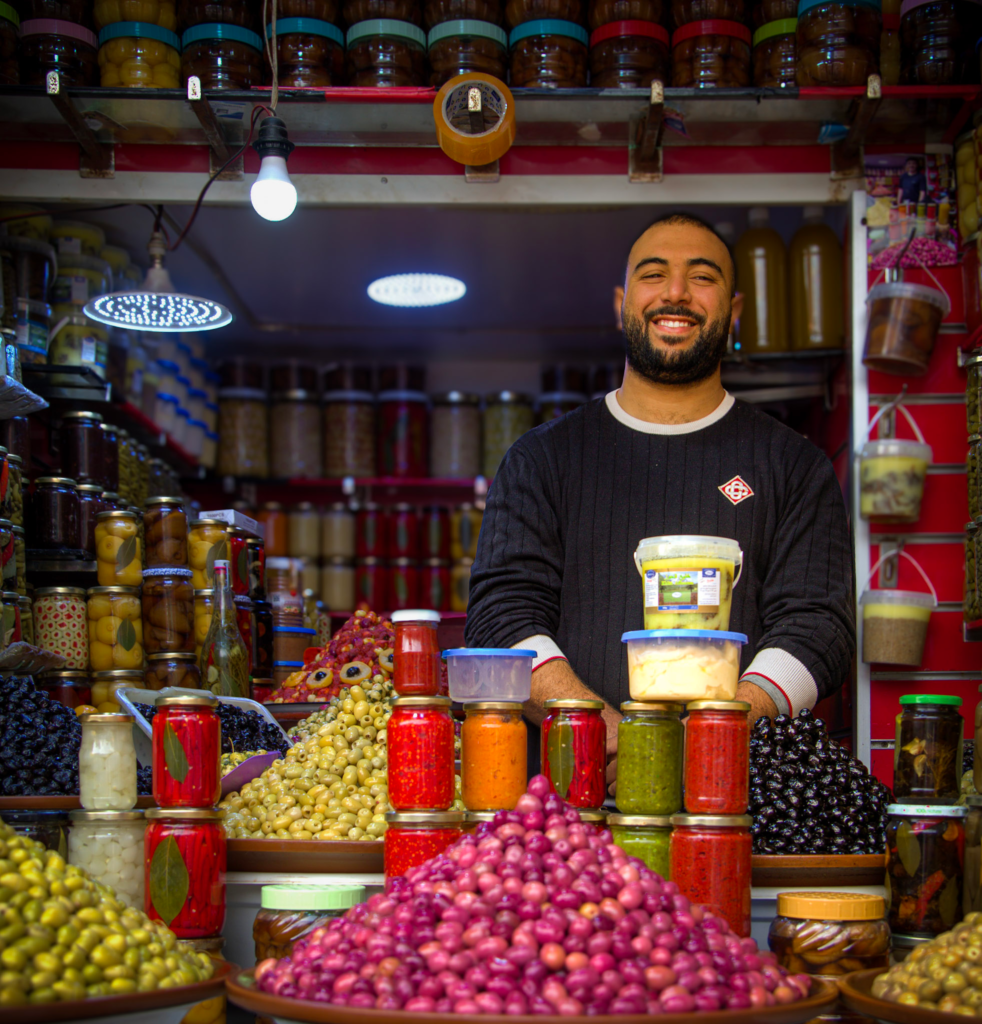
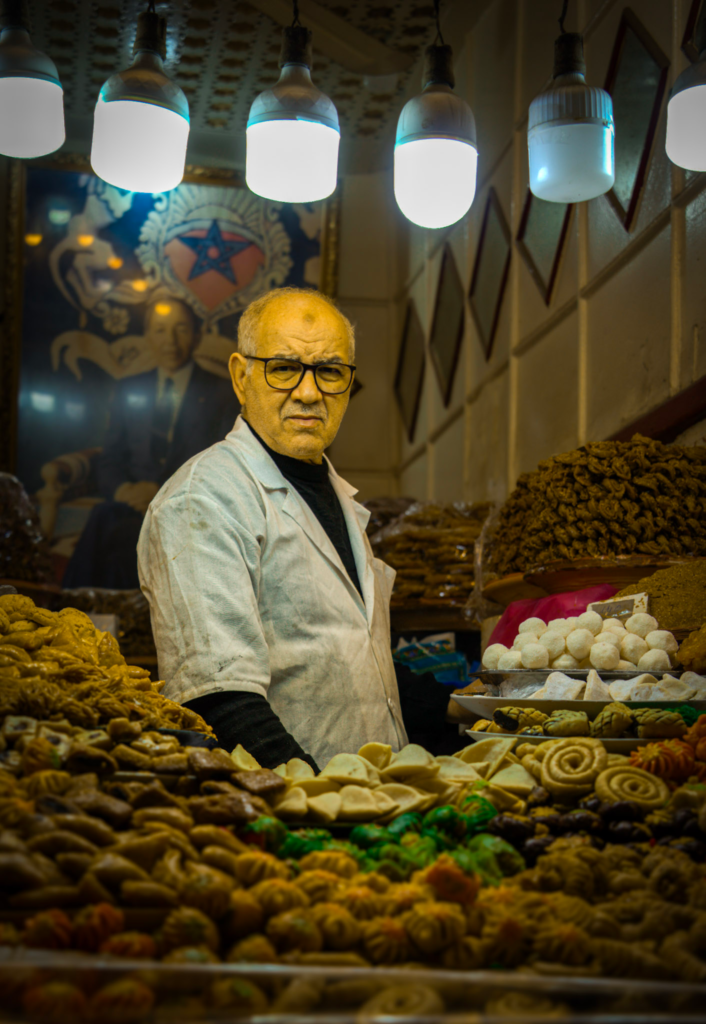
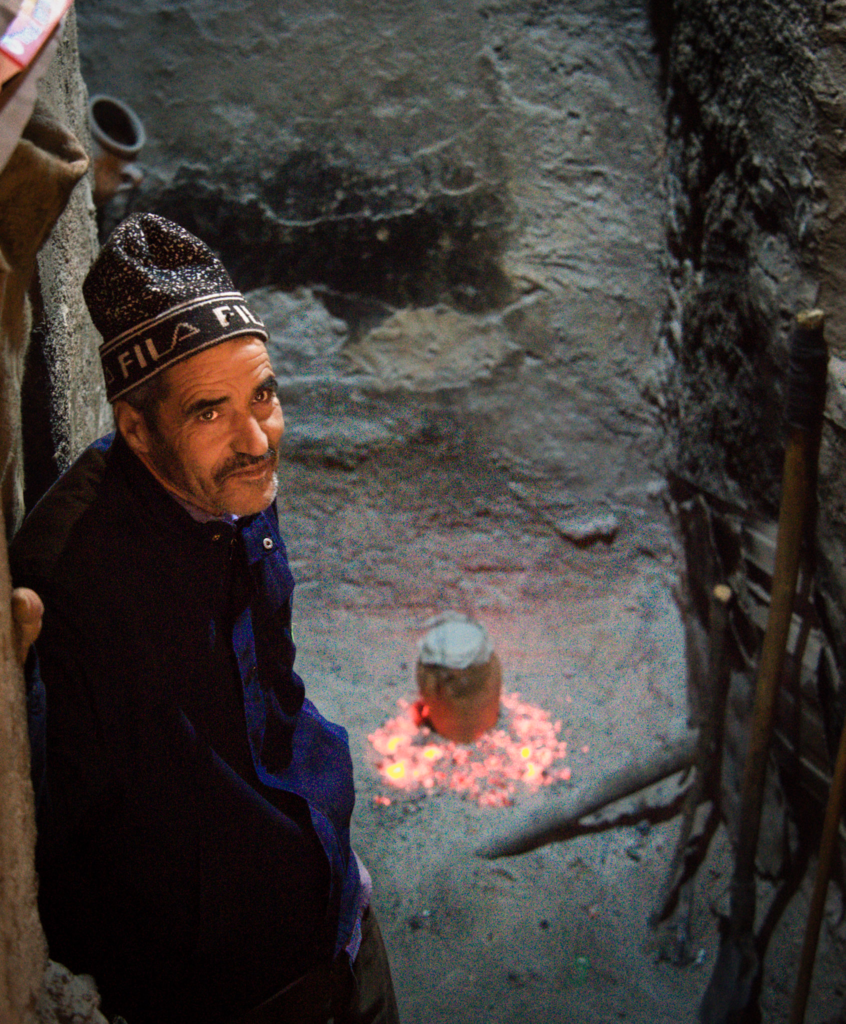
1. Take a Guided Tour of the Medina and Souks
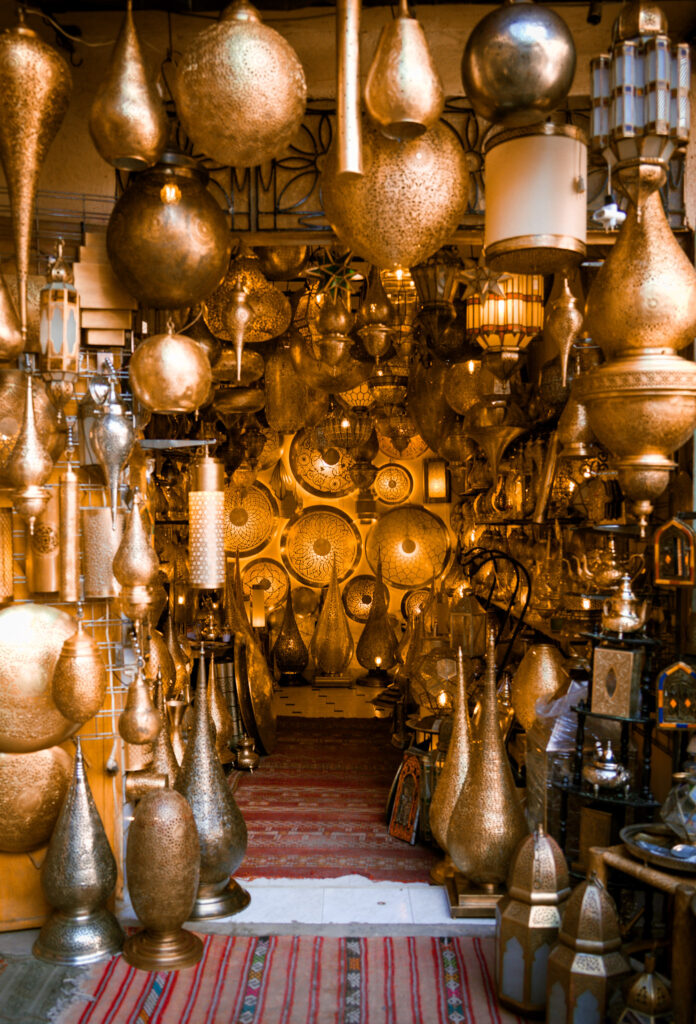
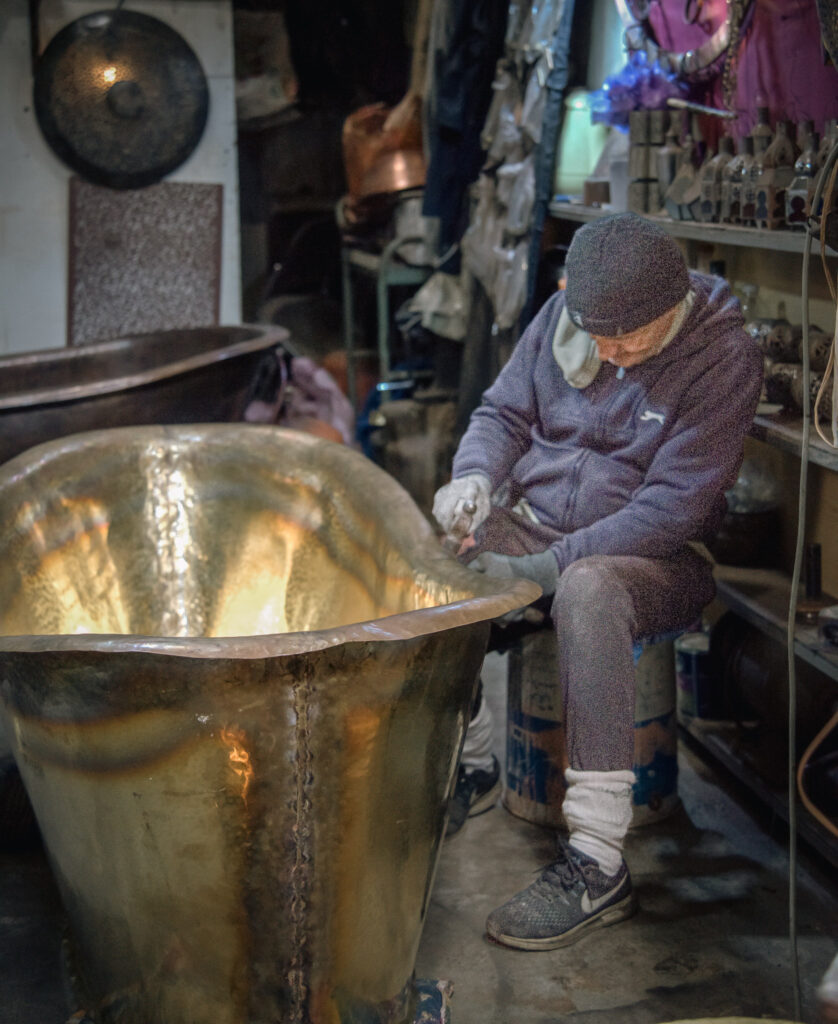
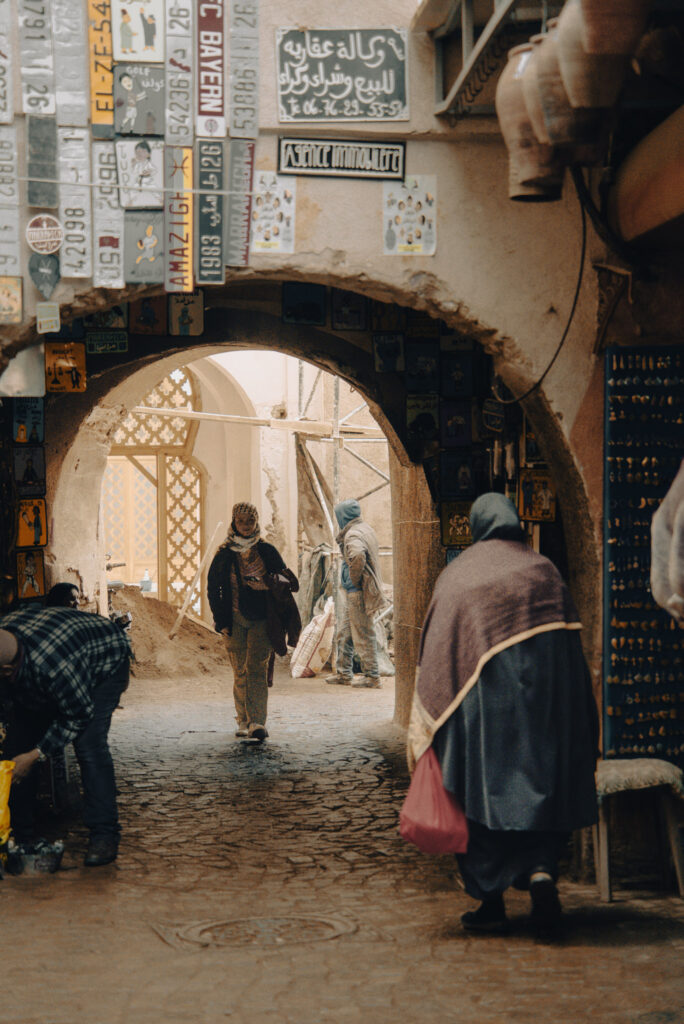
If you’re visiting Marrakech for the first time, taking a tour of the Medina and the Souks is one of the most useful things you can do. I took one during my first time in Marrakesh when I was in Morocco for 12 Days. While it was included in my tour with Gadventures, it was not the best, but it did give me the layout of the medina, and when I returned for my 5-day trip to Marrakech, I remembered how to get around and where certain shops were.
The Medina is not intuitive. It’s a maze of narrow alleyways, hidden turns, and entire sections dedicated to different trades. Trying to figure it out on your own straight away can feel overwhelming, especially when you’re also navigating vendor attention and constant decision-making.
Taking a guided tour, even just for a few hours, gives you a completely different foundation.
You start to understand how the souks are laid out, where the main entry points are, and how far apart things actually are. It also takes the pressure off asking strangers for directions, which can sometimes lead to awkward or pushy interactions.
What I found most helpful was having that mental map afterwards—it made exploring on my own feel far less stressful.
Practical tip: Book this for your first or second day in Marrakech so you can use what you learn for the rest of your trip.
Book a Medina & souks walking tour HERE
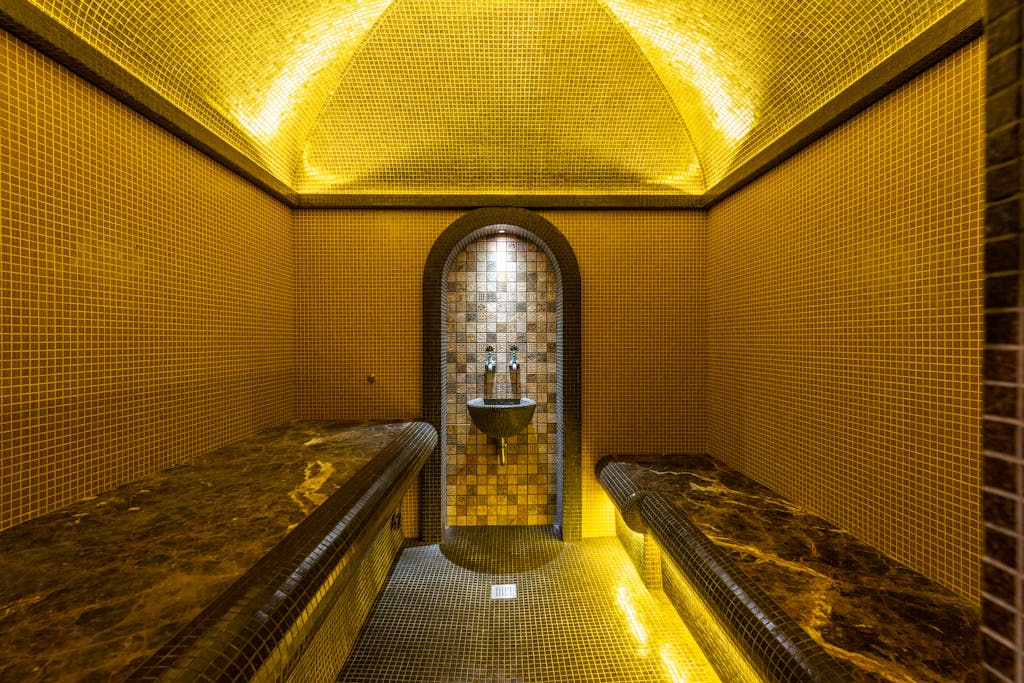
2. Try a Traditional Hammam
A visit to a hammam is one of the most immersive cultural experiences you can have in Marrakech. Rooted in centuries-old bathing rituals, hammams are designed for deep cleansing, involving steam, black soap, and an exfoliating scrub that leaves your skin noticeably softer.
There are two main types: local hammams, which are more basic and communal, and tourist-oriented hammams, which offer a more spa-like and private experience. If it’s your first time, the latter is a far more comfortable introduction.
Hammams can be found throughout the Medina, with prices ranging from around 100 to 500+ dirhams depending on the level of luxury.
My tip:
Stick to reputable spots or book a guided experience to avoid awkward situations. I had Happy Nomads Morocco book my Hammam the second time I visited Morocco, and Libby did a fantastic job picking the right Hammam for my girls’ trip. Our group was booked at Les Bain Du Lotus.
Check out these Hammam Experiences in Marrakech
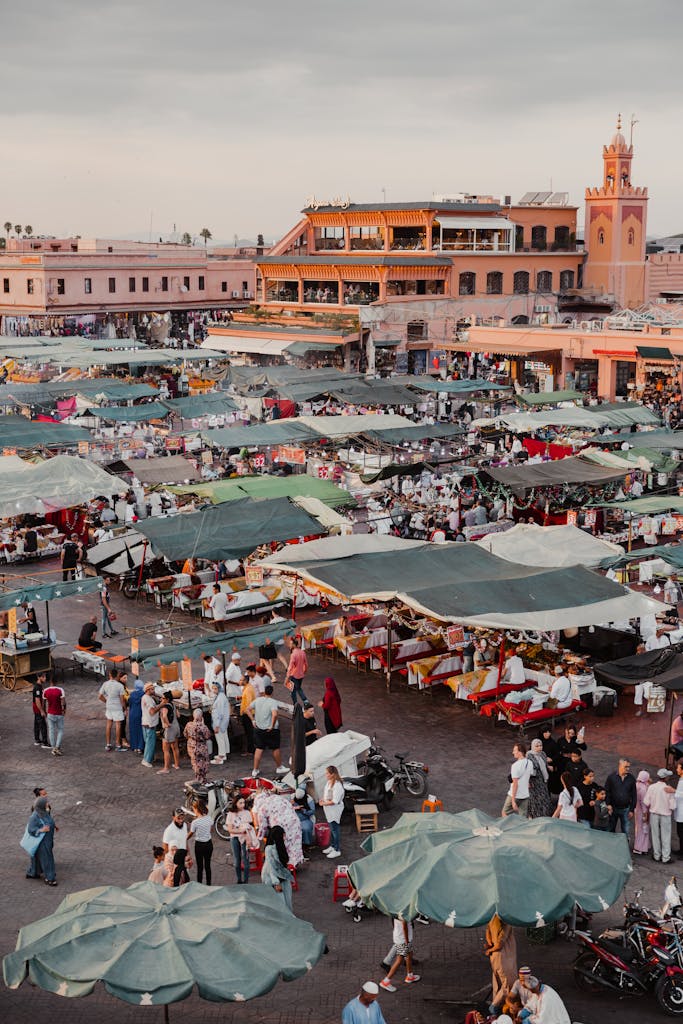
3. Experience Jemaa el-Fnaa (Day and Night)
Once you have your bearings in the medina, the next thing to do is experience Jemaa el-Fnaa properly. After your guided tours and your own exploration, head back here during the day and at night.
This is the main square in Marrakech, and yes, people call it the heart of the city—but what actually makes it worth your time is how much it changes throughout the day.
It’s also recognized by UNESCO as part of Morocco’s cultural heritage, specifically for its living traditions—storytelling, music, and public performances that have taken place here for centuries. That matters because what you’re seeing isn’t just for tourists. It’s something that has always existed here, just adapted over time.
During the day, it’s relatively open and easier to take in. You’ll see rows of orange juice stalls, a handful of performers, and a steady flow of people moving through. It feels manageable, and it’s the best time to understand the layout without feeling overwhelmed.
By evening, it’s a completely different place.
Food stalls start setting up in the late afternoon, and by night, it turns into one of the busiest open-air food markets in Morocco. Smoke fills the air, waiters call out as you pass, and everything moves faster. It’s louder, more crowded, and a little chaotic—but this is where Marrakech actually comes to life.
Eating here isn’t separate from the experience—it is the experience.
The easiest way to approach it is to keep things simple: pick a busy stall, sit down confidently, and don’t overthink it. Most meals are quick, affordable (usually around 30–80 dirhams), and better than you’d expect.
What made the biggest difference for me was not trying to “figure it out” ahead of time. Just go, take it in, and let it unfold a bit.
Practical tip: Go once in the late afternoon to get your bearings, then come back after dark when everything is fully set up.
Solo female tip: You don’t need to engage with everyone calling out to you. A simple “no, thank you” and a continued walk are more than enough.
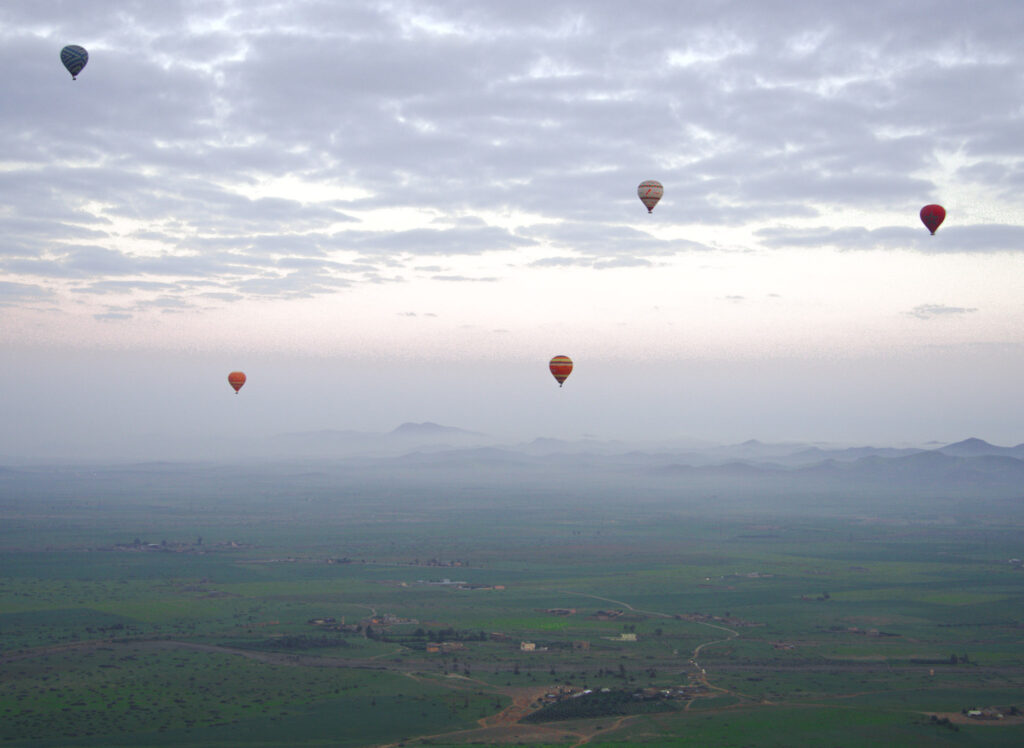
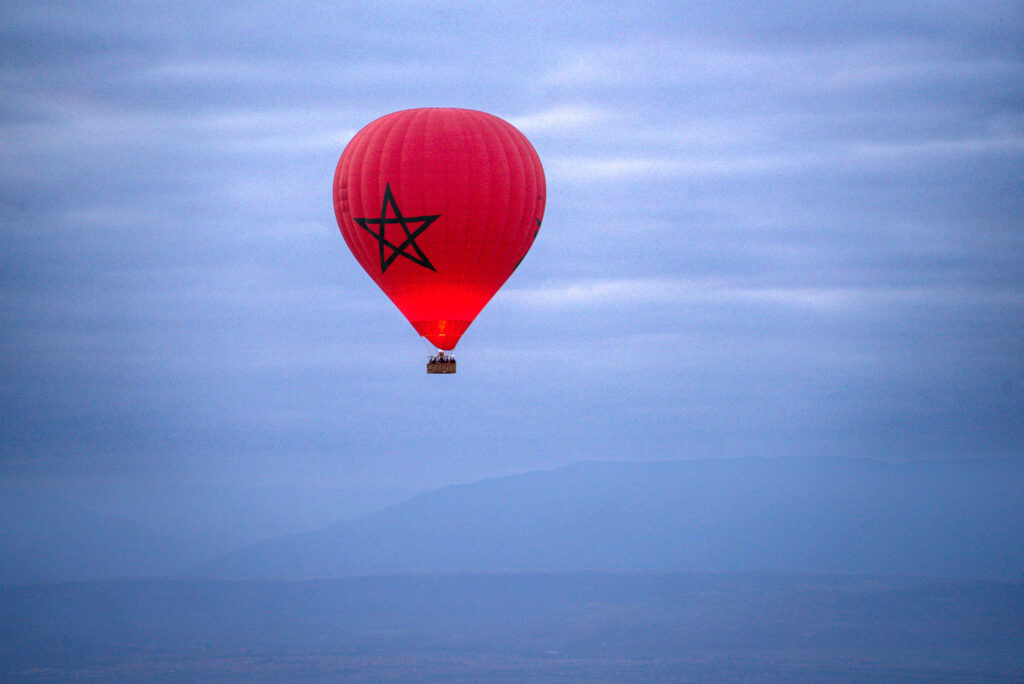


4. Take a Hot Air Balloon Ride Over Marrakech
So I was so excited to do this myself when I went back to Morocco. If you’re deciding on one standout experience in Marrakech, a Hot Air Balloon Ride and Breakfast is one that feels the most memorable.
Hot air balloon rides take place just outside the city, usually starting before sunrise. You’re picked up early, driven out into the desert, and lifted up just as the light begins to change over the landscape.
After the intensity of the Medina, the contrast is what makes it.
It’s quiet, slow, and surprisingly calm—nothing like the pace of the city. You’ll see open desert, small villages, and on clear days, views stretching toward the Atlas Mountains.
It does feel like a splurge, but it’s one of the few experiences here that genuinely feels different from everything else you’ll do.
Most packages include transport, a 40–60 minute flight, and breakfast after landing.
Practical tip: Book this in advance—spaces are limited, and weather-related cancellations can quickly shift availability.
Cost: Typically 1500–2500 dirhams, depending on the provider.
Solo female tip: Tours are well-organized and group-based, so this is one of the easiest experiences to do alone without any stress.
👉 Book a sunrise hot air balloon experience through Viator or contact Happy Nomads to help you out
5. Visit Le Jardin Secret to get away from the crowds
If Marrakech starts to feel like too much, this is where you come to reset.
Tucked behind an unassuming entrance in the Medina, Le Jardin Secret opens into a quiet, structured space of tiled courtyards, shaded walkways, and flowing water. It’s not completely hidden, but it feels removed enough from the streets that your pace naturally slows down.
This is one of the few places in the Medina where you can sit for a few minutes and feel your head clear.
Plan it: Go early for a quieter experience, or midday for a break from the souks. Allow 45–60 minutes.
Know before you go: Entry is 100 DH, with an additional fee (~40 DH) for the tower. Hours vary seasonally (typically 9:30 am–7:30 pm, shorter during Ramadan), with last entry 30 minutes before closing.
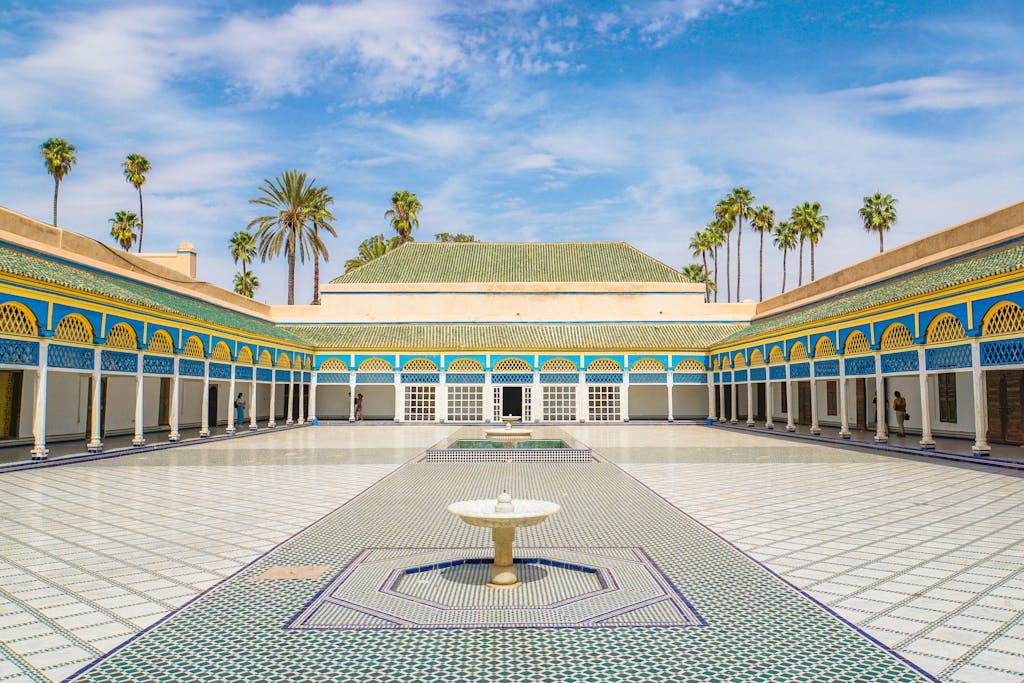
6. Visit the Bahia Palace
Bahia Palace isn’t about one dramatic “wow” moment. It’s a series of rooms and courtyards where the detail builds gradually—carved cedar ceilings, intricate zellij, painted wood (zouak), and light moving across tiled floors.
It’s also one of the best places in Marrakech to understand just how much craftsmanship goes into Moroccan design. Every surface feels intentional.
Built in the late 19th century by Grand Vizier Si Moussa and later expanded by his son Bou Ahmed, the palace was designed to be impressive—and it still is. At its peak, it had around 150 rooms spread across eight hectares, though only a portion is open to visitors today.
The standout is the Cour d’Honneur, a massive courtyard paved with Italian Carrara marble. It’s the kind of space that makes you stop for a second, even if the palace itself doesn’t try too hard to grab your attention.
That said, the experience here really comes down to timing.
Arrive mid-morning and it fills quickly with tour groups. Go early, and it feels calm, spacious, and much easier to actually take in the details—especially if you’re exploring on your own.
Plan it: Go right at opening and give yourself about an hour to wander without rushing.
Know before you go: Opening hours are typically around 9:00–17:00. Entry is roughly 70–100 dirhams for adults, and tickets are purchased on-site.
Solo tip: If someone offers to guide you “for free” at the entrance, just say no and keep walking. It’s easy to explore on your own.
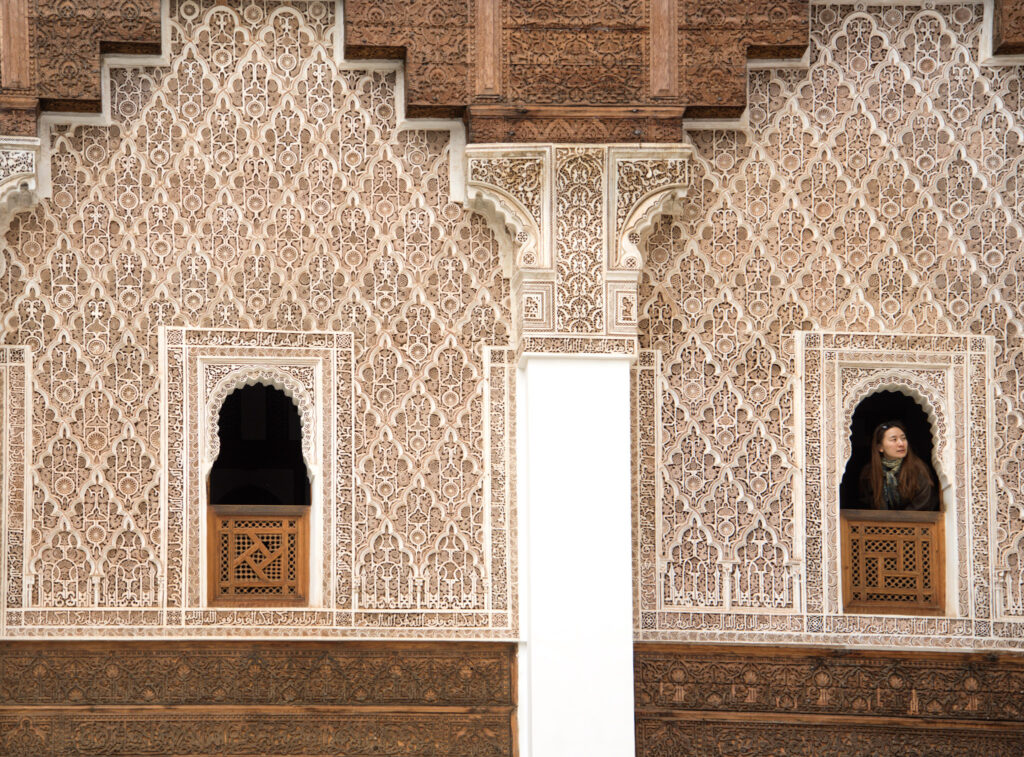
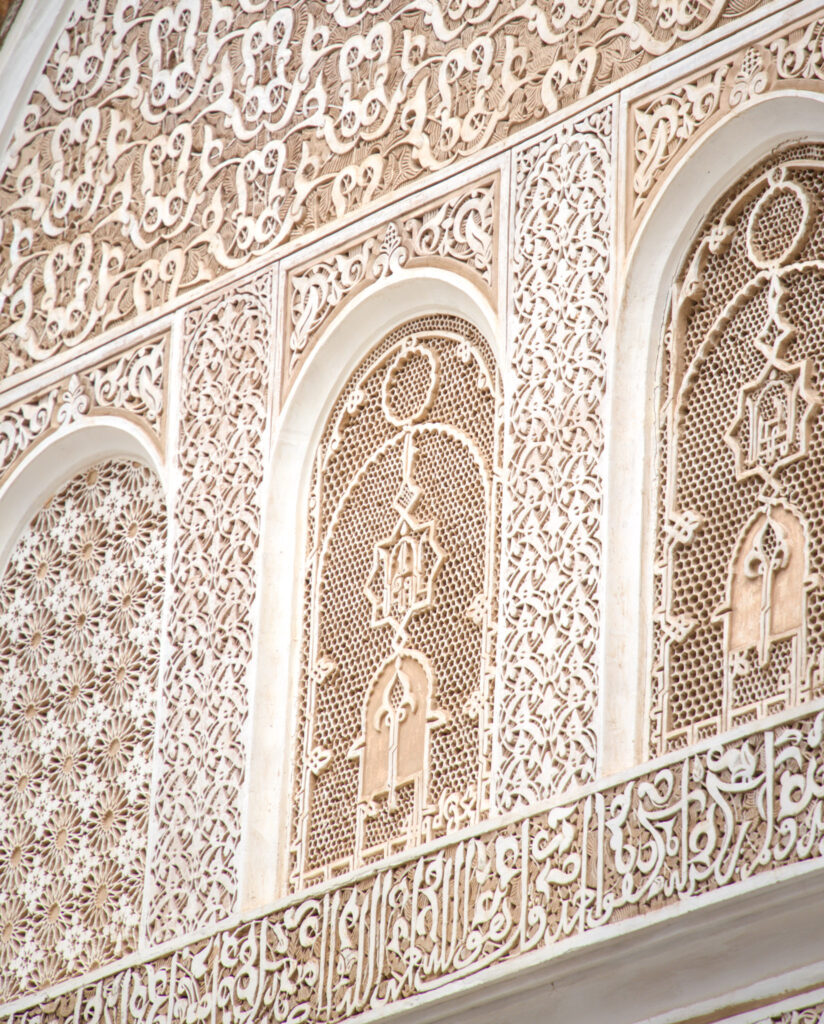
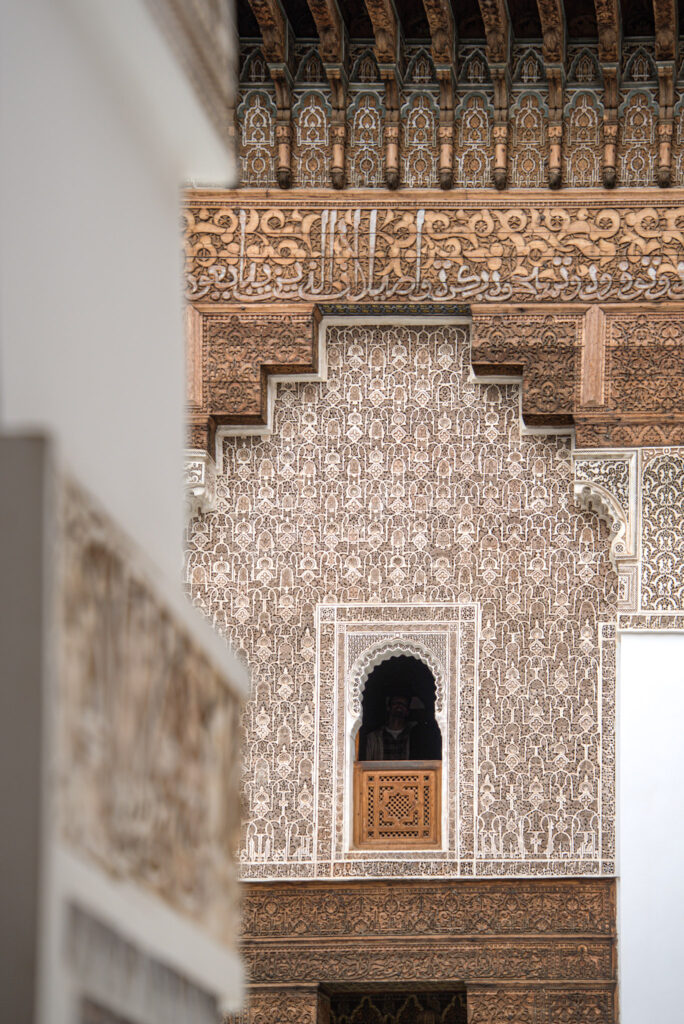
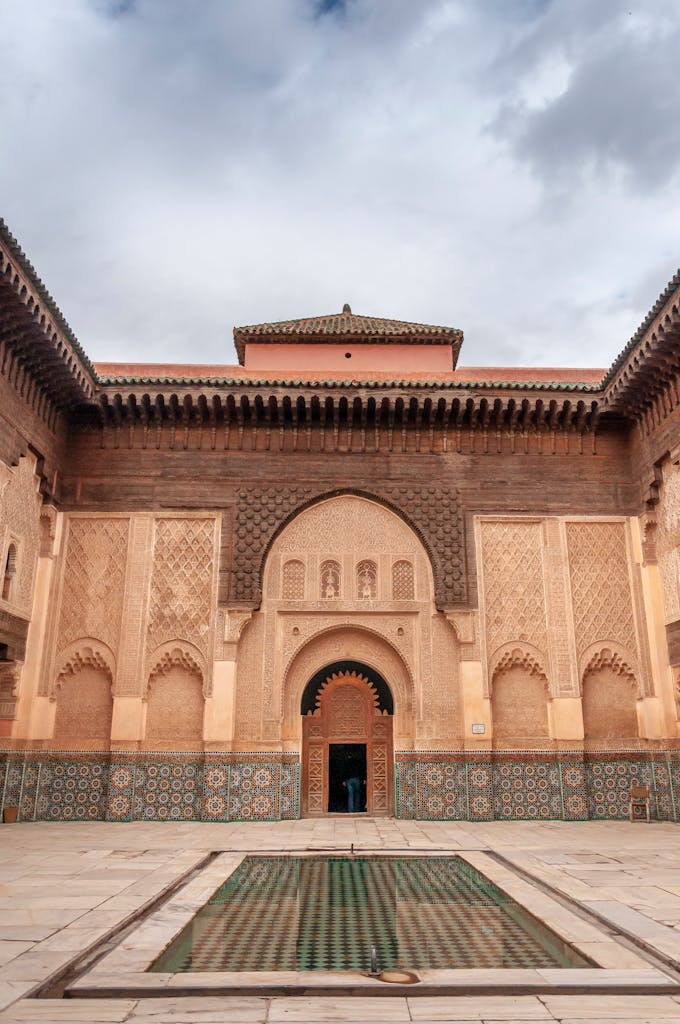
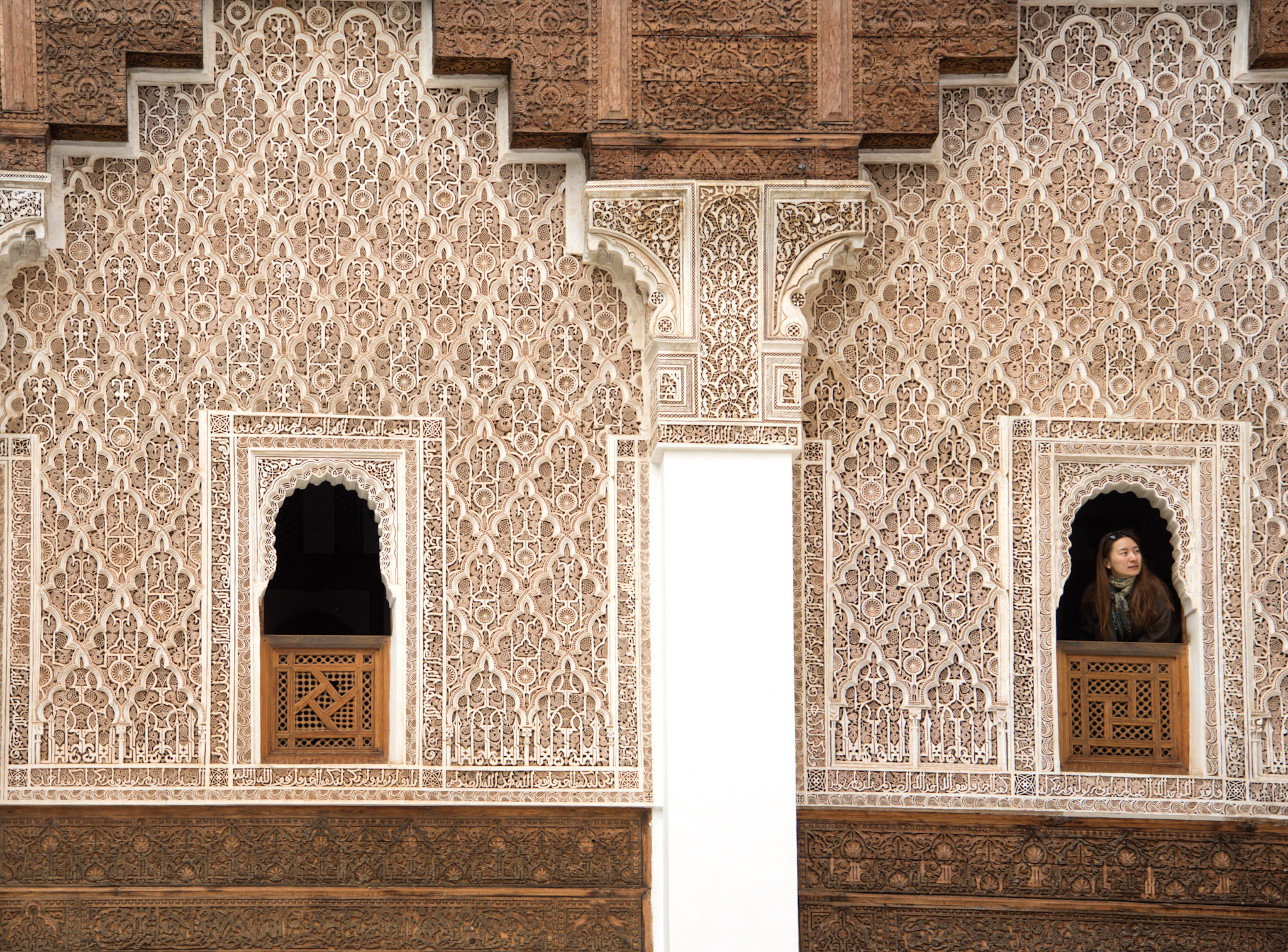
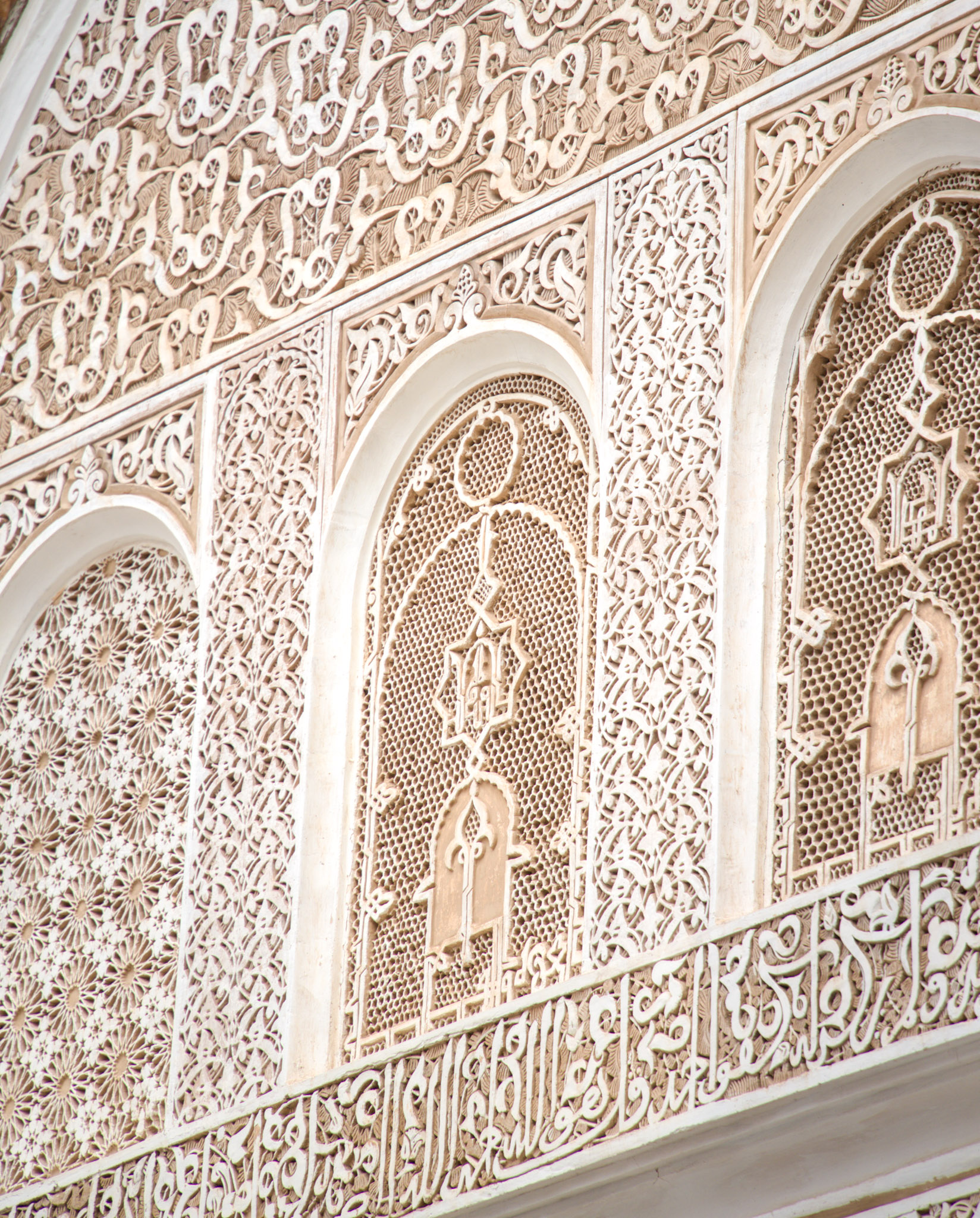
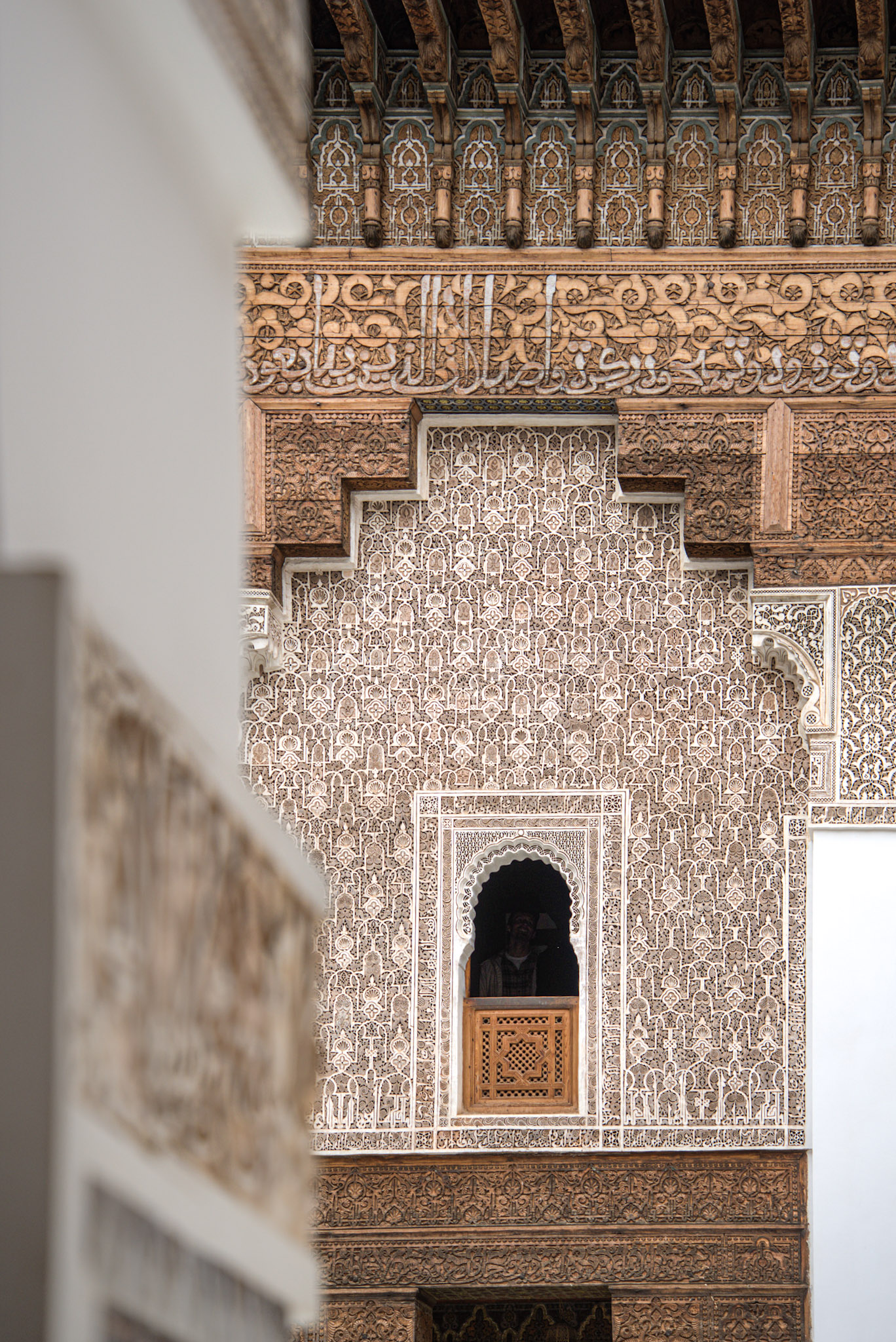
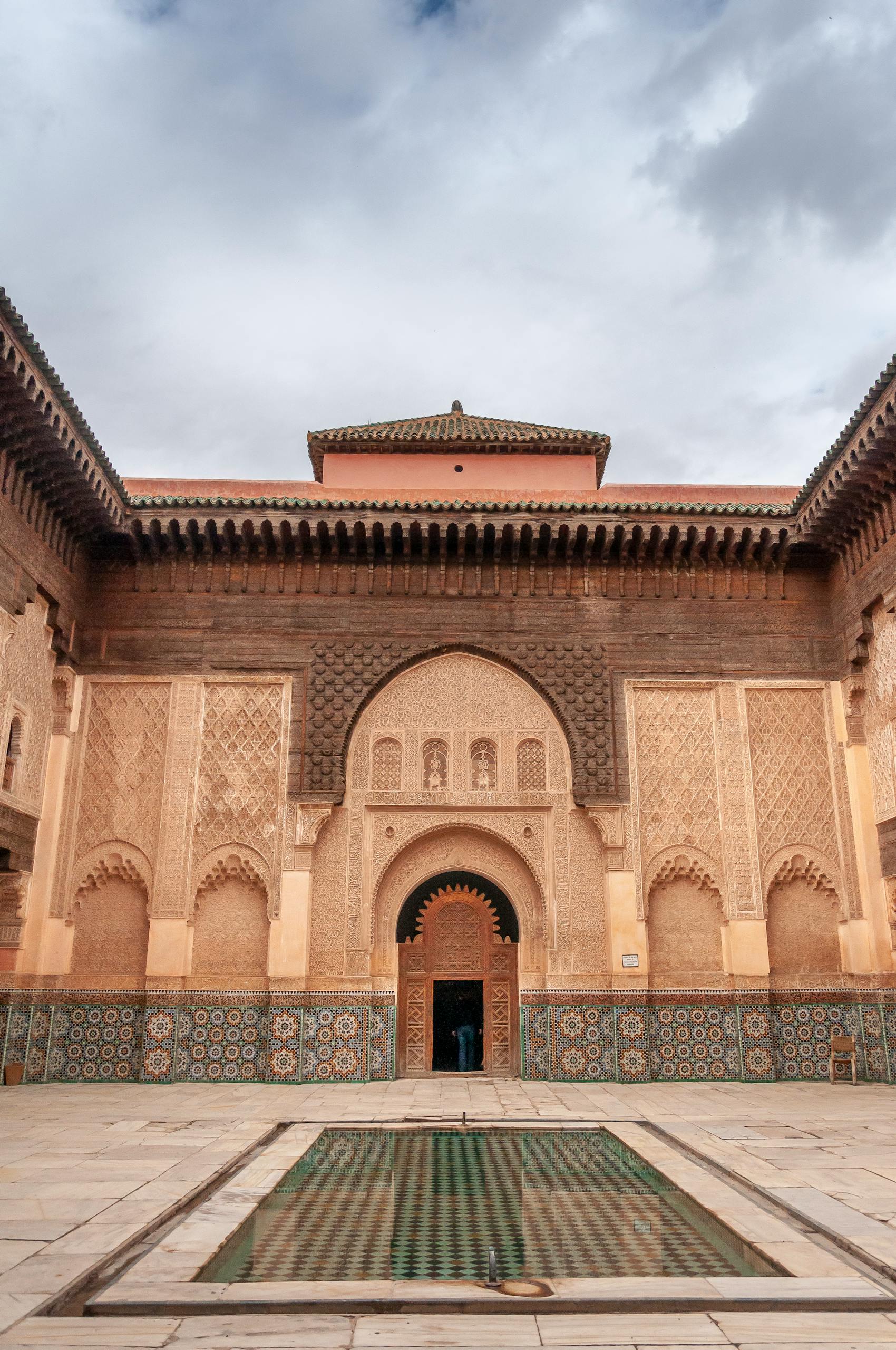
7. Step Inside the Stunning Ben Youssef Madrasa in Marrakesh
This is one of the most visually satisfying places in Marrakech! I have visited twice, and I honestly love Ben Youssef Madrasa. Returning a second time during my 5-day Marrakech girls’ trip was honestly one of the best things I could have done. While it was much busier this go around, I loved getting a refresher on the history!
Tucked inside the medina, Madrasa Ben Youssef isn’t just another building, it was once one of the most important Islamic schools in North Africa. Built in the 16th century, it operated for hundreds of years as a center for learning, drawing students from across Morocco and beyond to study religious sciences, philosophy, and more.
And when you step inside, you can feel that history.
The central courtyard is what everyone comes for—and yes, it’s stunning. Perfect symmetry, a reflective pool, and layers of zellij tile, carved stucco, and cedar wood that somehow all work together without feeling overwhelming.
But the real experience is in the details.
Look closer at the plasterwork. Step into the small student rooms upstairs. Notice how quiet it gets compared to the chaos just outside. It’s one of the few places in Marrakech where slowing down actually changes how you experience it.
Plan it: Go early or later in the afternoon to avoid the heaviest crowds. Give yourself 45–60 minutes to wander without rushing.
Know before you go: Opening hours are usually around 9:00–19:00 (shorter during Ramadan). Entry is about 50 dirhams, with tickets purchased at the entrance.
Solo tip: Dress modestly (covered shoulders and knees). You’ll feel more comfortable, and it’s respectful for the space you’re in.
Check Tours on Viator.com Here
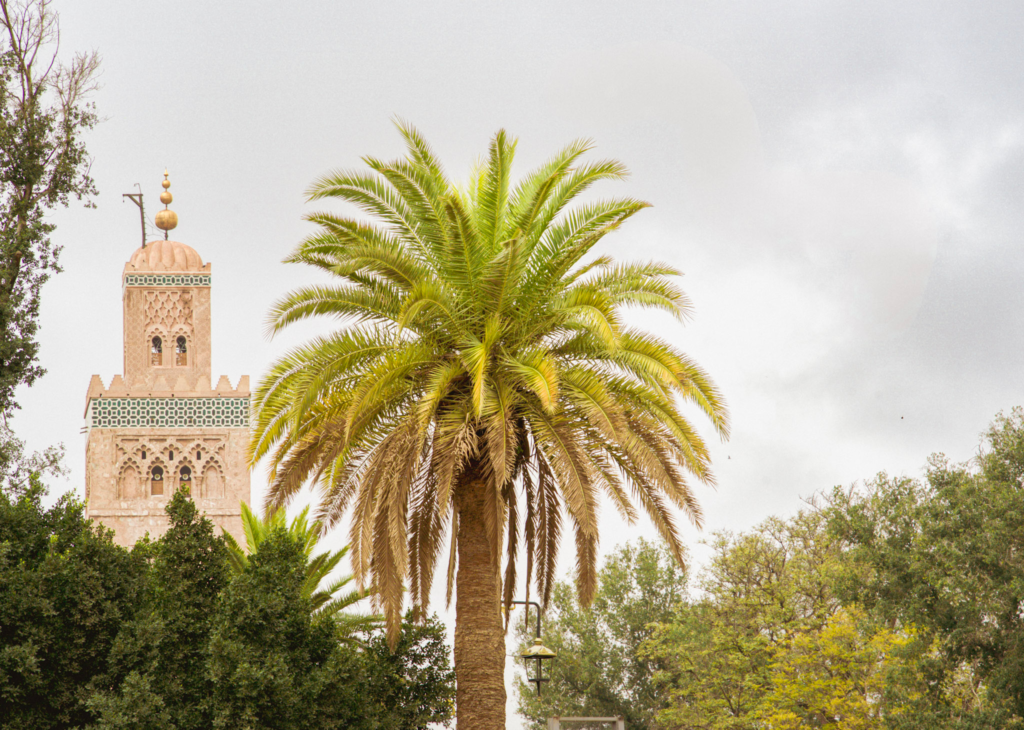
8. See the Koutoubia Mosque (and use it as your anchor point)
Can you believe I missed this on my first visit to Marrakech?
Even if you never step inside, this is one of the most useful places in Marrakech.
The Koutoubia Mosque is the city’s most recognizable landmark, and its 12th-century minaret has been standing over the medina since the Almohad dynasty. At 77 meters tall, you’ll see it from all over Marrakech—which, honestly, makes it one of the easiest ways to reorient yourself when the medina starts to feel disorienting.
And it will.
Architecturally, it’s a great example of classic Moorish design, with clean lines, geometric proportions, and detailed arches that don’t feel overly ornate. It actually became the model for other famous structures, including the Giralda in Seville and the Hassan Tower in Rabat.
There’s also something grounding about it.
Five times a day, the call to prayer echoes out from here and carries across Jemaa el-Fnaa and the surrounding streets. It’s one of those moments where everything around you pauses for a second, even if the city itself doesn’t fully slow down.
You can’t go inside unless you’re Muslim, but you don’t need to.
The real experience is outside, walking through the Koutoubia Gardens, seeing the minaret framed by palm trees, or catching it at sunset when the light softens and the whole area feels calmer compared to the medina.
Plan it: Head here in the late afternoon or around sunset, then walk back toward Jemaa el-Fnaa as the square starts to come alive.
Know before you go: Non-Muslims can’t enter the mosque, but the exterior and gardens are fully accessible.
Worth knowing: The name “Koutoubia” comes from the Arabic word for booksellers—this area was once lined with them, long before it became one of the most photographed spots in Marrakech.
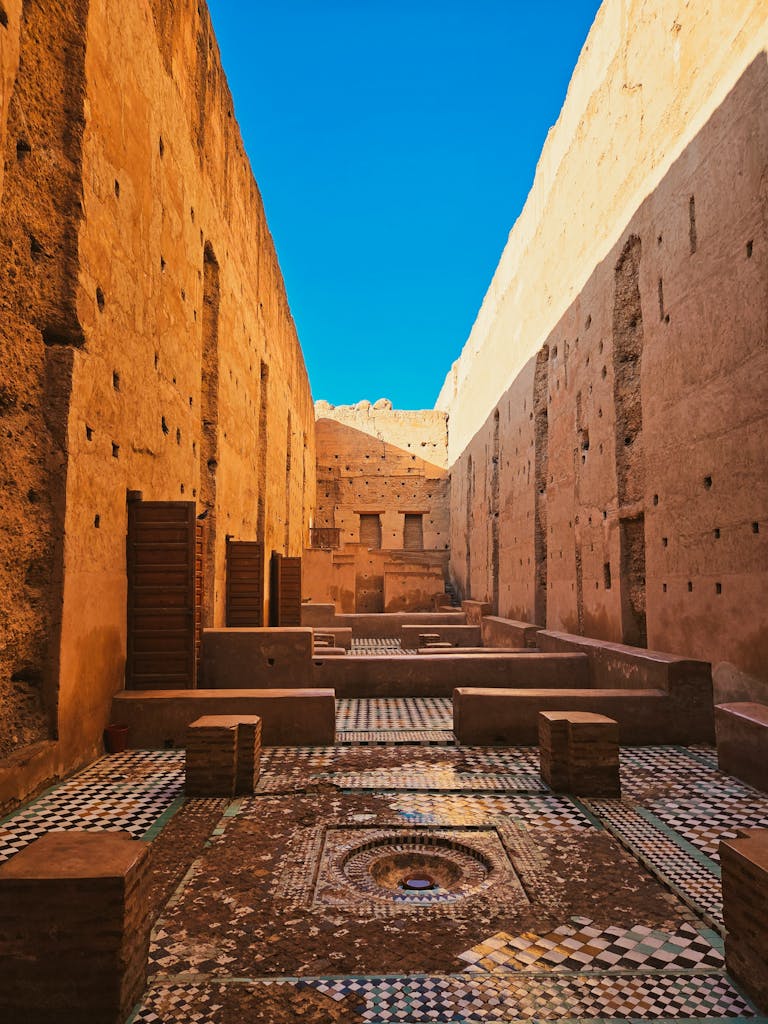
9. Visit El Badi Palace when you need space and sky
El Badi Palace is very different from the other sites in Marrakech—and that’s exactly why it’s worth visiting.
At first glance, it doesn’t look like much. It’s mostly ruins. Open space. Crumbling walls. Sunken gardens.
But once you understand what it used to be, the experience shifts.
Built in the late 16th century by Sultan Ahmed al-Mansour after his victory in the Battle of the Three Kings, El Badi—“The Incomparable”—was once one of the most lavish palaces in the world. Think over 300 rooms decorated with gold, marble, turquoise, and crystal.
And then… it was stripped.
When the capital moved to Meknes in the 17th century, Sultan Moulay Ismail dismantled the palace and reused its materials elsewhere. What you see today is what was left behind.
Which, honestly, is what makes it interesting.
Instead of ornate rooms, you get scale. Massive courtyards. Long reflecting pools. High walls that feel almost empty—but intentional. It forces you to imagine what used to be there instead of just looking at it.
It’s quieter than most places in Marrakech, and a good reset if you’ve been deep in the medina all day.
Climb up to the terraces if they’re open—you’ll get wide views over the city, plus a close look at the storks nesting along the walls (you’ll hear them before you see them).
Plan it: Pair this with a visit to the nearby Saadian Tombs or Bahia Palace. Give yourself about 45 minutes to explore.
Know before you go: Opening hours are typically around 9:00–17:00. Entry is roughly 70 dirhams.
Worth knowing: This isn’t a place packed with information signs or guided flow. You’re meant to walk through it and piece it together yourself—which is part of the experience.
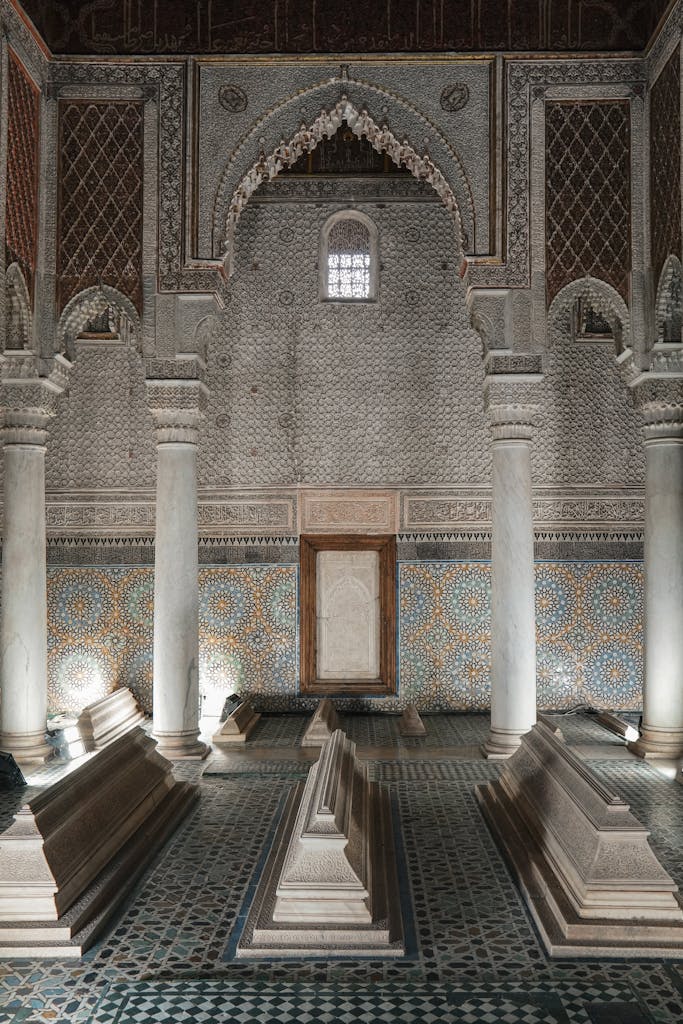
10. See the Saadian Tombs early, before it gets crowded
The Saadian Tombs are one of those places that don’t look like much from the outside—but inside, it’s a completely different story.
Built in the 16th century by Sultan Ahmad al-Mansur, these tombs were designed to honor the Saadian dynasty, and you can feel that intention the second you step in. This wasn’t meant to be subtle. It was built to show power, wealth, and legacy.
And then it was hidden.
For centuries, the tombs were sealed off and largely forgotten, only rediscovered in 1917. This explains why everything feels so well preserved compared to other sites in Marrakech.
The highlight is the Chamber of the Twelve Columns—and yes, it gets crowded. But once you get a clear view, it’s worth it. Intricate stucco, detailed zellij tiles, carved cedar, all layered in a way that feels almost too precise to take in quickly.
This is not a place you rush.
It’s smaller than you might expect, but the detail is what makes it stand out. You’ll move through a series of chambers and a quiet garden area where members of the dynasty are buried.
Plan it: Go early or closer to closing to avoid the long lines that build mid-day. You only need about 30–45 minutes here.
Know before you go: Opening hours are typically around 9:00–17:00. Entry is roughly 70 dirhams, and tickets are purchased on-site.
Solo tip: Be patient around the main chamber—it bottlenecks quickly. Wait your turn, take a moment when it clears, and then move on.
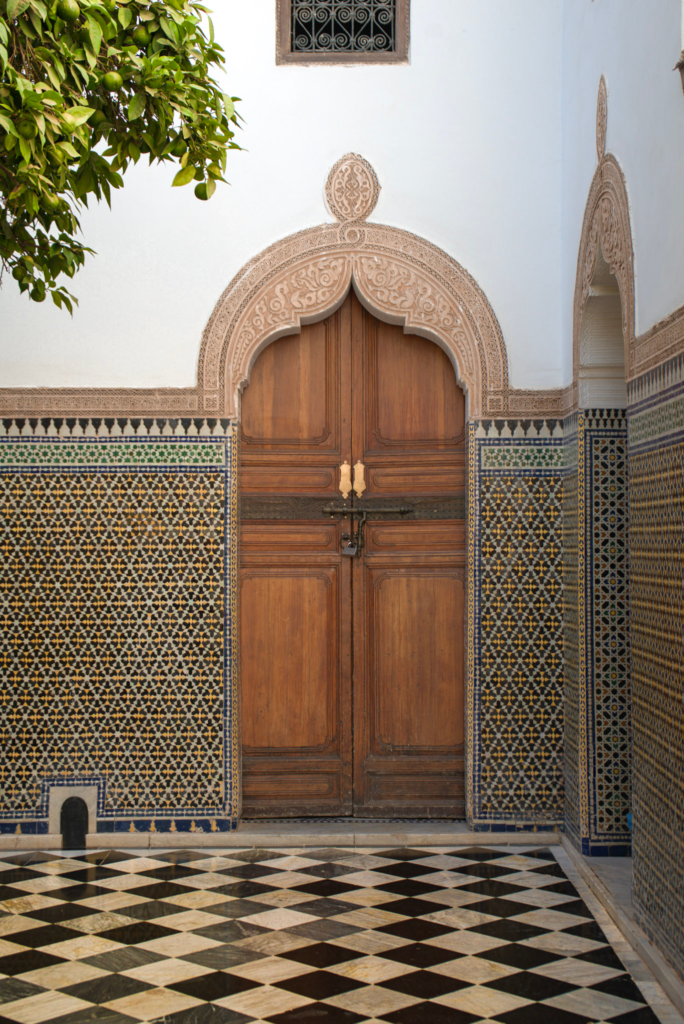
11. Step into Dar El Bacha for quiet elegance
Dar El Bacha was originally built as a palace for Thami El Glaoui, the Pasha of Marrakech, and you can still feel that sense of formality when you walk through it. It’s not flashy in the way some places are—it’s controlled, balanced, and quietly detailed.
Today, it’s home to the Musée des Confluences, which focuses on Moroccan art, architecture, and cultural heritage. You’ll move through a series of rooms filled with calligraphy, manuscripts, carpets, and traditional objects, but honestly, the architecture is just as much the highlight as anything on display.
Carved cedar wood, zellij tilework, painted ceilings—it’s all there, just without the same intensity of crowds you’ll find elsewhere.
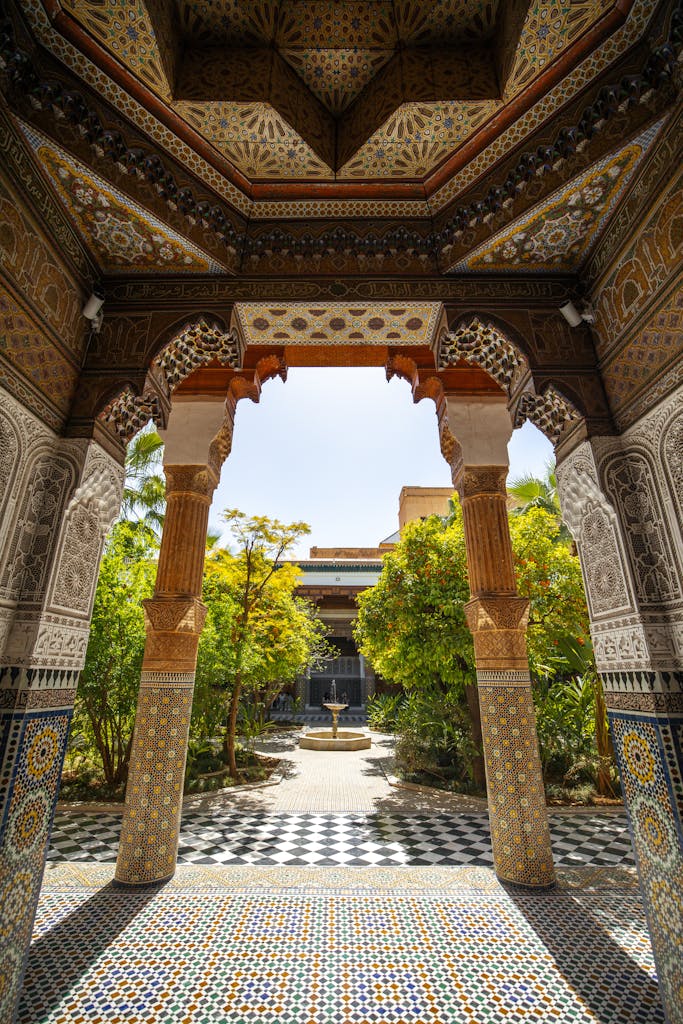
Because here’s the reality: Bacha Coffee is busy.
It’s gained huge popularity, and people regularly report waiting up to two hours just to get in. If you really want the full café experience, make a reservation in advance (when possible) or go as soon as it opens.
And don’t let Instagram fool you—those perfectly empty photos are not the reality. This place gets crowded.
I visited the museum itself and genuinely enjoyed it. It felt like a reset from the chaos outside. The café is a different experience entirely, beautiful, but busy.
Plan it: Visit mid-morning or late afternoon. Decide ahead of time whether you’re willing to wait for the café or just here for the museum.
Know before you go: Entry to the museum is around 60 dirhams for foreign visitors. Typically open Tuesday–Sunday, 10:00–18:00 (closed Mondays).
Worth knowing: If you’re flying out of Marrakech, you can actually find Bacha Coffee at the airport—coffee, beans, and branded items—without the wait.
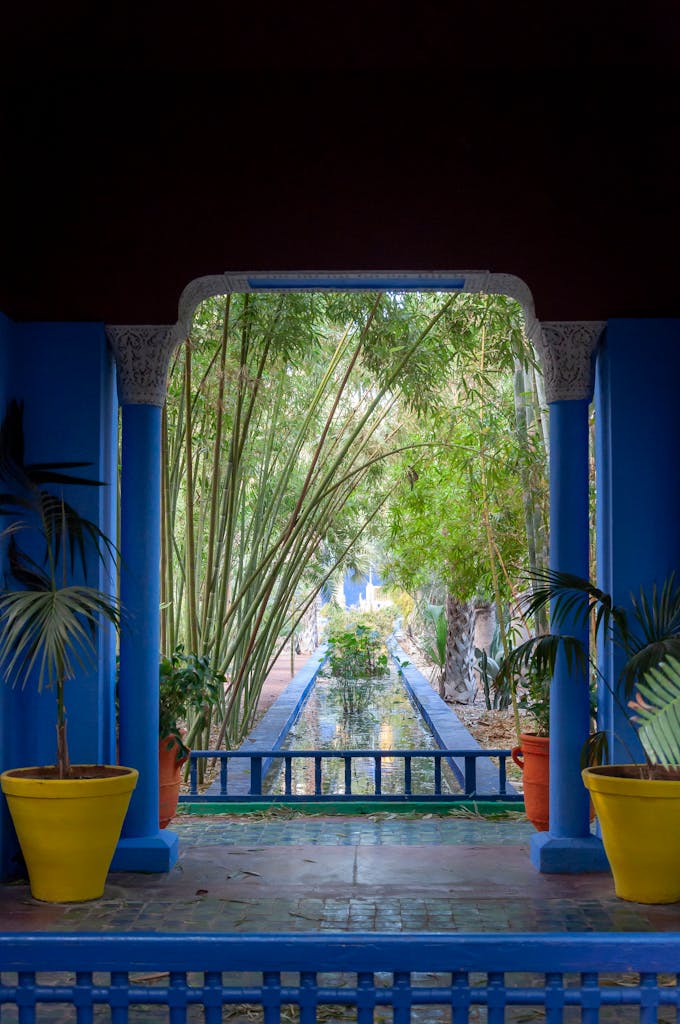
12. Jardin Majorelle (Beautiful, but Busy)
This is one of the most famous attractions in Marrakech—and one of the easiest to get wrong.
Yes, the bold blue buildings are striking. Yes, the gardens are beautifully curated. But this is not some hidden, peaceful escape. It’s one of the busiest places in the city, and if you don’t plan it right, it can feel more frustrating than enjoyable.
The key here is timing and expectations.
This is a high-demand attraction, not a quiet garden.
If you go in expecting calm, you’ll be disappointed. If you go early, move slowly, and accept that there will be people, you’ll get a lot more out of it.
Plan it: Book the earliest time slot available and arrive right at opening. Give yourself 60–90 minutes.
Know before you go:
- Tickets must be purchased online through the official website only (this is important—third-party tickets are not valid).
- Entry is around 170 dirhams, depending on what you include (garden + museums).
- Open daily from 8:30–18:00 (last entry 17:30).
If you’re visiting the additional spaces:
- Musée Pierre Bergé des Arts Berbères: Open daily 9:00–17:30 (last entry 17:00)
- Villa Oasis gardens: Open daily except Wednesday, 8:30–17:00 (last entry 16:30)
And just to be clear—those empty, perfectly framed photos you see online? Not reality. This place gets crowded fast, and people absolutely edit around that.
If you’re not willing to deal with that, it’s okay to skip it. Marrakech has plenty of other places that feel more grounded and less curated.
But if you go early and manage your expectations, it’s still worth seeing at least once.
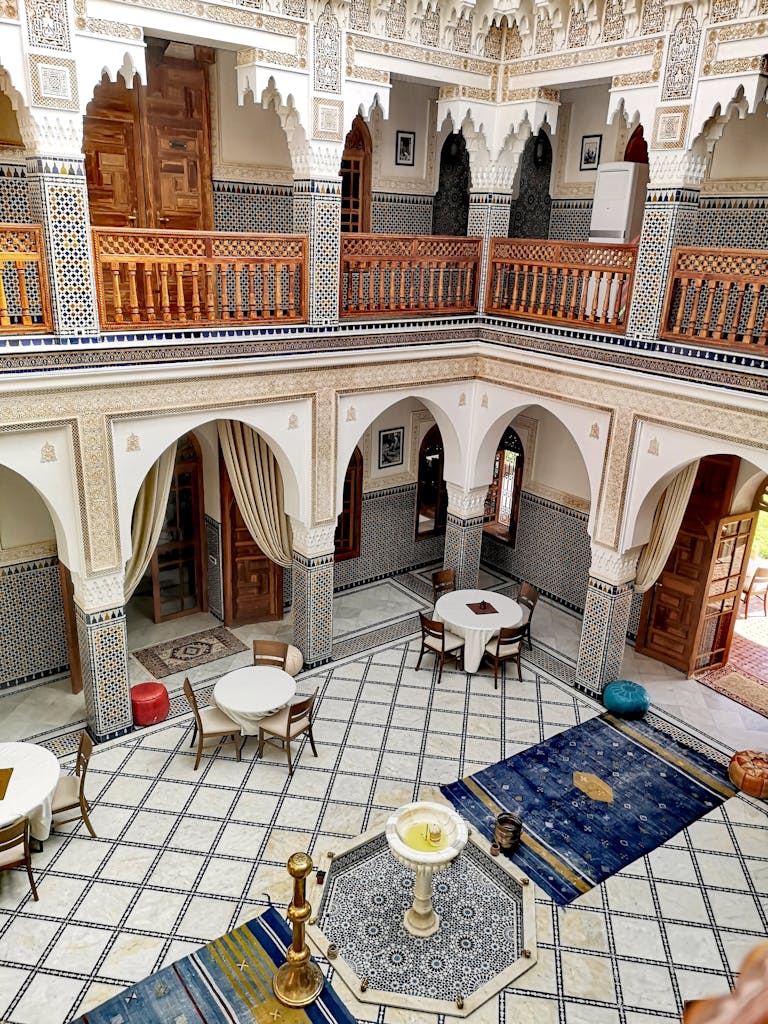
13. Stay in a riad for the calm/chaos contrast
This isn’t just accommodation—it’s part of how you experience Marrakech. Please trust me on this. On the group trip I took when I first visited Morocco, I stayed in larger hotels that weren’t what I wanted.
My second time in Marrakech was wonderful. We stayed in a Riad, Riad Noon. It was PERFECT. The hospitality was unmatched.
A riad offers a quiet, enclosed space where the noise of the city disappears the moment the door closes. After a day in the medina, that contrast becomes less of a luxury and more of a reset.
And you’ll feel that difference immediately.
Most riads are built around interior courtyards, often with a small pool or fountain, tiled walls, and rooms that face inward instead of out onto the street. It’s intentional. Everything about the design is meant to create calm, privacy, and a sense of separation from what’s happening outside.
For solo travelers, this setup makes a huge difference. You’re not constantly navigating crowds or interactions—you have a space where you can actually relax.
It also changes your rhythm in the city. Mornings feel slower. Evenings feel quieter. And you’re not carrying the intensity of the medina with you all day.
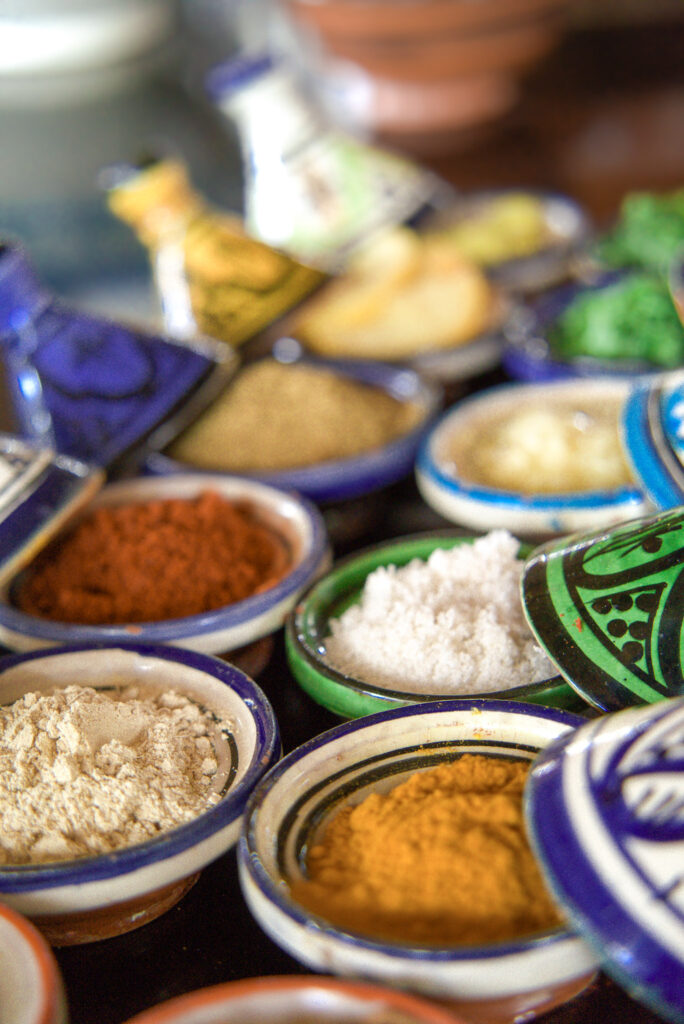
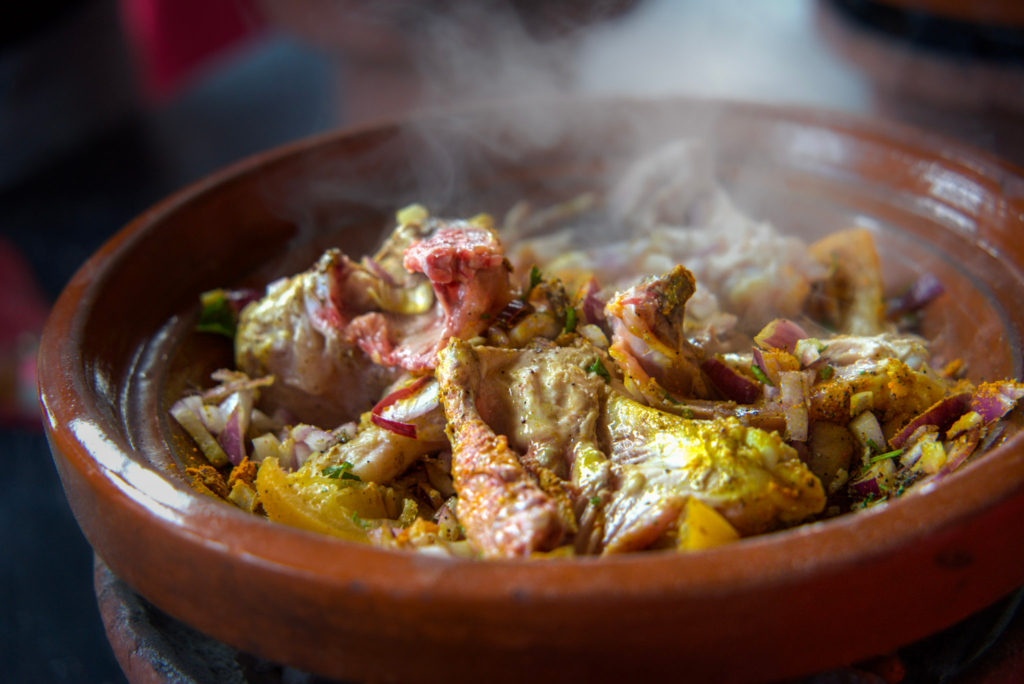
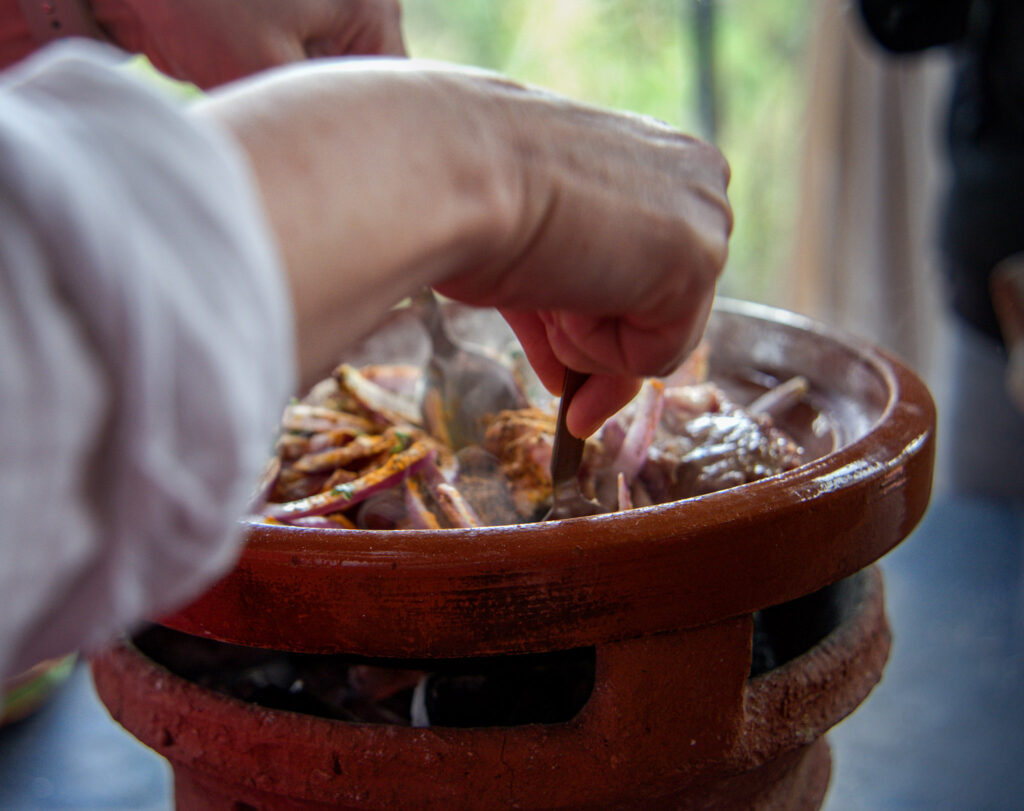
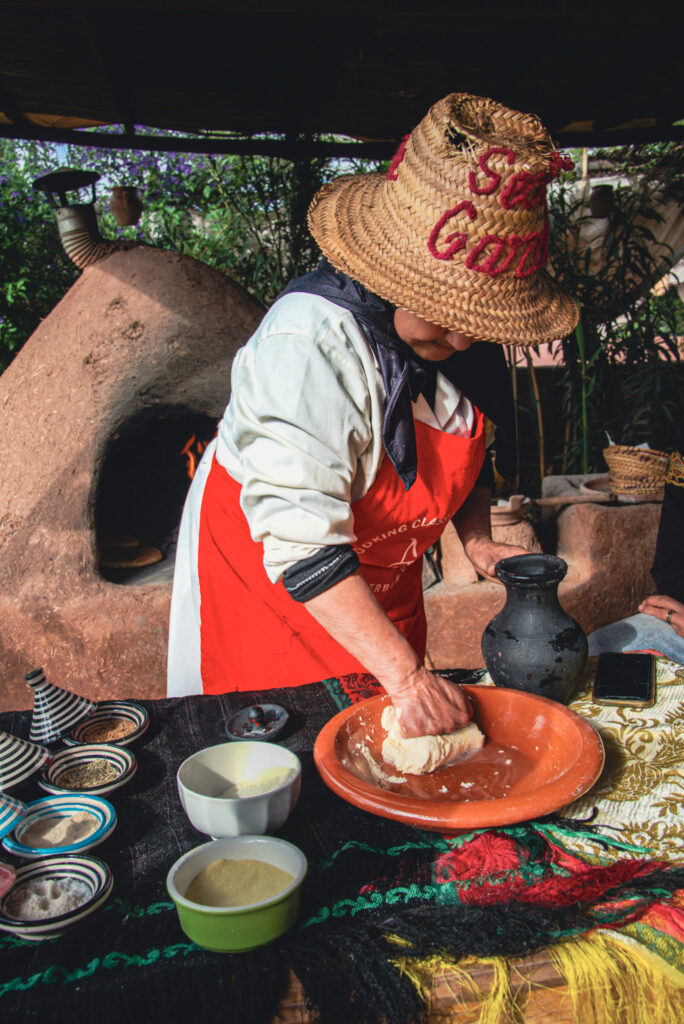
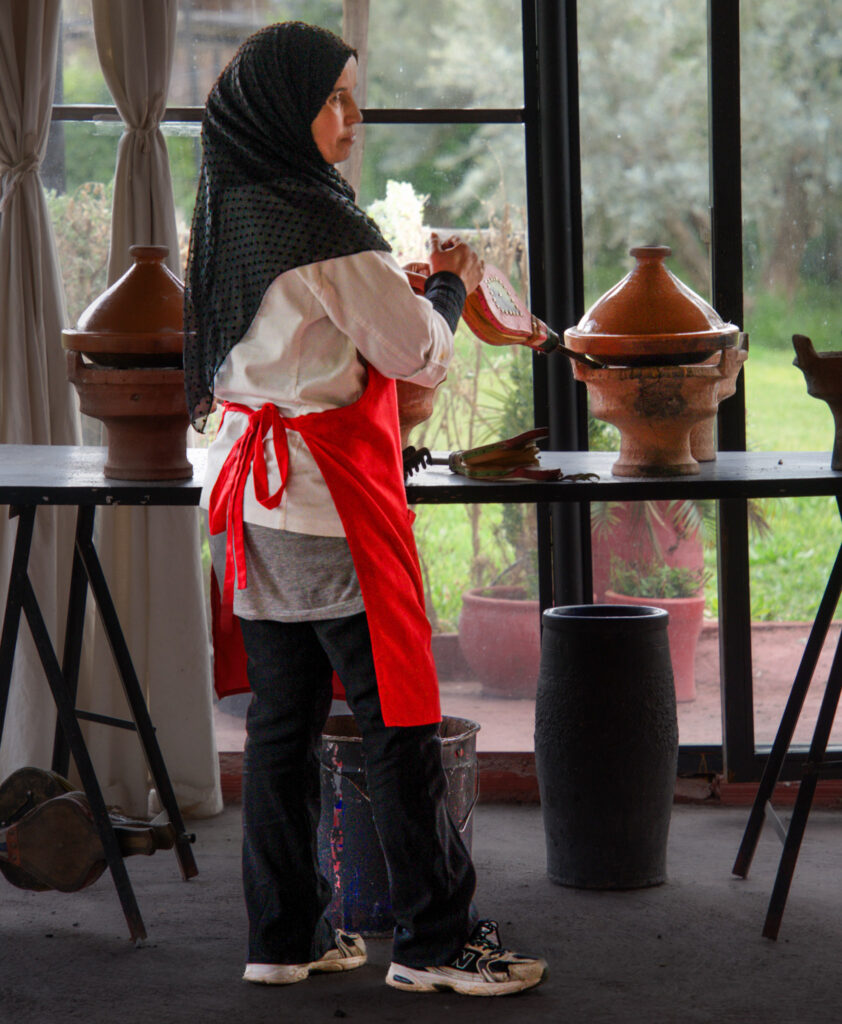
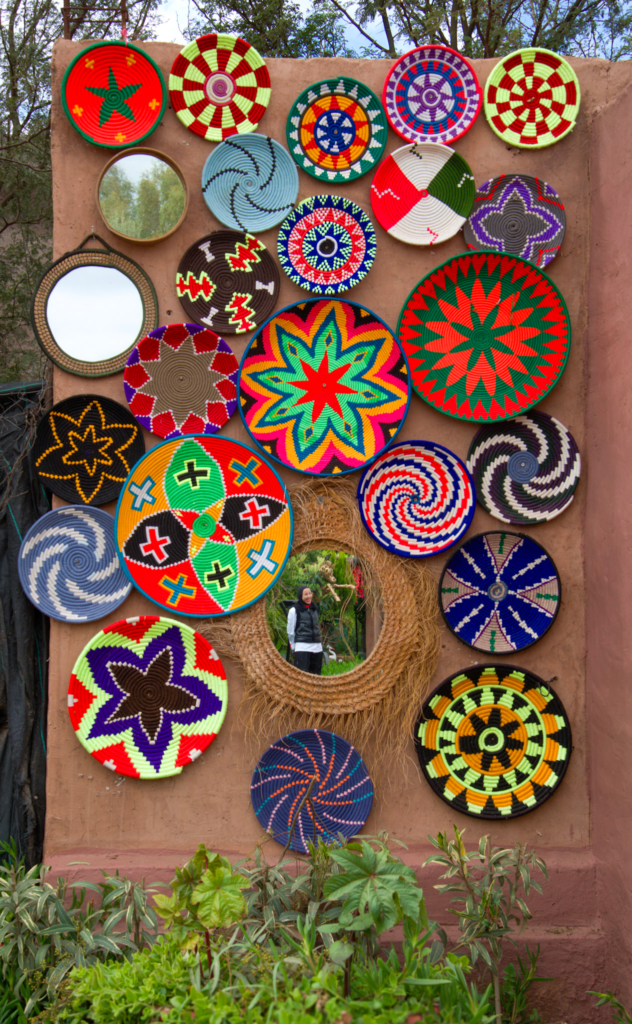
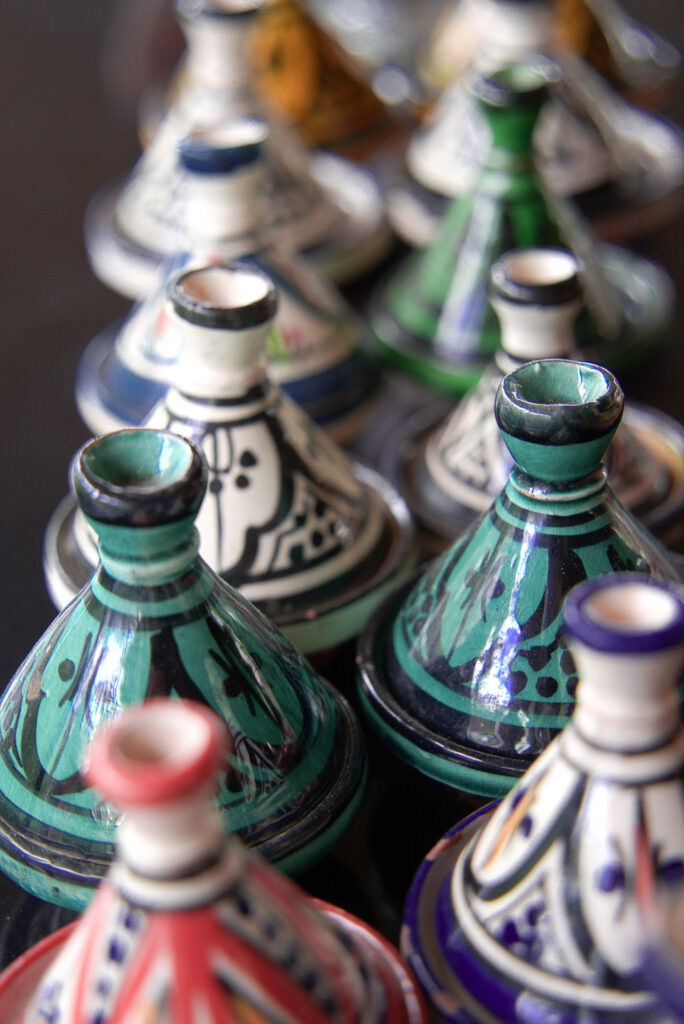
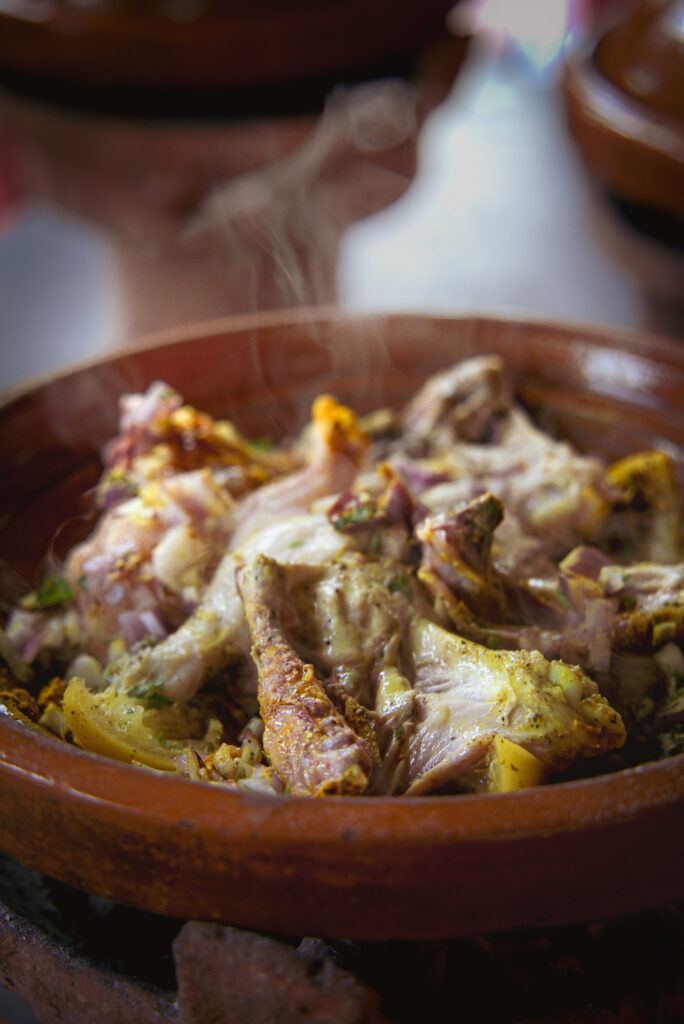
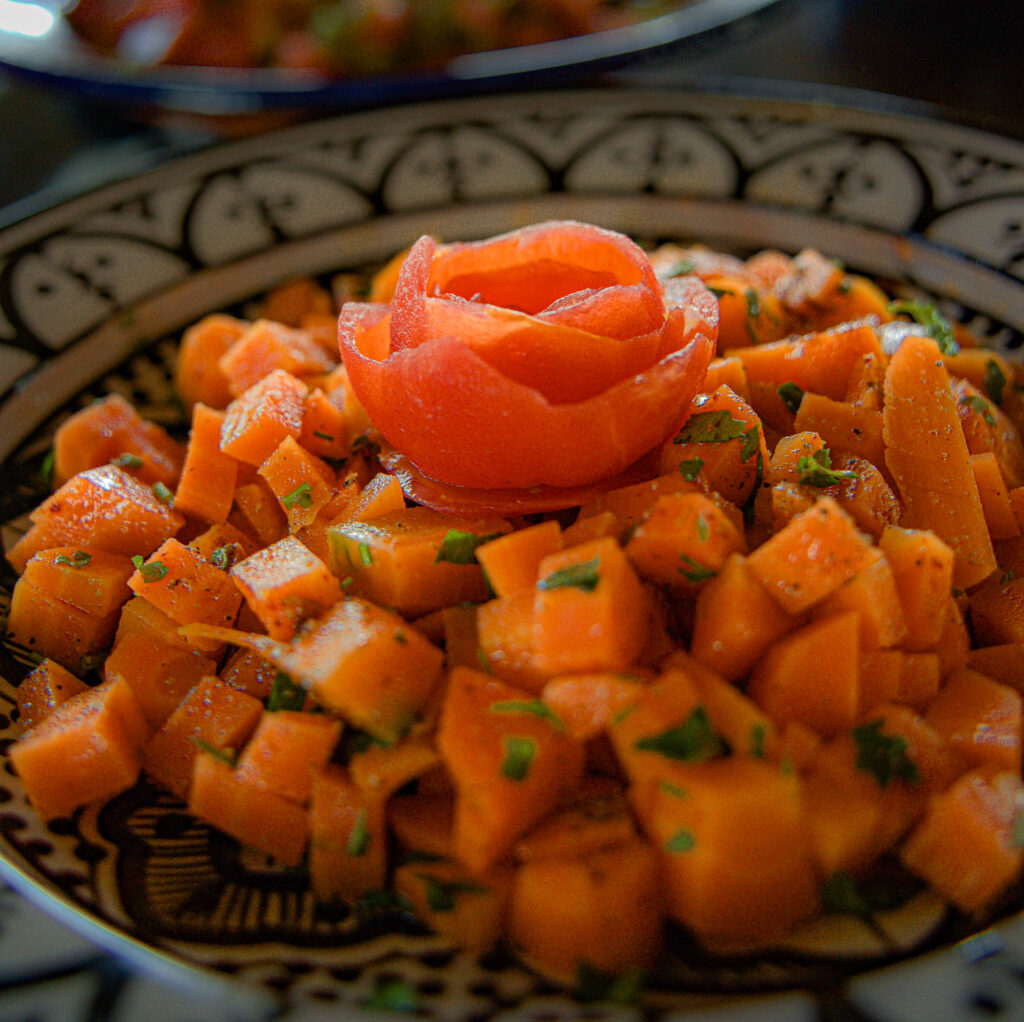
14. Take a Moroccan Cooking Class
If the pictures above don’t make your mouth water, then I don’t know what to tell you!
If you’re anything like me, food is a huge part of how you experience a place—and Marrakech is one of the best cities for it. Moroccan cuisine is rich, slow-cooked, and deeply rooted in tradition, from fragrant tagines to delicate pastries.
During our girls’ trip to Marrakech, we had the chance to take a cooking class on the outskirts of Marrakech, and it was such a fun experience!
What I experienced was something far more meaningful.
At Secret Berber Garden, they cater to families visiting Marrakesh, solo travelers, and girls’ trips like ours. The class goes beyond the kitchen. It’s part of a wider initiative called “Girls in the Garden,” which supports young girls from rural communities who face barriers to education. Alongside learning to cook, the program focuses on sustainable agriculture, teaching skills like vegetable cultivation and environmentally conscious practices.
The initiative works closely with local schools to create opportunities for girls who might otherwise miss out on education, giving them a space to learn, grow, and build independence.
As a traveller, it made me think more carefully about where my money was going. Experiences like this show how tourism, when done thoughtfully, can directly support local communities in a meaningful way.
If you’re choosing a cooking class in Marrakech, this is one with a feel-good initiative behind it!
15. Visit 1112 Moroccan Teahouse (for something different)
If you want a break from the pace of the medina, but still want something rooted in Moroccan culture, this is a really good stop. We didn’t get a chance to add this to our itinerary because we had so many things to do! When I head back to Marrakesh, I definitely want to visit! Libby from Happy Nomads Morocco hyped this up, so I want you to add it to your itinerary!
1112 Moroccan Teahouse is built around a simple idea: showcasing 12 teas from the 12 regions of Morocco. It’s a small concept, but it gives you a different way to experience the country beyond just food and sightseeing.
The space itself is part of the experience.
The name “1112” comes from the Islamic date carved into the wooden ceiling, which translates to 1700 in the Gregorian calendar. The riad has been carefully restored by a Moroccan family known for preserving historic homes, and you can feel that attention to detail in everything—from the carved wood to the tilework to the overall layout.
It feels intentional, not overdone.
Compared to some of the more popular cafés in Marrakech, this is a quieter, more grounded experience. You’re not rushing in and out—you’re sitting, tasting, and slowing down a bit.
Plan it: Stop here mid-morning or in the afternoon when you need a reset from the medina
What to expect: A curated tea experience featuring regional Moroccan teas in a restored riad setting
Worth knowing: This is a good alternative if you want something cultural without dealing with the crowds at more well-known spots like Bacha Coffee
16. Visit the Photography Museum (Maison de la Photographie)
This is one of the most underrated places in Marrakech—and one I’d genuinely prioritize if you want more context beyond just seeing the city.
Maison de la Photographie is a small museum tucked inside the medina that focuses on vintage Moroccan photography, mostly from the late 19th and early 20th centuries.
It doesn’t take long to go through, but it adds a lot.
You’ll see portraits, landscapes, and everyday scenes from across Morocco—Berber communities, desert life, early street scenes—things that help you understand how much has changed and what hasn’t.
It’s quiet, simple, and easy to move through at your own pace.
And then there’s the rooftop.
If you need a break, head upstairs. There’s a small café with one of the best low-key views over the medina and, on a clear day, the Atlas Mountains in the distance. It’s a good place to sit for a bit and reset.
Plan it: Visit late morning or early afternoon and give yourself about 45 minutes
Know before you go: Entry is around 50 dirhams (cash). Located inside the medina, about a 10–15 minute walk from the main square
Worth knowing: This is a great add-on if you’re already exploring the souks—it’s close, easy, and doesn’t require a big time commitment
17. Things to do Outside of Marrakesh
Daytrip to the Agafay Desert
If you’re short on time and can’t make it to the Sahara, an Agafay Desert day trip from Marrakech is the easiest alternative.
It’s not a sand desert—it’s rocky—but the experience still delivers, especially in the late afternoon when the light softens, and everything turns warm and golden.
For me, this ended up being one of the most memorable evenings of the trip—and easily one of the best Agafay Desert dinner experiences I had in Morocco.
Our group had dinner at Inara Desert Camp, a well-known Agafay luxury desert camp, and I would absolutely recommend it. The food was outstanding—not just “good for a camp”—and the wine pairings were just as good.
We were greeted by Amazigh musicians upon arrival, and they played throughout the evening. A young woman named Giselle applied henna to our hands, which felt like a really personal touch. After dinner, there was a fire show, and the entire night flowed effortlessly without feeling overly staged.
If I went back, I’d actually stay overnight. There are several camps in Agafay, but we booked through Happy Nomads Morocco, and they set us up with one they clearly trusted.
How to get there: ~45 minutes from Marrakech by car or guided tour
Plan it: Go in the late afternoon and stay through sunset
Worth considering: Overnight stays give you a much quieter, more immersive experience
Daytrip to the Atlas Mountains
If you want a real contrast to the city, a day trip to the Atlas Mountains from Marrakech is one of the best things you can do.
This is where things slow down.
We headed up to Imlil, one of the main starting points for hiking in the Atlas Mountains, and it gave us a real glimpse into life outside Marrakech.
You can hike from village to village, stop for tea, and sit down for a traditional meal. We had lunch with a Berber family, and it was easily one of the most meaningful experiences of the trip.
Our guide, Yossef, was with us for the day, and having someone local made the experience completely different. It felt less like a tour and more like being shown around by someone who actually lives there.
On the way up, you’ll likely stop at an argan oil cooperative where you can see how it’s made. It’s quick, but it adds helpful context to something you’ll see all over Morocco.
Again, this experience was booked by Happy Nomads Morocco
How to get there: ~1–1.5 hours from Marrakech (Imlil)
Plan it: Leave early and make a full day of it
Worth knowing: Wear proper shoes—trails can be uneven, even on shorter hikes
Other Day Trips to Consider
If you have more time (or just want something a little different), there are a few other easy day trips from Marrakech worth looking into:
- Essaouira: A laid-back coastal town about 2.5–3 hours away. Think ocean views, fresh seafood, and a completely different pace from Marrakech.
- Ouzoud Waterfalls: One of the most popular waterfall day trips from Marrakech, about 2.5 hours away. Expect crowds, but the scenery is worth it.
- Ourika Valley: A closer option in the Atlas foothills (about 1 hour). Good for a lighter version of an Atlas Mountains day trip if you don’t want to go all the way to Imlil.
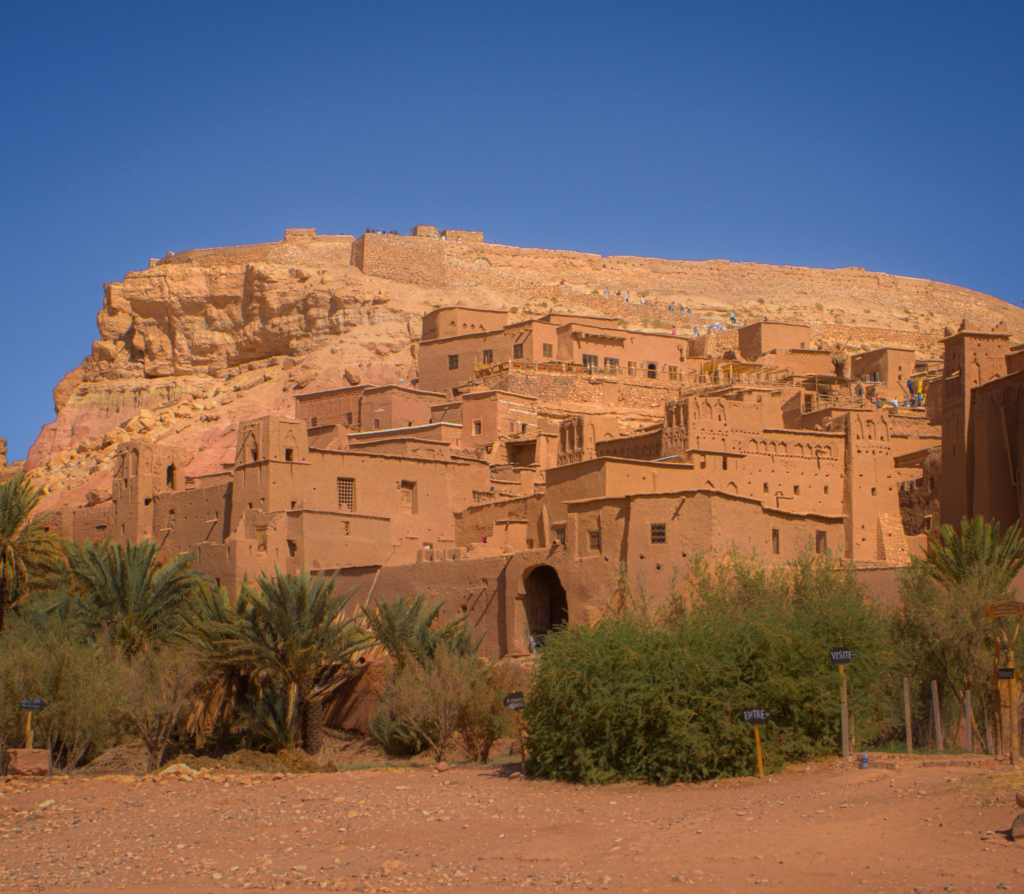
- Aït Benhaddou: A UNESCO-listed ksar (fortified village) and filming location for movies and shows. It’s a long day (3.5+ hours each way), but doable if you start early.
If you’re choosing between these, I’d base it on your energy level and how much time you actually want to spend in the car.
Marrakech: What to Do + How to Plan Your Trip
This guide covers the best things to do in Marrakech, from iconic spots like Jemaa el-Fnaa and Jardin Majorelle to historic sites like the Bahia Palace, the El Badi Palace, and the Saadian Tombs.
You’ll also find quieter experiences, such as visiting Madrasa Ben Youssef, the Photography Museum, and staying in a traditional riad.
If you have extra time, consider a day trip from Marrakech to the Agafay Desert or the Atlas Mountains (Imlil) for a different side of Morocco.
Use this as a starting point to plan your trip and prioritize what fits your travel style.
FAQ Things to Do In Marrakesh
Most travelers need 2–3 days in Marrakech to see the main highlights like Jemaa el-Fnaa, Bahia Palace, and Jardin Majorelle.
If you want to add a day trip (Agafay Desert or Atlas Mountains), plan for 3–4 days total.
Yes—Marrakech is one of the most unique cities in Morocco.
It offers a mix of historic architecture, markets, food, and cultural experiences you won’t find anywhere else in the country.
Yes, but it requires awareness.
Marrakech is generally safe, but solo female travelers should expect attention in the medina.
A simple “no, thank you,” walking confidently, and not engaging usually works.
Staying in a riad also helps create a more comfortable and secure base.
A riad is the best option for most travelers, especially first-time visitors.
Riads offer a quieter, more traditional experience inside the medina, while hotels are usually larger and located outside the old city.
Yes, but only to the Agafay Desert.
The Sahara Desert is too far for a day trip, but Agafay is about 45 minutes away and offers a similar experience with dinner, camps, and sunset views.
