Is Nowa Huta Worth Visiting? Inside Kraków’s Soviet-Era District
Last Updated on June 13, 2026 by Kimberly
I’m standing outside my hotel on a cold day in Kraków, waiting for my guide, Mateusz, to pick me up. We’re heading to Nowa Huta today, and as I stand there, my fingers freeze and I start questioning my life choices, mainly why I didn’t grab a second cup of coffee.
On this trip, I was craving something different, something beyond the usual strolls through Kraków’s picturesque Old Town. So I signed up for a tour of Nowa Huta, a district that offers a deep dive into Poland’s communist past.
Because, you know, nothing says “vacation” like brutalist architecture and tales of socialist struggle. And considering current events, I feel this exploration matters more than ever.
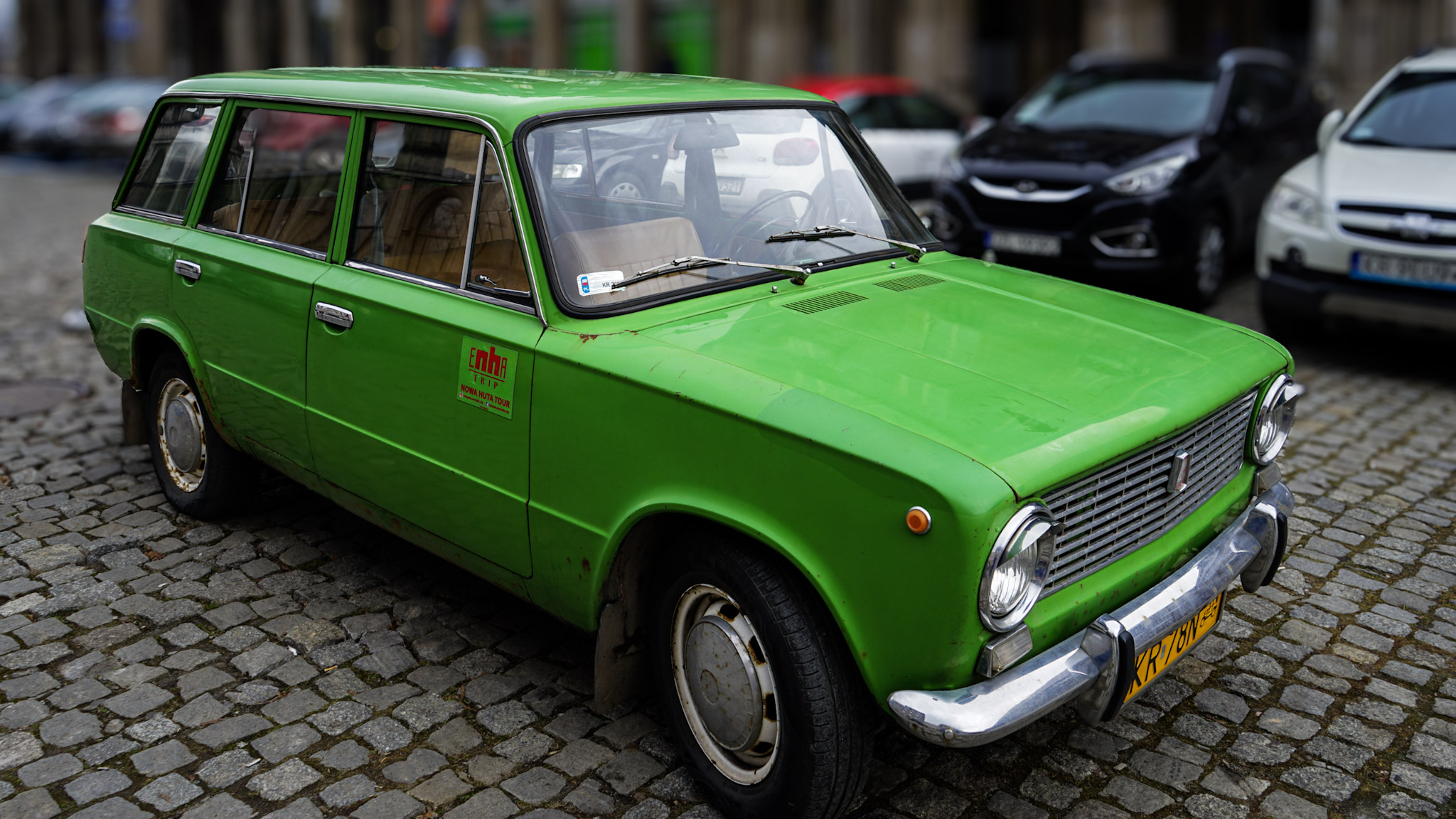
Just as I think this, a vintage 1981 Lada pulls up, a stunning, bright green car. It’s beautiful. I hop in, and we head east, out of Kraków, toward an area with a history unlike anywhere else in the city.
Nowa Huta at a Glance
Where
East of Kraków center, 20 to 30 min by tram or car
How long
Half a day (a guided tour runs 3 to 4 hours)
Tram fare
~6 PLN single ride (2026)
Why go: Step into a living time capsule of Poland’s communist era, brutalist architecture, underground bunkers, Soviet symbolism, and stories of rebellion and resilience.
Best way to visit: A guided tour with a local. I booked Trip Around Nowa Huta on Viator, hotel pickup included.
Book the same tour I took →Getting around: A Kraków Card (transport version) covers the trams out here plus free entry to the Nowa Huta Museum, handy if you’re museum-hopping across the city.
What to See in Nowa Huta (Quick List)
Short on time? Here are the stops worth your attention, all covered in detail below:
- Plac Centralny (now officially Ronald Reagan Central Square)
- The Tadeusz Sendzimir Steelworks administration building, the old Lenin Steelworks
- The Vatican-inspired staircases and underground tunnels
- The site of the old Lenin statue
- Ark of the Lord Church (Arka Pana), the church the regime tried to block
- The IS-2 tank monument
- Restauracja Stylowa, a genuine communist-era restaurant
What is Nowa Huta?
Most travelers know Kraków for its medieval charm, grand market square, and landmarks like Schindler’s Factory and Auschwitz. But just beyond the city center lies Nowa Huta, a place that feels like you’ve accidentally time-traveled into the Soviet era.
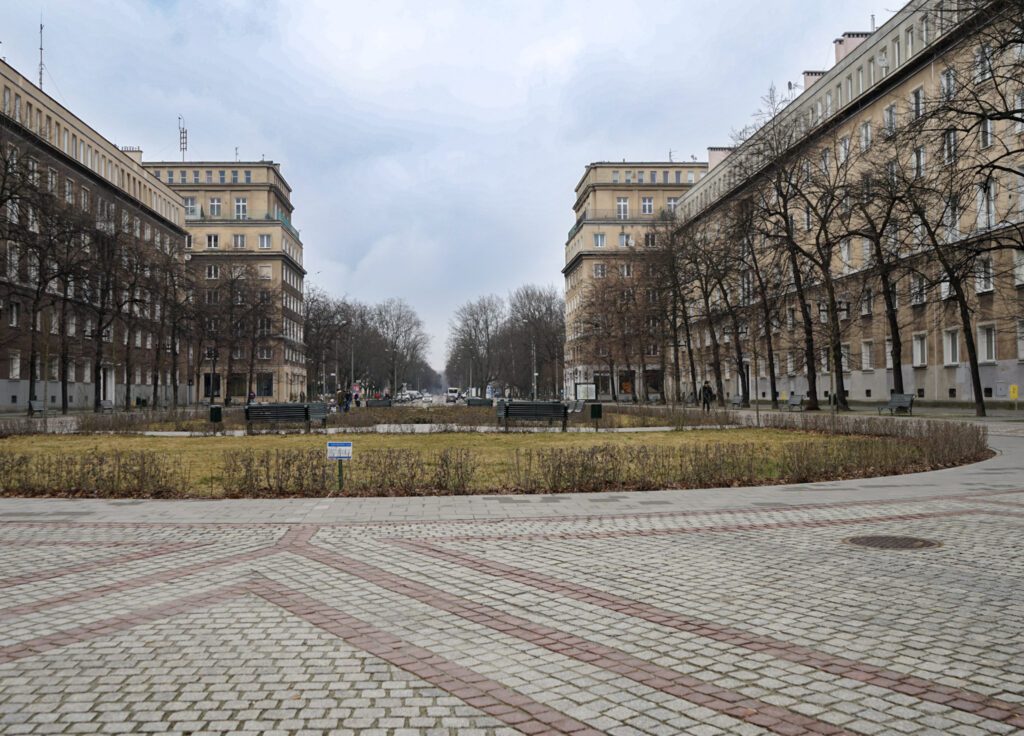
Built as a model socialist city, Nowa Huta shows off all the hallmarks of communist urban planning: massive, symmetrical apartment blocks, wide boulevards, and an eerie sense that Lenin might round the corner at any moment. I find it fascinating. It’s a reminder that history isn’t always neatly packaged.
If you want to see a different side of Kraków, away from dragons and medieval castles, Nowa Huta is a must-see.
Meet Your Nowa Huta Guide
It’s about a 20-minute drive from my hotel to Nowa Huta, and on the way to Nowa Huta, Mateusz explains what he does. He works for the foundation for Nowa Huta or Fundacja Promocji Nowej Huty and does English tours with his business partner.
They focus on educating tourists and even polish about this vital piece of polish history.
Mateusz tells me that he grew up in Nowa Huta, his family has lived here for a long time.
So, he knows Nowa Huta like nobody else and he’s my guide today. I feel lucky because I get to learn firsthand from a local.
The Bright Green Viz Lada jerks forward as we go over railroad tracks, and suddenly, the scenery changes. Buildings take on a new look, and I remark, “the buildings are much different.”
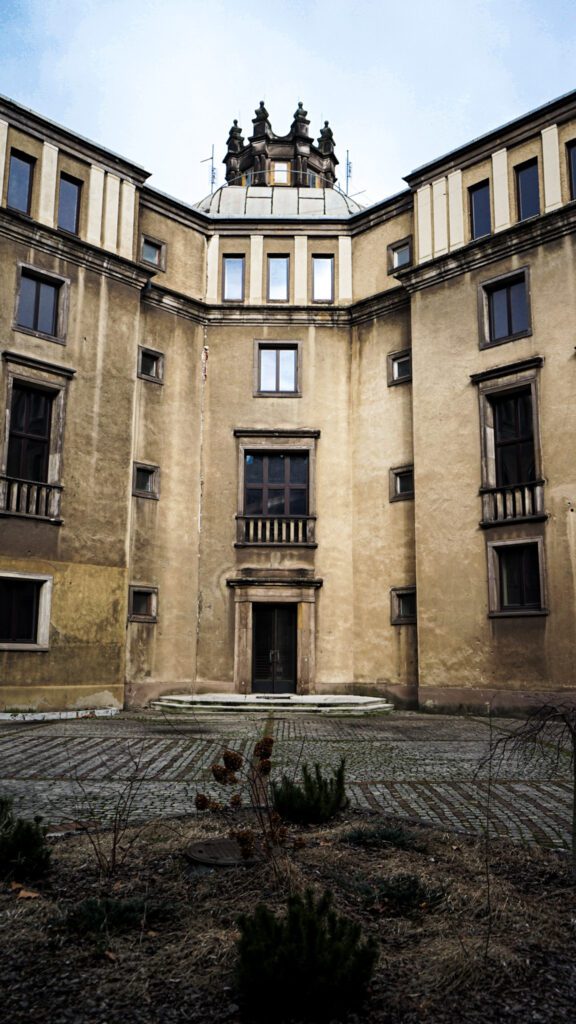
Mateusz tells me that the founders of Nowa Huta took inspiration from the Royal residence in Krakow. They wanted visitors to feel like they were walking into a royal palace when in the administration buildings of Nowa Huta.
A Brief History of Nowa Huta
Nowa Huta’s story starts in the late 1940s. Construction began in 1949, when planners built it as a socialist-realist city under Stalin’s influence.
The goal was a model city that embodied communist ideals: self-sufficiency, industrial growth, and a strong working-class community. The government brought in peasants from the Polish countryside and gave them jobs, education, and homes in this newly built district. Mateusz tells me the whole place revolved around a massive steelworks mill, with ambitious plans to transform Kraków’s countryside into an industrial utopia.
Nowa Huta: A Timeline
Construction begins on a brand-new socialist “ideal city,” built around a massive steelworks.
The Ark of the Lord Church opens after a decade of volunteer labor, defying a regime that opposed it.
A giant statue of Lenin is raised at Plac Centralny, towering over the district.
Workers here become central to the Solidarity movement, turning a planned socialist city into a hub of resistance.
Communism falls in Poland. The Lenin statue is removed and eventually ends up in a museum in Sweden.
In a narrow council vote, Plac Centralny is officially renamed after Ronald Reagan, for his support of Solidarity.
Lenin, Stalin and their inspiration
Lenin, Stalin, and Their Inspiration
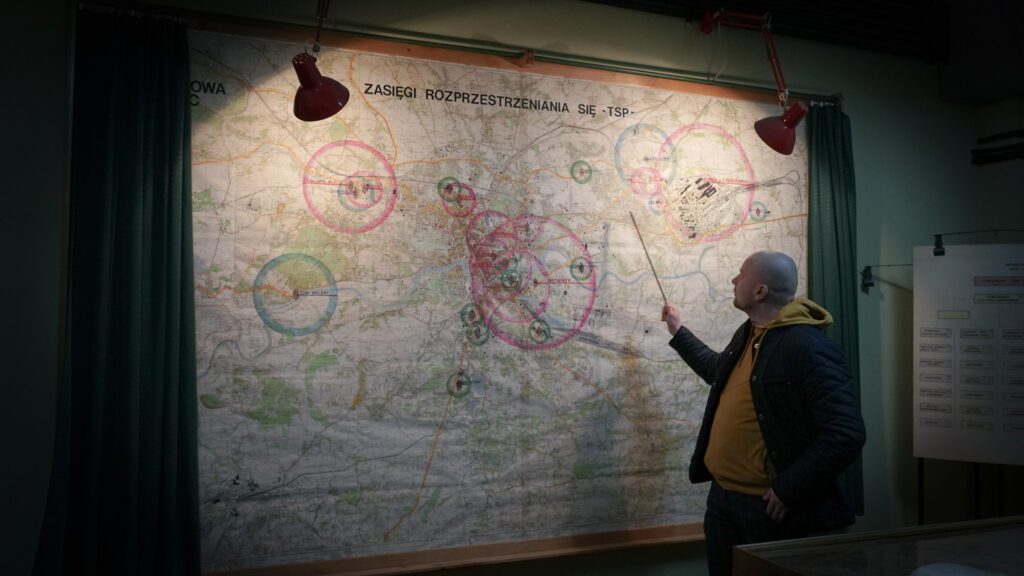
We pull into the parking lot, step out, and Mateusz immediately shows me old photos. Pointing to the center, he asks, “Do you see those benches?”
“Yes, of course,” I reply.
He nods. “That’s where a statue of Lenin used to stand.”
It was removed after the fall of communism under the guise of “restoration.” Instead of coming back, the statue ended up in Sweden, sitting in a museum that a millionaire filled with random artifacts.
Here, I learn that communism in Poland had already begun to collapse six months before the Berlin Wall fell. But the Western world only recognized it once the Wall came down. Polish officials hesitated to remove Lenin’s statue, unsure how to handle the transition. The fall of communism wasn’t an overnight event. It unfolded in slow, uncertain steps.
Political tension in Nowa Huta
Despite its idealistic roots, Nowa Huta was also a place of political tension.
While the communist regime intended it to be a symbol of their power, the people of Nowa Huta played a crucial role in Poland’s resistance movement.
In the 1980s, workers here were pivotal in the Solidarity Movement, a labor union that helped bring about the downfall of communism in Poland.
The area has since become a symbol of both propaganda and rebellion, with a rich history of struggle and triumph.
Architectural Wonders & Highlights
Architectural Wonders and Highlights
Nowa Huta’s architecture is one of its most striking features. The district is a living museum of brutalist and socialist-realist design, dominated by massive concrete structures, wide boulevards, and grand public spaces. Every building was designed to showcase the power of the state, and walking through Nowa Huta really does feel like stepping back in time.
Plac Centralny (Now Ronald Reagan Central Square)
At the heart of the district is Plac Centralny, a vast central square that’s the perfect representation of socialist-era urban planning. Surrounded by massive, boxy buildings, it offers an eerie but fascinating glimpse into the past, and it’s a fantastic spot for photography, all grand scale and stark simplicity.
Here’s the detail that stopped me in my tracks. The square’s official name today is Plac Centralny im. Ronalda Reagana. In 2004, Kraków’s city council voted, narrowly, 19 to 17, to rename it after Ronald Reagan, honoring his support for the Solidarity movement.
Sit with that for a second. This square was built as the showpiece of a socialist city. A statue of Lenin once loomed over its northern end. And today it officially carries the name of the American president many Poles credit with helping topple communism. Mateusz tells me most locals still just call it Plac Centralny, and the renaming was controversial at the time. Standing there, I couldn’t help wondering how it’ll be remembered in another fifty years.
The Nowa Huta Steelworks Administrative Buildings
We get back in the car and drive to the steelworks. This is something I’ve yet to see, and I’m brimming with excitement.
Mateusz points out a school and I ask if that’s where he went. He says no, but his brother did. It’s a technical high school that’s been around for decades. As we arrive, a huge sign greets us: Huta im. T. Sendzimira.
He parks, grabs the keys to one of the administrative buildings, and, in the process, notices three British tourists inquiring about a tour. He invites them to join us.
The steelworks at the center of the district were the beating heart of Nowa Huta. The factory still stands as a symbol of the industrial power the city was built around, and a new company has since taken over.
A Walk Through History
As we pass through the steel gates, Mateusz tells us the building has been featured in several films. One depicts Pope John Paul II’s visit to Nowa Huta in 1976, when he was Archbishop of Kraków, to open the town’s first church. Another is inspired by German WWII events.
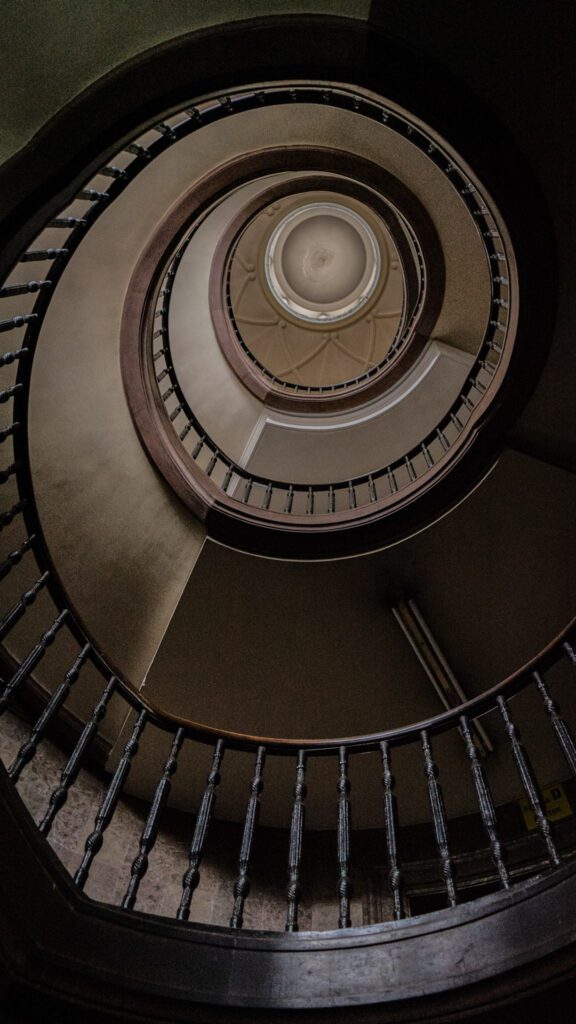
An area of particular interest to filmmakers is the “Vatican Staircases,” which remain intact and as beautiful as ever. Several dignitaries have visited over the years, including Fidel Castro, who came specifically to observe the steelworks and the sprawling new city.
I can’t help asking more questions when Mateusz tells the four of us that the USA even bought steel from Poland. It went against everything I was taught in high school. I was genuinely surprised to learn that US delegations came here to make deals with the steel factory.
The Rooms of the Administrative Buildings
During the tour we were led through several rooms where the day-to-day administrative operations of the steel mill once happened.
One room that really left an impression was the meeting hall. It had intricately laid wooden parquet floors and an impressive chandelier in the center, made, Mateusz tells us, by a local company in Kraków. Much of the furniture throughout the rooms is original, with steel pieces marked with archive numbers on the back.
When films are shot here, the furniture gets moved around and occasionally used. When Mateusz told us we could sit in the chairs, I felt like I needed to be careful.
Meeting and Dispatch Rooms
Most of the rooms here are floor-to-ceiling wood, which is striking and also keeps the heat in. In one of the meeting rooms there are bottles of water. Mateusz picks one up and says, “We found these in the basement,” as he tips it upside down. Algae comes loose from the bottom of the bottle. I shudder.
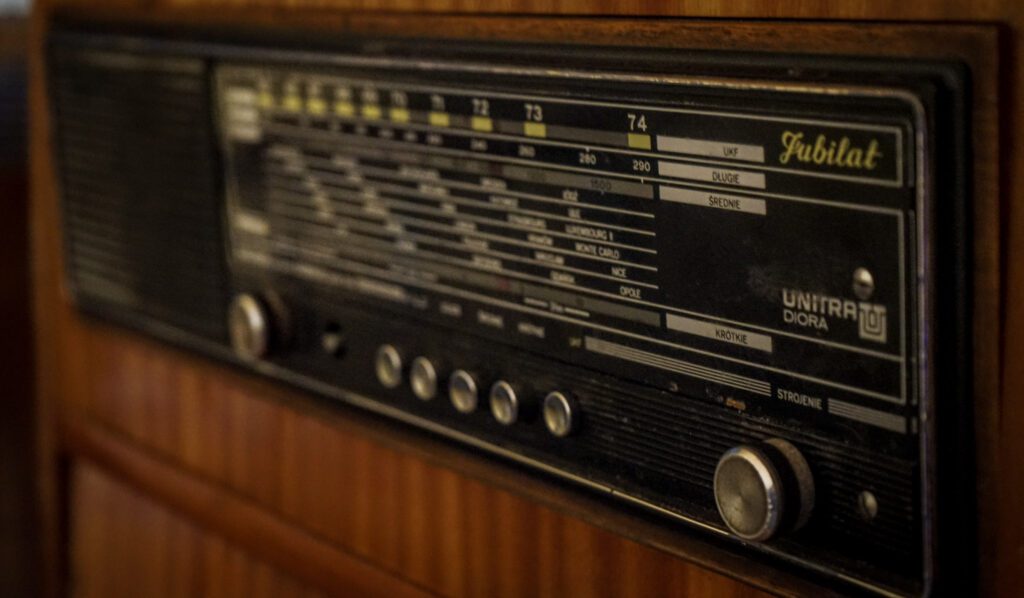
We make our way into the dispatch room of the administrative building, where Mateusz plays us a recording of a woman reporting fuel theft. There’s a pause in the recording, a point where they stopped capturing vital information, as if someone were trying to hide something.
Mateusz says they found several tapes like this, plus tapes recorded over with music, another nod to erasing illegal activity. The system in this room is fascinating, and I can’t stop wondering what it was like back then. Listening to those tapes brought a jolt of reality to the whole tour.
The Tunnels of Nowa Huta
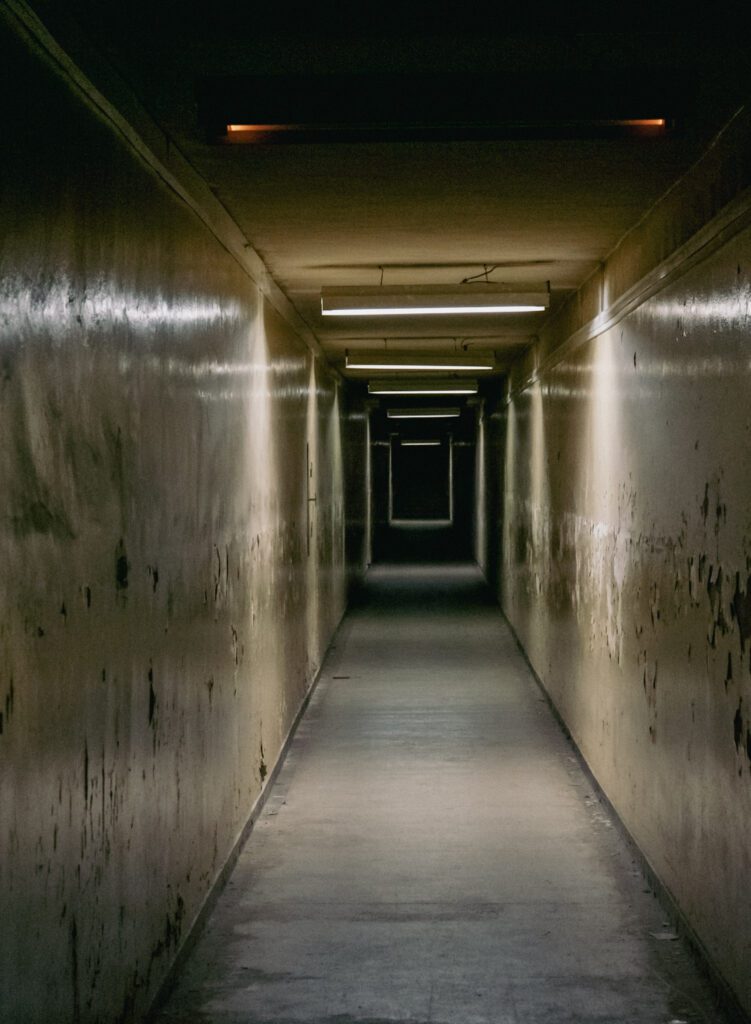
We descend the Vatican staircases into the basement and tunnels, which have a notably eerie atmosphere. Without giving too much away, the bunker system down here is intriguing and genuinely informative.
You could say that by leaving out the details, I’m just giving you one more reason to take the tour yourself.
Ark of the Lord Church
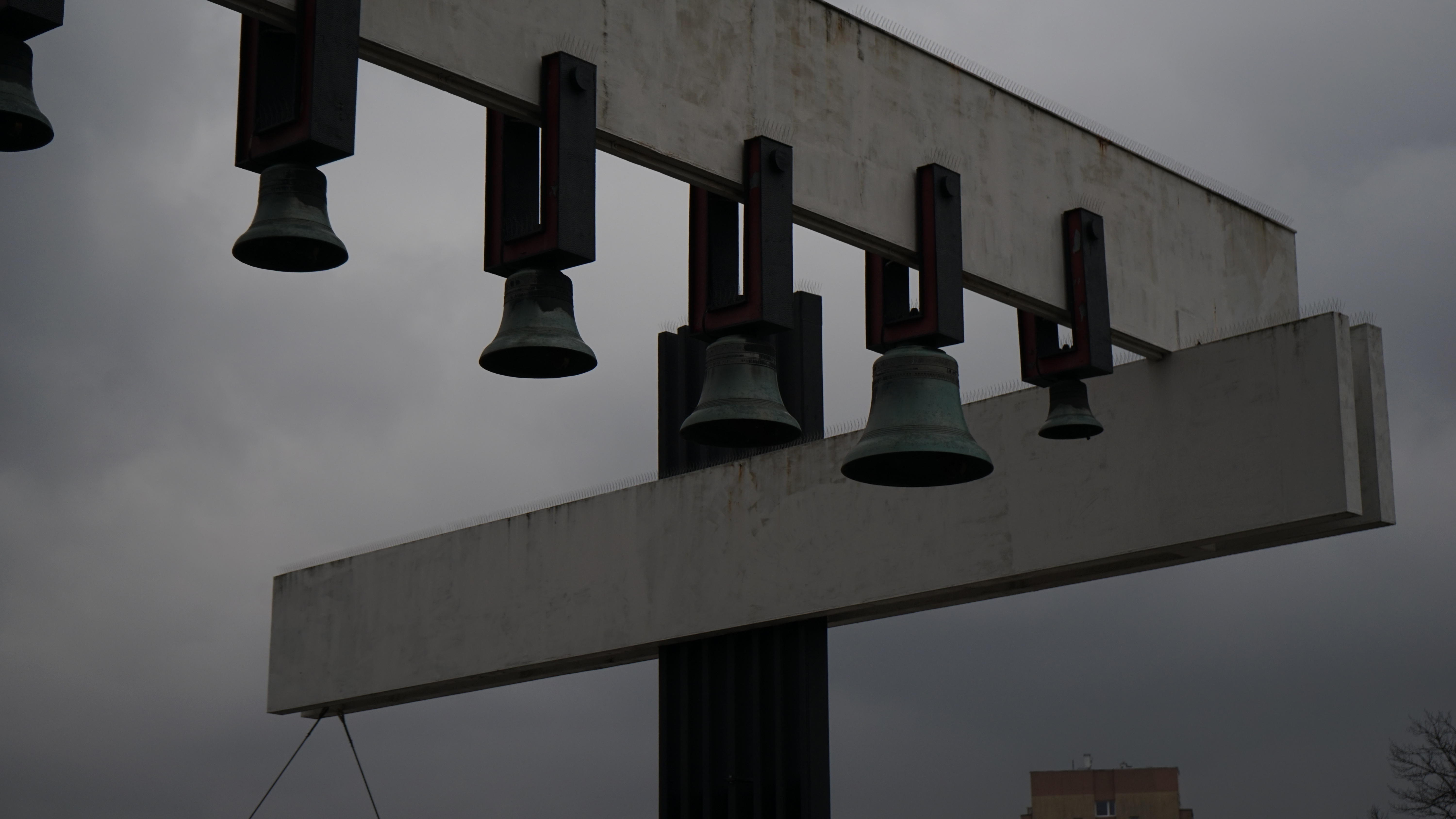
Mateusz and I get back in the car and head to one of the most significant landmarks in Nowa Huta, the Ark of the Lord Church, or Arka Pana, built in the 1960s when the communist regime initially opposed building any churches at all.
This church is a testament to the resilience of Nowa Huta’s people, who defied the government in their pursuit of faith and freedom. What it took to build it was backbreaking. Despite freezing weather, Bishop Karol Wojtyła began celebrating mass outside on the chosen site in 1960. Seven years later, permits were finally granted, and volunteers worked on the church for ten years, with donations arriving from all over the world, until it opened to the public in 1977.
The church’s angular architecture contrasts sharply with the surrounding communist buildings. We head inside and I’m in awe. It’s something you have to see to believe. The blood, sweat, and tears poured into this place during a time when the state controlled everything gives me chills, especially thinking about history alongside current events.
Other Significant Stops in Nowa Huta
We stopped by a WWII IS-2 tank left in the neighborhood. Mateusz tells me his mom remembers a time when you could climb inside it. You can’t do that now, but you can still admire it.
Our last stop was Restauracja Stylowa, where we had a lunch of pierogi and żurek. This restaurant is a holdover from the communist era, and you’ll spot references to it during the tour of the administration building.
The Cultural Significance of Nowa Huta
Nowa Huta’s importance lies not just in its architecture and history, but in its cultural role as a site of resistance. The district was central to the Solidarity Movement, where workers and citizens fought back against the oppressive communist regime.
Today, it’s a reminder of the power of collective action and the spirit of resilience that helped shape Poland’s freedom. The area has also transformed in recent years, with younger generations embracing its unusual past while pushing the boundaries of art and culture. That juxtaposition of Soviet-era nostalgia and modern creativity gives Nowa Huta a singular energy.
How to Get to Nowa Huta
Visiting Nowa Huta is easy, and it’s a short trip from Kraków’s city center. If you would like to do it on your own, you sure can. However, I found that having the additonal context was WONDERFUL.
By tram: Take Tram 4 or Tram 10 from stops like Teatr Słowackiego or Dworzec Główny Tunel (near the Main Square and Kraków Główny train station). The ride takes about 30 to 40 minutes, and you’ll get off at Plac Centralny, the heart of Nowa Huta.
Tram tickets: Buy them at the machines at stops or on board (cash or card). A single ride ticket (around 6 PLN as of 2026) covers the trip. If you buy the Krakow City Card, Public Transport is included!
The Kraków Card option: If you’re planning to museum-hop, a Krakow Card is worth a look. The transport version includes unlimited trams and buses, so your ride out to Nowa Huta is covered, plus free entry to around 35-40 museums, including the Nowa Huta Museum.
It comes in 1, 2, and 3-day options, with or without transport, so pick the transport one if you want it for the trams.
Honest caveat: single tickets and museum entries in Kraków are genuinely cheap, so the card only pays off if you’re packing several museums into a couple of days. If that’s your plan, it’s a great deal. If not, just tap your card on the tram and save your money.
A connectivity tip: I always travel with an Holafly eSim so I have data the moment I land, which makes apps like Bolt and the transit planner below effortless from the airport on.
By Bolt: If you’d rather go faster and more directly, Bolt (a ride-hailing app like Uber) is widely used in Kraków and often cheaper than a traditional taxi. Great for late nights or traveling as a group, at roughly 20 minutes from Old Town.
For navigating public transport, download the Jakdojade app, the most popular transit app in Poland. It gives real-time tram and bus schedules, route planning, and lets you buy tickets directly in the app (iOS and Android). Google Maps works for basic navigation, too, but it can’t sell you tickets.
Google Maps also works well for basic tram and bus navigation, but it doesn’t offer ticket purchases.
Map of Nowa Huta’s Main Stops
Should You Visit Nowa Huta With a Tour?
Honestly? Yes. The best way to experience Nowa Huta is with a guide.
So much of what makes this district fascinating is invisible without context. The empty benches where Lenin stood, the erased tapes, the irony of the Reagan square.
You’d walk right past all of it on your own. Having a local like Mateusz, who grew up here, made the whole place come alive in a way no plaque ever could. And being picked up in that green Lada was half the fun.
Guided Tour vs. Doing It Yourself
| Guided Tour | Self-Guided | |
|---|---|---|
| Inside the steelworks & tunnels | Yes, your guide has the keys | No, these are closed to walk-ins |
| The stories & context | The whole point, a local who lived it | You’ll need to research as you go |
| Transport | Hotel pickup, often a vintage car | Tram or Bolt, on your own |
| Cost | Higher, but all-in | Just tram fare (~6 PLN) |
| Best for | First visit, history lovers | Return visits, photographers, budget travelers |
The tour I took is Trip Around Nowa Huta, Krakow on Viator, with hotel pickup included. If you’d rather explore independently, there are plenty of walking and biking routes through the district that hit all the major stops above. You’ll just be doing the storytelling yourself.
Wrapping Up My Time in Nowa Huta
On the way back to my hotel, Mateusz reiterates why places like Nowa Huta matter. He tells me about a young boy on a recent tour who was so taken with the district’s history that he kept repeating facts he’d learned on his own.
“This is so important,” Mateusz says, “to have curiosity in times like this, so we can pass on Nowa Huta’s story. It’s a district that speaks to the soul of Kraków, and it gives visitors a deeper understanding of Poland’s struggle for freedom, its industrial power, and its cultural resilience.”
With its striking architecture, layered history, and local character, Nowa Huta is a must for anyone who wants to experience a side of Kraków few tourists ever see.
Check out more of my Kraków posts:
- 22 of the Best Things To Do In Krakow
- First Timer’s Guide to Kraków: Best Tours to Take
- The 5 Must-Try Traditional Foods in Kraków, Poland
- Top Places to Stay in Kraków for First-Time Visitors
- Tłusty Czwartek in Kraków: Where to Find the Best Pączki
- Where to Stay in Kraków (For First-Timers and Solo Travelers)