4-Day Bavaria Itinerary: Castles, Alps and Munich from Oberammergau
Last Updated on November 1, 2026 by Kimberly
Planning a four-day Bavaria itinerary and stuck between basing yourself in Munich or somewhere closer to the castles and the Alps? After four trips to this corner of Bavaria, my answer is Oberammergau.
I’ve been here in summer, winter, and fall, most recently for a week this October while my husband attended the NATO School and we hosted his cousin on his first trip to Europe. I’ve hiked the gorges, ridden the alpine coaster, toured the castles, and learned the hard way how often Bavarian trains run late.
This 4-day Bavaria itinerary gives you one day each for Oberammergau, Neuschwanstein and Linderhof, Munich, and the gorges and Ettal Abbey around Garmisch. You’ll get real prices, the tickets to book ahead, and where the train works and where it doesn’t.
Where I’ve Stayed
Where I’d Stay for This Itinerary
Oberammergau Alpen Deluxe
Where I stayed in October 2026 and the base for this itinerary, right in Oberammergau.
Check rates and availabilityAlpenhof Grainau
Where I stayed on my first trip to the area in 2020, near the base of the Zugspitze.
Check rates and availabilityEdelweiss Lodge and Resort, Garmisch
Where we stayed in 2024 and 2025. It’s an Armed Forces Recreation Center, so it’s only open to eligible U.S. military and DoD ID holders, and you book directly with the resort.
Why Base Your Bavaria Itinerary in Oberammergau, Not Munich
Most four-day Bavaria itineraries base you in Munich and send you out on day trips. That works if Munich is the main event. If you came for castles, mountains, and alpine villages, it means two long transfers every day you leave the city.
Oberammergau flips that. Neuschwanstein, Linderhof, Ettal, and Garmisch-Partenkirchen are all a short drive away, and Munich becomes the day trip instead. You trade big-city nightlife and a wide choice of restaurants for a quieter village with painted houses, mountain trails at the edge of town, and much easier mornings.
The tradeoff is transport. Without a car, Oberammergau is harder to work around than Munich. More on that below.
Where is Oberammergau?
Oberammergau is a small village in the Ammergau Alps of southern Bavaria, about 90 km (56 miles) southwest of Munich and close to the Austrian border. That location is what makes it such a good base. Ettal Abbey is about 10 minutes away by car, Linderhof Palace about 20 minutes, Garmisch-Partenkirchen about 25 minutes and Neuschwanstein about an hour.
The closest airports are:
- Innsbruck (INN), Austria: about 80 km, roughly 1 hour 15 minutes to 1 hour 30 minutes by car on mountain roads
- Munich (MUC): about 130 km, roughly 1 hour 30 minutes by car, and the airport with the most international flights
- Memmingen (FMM): about 115 km, roughly 1 hour 30 minutes by car, and the one to check for budget airlines
From Munich, take the A95 toward Garmisch-Partenkirchen to where it ends at Oberau, then follow the B23 through Ettal to Oberammergau. If you’re flying in, picking up a rental car at the airport makes this itinerary much easier, and you can compare prices on Discover Cars. Without a car, plan on about two hours by train from Munich with a change in Murnau, or take the regional bus from Garmisch-Partenkirchen, which runs through Oberau and Ettal. You can check train times and book tickets on Omio. Add the trip protection at checkout, since late trains are common and Deutsche Bahn refunds are a hassle. If you’d rather not drive after a long flight, Welcome Pickups offers private transfers from Munich Airport.
How to Get to Oberammergau by Car or Train
Driving to Oberammergau
We drove from Belgium, so we had our car for the whole trip, and it made the castle day and the Garmisch day easy. From Munich, it’s about an hour and 15 minutes by car, and about an hour and a half from Munich Airport, depending on traffic.
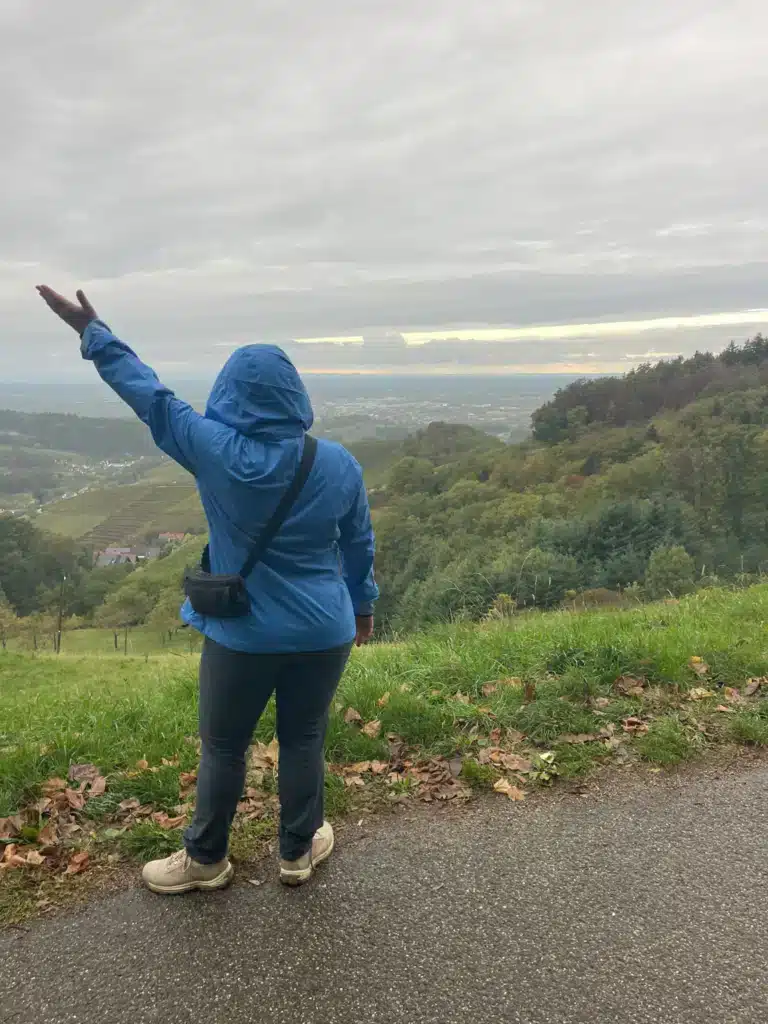
On the drive down, we stopped in the Black Forest to hike the Schnapsbrunnenweg and took a break in Friedrichshafen on Lake Constance.
Munich to Oberammergau by Train
Oberammergau has its own station, but it’s on a small branch line, and getting there from Munich involves a change in Murnau. I don’t recommend it. If you do take the train, expect delays. If you’re traveling by train, read my Day 3 tip before you build a schedule around it.
Day 1: Painted Houses, the Passion Play Theatre and an Alpine Coaster in Oberammergau
Where to Stay in Oberammergau
This trip, we stayed at the Oberammergau Alpen Deluxe, a family-owned apartment, and I absolutely loved it. It has two bedrooms: one with the comfiest king-size bed and a porch to sit out on, and a second with bunk beds. There’s a full kitchen and plenty of room, and my dog, Bear, felt right at home. The only trade-offs are the stairs and a single bathroom, and it was still perfect for us.
It worked well as a base, too. The center of Oberammergau is about a 10-minute walk away, maybe less, and there are walking trails close by if you’re traveling with a dog.
For groceries, Oberammergau has plenty of options, but you’ll want the car. One shopping center has a Lidl, a Netto, and a few other shops, so it’s easy to stock the kitchen in one stop.
One thing that surprised me: one day the doorbell rang, and it was the police. They only wanted to cross-reference the names of the guests staying at the house against their records, so don’t be alarmed if it happens to you.
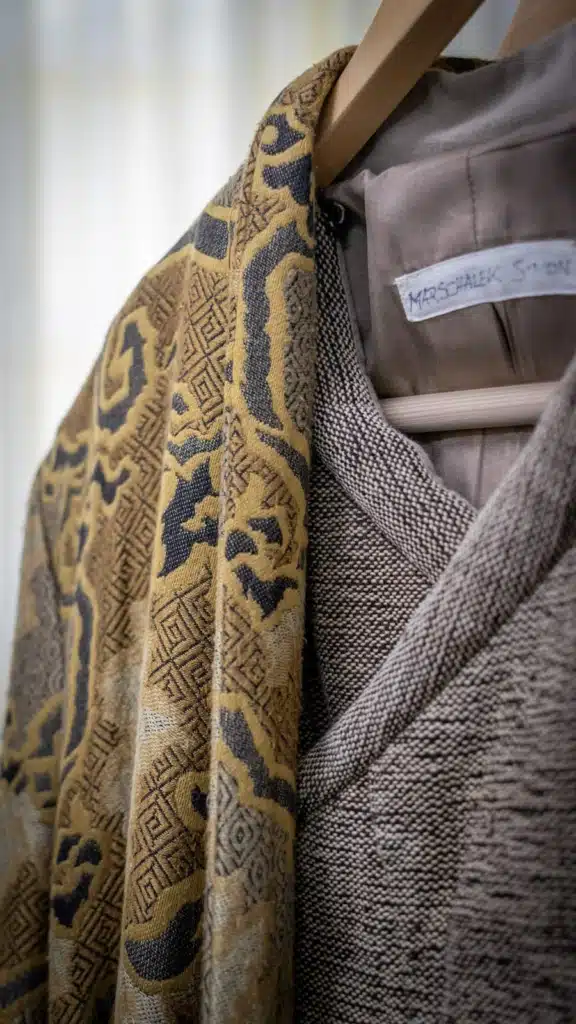
Morning: A Guided Tour of the Passion Play Theatre
Oberammergau is known worldwide for its Passion Play. In 1633, with plague in the village, the villagers vowed to perform the story of Christ’s suffering, death, and resurrection every ten years, and they’ve kept that promise since 1634. Nearly the whole cast are village residents.
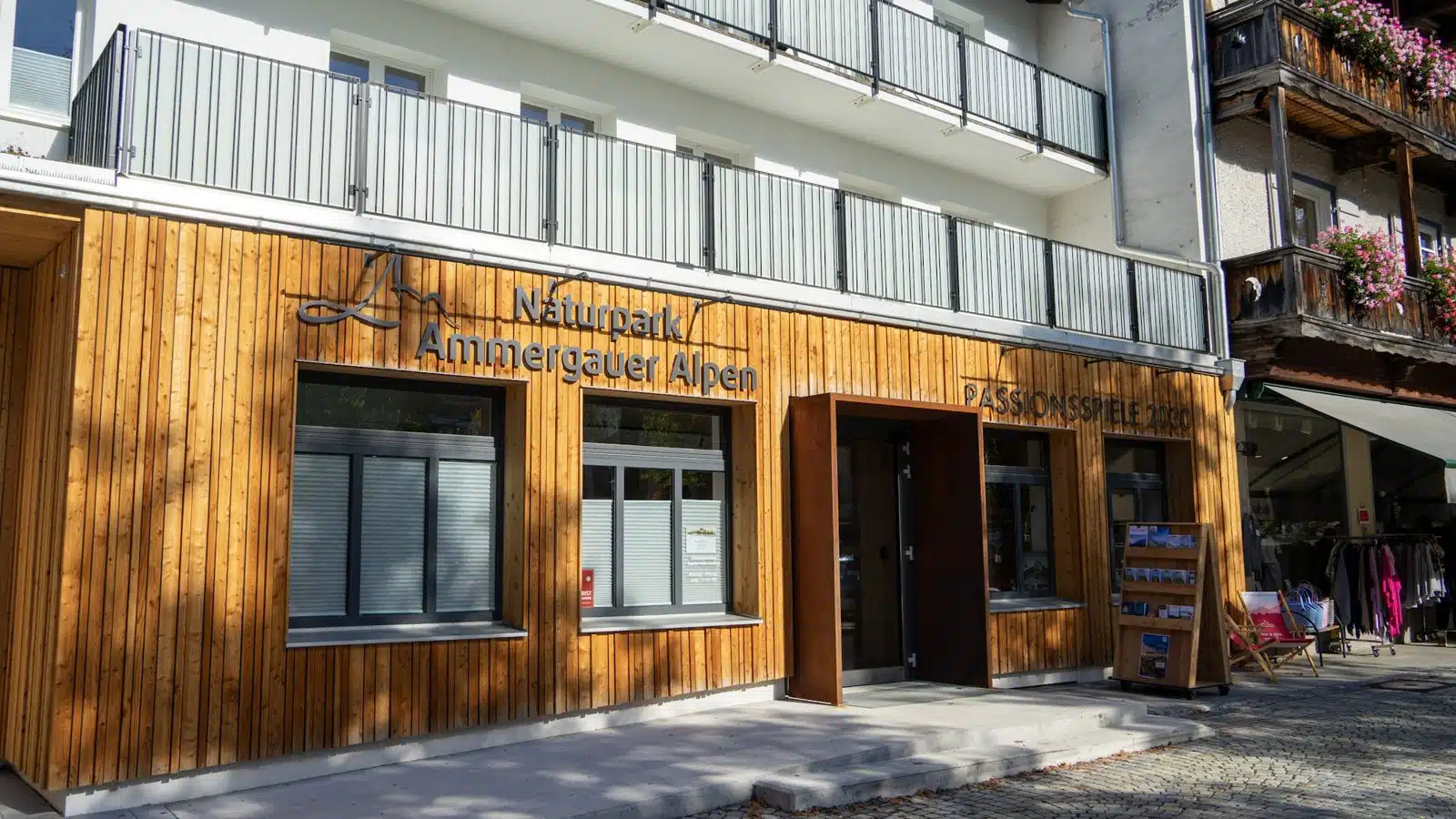
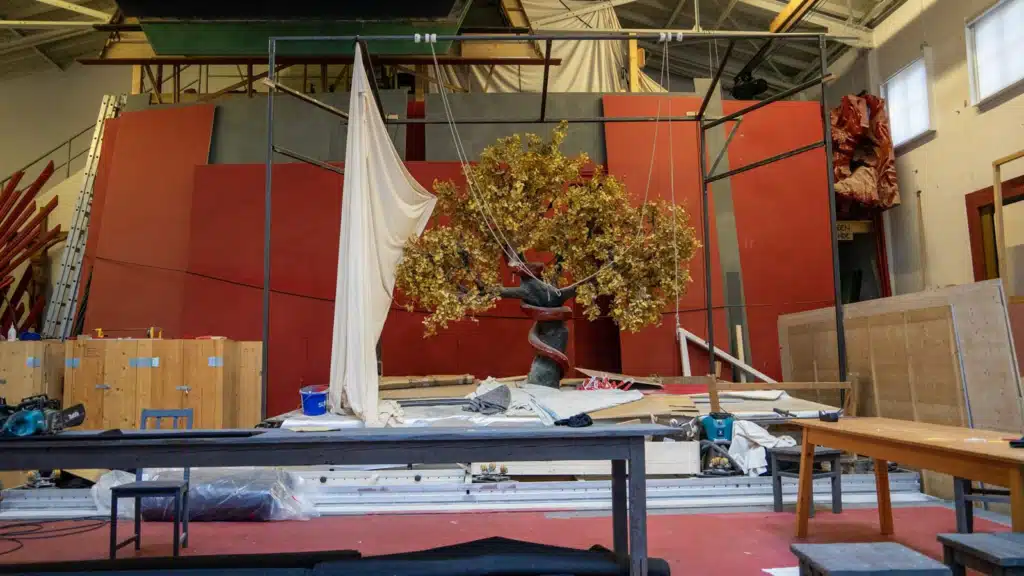
The play only runs once a decade, with the next season from May 18 to October 6, 2030, but you can tour the Passion Play Theatre year-round. Our guide had performed in the play himself, and the tour took us backstage to see the costumes, the props, and the table used for the Last Supper scene.
You can learn more about the tours of the playhouse here
Late Morning: The Woodcarving Museum and the Painted Houses
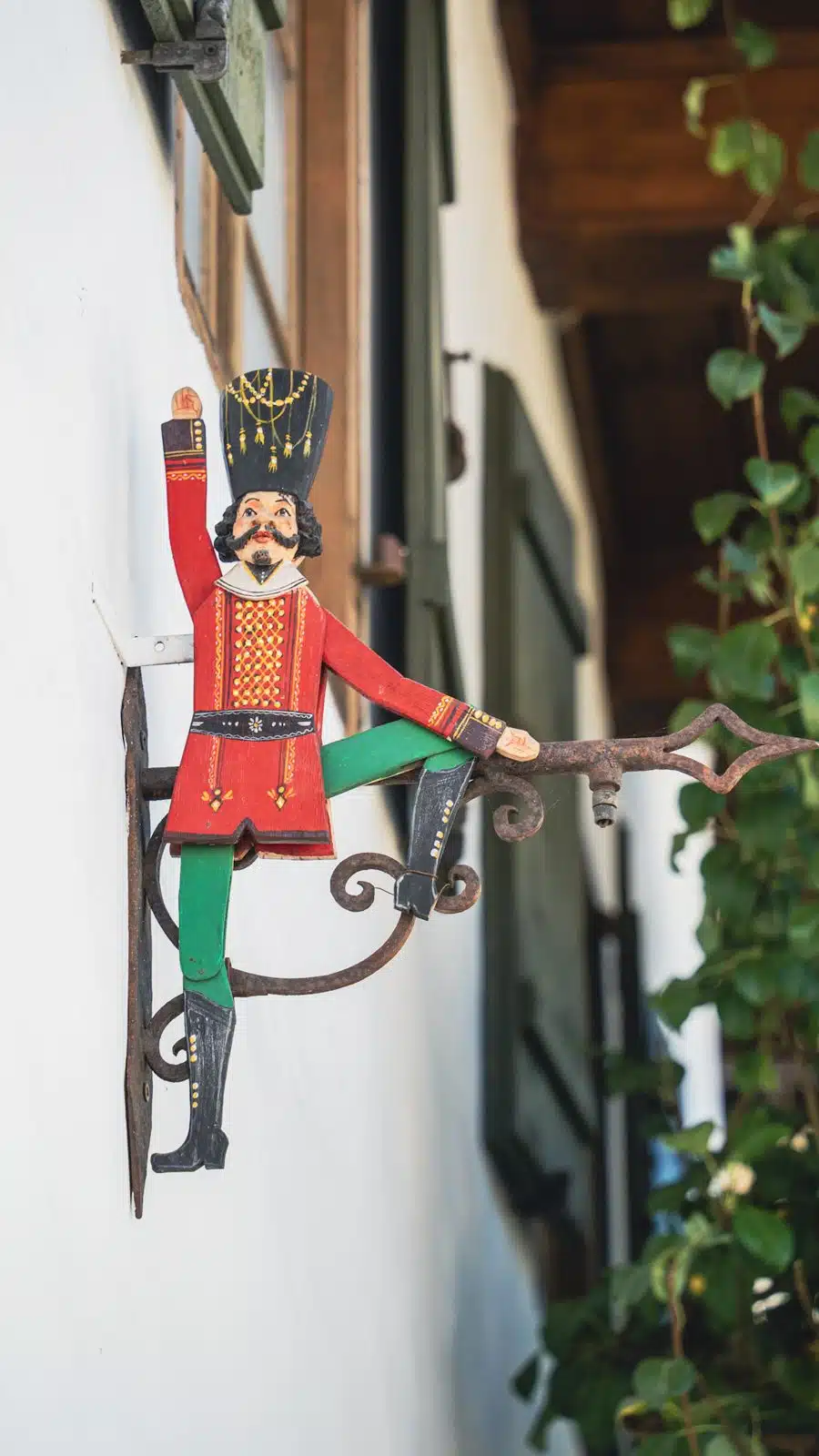
Oberammergau has a long woodcarving tradition, and the village museum tells that story. It’s a quick visit, but if you’re curious about the craft, it’s well worth the stop. I liked how the exhibits move through time, giving you the history of woodcarving and of Oberammergau itself along the way. It paid off later in the trip, too. At Linderhof Palace, I asked our guide whether King Ludwig II had hired craftsmen from the area for the gilded woodwork, and he had. Knowing that made the palace even more fun to walk through.
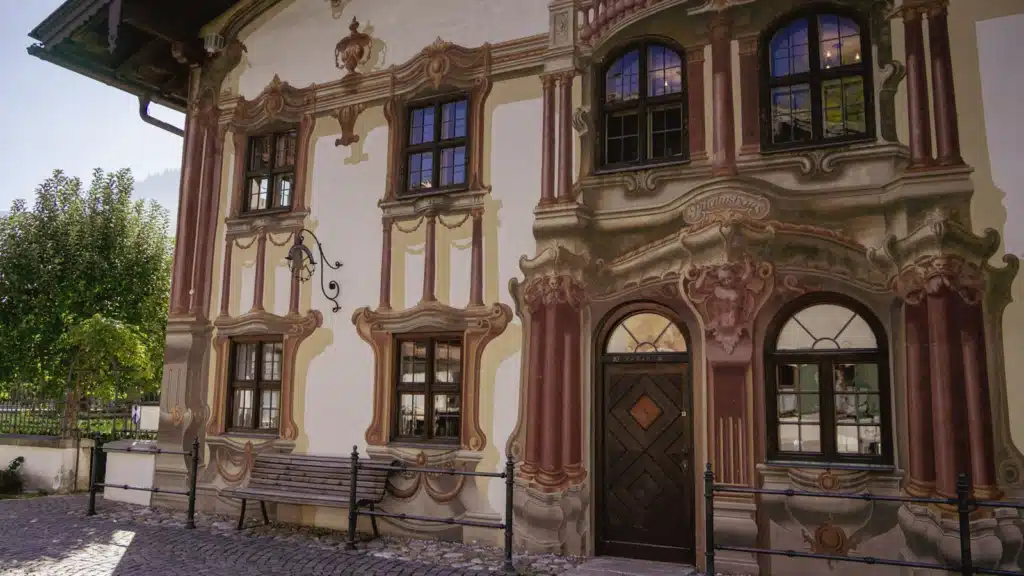
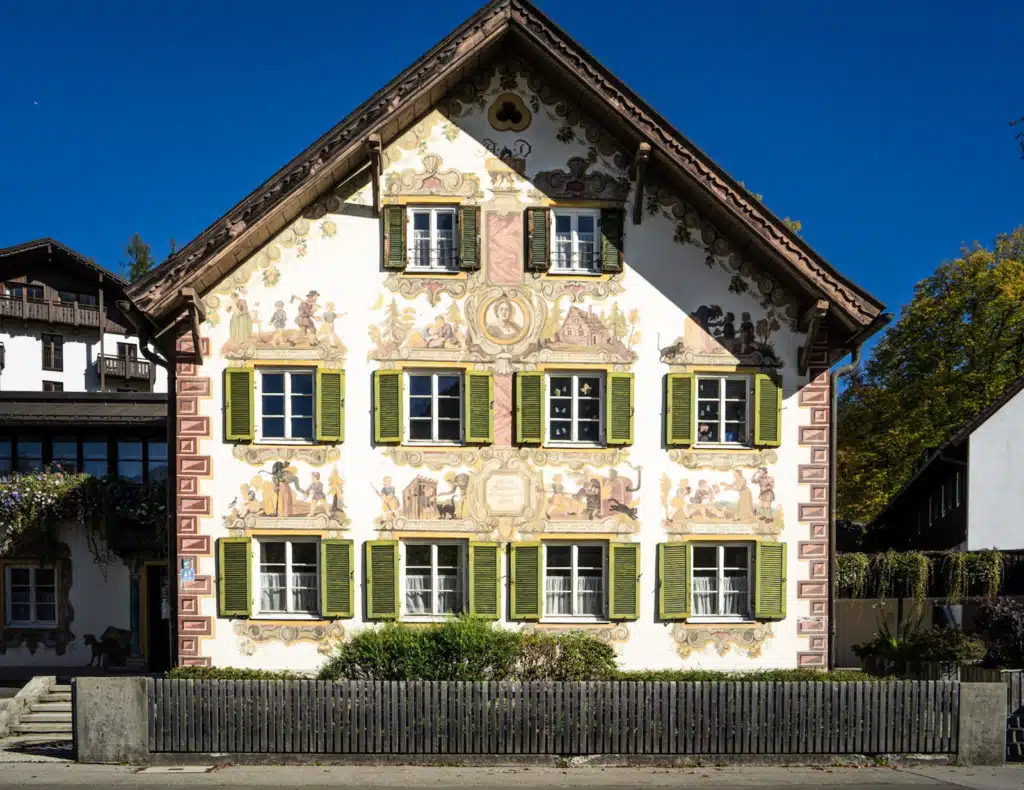
Afterward, spend time just walking the village. Many houses are covered in Lüftlmalerei, the painted facades this part of Bavaria is known for, with religious scenes, fairy tales, and trompe-l’oeil windows. Look for the Hansel and Gretel House and the facade of Hotel Alte Post, two of the best-known. My favorite was the Pilatushaus, with the Hansel and Gretel House a close second. Both are a joy to stand in front of and take in.
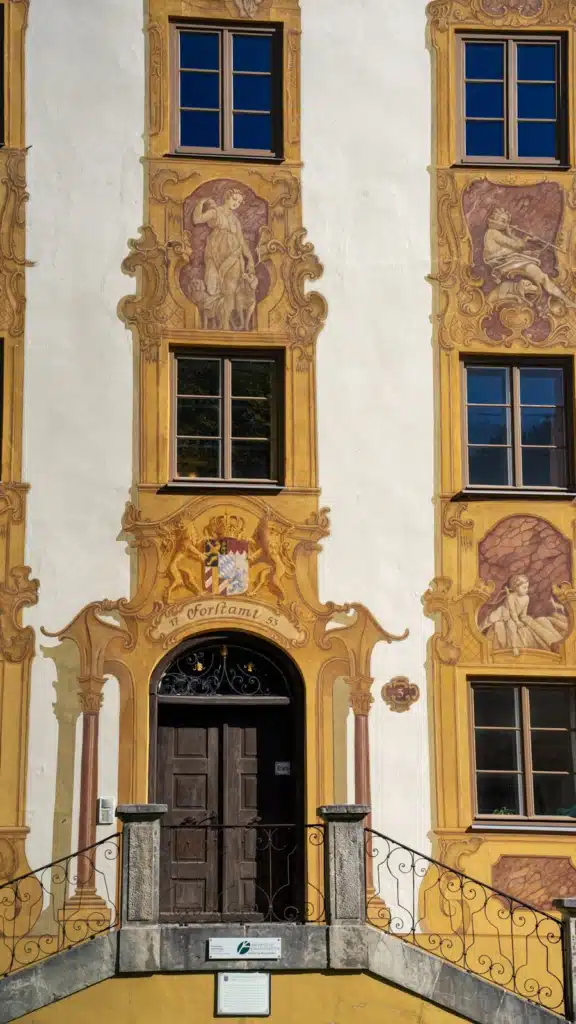
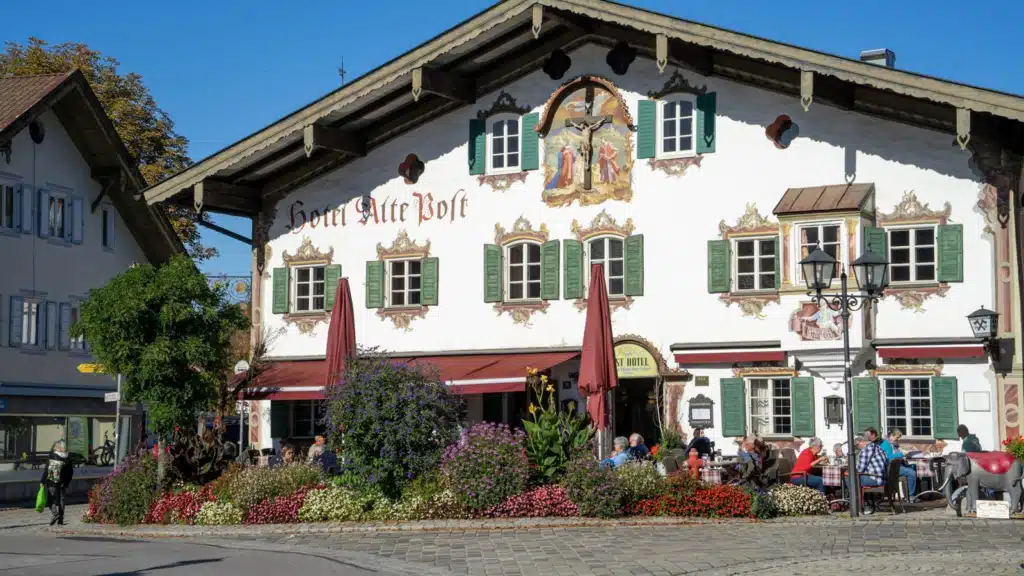
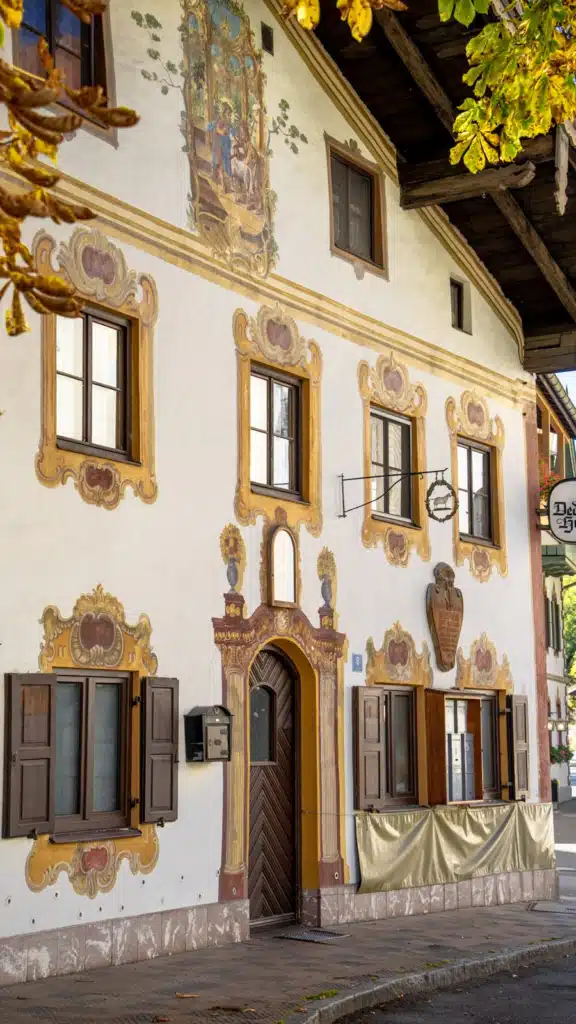

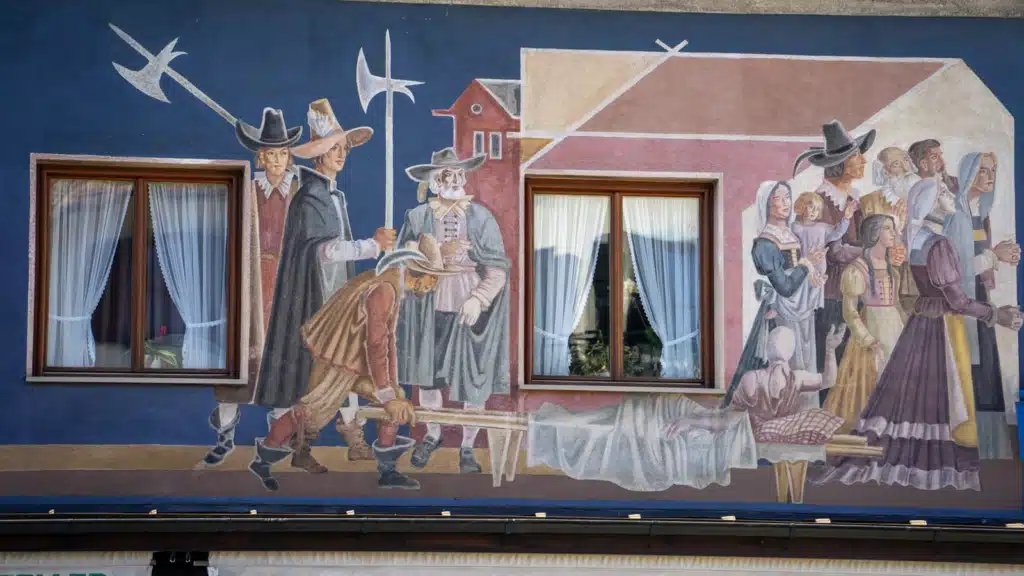
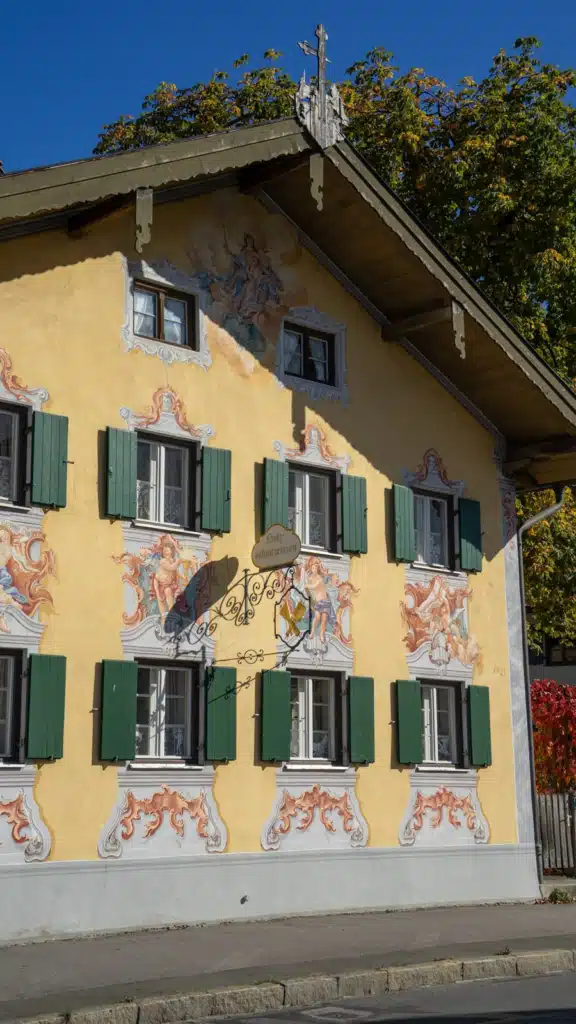
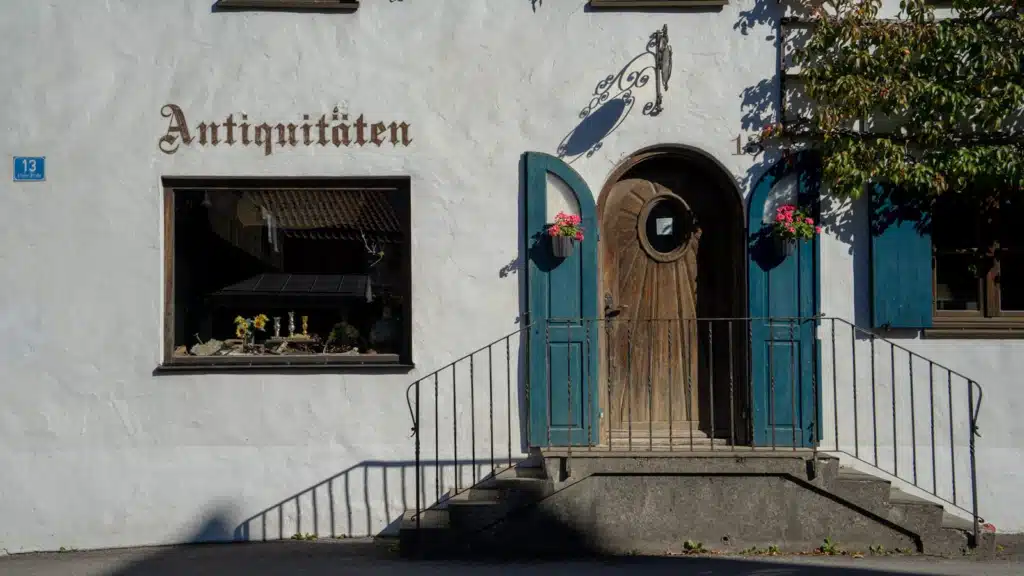
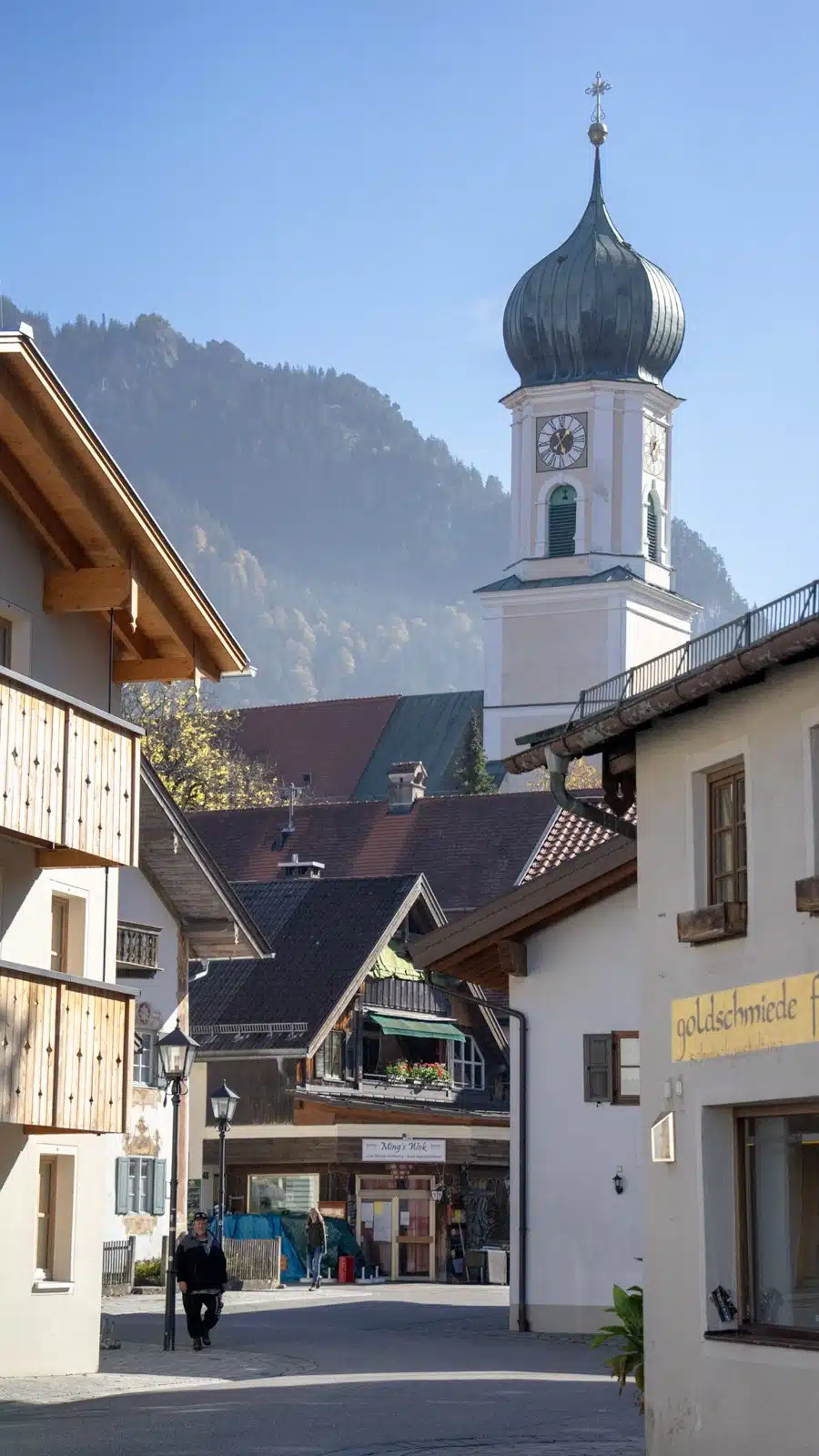
Step inside the parish church, too. I didn’t, and I regret it. Even walking past, it was a beautiful building, so learn from my mistake and go in.
Afternoon: Choose Your Adventure
Option 1: Ride the Alpine Coaster at Kolbensattel
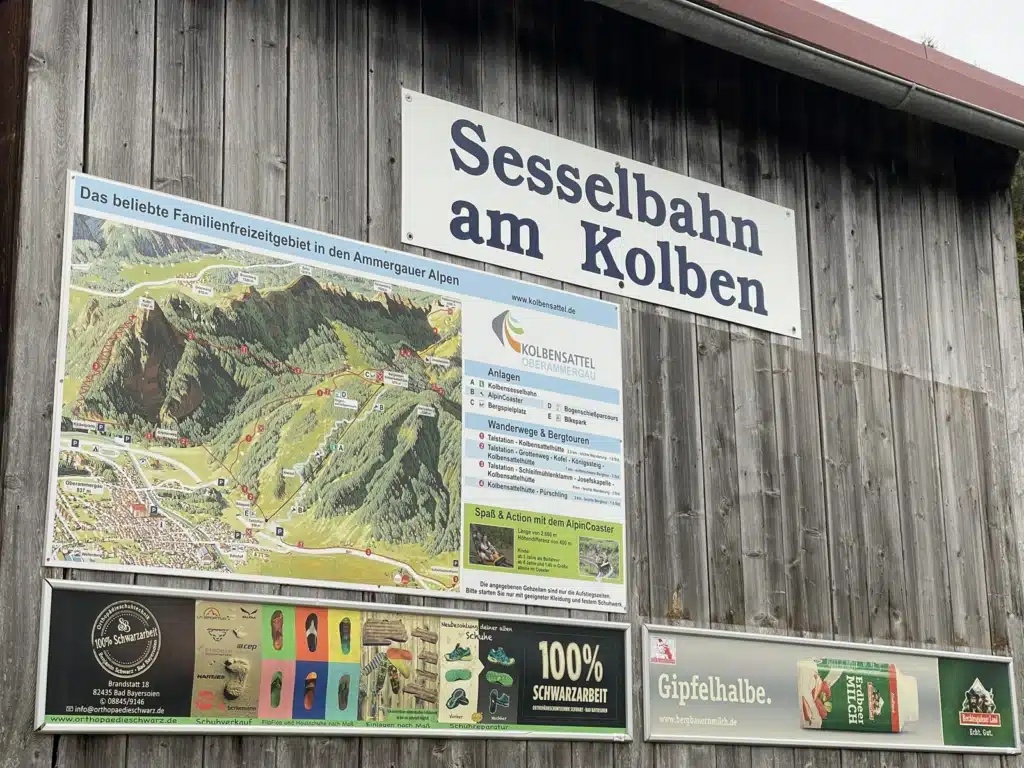
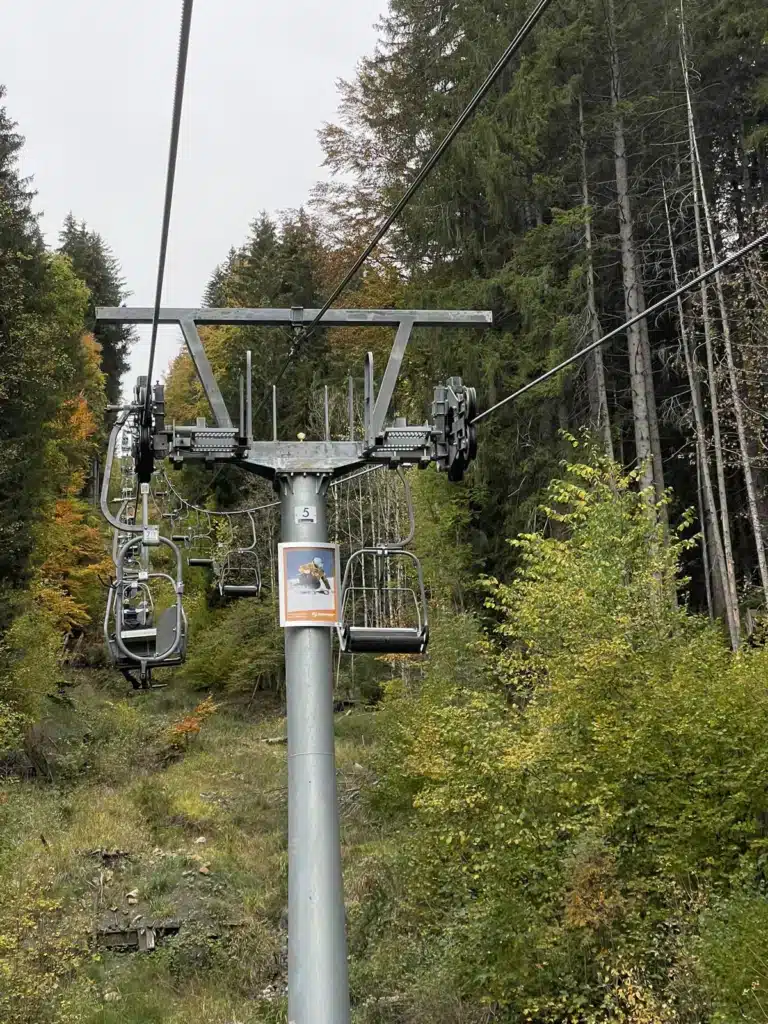
This is what I did. You ride the Kolben chairlift up and the coaster back down. Plan on about 20 minutes on the chairlift going up. The coaster itself is fast. Really fast. Staff give you a briefing on how to brake before you set off, though, so there’s no need to be nervous. You can’t film or take photos while you ride, for safety reasons, so keep your phone zipped away. It’s a great way to spend an afternoon.
In 2026, a single ride with the chairlift cost €18. 50 for adults and €14 for kids 8 to 15, and if you’d rather hike up, a downhill-only ride was €13. Buy your tickets at the ticket office in the valley, because the machine on the mountain only sells full-price tickets by card, and child prices need a photo ID.
Kids must be at least 3 years old and 95 cm tall to ride, and anyone under 8 or shorter than 1. 40 m rides with an adult. Traveling with a dog? Dogs can ride the chairlift for €3 each way. The coaster runs daily from late March to early November, then closes until the winter season, which was expected to open on December 25 in 2026.
Option 2: Take the Laber Cable Car
My husband’s cousin rode the Laber-Bergbahn up for views over the village and the Ammergau Alps. He said it was well worth it, and he was very thankful for the cable car.
Option 3: Hike the Kofel
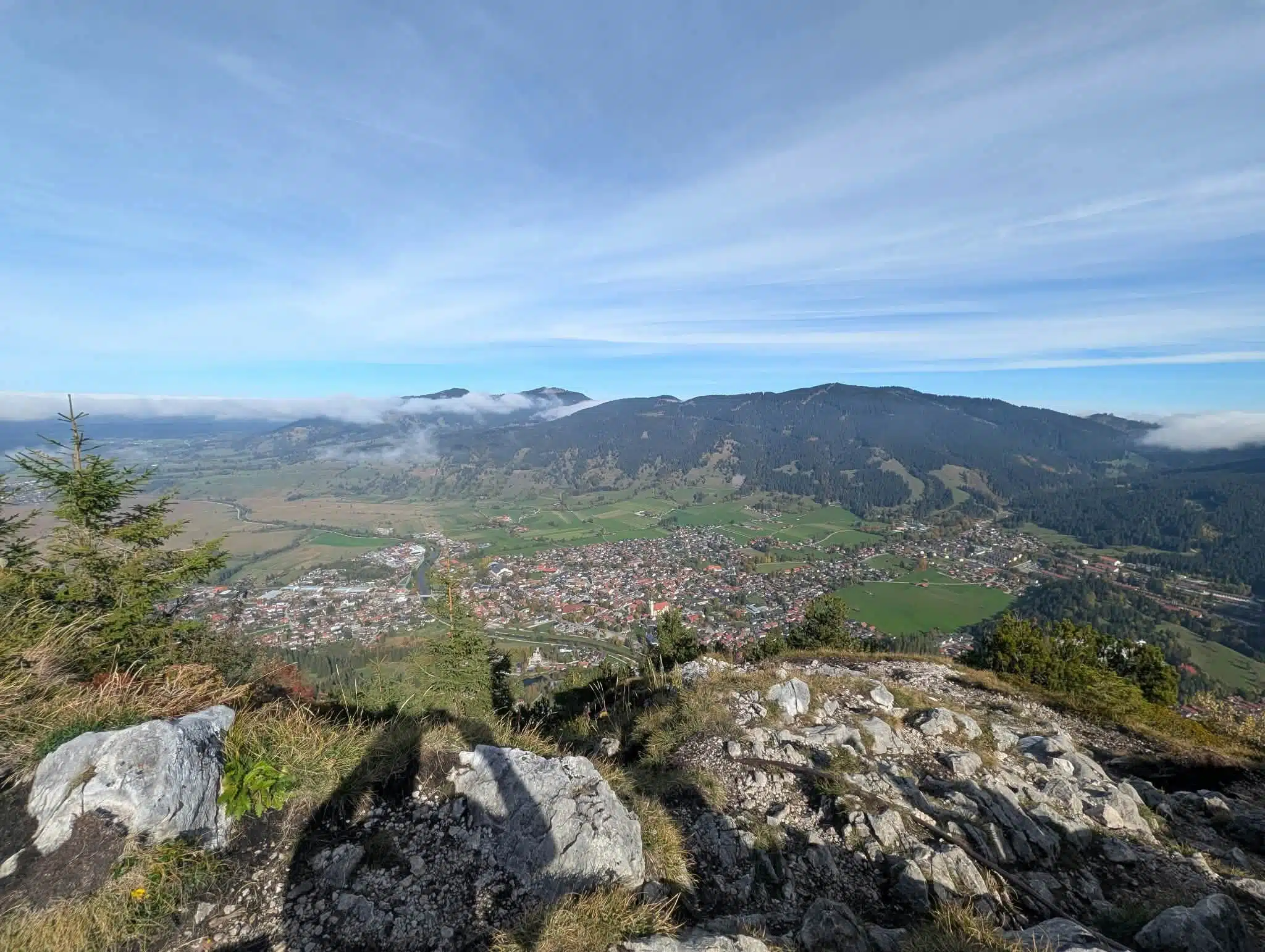
If you want a real hike, the Kofel is the peak right above the village. I had my older dog with me, so I sat out the hikes in Oberammergau, but my husband’s cousin did this one and said it was worth the effort. His one regret: he took the hard way up. Next time, he’d ride the Kolben chairlift partway, the same lift that serves the alpine coaster, and save his legs for the summit. It’s a long hike up.
Where to Eat in Oberammergau
- Dorfstüberl: I had the Wiener Schnitzel here. If you only have room for one schnitzel dinner, though, make it at Hundesporthotel Wolf.
- Hundesporthotel Wolf: I ordered the Wiener Schnitzel here too, and between the potatoes and the soup I ordered, Hundesporthotel Wolf wins by a long shot. The potatoes were German fried potatoes with bacon, and they were delicious. Make a reservation for this one.
- Café Restaurant Alpen Eule: Order the Dunkel from Ettal Abbey. The owner and staff are wonderfully friendly, and we had the best conversations with the owner here.
Day 2: Neuschwanstein Castle and Linderhof Palace in One Day
Morning: Neuschwanstein Castle
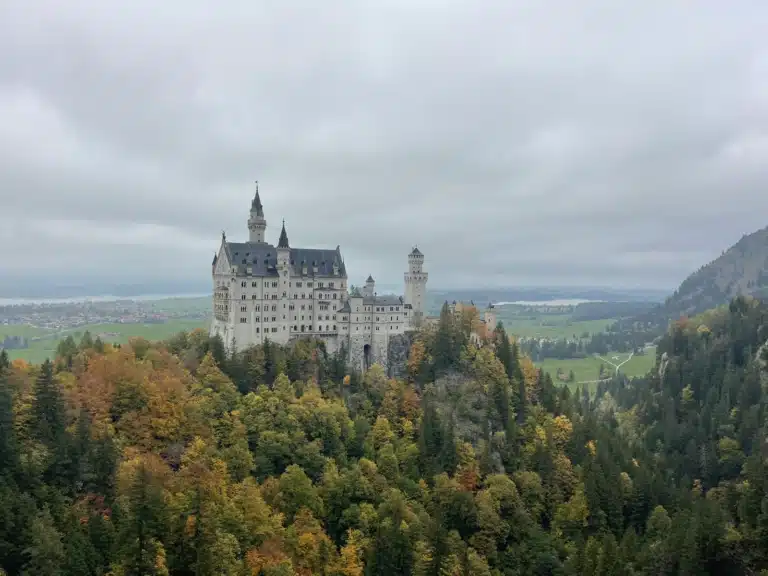
I’d driven past Neuschwanstein on two earlier trips without ever stopping, so this was the day I’d been waiting for.
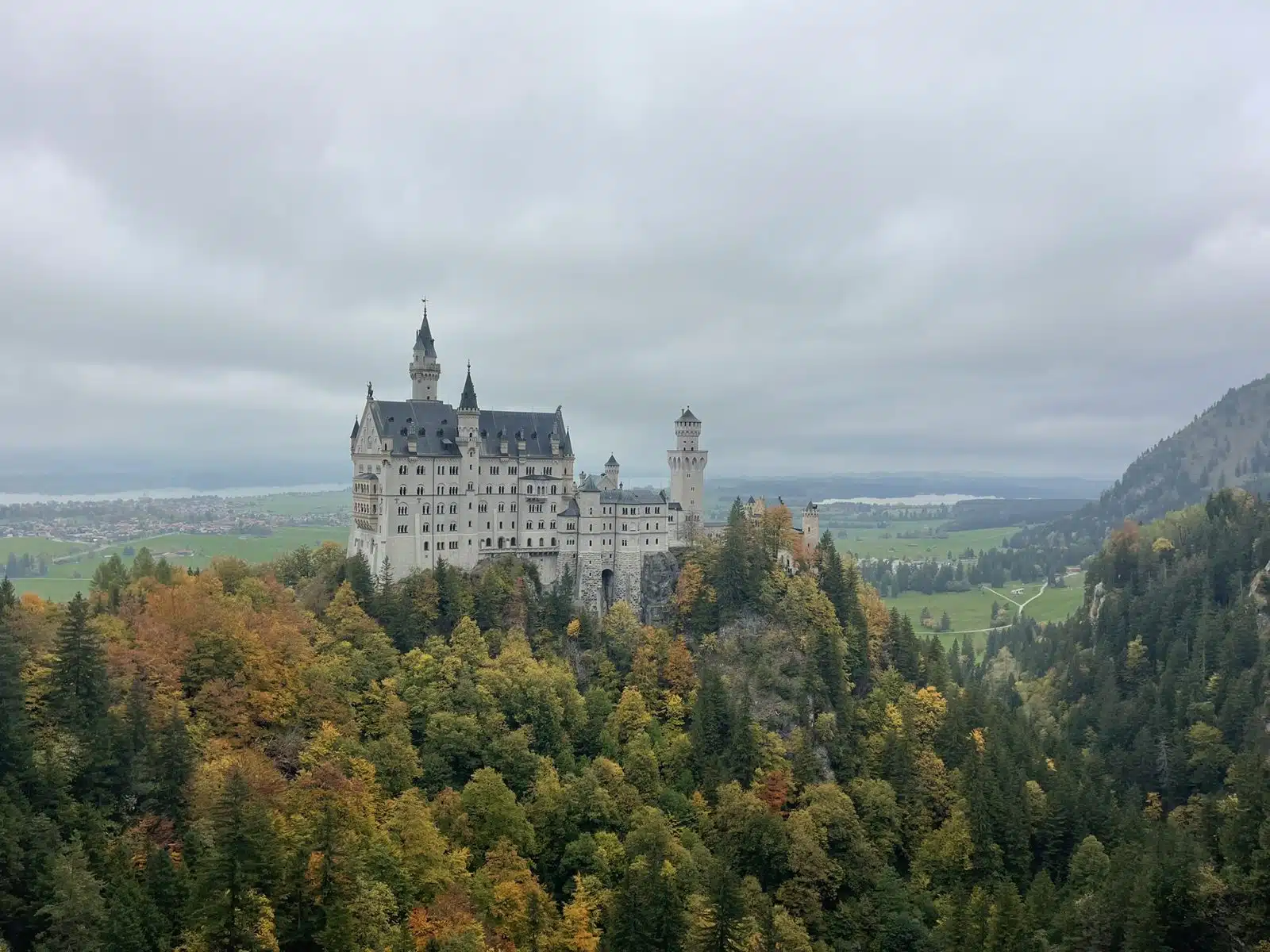
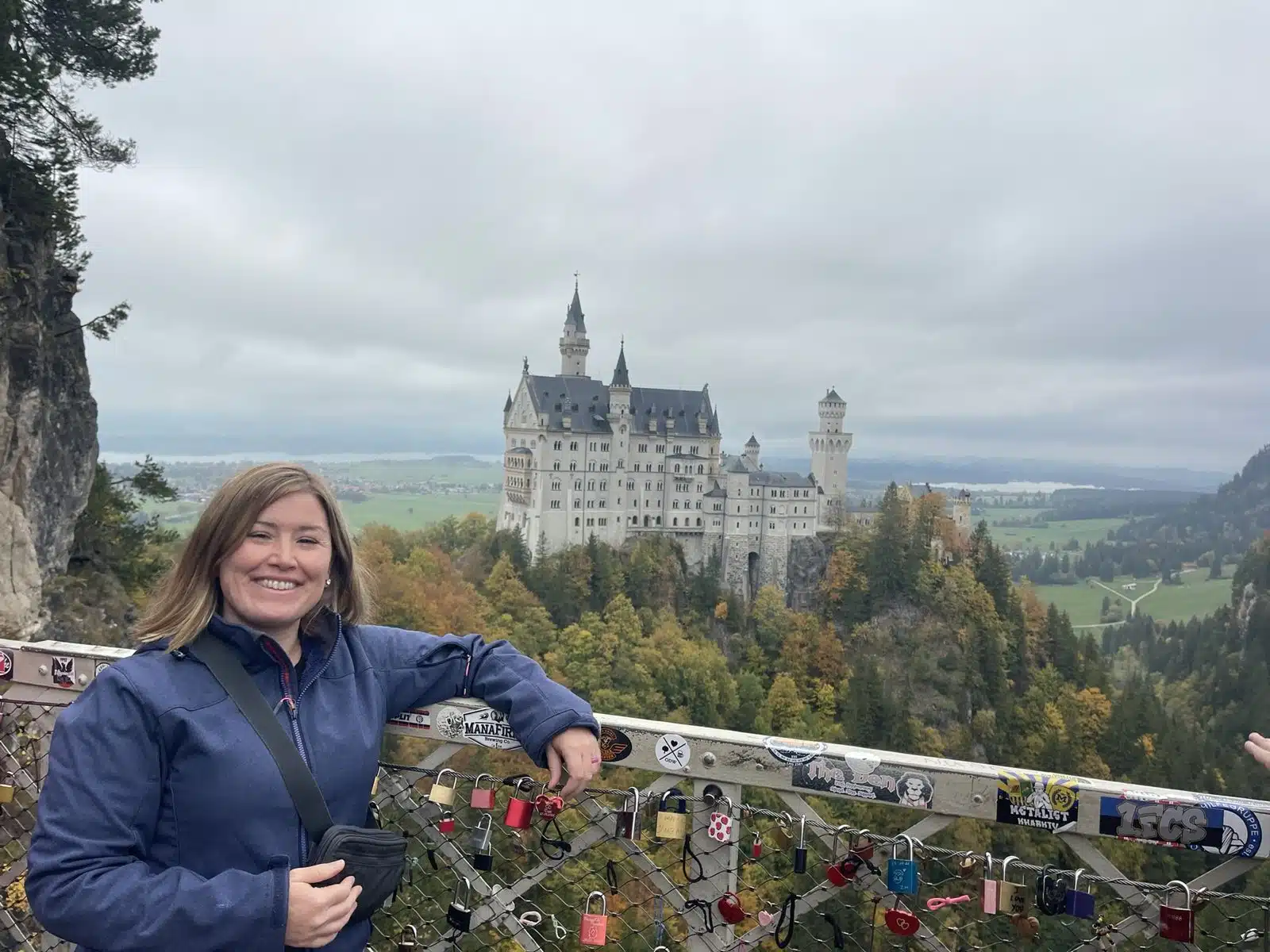
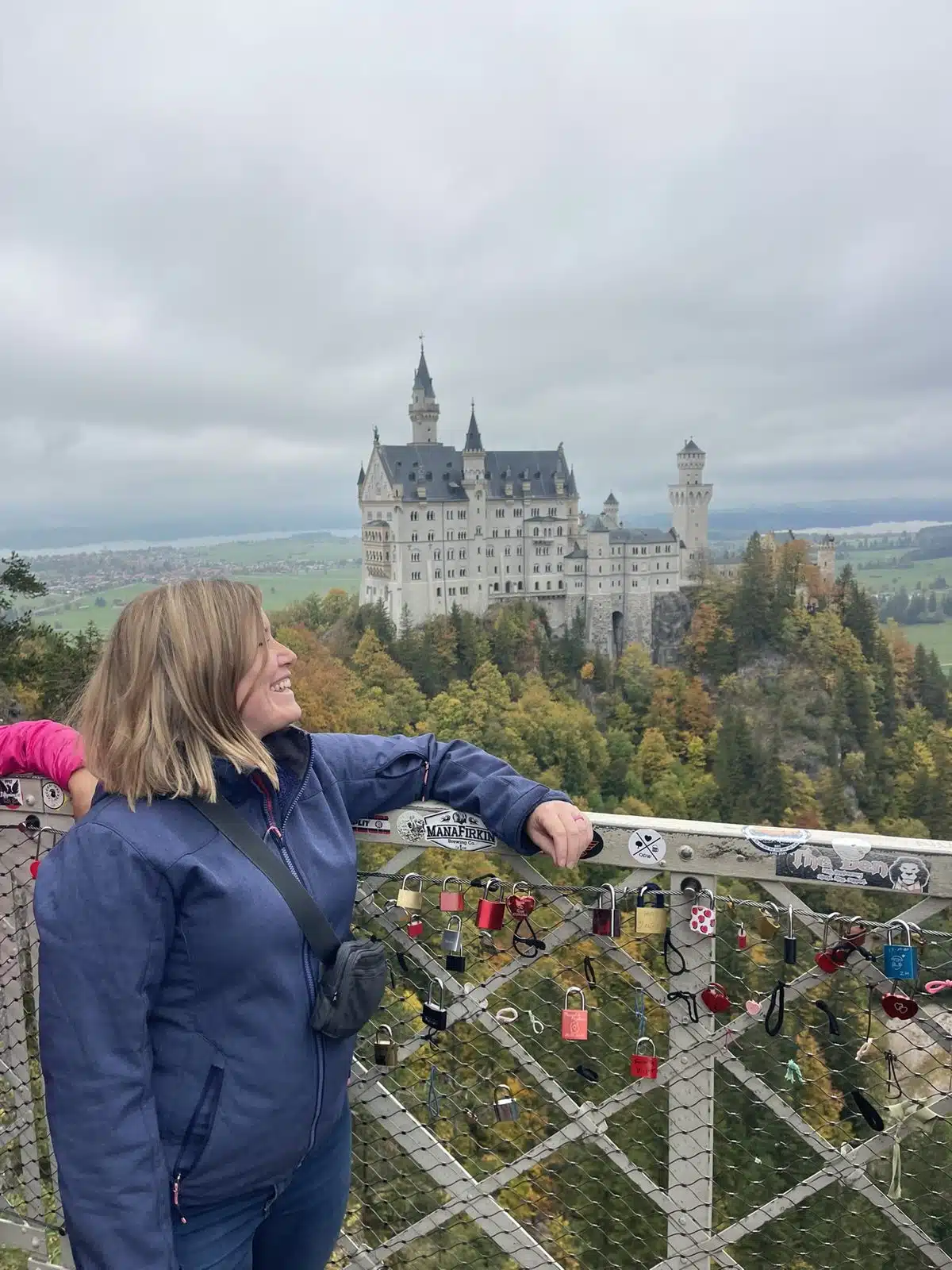
We booked tickets four days ahead through the official website, parked at P4 in Hohenschwangau and bought return shuttle tickets for €5 per person at the hut just outside the lot. The shuttle drops you near Marienbrücke, so we saw the famous view from the bridge first, then walked down to the castle in time for our timed interior tour, which is accompanied by a staff member with audio commentary.
Kimberly’s Tip
Book Neuschwanstein tickets on the official website as soon as you know your date. We booked four days ahead in October. The castle interior is only open on timed tours, so give yourself enough time to take the shuttle from P4, see the view from Marienbrücke first, and walk down to the castle before your entry time.
Lunch at Dorfwirt
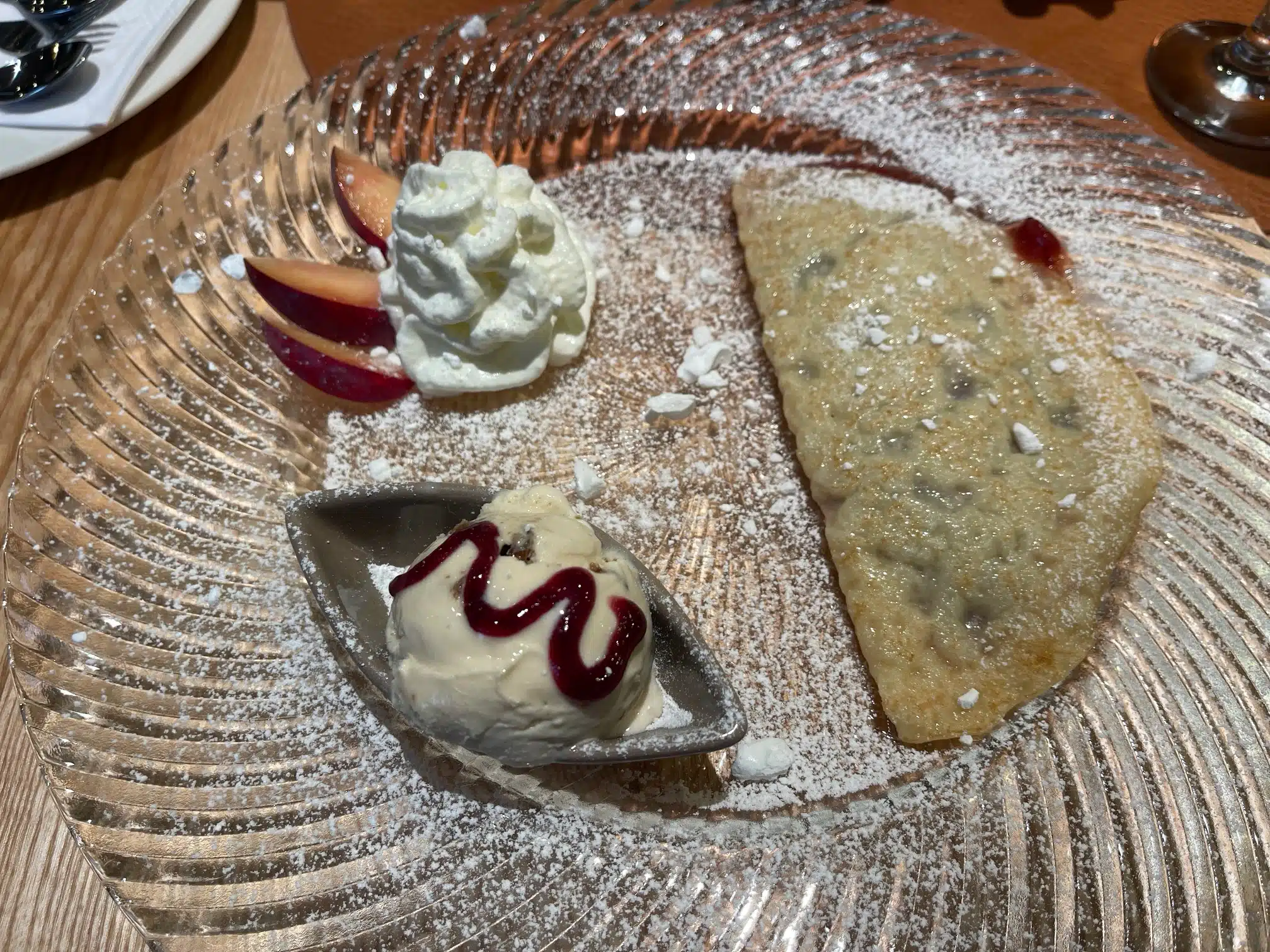
We had lunch at Dorfwirt in Hohenschwangau before heading on. They seated us right away, but it does get busy, so plan around the lunch rush if you want to stop in. It was welcoming, with a great selection on the menu, and we couldn’t leave without dessert: a crepe-style pancake with vanilla ice cream, whipped cream and fresh plums.
Afternoon: Linderhof Palace
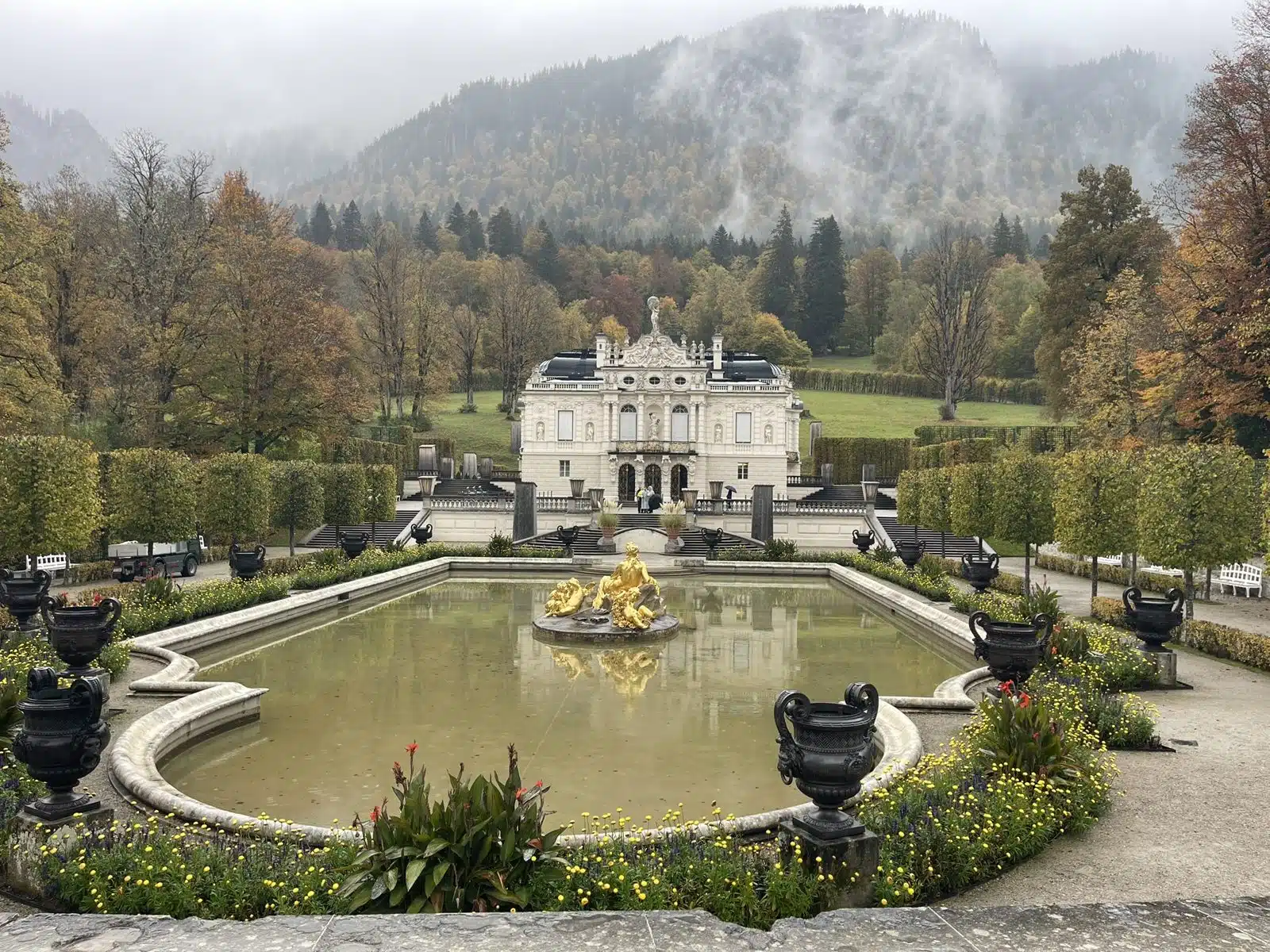
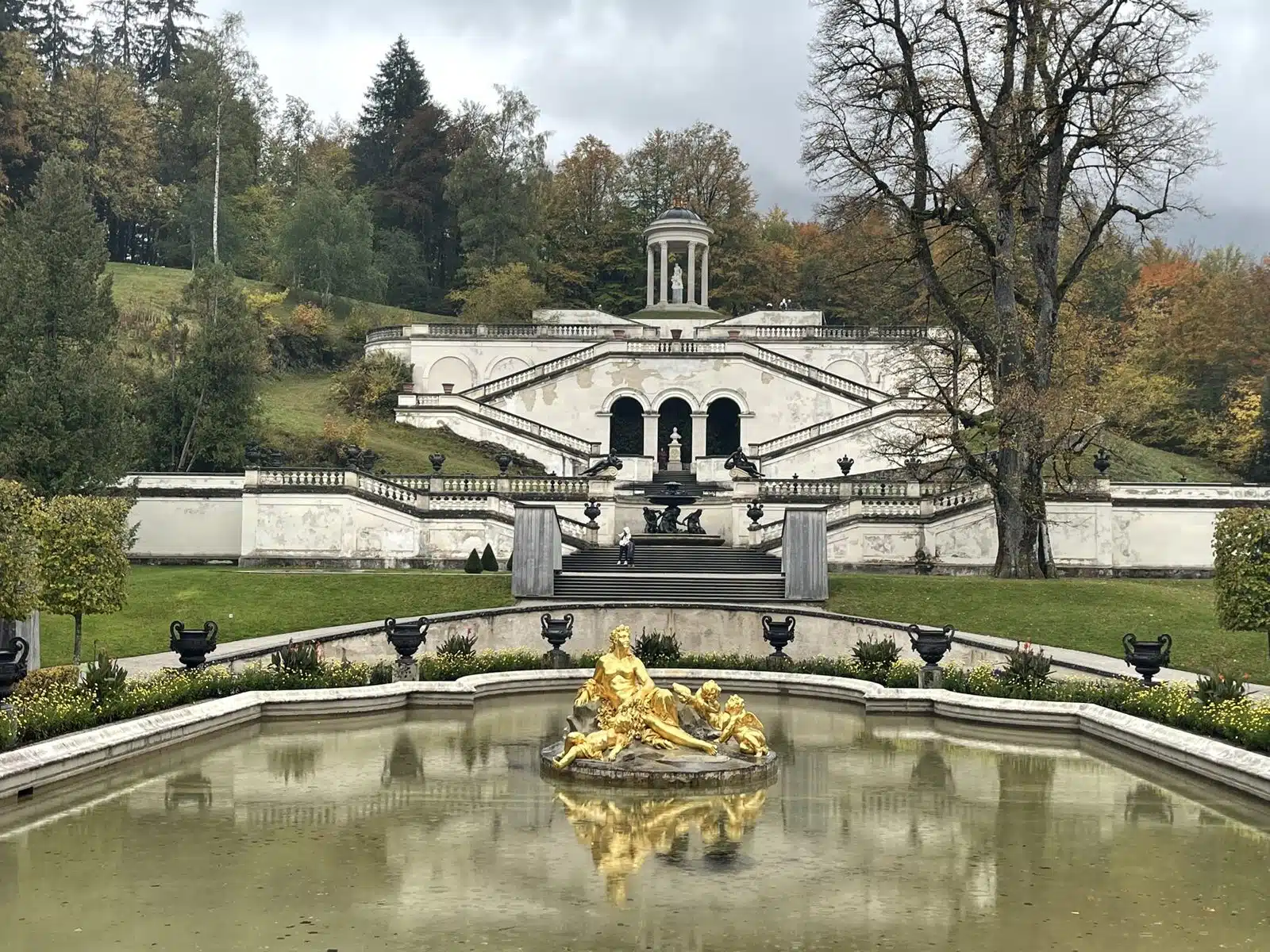
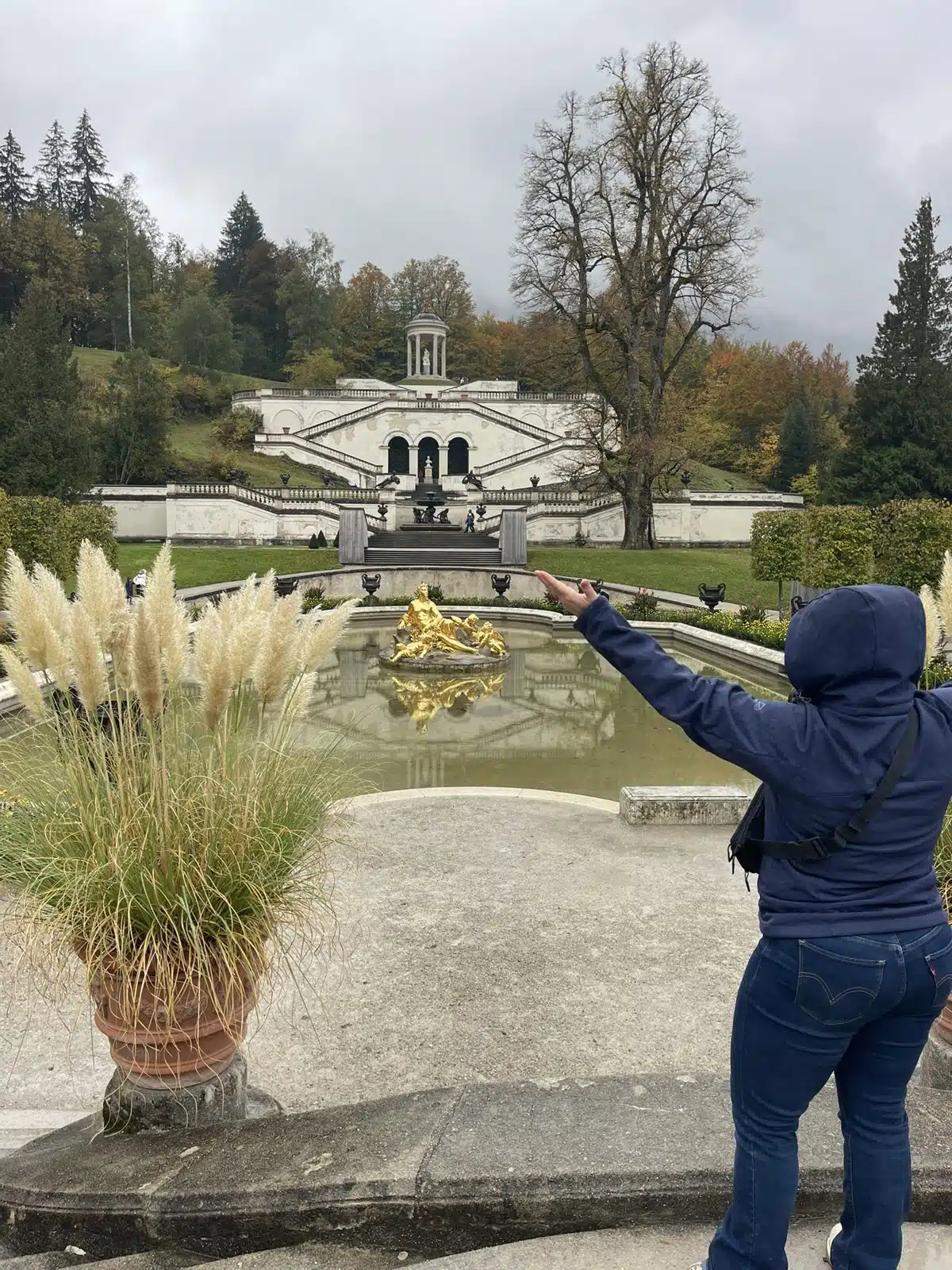
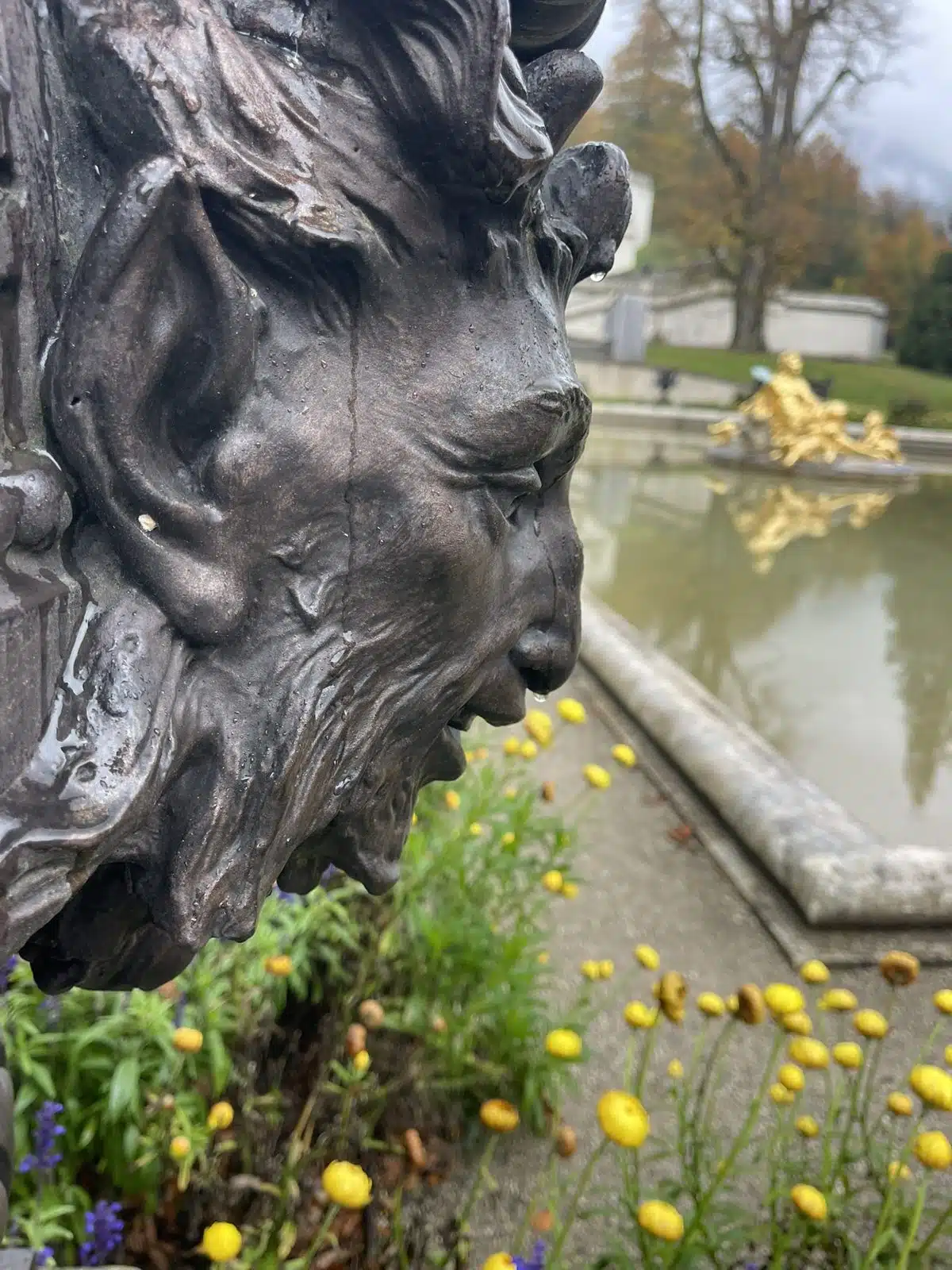
Our plan was Highline179, the suspension bridge near Reutte in Austria, but it rained, so we drove through Austria to Linderhof Palace instead. Our route didn’t need an Austrian vignette. Linderhof is the smallest of King Ludwig II’s palaces, and its interior and grounds were beautiful even in the rain.
Fall is a magical time to visit. I couldn’t believe the setting: the palace sits inside the Ammergau Alps nature reserve, and the grounds and the mountains around them were beautiful. I have no doubt it’s just as lovely in spring and summer.
For the full day, including tickets, parking, the shuttle and the drive between the two, read my guide to seeing Neuschwanstein and Linderhof in one day.
No car? You can still see both castles in one day. The Linderhof and Neuschwanstein day tour from Munich handles the driving, so you can sit back and watch the Alps go by.
Day 3: A Munich Day Trip by Train with a Bavarian Food Tour
I’d normally have driven to Munich. But it was my husband’s cousin’s first time on a European train, and I couldn’t take that away from him, so we went by rail.
Taking the Train from Oberau to Munich
We didn’t take the train from Oberammergau’s own station. The Oberammergau line is a small branch line, and I didn’t trust it to get us to Munich on time, so we drove 10 to 15 minutes to Oberau, which sits on the main line between Garmisch-Partenkirchen and Munich, and caught the train there. You can check times and book tickets for the Oberau to Munich train on Omio. If you book through Omio, add the extra trip protection at checkout. German trains run late often, and getting your money back from Deutsche Bahn is a nightmare.
It didn’t help. Our train was supposed to leave Oberau at 8:15 AM, and we didn’t actually leave until 9:15, with our food tour starting at 10:45 in Munich.
Kimberly’s Tip
Deutsche Bahn trains are often late, and Bavaria is no exception. If you have something booked at a set time in Munich, like a food tour, take a train at least an hour earlier than you think you need, and save your guide’s contact details before you leave.
Late Morning: The Do Eat Better Munich Food Tour
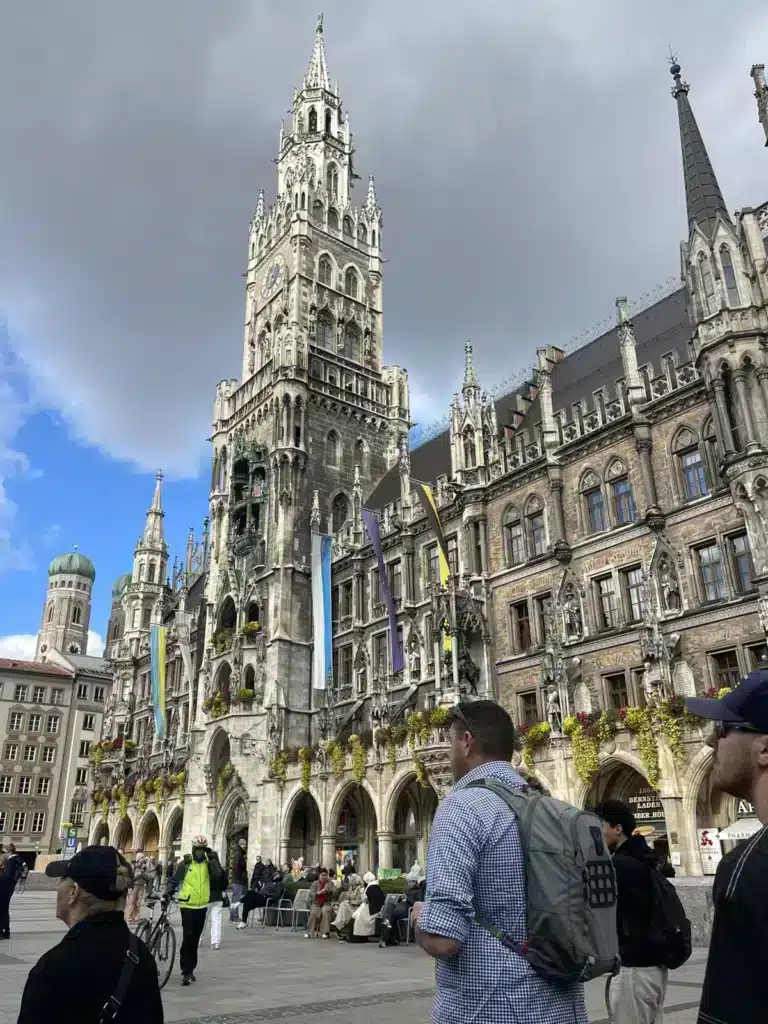
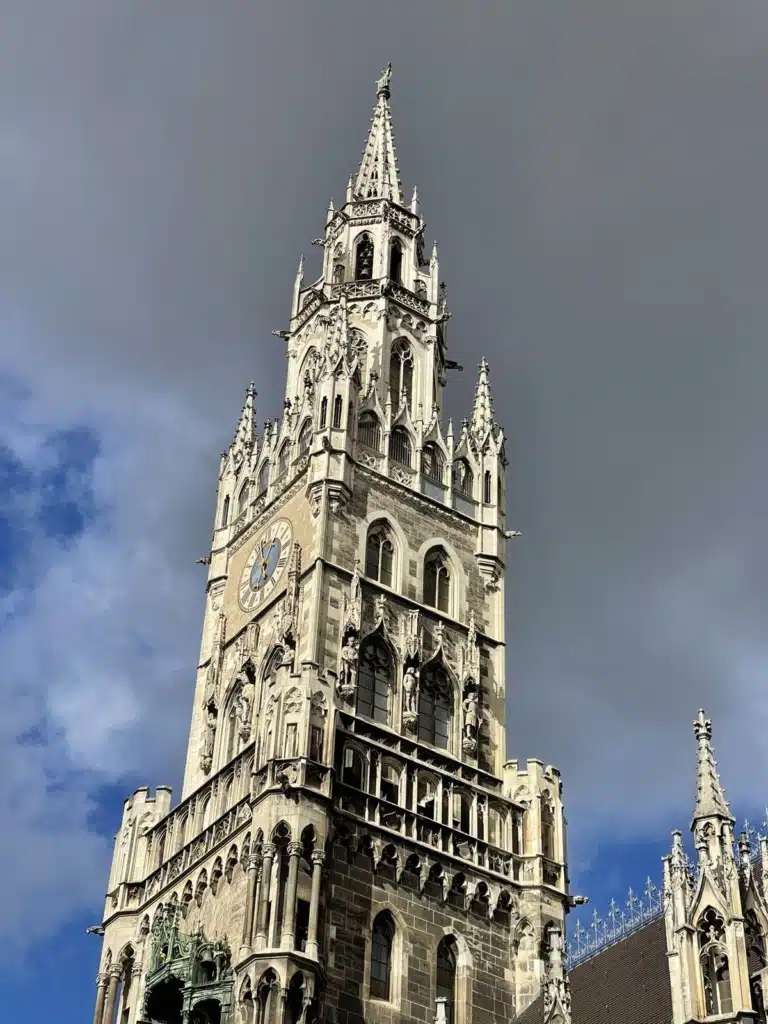
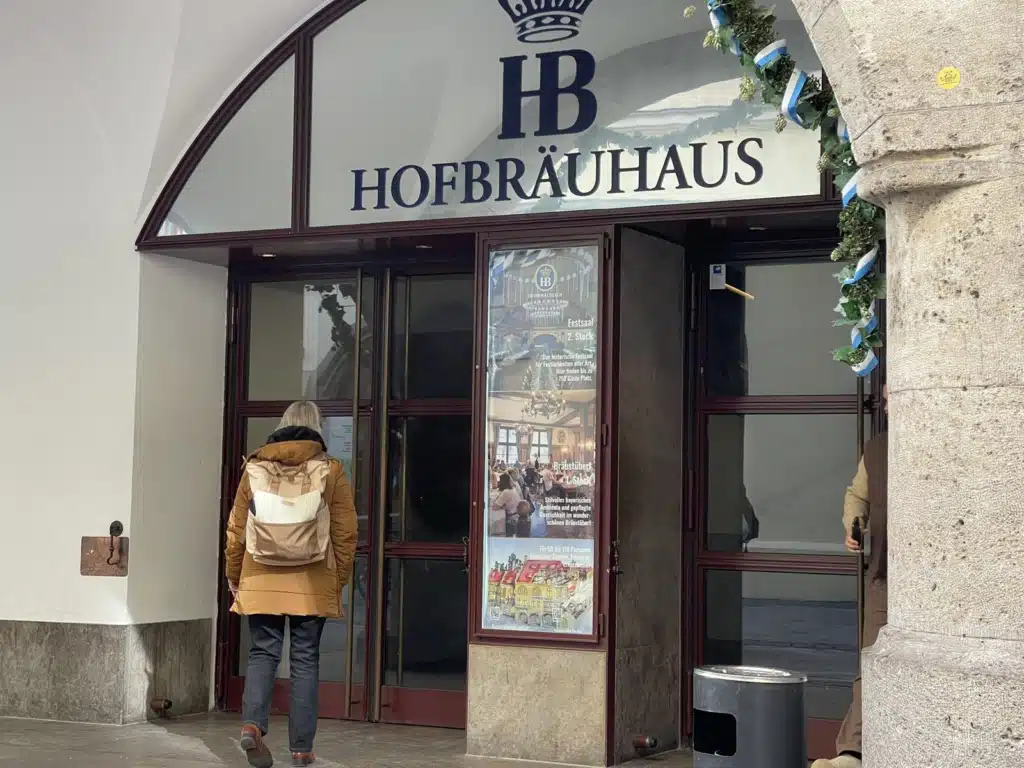
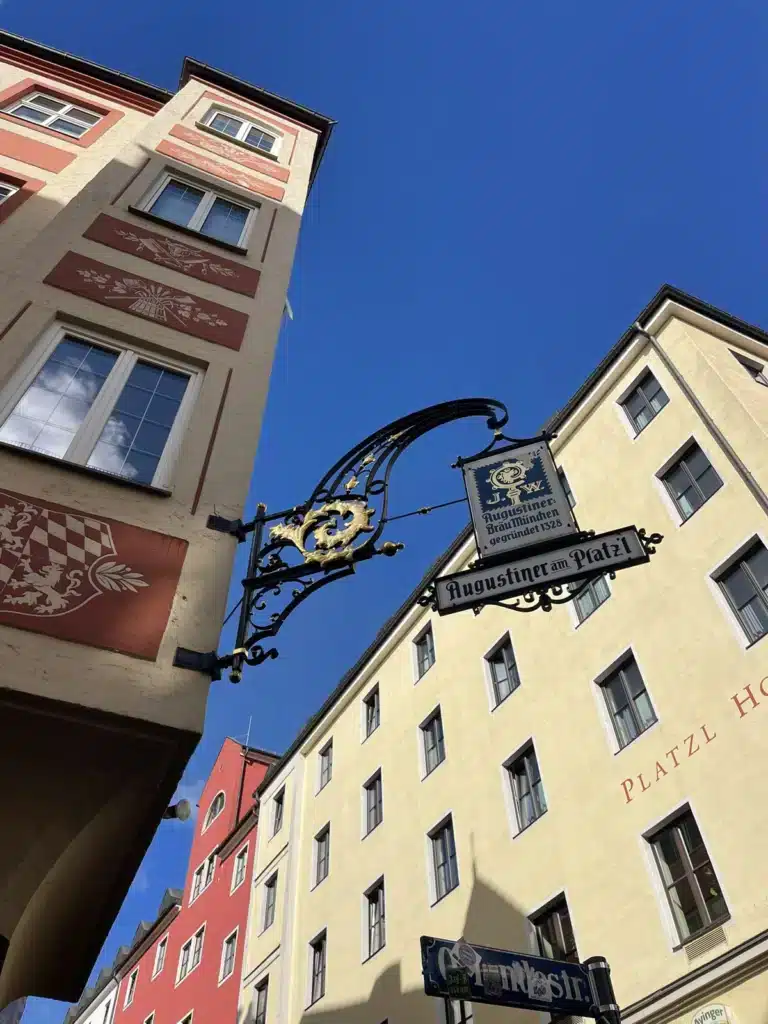
We’d booked the Bavarian Food Tour with Full Meal and Beer Tastings at 10:45 AM, and by the time we reached Munich it was clear we’d miss the start. Our guide, Julia, texted to say we should message her as soon as we reached Marienplatz, and she’d fold us into the group. We caught up with the tour around 11:30.
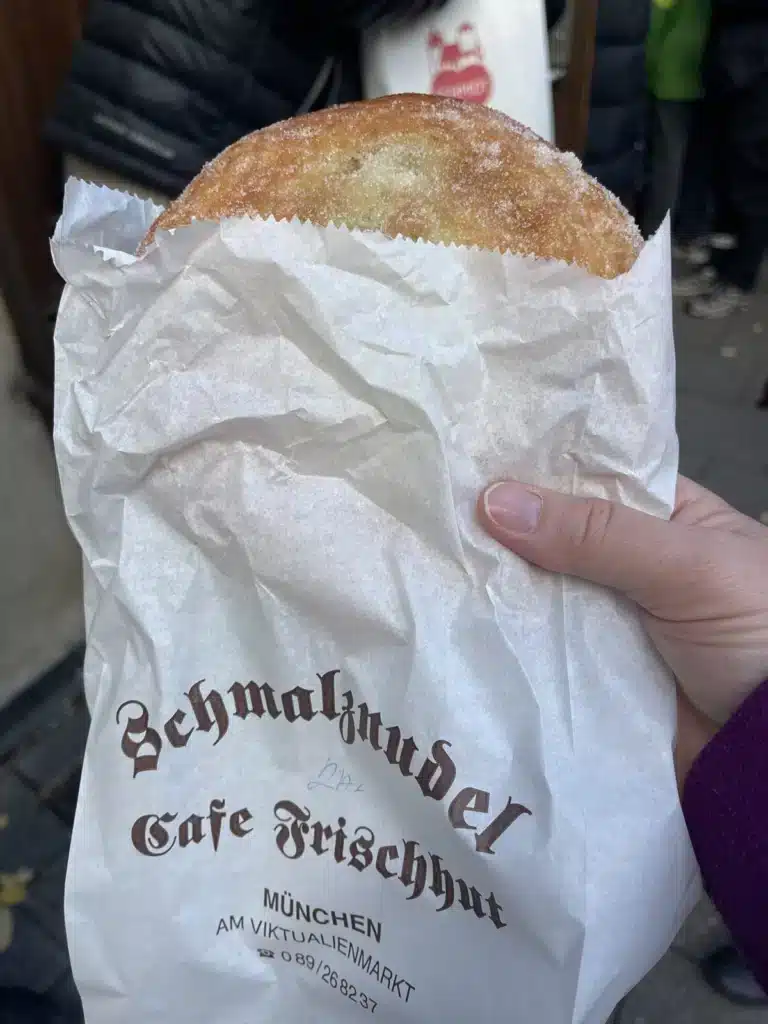
That kind of flexibility is worth knowing about if you’re coming in by train. I’ll give you one guess, dear reader, what my favorite stop was. It was the one with the sweet treat: a Schmalznudel from Café Frischhut at the Viktualienmarkt, a fried dough pastry dusted in sugar. The tour runs about three hours, and even though we missed the first hour, there was still plenty to eat.



My Top Pick
Bavarian Food Tour with Full Meal and Beer Tastings
Do Eat Better Experience, Munich
| Price | From €76 per person |
| Duration | About 3 hours |
| Includes | A full Bavarian meal and beer tastings |
| Best for | First-timers to Munich and anyone on a day trip |
Afternoon: Munich’s Churches and the Beer and Oktoberfest Museum
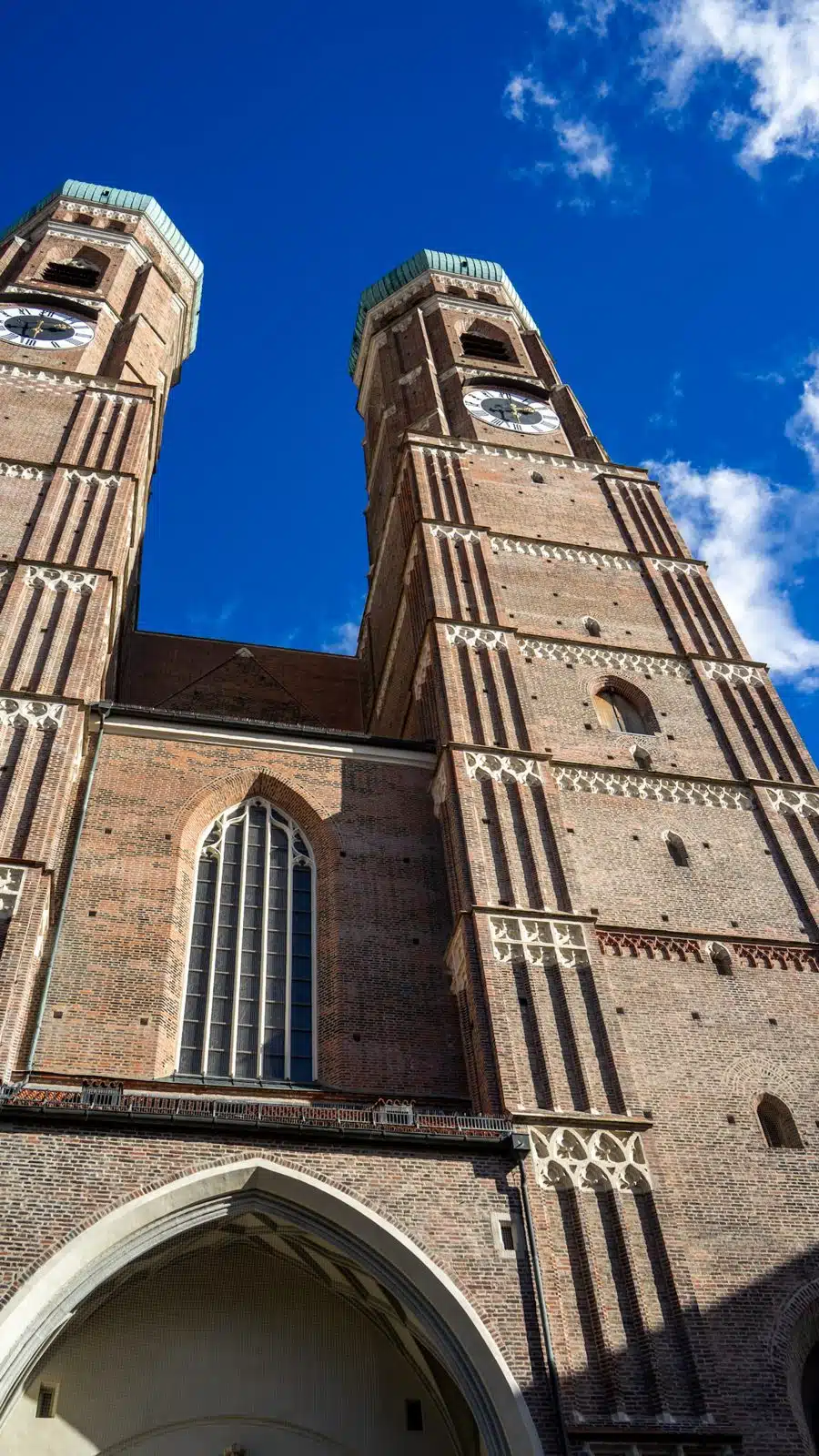
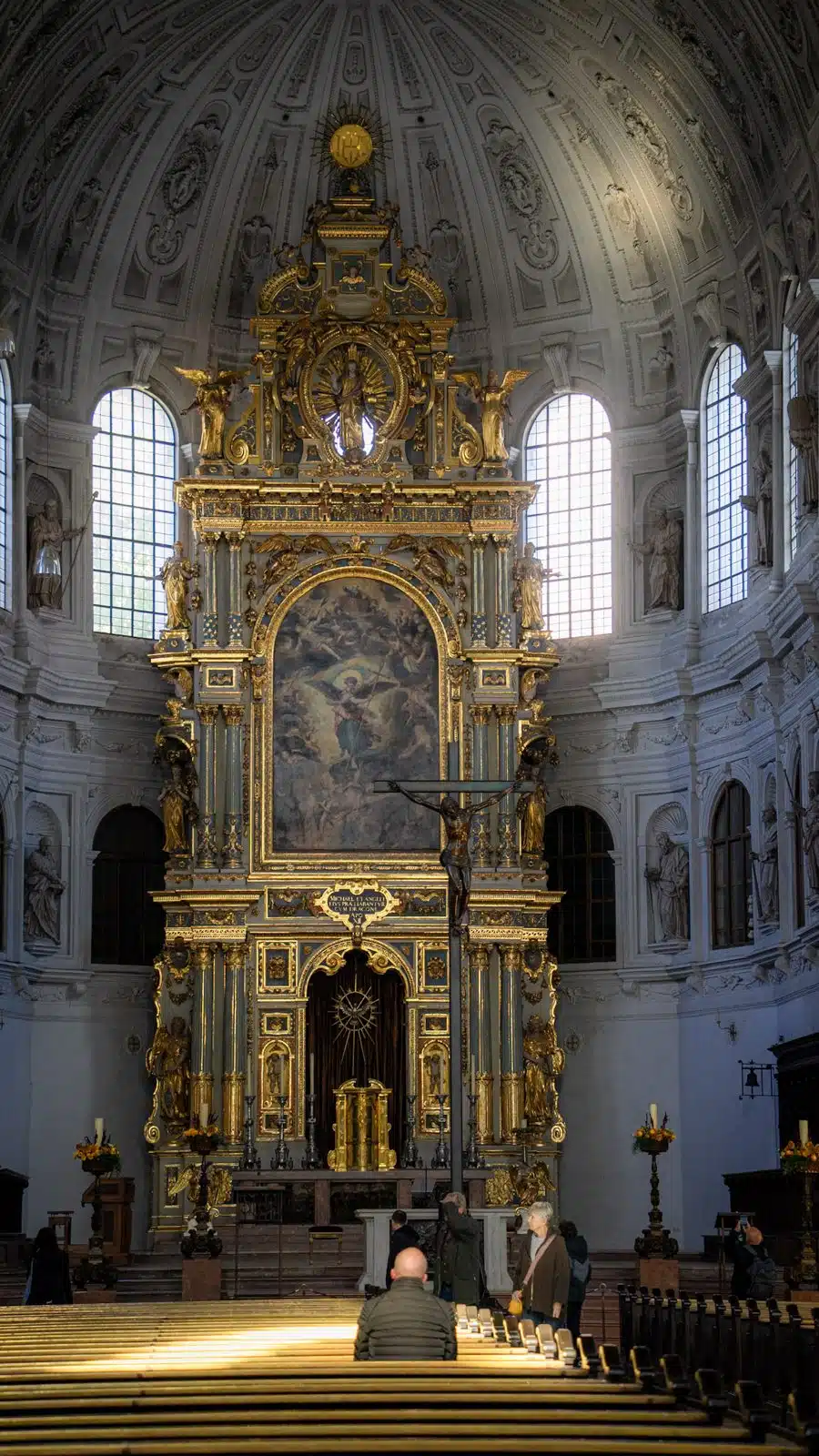
After the tour, we walked to the Frauenkirche, Munich’s cathedral and the source of the two onion-domed towers you see on every postcard of the city. From there, we headed to St. Michael’s Church on Neuhauser Strasse, the main pedestrian street.
The Frauenkirche and the Devil’s Footprint
The Frauenkirche was the one that fascinated me most. It was built between 1468 and 1488, mostly in brick because there was no stone quarry nearby. The towers were meant to get Gothic spires, but the money ran out, and in 1525 they were finished with the Renaissance domes that became the symbol of the city. Allied air raids near the end of World War II collapsed the roof and badly damaged one of the towers, and the restoration that followed wasn’t completed until 1994. Standing inside, it’s hard to picture how much of it had to be rebuilt.
Before you walk any farther, look down in the entrance hall for the Teufelstritt, or Devil’s Footprint: a dark, foot-shaped mark pressed into one of the floor tiles. As the legend goes, the devil agreed to help fund the church on one condition, that it have no windows. The builder placed the columns so that from that exact spot, not a single window is visible. When the devil realized he’d been tricked, he stamped his foot in fury and left the print behind, and some say the wind that whips around the church is still his rage.
The Beer and Oktoberfest Museum
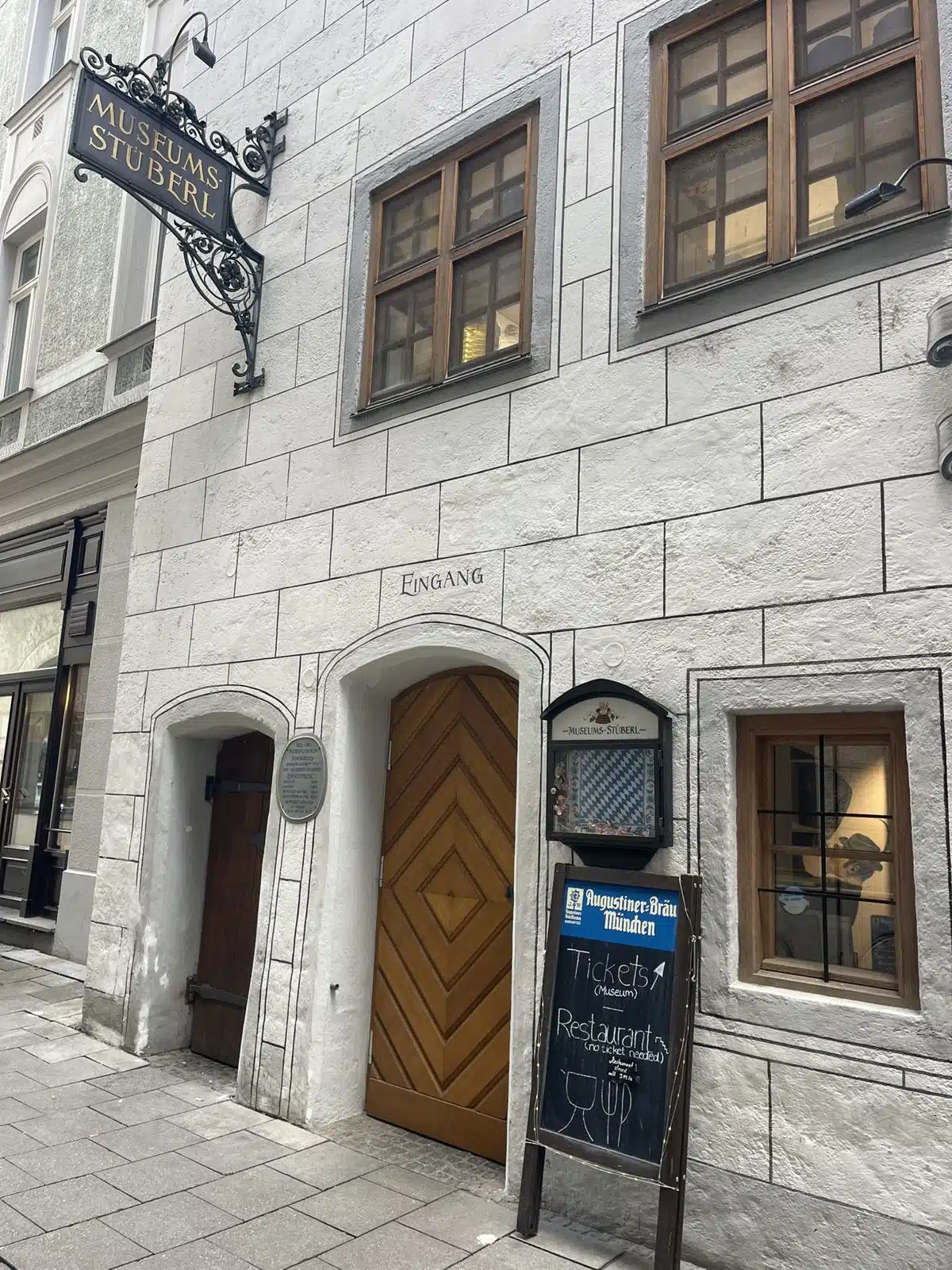
Our next stop was the Beer and Oktoberfest Museum, in one of the oldest houses in the old town. If you can’t make it to Munich in September, it’s the next best way to understand what Oktoberfest means to the city. I liked it because there was so much I didn’t know about this famous celebration.
Late Afternoon: Climb St. Peter’s Church for the Best View Over Munich
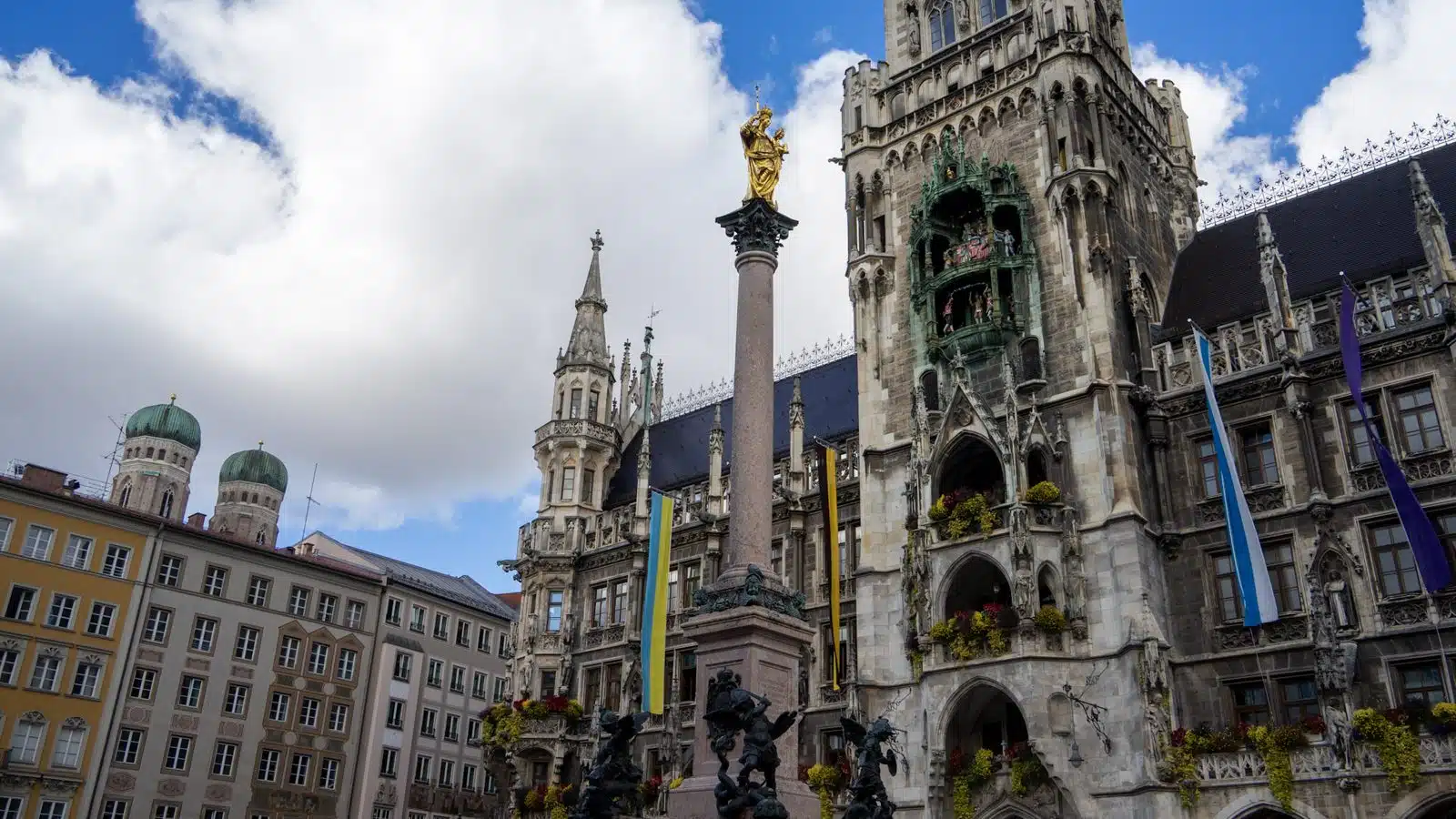
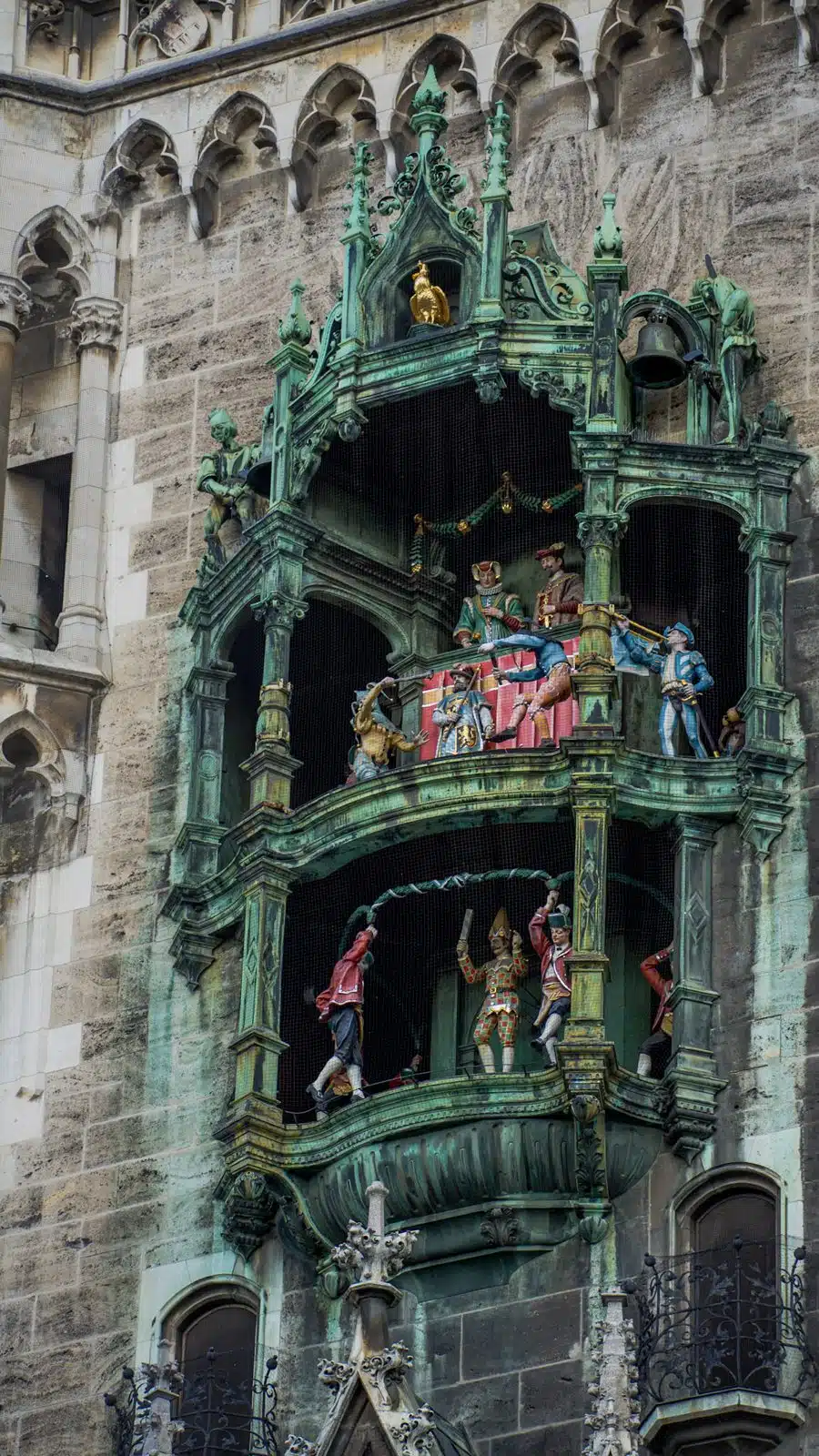
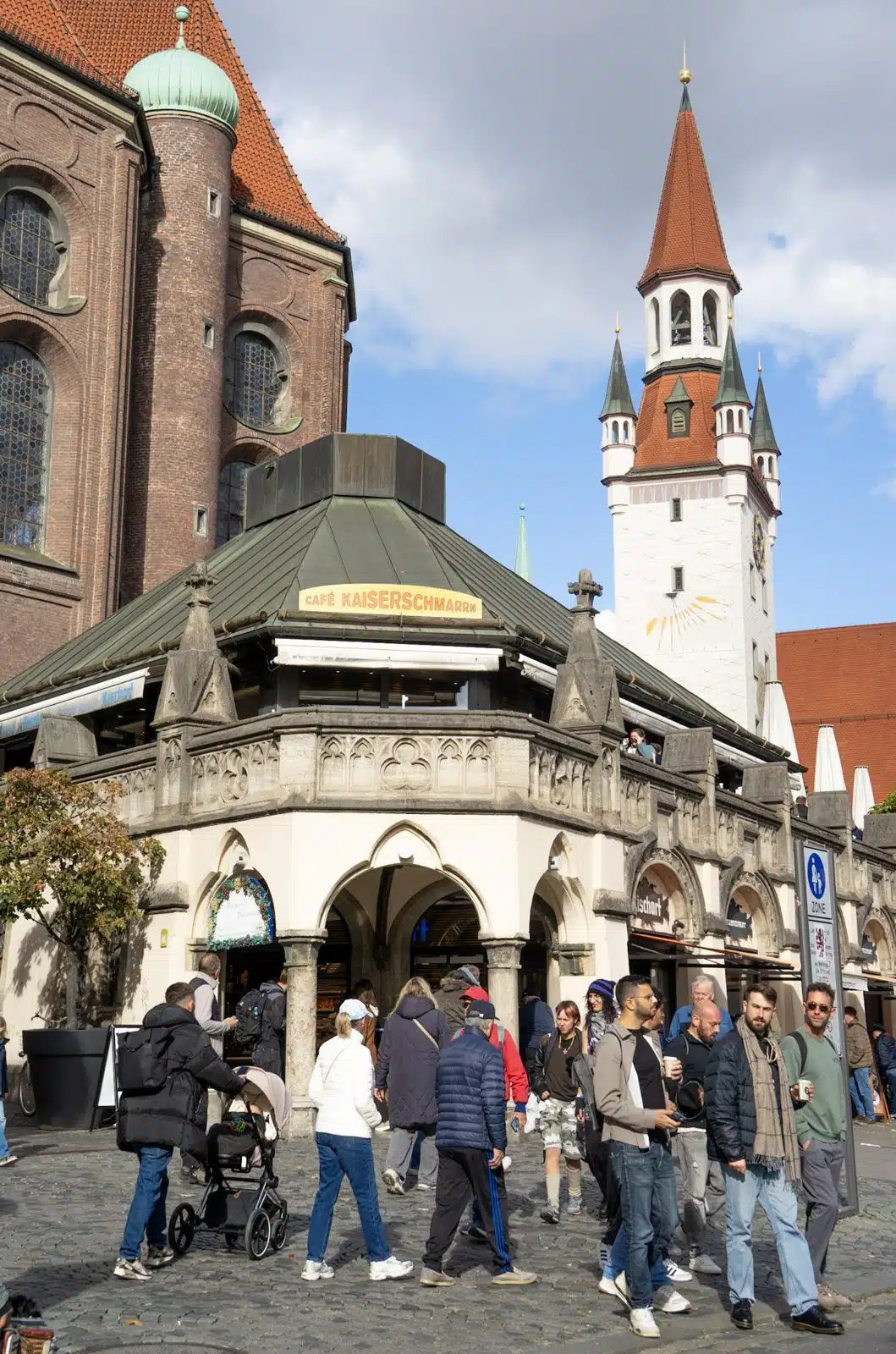
To finish the day, we climbed the tower of St. Peter’s Church, which locals call Alter Peter (“Old Peter”). It’s Munich’s oldest parish church and sits just off Marienplatz, so it’s an easy last stop after the food tour and museum.
The climb is about 300 steps up a narrow staircase to a viewing platform 56 meters above the square. Tickets are €5 for adults, €3 reduced, €2 for kids 6 to 18, and free for children under 6, and you buy them at the base of the tower, since advance booking isn’t available. The church itself is free to enter. From the viewing platform, you look straight down on Marienplatz and across to the Frauenkirche’s onion domes. You also look out over a sea of rooftops across the old town, and it was so cool to be up there.
The history makes the climb even better. A church stood here before Munich was even founded as a city in 1158, when monks lived on the small rise around it, known as the Petersbergl. A Romanesque church followed in the late 12th century and was expanded in the Gothic style, but a great fire in 1327 destroyed it, and the rebuilt church was rededicated in 1368. The 91-meter tower got its Renaissance top in the early 17th century. Allied bombing badly damaged the church in World War II, and it was rebuilt after the war. Today it’s Munich’s oldest recorded parish church, and “Alter Peter” is one of the symbols of the city.
Day 4: Gorges, Garmisch and Ettal Abbey
Day 4 ends this Bavaria itinerary in the mountains. Garmisch-Partenkirchen is about 25 minutes from Oberammergau. Pick one gorge for the morning, then finish the day at Ettal Abbey on the drive back.
Morning Option 1: Walk the Partnach Gorge
The Partnachklamm is a narrow gorge carved by the Partnach River just outside Garmisch, with a path cut into the rock walls above the water. I’ve walked it in January and in summer, and they’re two different experiences.
Kimberly’s Tip
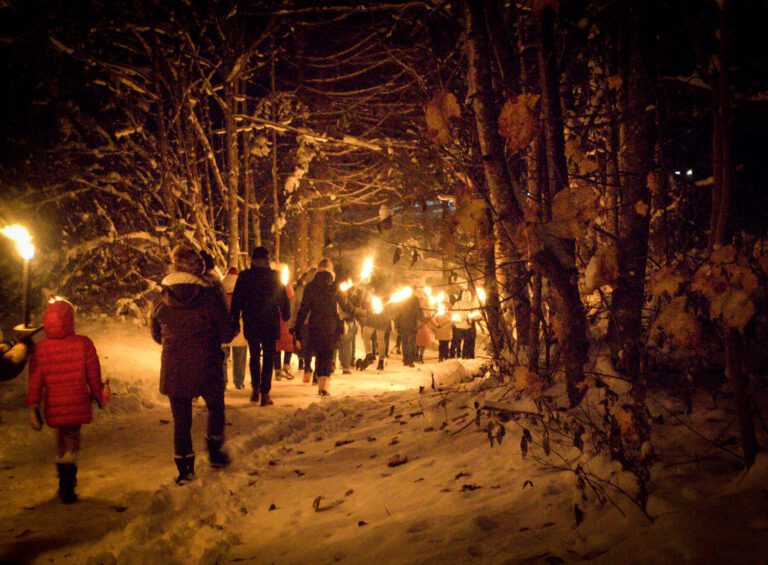
Summer or winter? Go in summer if you want something that will refresh you on a hot day. Go in winter if you want to try one of the torchlit hikes through the gorge.
Morning Option 2: Hike the Höllentalklamm
If you want more of a hike, the Höllentalklamm starts from Hammersbach near Grainau and climbs through a deeper, wilder gorge. It’s seasonal and is usually open from May to October, depending on snow. We didn’t do it on this fall trip, but I’ve hiked it in summer, and it’s a hefty hike: plan on a good four hours. Summer is when I’d go. There’s more access, it’s safer, and it’s less wet.
Afternoon: The Olympic Ski Jump in Garmisch-Partenkirchen
Garmisch-Partenkirchen hosted the 1936 Winter Olympics, and the Große Olympiaschanze, the Olympic ski jump, is one of the most impressive things you can see in town. I thought it was so cool, and I think everyone should see it.
Ski jumpers have launched from this hillside since 1921. For the 1936 Games, the original jump was torn down and replaced with the Olympic hill, and the flat ground at its base became the ski stadium where the opening and closing ceremonies were held. The jump was enlarged several times over the decades, and since the early 1950s it has hosted the New Year’s Day competition of the Four Hills Tournament, one of the biggest events in ski jumping.
The jump you see today is much newer. To meet modern competition standards, the old structure was replaced after an international design competition, and the new cantilevered jump opened on New Year’s Day 2008. Standing in the stadium and looking up the in-run, it’s hard to believe people fly off it, and the record is over 145 meters.
On the Way Back: Ettal Abbey’s Basilica and Brewery
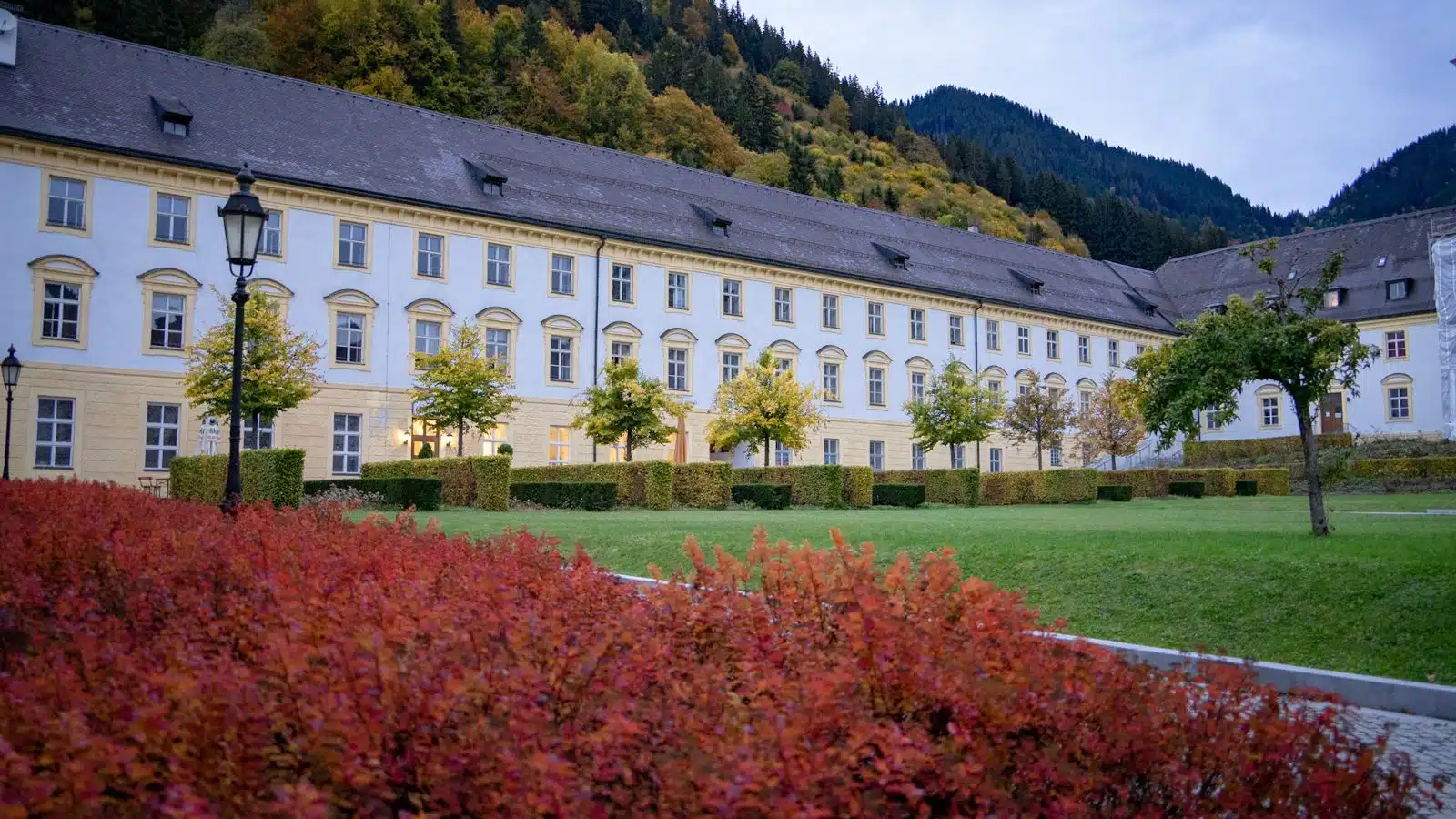
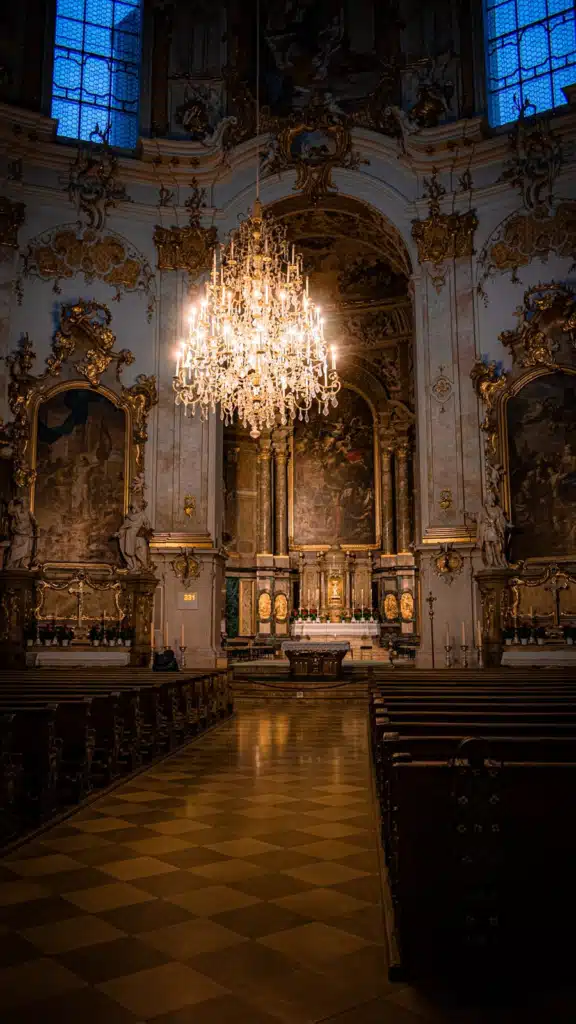
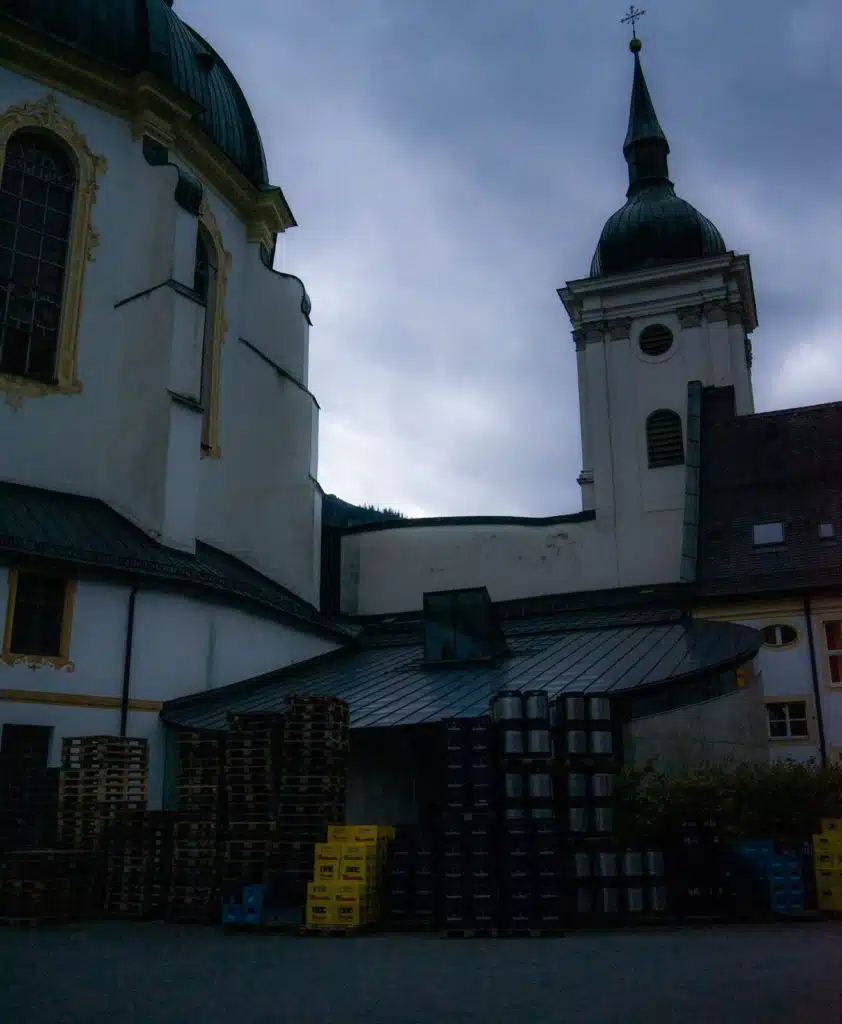
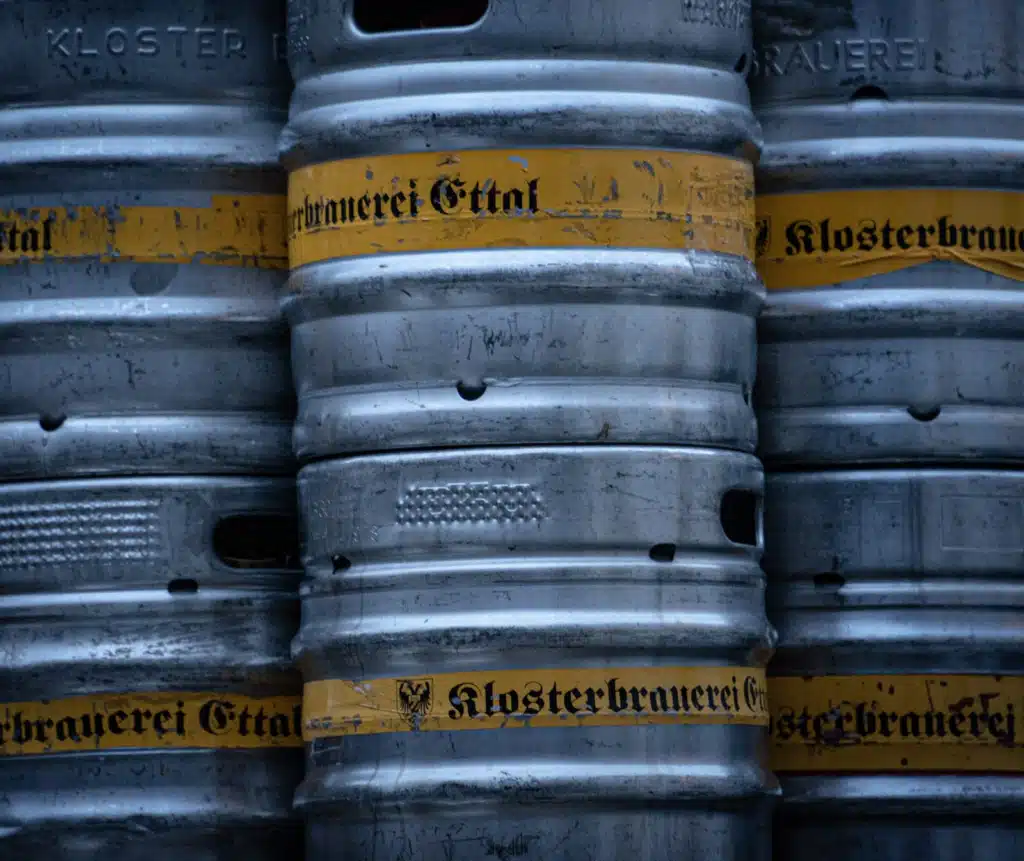
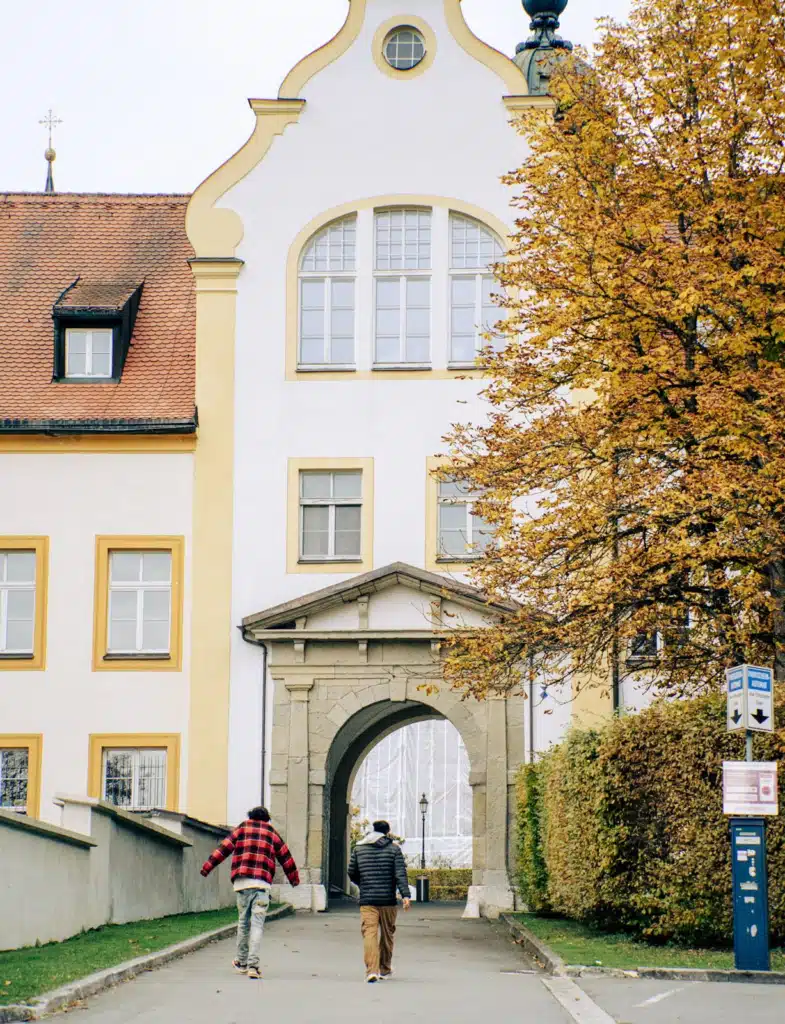
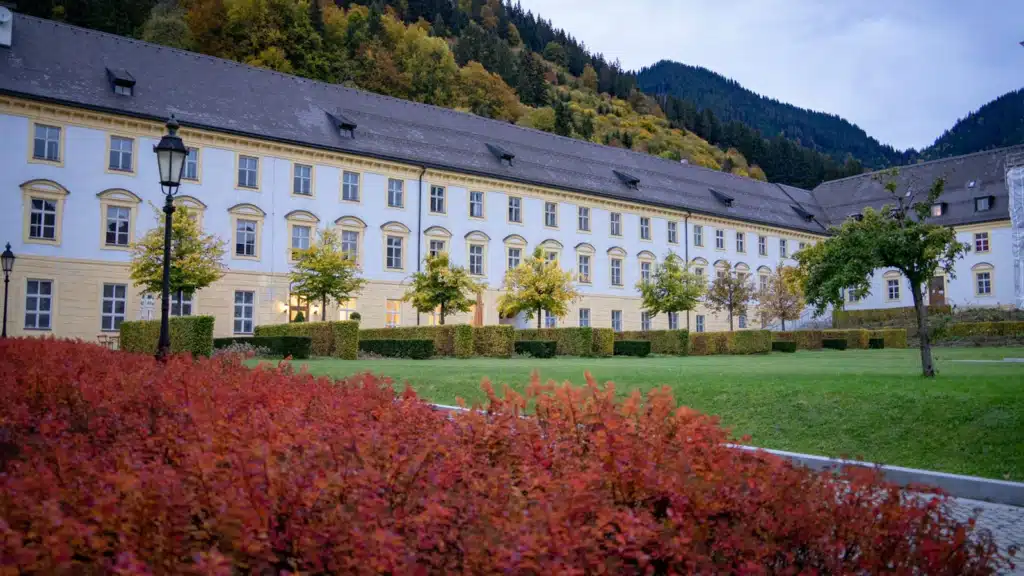
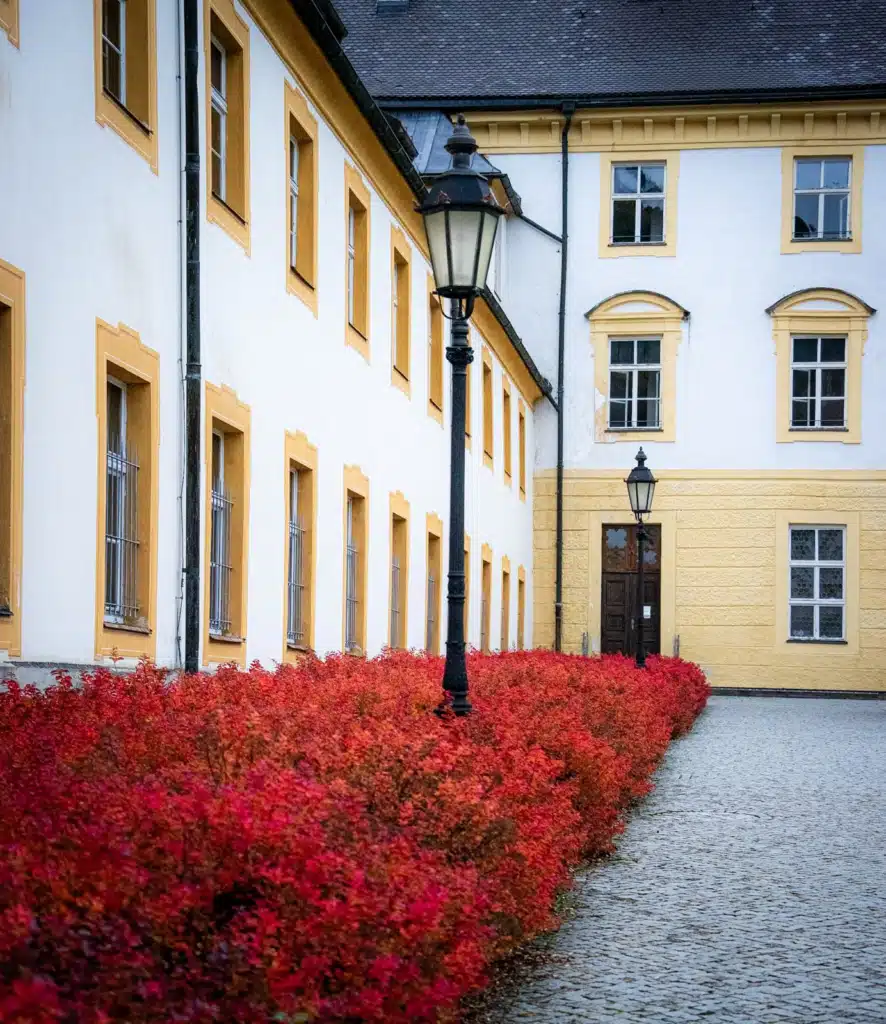
Ettal Abbey sits on the road between Garmisch and Oberammergau, so it’s an easy last stop. It’s a Benedictine monastery founded in 1330, and the monks still brew beer there. The beer is actually what brought us. At Café Restaurant Alpen Eule in Oberammergau, we’d ordered the monastery’s Dunkel, and it was so good that, with Ettal just down the road, we had to go see where it came from.
Sadly, our timing wasn’t great. The brewery was closed the day we went, and the restaurant was hosting a private party, so we walked the grounds and stepped into the basilica instead. It floored us. Then, as we stood there, the monks filed in for their service and began to sing. It was something else. If the brewery is your reason for going, check its opening days before you drive over, but don’t skip the basilica either way.
Extend Your Trip: The Zugspitze
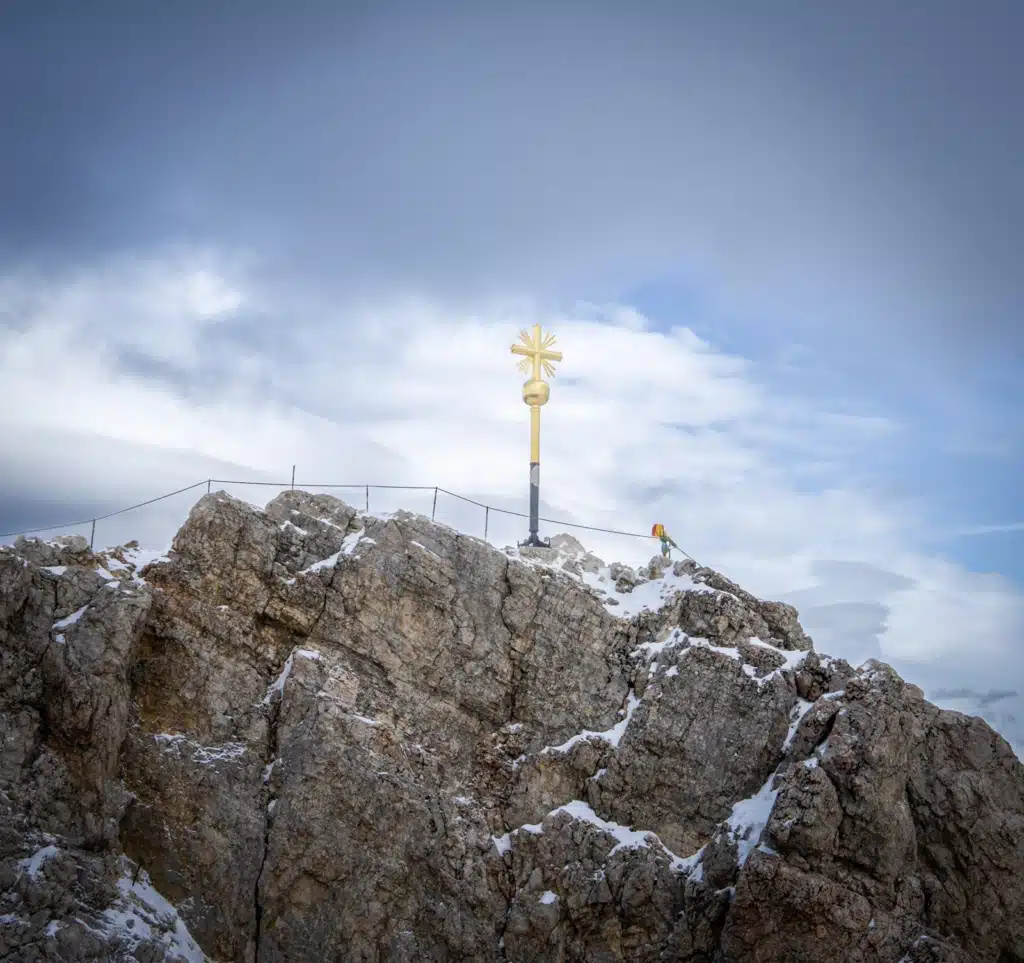
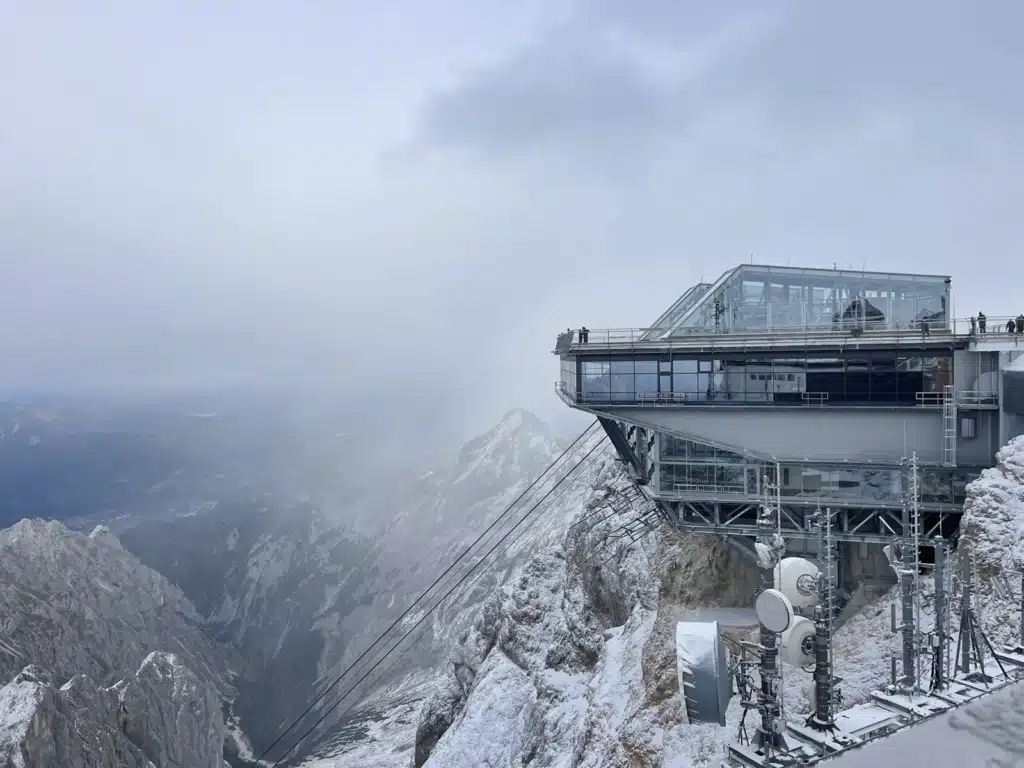
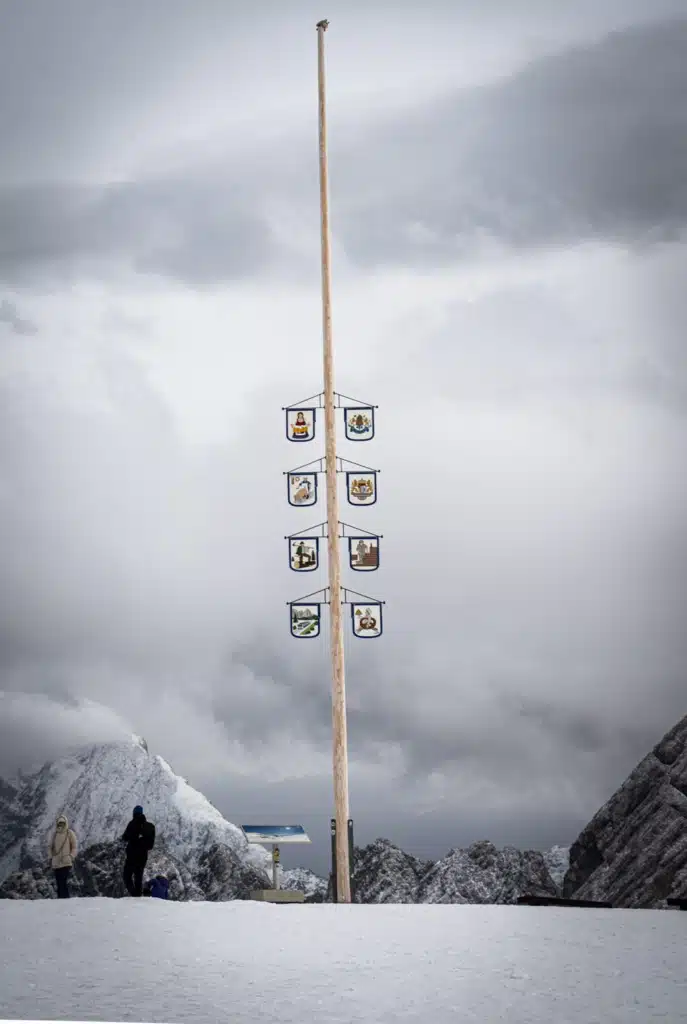
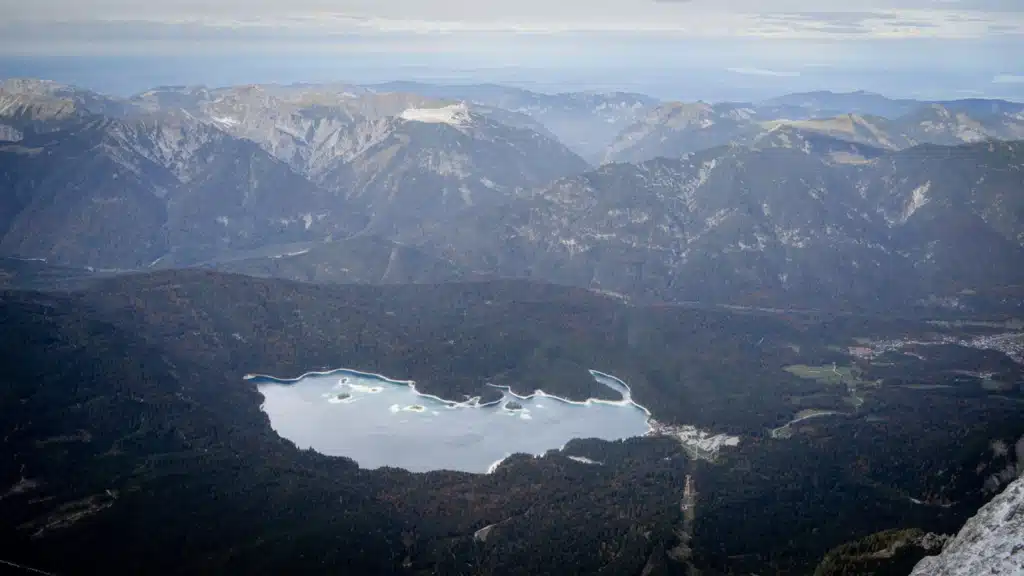
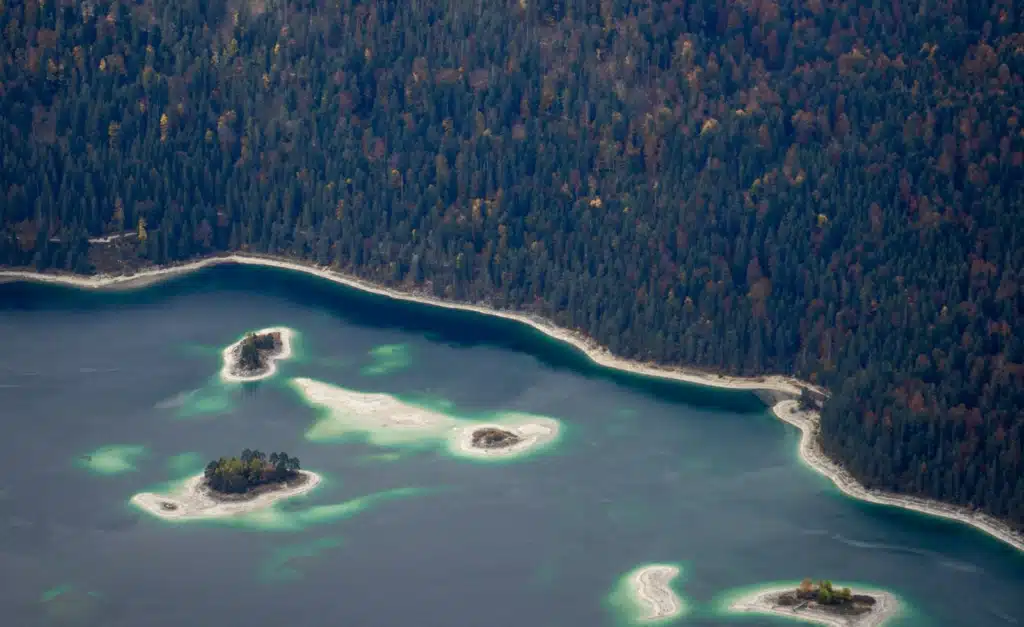
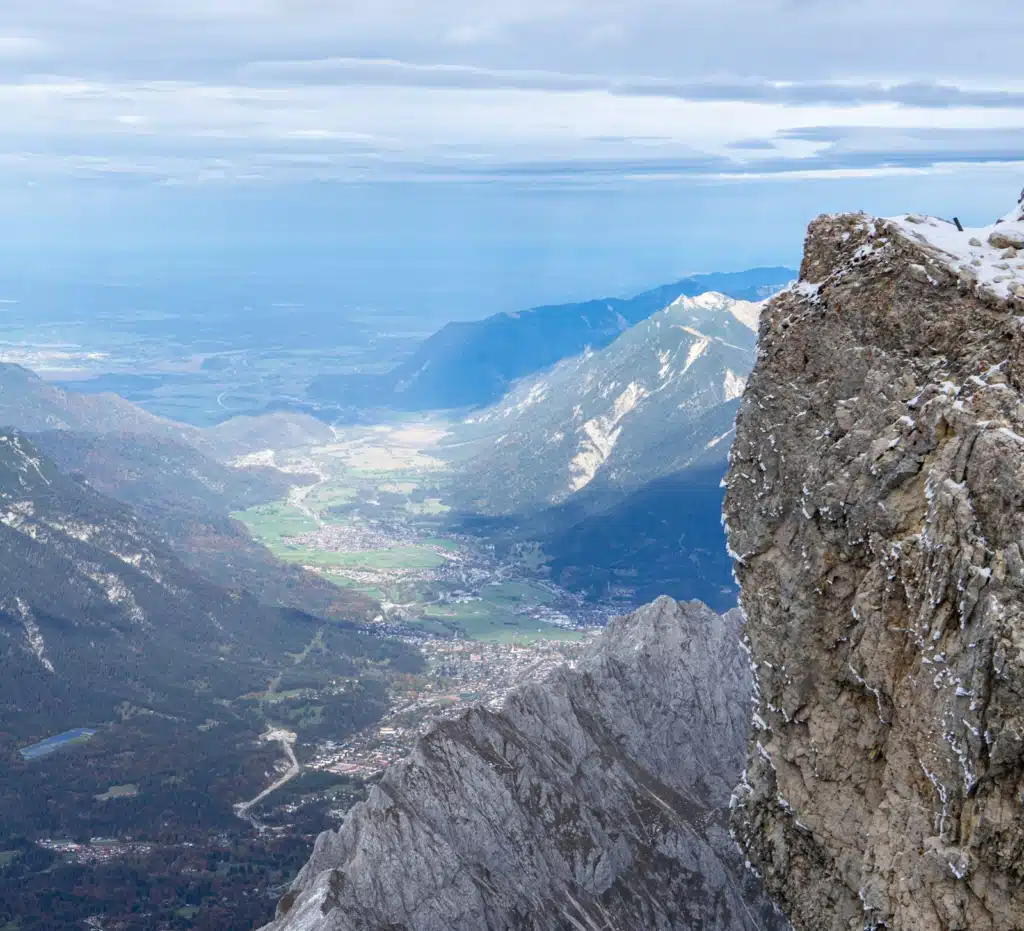
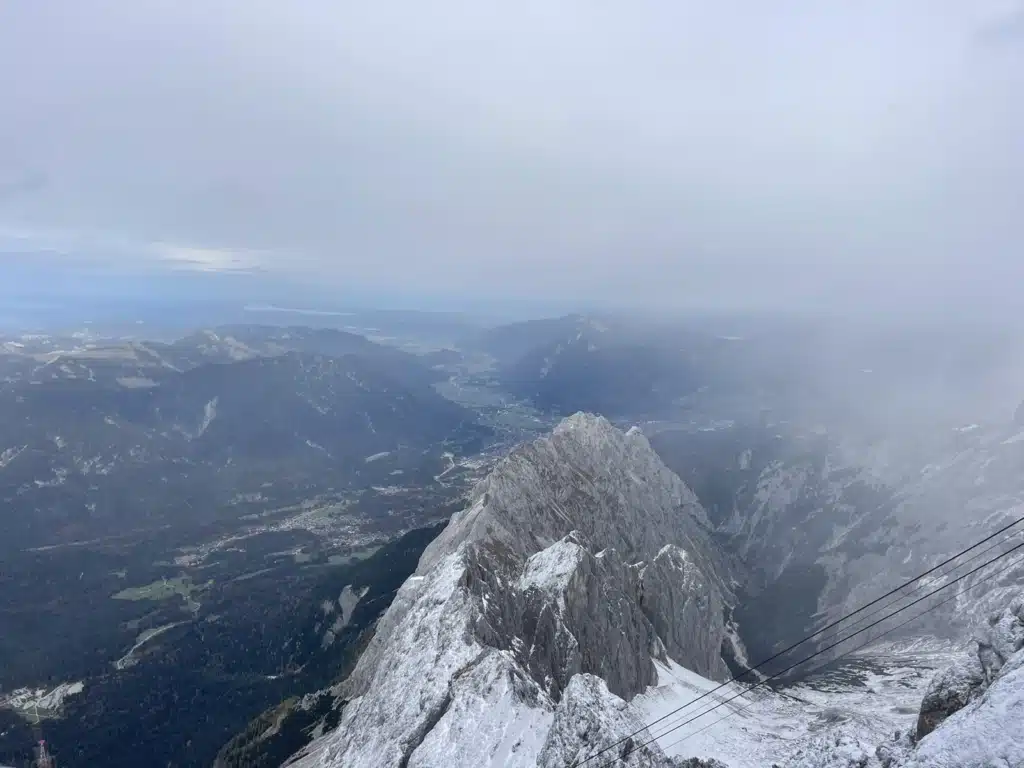
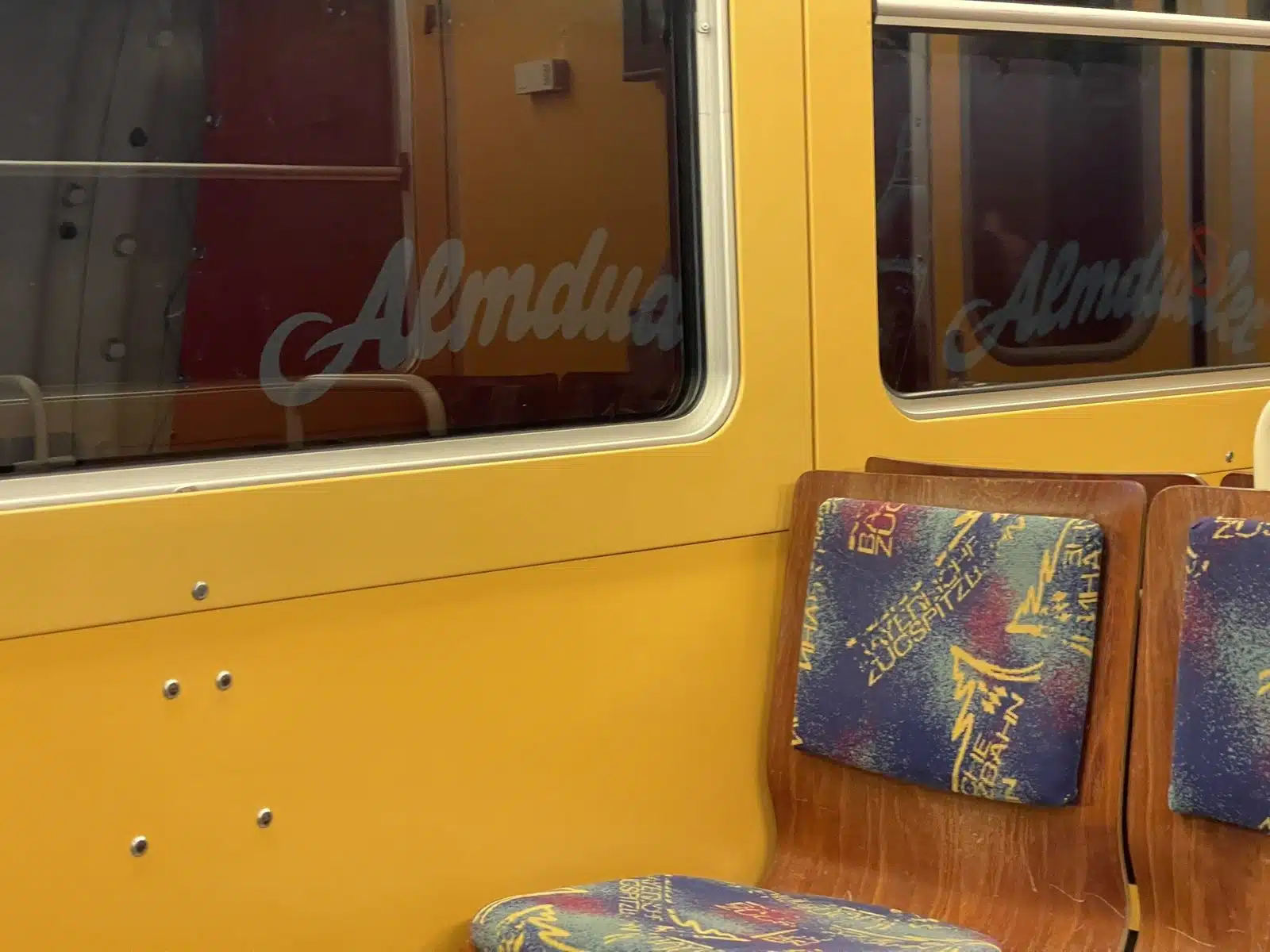
If you have a fifth day, go up the Zugspitze, Germany’s highest mountain. This time, we took the cable car up and rode the cogwheel train back down, which a single summit ticket lets you combine. The weather was a little strange. It was snowing that morning, and we reached the top just in time for lunch. I also loved seeing the fall colors around the Eibsee and across this part of Bavaria.

Is it worth it? Seeing the summit in snow was worth it, but it’s a one-time thing for me. I first went up in the summer of 2020, when we could walk out to the summit cross, and I prefer the Zugspitze in summer.
Be ready for the price. For summer 2026, valid through November 22, a round-trip summit ticket costs €78 for adults, €62.50 for teens 16 to 18 and €39 for kids 6 to 15, and children under 6 ride free with a parent. One way is €46 for adults. The ticket includes a ride on the Gletscherbahn glacier cable car at the top, and winter rates are listed separately. It’s a hefty price, and I’m not sure how most families afford it. If you come up from the Austrian side on the Tiroler Zugspitzbahn from Ehrwald, adult tickets run about €66 round trip and €43 one way.

Short on time or traveling without a car? This Zugspitze day tour from Munich takes care of the transport and gets you to the top in a single day.
Best Time to Visit Bavaria
I’ve been to this area in January, in summer and in October, and each season changes what you can fit into a Bavaria itinerary. The best time to go really depends on what kind of traveler you are. If you want hiking in easy weather, come in shoulder season. My favorite times are June and late August into September, when the trails are open and there are fewer people. If Oktoberfest is the reason for your trip, plan on September, since the festival starts in mid to late September and wraps up in early October. In October, expect rain. It cancelled our Highline179 plans, so have an indoor backup like Linderhof ready.
What to Pack for This Bavaria Itinerary
- Waterproof hiking shoes: for the gorges, the Kofel and wet castle paths. Hiking Shoes
- Hiking poles: useful on the Kofel and the Höllentalklamm. Hiking Poles
- A daypack: Osprey bag
- A hydration pack: Camelbak
- A rain jacket, especially in autumn
- An eSIM for maps and train updates: Holafly
- Sunglasses that stay put: my Goodr sunglasses go on every hike because they don’t slip
- Comfortable sneakers for Munich: the city day is a lot of walking on cobblestones, and I wear these New Balance sneakers
Bavaria Itinerary FAQ
Is Bavaria worth visiting?
Oh my goodness, yes. I wouldn’t skip Bavaria. Castles, alpine hikes, painted villages, monastery beer and Munich all fit into a few days.
How many days should you spend in Bavaria?
Four days covers one base village, the castles, Munich and the Alps around Garmisch. A fifth day lets you add the Zugspitze.
Can you do this Bavaria itinerary without a car?
Days 1 and 3 work without a car. Days 2 and 4 are much easier with one. You probably could do the whole thing by train and bus. Just pack your patience for delays and build extra time around anything you’ve booked.
Do you need an Austrian vignette to drive from Neuschwanstein to Linderhof?
Our route through Austria didn’t need one, but it depends on whether your route uses an Austrian motorway.
When is the Oberammergau Passion Play?
Every ten years. The next season is 2030, but the theatre is open for guided tours year-round.
Why Oberammergau Makes Your 4-Day Bavaria Itinerary Easier
We based ourselves in Oberammergau because my husband was attending the NATO School there, but honestly, it was already high on our list, and we’re so glad we stayed. The castles, the Alps and Ettal are all a short drive away, Munich makes an easy day trip, and you come home every night to a quiet village of painted houses. This Bavaria itinerary suits first-timers who want more than a city break, couples and friends on a road trip, hikers, and military families stationed in Germany looking for a long weekend.
More Germany Guides
Planning more time in Germany? These are the guides I’d read next.
- Neuschwanstein and Linderhof in One Day, my first-timer’s guide to the castle day
- How to Hike the Schnapsbrunnenweg, the Black Forest schnapps trail we stopped for on the drive
- Is the Zeppelin Museum in Friedrichshafen Worth It, an easy break on Lake Constance
- 7-Day Lake Constance Christmas Market Itinerary
- Hamburg Christmas Markets Guide
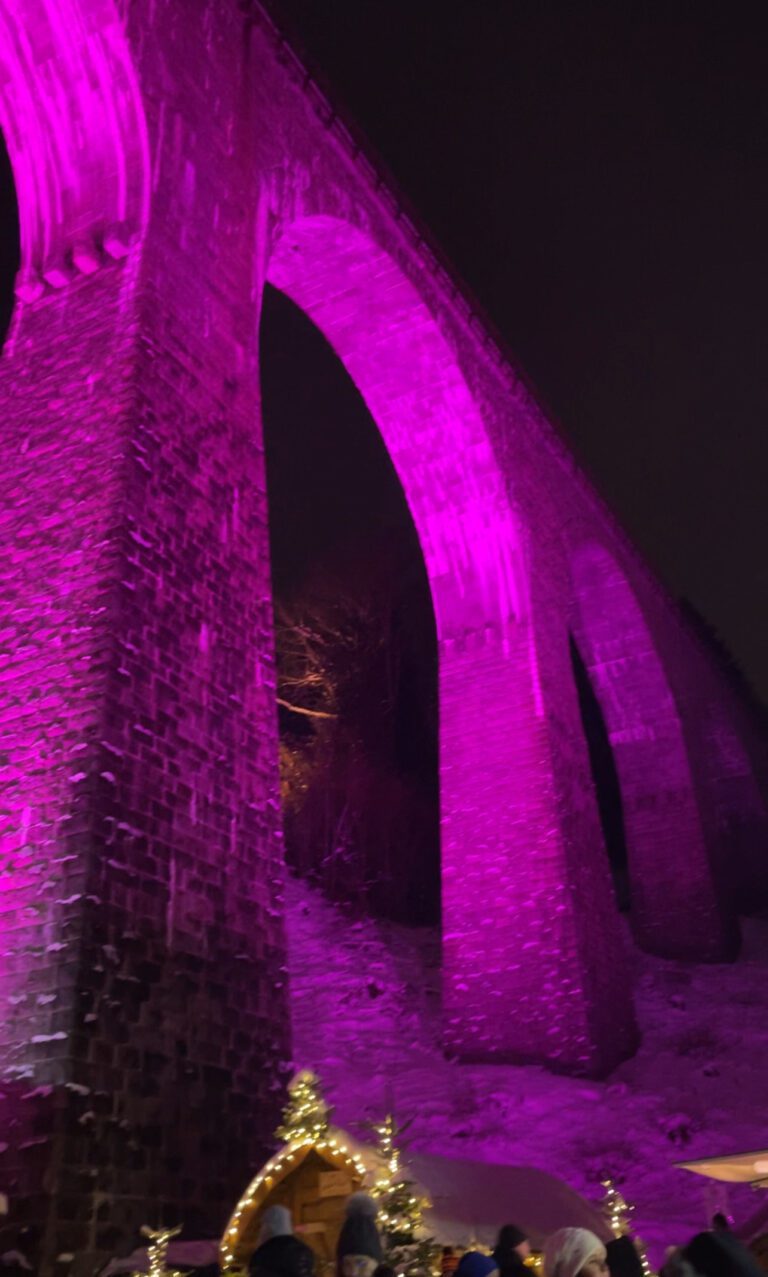
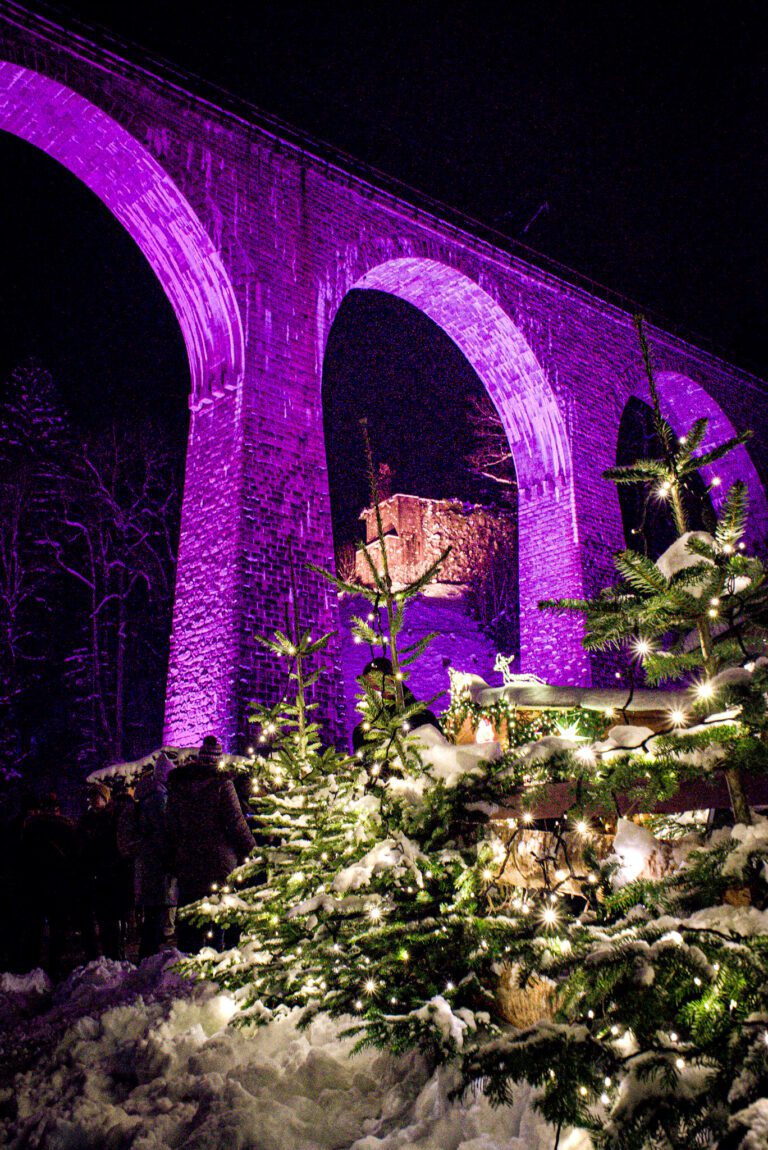
- Ravenna Gorge Christmas Market Guide
- All of my Christmas market guides
- All of my hiking guides
- All of my Germany travel guides