
Women’s Museum Tirana (Muzeu i Grave): The Most Meaningful Museum in Albania’s Capital
If you’re searching for meaningful things to do in Tirana, don’t skip the apartment tucked just off Rruga Myslym Shyri.
The Women’s Museum Tirana, known locally as Muzeu i Grave, deserves to be high on your list while exploring the city. Unlike many larger Tirana museums, this one is intimate and deeply personal.
In a capital filled with powerful, often heavy historical institutions — from surveillance-era archives to Cold War bunkers — this is the museum that lingered with me the longest.
We found it almost by accident. Earlier that day, we were deep into what we called our “museum day” in Tirana, moving from one historical site to another. After leaving the House of Leaves, I was already saturated with layers of Albanian history: occupation, dictatorship, resistance, transition.
By the time we walked a few streets over, I didn’t know what to expect.
Then I stepped into this apartment-turned-museum — and the pace shifted.
This Post Pairs Well With:
Visitor Information:
Muzeu i Grave – Women’s Museum of Albania
Name in Albanian: Muzeu i Grave
Location: Rruga Myslym Shyri 2, Tirana (entrance via Shyqyri Berxholi)
Founded by: Elsa Ballauri, journalist and human rights activist
Opened: 2021
Focus: The lives, stories, and impact of Albanian women from ancient times to the present day
Languages: Guided tours available in Albanian and English
Admission: 500 Lek (~€5), cash only
Hours:
▸ Monday–Friday: 10:00–17:00
▸ Saturday: 10:00–16:00
▸ Closed Sunday
If you’re building a list of Tirana museums worth prioritizing, this one belongs near the top — especially for solo female travel in Albania and for travelers who care about cultural depth over quick photo stops.
What is the Women’s Museum (Muzeu i Grave)?
The Women’s Museum Tirana stands as the first and only museum in Albania focused entirely on women’s history.
Journalist and human rights activist Elsa Ballauri created it after recognizing how many women’s stories Albania had pushed to the margins of its national narrative.
In 2009, the Danish government honored Ballauri with the Women’s Torch Award for her activism. Instead of treating the award as a milestone, she treated it as momentum. She began shaping a long-held vision: transforming her family apartment into a museum. In 2021, she opened its doors to the public.
The Albanian state did not launch this initiative. No institution funded it. Ballauri built it herself, drawing from decades of collected objects, research, and personal conviction.
That independence shapes the experience.
Because the museum occupies her former family home, visitors encounter something far more intimate than a traditional exhibition. Rather than moving through a polished national display, you step into a lived-in space that now holds centuries of Albanian women’s lives.
Albanian Women Through the Ages: A History Often Left Out
What makes Muzeu i Grave different from other Tirana museums is its perspective.
Rather than tracing Albania’s revolutions and political shifts from the top down — through generals, party leaders, and regimes — it approaches history from the ground up. The story unfolds through kitchen tables, sewing machines, classrooms, factory floors, and even prison cells.
As a result, the narrative feels lived rather than declared.
The museum then moves chronologically, guiding you through Albania’s past era by era — but always through the lens of the women who experienced it firsthand.
Women of Antiquity and Cultural Preservation
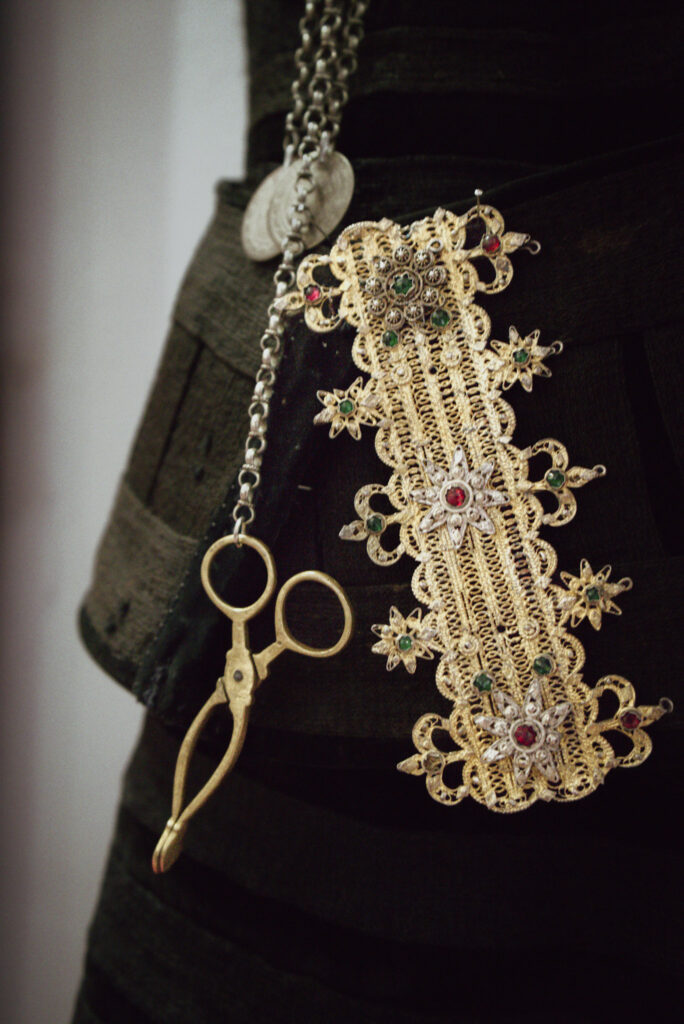
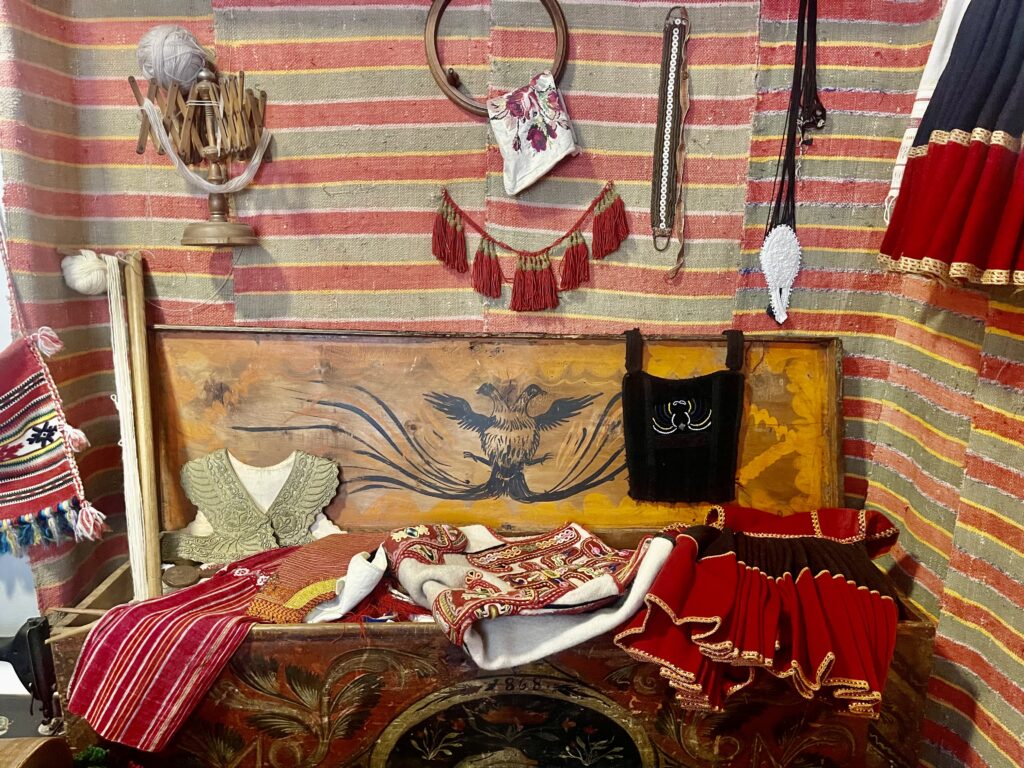
The collection opens with jewelry from Zadrima in northern Albania — intricate metalwork and personal adornments that reveal how women preserved cultural identity through centuries of shifting rule.
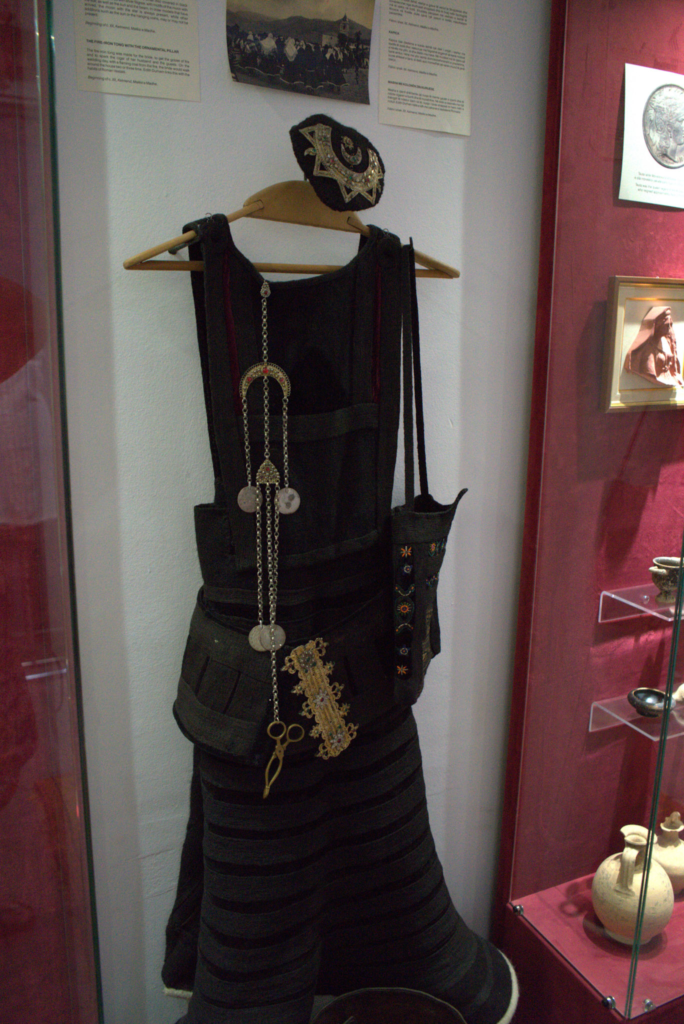
A few steps later, one piece commands the room: a xhubleta, the traditional bell-shaped Albanian garment that UNESCO recognizes for its cultural significance. Seeing it in person stopped me.
The craftsmanship commands attention — the layering, the symbolism, the structure, the weight.
It would be easy to romanticize traditional dress. Instead, the garment reads as evidence. It reflects skills deliberately passed from one generation to the next. It demonstrates continuity when borders shifted, and empires rose and fell. Through fabric and thread, women protected their identity while political systems around them fractured.
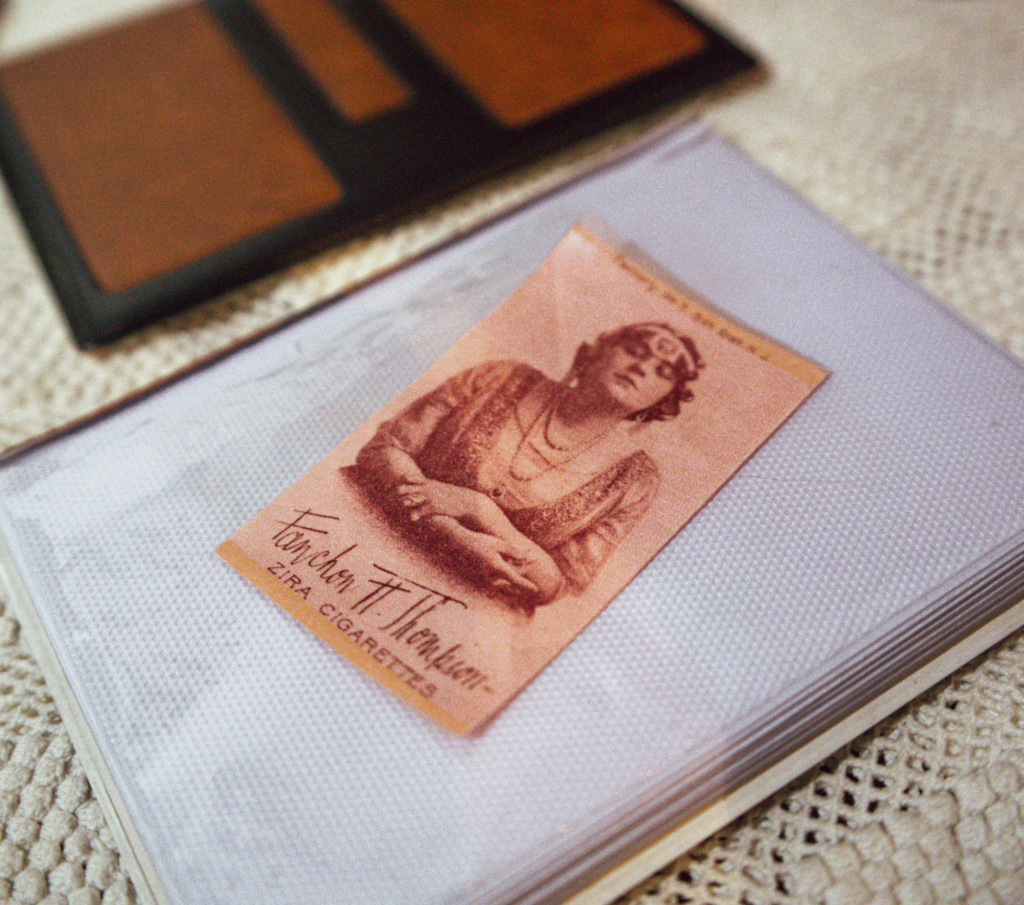
Nearby, a delicate Zara cigarette silk caught my attention. Smaller and quieter, yet equally powerful. It captures a fragment of daily life.
As I stood there, I wondered whether these women ever imagined their belongings would sit behind glass one day. Would they have pictured their objects helping narrate Albania’s history?
That quiet elevation carries dignity, the recognition that ordinary lives shape national memory.
Inside the Exhibits: Albanian Women Through the Ages
The museum follows a chronological structure, guiding you through Albania’s past from the perspective of its women:
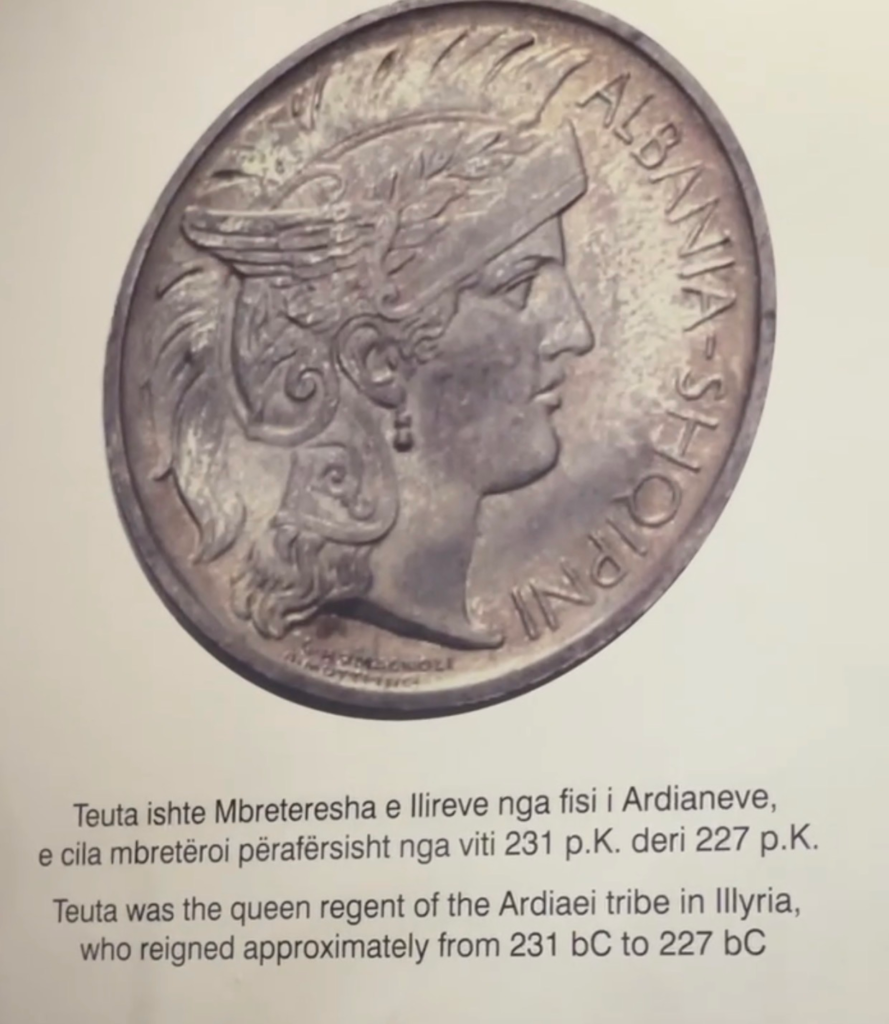
Women of Illyria
Queens and noblewomen whose leadership helped shape early Albanian identity.
Byzantine & Ottoman Eras
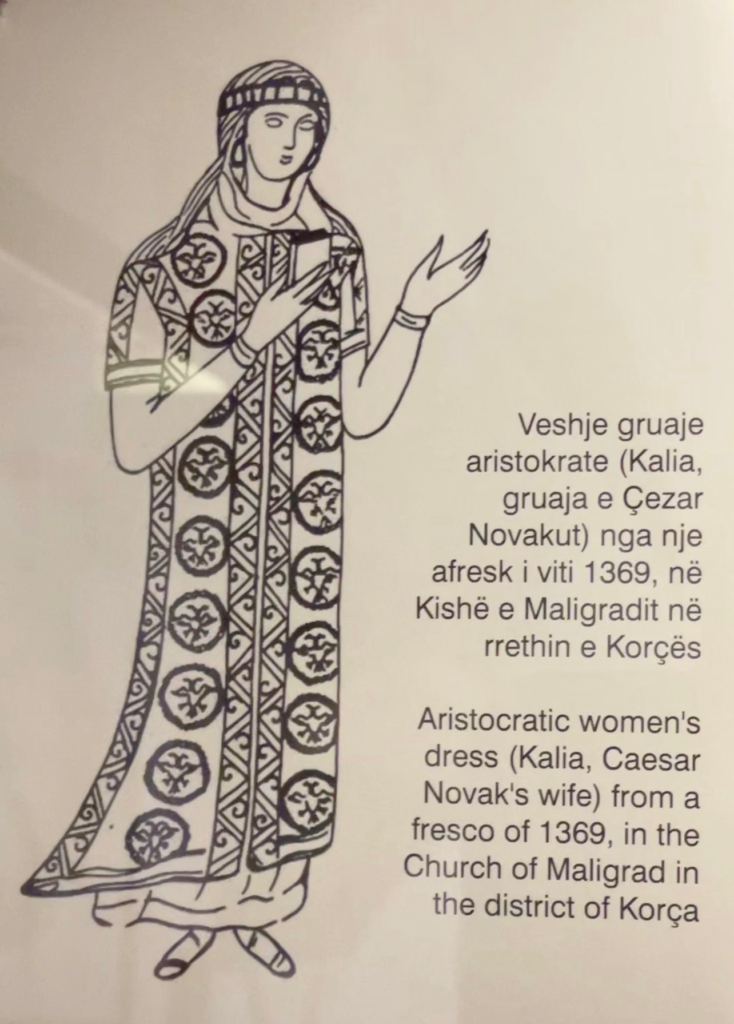
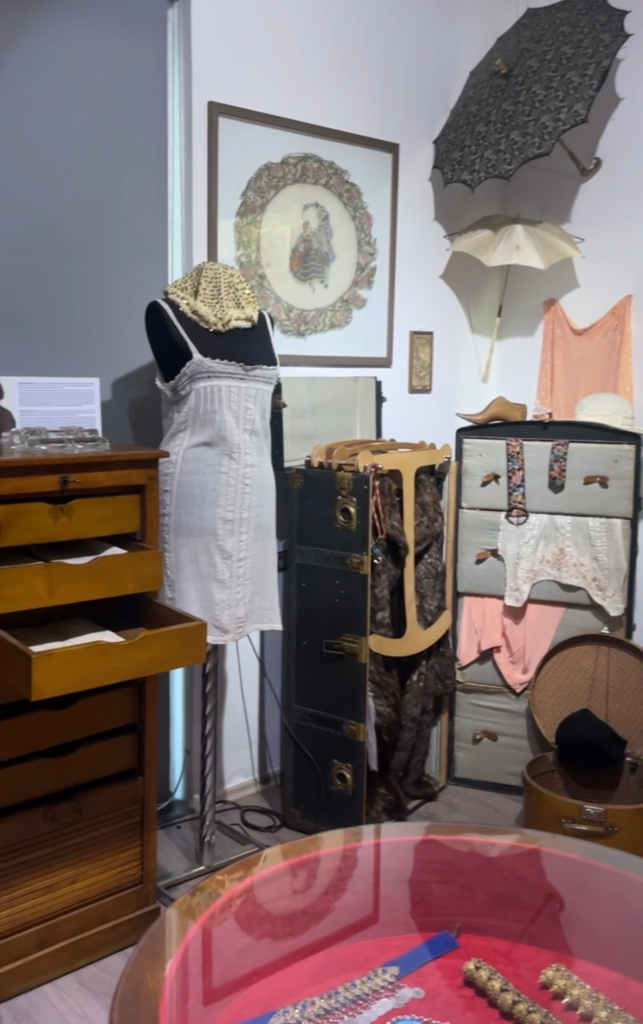
Everyday tools, embroidery, and clothing that speak to centuries of cultural preservation and domestic resilience.
Interwar & WWII Period
Artifacts from educators, activists, and partisans who helped steer Albania’s future.
Women Under Communism
The most emotionally complex room — and the one that stays with visitors longest.
The Interwar Period: Women Organizing, Debating, Building
The 1920s and 1930s in Albania were more progressive than many outsiders realize.
Women’s organizations were active and vocal. They debated divorce. Abortion. Hygiene. Work. Education. King Zog’s sisters supported women’s associations. The first school for women opened. Conversations about autonomy were already unfolding.
What I took from this was that Albania wasn’t a silent society. It was dynamic and engaging.
And yet, so much of that activism has faded from mainstream narratives.
Elsa has worked to bring those names back into visibility, educators, writers, and organizers whose work shaped Albania’s early modern identity.
One particularly moving reconstruction centers on Praksithe (Praksida) Plumbi, an educator and writer nearly erased from memory. Her son donated her letters, an ink bottle, a diary, and small objects that once sat on her desk. Elsa rebuilt her story piece by piece.
The museum does this again and again: restores presence.
Women Under Communism: The Contradiction of “Equality”
The communist-era room is the one that settles into your chest.
Under Enver Hoxha’s regime, women were publicly celebrated as equal contributors to the socialist state. They worked in factories, fields, offices. They were described as pillars of the nation.
But equality, as Elsa gently explains during her tour, was largely rhetorical.
Women carried what many describe as a double burden. They were expected to be loyal political actors and productive workers, and at the same time primary caretakers of the family. Communism did not erase domestic expectations. It layered new ones on top.
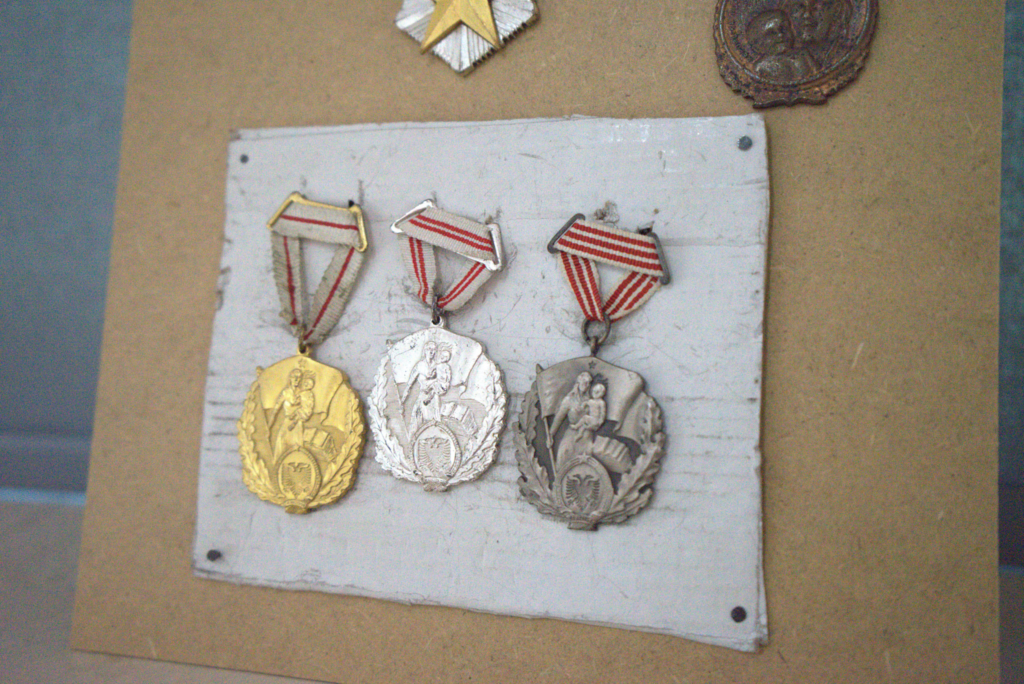
Albania aggressively encouraged population growth. Mothers who raised large families received “Mother Heroine” medals and certificates. For some, those medals were a source of pride. For others, they symbolized pressure and expectation.
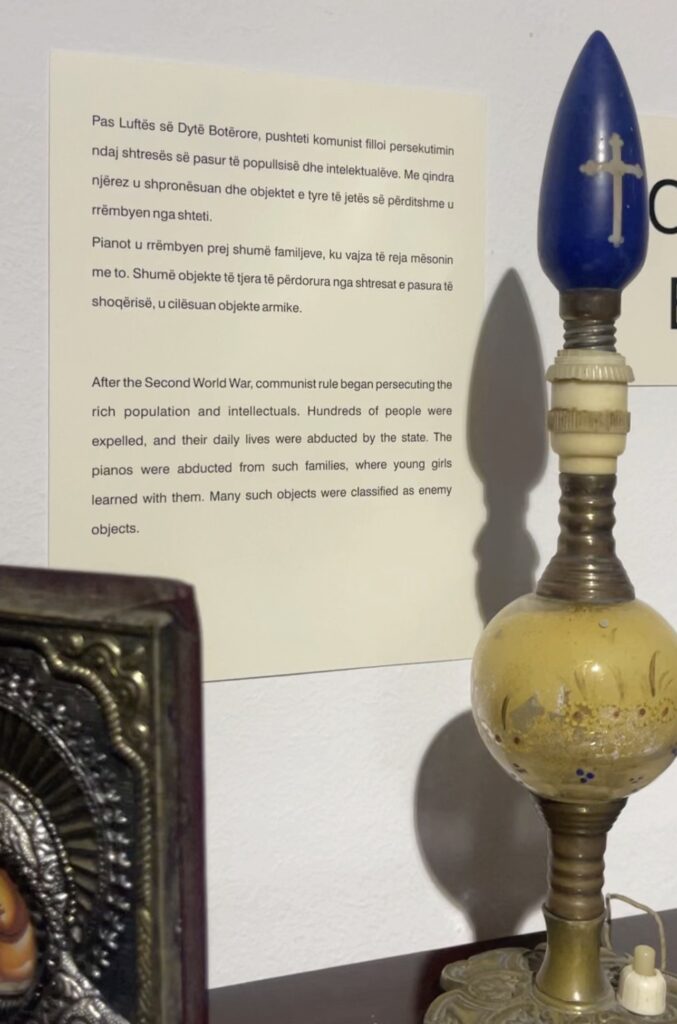
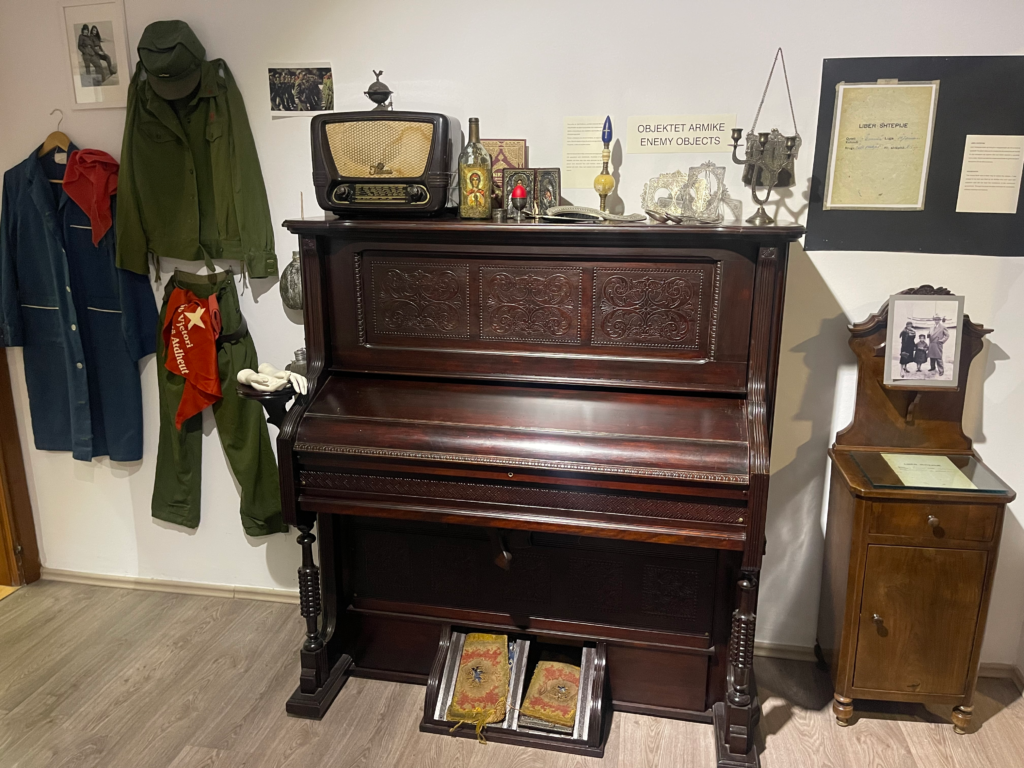
Certain objects, like pianos, were labeled “enemy objects.” Cultural expression was controlled. Personal autonomy was narrowed. Women were persecuted, interned, shot, sometimes for their own ideas, often because of the political standing of their husbands or families.
What struck me most was Elsa’s tone.
There is no bitterness. No theatrical outrage. Only nuance.
She speaks about this era with complexity, acknowledging pride, sacrifice, repression, and resilience. She doesn’t flatten history into slogans. Elsa allows it to remain human.
Why Transforming Her Family Apartment Matters
The fact that Muzeu i Grave is housed in Elsa Ballauri’s family home changes everything. This is not abstract activism.
Her father was a collector. Many post–World War II objects belonged to her own family, and the museum was built from the inheritance of intellectual and material.
When Elsa tells you about a piece, she’s not reading from a placard. She’s recounting a lived lineage of research, memory, and responsibility. She doesn’t position herself as a distant curator. She positions herself as someone holding a torch.
And in a region where political shifts have repeatedly attempted to rewrite or silence certain narratives, that act feels very radical.
My Takeaways from the Women’s Museum Tirana
When we entered, Elsa was speaking with a group of women finishing their tour. She told us to make ourselves comfortable and look around. A few minutes later, she found us and began guiding us herself.
Her storytelling is calm but powerful. Layered with decades of journalism and human rights work.
By the time we left, admiration lingered longer than anything else.
Admiration for her courage and her persistence. For choosing to preserve women’s stories when they could have easily remained scattered across private drawers and forgotten archives.
Alongside that admiration was something quieter.
Grief.
Not dramatic grief. I wasn’t outraged, but there was a recognition that autonomy is never permanently secured. That the questions Albanian women debated in the 1920s, divorce, abortion, work, and independence, are still debated globally today.
From Afghanistan to the United States, women’s rights remain fragile in ways that ripple outward. Rights are interconnected. When one weakens, others follow. That’s why I feel that the Womans museum in Tirana is important.
Final Notes for Your Visit to the womens museum of Albania
Where: Rruga Myslym Shyri 2 (entrance via Shyqyri Berxholi)
When: Monday–Saturday (closed Sundays)
How Much: 500 Lek (~€5), cash only
How to Book: Use the Google Maps link here to reserve your visit
Tours: Given in English or Albanian. Accessibility is limited due to the building structure.
Other Resources for Your Visit:
Visit Tirana: Women’s Museum in Tirana
Location of Women’s Museum
The museum sits on the backside of an apartment block. You’ll need to press the buzzer to be let in. It’s up a few stairs, and there is no lift. You can make reservations ahead of time via the Women’s Museum website or email ahead of time to ask questions!
A Museum That Adds Context to Tirana
Add Muzeu i Grave to your Tirana museums list if you want context, not just chronology.
This museum doesn’t compete with Albania’s larger historical institutions. It complements them. It brings forward the women who lived within those political systems and shaped the country in ways that are rarely centered.
For culturally curious travelers and solo female travelers alike, it offers clarity.
