Inside Asiago’s Caseificio Pennar: The Craft Behind Italy’s Iconic Cheese

There’s something almost cinematic about driving up to the Altopiano dei Sette Comuni, where the Veneto lowlands fall away, and the landscape opens into rolling alpine pastures. Asiago isn’t loud or dramatic—it’s quietly spectacular, the kind of place where tradition feels woven into the earth itself. That’s what makes Caseificio Pennar such a compelling stop. You’re not just visiting a dairy; you’re stepping into a living piece of the plateau’s history.
I’ve tasted their cheeses for years, but this was my first time seeing what actually happens behind the scenes. Spoiler: I walked out with a new level of appreciation for every wheel of Asiago I’ve ever eaten.
This Post Pairs Well With:
- Read More Here: Italy Guide
- 12+ Things to do in Vicenza
- The Prosecco Hills by E-Bike: The Day Trip I Recommend to Everyone
- The Ultimate Venice Food Tour: Rialto Market, Spritz
- How to Get to Aquila Vaia: Guide to Marco Martalar’s Eagle
- Trattoria All’Angelo: A Fun Cooking Experience Near Vicenza
- Driving in Italy: 5+ Important Tips You Should Know
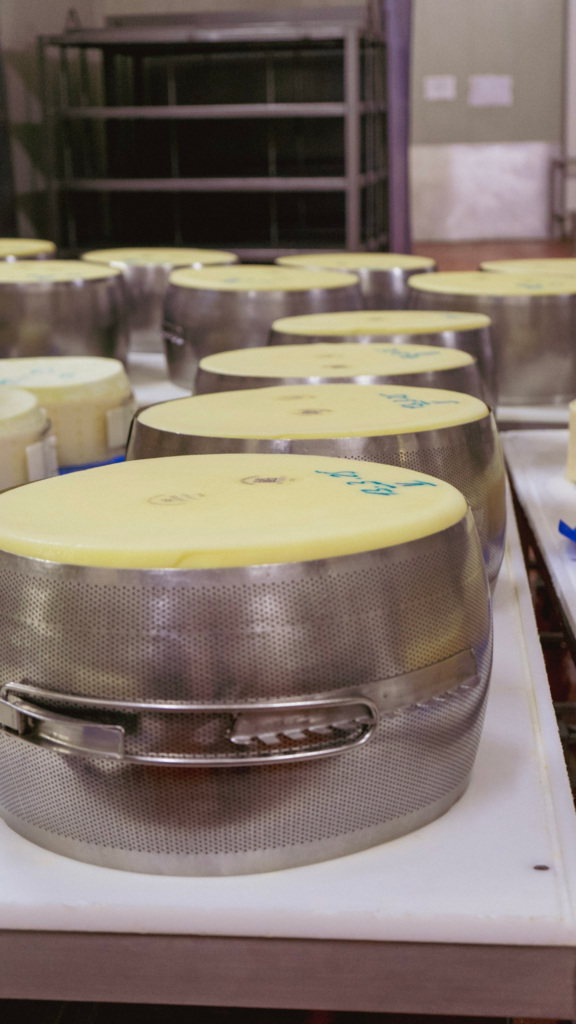
Where are Asiago and Caseificio Pennar?
Before this visit, I knew Caseificio Pennar was “somewhere up in Asiago,” but I didn’t realize just how perfectly placed it is until I made the drive myself. The dairy sits just a few minutes outside the town of Asiago, Italy, tucked into the rolling pastures of the Altopiano dei Sette Comuni—a high plateau that feels worlds away from the Veneto lowlands below.
If you’re coming from Vicenza, it’s about an hour’s drive, and it’s the kind of drive that feels like an experience in itself. You wind through dense forests, hairpin bends, and long stretches where the views suddenly open into deep green meadows, wooden chalets, and that crisp alpine air that Asiago is known for.
Caseificio Pennar rests at roughly 1,070 meters, surrounded by the very pastures that give Asiago DOP its signature flavor—wild herbs, mountain grasses, and the biodiversity that makes this cheese so distinct. Standing in their courtyard, I finally understood why the cheese tastes the way it does. The land is part of the recipe.
And because it’s so close to town, it’s easy to pair your visit with a wander through Asiago, a coffee stop, or even a hike to a nearby WWI site. This dairy isn’t just a place to buy cheese—it’s woven into the daily life of the plateau.
About Caseificio Pennar: History, Land & The Mountain Method
Caseificio Pennar was founded in 1927, rebuilt after the First World War on the ruins of an old malga dairy. Today, it’s a cooperative of about 50 local farms, each committed to preserving the plateau’s biodiversity and cheesemaking traditions that go back centuries.
Here, the phrase “Mountain Product” isn’t marketing—it’s a protected designation with strict rules. Milk must come from cows raised entirely on the plateau. Their diet must be fresh alpine pasture in summer and local hay in winter, with no silage or fermented feed allowed. If supplementation is needed, it must be NON-GMO cereals, nothing else.
Every step—milking, curdling, molding, aging—must happen at altitude. This is cheesemaking rooted in place.
And nothing goes to waste.
The whey left over from cheesemaking becomes fresh ricotta or is sent to local farmers as natural pig feed. Long before sustainability became a buzzword, Pennar was already practicing it.
Their lineup reflects the diversity of the plateau:
- Asiago Fresco
- Asiago Stagionato
- Gran Pennar di Montagna
- Caciotte di Montagna
- Formaggio Vezzena
- Ricotta
- Palle di Neve
- Cream spreads, yogurt, and more.
Each one tells its own story of season, terrain, and tradition.
Inside the Milk Tank Room & Copper Vats
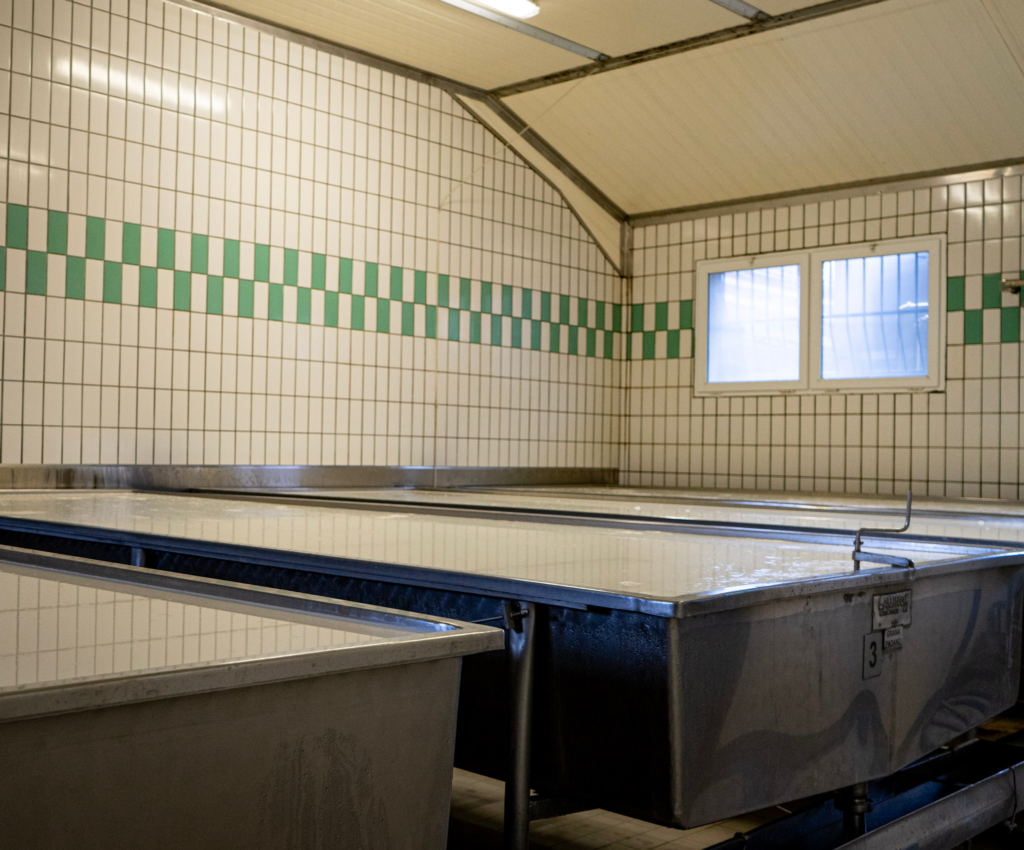
We began in the milk tank room, where raw milk rests before undergoing its transformation. It’s simple in appearance, but this is where quality is protected,temperature, timing, and freshness are meticulously monitored.
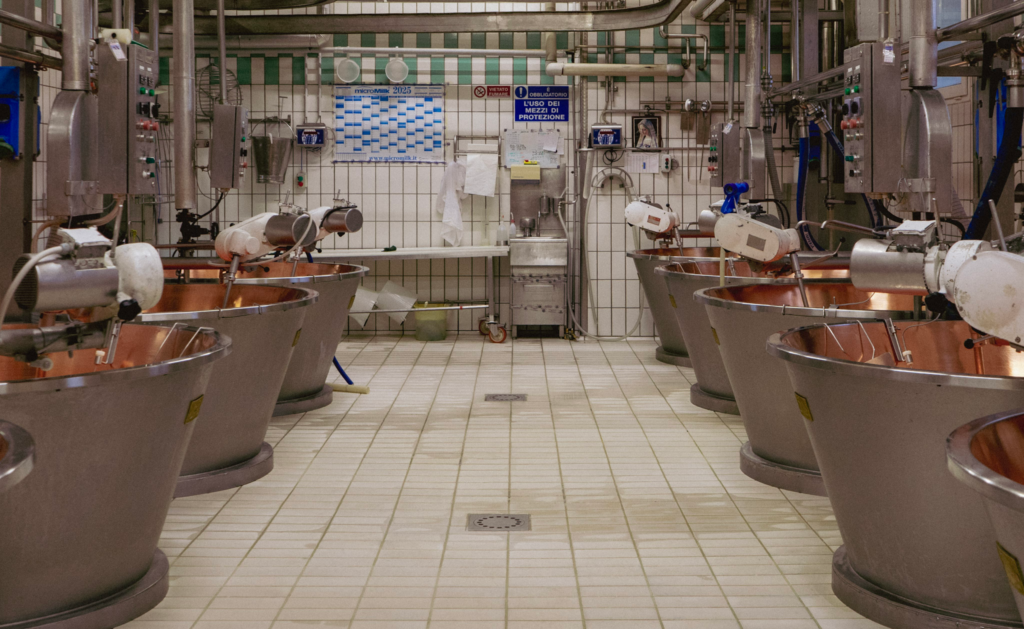
Then came the part that immediately won me over: the copper vats. These glowing kettles are where milk becomes curds, and watching them work feels almost ceremonial.
Lisa, my guide, explained why copper is still the preferred material for Asiago cheese production. Copper conducts heat evenly, cools rapidly, and releases tiny copper ions that bind with proteins—helping develop that rich, nutty, unmistakable Asiago flavor. Many producers use it specifically to replicate authentic Italian mountain recipes.
Standing there, smelling warm milk and watching the curds form, felt like witnessing the first heartbeat of the cheese.
Watching the Cheese Wheels get hammered
As we moved from the copper vats to the next room, I could hear loud hammering. This is where I was introduced to the next stage of the Asiago cheese-making process.
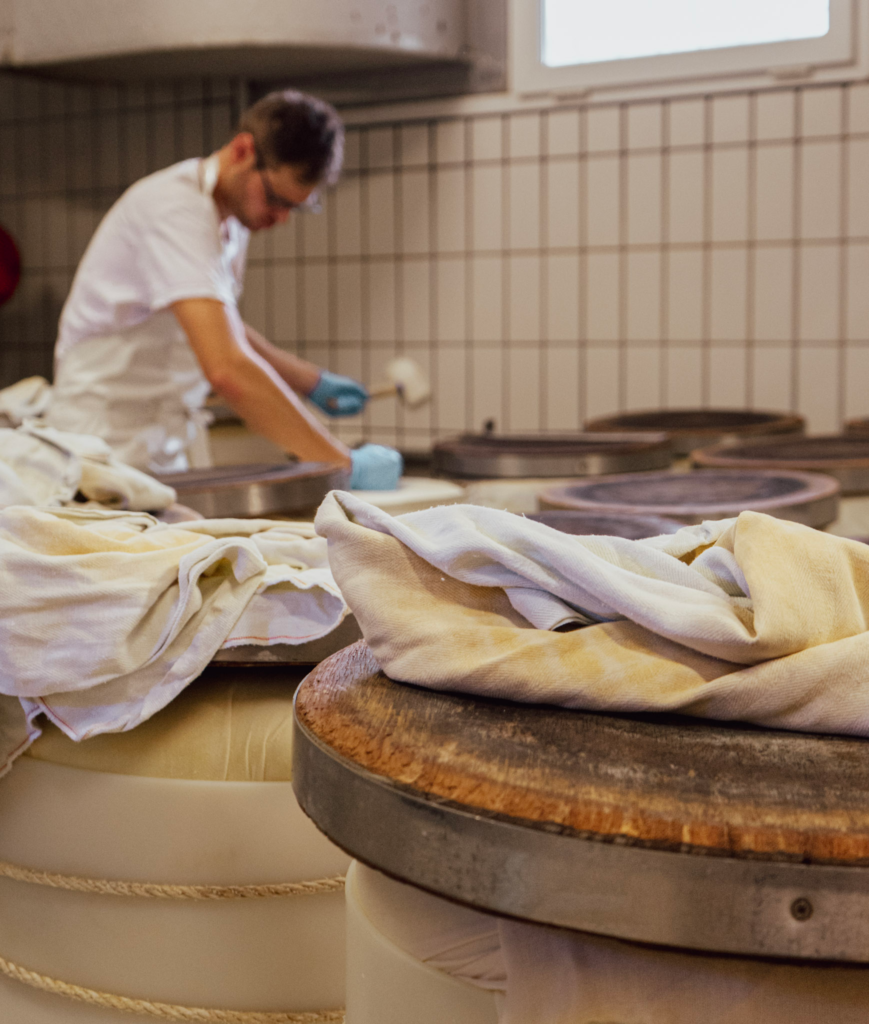
Eric—one of the craftsmen—hammered each round with a mallet, tightening and smoothing the form. You could smell the milk, hear the steady rhythm of wood on metal, and feel the focus in the room. No part of this felt staged.

Inside the Cheese Vault: The Art of Flipping
The cheese vault was like stepping into a cathedral of wheels—towering shelves stacked with Asiago DOP at every stage of aging. And here, I learned something that genuinely surprised me:
Every wheel is flipped by hand.
Let me repeat that
EVERY WHEEL IS FLIPPED BY HAND.
Cheese is alive. It releases moisture. It settles. It changes shape. If you leave a wheel untouched, gravity wins, and the texture becomes uneven. By flipping them regularly—often daily in the early stages—cheesemakers ensure uniform ripening, consistent flavor, and that classic firm-yet-creamy interior.
This isn’t busywork. It’s a craft.
Workers moved down the aisles, lifting wheels that can weigh up to 40 kilograms, flipping them with practiced rhythm, brushing the rinds, and checking for imperfections. Watching them was almost hypnotic.
I stood there thinking, This is someone’s job? Flipping cheese all day? Honestly—I’d do it.
It’s one of those behind-the-scenes details you never consider, yet without it, Asiago wouldn’t become what it’s meant to be.
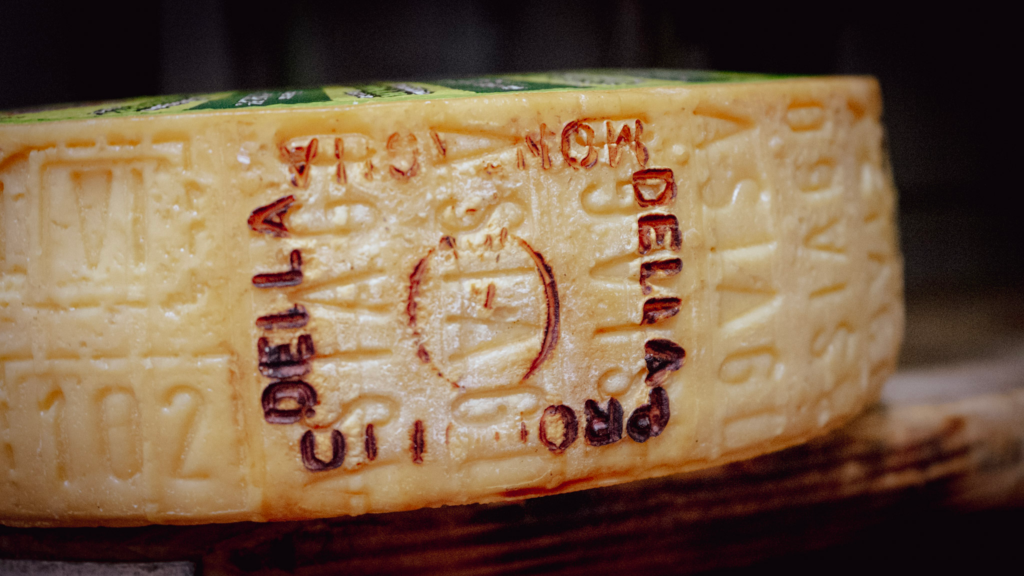
How to Read an Asiago Cheese Wheel
Every wheel is marked with its identity:
“Asiago” + DOP/PDO stamp: Confirms authenticity.
Dairy ID number: Identifies exactly where it was made.
Consorzio quality seals: Ensure compliance with strict regulations.
Casein plate: A tiny edible “ID card” with a unique code (sometimes a QR code) tracing the wheel’s production history.
Those markings aren’t decorative—they’re a promise.
The Tasting Experience
No cheese tour ends without a tasting, and Pennar’s lineup was unforgettable:
- Asiago Fresco — soft, creamy, lightly tangy.
- Asiago Stagionato — nutty, complex, beautifully structured.
- Grana Padano — mild, aromatic, perfect grated over pasta.
- Ricotta Fresca — airy, dreamy, borderline addictive.
Each bite felt like tasting the plateau itself—mountain air, wild grasses, and centuries of craft.
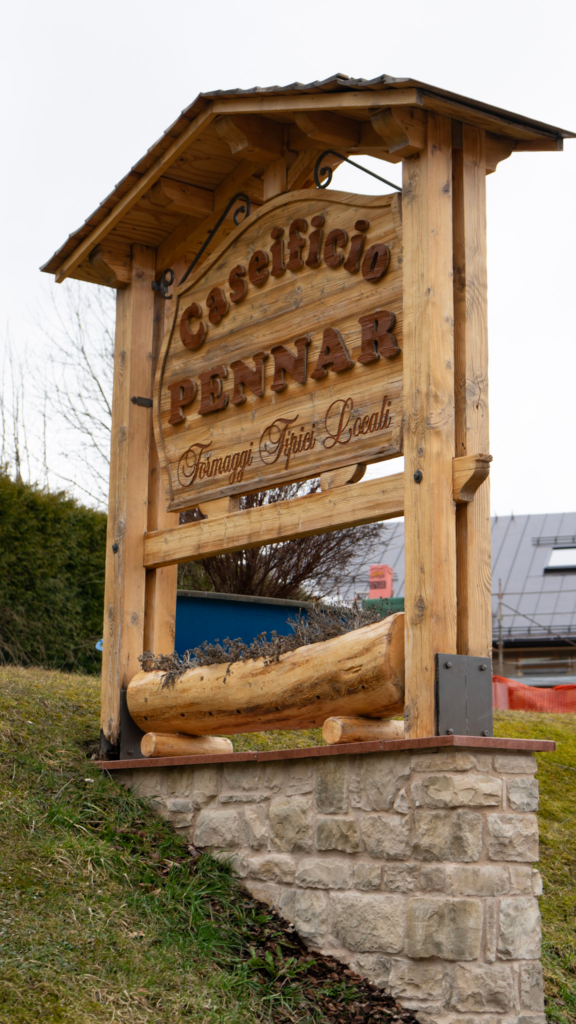

How to Visit Caseificio Pennar: Booking Your Own Tour
If you want to visit Caseificio Pennar and experience this firsthand, here’s what you need to know:
- Tours are available in English on Fridays at 3 PM. Always check with the company first, though!
- Website: https://www.caseificiopennar.it/en/guided-tours/
- Advance booking is recommended—I emailed them and received a quick response.
- The tour lasts about an hour, followed by an optional cheese tasting.
- Location: Caseificio Pennar, Via Pennar, Asiago, Italy.
Pro Tip: Bring a cooler bag—you’ll want to take some cheese home!
Where to Stay in Asiago
I highly recommend a weekend in Asiago, especially during the springtime, the flowers that are blossoming during the spring
time are stunning.
- Hotel Europa Residence — boutique + modern comfort
- Hotel Croce Bianca — classic Alpine charm
- Agriturismi — quiet, cozy, full of local flavor
Beyond Caseificio Pennar: Things to do in Asiago
Beyond Caseificio Pennar, Asiago has plenty to fill an afternoon—or an entire weekend. The town center is small but charming, with cafés perfect for lingering over a cappuccino while watching life on the plateau unfold. If you enjoy local culture, stop into Museo Le Carceri, a former prison turned contemporary art space that offers a surprisingly intimate look at Asiago’s creative side.
History lovers can explore the region’s extensive WWI sites, including Monte Zebio and Monte Cengio, where trenches, galleries, and panoramic overlooks bring the mountain’s wartime role into sharp focus. And if you’re a hiker, the plateau is covered in scenic trails that wind through forests and open pastures—there’s nothing better than finishing a morning hike with a plate of fresh Tosela cheese at a local rifugio.
Looking for a spectacular hike in Asiago? Look no further than Aquila Vaia
Final Thoughts: A Must-Visit for Cheese Lovers
Visiting Caseificio Pennar was more than just a tour—it was a sensory journey into the heart of Asiago cheese-making. From the dedicated farmers to the artisanal craftsmanship, every step of the process reflects the deep-rooted heritage of this region.
If you’re planning a trip to Asiago, don’t miss this experience. Whether you’re a cheese lover, a foodie, or simply a curious traveler, this hidden gem is worth every moment.
Plus, the drive alone is breathtaking, making this a perfect day trip from Vicenza!
Would you visit Caseificio Pennar? Let me know in the comments!
