
Venice Carnival Isn’t What You Expect: 13 Things to Know Before You Go
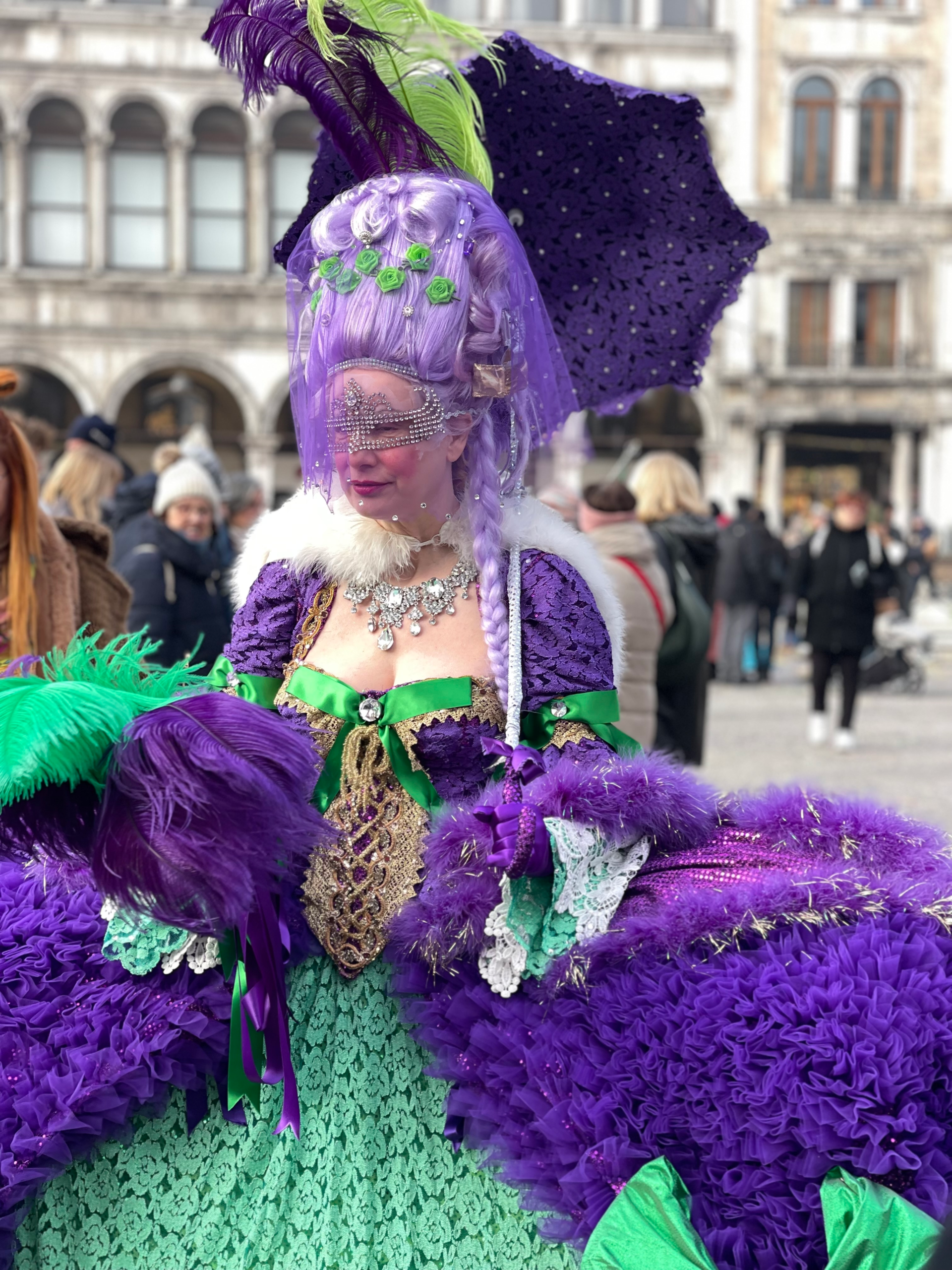
Venice Carnival looks magical online. Elaborate masks, historic costumes, foggy canals, and perfectly timed photos in St. Mark’s Square make it seem like you’ll just show up and instantly understand what Venice Carnival is all about.
And yes, some of that exists in real life.
But after attending Venice Carnival multiple times while living in Italy, I’ve learned that the experience is very different from what most first-time visitors expect. Not worse. Just more layered, more logistical, and occasionally more chaotic than Instagram suggests.
If you’re planning a trip to Venice Carnival in February, here are 13 important things to know before you go — from crowds and weather to costumes, tickets, and where to actually spend your time.
Venice Carnival at a Glance
When it happens: Late January or February, dates vary yearly
Weather: Cold, damp, and unpredictable
Crowds: Busy, especially midday and weekends
Costumes: Mostly worn by locals and dedicated participants
Dress code: Not required, but rentals and masquerade balls are available
Acqua alta risk: Possible during winter months
Best strategy: Wander, stay flexible, plan for dining and ticketed events
If you’re building a full trip around Carnival, I’ve mapped out a three-day Venice itinerary that pairs well with this season.
1) Venice Carnival Isn’t One Central Event
One of the biggest misconceptions about Venice Carnival is that there’s a single main celebration you arrive at and immediately understand.
That’s not how Carnival works.
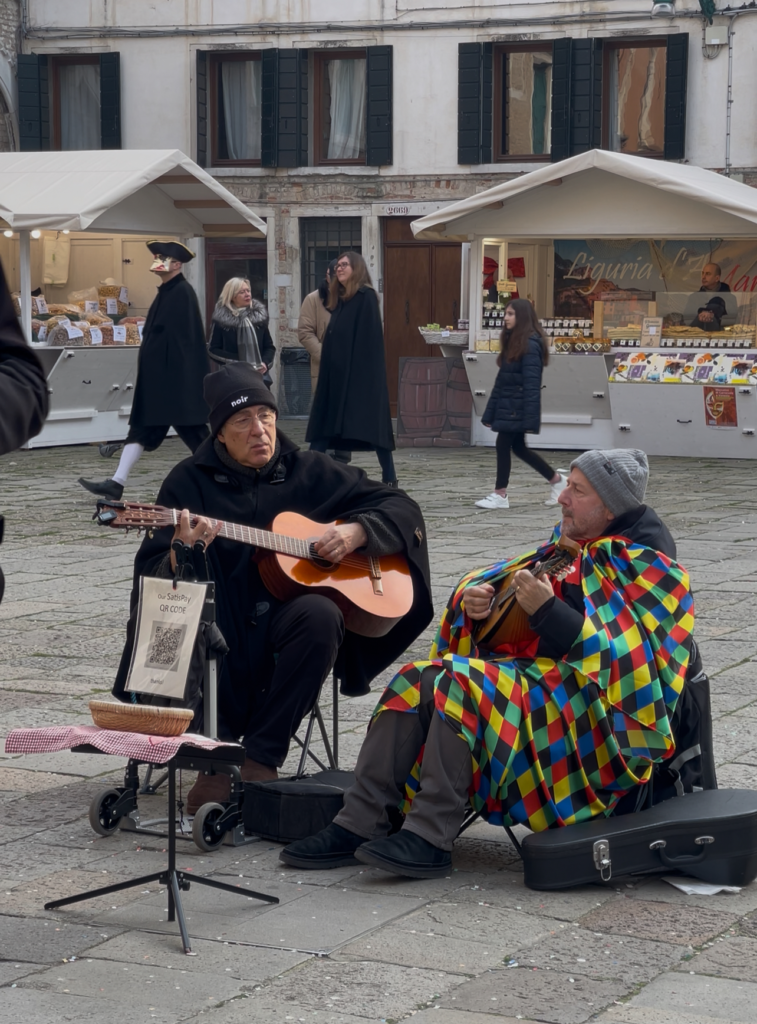
Venice Carnival unfolds across the city in scattered, often subtle moments. You’ll see costumed figures along canals, musicians appearing in small squares (campo), and quiet photo sessions happening far from St. Mark’s Square. There isn’t a master schedule you can follow hour by hour.
This is important to know before you go because rigid planning can actually make Venice Carnival feel frustrating. Flexibility matters more than ticking boxes.
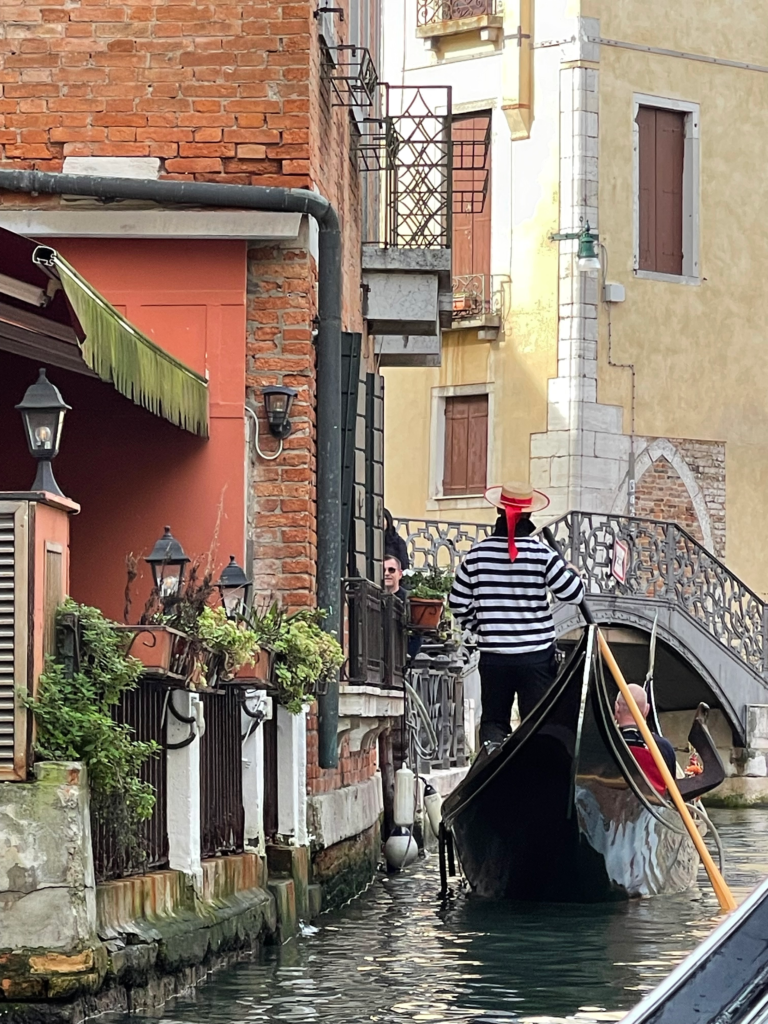
What I have noticed throughout my time living in Italy is that masked costume goers will centralize themselves around Piazza San Marco and along the Riva Degli Schiavoni. But what you should also pay attention to is the side canals in Venice. You’ll find different masked costumedgoers working their way around the lagoon.
My recommendation is to always check with the City of Venice, which regularly posts events to its website here
2) The weather in February Shifts from Cold and Rain
Venice in February isn’t brutally cold, but it can be persistently uncomfortable if you’re not prepared. The weather fluctuates a lot — rain one day, damp cold the next, and occasional surprising warmth mixed in. In recent seasons, it’s been all over the place.
I always tell people to come prepared for everything.
Durable, waterproof shoes are essential. A proper rain jacket that also insulates against cold wind makes a difference. This isn’t the time for fashion-first packing.


The issue isn’t just temperature — it’s the dampness. Cold air combined with canal moisture creates a chill that settles in, especially when you’re standing still watching performances or waiting for photos.
The first year I attended Carnival, my coat wasn’t warm enough, and my shoes were completely wrong. Walking slowly for hours made the cold feel much worse than expected.
Also, wear comfortable shoes. I regularly alternate between my new balance and my hiking boots that look like regular walking shoes (they are so comfy!)
Before you go, plan for warmth over style. Waterproof shoes, layers, and outerwear that handle damp conditions will determine how long you actually enjoy being outside.


3) Acqua Alta Can Affect How You Move Through Venice
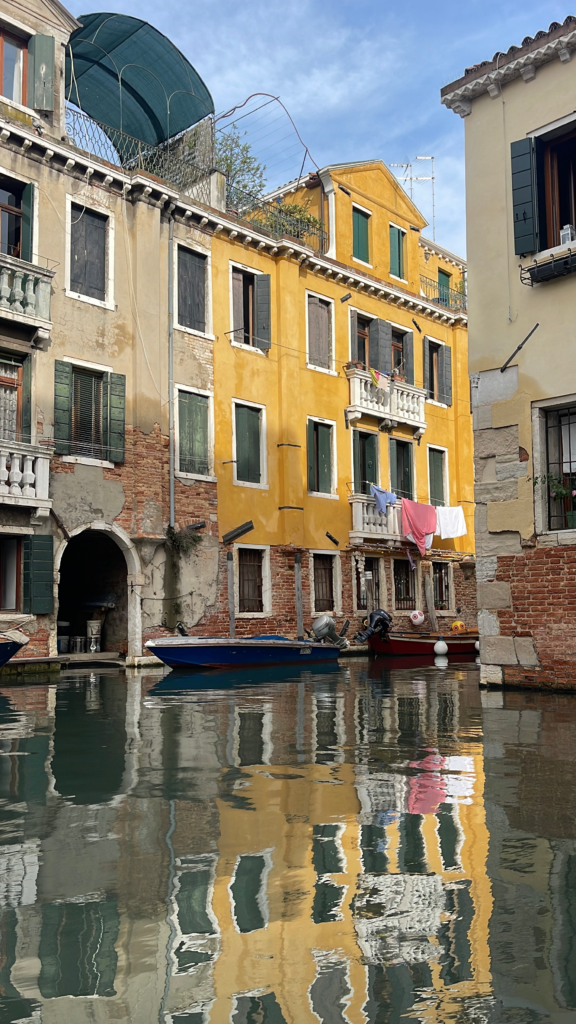
Acqua alta, or high water, is more common during the winter months, including Carnival season.
When it happens, parts of Venice temporarily flood and raised walkways appear in busy areas. It’s not dangerous, but it changes how you move through the city and what you’ll want to wear.
I’ve navigated Carnival days with elevated walkways and soaked shoes, and I learned quickly that ignoring forecasts is a mistake.
Before heading out each day, check water level predictions using the Hi!Tide Venezia app (available for both iPhone and Android). It’s straightforward and reliable.
Give yourself extra time to get around, and wear shoes you don’t mind getting wet. It’s a small preparation step that saves a lot of frustration.
If the app confuses you, a good host or your hotel can let you know what to expect when it comes to Acqua Alta in the Venetian Lagoon.
While you are reading this, another good app to download for weather in Venice is 3Bmeteo; your Apple/Android weather app is useless. Trust me on this!
4) Venice Carnival Is Crowded, Just Not Like Summer
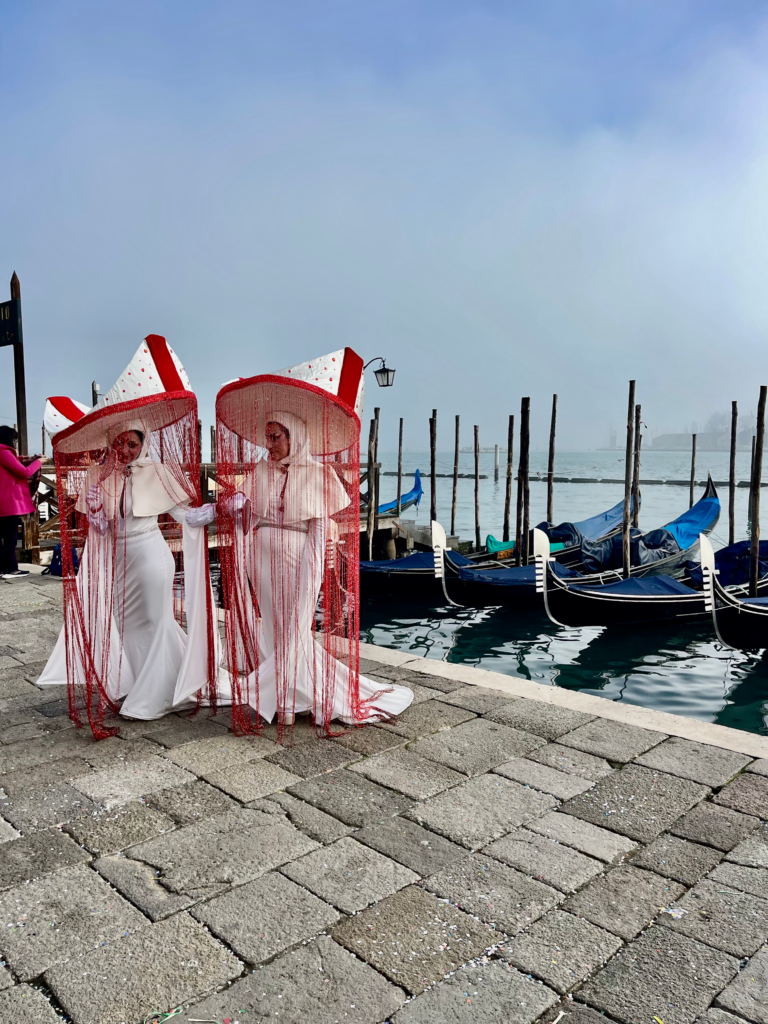
Venice Carnival is busy, but it’s a different kind of crowd than you’ll see in peak summer months.
Instead of nonstop foot traffic, you’ll encounter clusters of people stopping to watch performances, photograph costumes, or linger in squares. Movement can feel slow rather than chaotic.
From my experience, midday tends to be the most congested, especially near St. Mark’s Square. Early mornings and later evenings are noticeably calmer and often more enjoyable.
Knowing this before you go helps set realistic expectations. Venice Carnival isn’t about rushing from place to place — it rewards patience and a slower pace.
Which brings me to my next point: if you’re trying to see St. Mark’s Basilica and the Doge’s Palace efficiently, planning ahead is essential during Carnival. Trust me. These are the TWO most iconic sites in Venice, you’ll be rewarded the right way if you reserve ahead of time.
5) Restaurants Fill Faster During Venice Carnival
Carnival changes dining dynamics in Venice.
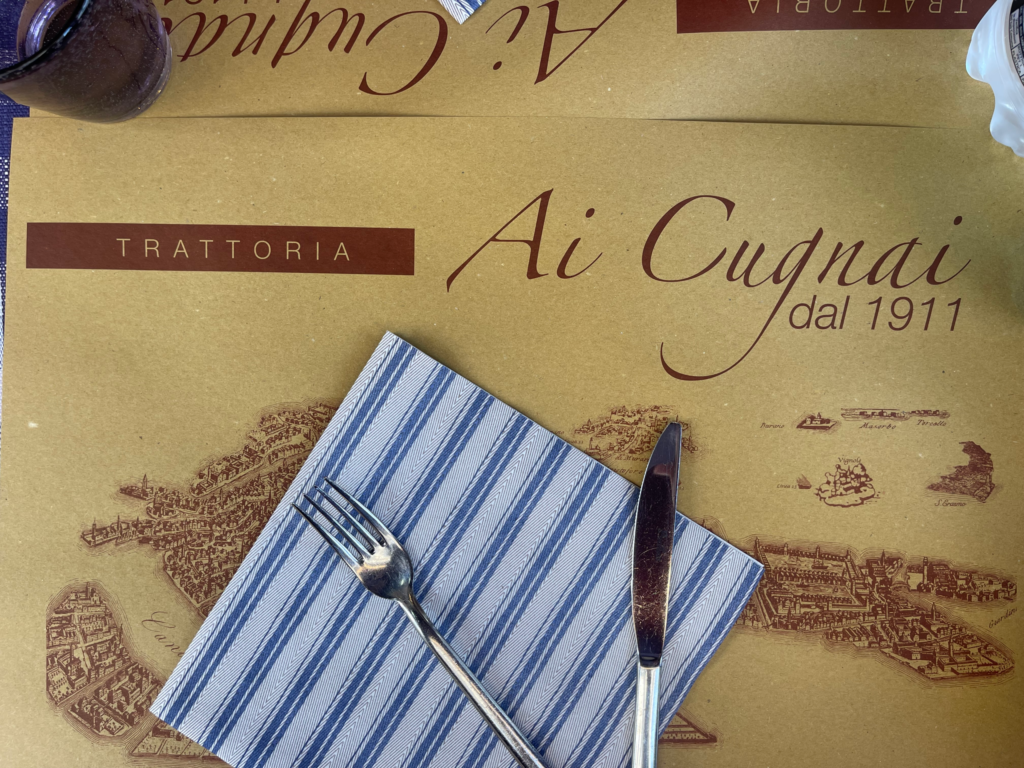
Restaurants near major squares fill quickly, prices creep up, and walk-in availability shrinks — especially during peak hours. Many rely on shortened menus designed for quick turnover.
Over time, I’ve learned to eat earlier than usual, wander slightly off the main routes, and lower expectations around spontaneous dining. I would say to venture off beyond Piazza San Marco to find great restaurants in Venice.
If food is important to your trip, make one or two reservations and keep the rest flexible. Hunger combined with crowds is not a great recipe for enjoying Venice Carnival.
If you’re unsure where to start, I’ve shared my favorite Venice food tours that are actually worth your time.
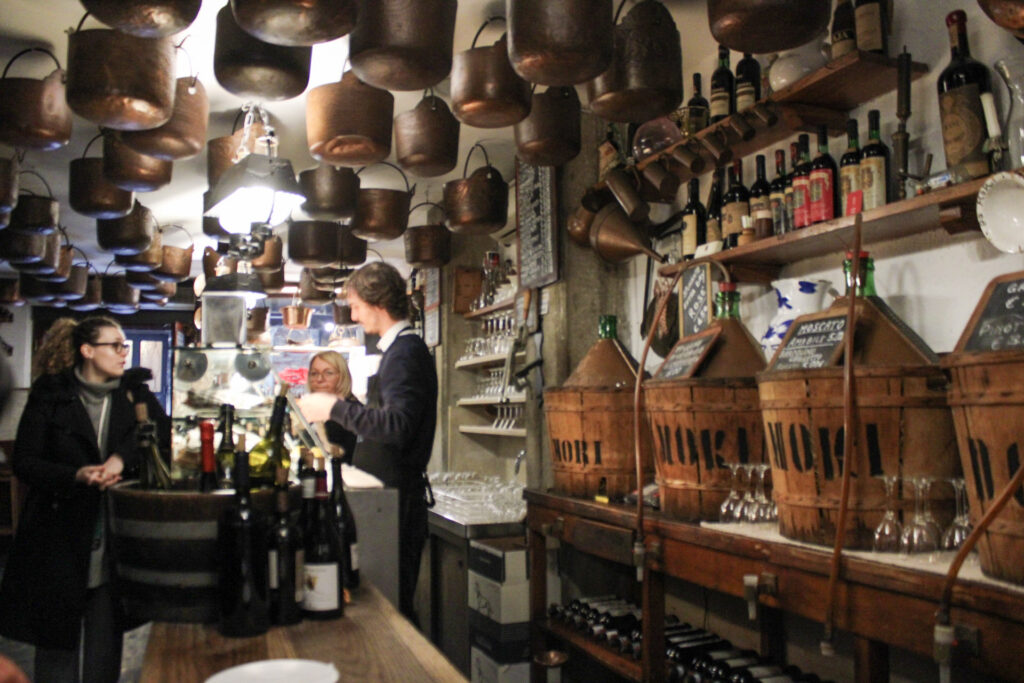
I also strongly recommend doing a cicchetti crawl at a few bacari around the city. It’s one of the best ways to eat well without committing to a full restaurant experience. I prefer the Cannaregio area and Castello, which is the “fishtail” part of the city if you’re looking at Venice on a map (not the Piazza San Marco side)
6) You Can Still Experience a Slower Side of Venice During Carnival
Despite the crowds, Venice doesn’t lose its quieter moments during Carnival.
Early mornings, residential neighborhoods, and less tourist-heavy areas remain calm. Churches still feel peaceful. Neighborhood cafés continue their routines.
Venice also has beautiful gardens like the Redentore and centuries-old vineyards that are easy to overlook. The Guggenheim is surprisingly quiet during Carnival (on weekdays). If you need a reset, duck into La Fenice Opera House for a self-guided tour with an audio guide, make an appointment to visit Fortuny, or Tessitura Bevilacqua. These spaces feel worlds away from the crowds outside.
If you’re considering a gondola ride during Carnival, I do recommend it as well, as it will take you away from the crowds, but here’s what you should know before booking.
Living in Italy taught me that Venice always has layers, even during its busiest seasons. You just have to step slightly off the obvious path.

7) Day Trips From Venice Help Balance Carnival Crowds
One of the advantages of visiting Venice Carnival while based in Northern Italy is how easy it is to step away for a day.
Leaving Venice, even briefly, resets your energy and makes Carnival more enjoyable when you return. It’s not about escaping — it’s about balance.
You can keep it local with the nearby islands. Burano is known for its colorful houses and can be busy, but it’s still worth visiting with the right expectations. I recommend going beyond photos and hiring a local guide to understand the island’s history and lace-making tradition. Murano is equally exciting with its historical glass blowing establishments!
If you want to maximize your time in the Veneto region, consider day trips to:
- Dolomites
- Bassano Del Grappa
- Vicenza
- Padova
- Chioggia
- Verona
- Garda
- Prosecco Hills
There is a lot to see and do in the Veneto Region, and Venice is only the start!
8) Venice Carnival Is Better Without a Checklist Mentality
Venice Carnival isn’t something you complete or conquer.
There’s no must-see list that guarantees satisfaction, and trying to capture every moment can make the experience feel overwhelming. The more you chase highlights, the easier it is to miss what’s happening around you.
My enjoyment of Carnival improved dramatically once I stopped trying to do it “right” and allowed moments to unfold naturally.
If you go in expecting atmosphere rather than perfection, Venice Carnival becomes far more enjoyable — and far less exhausting.

9) Not All Venice Carnival Masks Are Created Equal
It’s very easy to buy a mask in Venice.
It’s much harder to buy a good one.
During Carnival season, you’ll see inexpensive masks everywhere — souvenir shops, pop-up stalls, even racks near major tourist routes. Many of them are mass-produced, often outside of Italy, and designed more for quick sales than craftsmanship.
Then there are the artisan masks.
Traditional Venetian mask-makers, known as mascherari, still create masks by hand using papier-mâché techniques that date back centuries. These workshops often produce pieces that are lighter, better fitted, and more detailed than what you’ll find in souvenir shops.
If you’re planning to purchase a mask as a keepsake or to actually wear during Venice Carnival, it’s worth knowing the difference.
Handcrafted masks cost more, but they’re also designed to last. The materials feel sturdier. The paintwork is cleaner. The ribbons and finishing details don’t feel flimsy.
I’ve walked into plenty of shops that look charming from the outside, only to realize the inventory was clearly mass-produced. On the other hand, true artisan workshops often have artists working inside, shelves of unfinished masks, and pieces that feel more like art than souvenirs.
If authenticity matters to you, take your time. Ask questions. Look for signs that masks are handmade in Venice. And expect to pay accordingly.
A well-made Venetian mask isn’t just a Carnival accessory — it’s part of the city’s artistic tradition.
Read my 3-day Venice Itinerary to learn which shops I prefer
10) Most Iconic Venice Carnival Costumes Aren’t Worn by Tourists
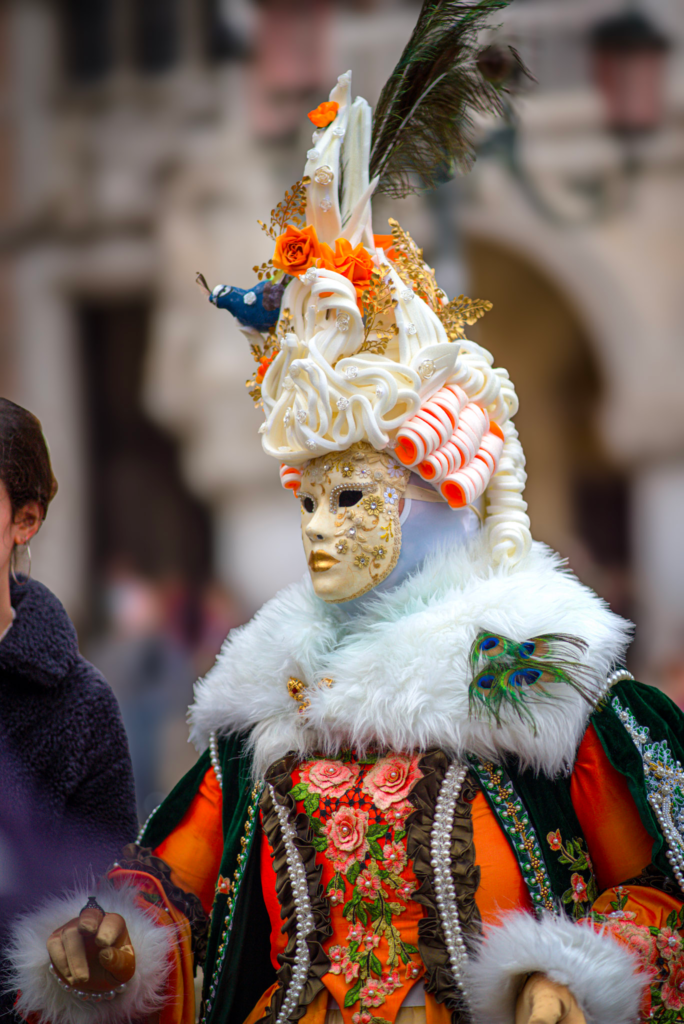
Those jaw-dropping, perfectly styled costumes you see online are usually worn by locals, performers, photographers, or people who return to Venice Carnival year after year specifically to participate.
Many of these individuals are part of long-standing Carnival traditions or photography circles. They plan their costumes months in advance and know exactly where and when to appear.
On my early visits, I expected crowds of elaborately dressed tourists everywhere. In reality, you tend to see the same costumed figures repeatedly across different days and locations.
Knowing this ahead of time helps manage expectations. Venice Carnival is more about observing and appreciating these moments than blending in visually or trying to recreate what you’ve seen online.
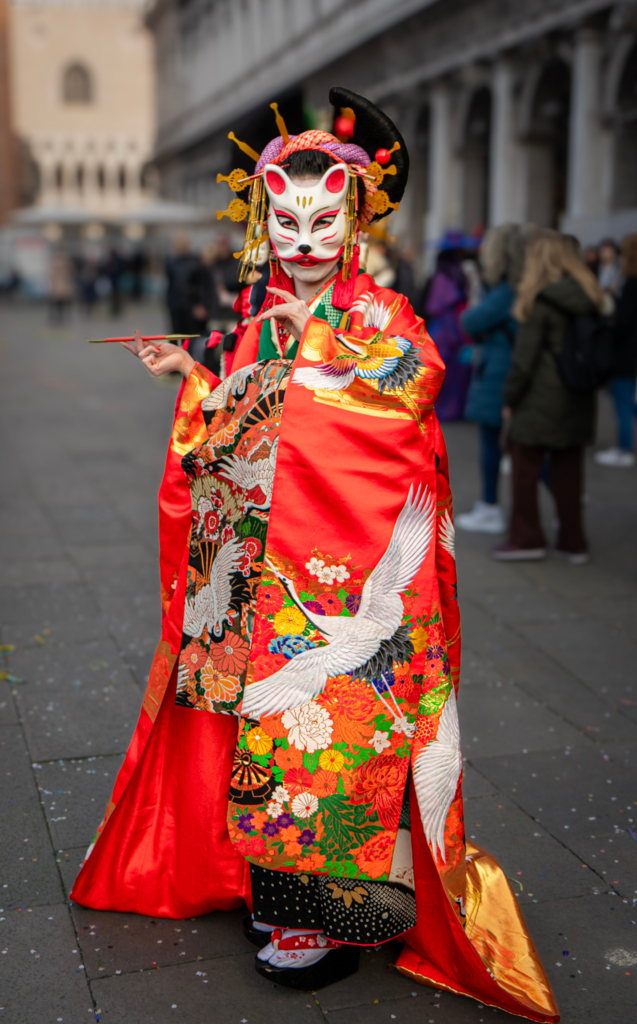
11) But Yes, You Can Rent a Costume and Dress Up in Venice
If you’ve ever seen photos of people in full 18th-century gowns and ornate masks walking through Venice during Carnival, you might assume they brought those outfits from home.
Most didn’t.
You can absolutely rent a Venice Carnival costume from local ateliers and walk through the city dressed up. It’s one of the most immersive ways to experience Carnival — and one of the most expensive.
Costume rentals aren’t cheap. You’re paying for craftsmanship, fittings, and often assistance getting dressed. Shops like La Bauta and other historic ateliers specialize in elaborate period outfits designed specifically for the Venice Carnival.
There are also organized “dress-up” experiences and guided costume tours available through platforms like GetYourGuide, where your rental, fitting, and even photography may be included.
Before committing, know this: these outfits are beautiful but not always practical. They’re heavy. They limit movement. And you’ll still be navigating crowded streets and bridges.
If you love the idea of stepping fully into the atmosphere, renting a costume can be unforgettable. Just go in knowing it’s an experience — not a casual outfit change.
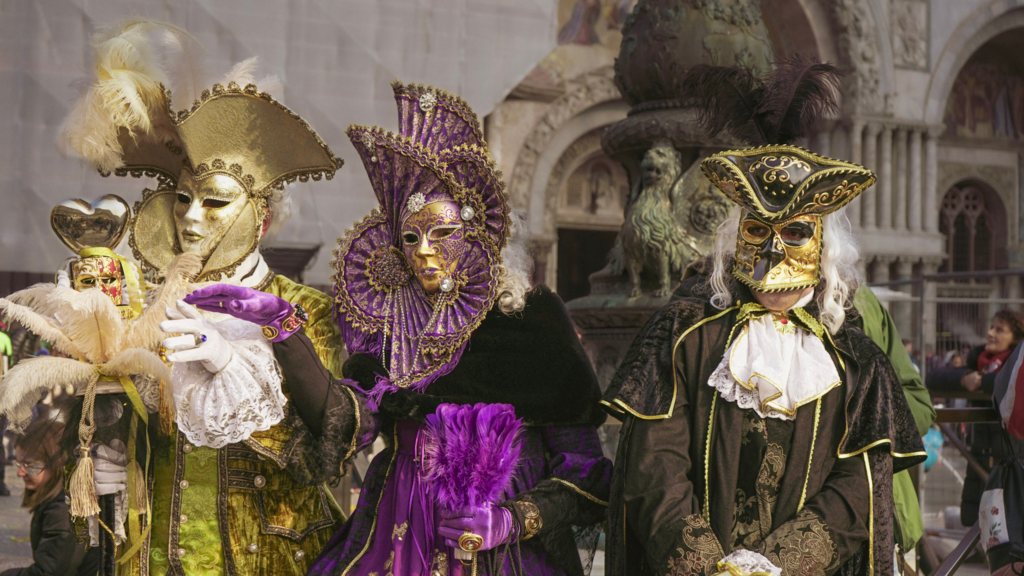
12) Attending a Masquerade Ball in Venice Is a Commitment (Not a Casual Add-On)
When people picture Venice Carnival, they often imagine themselves at an elaborate masquerade ball inside a candlelit palace.
And yes, those events exist.
But attending a Venice masquerade ball is not something you casually decide to do the day before.
Tickets are expensive. Dress codes are strict. And the experience is structured, not spontaneous.
Most official Venice Carnival balls require booking, formal attire, and in many cases, a full costume. Some include multi-course dinners, live performances, and staged entertainment throughout the evening. Others are more social and dance-focused.
I’ve found that the key is knowing what kind of experience you want before buying a ticket. Are you hoping for a historical atmosphere? A glamorous party? A cultural performance?
It’s also worth understanding that these events can last several hours. You’ll be in formalwear, often standing or navigating crowded historic spaces.
If attending a masquerade ball in Venice is on your bucket list, plan it intentionally. Research the host venue, confirm the dress code, and book well in advance. It can absolutely be memorable — but it’s not the kind of experience you stumble into.
13) You Don’t Need a Costume to Enjoy Venice Carnival
You do not need to wear a costume or mask to participate in Venice Carnival. Many visitors don’t, and it won’t make you feel out of place. Regular winter clothes are the norm for most people walking around the city.
Some travelers choose to buy a simple mask for photos, while others rent or bring elaborate costumes. All of those options are valid, but none are required.
I’ve attended Carnival both with and without a mask, and I’ve enjoyed it far more when I prioritized comfort. Venice involves a lot of walking and standing, and wearing something impractical all day can quickly drain the fun out of the experience.
If dressing up excites you, go for it. If it stresses you out, skip it. Either way, you’re not missing out.
Venice Carnival Is Better When You Know What You’re Walking Into
Venice Carnival is atmospheric, beautiful, and occasionally chaotic. It’s not a perfectly choreographed event, and it’s not something you “complete” in a day.
After experiencing Carnival multiple years while living in Italy, I’ve learned that preparation changes everything. Knowing how the weather behaves, how crowds move, where costumes gather, and what’s actually worth your money allows you to enjoy it instead of fighting it.
If you go into Venice Carnival expecting magic without logistics, you’ll feel overwhelmed.
If you go in informed, flexible, and curious, you’ll see why people return year after year.
And once you understand how Carnival fits into the rhythm of Venice, the city starts to make a lot more sense.
