
Poli Grappa in Bassano del Grappa: Inside One of Italy’s Most Historic Distilleries
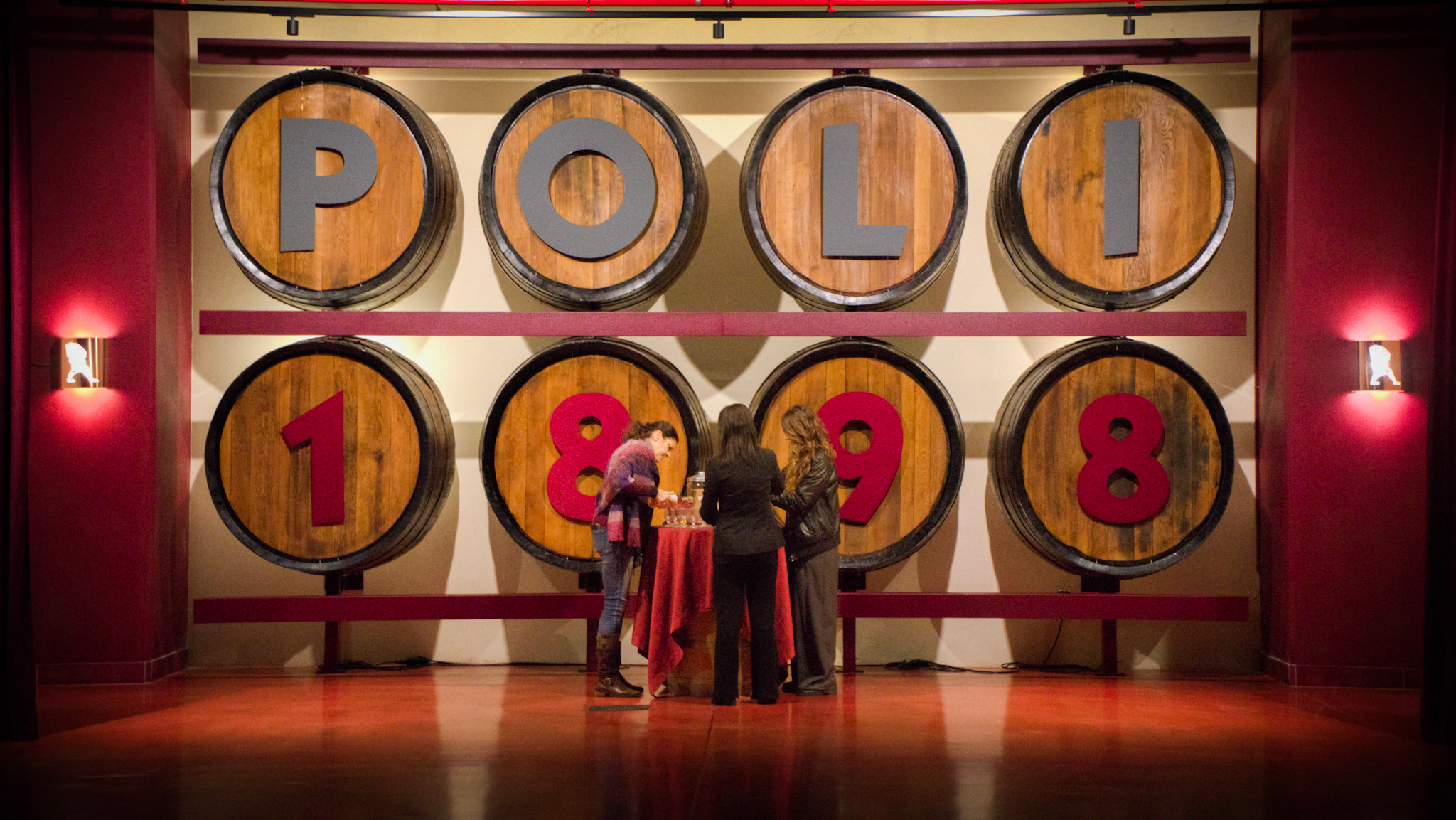
Most travelers move through Veneto thinking about Prosecco hills, Palladian villas, or quick day trips to Venice. Grappa rarely enters the conversation unless you are in the know. I first experienced grappa when I moved to Italy, a small, fiery after-dinner pour, something that was offered politely and swallowed without much thought ( oh, you mean I wasn’t supposed to throw it back like a shot?)
That was my relationship with grappa, curious, but distant.
So when I found myself in the foothills outside Bassano del Grappa, heading toward a family-run distillery with more than a century of history behind it, I knew this visit wasn’t about confirming what I already believed. It was about understanding what I had missed.
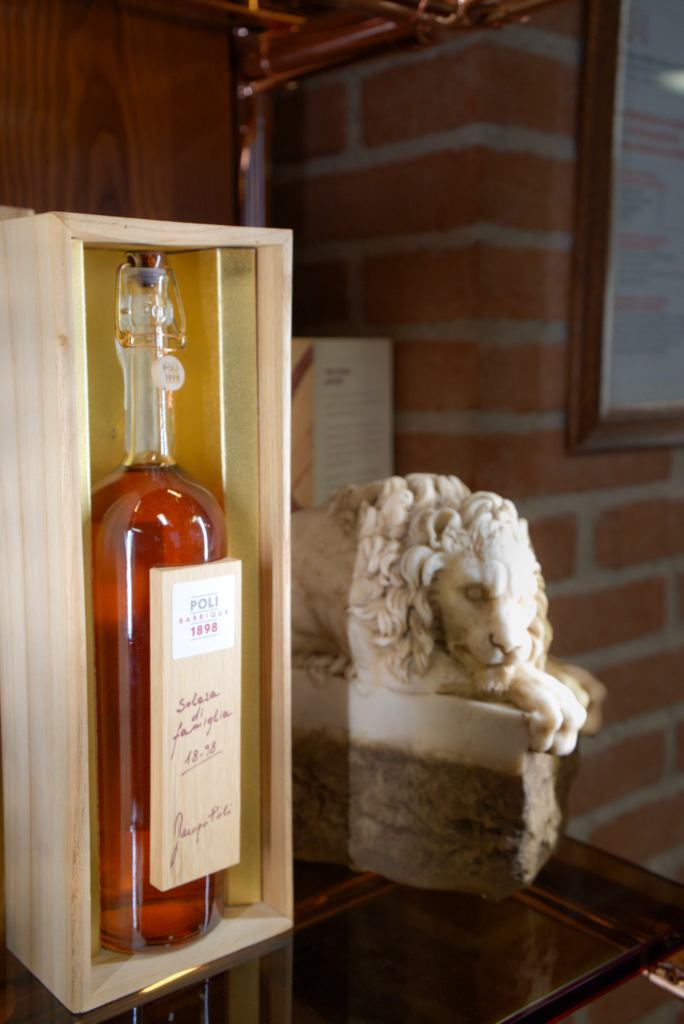
Poli Distillerie has been family-run since 1898. Five generations of the Poli family have shaped not just a company, but the evolution of grappa itself in Schiavon, a small town just outside Bassano, where tradition feels lived-in rather than staged.
This is the version of grappa most travelers never meet.
Disclosure: This visit to Poli Distillerie was part of a hosted media trip. As always, all opinions and experiences are entirely my own.
This Post Pairs Well With:
- Inside Asiago’s Caseificio Pennar: The Craft Behind Italy’s Iconic Asiago Cheese
- Vicenza, Italy for Foodies and Wanderers: Best Things to Do + Map
- Italy’s MADE Trek: The Quiet Trek You’ll Fall For in Italy’s Friulian Mountains
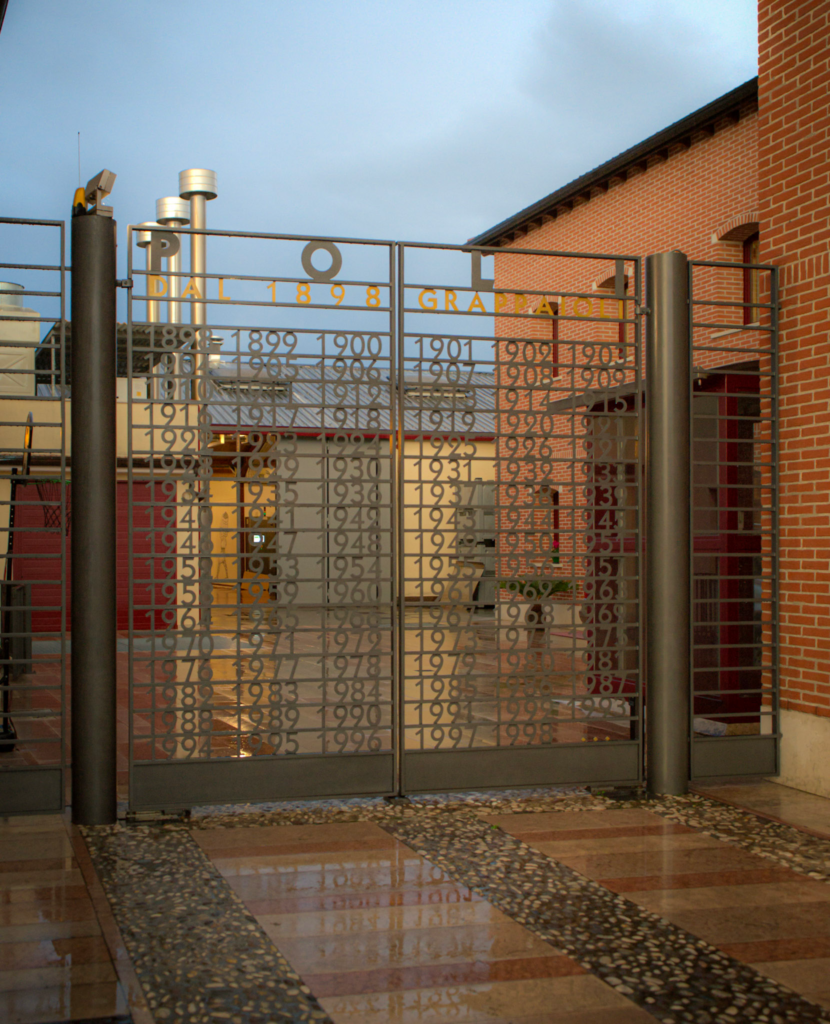
Visiting Poli Distillerie in Schiavon, Near Bassano del Grappa
Bassano del Grappa sits at the edge of the Alps, where the Brenta River cuts cleanly through town and the mountains begin to rise northward. It’s long been one of my favorite places in the Veneto region, historical, grounded, and beautiful
Poli Distillerie is located a short drive away in Schiavon, and that separation feels important. The town may carry “grappa” in its name, but the working heart of Poli is rooted in a place that moves at its own rhythm.
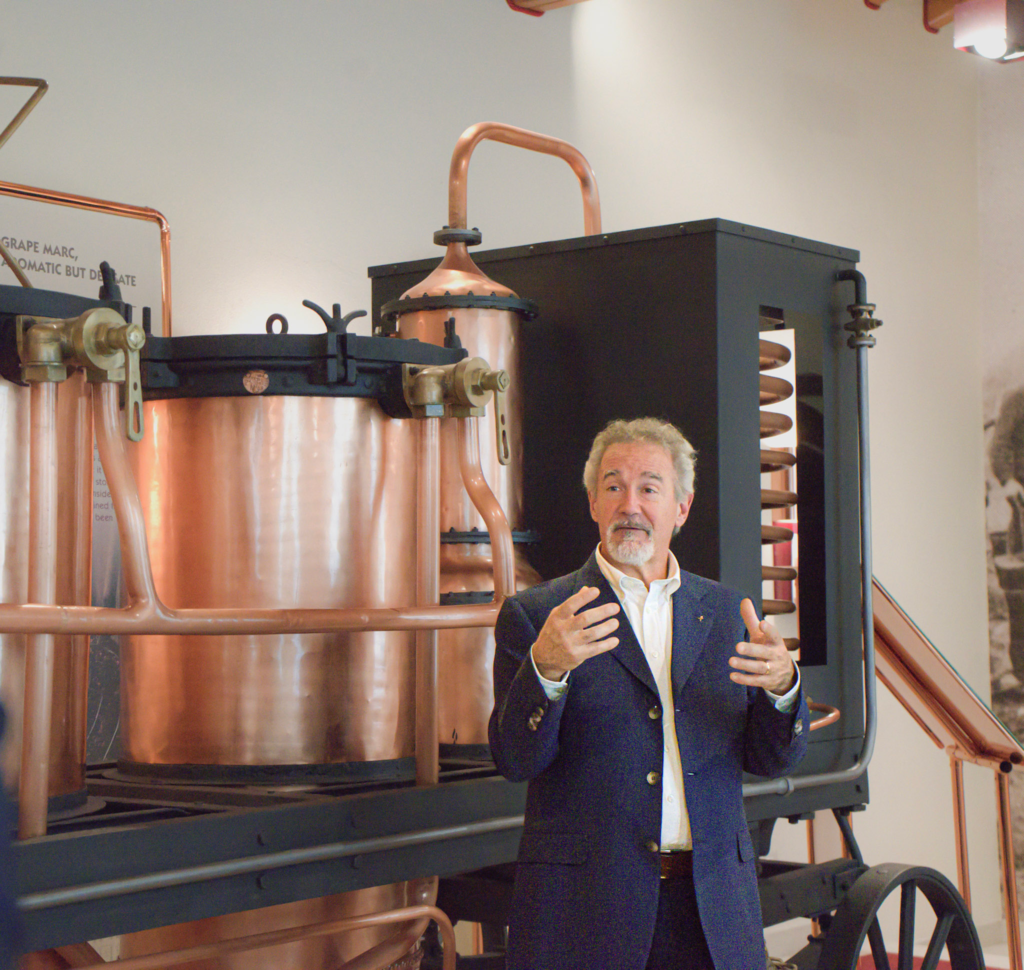
For this visit, Jacopo Poli, part of the fifth generation and current face of the distillery, hosted our small group for two days of immersion. I’ll be honest: I felt slightly out of my depth at first. The other guests spoke fluently about fermentation, terroir, and distillation cuts. Grappa, for me, had always been something abstract.
But that was exactly the point.
Context Before Craft: The Poli Grappa Museum and Tasting
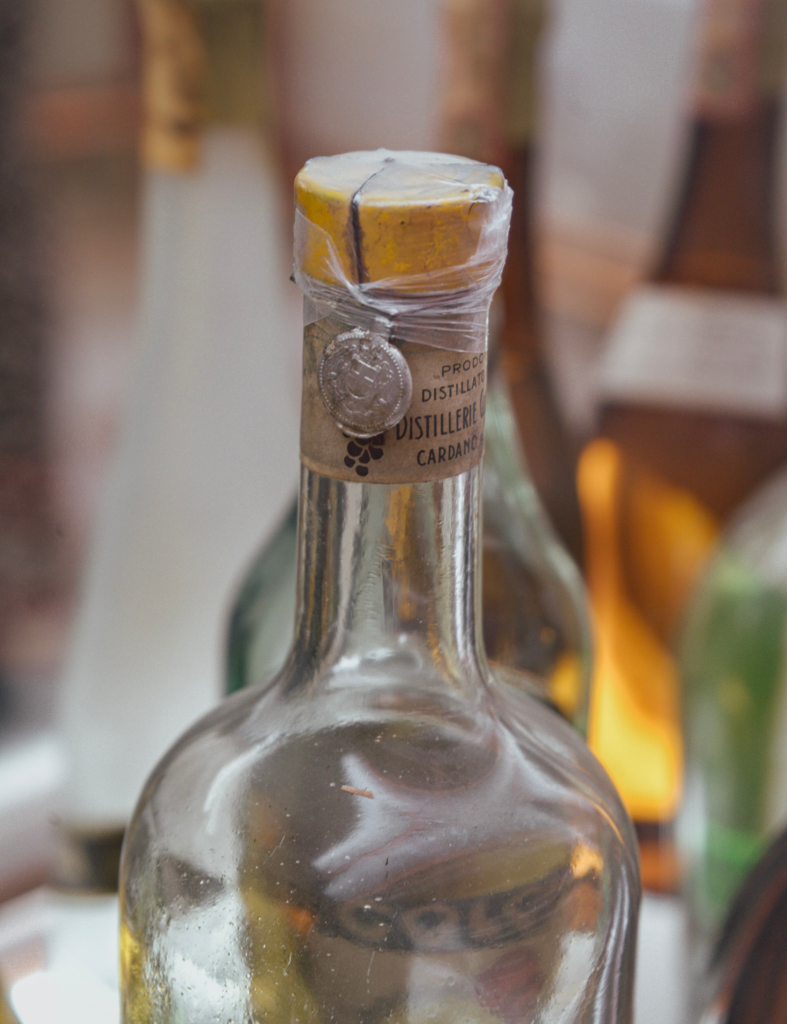
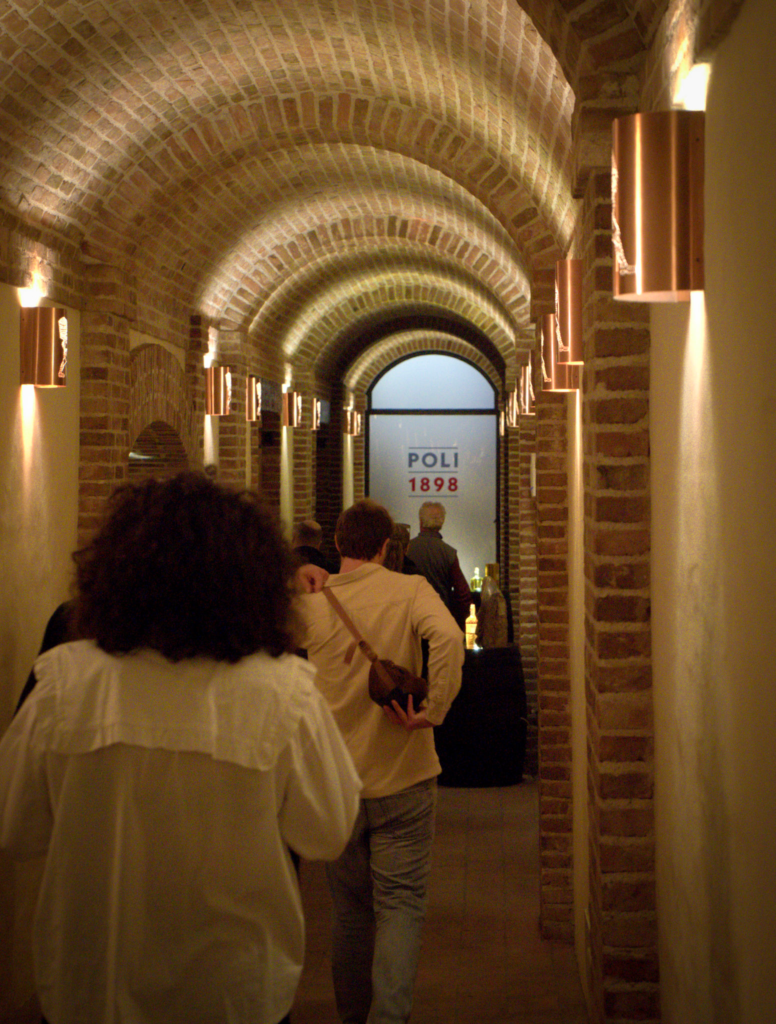
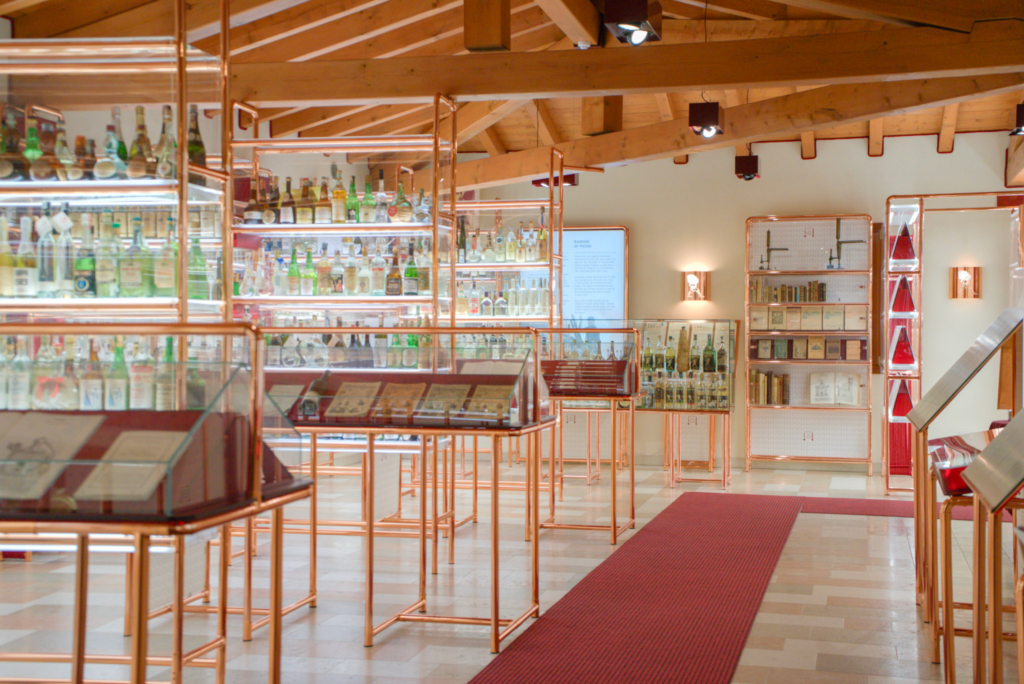
The visit doesn’t begin in the production facility. It begins in the shop and museum — and that order matters.
Before you see copper stills and steam, you see history.
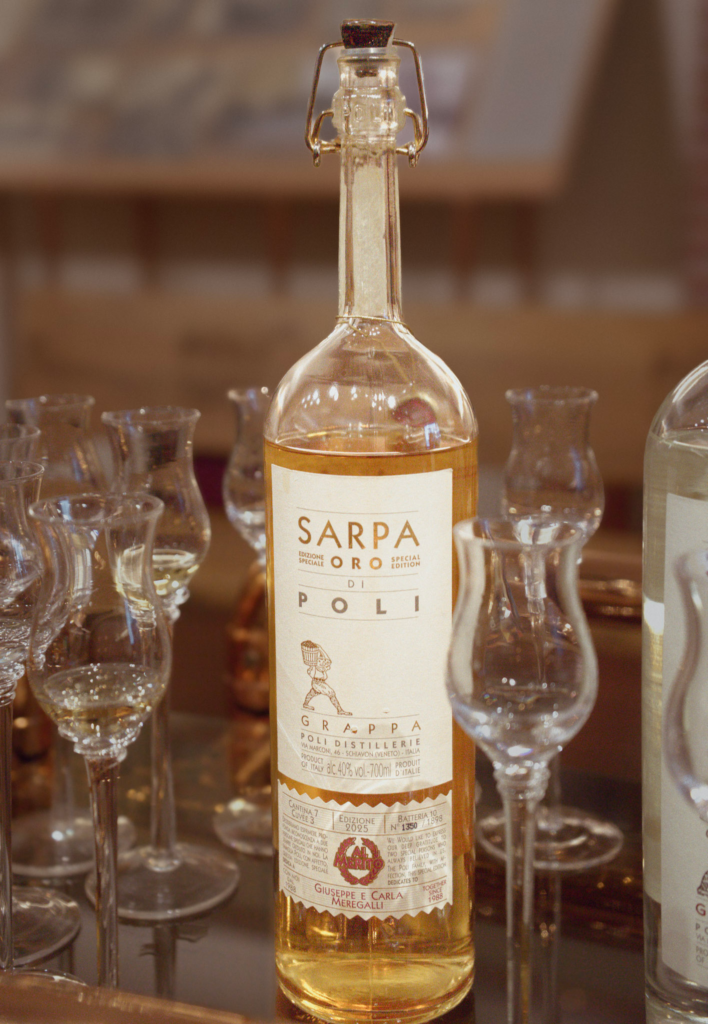
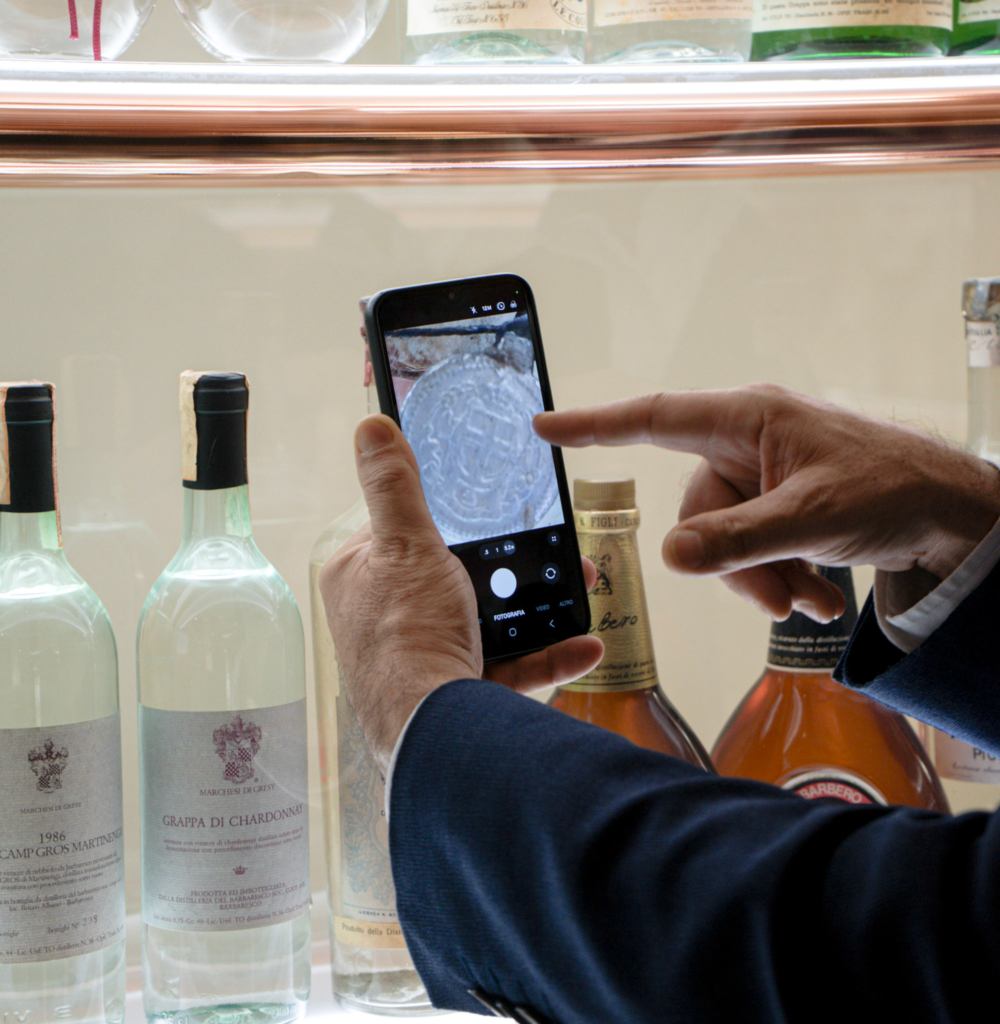
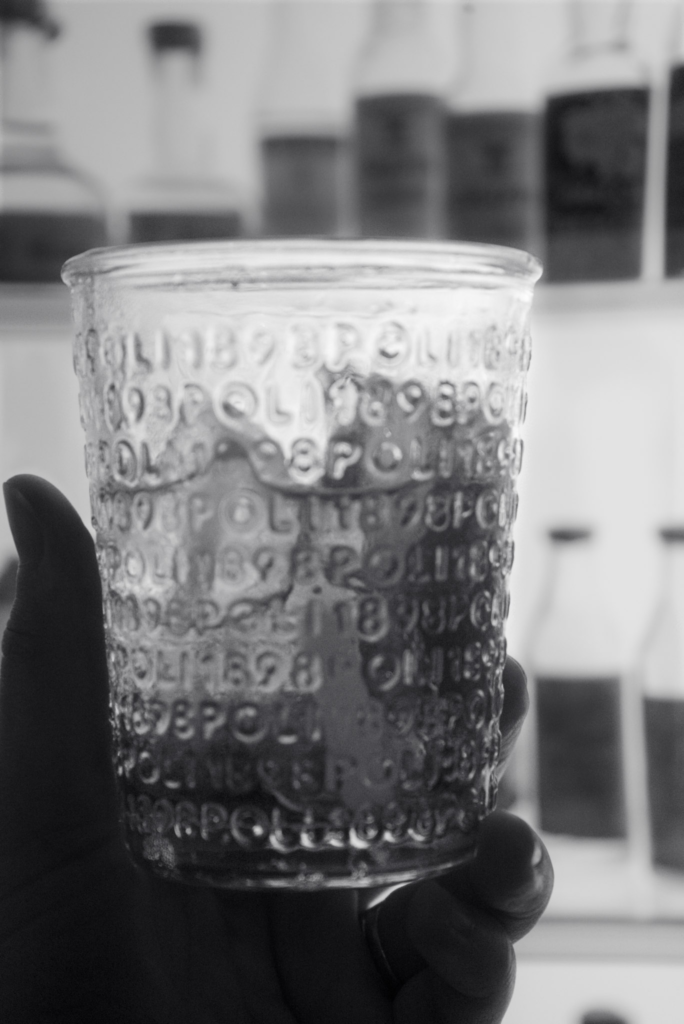
The tasting unfolded with intention. No theatrics. No rushed pours. Jacopo and his team used each glass to show how grape skins, geography, and distillation choices transform what many people dismiss as a simple spirit.
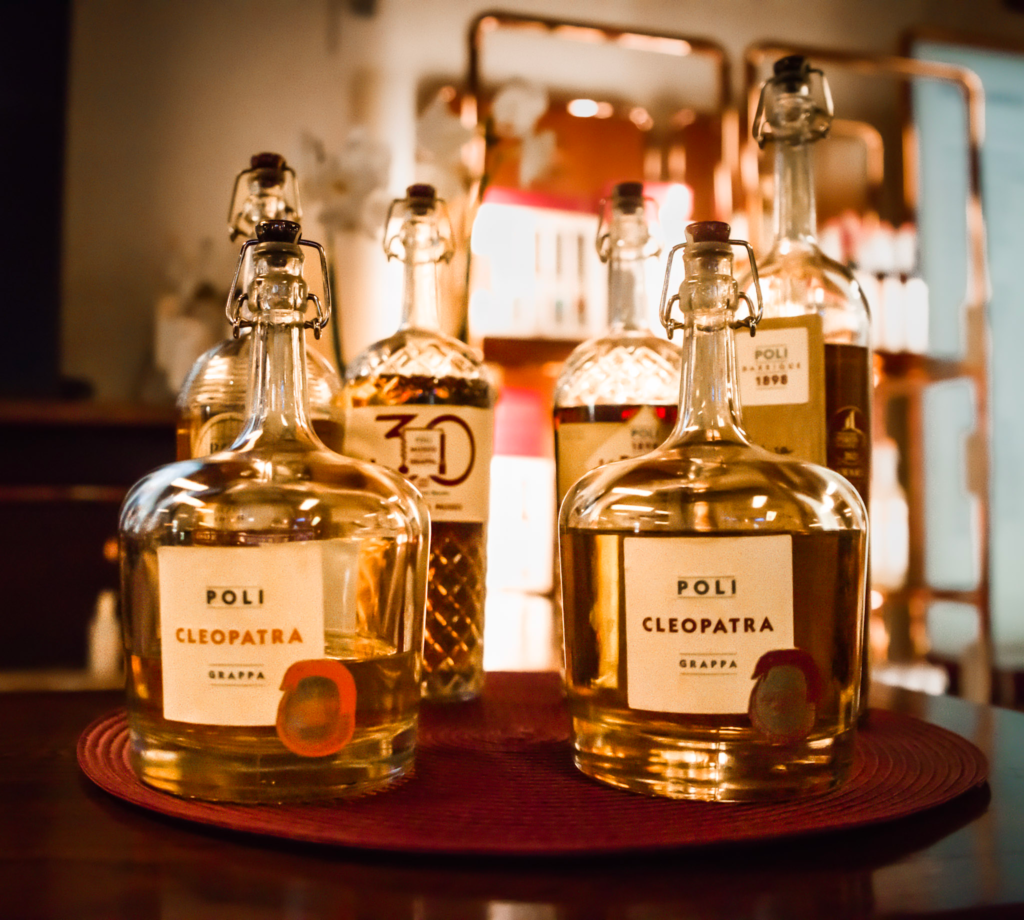
There wasn’t just one grappa. There were many expressions. Different grape varieties, aging styles, and distillation methods.
It reframed something for me.
Grappa isn’t a singular spirit. It’s a reflection of decisions.
And then came the surprises.
Beyond grappa, Poli produces gin, elixirs, bitters, and — increasingly — whisky. Just recently, their Segretario di Stato whisky was recently named Best Italian Whisky at the Falstaff Trophy Whisky Italia 2025, earning 96 points. Their Conclave whisky also placed in the rankings with 91 points.
That recognition signals something bigger. Poli isn’t just protecting tradition. They are applying generations of distillation knowledge across categories, quietly, deliberately, without spectacle.
If you are anything like me, this How to Drink Grappa 101 article will help you understand just how to drink this famous and strong spirit
A Regional Ritual, Reimagined: The Rasentin Kit
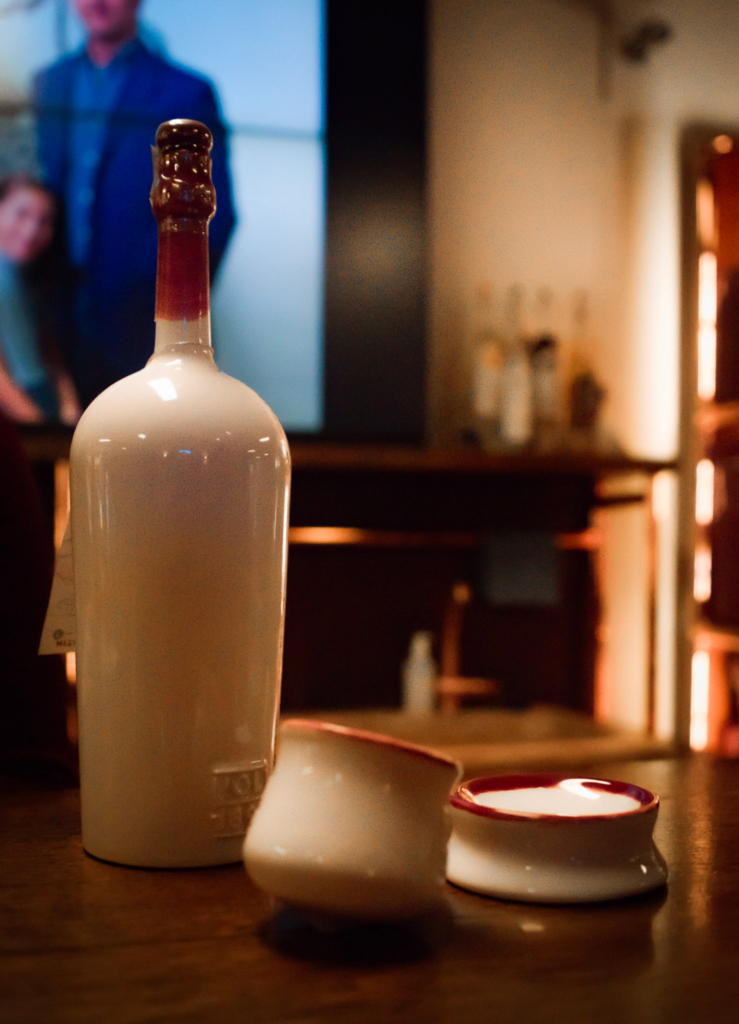
Poli’s connection to place extends beyond distillation. The Rasentin Kit puzzled me at first. Then I saw it used the way it was meant to be, and I understood exactly why it mattered.
Rasentin, for those unfamiliar (that’s me!), is the practice of rinsing the final sip of espresso with grappa a small, everyday ritual rooted deeply in Veneto culture.
The Rasentin Kit is a collaboration with the “De Fabris” Art School in nearby Nove, a town long known for its ceramic tradition. Students reinterpreted the traditional rasentin gesture through a contemporary lens, transforming a simple regional habit into something tactile and thoughtfully designed.
What makes the project meaningful isn’t just the aesthetic — it’s the partnership. Poli brought together business, education, and local craftsmanship in a way that feels intentional rather than decorative. Stylnove Ceramiche handcrafts each ceramic piece, so no two kits are identical. Even the packaging reflects that same attention to detail, assembled with the care you see throughout the distillery.
It’s a small object, but it carries something larger — the spirit of the Veneto, shaped across generations.
Inside the Working Distillery: Heat, Steam, and Intention
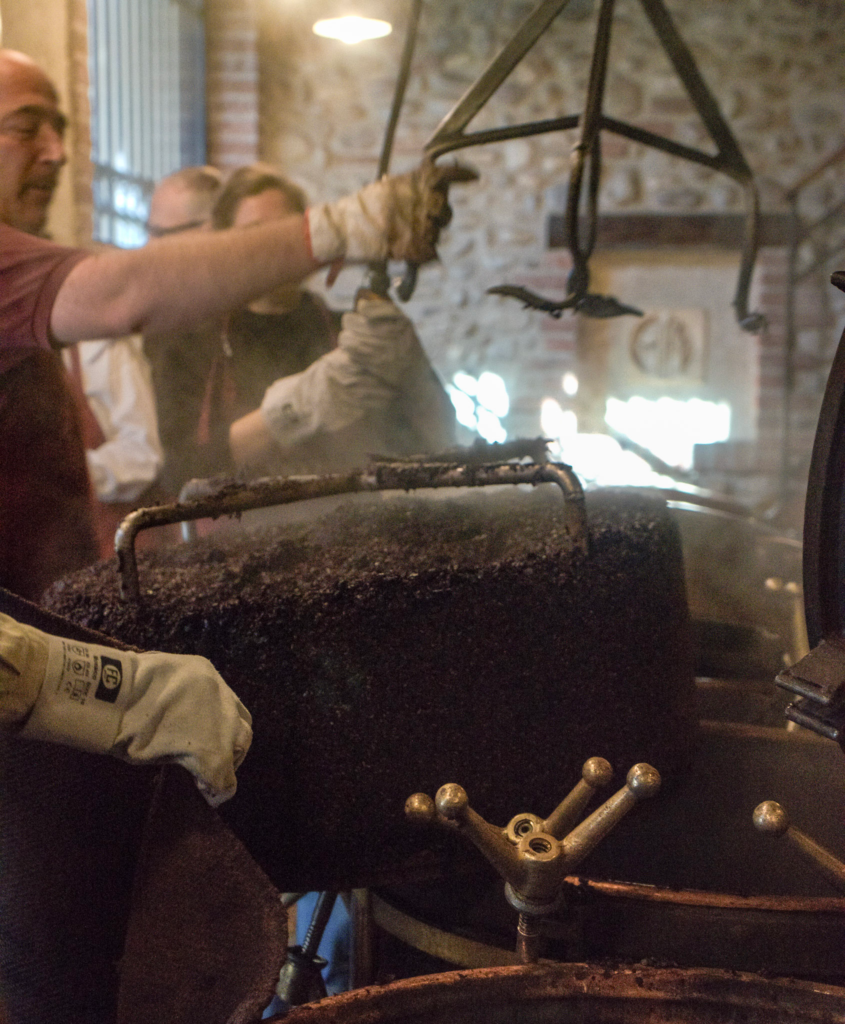
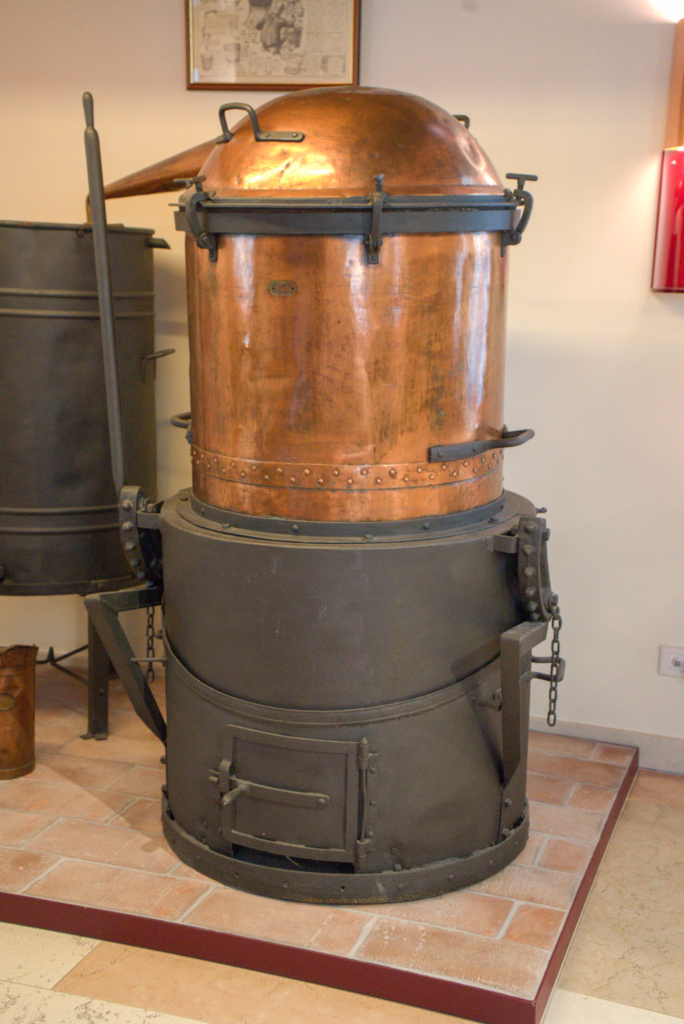
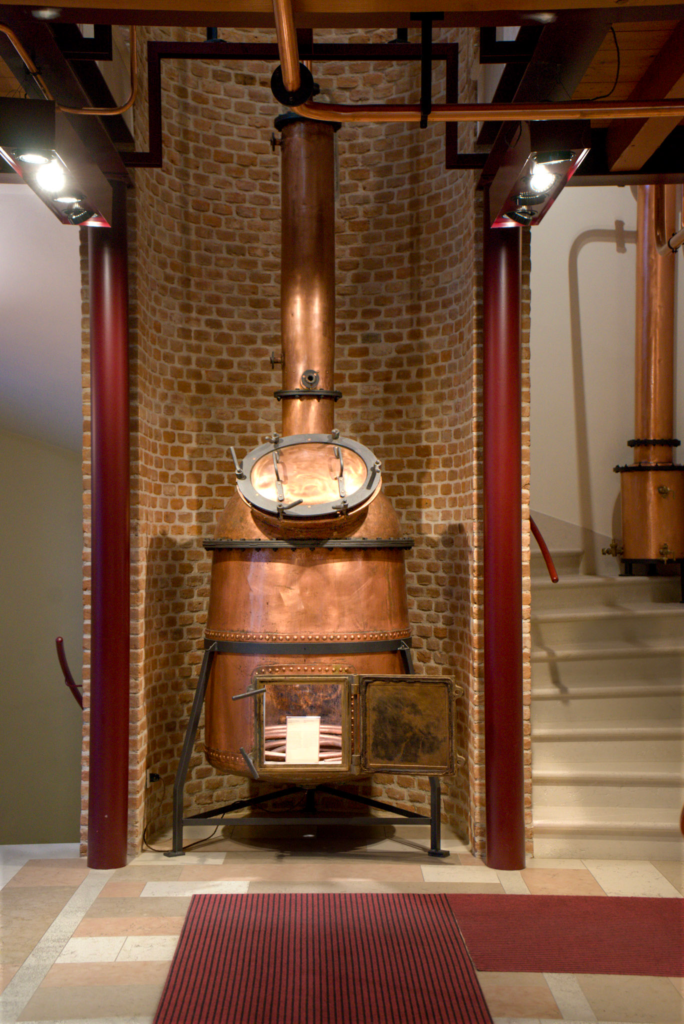
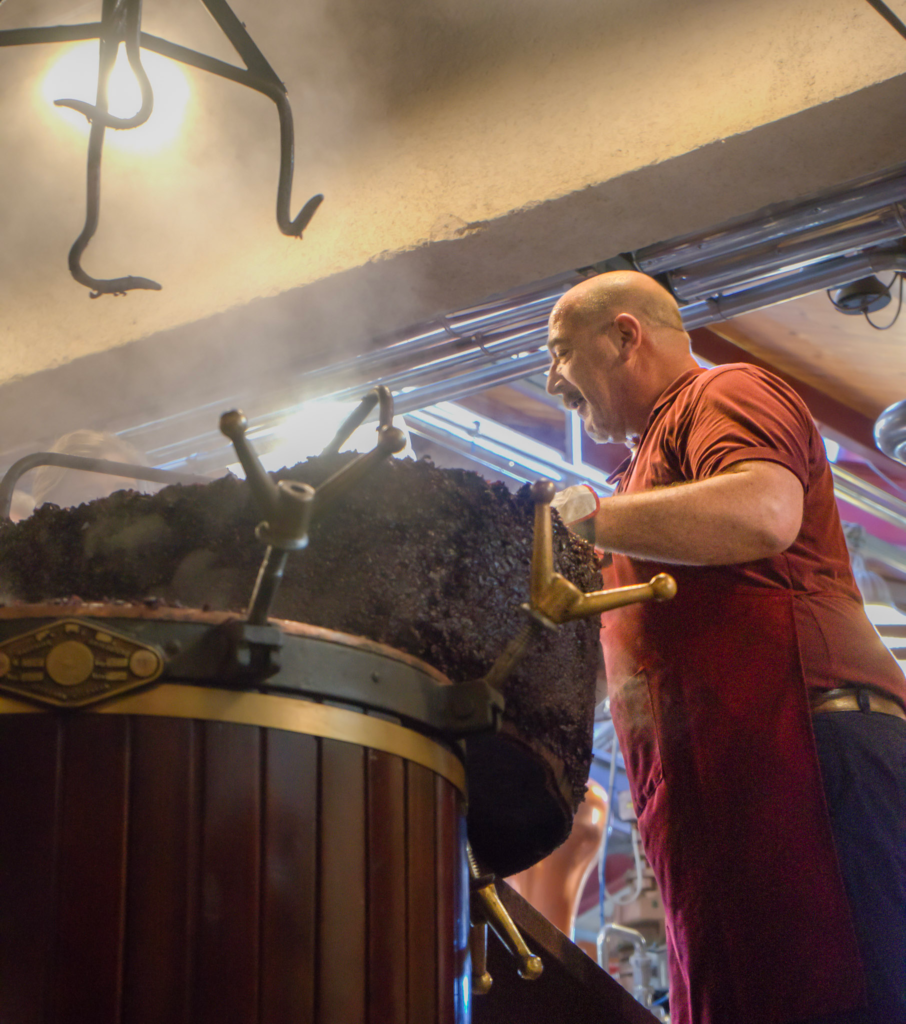
When we stepped into the production facility, the temperature rose immediately. Warm, fragrant air — grape skins and steam — wrapped around us. The hum of machinery echoed through the space while copper stills caught the light in a way that felt both industrial and old-world.
Poli works with three distillation methods:
- Traditional steam
- Classic bain-marie
- Modern vacuum bain-marie
Heat the same ingredient three different ways, and the result will never be identical. Seeing that principle applied in real time deepened my appreciation for how much intention sits behind what looks like a simple, clear liquid.
But the moment that changed everything for me was hands-on.
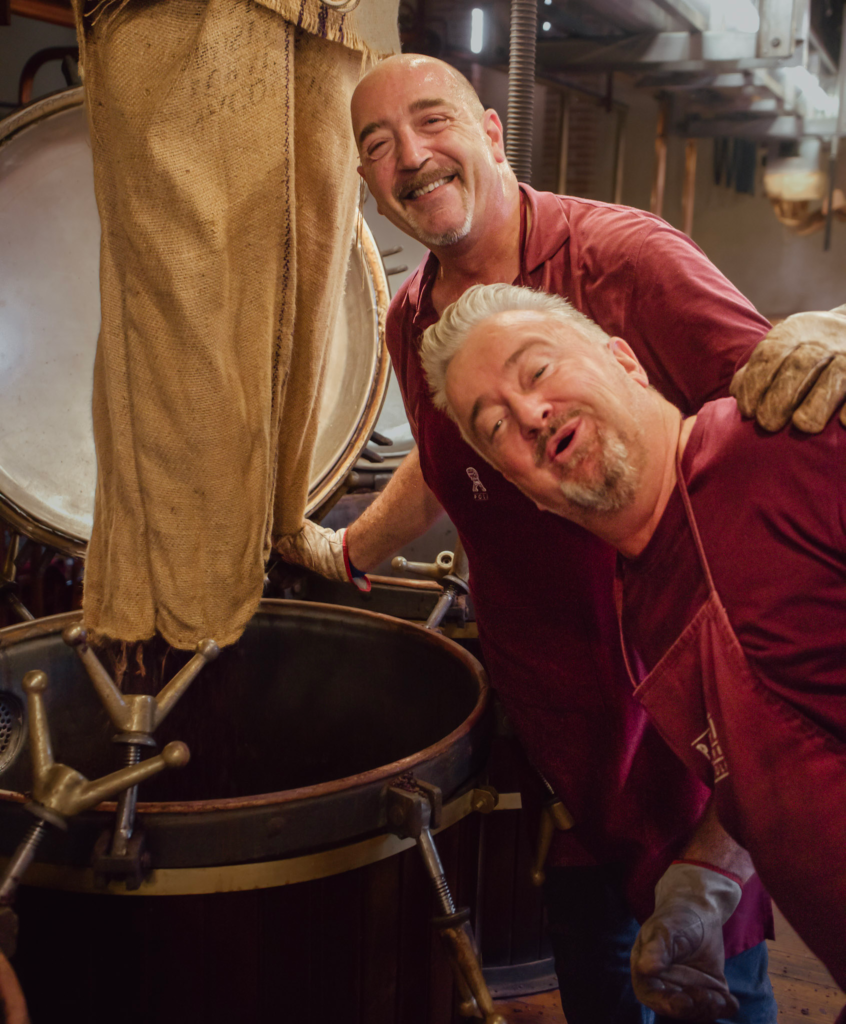
We were invited to help remove compacted grape skins, the pomace, from the vats. A mechanical arm lifted the steaming mass. We wrapped it in cloth, guided the weight, and transferred it into a stainless-steel mixing machine.
It was warm. Aromatic. Messy in the best way.
Standing there with the scent of fermenting grapes and seeing hands messy with grape skins, grappa stopped feeling abstract. It felt agricultural. Labor-driven. Human (free labor, they loved us!)
And that shift mattered.
From there, we followed the rhythm of production: fermentation tanks, distillation columns, storage, and bottling. Nothing felt staged. Labels were applied by machine but someone putting extra care into it. Caps sealed one by one. Bottles clinked softly as they were packed.
By the way, that label line was terrifying. Hats off to the man who did it efficiently, sorry I ruined the flow!
Poli has evolved without losing its center.
The Spirits That Surprised Me
Marconi 41 gin caught me completely off guard. Built around juniper, rosemary, mint, wild fennel, and cardamom, it carried a lightness that felt almost seasonal — like early summer air in a glass.
And finally, Elisir Prugna.
At the end of the tour, they added it to the tail end of my espresso. I was floored. Inspired by Eastern European plum distillates but softened into an infusion of plum and bitter almond, it tasted warm and quietly comforting, like slipping into a sweater you didn’t realize you needed (seriously, not joking here!)
It elevated a simple ritual into something memorable.
Poli Grappa is a Must-Visit
Grappa is often misunderstood.
People try it once, too quickly, and decide it isn’t for them. But what I learned at Poli is that grappa — like most things in Italy- only makes sense when you understand the context. The land. The labor. The decisions made along the way.
Seeing the production floor. Touching the grape skins. Hearing a fifth-generation distiller talk about surviving industrialization by choosing quality over volume. Now, when I walk into our local store and see Poli Grappa on the shelves, a smile comes across my fac,e and I think ” I’ve been there, I’ve seen the love poured into this!” and it’s now the one Gin and Grappa we gift newcomers to Italy.
It reframed everything.
Some of the most meaningful experiences in Italy aren’t the ones splashed across bucket lists. They’re the ones rooted in people, place, and a craft that refused to disappear.
And this one stayed with me. Because what I found at Poli wasn’t just a distillery — it was a reminder that some traditions survive not by accident, but by intention.
How to Visit Poli Distillerie
Tours are offered in multiple languages and typically include a tasting. Reservations are recommended, especially in the fall.
If you’re planning a day trip from Venice or Venice, Bassano del Grappa, a visit to Poli fits naturally into a slower, food-focused Veneto itinerary.
If you’re already planning a trip to Bassano or exploring the Veneto beyond Venice, a visit to Poli fits naturally into a day of slow travel and food-focused experiences.
