
Morocco During Ramadan: What Travelers Should Expect in Marrakech
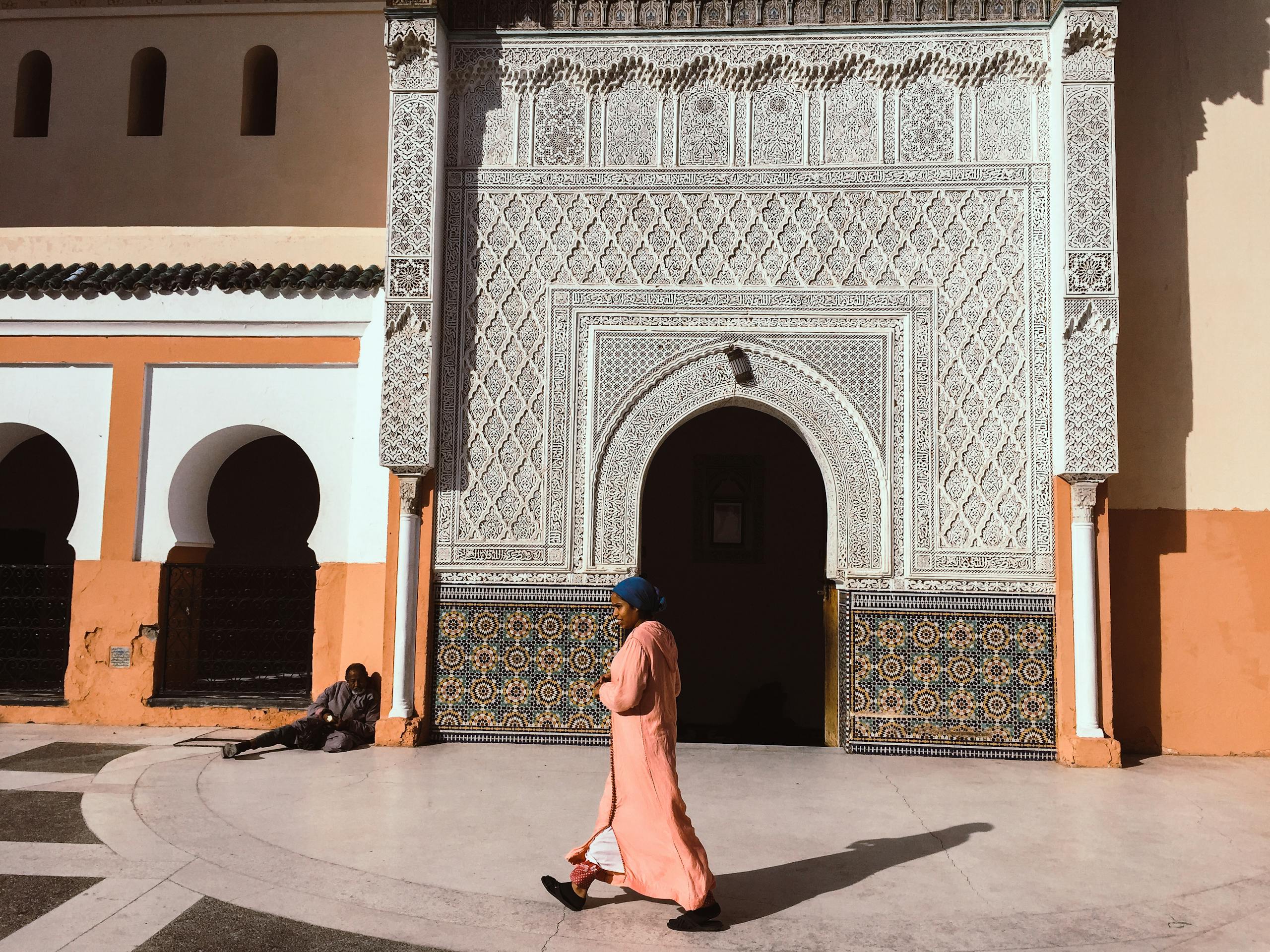
If you’re planning a trip to Morocco and realize your dates fall during Ramadan, you might wonder if it’s still a good time to visit. I had the same question when I landed in Marrakech during Ramadan in March. While the airport and tourist infrastructure felt completely normal, the rhythm of the city was different from my previous visit.
Because I had visited Marrakech before in the fall, I could immediately tell how different the city felt during Ramadan. Days in the Medina were quieter, shops opened later, and everything shifted toward the evening when the fast broke at sunset. But instead of feeling restrictive, traveling in Morocco during Ramadan gave me a deeper look into Moroccan culture and daily life.
While there was an abundance of things to do in Marrakesh during Ramadan, it’s wise to know what you’re getting into. If you’re wondering whether visiting Morocco during Ramadan is a good idea, here’s what to expect.
If you’re planning a longer trip through the country, this 12-day Morocco itinerary gives a great overview of how to structure your route while balancing cities, culture, and landscapes.
What Ramadan Is and Why It Matters in Morocco
Ramadan is the holiest month in Islam and is observed by Muslims around the world, including the majority of Morocco’s population.
During Ramadan, Muslims fast from sunrise to sunset, which means no food or drink during daylight hours. The fast is broken each evening during iftar, a meal traditionally shared with family and friends.
Because fasting lasts all day, daily routines shift throughout the country. Mornings and afternoons tend to be slower and quieter, while evenings become lively social gatherings as people break their fast and spend time together.
For visitors, this shift can make Morocco feel like two different places depending on the time of day.
🌙 Visiting Morocco During Ramadan: Quick Travel Tips
If you’re traveling to Morocco during Ramadan, a few small adjustments can make your trip smoother and more enjoyable:
• Try to arrive earlier in the day if possible. We landed in Marrakech around 2 PM, which worked well because it meant we weren’t arriving right as locals were preparing to break their fast at sunset.
• Plan your main meals for the evening. Many restaurants become lively after sunset when locals gather for iftar.
• Expect a slower pace during the day. Shops may open later in the Medina, especially in the morning.
• Schedule tours earlier in the day. Many guides prefer to finish work before iftar.
• Eat and drink discreetly during daylight hours. Restaurants serving tourists remain open, but it’s respectful not to walk through busy areas eating.
• Stay out after sunset. Marrakech comes alive in the evening during Ramadan, especially around Jemaa el-Fnaa.
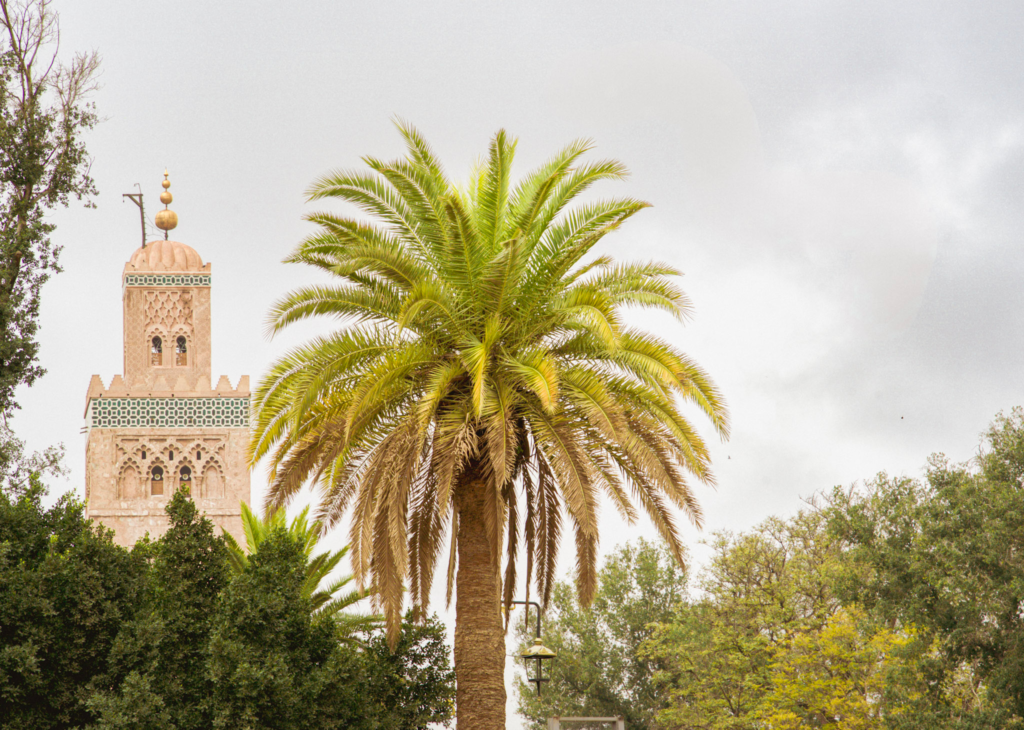
What Marrakech Feels Like During Ramadan
One of the biggest differences when visiting Marrakech during Ramadan is the shift in the city’s daily rhythm.
In the morning, the Medina felt noticeably quieter than when I had visited in the fall. Some stalls in the souks closed early in the day, and our guide, Mouhammed, explained that many shop owners adjust their hours during Ramadan.
By the afternoon, more shops had begun to open.
But the biggest transformation happens after sunset.
Once the fast breaks, Marrakech suddenly feels alive again. Restaurants fill with families, the streets become busier, and the famous square Jemaa el-Fnaa turns vibrant and social.
It almost felt like someone flipped a switch.
While I experienced Ramadan mostly in Marrakech, the shift in daily rhythm happens throughout the country — including cities like Casablanca. If you plan to visit the famous Hassan II Mosque, it’s worth understanding how prayer times and Ramadan schedules can influence visiting hours.
Moroccan Hospitality at Riad Noon
After arriving at Riad Noon, our group of five women took some time to relax and settle in.
The staff greeted us with traditional Moroccan mint tea and small snacks, which immediately stood out to me. Considering they were fasting themselves during Ramadan, the gesture felt incredibly generous. We all tried to refuse because we knew it was Ramadan, but the hosts insisted on our having tea and a welcome snack.
Moroccan hospitality is well known, but experiencing it during Ramadan, when the staff themselves were going without food or water all day, made the welcome feel different.
If Casablanca is part of your itinerary, here’s how to get around the city and the best neighborhoods for first-time visitors to stay.
Can Tourists Eat During Ramadan in Morocco?
One of the biggest concerns travelers have is whether they’re allowed to eat during Ramadan.
The short answer is yes.
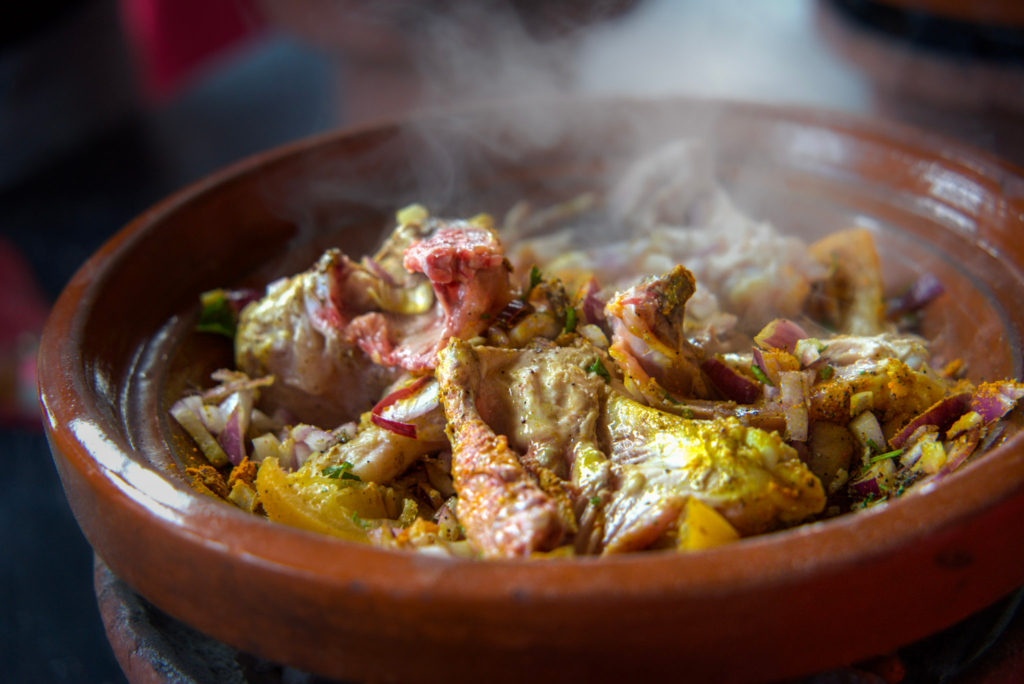
Many restaurants in tourist areas remain open during the day, especially around the Medina. We saw terrace cafés, tea houses, and even snack vendors selling msemen during the afternoon.
Our guides reassured us that tourists are not expected to fast.
That said, many travelers choose to be respectful by eating inside restaurants rather than openly walking through the Medina with food.
Personally, I felt a little uncomfortable ordering daytime meals knowing the staff serving us were fasting. Our riad offered a menu during the day, but I often chose to wait until later. Some of us grabbed snacks and drinks for the room and in our purses/backpacks at nearby convenience stores that were close to Riad Noon.
Everyone approaches this differently, but being mindful of local customs goes a long way.
Traveler Tip
If you’re visiting Marrakech during Ramadan, plan your biggest meals for the evening. Many restaurants become especially lively after sunset when locals gather for iftar, making it one of the most vibrant times to experience the city.
Moroccan Ramadan Food and the Iftar Experience
One thing I quickly learned while visiting Morocco during Ramadan is that iftar is about much more than just food.
As the sun sets, homes and restaurants fill with the smells of slow-cooked stews, fresh bread, and warm spices. Families gather around tables to break their fast together after a long day.
As we were walking to Jemaa el-Fnaa, our group couldn’t help but notice everyone with dishes walking to neighbors’ houses and to their cars to meet with friends and family. One of the days, we noticed young couples having picnics on the side of the road. It was really cool to see how Iftar happens and to have a peek into this ritual and practice.
Traditionally, the fast begins with dates and water, followed by harira, a rich tomato-based soup made with lentils and chickpeas that appears on nearly every Moroccan Ramadan table.
There’s often plenty of bread as well, including msemen, a flaky Moroccan flatbread, along with sweets like chebakia, a sesame cookie soaked in honey that’s especially popular during the holy month.
Other dishes you might see during Ramadan include baghrir, soft Moroccan pancakes served with honey, and sellou, a dense mixture made from roasted flour, almonds, sesame seeds, and spices.
Later in the evening, larger dishes like tagines are often served alongside glasses of Moroccan mint tea.
More than anything, the meal is about community and sharing, bringing family and friends together each night.
My experience with Iftar
On our second day in Morocco, we joined our guides from Happy Nomads Morocco (Libby and Hamid, plus Mouhammed and Jamal) for iftar at a restaurant they frequent.
Inside, there was a large buffet set up. We couldn’t hear the call to prayer from inside because there was a traditional performance going on, which was perfect, but the moment the fast officially ended, around 6:35 or 6:40 PM , the entire room stood up and headed straight for the buffet.
Within seconds, people were returning to their tables with plates piled high with food. Bowls of steaming harira soup appeared everywhere, plates of dates were passed around, and glasses of juice clinked as people settled in. After a long day of fasting, the room suddenly felt full of energy and relief.
Being invited to share that moment felt incredibly special. Our group was the last to get up and try the different foods offered.
For me, that moment of a cultural exchange like that, a chance to get up and break bread with people over their traditions, was something I will never forget. Learning breaks down barriers like that.
How Marrakech Changes After Sunset
If Marrakech feels quiet during the day during Ramadan, the opposite is true at night.
After sunset, the square at Jemaa el-Fnaa fills with people, and the food stalls are packed with customers.
One evening I wandered through the Medina alone, and it felt completely different from earlier in the day. The souks were lively, restaurants were full, and families were out enjoying the evening together.
Tours and Activities During Ramadan
Another question travelers often ask is whether tours and activities operate normally during Ramadan.
During our trip, everything ran as scheduled.
We were able to:
- Take a walking tour of the souks
- Hike in the Atlas Mountains and have lunch prepared by a Berber family
- Visit a traditional hammam
- Attend a Moroccan cooking class
- Go on a hot air balloon ride outside Marrakech
Our group did try to schedule activities so they finished before 5:30 PM, allowing our driver, Jamal, and guides to return home in time for iftar.
Can you visit a Hammam during Ramadan?
So you’re planning a trip to Marrakech (or Morocco in general) during Ramadan and wondering if hammams are even open.
Good news—they are.
Most hammams continue operating during Ramadan, especially in larger cities like Marrakech. That said, hours can shift slightly to align with fasting schedules, and smaller, local hammams may have more limited availability.
From a practical standpoint, using a hammam while fasting is generally considered fine, as long as you’re not swallowing water. It’s more about being mindful than avoiding it altogether.
What you’ll notice more than anything is the shift in timing and energy.
- Some people go earlier in the day to feel refreshed while fasting
- Others go in the evening, after breaking fast, to relax
One thing that doesn’t change is the expectation around privacy. Even in more relaxed, spa-style hammams, there’s still an awareness of modesty and respect for the space.
From my experience, everything was running smoothly. I visited a hammam during Ramadan, and the entire process felt calm, organized, and honestly a little quieter than usual.
If anything, the experience felt more in line with what a hammam is supposed to be—slower, more intentional, and less chaotic.
Cultural Etiquette for Travelers During Ramadan
Traveling respectfully during Ramadan doesn’t require following every religious rule. Most Moroccans understand that tourists are not fasting. What they appreciate most is awareness and respect.
A few simple things can help make your experience smoother:
Eat and drink discreetly during the day.
Restaurants and hotels serve food to tourists during Ramadan, but it’s best to avoid eating while walking through busy public areas where many people are fasting.
Dress modestly.
Morocco already tends to favor modest clothing, and during Ramadan this becomes even more important. Covering shoulders and knees is generally a good guideline when exploring the Medina.
Ask before taking photos of people.
Street photography is common in Morocco, but it’s always polite to ask permission before photographing individuals, especially during a religious period like Ramadan.
Be patient in the late afternoon.
By late afternoon, many people have been fasting all day without food or water, so energy levels can be low. We actually witnessed a small fight in the souks around 5 PM, which our guide explained sometimes happens near the end of the fasting day
Should You Visit Morocco During Ramadan?
So, should you visit Morocco during Ramadan?
In my experience, the answer is yes — if you’re open to a slightly different travel rhythm.
The quiet mornings in the Medina, the vibrant evenings in Jemaa el-Fnaa, and the opportunity to experience iftar with local guides offered a perspective on Moroccan culture I wouldn’t have seen at any other time of year.
I would absolutely visit Morocco during Ramadan again.
Sometimes the most meaningful travel experiences happen when you see a destination not just as a place to visit, but as a place where people live their daily lives.
Breaking bread with new friends in Marrakech during Ramadan will always be one of those moments.
FAQs About Visiting Morocco During Ramadan
Marrakech tends to feel quieter during the day during Ramadan, particularly in the morning and early afternoon when many locals are fasting. However, the city becomes lively after sunset when families gather for iftar, and the Medina fills with activity.
Yes, many restaurants remain open during Ramadan, especially those catering to tourists. Hotels, riads, and terrace cafés often continue serving food during the day.
Tourists are allowed to eat during Ramadan, particularly inside restaurants and accommodations. Many travelers choose to eat indoors out of respect for locals who are fasting.
Most tours and activities continue operating during Ramadan. During my trip, we were able to do walking tours, Atlas Mountains hiking, hammam experiences, cooking classes, and a hot air balloon ride.
Yes, visiting Morocco during Ramadan can still be a wonderful experience for travelers.
While the daily rhythm of life shifts and some restaurants may close during the day, most tourist activities continue operating normally. Cities like Marrakech often feel quieter in the afternoon but become vibrant and social after sunset when families gather to break the fast during iftar.
For travelers who are curious about local culture and open to adapting their schedule slightly, Ramadan can actually be a fascinating time to visit Morocco.
No, but be respectful. I think if you want to understand what happens from a respectful point of view you should be absolutely fine.
