
La Befana in Italy: Epiphany Traditions, Legends, and the Befana Markets You Can Still Visit
If you find yourself in Italy in early January, you might assume the holidays are over.
The Christmas markets have closed, the decorations are starting to come down, and the crowds have thinned. But instead of fading quietly into winter, Italy saves one last tradition for January 6—one that feels far more local, playful, and revealing than anything in December.
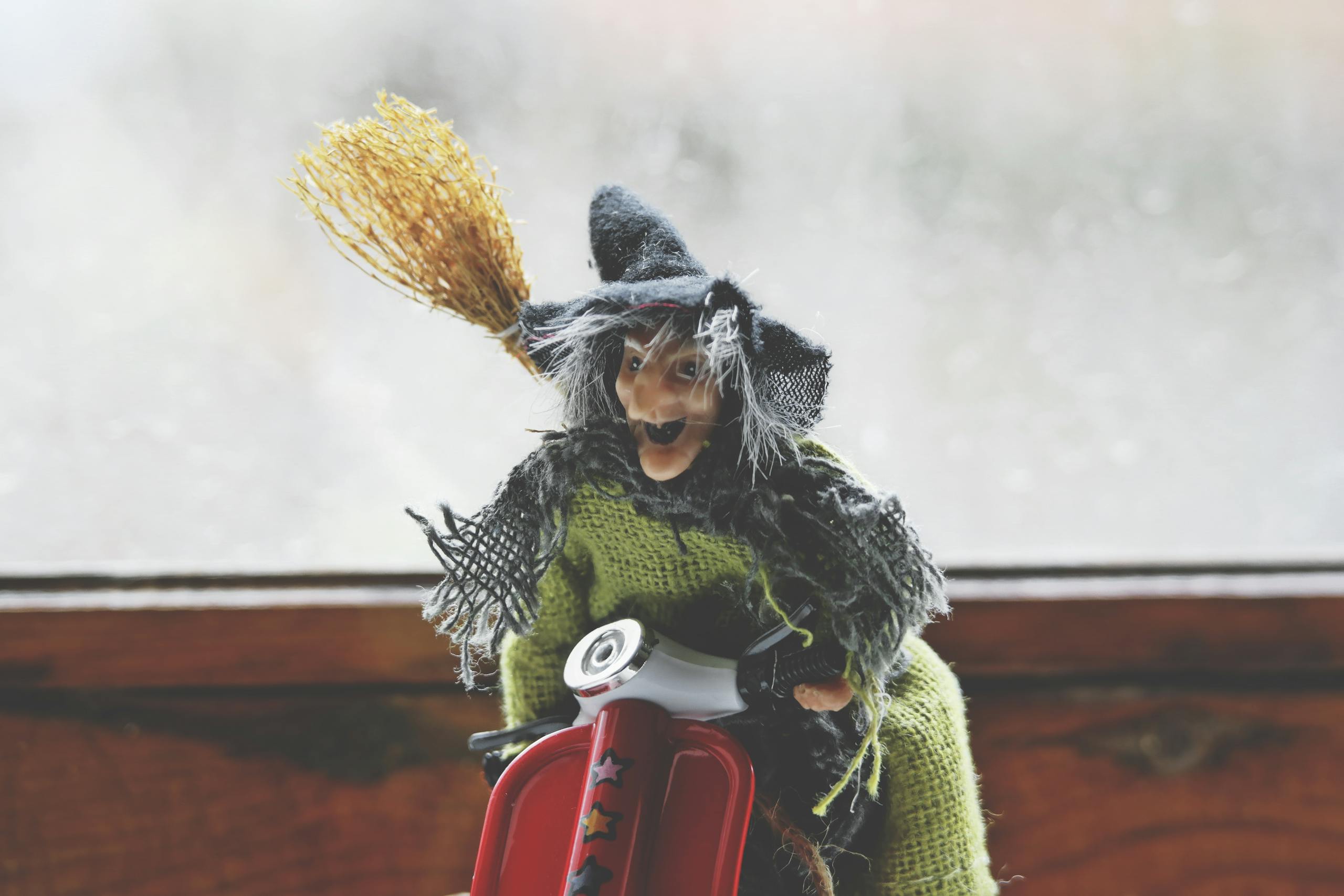
This is La Befana, the folkloric figure who arrives on the night of January 5 to celebrate Epiphany. And for travelers, she offers something rare: a chance to experience Italian culture not as a performance, but as it’s actually lived.
This Post Pairs Well With:
What Is La Befana in Italy?
La Befana is a traditional Italian folklore figure associated with Epiphany on January 6, a public holiday across the country. According to legend, she brings sweets and small gifts to children, symbolically marking the end of the Christmas season. La Befana is celebrated on the night of January 5th and the morning of January 6th, which is Italy’s Epiphany.
But if you’re visiting Italy, Befana isn’t just a story—it’s something you’ll see and feel in town squares, markets, bakeries, and everyday conversations. She represents a transition point in the Italian calendar: the moment when the holidays truly end, and normal life resumes.
There’s even a saying Italians repeat every year:
“L’Epifania tutte le feste porta via.”
Epiphany takes all the holidays away.
The Legend Behind La Befana (And Why It Still Matters)
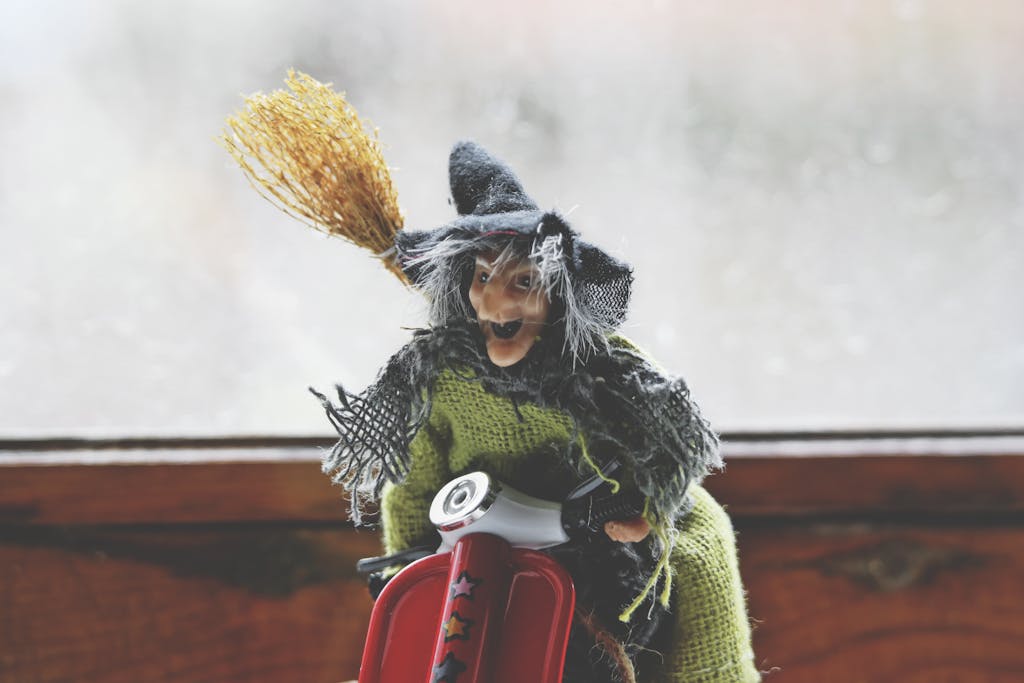
According to legend, Befana was an old woman visited by the Three Wise Men on their way to find the newborn Jesus. They asked her for directions and invited her to join them, but she declined—too busy with household chores.
Later, filled with regret, she gathered gifts meant for the Christ child and went searching for him. Unable to find Jesus, she left the gifts with other children instead.
This story is why Befana is tied to Epiphany, the Christian feast celebrating the arrival of the Magi. Over time, the religious narrative blended with older seasonal traditions, turning Befana into the broom-carrying figure Italians recognize today.
For travelers, this legend explains why Befana feels both religious and folkloric—and why she shows up everywhere from churches to street markets.
Befana Markets in Italy: A January Travel Experience You Probably Didn’t Know About
One of the most rewarding ways to experience La Befana is through Befana markets, which take place in cities and towns across Italy in the days leading up to January 6.
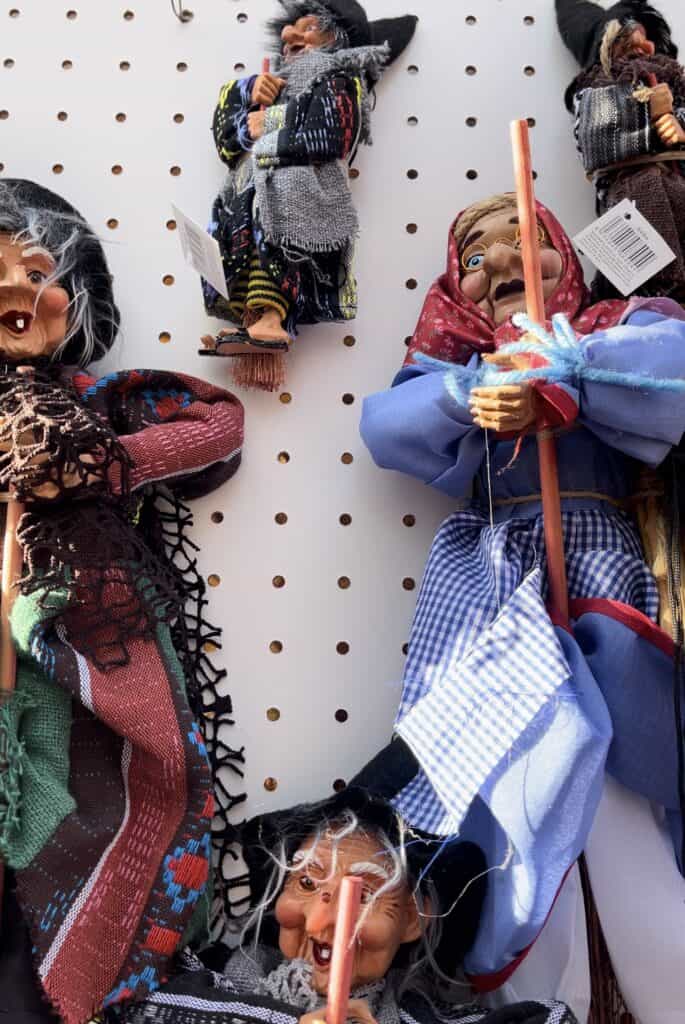
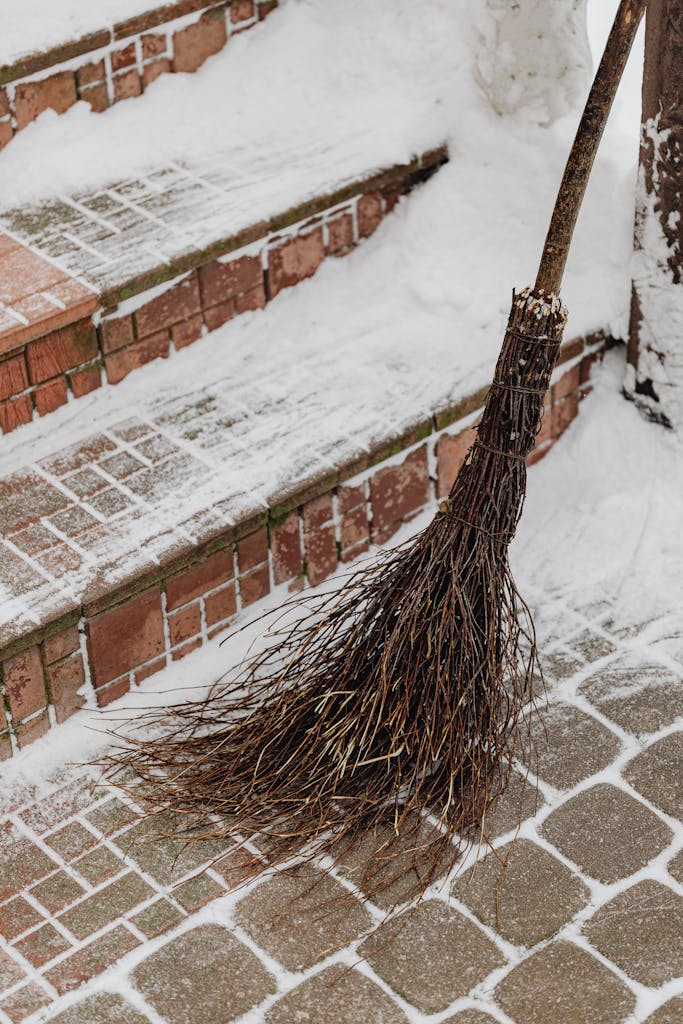
Unlike Christmas markets, Befana markets feel distinctly local. They’re less polished, more whimsical, and deeply tied to folklore. You’ll see broomsticks, witch figurines, candy coal, and embroidered calze della Befana alongside food stalls and everyday market goods.
Some of the most notable places to experience Befana markets include:
- Piazza Navona (Rome)
Rome’s Epiphany market fills Piazza Navona with candy stalls, toys, street performers, and Befana imagery. It’s lively and chaotic, and very much a citywide event. - Urbania (Marche)
Often referred to as La Casa della Befana, Urbania hosts one of Italy’s most immersive Befana celebrations, with parades, performances, and folkloric reenactments. - Vicenza (Veneto)
Vicenza’s Mercato dell’Epifania is quieter and more intimate, offering a glimpse into how the tradition is woven into everyday life rather than staged for visitors.
What the Epiphany Market in Vicenza Feels Like as a Traveler
In Vicenza, the Epiphany market felt less like a festival and more like a shared seasonal habit.
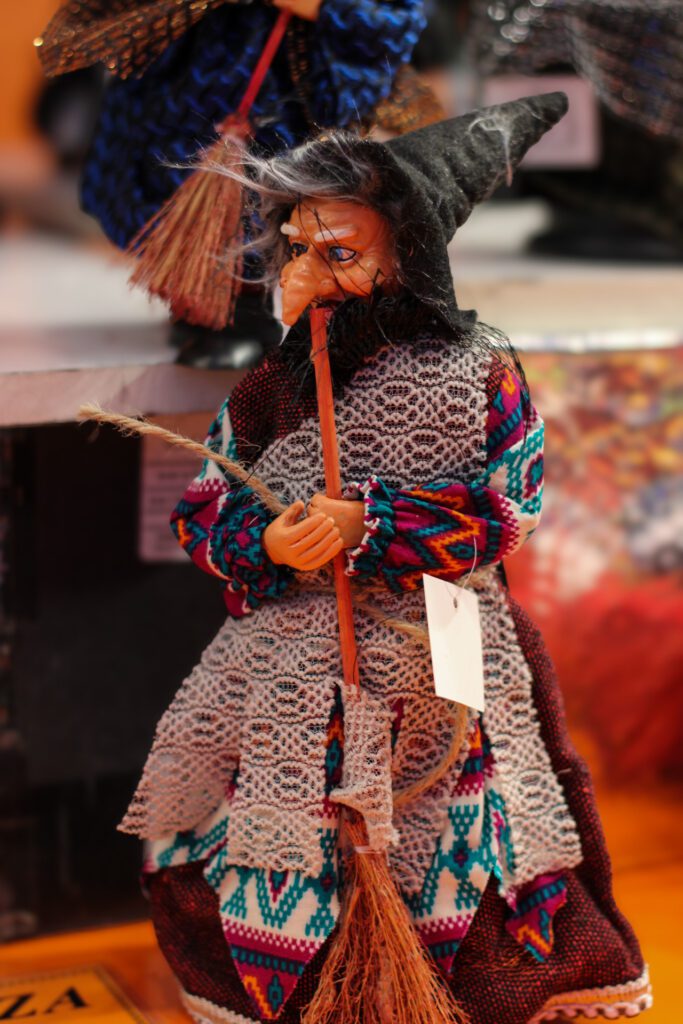
Vendors sold fritelle, crêpes, vin brulé, traditional candies, and small handcrafted items. Befana stockings hung from stalls, and witch figurines appeared alongside practical housewares. Families wandered slowly, stopping for sweets or conversation rather than rushing from stall to stall.
I bought a small Befana figurine to hang in my kitchen—a scaccia guai, or “trouble chaser,” meant to sweep away bad luck. It’s a simple souvenir, but one tied directly to place and tradition rather than mass production.
This is what makes Befana markets special for travelers: they feel lived-in, not designed.
Candy, Coal, and Everyday Italian Traditions
Much like Santa Claus, Befana brings gifts—but in a distinctly Italian way.
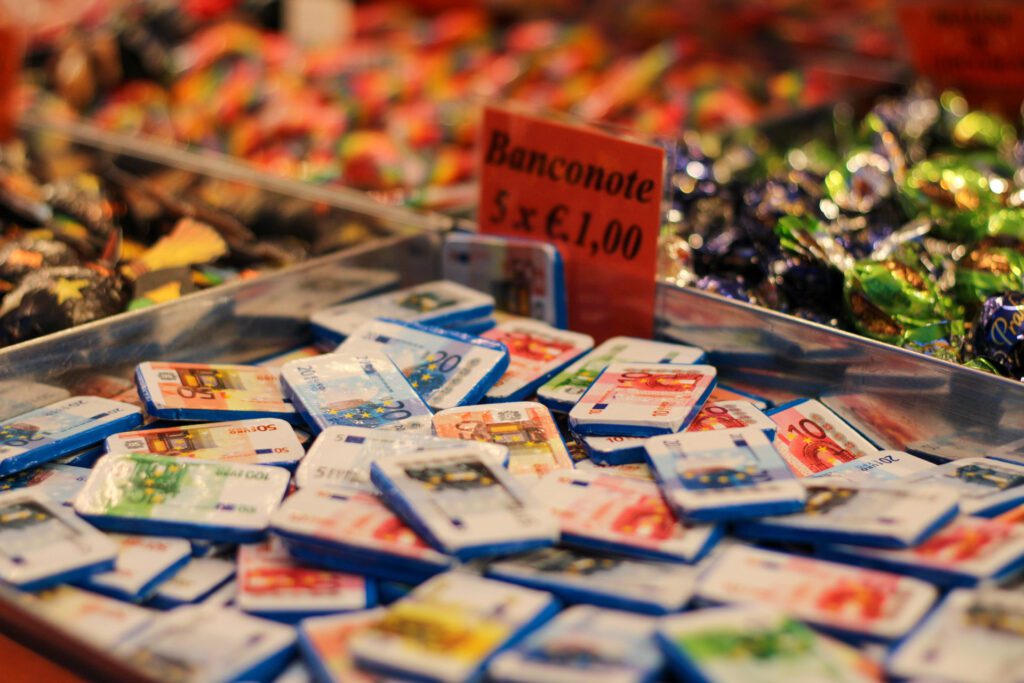
Children receive sweets, chocolates, and small toys tucked into their calza della Befana. Those who’ve misbehaved may receive carbone, which is almost always a sweet candy shaped like coal.
Adults participate too. Befana stockings aren’t just for children, and Epiphany is often treated as a final, lighthearted moment before returning to routine.
For visitors, this is a reminder that Italian traditions don’t stop at childhood—they’re shared across generations.
Food and Epiphany: The Quiet End of the Holidays
Befana doesn’t come with a signature dessert, but food still plays a role. Epiphany traditionally marks the final indulgence of the holiday season.
Candy from stockings is eaten, and leftover panettone and pandoro finally disappear from kitchen counters. This isn’t a grand feast—it’s a gentle closing chapter.
If you’re visiting Italy at this time, you’ll often see bakeries still stocked with holiday sweets, even as daily life resumes around them.
Visiting Italy During Epiphany: What Travelers Should Know
Epiphany is a public holiday in Italy, which means:
- Some shops and museums may be closed
- Befana markets and local events are often still active
- Cities feel calmer and more residential than in December
For travelers, early January can be an excellent time to visit. Crowds are lighter, accommodation prices are often lower, and traditions like La Befana offer insight into Italian life beyond peak season tourism.
Always check local city calendars, as Epiphany celebrations vary widely by region and are often organized at the municipal level.
Why La Befana Is Worth Experiencing as a Traveler
La Befana isn’t a spectacle designed for visitors. That’s exactly why she’s worth seeking out.
She represents how Italy transitions from celebration back to everyday life—with humor, tradition, and community. Experiencing Epiphany through a local market or town celebration offers a deeper understanding of Italian culture than many more famous events.
If you’re in Italy in January, La Befana isn’t something to work around.
She’s something to experience.
La Befana in Italy: Frequently Asked Questions
When is La Befana celebrated in Italy?
La Befana is celebrated on the night of January 5 into January 6, which coincides with Epiphany.
Are Befana markets worth visiting as a traveler?
Yes. Befana markets offer a local, folkloric experience that feels less tourist-oriented than December Christmas markets.
Is La Befana celebrated throughout Italy?
Yes, though celebrations and markets vary by region and city.
Do adults participate in La Befana traditions?
Absolutely. Epiphany is a shared tradition for all ages.
