
How to get around Verona, Italy: A Perfect Guide for First-Timers
If you are planning a trip to Verona and feeling unsure about how to move around once you arrive, take a breath. This is one of the easiest cities in northern Italy to navigate, especially if you are traveling solo or with family.
I live in Vicenza and go to Verona often. Sometimes for a slow afternoon wander, sometimes for dinner, sometimes to meet friends coming in by train. I have walked it in every season, taken the buses more times than I can count, and helped visiting friends figure it out quickly. This guide walks you through exactly how to get around Verona confidently, without stress or overthinking.
By the end, you will know when to walk, when to hop on a bus, how to arrive from nearby cities, and what mistakes to avoid so your time here feels smooth and enjoyable.
This Post Pairs Well With:
- An Honest Guide to the Verona Christmas Market
- Your Ultimate Guide to Verona: Perfect for first-timers
- Where to Stay in Verona by Neighborhood +Map
- The Best Verona Tours to Take For First-Timers
- How to get from Venice to Verona
- Is One Day Enough For Verona, Italy?
- How to Spend 3 Perfect Days in Verona + Wine & Mountain Escapes
At a Glance: Getting Around Verona, Italy
Best way to get around:
Walking (with buses as a backup)
Is Verona walkable?
Yes. Most major sights are within 15–20 minutes on foot
Public transportation:
Local buses run from 5:00 am to midnight
Do you need a car?
No. A car is unnecessary and inconvenient in the historic center
Getting to Verona:
Easy train access from Vicenza and Venice
Language concerns:
English widely spoken in tourist areas
Good to know:
Bus tickets must be validated, cobblestones are everywhere
Why Verona Is One of Italy’s Easiest Cities to Get Around
Verona works because it is compact, flat in the historic center, and logically laid out. Most of what travelers want to see is clustered inside or just outside the old city walls. You can walk from Piazza Bra to Ponte Pietra in under 20 minutes at an easy pace.
This is also a city built for real life, not just tourism. Locals walk, bike, push strollers, and commute through the same streets visitors use. That means sidewalks are practical, buses are frequent, and the flow of the city makes sense once you spend a few hours in it.
If you are in the early planning phase, my full Verona Travel Guide helps you understand neighborhoods, timing, and how Verona fits into a larger northern Italy itinerary.
Getting Around Verona on Foot
Why Walking Is the Best Way to Explore
Walking is hands down the best way to experience Verona. The historic center is mostly pedestrianized, and many of the most beautiful moments here happen between landmarks, not at them.
You will walk across Piazza Bra, past the Arena di Verona, through narrow streets filled with small shops, and over bridges with views of the Adige River. None of this feels rushed or overwhelming.
For a single-day visit, walking is more than enough. I map this out clearly in my One Day in Verona Itinerary, which is designed around realistic walking distances.
Where Walking Works Best
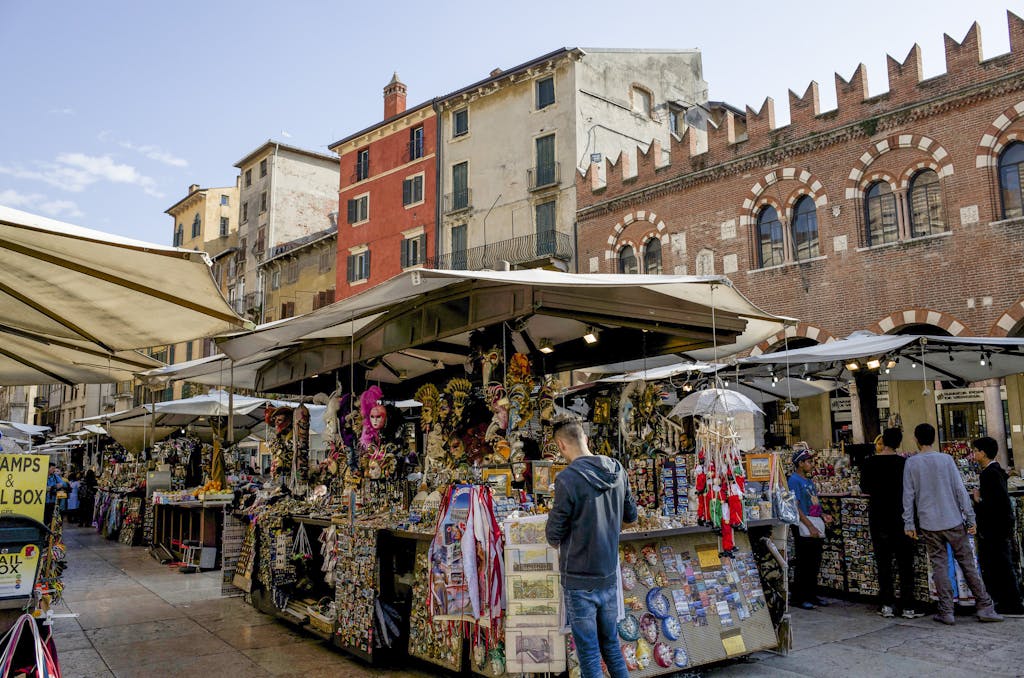
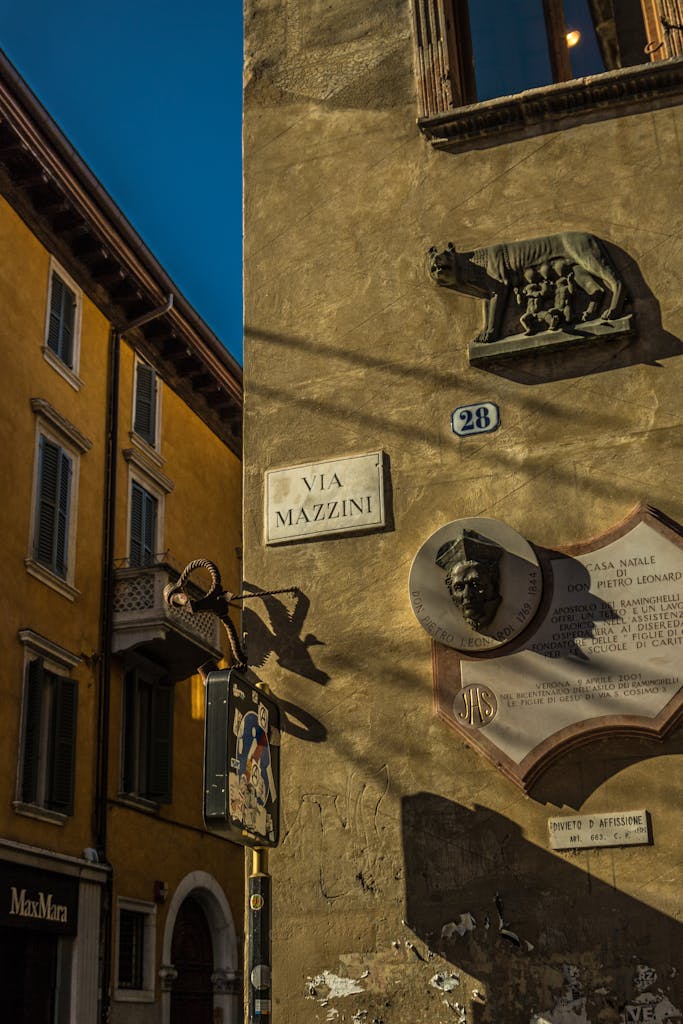
The historic center is ideal for walking, especially around Piazza Bra, Via Mazzini, Piazza delle Erbe, Piazza dei Signori, and across Ponte Pietra. These areas are flat, lively, and easy to navigate, even if it is your first time in Italy.
Walking is also pleasant in Borgo Trento and parts of San Zeno, though those areas may require a longer walk or a short bus ride, depending on where you are staying.
If you want to get to some of the best viewpoints, like the Castel area, you can take the funicular up!
When Walking Becomes Too Much
If you are staying farther from the center, coming from the train station, or visiting in peak summer heat, walking everything can feel tiring. Verona looks small on a map, but cobblestones and sun exposure add up.
This is where buses come in handy, especially for the last stretch back to your hotel or apartment.
What to Wear and Bring When Walking in Verona
Supportive shoes matter more here than people expect. Cobblestones are uneven, and slick soles can be uncomfortable, especially after rain. Sneakers or sturdy walking shoes are ideal. Thin sandals without support usually lead to sore feet by early afternoon.
In warmer months, water is essential. Public fountains are scattered throughout the city, but it helps to have a refillable bottle. In cooler seasons, walking is one of Verona’s greatest pleasures, especially in the early morning or evening when the streets quiet down.
Accessibility and Mobility in Verona: What to Expect
Verona is an old city, and that history comes with beautiful architecture and real limitations. Understanding those limitations ahead of time helps travelers plan realistically and avoid frustration.
Strollers and Young Children
Families traveling with strollers can manage Verona, but it takes patience. Main streets and large squares are easier to navigate than side streets, which can be narrow and uneven. Some sidewalks are shallow or interrupted by stone curbs.
Buses can be helpful for families, especially when traveling from the train station or staying outside the historic center. Many buses are low-floor and easier to board with strollers, though space can be limited during peak hours.
Wheelchairs and Reduced Mobility
Wheelchair users will find parts of Verona accessible and other areas challenging. Larger squares, riverside paths, and modern streets are more manageable, while medieval alleyways and steep curb transitions can be difficult.
Museums and major attractions usually provide accessibility information, but historic buildings may still involve steps or limited access. Choosing accommodation in flatter areas of the historic center can significantly improve day-to-day mobility.
I recommend reading hotel and museum reviews so that you won’t be too surprised when visiting.
Navigating Cobblestones and Uneven Streets
Cobblestones are part of Verona’s charm, but they require awareness. After rain, some areas become slippery, trust me! I’ve been walking down a side street here in Italy and BAM! For anyone with balance concerns, slower pacing and supportive footwear make a noticeable difference.
If accessibility is a major concern, planning shorter walking loops with rest stops and cafés built in makes Verona far more enjoyable.
A Quick Reality Check That Helps Most Travelers
Most visitors to Verona do not need to over-plan transportation. Walking covers the majority of what you want to see, buses fill in the gaps when needed, and the city rewards a slower pace.
If you are deciding how much ground you can realistically cover, my One Day in Verona Itinerary shows how walking, timing, and smart breaks fit together naturally. If choosing the right base matters more, my Where to Stay in Verona guide focuses on locations that minimize transport stress altogether.
Public Transportation in Verona: Buses, Tickets, and Practical Tips
In my opinion, Verona’s public bus system is reliable, easy to use, and surprisingly visitor-friendly, even if it’s your first time navigating public transportation in Italy. I use Verona’s buses regularly when coming in from the train station or when I’ve walked enough for the day.
City buses run daily from around 5:00 am until midnight, covering most sightseeing schedules without issue.
How and Where to Buy Bus Tickets in Verona
Bus tickets in Verona are simple to purchase and do not require speaking Italian. You can buy them online using the Ticket Bus Verona app, in person at the ATV Office near Verona Porta Nuova, Personally, I love using the Ticket Bus Verona App! It’s just easier to do everything from your phone!
One thing I do need to mention here is that a standard bus ticket is valid for 90 minutes from the moment it is validated, allowing you to transfer between buses within that time frame. This is useful if you are traveling between neighborhoods or heading back to your accommodation after a long day.
If you plan to use the bus more than once in a day, a day ticket is often the best value. It allows unlimited bus travel until midnight on the day you validate it.
For longer stays or family travel, books of 10 tickets offer better value than buying individual tickets and are convenient if you expect to ride buses multiple times during your stay.
Apps and Tools That Make Getting Around Easier
To check routes, schedules, and real-time updates, download the Info Bus Verona app. It is especially helpful when planning routes from the train station or navigating areas outside the historic center.
Validating Your Bus Tickets
One important reminder that trips people up: you must validate your ticket once you board the bus. Ticket inspections do happen, and fines are not lenient.us et leo.
Using the Verona Card for Transportation
If you purchase the Verona Card, local bus travel is included at no extra cost. The card also provides free or reduced admission to many of Verona’s main museums, monuments, and churches, making it a smart option for visitors planning to explore beyond just walking the historic center.
That said, many visitors, including myself, find they rarely need buses once they’re inside the old town. Verona’s layout makes walking the most natural way to explore, especially for first-time visitors.
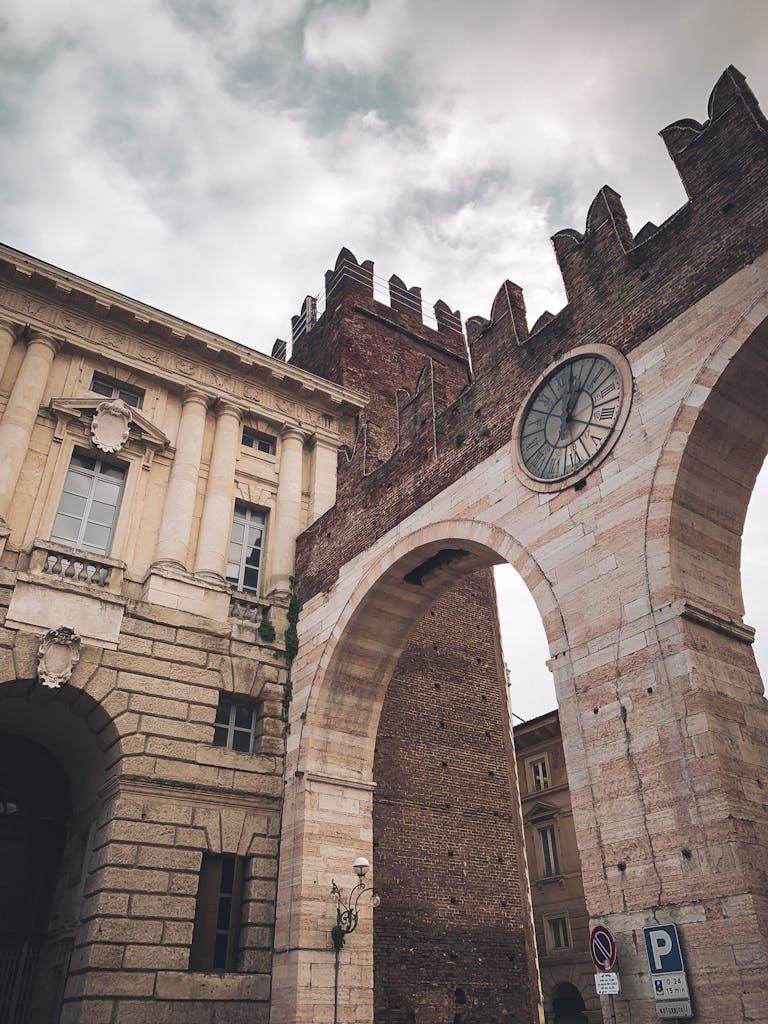
Bikes and Scooters in Verona
Verona does have bike lanes in parts of the city and some shared bike and scooter options, depending on the season. These are best suited for confident riders who are comfortable navigating Italian traffic patterns. You can find more information on bikes available in Verona: bikes verona
For most visitors, walking and buses are simpler and more relaxing. Bikes make more sense if you are staying longer or venturing outside the historic center.
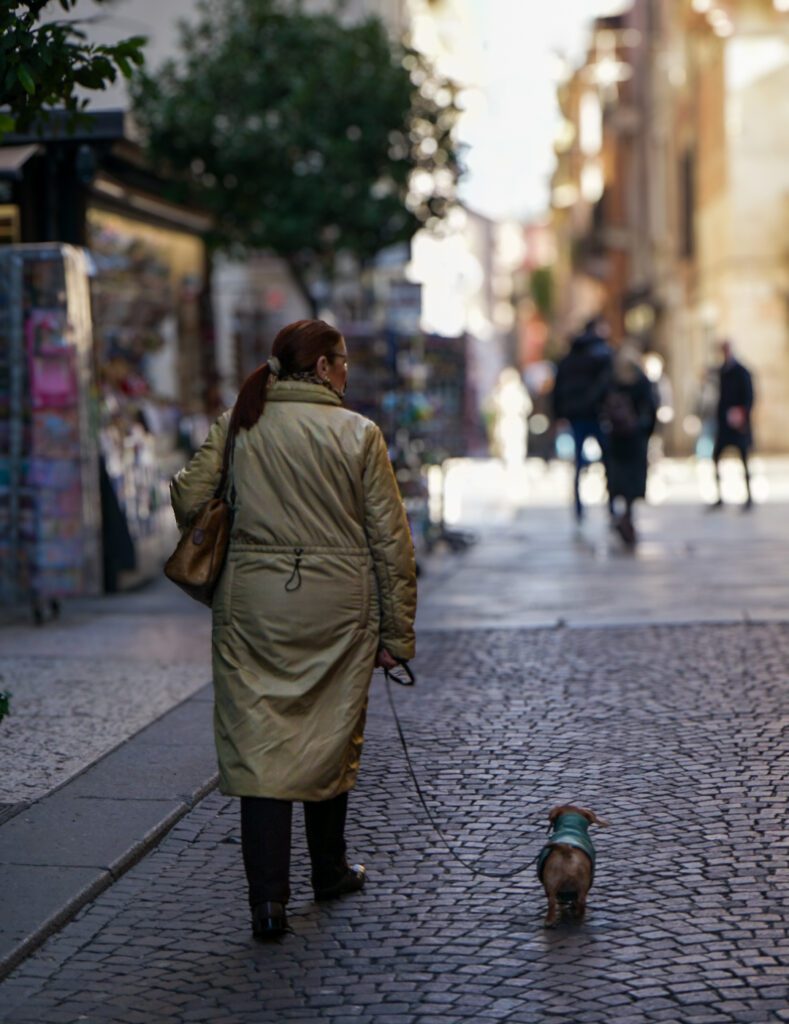
Getting to Verona from Vicenza or Venice
From Vicenza to Verona
From Vicenza, Verona is an easy train ride and one I take often. Trains run frequently, the journey is short, and you arrive right at Verona Porta Nuova station, which is well connected to the city center by foot or bus.
Driving is possible, but parking inside Verona is limited and often not worth the hassle unless you are staying outside the center.
Public Parking I recommend in Verona:
- Parcheggio Cittadella – P.zza Cittadella
- Parcheggio Centro – Via Campo Marzo
- Parcheggio Saba Arena – Via M.Bentegodi
- Parcheggio Tribunale – via dello Zappatore
- Parcheggio Saba Polo Zanotto – viale Università
From Venice to Verona
From Venice, trains are fast, affordable, and straightforward. Many travelers visit Verona as a day trip this way.
If you want a deeper breakdown of train, car, and tour options, my Venice to Verona Day Trip Guide walks you through each option clearly.
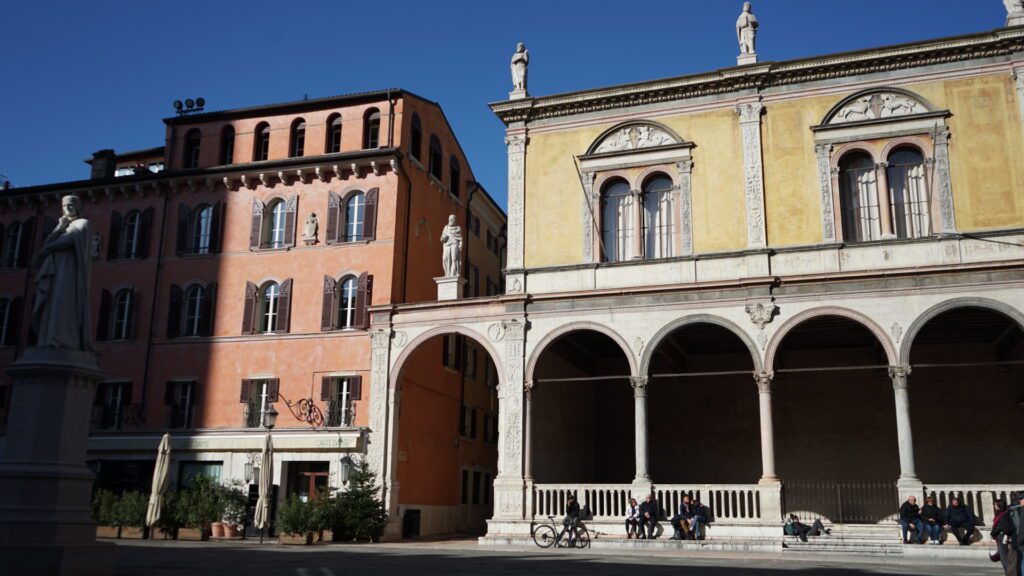
Tours and Guided Experiences in Verona
If you prefer having logistics handled for you, guided experiences can be a great option, especially for short visits. I cover reputable options in my Best Tours in Verona post.
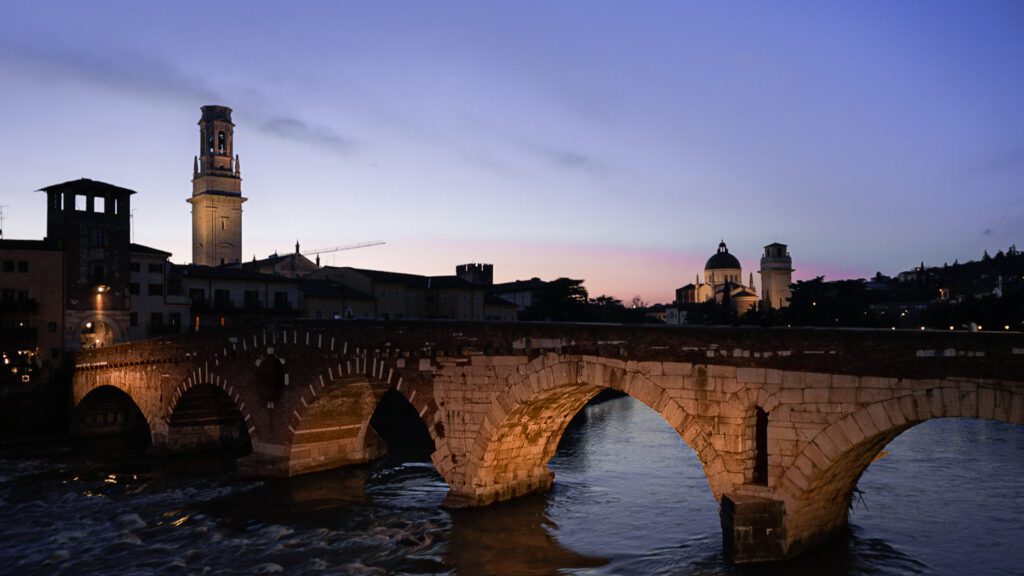
Choosing Where to Stay for Easy Transportation
Where you stay matters more than people think. Being inside or just outside the historic center saves time and energy, especially if you are walking everywhere.
If you want help choosing a base that works well for walking and transport access, my Where to Stay in Verona Guide breaks down neighborhoods and accommodation styles clearly.
Getting Around Without Speaking Italian in Verona
You do not need to speak Italian to get around Verona, and this is one of the reasons it works so well for first-time visitors, solo travelers, and families. Verona is accustomed to international travelers, and navigating the city without Italian is far less stressful than many people expect.
That said, understanding how language actually plays out on the ground helps you move through the city with confidence instead of hesitation.
Is English Widely Spoken in Verona?
In Verona’s historic center, English is commonly spoken, especially in hotels, restaurants, museums, and ticket offices. Staff in these areas interact with English-speaking travelers daily and are used to answering basic questions about directions, tickets, and timing.
On city buses, English is less consistently spoken, but this rarely causes issues. Drivers are familiar with tourists and can usually understand simple requests or destinations shown on a phone. You do not need full conversations to get where you are going.
Basic Italian Words That Help You Get Around
You do not need to learn Italian before visiting Verona, but a few keywords make everyday situations easier and smoother.
Even using one or two of these words alongside a gesture or a map on your phone is usually enough. Making a small effort is appreciated, but perfection is not expected.
Quick Italian Phrases That Help You Get Around Verona
Biglietto
Ticket
Fermata
Bus stop
Stazione
Train station
Centro storico
Historic center
Autobus
Bus
Dov’è…?
Where is…?
Grazie
Thank you
Tip: Saying the keyword and showing your phone or pointing is completely acceptable. Locals are used to this and are generally helpful when they see you trying
Using Translation Apps in Verona
Google Maps works extremely well in Verona for walking directions, estimated travel times, and public transportation routes. It is reliable for navigating the historic center and checking whether walking or taking a bus makes more sense.
Google Translate is useful for menus, signs, and quick interactions. The camera translation feature is especially helpful for reading posted notices, ticket machines, or bus schedules.
What to Do If You Get Confused or Need Help
If you feel unsure about directions or transportation, step into a café, pharmacy, or shop rather than stopping someone in a busy street. These are calm environments where staff are usually happy to help.
Showing your destination on your phone, a screenshot of an address, or a saved map location is often more effective than trying to explain verbally.
A Helpful Reality Check for First-Time Visitors
Verona is an intuitive city. The historic center is compact, well-marked, and walkable, and help is always close by. Most travelers realize quickly that language is not a barrier here, even if they were anxious about it beforehand.
If you can use a map app, recognize landmarks, and ask for a ticket, you can get around Verona comfortably without speaking Italian.
Is it easy to get around Verona?
Getting around Verona is refreshingly simple once you understand the rhythm of the city. Walk when you can, use buses when it makes sense, and choose a base that supports how you want to travel.
If you are still planning your days, I recommend starting with my One Day in Verona Itinerary or revisiting my Where to Stay in Verona Guide to make sure your logistics work in your favor.
Verona is a city meant to be enjoyed, not rushed. Once you know how to move through it, everything else falls into place.
