Hammam in Morocco: What It’s Really Like (What to Expect for First-Timers)
I’ve done a hammam in Morocco twice—and the first time almost ruined it for me.
Not literally. But spiritually? Emotionally? In terms of my trust in “relaxing cultural experiences”? Absolutely.
After traveling through places like Marrakech, Fes, and even spending time in Casablanca, I realized pretty quickly that not every “must-do” experience actually feels the same.
My first hammam was in Fes, and it was awkward, confusing, aggressively exfoliating, and about as calming as being yelled at in a steam closet with soap in your eyes.
My second one, on a girls’ trip in Marrakech at Les Bains du Lotus, was a completely different story. Calm. Organized. Actually relaxing. The kind of experience that finally made me understand why people rave about Morocco’s hammams.
If you’re here wondering:
- What a hammam in Morocco is actually like
- What to expect as a first-timer
- what to wear, how it works, or if it’s awkward
I’ve been on both ends of the spectrum, and I’m going to walk you through exactly what you need to know so you don’t repeat my first experience. Because a trip to the Hammam is going to be one of the best things you can do in Marrakech
What Is a Hammam in Morocco?
A hammam is a traditional Moroccan steam bath and cleansing ritual. It’s not just a spa treatment—it’s part of everyday life and culture.
Historically, hammams were influenced by Roman bathhouses and later tied to Islamic cleansing traditions. Over time, they became more than just places to wash. In Morocco, especially, they also became social spaces—places where people gather, catch up, and take part in a ritual that has been part of daily life for generations.
That’s one of the things I think gets lost when travelers picture a hammam as just “a spa thing.” A traditional hammam is often much more communal and lived-in than that. A hammam isn’t just something tourists try once and check off a list.
For a lot of Moroccans, it’s a weekly ritual.
Men and women go regularly—sometimes alone, often with friends or family—to cleanse, reset, and honestly just catch up on life. It’s as much social as it is practical.
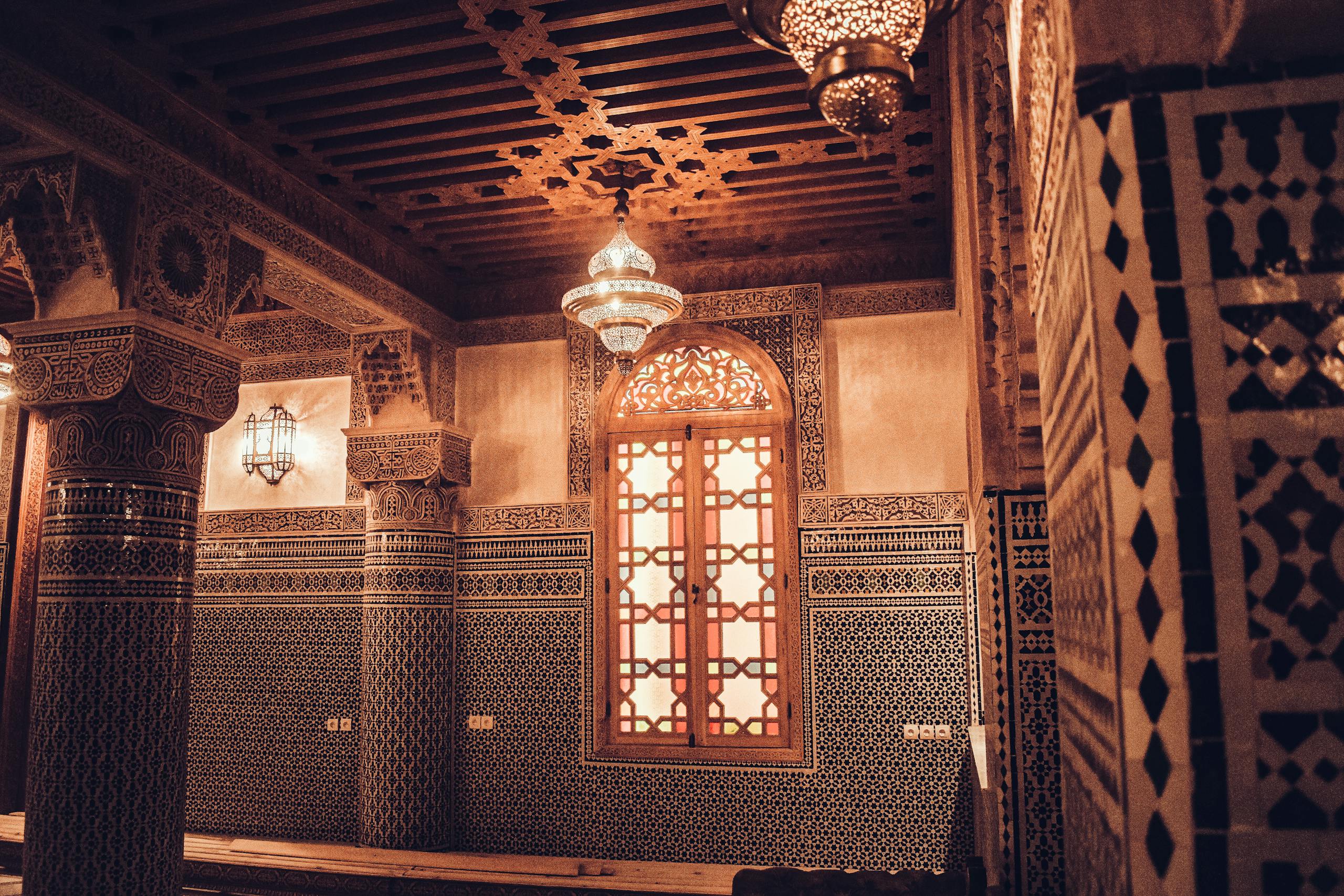
Traditionally, hammams are located near mosques, tied to the idea of purification before prayer. Inside, they’re usually made up of a series of tiled steam rooms, each at a different temperature—warm, hot, and then cooler—followed by rinse and recovery areas. I had the chance to visit an area like this in the Hassan II Mosque in Casablanca
There are no pools, as you might expect from a Turkish bath. Instead, everything happens in these shared steam rooms, often with high ceilings or domed architecture that holds in the heat.
But here’s what most people don’t realize:
Not all hammams in Morocco are the same.
There are traditional, local hammams that are rawer, more communal, and less guided, and spa-style hammams that are more structured, calmer, and much more beginner-friendly.
And that difference can completely change your experience in Marrakech
What to Expect at a Hammam in Morocco
If you’re short on time, here’s the real, no-fluff version:
You’ll change into disposable underwear, a wrap, or sometimes a swimsuit
You’ll be in a hot, steamy room to open your pores
Black soap (savon noir) is applied to your skin
You’ll sit and let it soak in
Then comes the exfoliation with a kessa glove, which can be intense
You rinse off and often get a massage afterward
It is not always gentle.
It can feel awkward if you’re not prepared.

What Actually Happens in a Hammam?
If you’ve never done a hammam before, the biggest question is usually: what actually happens once you walk in?
While the exact experience can vary depending on where you go, the general process is fairly consistent.
You’ll start by changing into whatever the hammam provides—usually disposable underwear, sometimes a robe, and in some cases a swimsuit if you’re more comfortable.
From there, you’ll move into a heated or steam-filled room to help open your pores. This is where your body starts to warm up and relax, at least in theory. In more traditional hammams, the rhythm often follows a set order: warm room, hotter steam, scrub, rinse, then a cooler recovery period. It’s meant to feel like a ritual, not a rushed in-and-out appointment.
Next comes the black soap, also known as savon noir. It’s applied to your skin and left to sit for a bit to soften everything before exfoliation.
Then comes the kessa glove—the exfoliating mitt that everyone talks about. This is where all the dead skin gets scrubbed away, and yes, it can be intense depending on the hammam.
After that, you’ll rinse off, and depending on the package you’ve chosen, you may move on to a massage, hair wash, or other treatments.
It’s a simple process on paper, but how it feels in practice depends entirely on the environment, guidance, and pace.
Are hammams open during Ramadan in Morocco?
Yes, hammams are generally still open during Ramadan.
Many spa-style hammams continue operating as usual, especially in cities like Marrakech, though hours may shift slightly. Traditional hammams may have more limited schedules or adjust around prayer and fasting times.
In my experience, I visited Les Bains du Lotus during Ramadan, and everything was running smoothly. We were even offered fresh juice on arrival, and the atmosphere felt calm and quiet. Please know that anyone in the service industry might be a bit tired from fasting, so be patient and kind!
One thing to keep in mind is that the overall pace of the day in Morocco changes during Ramadan. Even if your hammam appointment feels normal, the energy in the surrounding city might be slower and more subdued until after sunset.

Moroccan Hammam Etiquette Tips for First-Timers
A few practical things are good to know before you go.
- Bring flip-flops if they’re not provided, because the floors can get slippery fast. Bring water or drink plenty before and after, because the heat can really take it out of you. And if you’re sensitive to heat, pregnant, or have blood pressure issues, this is very much a “check first, don’t just wing it” kind of activity.
- It’s also worth knowing that traditional hammams are not always silent, hushed spaces like a Western spa. They can be social, busy, and communal. That’s part of the culture.
- Also: photography is a hard no. Which, honestly, should go without saying, but apparently it doesn’t. No one is there to become background content while they’re half-naked and exfoliating.
Hammam Health and Safety Tips for First-Timers
(Read This Before You Go)
A few things I really wish I knew before my first hammam:
🪒 Don’t shave right before
Shaving right before a hammam is not the move. The black soap and kessa glove can sting on freshly shaved skin, and what should feel exfoliating can quickly turn into “why did I do this to myself.”
👉 Give it at least 24 hours before (or just shave after instead).
🤰 If you’re pregnant, skip the traditional heat
Hammams can get very hot, especially in traditional steam rooms. Most guidance recommends avoiding high heat during pregnancy, particularly in the first trimester.
👉 If you still want the experience, look into lower-heat spa options and check with your doctor first.
🩸 Yes, you can go on your period (with a caveat)
You can still do a hammam while on your period, but you’ll want to use a tampon or menstrual cup. Pads won’t really work in this environment.
👉 If you’re unsure or uncomfortable, it’s totally fine to wait—but most modern, tourist-friendly hammams are used to this.
🫀 If you have high blood pressure, take it seriously
The heat and steam in a hammam can affect blood pressure more than you expect.
👉 If you have hypertension, it’s best to check with your doctor first, avoid the hottest rooms, and keep your session shorter. If you feel dizzy or off at any point, step out immediately.
💧 Hydrate more than you think you need
Between the heat, steam, and sweating, you can get dehydrated quickly.
👉 Drink water before and after (and don’t rush the experience).
🩴 Bring flip-flops if they’re not provided
The floors can get slippery fast, and this is not the place you want to test your balance.

Traditional Hammam vs Spa Hammam in Morocco
This is where I think a lot of first-timers get caught off guard, because these two experiences are often talked about like they’re the same thing when they really aren’t.
A traditional hammam is part of everyday life in Morocco. It’s local, communal, and much more functional than what most travelers expect.
People go regularly, bring their own products, and treat it more like a weekly ritual than a luxury experience. In some places, women bring their daughters, people catch up while they scrub, and the whole thing feels much more like community life than a polished treatment.
There’s usually very little explanation, and it can feel intense if you don’t know what you’re walking into.
A spa-style hammam, on the other hand, is designed with comfort in mind—especially for visitors. It’s more structured, more guided, and generally much calmer. You’re walked through each step, the environment is more relaxing, and there’s a stronger focus on making sure you actually enjoy the experience rather than just getting through it.
After doing both, or at least something close to both, I can say this pretty confidently:
If it’s your first time, start with a spa hammam, like Les Bain du Lotus
It gives you context. And if you decide later that you want to try a more traditional hammam—like Hammam Mouassine—you won’t be going in completely blind the way I was the first time.
How My First Hammam Experience went
To ease your fears about your first Hammam experience, I wanted to share what mine was like in Morocco. Maybe this will help you ease into it all.
My experience in Fes
I won’t mention the Spa we went to, but I’ll let you know it was at a hotel Gadventures uses.
During my first trip to Morocco, I was in Fes on a G Adventures tour. Our guide told us he knew a place and that it would be fantastic, so after a day wandering through the medina, we stopped in to book appointments for the next day.
At that point, I was excited and nervous. Mostly excited. I’d heard about hammams, I was curious, and I thought this was going to be one of those relaxing, cultural experiences you look back on and rave about.
This would turn out to be not that.
What happened at my First Hammam in Fes
The next day, we went back and were told we’d go in one at a time. I was first, which immediately made everything worse. No one was speaking English, my French was hanging on by a thread, and I was basically motioned to take everything off, put on the disposable underwear, and walk through the doors.
So I did, trying to cover my chest while also pretending I knew what I was doing.
I sat down, and before I could even process what was happening, water was being splashed on me from every direction. Then came the black soap. The woman tried to show me something, but I had soap in my eyes and no idea what step we were on. Then she poked me and said, “Sauna.”
I ended up in this tiny steam room with a door that didn’t even close properly. The lights were bright, it smelled musty, and I sat there for about ten minutes fully questioning my life choices. What part of this was supposed to be relaxing?
Then came the part I had actually been looking forward to—the exfoliation with the kessa glove.
Except instead of feeling refreshed and renewed, I felt like I was being aggressively sanded down. She scrubbed me so hard I genuinely thought I might fall off the table because you do slide around on the mat that is over the table slab. It was intense, rushed, and completely different from what I had imagined.
The only part that actually felt good was the massage at the end. That was the one moment where things slowed down, and I could finally relax.
But by then, the damage was done. I walked out confused. Not refreshed. Not glowing. Just wondering why people recommend this experience so much.
My Second Hammam Experience in Marrakech (Redemption)
Fast forward to March of this year.
I planned a five-day girls’ trip to Marrakech, and one of the experiences on the itinerary was, of course, a hammam. After what happened in Fes, I was very much on the fence. But at the same time, I wasn’t about to sit it out while everyone else went, so I decided to give it another shot.
This time, we went to Les Bains du Lotus, and immediately, everything felt different.
From the moment we walked in, there was structure. The receptionist welcomed us, offered fresh mint and cucumber juice, and calmly explained how everything would work. No guessing. No confusion. Just clear steps and options.
We were even able to choose our essential oils for the experience—rose, mint, vanilla, and sweet orange blossom. I chose orange blossom, and somehow that small detail alone made the whole thing feel more relaxing from the start.
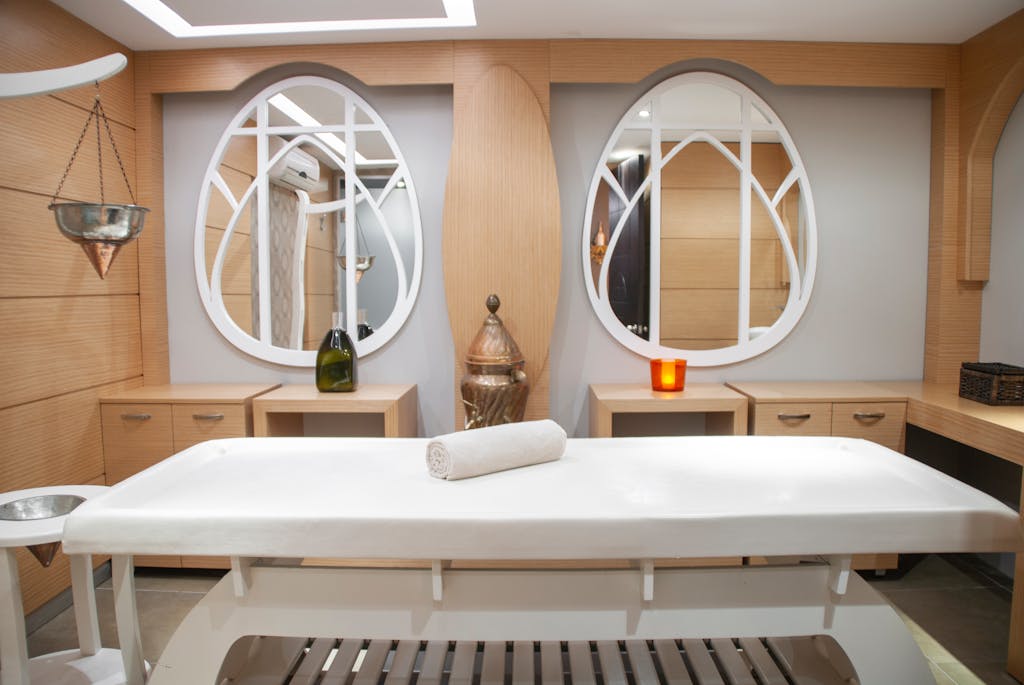
We changed in a proper locker room with space to get ready, and I could already tell this was going to be nothing like my first experience. There was a process. There was an intention. I even got to choose how firm I wanted my massage to be, which felt like a luxury after the chaos in Fes.
What happened in the steam room…
I was paired with one of the women I was traveling with, which I thought might be awkward, but it really wasn’t. It actually made the whole experience feel more comfortable.
We were led into a dimly lit hammam room with candles instead of harsh overhead lights, and from that moment on, everything just felt calm.
I lay down on a warm stone surface as the process began, and this time, every step felt like part of a ritual rather than a surprise. When the black soap was applied, we were given time to sit and let it do its thing. I remember lying there, chatting quietly with my friend, thinking: this is what this is supposed to feel like.
Then came the scrub.
Same Kassa glove. Completely different experience.
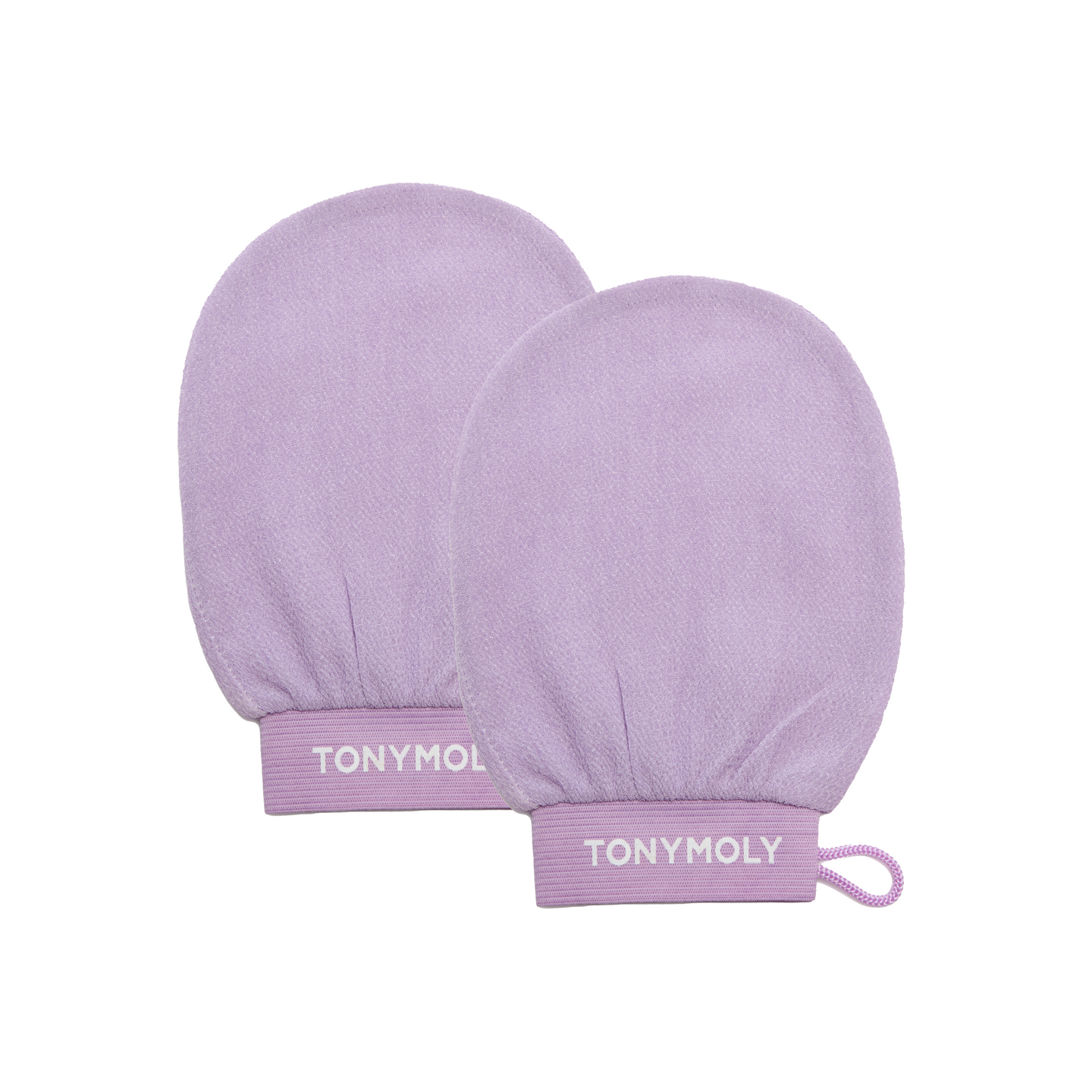
No aggressive scrubbing. No feeling like I was about to fall off anything. Just a steady, controlled exfoliation that actually felt good. The scent of orange blossom filled the room, and for the first time, I understood why people love this.
After about 30 minutes, we moved into the massage room, and it was pure bliss. My hair was washed, the tension in my shoulders disappeared, and for once, I was fully relaxed instead of mildly stressed and confused.
Afterward, we were invited to sit, have tea, and enjoy a few small snacks.
Why the Two Experiences Felt So Different
It was how the experience was delivered.
In Fes, everything felt chaotic from the start. No one explained what was happening; there was a clear language barrier, and I felt like I was constantly trying to catch up to what was going on around me. Nothing felt intentional—it just felt like I had been dropped into the middle of something I didn’t understand and expected to figure it out on the spot.
In Marrakech, it was the complete opposite.
From the moment we walked into Les Bains du Lotus, there was structure. Things were explained. There was a clear flow to the experience, and I never felt confused about what was happening next. Instead of trying to keep up, I could actually relax into it.
And that’s the part that really surprised me: the difference in experience had very little to do with the actual steps of the hammam.
Both included steam, black soap, exfoliation, and a massage. But one felt stressed, rushed, and uncomfortable. The other felt calm, intentional, and genuinely enjoyable.
Even the price difference didn’t explain it.
In Fes, I paid around $50.
In Marrakech, I paid about $66.
That’s a pretty small jump for a completely different experience.
How to Book a Hammam in Marrakech
If you’re planning to try a hammam in Marrakech, booking one is actually pretty straightforward, but how you book can affect the experience you get.
Book Directly Through the Hammam
You can book directly through a hammam’s website, which is what I’d recommend if you already have a specific place in mind. This gives you the most control over what you’re booking, what’s included, and the type of experience you’re signing up for. They do accept PayPal, so you should have nothing to worry about!
Book a Hammam with a Tour Operator
You can also book through a tour company, especially if you’re doing a group trip or working with a travel company, as I did. This is how I booked my second hammam experience. I went through Happy Nomads Morocco, and Libby picked the perfect Hammam, Les Bains Du Lotus! It’s nice to have someone on the ground who knows Marrakech.
Tour Operators
Tour operator platforms also offer Hammam experiences. You can go through GetYourGuide or Viator to find the perfect one for your trip! That being said, always read the reviews and the ratings. I’ve included various links from GetYourGuide and Viator below so you can be informed and find what works for you!
Check out experiences on GetYourGuide
Check out experiences on Viator
Book Through Your Hotel
Another option is to book through your hotel or riad. This is convenient, but it can be a bit of a wildcard depending on what they recommend.
If I had to give one clear recommendation, it would be this:
Book a spa-style hammam directly—somewhere like Les Bains du Lotus—so you know exactly what kind of experience you’re walking into.
Is a Hammam in Morocco Worth It?
Yes! Absolutely!
If you’re building out your Morocco itinerary, this is one of those cultural experiences I’d prioritize—similar to how I approached planning time in Casablanca.
A hammam in Morocco is absolutely worth experiencing, but it’s not something you want to walk into blindly, especially if you don’t know what to expect.
Because the problem wasn’t the hammam.
It was going in without understanding the experience.
Now that I’ve done it twice, once badly and once properly, I’d absolutely do it again.
Frequently asked questions about Hammams in Morocco
Here are the most common questions I had (and wish I had answers to) before my first hammam in Morocco.
Most people wear disposable underwear or nothing at all, depending on the hammam.
Traditional hammams: less flexibility, more local norms
Spa hammams: more flexible and often allow underwear or swimwear
If you’re unsure, choose a spa hammam where you’ll have more control over what you wear.
The cost of a hammam in Morocco varies by type:
Traditional hammam: about $1–$5
Spa hammam: about $40–$100+
From my experience, I paid around $50 in Fes and $66 in Marrakech, but the spa experience was significantly more structured and relaxing.
Yes, in many spa-style hammams, you can wear a bathing suit.
Some traditional hammams may expect disposable underwear or nudity, but spa hammams are usually more accommodating for tourists.
At Les Bains du Lotus, wearing a bathing suit was completely fine.
YES! I was so nervous and awkward even during my 2nd time. I think if you know what to expect, you’ll be fine! It was the nudity for me, as a westerner who grew up in traditional spaces; it was hard for me!
Absolutely, YES! Book ahead via the options I’ve mentioned above!
Absolutely, and it might be a bit less awkward than with the friend group.
Absolutely, you could absolutely ask your hotel about hammams in Casablanca. Most hotels can recommend a reputable place nearby or even help you book one.
