
Fête du Citron: A Complete Guide to Menton’s Lemon Festival

Looking for a winter escape that’s colorful, cultural, and refreshingly different? Every February, Menton transforms into a living art installation during the Fête du Citron, one of the most unique winter festivals in Europe.
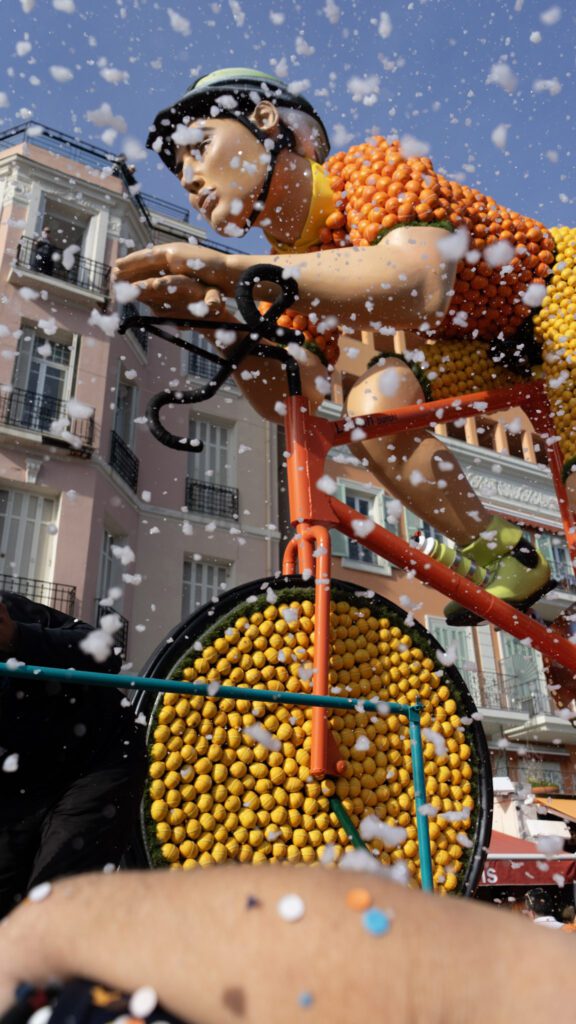
Think monumental sculptures built entirely from lemons and oranges, nighttime parades glowing with lights and fireworks, and citrus-scented streets framed by pastel buildings and the Mediterranean beyond.
I’ve attended the Fête du Citron twice, and it remains one of the most surreal—and joyful—festivals on the French Riviera. It’s not just something you see; it’s something you experience.
This guide covers when to go, what to see, how to plan your visit, where to stay, and why this festival is so deeply tied to Menton’s identity—with practical tips and local context you won’t find on the official site.
This Post Pairs Well With:
- Where To Stay in Menton: Best Areas + Map
- The Best Tours in Menton, France You Should Absolutely Take
- The Perfect 5-day Menton in February Itinerary
- The Perfect Guide to Menton, France

Fete Du Citron at a Glance
Where: Menton, France
When: Mid-February to early March
Main venues: Jardin Biovès (sculptures), Promenade du Soleil (parades)
- Citrus gardens: €7–10
- Orchid & Winter Garden: €7–9
- Day parades (Sunday): €10–14 standing | €25–35 seated
- Night parades (Thursday): €15–18 standing | €30–40 seated
Tickets released: December (official site)
Best photos: Late afternoon in the gardens; just before night parades
Best areas to stay: Old Town, Garavan, central Menton

Where the Fête du Citron Takes Place
Set between the Mediterranean and the foothills of the Alps, Menton is the final French town before the Italian border—and the setting plays a major role in the festival’s magic.
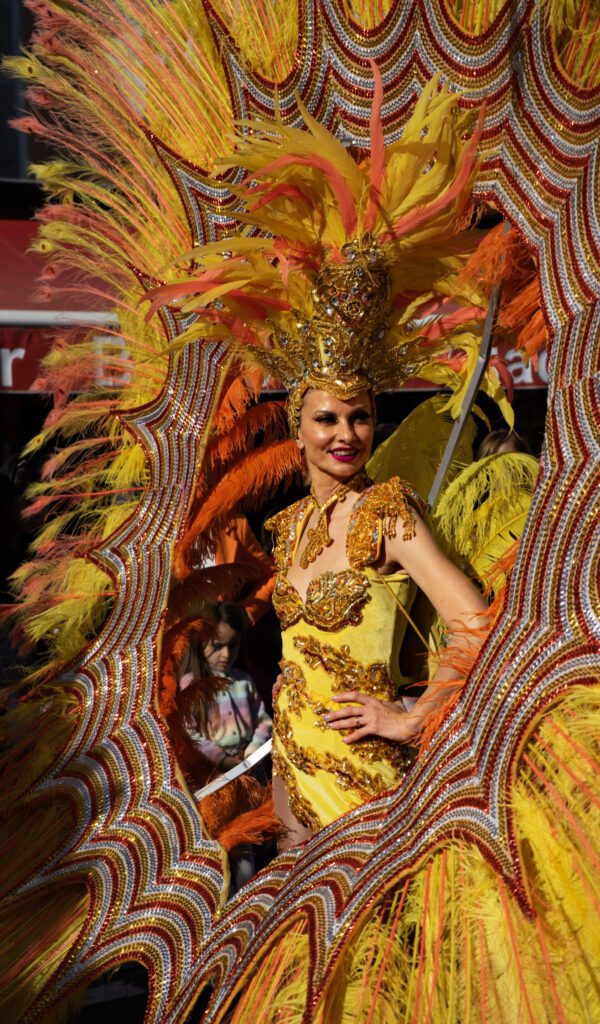
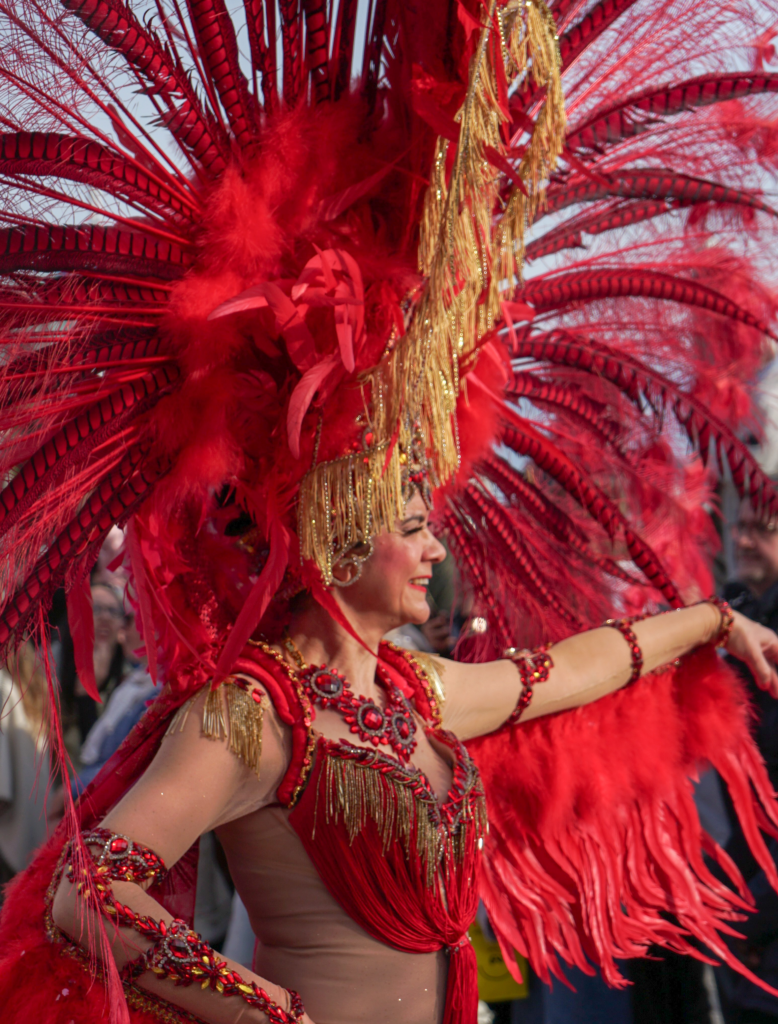
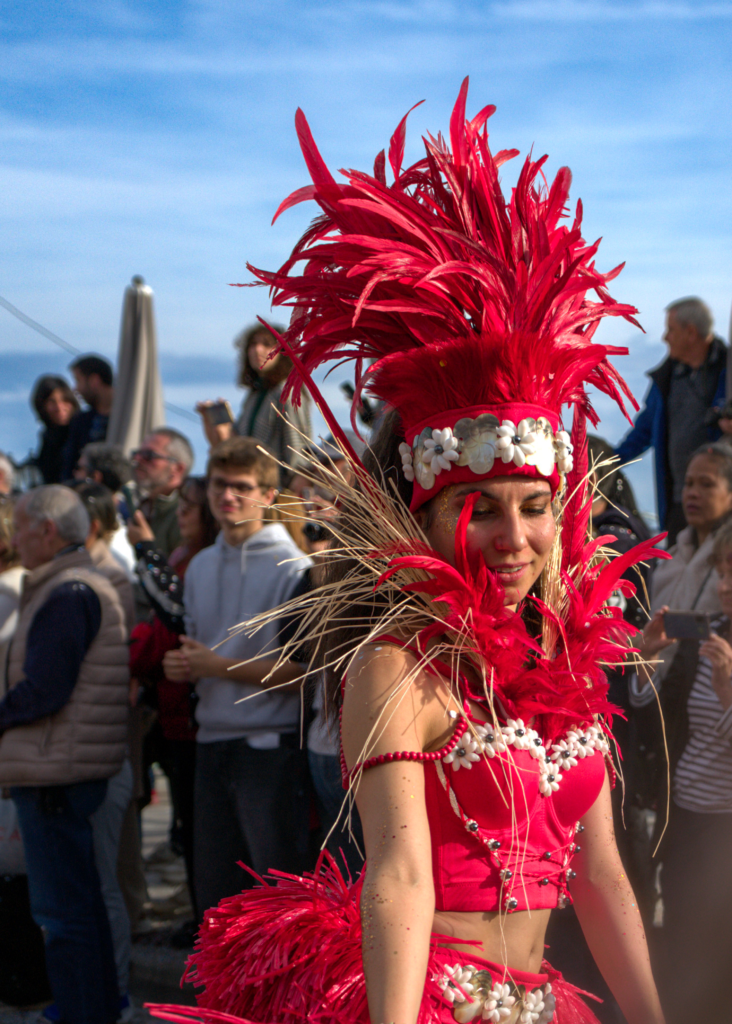
The Promenade du Soleil becomes the parade route, while Jardin Biovès hosts the towering citrus sculptures that define the festival. With the sea on one side and Menton’s historic architecture on the other, the entire town feels like part of the celebration.
This isn’t a festival contained in one venue. It spills into cafés, markets, shop windows, and conversations


Dates, Themes & Tickets (What You Need to Know)
When Is the Fête du Citron?
The festival typically runs from mid-February to early March, spanning just over two weeks. Events include:
- Day parades (usually Sundays)
- Night parades (usually Thursdays)
- Daily access to the citrus sculpture gardens
Dates change annually, so always confirm on the official website before booking. In 2026 the Fete Du Citron will be happening from February 14th to March 1st
Festival Themes
Each year brings a new theme, which shapes the sculptures and floats. Past themes have ranged from Olympic tributes to fantastical space journeys, giving repeat visitors a completely different experience each time.
This rotating theme is one of the reasons the Fête du Citron feels fresh—even if you’ve attended before.
Tickets & Seating
Tickets are sold directly through the official festival website and are typically released in December.
Important tip:
If you want seated views of the parades, book early. Standing areas fill quickly, and last-minute visitors often miss out on the best vantage points.
Can You Visit the Fête du Citron on a Day Trip?
Yes—but it comes with trade-offs.
Menton is easily reached by train from Nice, Monaco, and other Riviera cities, making a day trip feasible. However, festival days are crowded, and access to certain areas may require passes or planning.
If you want flexibility, easier movement, and time to explore the gardens without rushing, staying overnight in Menton is worth it, especially during peak festival days.
You’ll also need to plan around other Carnival events on the French Riviera.
The Fête du Citron is ideal for you if you:
Enjoy visual art and festivals
Like winter travel without beach crowds
Are planning a longer Riviera stay
It may not be ideal if you:
Want spontaneous, crowd-free wandering
Are visiting on a very tight timeline
A Zesty History of the Fête du Citron
Firstly, let’s zest up our knowledge with a bit of history (see what I did there?). The Fête du Citron (Lemon Festival) has been adding a splash of color to Menton, France, since 1934. It all started when hotel owners in the 1930s wanted to surprise their guests with a vibrant new event—and just like that, the Fête du Citron was born! But why lemons, you ask? Well, Menton isn’t just another pretty town on the French Riviera; it’s blessed with a unique microclimate that makes it an ideal place for growing citrus, especially lemons.
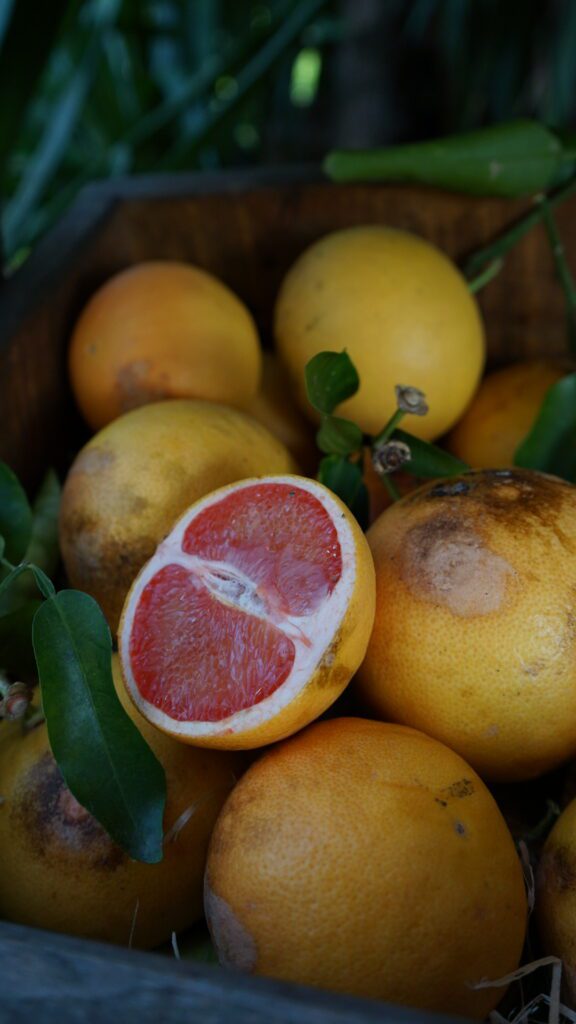
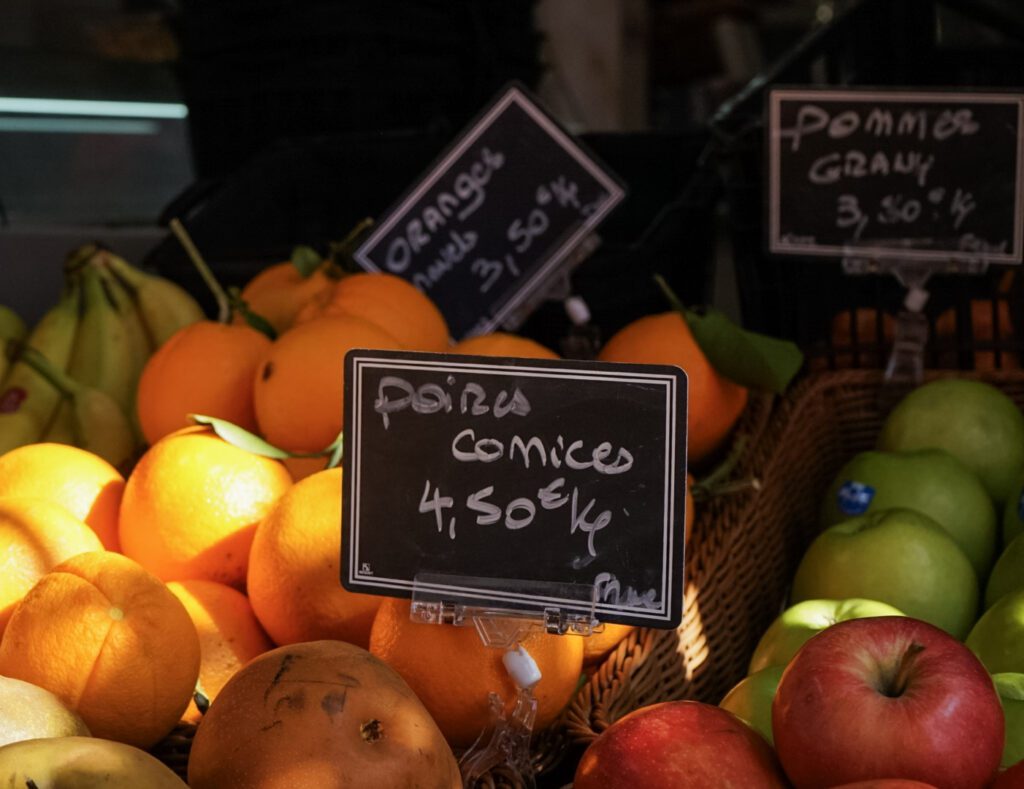
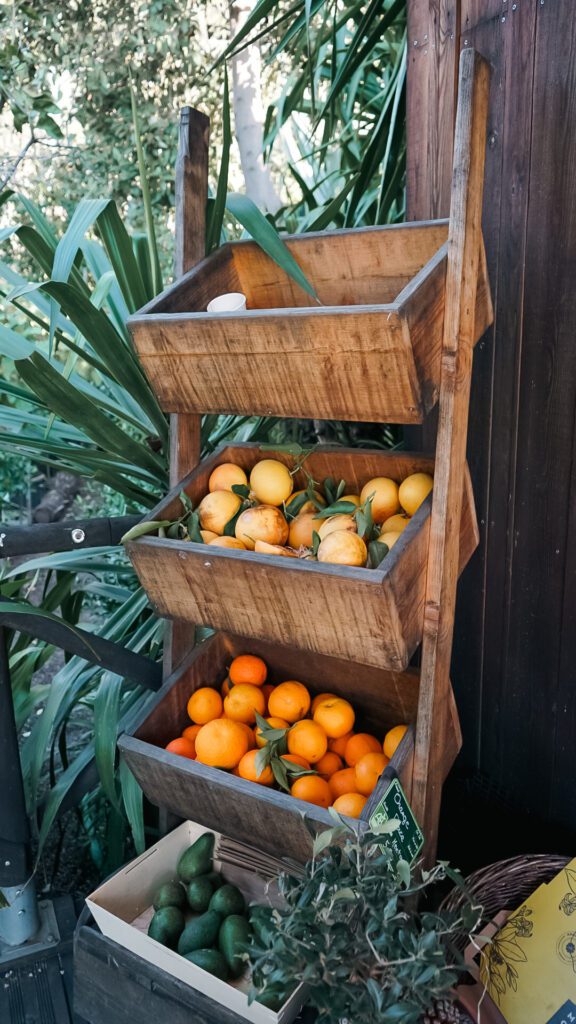
And these aren’t just any lemons; they’re the famous Menton lemons—prized for their sweetness, rich aroma, and impressive size. They even hold IGP (Indication Géographique Protégée) status, meaning they are geographically protected and cannot be commercially grown outside the region. I discovered just how special they were when I realized I could eat a whole Menton lemon on its own—something I never thought possible!
However, there’s a surprising twist! The lemons and oranges used in the festival’s massive sculptures and parade floats aren’t actually from Menton. Because of their IGP status, the town outsources these citrus fruits from other countries to protect the local harvest. So while the festival celebrates the town’s lemon-growing heritage, the actual Menton lemons remain a rare and protected delicacy—one that you absolutely must taste while visiting!
What to Expect at the Fête du Citron
The Fête du Citron is colorful and playful, but it’s also very real. During the festival, Menton feels busier than usual—music drifts through town, the air carries a faint citrus scent, and nearly every street leads toward something unexpected made entirely from lemons and oranges.
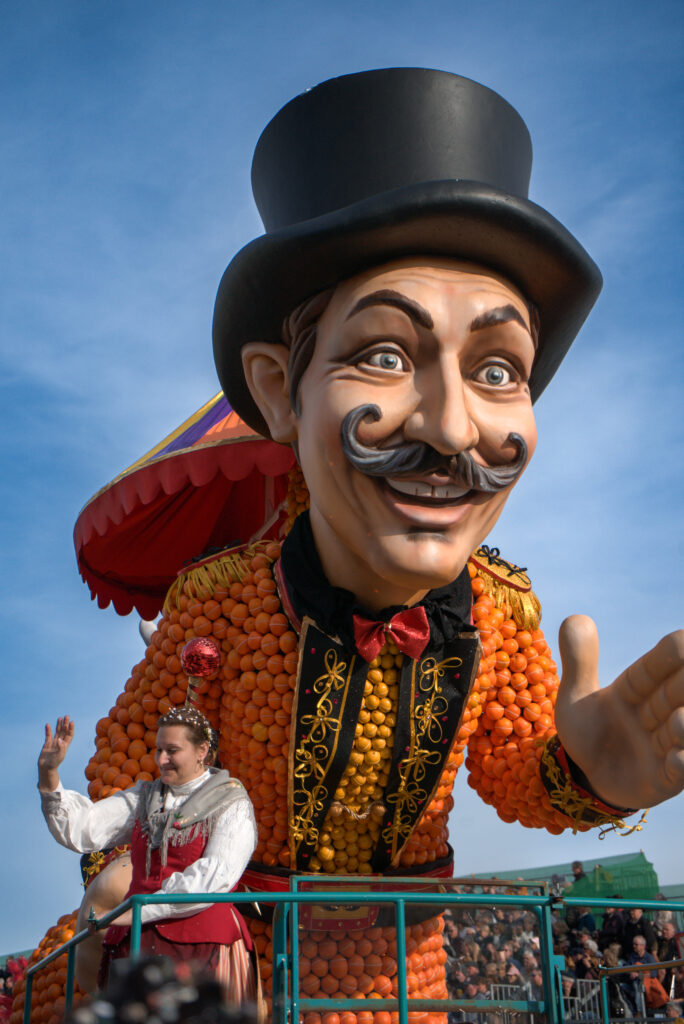
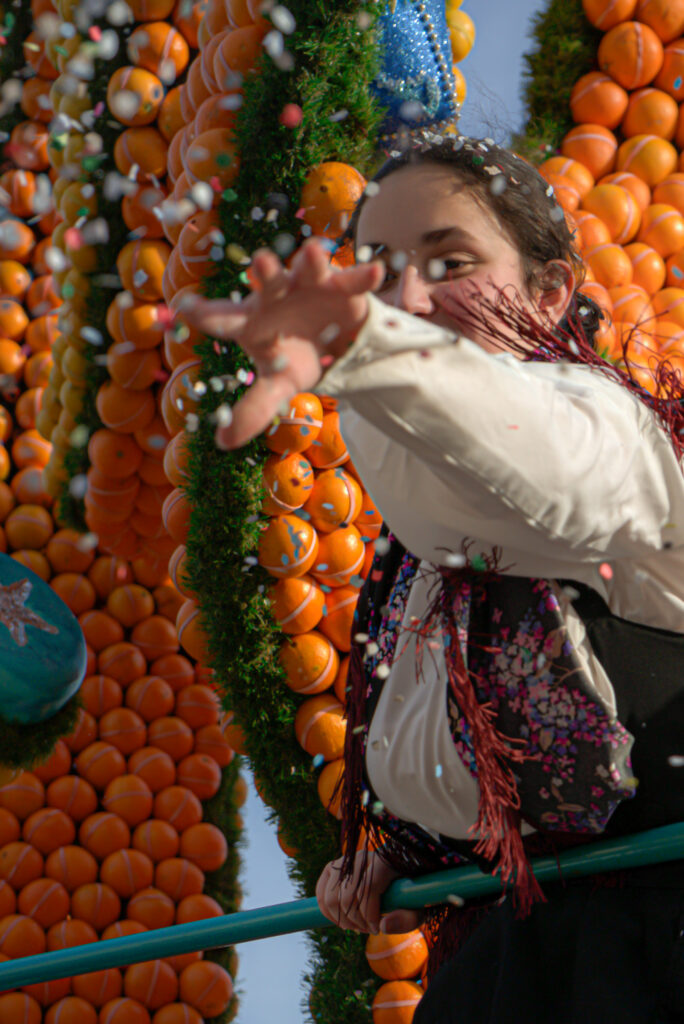
What surprises most people is the scale. These aren’t small decorations. The sculptures and parade floats are enormous, built from thousands of pieces of fruit and assembled by hand. Once you slow down and look closely, the craftsmanship becomes the main attraction—not just the spectacle.
Crowds are part of the experience, especially on parade days. If you don’t have reserved seating, arriving early matters. Sundays fill up quickly, and showing up just before the parade starts usually means standing far back or missing key moments. Planning your timing—rather than trying to wing it—makes the day far more enjoyable.
Jardin Biovès is where the festival feels most approachable. The garden setting is calmer than the parade route and gives you space to take in the details: the structure behind each sculpture, the symmetry, and the sheer amount of work involved. Even if you’re not typically drawn to festivals, this part is worth your time.
For a quieter break from the crowds, the Orchid and Winter Garden exhibition at the Palais de l’Europe is a good counterbalance. You can enter at any point during opening hours and move at your own pace, making it a welcome reset during busy festival days.
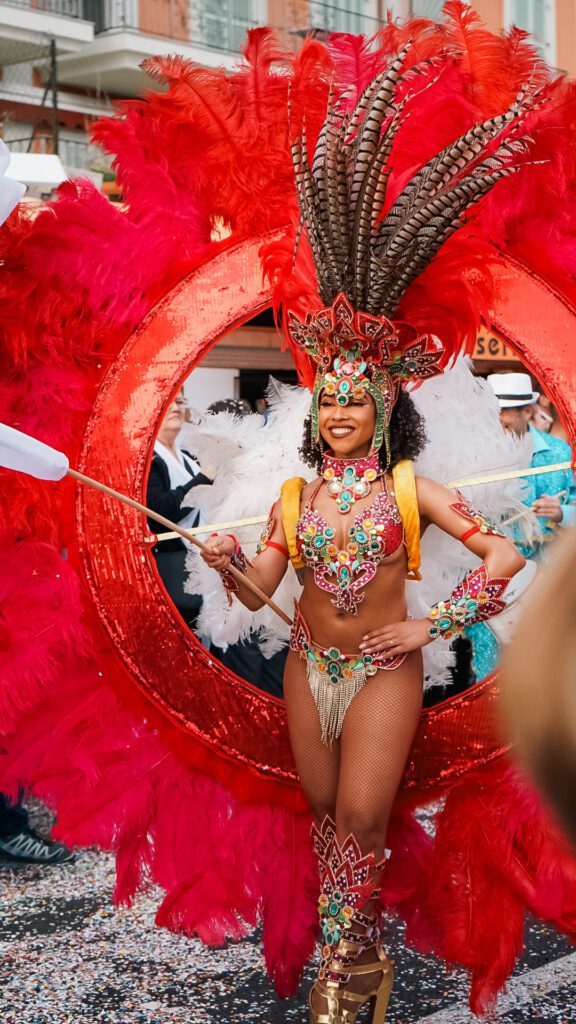
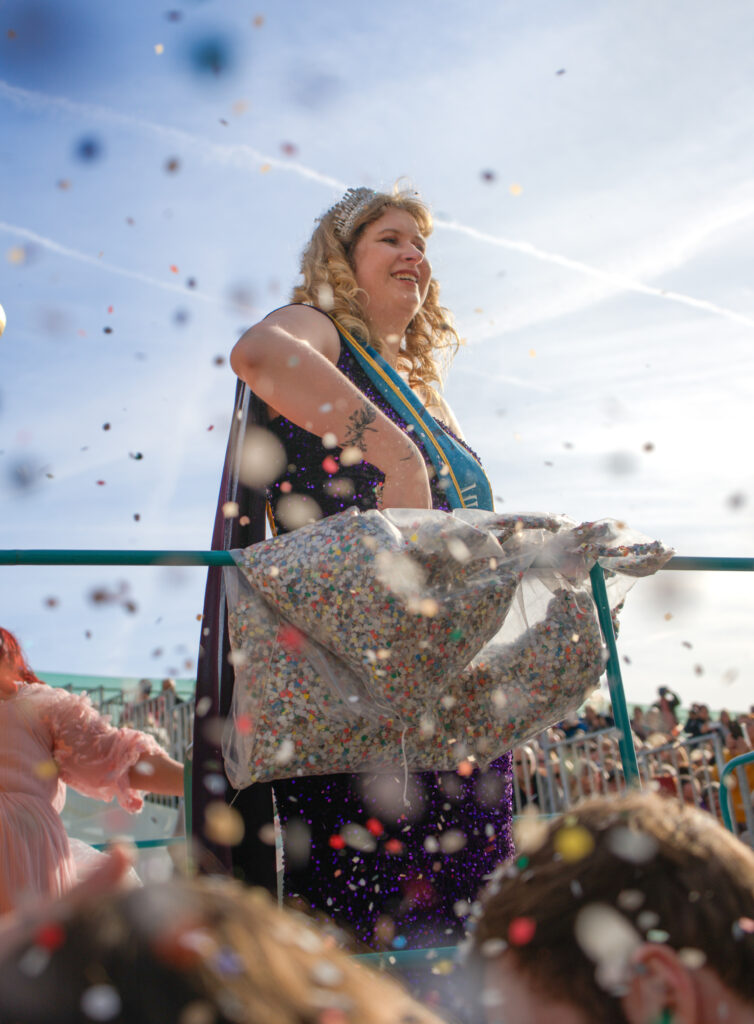
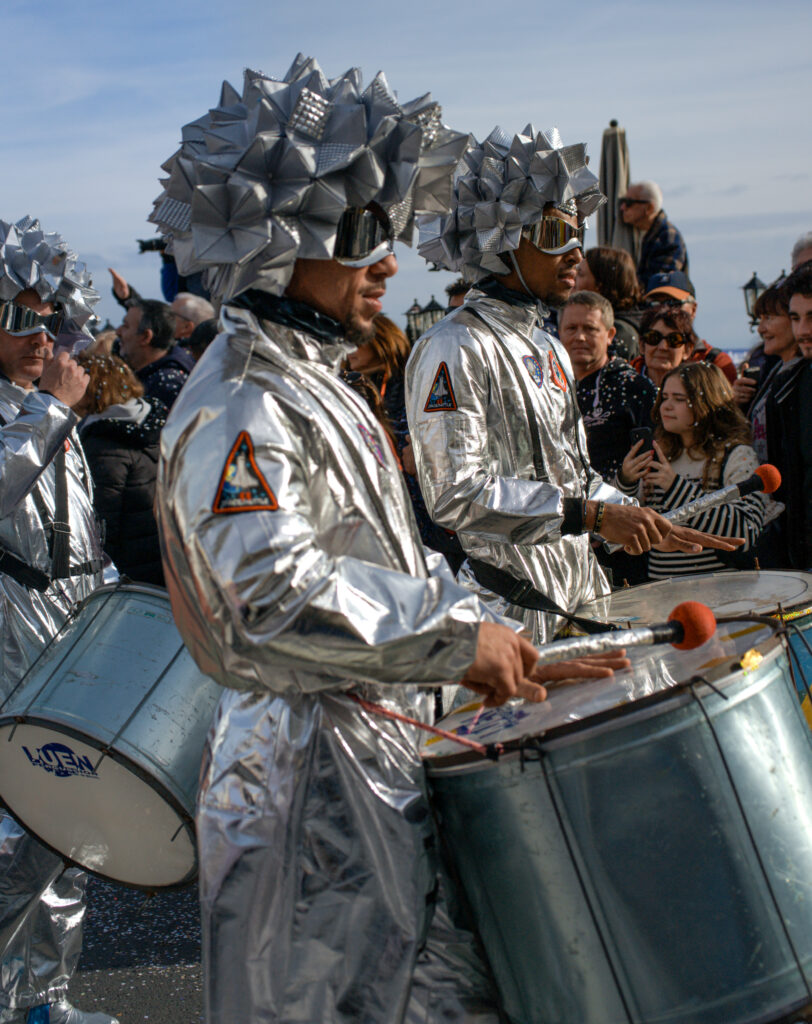
If you’re choosing between events, the difference is simple: daytime parades are lively and family-friendly, while the night parades feel more theatrical, with illuminated floats and fireworks. If you only have time for one, the night Corso tends to be the most memorable.
And one practical note that’s easy to miss: tickets don’t allow re-entry, but if events sell out, there is an official resale platform. It’s the safest way to find last-minute tickets without overpaying.
The Fête du Citron rewards travelers who plan lightly but intentionally. You don’t need to see everything—just give yourself enough time, arrive earlier than you think, and let the experience unfold rather than rushing through it.
Pro Tip: Before you dive into all the citrus goodness, check with the Menton, Riviera & Merveilles Website or hop on their website to see what exclusive events are happening.
They’ve been known to offer fun things like hiking tours where you can hit up the 10 most jaw-dropping viewpoints in Menton.
Oh, and don’t forget to peek at the Fête du Citron official website for some VIP-like access to secret offers. You’ll feel like a citrus festival celebrity!
Fête du Citron FAQs: What to Know Before You Go
The Fête du Citron is Menton’s annual Lemon Festival, held every February, featuring massive citrus sculptures, themed parades, and events celebrating the town’s lemon-growing heritage.
The festival typically runs from mid-February to early March, with specific dates announced each year. Events span multiple weekends and weekdays, including day and night parades.
Yes—February is actually one of the best times to visit Menton. The weather is mild, the town feels lively without peak-summer crowds, and the festival adds color and energy to the quieter winter season.
Yes, tickets are required for the citrus sculpture gardens and parade seating. Tickets are released on the official website, usually in December, and seated options sell out quickly.
You can, but staying overnight in Menton makes the experience far more enjoyable. Day trips are doable by train, but crowds and limited access zones can make same-day visits feel rushed.
The citrus sculptures are displayed in Jardin Biovès, while the parades take place along the Promenade du Soleil, right by the sea.
No. Menton lemons have protected IGP status, so the citrus used for sculptures is sourced elsewhere to protect the local harvest. You can still taste real Menton lemons in food and local products.
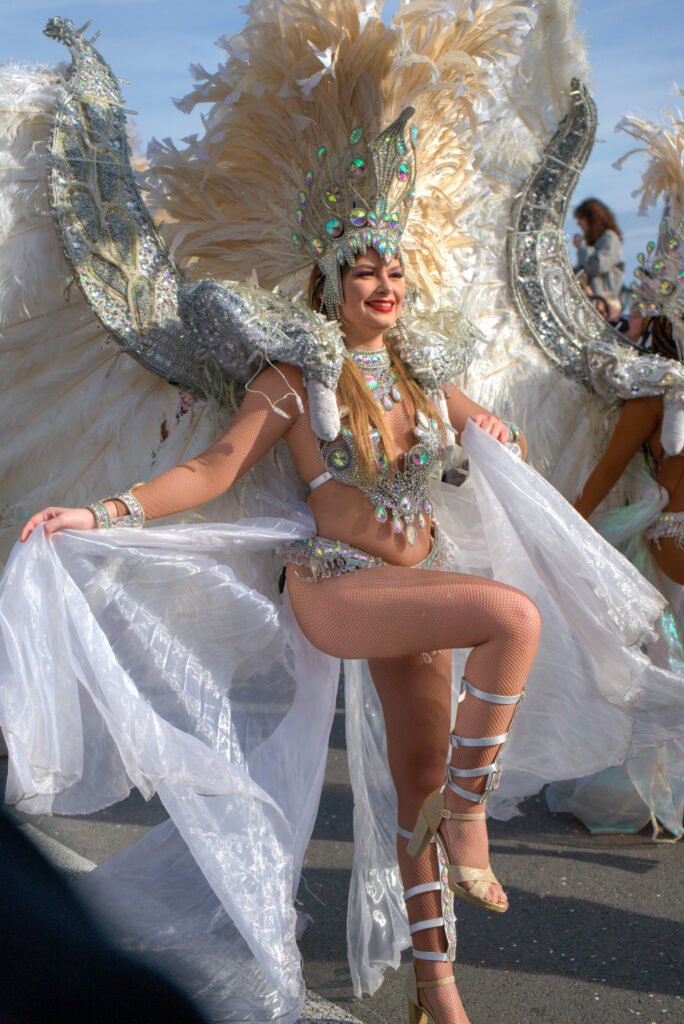
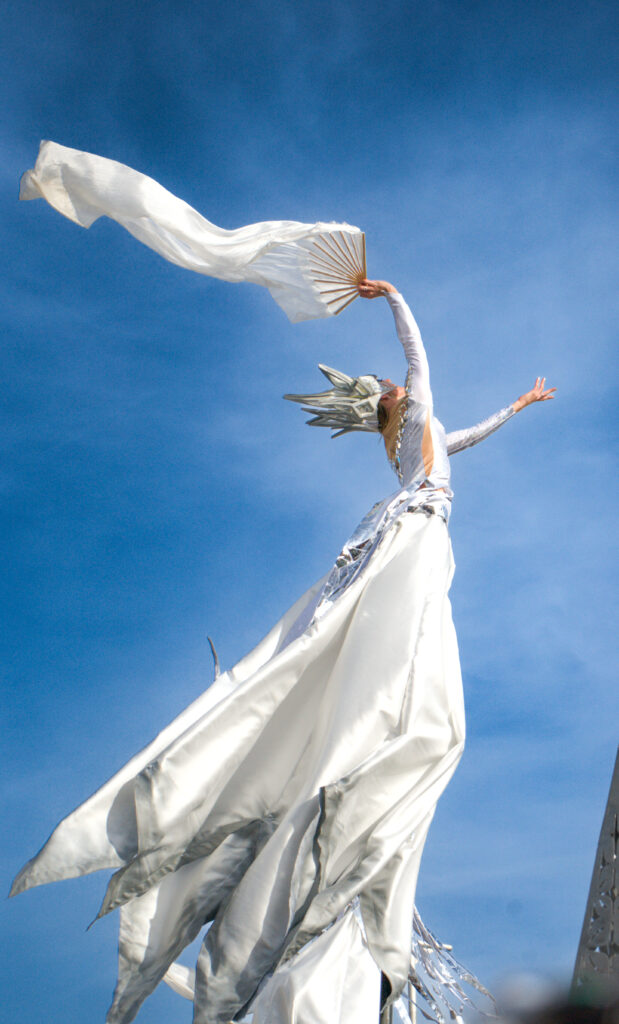
Day parades focus on costumes, floats, and music, while night parades add illuminated floats, performances, and fireworks. Both are worth seeing if your schedule allows.
It can be—if you plan carefully. Visiting the gardens early in the day, choosing weekday events, and staying centrally in Menton all help avoid the busiest moments.
Final Thoughts: Is the Fête du Citron Worth It?
If you’re looking for a winter festival that’s creative, deeply local, and genuinely unlike anything else in Europe, the answer is yes.
The Fête du Citron isn’t just about lemons. It’s about place, tradition, and a town that knows how to celebrate itself without trying too hard.
Pair it with a slow stay in Menton, walk everywhere, eat well, and let the festival unfold naturally around you.
And fair warning: once you’ve experienced it, you may find yourself planning your next February around it—just like I did.
