
A First Timers Guide to the Dolomites: How to Plan your trip, Where to Stay, What to Expect
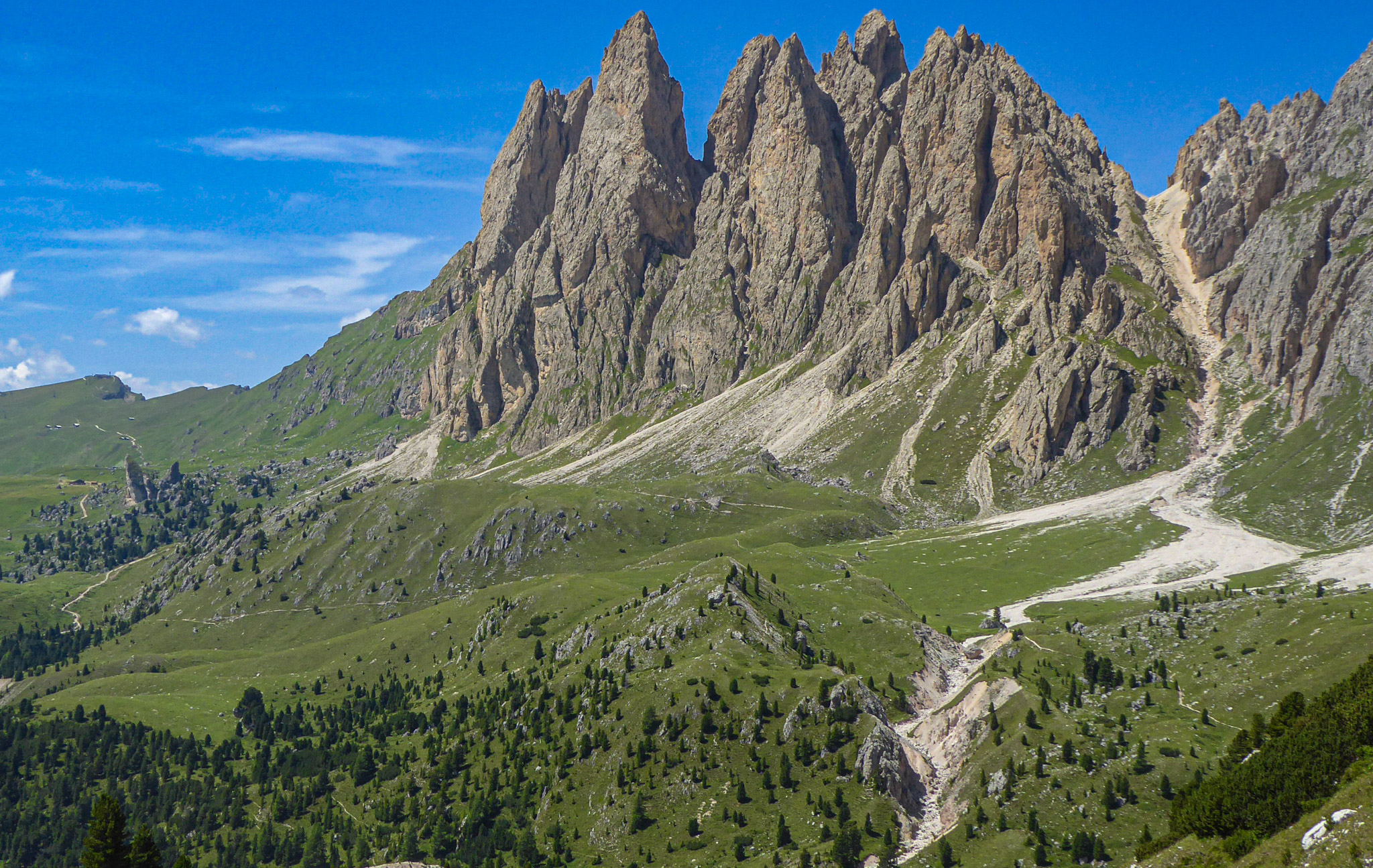
If you’re planning your first trip to the Dolomites and feeling equal parts excited and overwhelmed, you’re in the right place.
In my opinion, the Dolomites are one of the most breathtaking mountain regions in Europe: dramatic limestone peaks, turquoise lakes, alpine meadows, and storybook villages, but they’re also not the easiest destination to understand at first glance. They aren’t in one town. They aren’t one park. And most travel guides assume you already know how everything fits together.
That’s where first-timers tend to get stuck.
Questions like:
- Where should I base myself in the Dolomites?
- Do I need a car in the Dolomites?
- Is this realistic if I’m not a hardcore hiker?
- When is the best time to go to the Dolomites?
- Is it safe to travel the Dolomites solo?
I’ve spent years traveling, hiking, and slow-exploring the Dolomites, in different seasons, staying in valley towns and mountain rifugios, using trains, buses, and cable cars, and learning what actually matters when you’re planning a trip here for the first time.
This guide is designed for first-time visitors to the Dolomites — especially solo travelers, hikers, and travelers who want incredible scenery without feeling rushed, overwhelmed, or stuck in crowds.
Before we dive into routes, seasons, and planning details, let’s start with the big picture.
The One Thing First-Time Visitors Usually Miss
One of the biggest mistakes first-time visitors make when planning a Dolomites trip is thinking of the region as a single destination — when in reality, it’s a collection of valleys, villages, and mountain groups spread across a large area.
This matters more than people realize.
Distances here don’t work the way they do in cities or even along the coast. A place that looks close on a map might require a mountain pass, a series of switchbacks, or multiple forms of transport to reach. That’s why understanding the geography first — before choosing hikes, hotels, or even travel dates — can completely change how smooth (or stressful) your trip feels.
Once you see how the Dolomites are laid out, planning stops feeling overwhelming and starts feeling intentional.
So before we talk about where to stay, how to get around, or which hikes to prioritize, let’s get oriented
Dolomites at a Glance
If you only remember one thing: choose one base, plan around the season, and leave space for weather.
Location:
Northeastern Italy, spanning the regions of Veneto, Trentino, and South Tyrol
What They Are:
A UNESCO-listed mountain range made up of dramatic limestone peaks, alpine meadows, valleys, and traditional villages — not a single town or park
Best For:
First-time mountain travelers, hikers of all levels, photographers, skiers, slow travelers, and solo travelers looking for nature with infrastructure
How Big Are the Dolomites?
Vast. The range stretches across multiple provinces, which is why choosing the right base matters more than trying to “see it all”
Top Experiences:
Hiking the Alta Via 1, Alta Via 2, Palaronda Trek, and taking in the various festivals in the Dolomites
Languages Spoken:
Italian, German, and Ladin — many towns and rifugios use all three names
Best Time to Visit:
June–September for hiking and hut to hut-to-hut season
September–October for fall colors and Almabtrieb
December–March for skiing and winter activities
Good to Know for First-Timers:
You don’t need to be an extreme hiker to enjoy the Dolomites. Many iconic views are accessible by cable car, short walks, or easy day hikes.
Before we get into planning details, let’s clear up the biggest first-timer question — where exactly are the Dolomites?.
Where Are the Dolomites? (+ Map)
If this is your first time planning a trip to the Dolomites, you’re not alone in feeling a little confused about where they actually are — and that confusion is completely normal.
The Dolomites are not a single town or park. They are a vast mountain range in northeastern Italy, stretching across several regions and provinces. This is exactly why trip planning can feel overwhelming at first — but once you understand the layout, everything starts to click.
Geographically, the Dolomites sit:
- About 2–3 hours north of Venice
- East of Verona
- South of Innsbruck, Austria
- Along the borders of Veneto, Trentino, and South Tyrol
They’re part of the Southern Limestone Alps and are a UNESCO World Heritage Site — but unlike a national park with one entrance, the Dolomites are spread out across valleys, villages, and mountain passes.
This is why choosing the right base matters more than trying to see everything.
Once you see the Dolomites on a map, two important things become clear very quickly:
- You cannot “do it all” in one trip — and that’s okay. You’ll want to break it down int 3,5 and 7 and 12 day itineraries.
- Planning by region, not by famous Instagram spot, leads to a much better experience.
- Fit one or two of the classic Dolomite locations in, and you’ll be good!
- Don’t be afraid to venture off to lesser known spots like the Belluno National Park, or Friuli where the Carnic Alps are.
In the sections below, I’ll help you understand how these regions differ, where first-timers should base themselves, and how to plan a trip that feels exciting — not exhausting.
Why This Layout Matters for Planning Your Trip
Once you understand where the Dolomites are, the next thing to know is that not all Dolomite regions offer the same experience, even though the landscapes are all spectacular.
Some valleys are better suited for first-time visitors who want easy access to trails, cable cars, and public transportation. Others are quieter, more remote, or geared toward experienced hikers and skiers. Travel times between areas can vary dramatically depending on whether you’re crossing a mountain pass, following a valley road, or relying on buses and trains.
This is why most successful first-time Dolomites trips focus on one primary base or region, rather than hopping from place to place.
When you choose your base with geography in mind, everything else — where to stay, when to visit, how to get around, and which hikes actually make sense — becomes much easier to plan.
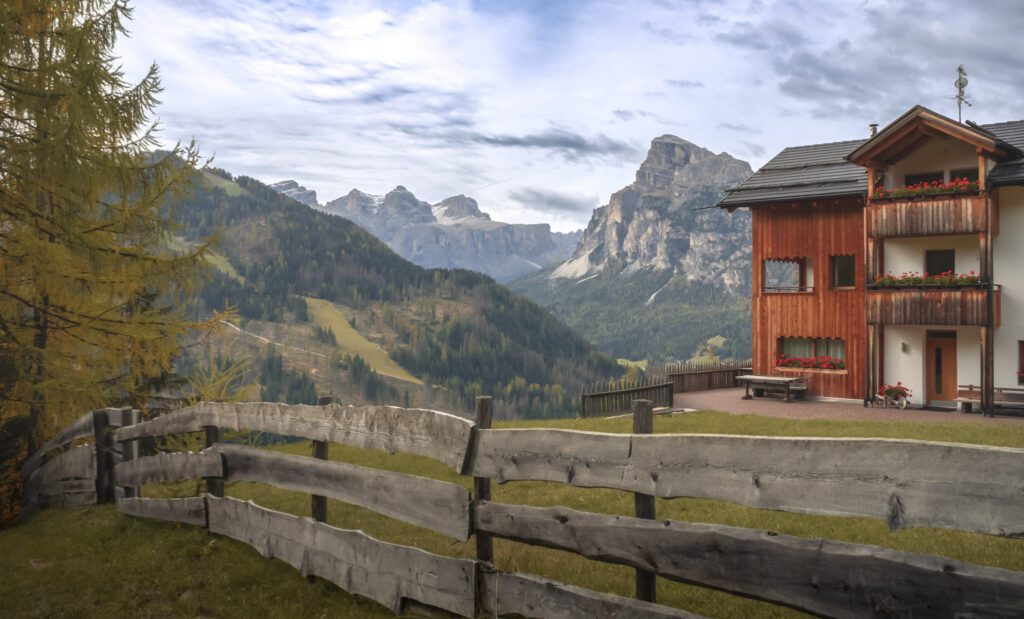
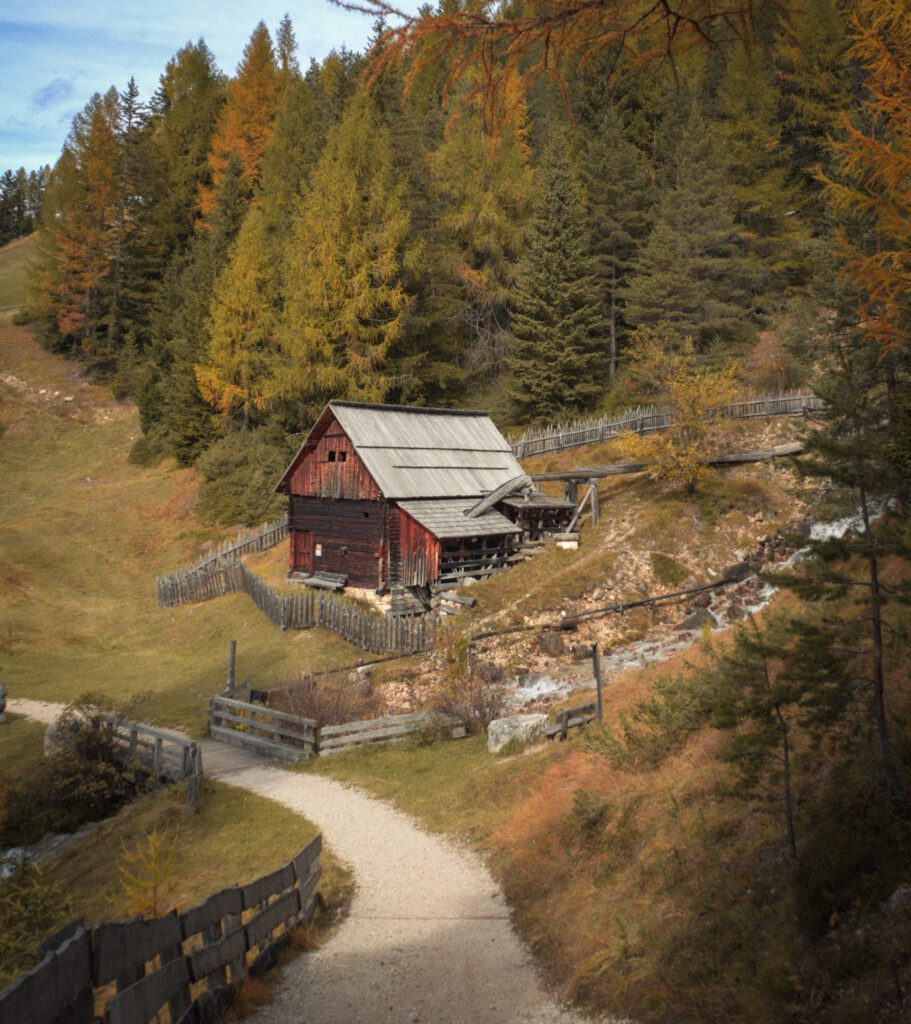
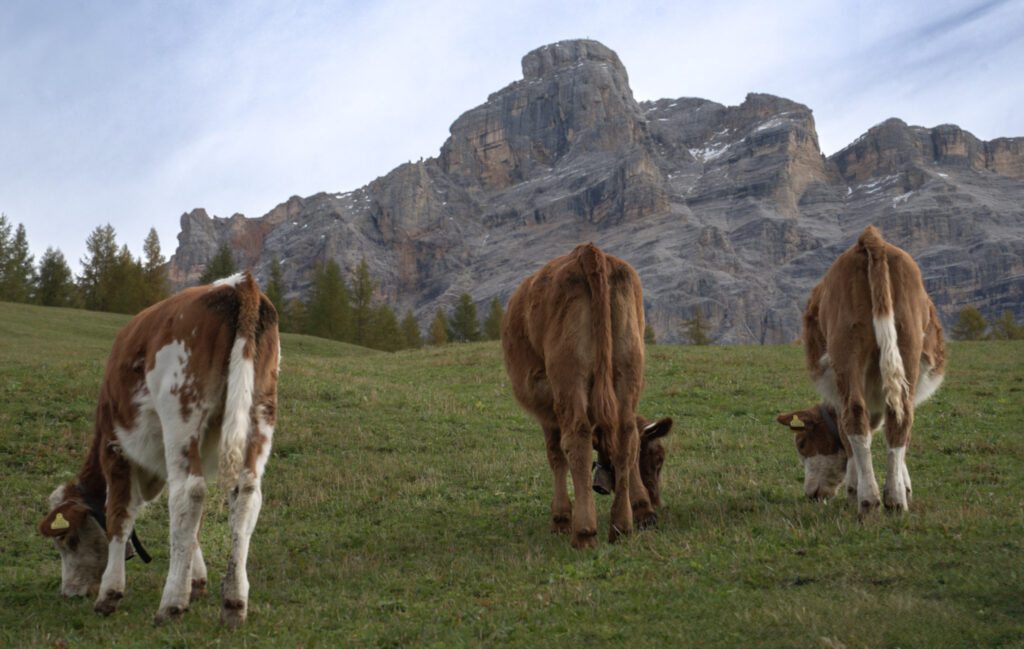

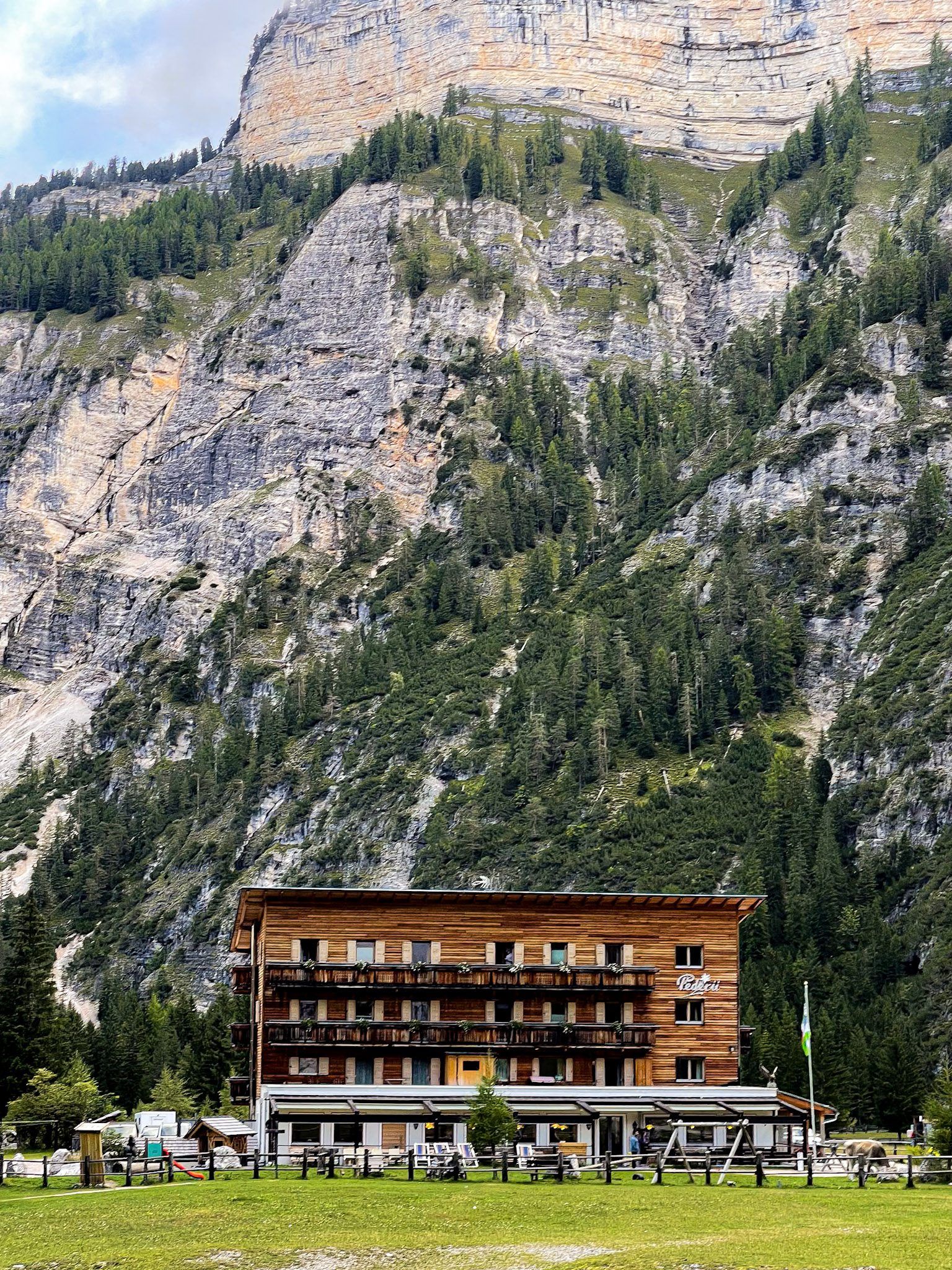

Regional Overview: Calm, First-Timer Friendly Explanations
Val Gardena (South Tyrol)
Val Gardena is one of the easiest regions for first-time visitors to understand and navigate. The valley is home to well-connected villages like Ortisei, Santa Cristina, and Selva, all linked by buses, cable cars, and walking paths.
What makes Val Gardena especially appealing for beginners is how accessible the mountains feel. You can reach high alpine scenery without committing to long or technical hikes, and public transportation is reliable enough that a car isn’t strictly necessary. It’s also a great introduction to Ladin culture, with a mix of Italian, German, and local traditions shaping daily life.
This region works well if you want a balance of comfort, scenery, and flexibility.
Alta Badia (South Tyrol)
Alta Badia has a quieter, more refined feel, with wide open landscapes and gentle terrain that lends itself to scenic walks, cycling, and relaxed hiking. The villages here are smaller and more spread out, and the atmosphere feels slower and less hectic than some neighboring valleys.
This is a strong choice for travelers who prioritize views, food, and a calmer pace over checking off famous landmarks. Many hikes here are approachable even for beginners, especially when paired with cable cars, and the region is known for its excellent mountain rifugios and cuisine.
Alta Badia suits travelers who want to slow down and really settle into one area. The Ladin food and the museums in the area are definitely a plus!
Cortina d’Ampezzo (Veneto)
Cortina is one of the most well-known Dolomites towns, and it feels different from the South Tyrol valleys. It has a more dramatic, rugged mountain backdrop and a lively town center that draws both outdoor enthusiasts and luxury travelers.
This area is ideal if you want iconic scenery and access to famous sights like Tre Cime di Lavaredo or Cinque Torri. That said, distances between hikes can be larger here, and having a car makes things easier — especially outside peak summer season.
Cortina works best for travelers who don’t mind a bit more planning in exchange for classic Dolomites drama. In my observations, this is more Italian than anything!
Val di Funes (Villnöss Valley)
Val di Funes is smaller, quieter, and incredibly photogenic. It’s best known for postcard views of the Odle/Geisler peaks rising behind rolling meadows and traditional farmhouses.
This region isn’t as centrally connected as others, but it’s an excellent option for travelers who want a peaceful base and don’t mind slower travel days. Hiking here is often gentle and scenic rather than strenuous, and it’s a beautiful place to experience the Dolomites without crowds.
Val di Funes is ideal if you value tranquility and atmosphere over convenience.
Brenta Dolomites (Trentino)
The Brenta Dolomites sit slightly apart from the main eastern Dolomites and feel more rugged and alpine. This area attracts hikers and climbers who are comfortable with exposure, elevation, and longer days in the mountains.
While there are accessible trails and lakes here, the Brenta range is generally better suited to travelers with some mountain experience or those traveling with guides. It’s stunning, but not usually the easiest introduction to the Dolomites.
This region is often better saved for a return trip once you’re more familiar with alpine travel.
Friuli Dolomites (Friuli Venezia Giulia)
The Friuli Dolomites feel like a completely different world compared to the more famous parts of the range. Located further east, this region is quieter, more rugged, and far less developed—perfect if you’re looking for something off the beaten path.
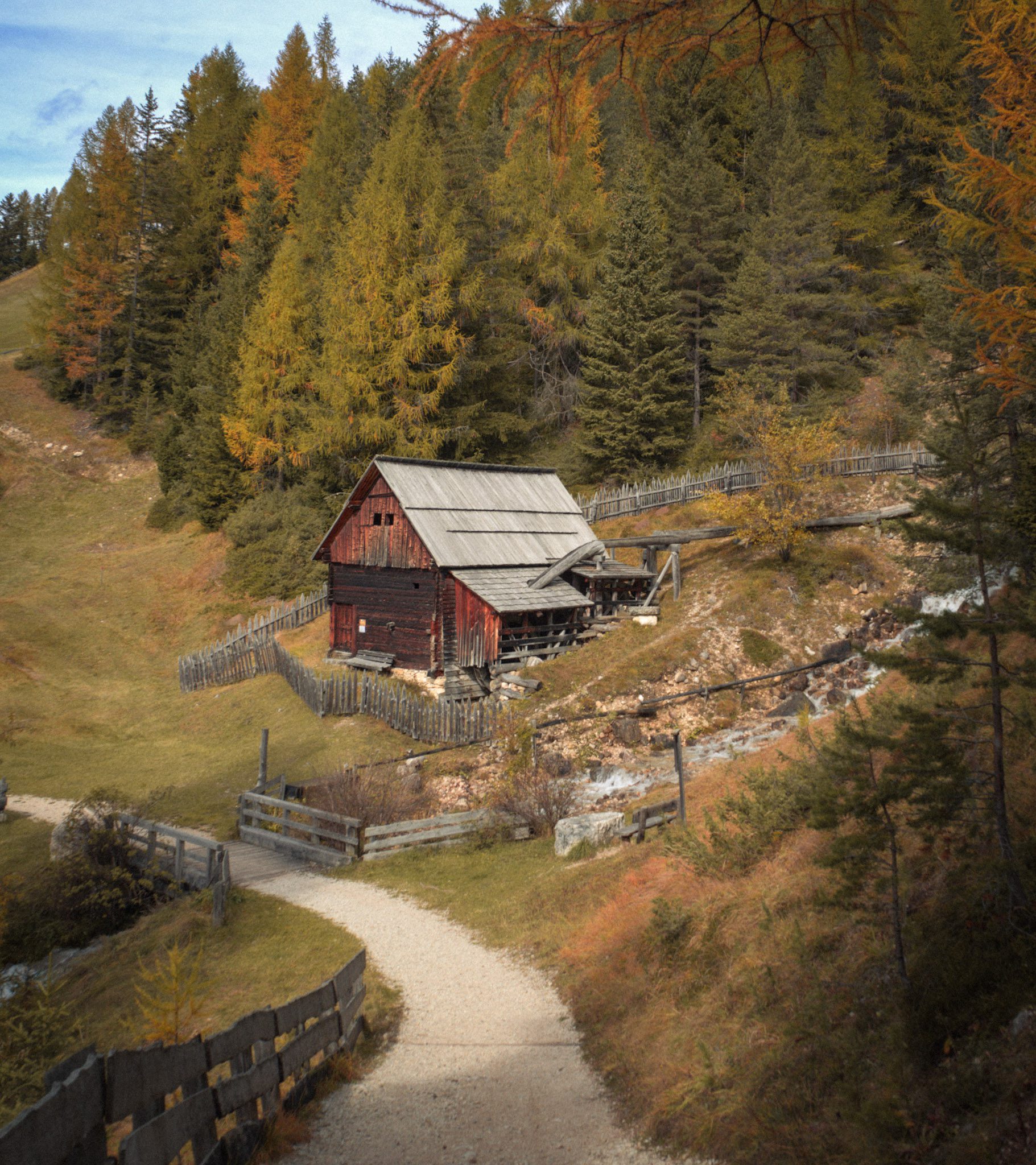
This is where you’ll find places like Cima Sappada and the Carnic Alps, with landscapes that feel wilder and more remote. Trails like the Sentiero della Pace and longer routes like the MADE Trek (Malga and Alm Desired Experience) offer a deeper, slower way to experience the mountains, often passing through traditional huts and alpine pastures.
The architecture here also stands out, with rustic wooden homes and villages that feel more connected to local traditions than tourism.
That said, fewer visitors also means fewer services. You’ll need to plan more carefully, and it’s better suited to travelers who are comfortable navigating less-developed areas. But if you want solitude in the Dolomites, this is where you’ll find it.
Belluno Dolomites (Veneto)
The Belluno Dolomites are what most people picture when they think of the Dolomites—dramatic peaks, iconic viewpoints, and some of the most photographed landscapes in northern Italy. This region includes places like Cortina d’Ampezzo, Tre Cime di Lavaredo, and Lago di Braies, but it also stretches into quieter areas like San Martino di Castrozza and the Pale di Paneveggio.
If you’re looking for that classic alpine scenery, this is where you’ll find it. The Pale di San Martino are especially striking, with routes like the Palaronda Trek offering multi-day hiking through one of the most dramatic groups in the Dolomites. Nearby, Passo Rolle and Val Venegia are some of the most beautiful and accessible spots for hiking without needing technical experience.
Beyond hiking, this region also has unique cultural touches—like the wooden dragon sculpture by Marco Martalar in Primiero di Fiera, which adds a creative, local element to the landscape. His sculptures are scattered throughout Trentino and make for a lovely scavenger hunt.
It’s one of the most accessible regions for first-time visitors, but also one of the busiest in peak season. In fall, though, it becomes a much more relaxed and enjoyable place to explore.
Val di Fassa (Trentino)
Val di Fassa is one of the best places in the Dolomites to experience a mix of scenery, culture, and accessibility. Located in Trentino, it’s surrounded by iconic peaks like the Catinaccio and Marmolada, while still feeling more local and less polished than nearby Cortina.
Towns like Moena serve as a great base, offering easy access to both hiking and cultural experiences. Nearby, Lago di Carezza is one of the most famous lakes in the Dolomites—known for its bright turquoise color and reflections of the surrounding peaks.
This region is also deeply tied to Ladin culture, and you’ll feel that in the food, festivals, and traditions. Events like the Desmontegada (similar to the Almabtrieb) are a big part of the seasonal rhythm here.
Val di Fassa strikes a really nice balance—it’s accessible enough for first-time visitors, but still offers a deeper, more cultural experience if you want it.
Val di Fiemme (Trentino)
Val di Fiemme sits just south of Val di Fassa and offers a quieter, more forested side of the Dolomites. While it doesn’t have the same dramatic jagged peaks as areas like Seceda or Tre Cime, it makes up for it with a more relaxed, less crowded atmosphere.
This region is a great option if you’re looking to slow down a bit. Towns like Cavalese and Predazzo serve as good bases, with easy access to hiking, biking, and scenic viewpoints without the intensity of higher alpine terrain.
One of the standout hikes here is the Forra del Lupo (Wolfsschlucht), a rugged canyon-style trail that feels completely different from the classic Dolomite landscapes. It’s a great example of how diverse this region can be.
Val di Fiemme is often overlooked in favor of its more famous neighbors, but that’s part of the appeal—it offers a quieter, more local experience while still being close to the highlights of the Dolomites.
If this already feels like a lot to take in, that’s completely normal. The key takeaway isn’t to memorize every valley — it’s to understand that choosing the right region matters more than choosing the “most famous” hike.
In the next section, I’ll help you narrow this down and decide where to stay for your first Dolomites trip.
Where to Stay in the Dolomites for First-Timers
Choosing One Base vs Moving Around
If you’re visiting the Dolomites for 3–5 days, staying in one location is almost always the best choice. This allows you to plan day hikes, scenic drives, and rest days without constantly checking in and out of accommodations.
For longer trips (7–10 days or more), splitting your stay between two regions can make sense — but it’s still worth limiting how often you move. The Dolomites reward slow travel and I wish more people understood this.
First-Timer-Friendly Base Areas (Classic + Quieter Options)
There isn’t one “best” place to stay in the Dolomites — the right base depends on what you want your days to look like. Some travelers want easy access to the iconic viewpoints, while others want the same jaw-dropping landscapes without fighting for parking, restaurant reservations, or photo spots.
If you’re visiting for the first time, it helps to choose your base based on the kind of experience you want most.
If you want the classic highlights with the most infrastructure, areas like Cortina d’Ampezzo, Val Gardena (Ortisei, Selva), and Alta Badia are popular for a reason: trail access is straightforward, lifts make mountain scenery more accessible, and there’s a wide range of accommodations.
If you’re hoping to avoid the “Seceda and Tre Cime” intensity, it’s worth looking at bases that still feel deeply Dolomitic — but with a calmer pace and fewer crowds.
Brenta Dolomites (Trentino)
The Brenta Dolomites are a fantastic alternative if you want dramatic mountain scenery but a different rhythm than the busier eastern hotspots. This area is a strong fit for travelers who want hiking, lakes, and a slightly more rugged alpine feel — without the constant influencer traffic. It’s also a great region to return to if you fall in love with the Dolomites and want a second trip that feels more adventurous.
Friulian Dolomites (Dolomiti Friulane)
The Friulian Dolomites are one of the most underrated corners of the Dolomites, and they’re ideal for travelers who want something quieter and more remote. The vibe is less “tour circuit” and more “real mountain territory,” which can be incredibly rewarding — especially if your dream trip involves solitude, big landscapes, and a slower pace. This is not the area I’d recommend for someone who wants lift-access viewpoints every day, but it’s perfect for travelers who want to experience a wilder side of the Dolomites.
It’s worth looking into Cima Sappada and even the MADE trek in the Friulian Dolomites
Belluno as a Quieter Gateway
If you want to explore the Dolomites while staying somewhere that feels more local (and often more affordable), Belluno can work as a gateway base — especially for travelers who don’t need to wake up in a resort town every morning. It’s a practical option if you want access to nature, day trips into different valleys, and an experience that feels grounded instead of over-curated.
If you are interested in what Belluno has to offer, the Pale di San Martino is partly in this area and offers a wonderful getaway. Check out my Palaronda Trek Guide: 4 Days Solo through the Pale Di San Martino
The main takeaway: you don’t need to chase the most famous viewpoints to have an unforgettable first trip. Choosing a base that matches your pace — and avoids the most congested zones — often leads to a better experience overall.
A Note on My Personal Hotel Recommendations
I’ve written a separate post that shares hotels and accommodations I’ve personally stayed at and loved in the Dolomites. That guide isn’t meant to be an exhaustive list or a “best hotels” roundup — it’s simply a collection of places that worked well for me across different trips, seasons, and budgets.
If you’re looking for specific accommodation ideas after choosing your base, you can treat that post as a helpful supplement rather than a must-follow list. Then, if you are hiking the Alta Via 1, I created a list of hotels I researched and looked into for before and after my 4 days on the trail.
As you start narrowing down where you’d like to stay, you may notice something a little confusing while researching towns, hotels, or routes — the same place often appears under different names depending on the map, website, or booking platform you’re using.
This isn’t a mistake, and it’s not something you’re doing wrong.
Languages You’ll See in the Dolomites (And Why Signs Look Confusing)
One of the first things that surprises travelers in the Dolomites is the signage (even me!). Place names often appear in multiple languages, and sometimes the town you booked looks like it has three different names on the map.
This is completely normal — and once you expect it, it becomes far less confusing.
The Dolomites are a multilingual region shaped by shifting borders and deep cultural roots. Today, Italian and German are the most widely spoken languages, while Ladin, an ancient language of the Dolomite valleys, is still used in daily life — particularly in areas like Alta Badia, Val Gardena, and parts of South Tyrol.
Because of this, towns, mountain huts (rifugi), and even hiking signs may appear in two or three languages at once. Google Maps, booking sites, and official tourism boards often use different versions of the same name.
Why This Matters When You’re Planning Your Trip
This multilingual setup can affect:
- Hotel and rifugio searches
- Navigation apps and trail signage
- Bus routes and lift stations
It’s not unusual to see one name on your booking confirmation and another on road signs — they’re referring to the same place.
For example:
- Ortisei (Italian) / St. Ulrich (German) / Urtijëi (Ladin)
- San Cassiano (Italian) / San Ciascian (Ladin) / Sankt Kassian (German)
- Badia (Italian & Ladin) / Abtei (German)
- Cortina d’Ampezzo (Italian) / Anpezo (Ladin) / Hayden (German)
Once you know this, navigating the Dolomites becomes much easier — and many travelers end up finding this blend of cultures to be one of the most fascinating parts of the region.
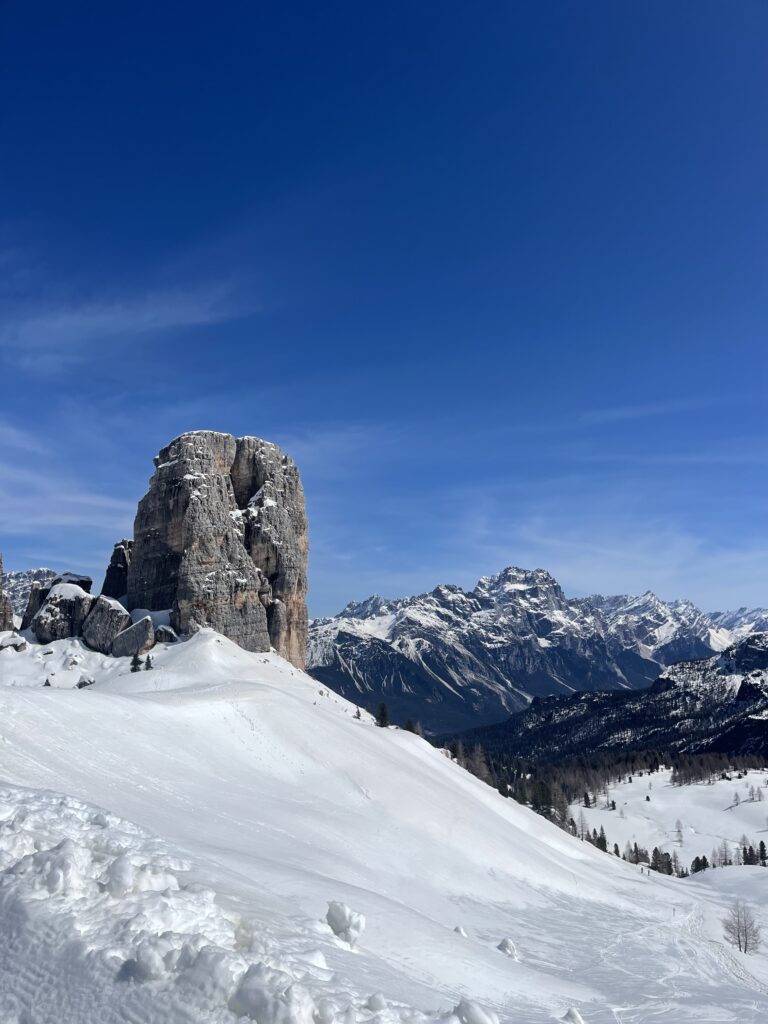
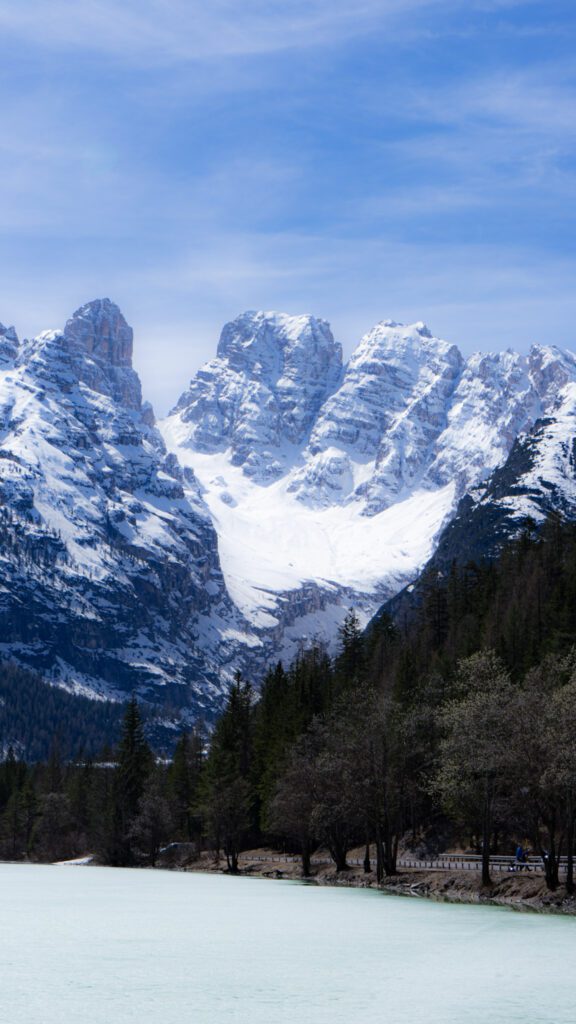
When Is the Best Time to Visit the Dolomites?
There isn’t one “perfect” time to visit the Dolomites — but there is a best season for your travel style, expectations, and tolerance for crowds.
The Dolomites change dramatically throughout the year. Snowpack, lift schedules, weather patterns, and even village life shift by season, which is why timing matters just as much as where you stay.
Understanding the rhythm of the mountains will help you avoid surprises and plan a trip that actually feels enjoyable.
Summer in the Dolomites (Mid-June to Early September)
Summer is the main hiking season in the Dolomites, with most mountain huts (rifugi) and high-elevation trails opening from mid-June onward, depending on snow conditions.
July brings long daylight hours, wildflowers, and full lift access — but also increasing crowds, especially in well-known areas like Seceda, Tre Cime di Lavaredo, and Lago di Braies. Afternoon thunderstorms are common, so early starts matter.
August is the busiest month of the year. Ferragosto (Italy’s major summer holiday) means packed trails, limited accommodation availability, and higher prices. If August is your only option, plan ahead, start hikes early, and expect a lively — sometimes hectic — atmosphere.
What this means for first-timers:
Summer is beautiful and accessible, but it rewards planning and flexibility. If crowds stress you out, consider quieter regions or alternative seasons.
September & Early October: A First-Timer Favorite (If You Can Swing It)
If you’re flexible, September is one of the best-kept secrets for visiting the Dolomites.
The weather is often stable, trails are still open, and crowds thin out significantly after late August. As September turns into October, larch trees begin to glow gold, valleys quiet down, and the pace of travel feels noticeably calmer.
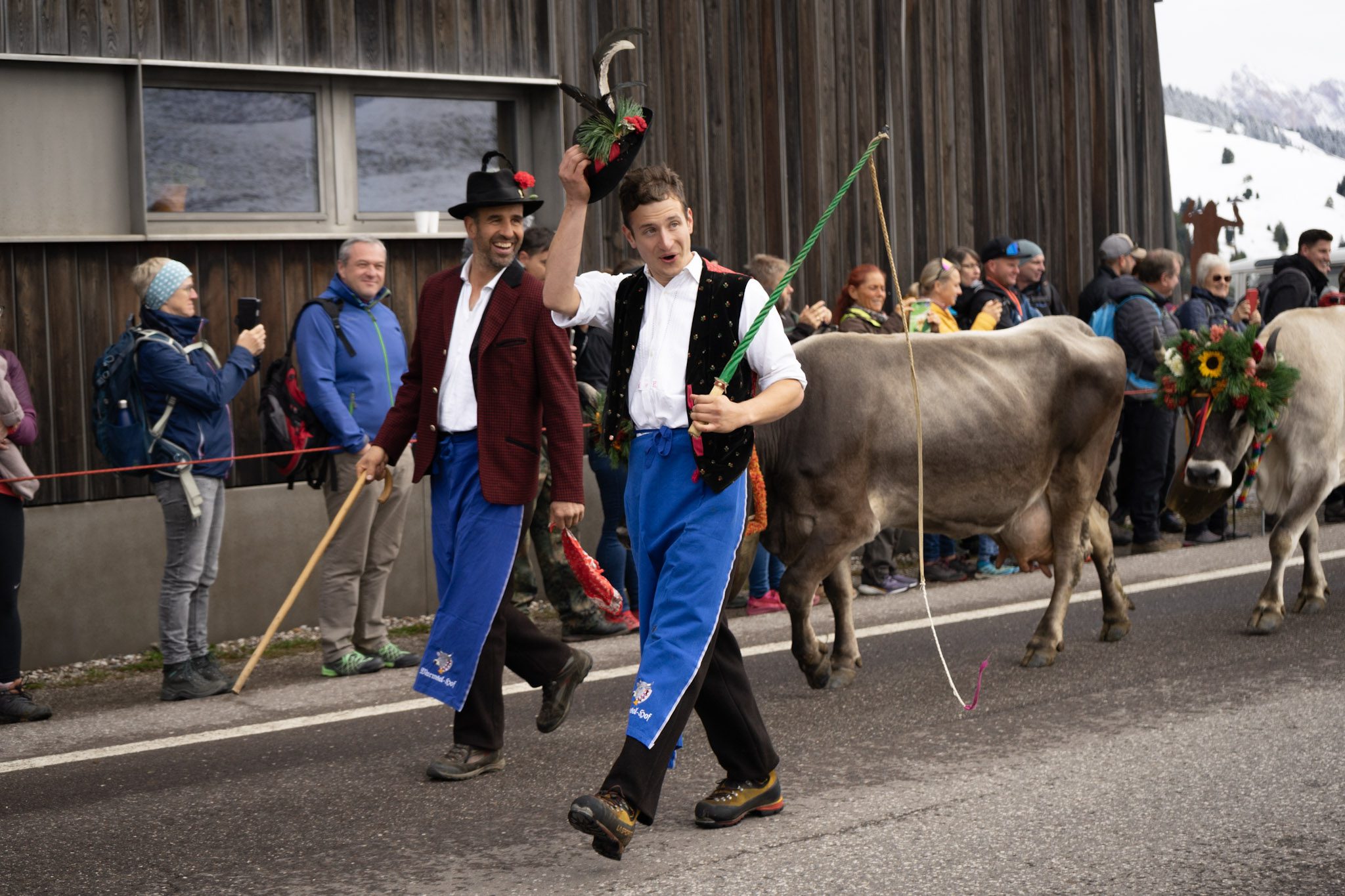
This is also when traditional alpine events like Almabtrieb (Desmontegada) take place — when cows are brought down from high pastures in decorated parades, accompanied by music, food, and local celebrations.
Some rifugi and lifts begin to close toward mid-October, so this season works best for travelers who value atmosphere, photography, and moderate hiking over checking every viewpoint off a list.
What this means for you:
If you want beauty without chaos — and a deeper cultural experience — this is a fantastic time to visit.
Late Autumn (Mid-October to November)
Autumn is a true shoulder season in the Dolomites. Many lifts shut down for maintenance, high-elevation huts close, and early snowfall is possible — sometimes overnight.
That said, valleys can be incredibly peaceful, accommodation prices drop, and lower-elevation walks are still possible in good weather.
Best for: slow travelers, photographers, and those who don’t mind adapting plans based on conditions.
Winter in the Dolomites (December to March)
Winter transforms the Dolomites into a world-class alpine playground. Skiing, snowboarding, cross-country skiing, and snowshoeing dominate the season, especially within the Dolomiti Superski area.
Christmas markets, winter festivals, and cozy mountain towns make this a magical time — even for non-skiers.
What to know:
This is not hiking season. Trails, roads, and access points are entirely different, so winter trips should be planned with snow activities in mind.
Spring (April to Early June): The Transition Season
Spring is unpredictable. Snow lingers at altitude, many lifts remain closed, and trails may be muddy or inaccessible.
However, lower valleys come alive with wildflowers, and crowds are minimal.
Best for: travelers who want a quiet introduction to the region and are comfortable adjusting plans day by day.
A Simple Rule for First-Time Visitors
If this is your first trip to the Dolomites and you want hiking, scenery, and manageable logistics:
- Late June–July → maximum access, more people
- September–early October → fewer crowds, incredible atmosphere
- August → only if you plan early and expect crowds
One Last Thing to Keep in Mind
No matter when you visit, the Dolomites are a mountain environment. Weather can change quickly, plans may shift, and flexibility will always serve you better than a packed itinerary.
Pro-Tip➡️: Check out Dolomiti Superski for more information, and you’ll want to check out areas like Val Gardena and Alta Badia!
Events to be Mindful of in the Dolomites
This section of First-timers’ guide to the dolomites is meant to remind you that certain events in the Dolomites will increase traffic on the roads. It’s also wise to note any events that might be going on so you don’t have to worry.
1. Seasonal Events & Closures
- Rifugio Opening & Closing Dates: Most mountain huts (rifugi) operate from mid-June to late September, with some reopening for ski season in December. Outside these times, accommodations may be limited.
- Cable Car & Lift Schedules: Many lifts shut down between late autumn (mid-October) and early winter (early December) for maintenance and again in late spring (April–May). Check schedules in advance.
- Off-Season Closures: Smaller towns may have limited dining and lodging options in shoulder seasons (April–May & October–November).
2. Major Outdoor Events
- Maratona dles Dolomites (July) – A massive cycling race with road closures affecting several mountain passes like Passo Gardena and Passo Pordoi.
- Lavaredo Ultra Trail (June) – A 120 km trail running race around Cortina d’Ampezzo; accommodations book out early.
- Sellaronda Ski Marathon (March) – A famous ski mountaineering race; expect ski resorts in the Sella Ronda circuit to be busier.
3. Public Holidays & Festivals
- Ferragosto (August 15th) – This Italian holiday sees a surge in domestic tourism, making trails and accommodations crowded.
- Christmas Markets (Late November–Early January) – Cities like Bolzano, Bressanone, and Ortisei host famous markets, drawing large crowds.
- Krampus Night (December 5th) – Expect parades of terrifying Krampus figures in towns like Ortisei and Dobbiaco.
- Easter Weekend – Many shops and restaurants may close or operate on limited hours.
4. Cultural & Local Events
- South Tyrol Jazz Festival (Late June–Early July) – Music performances in scenic Dolomite settings, particularly in Bolzano.
- Speckfest (October, Val di Funes) – A festival celebrating the region’s famous smoked ham, Speck.
- Alta Badia Wine Skisafari (December) – A ski & wine tasting event in the Alta Badia region.
5. Weather-Related Considerations
- Late Snowfall (May–June) – Some high-altitude trails may still be snow-covered.
- Storm Season (July–August) – Afternoon thunderstorms are common in summer; plan hikes accordingly.
- Early Snowfall (October–November) – Sudden snow can make trails and roads hazardous.
6. Traditional Alpine Events: Almabtrieb (Desmontegada)
- When: Mid-September and Early October
- Where: Various valleys in the Dolomites, including Val di Funes, Val Gardena, and Alta Badia
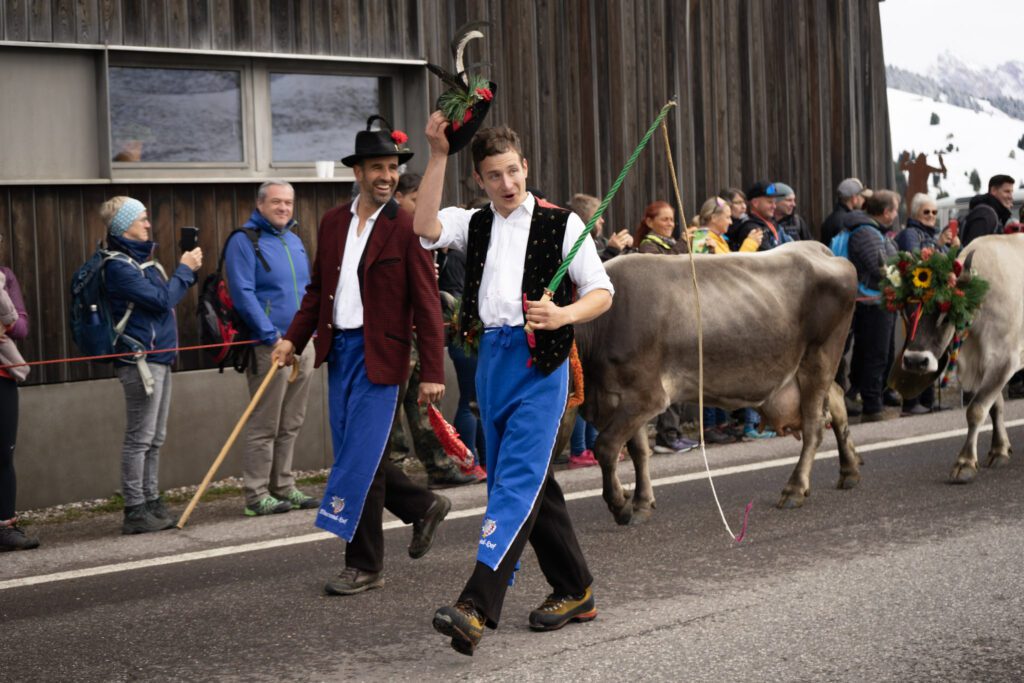
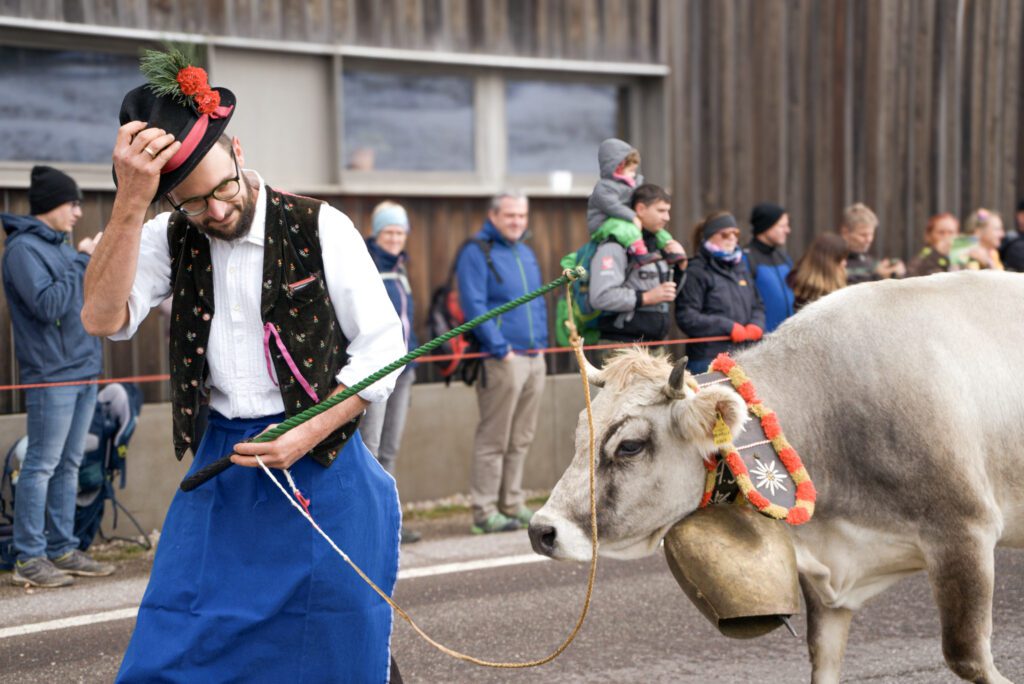
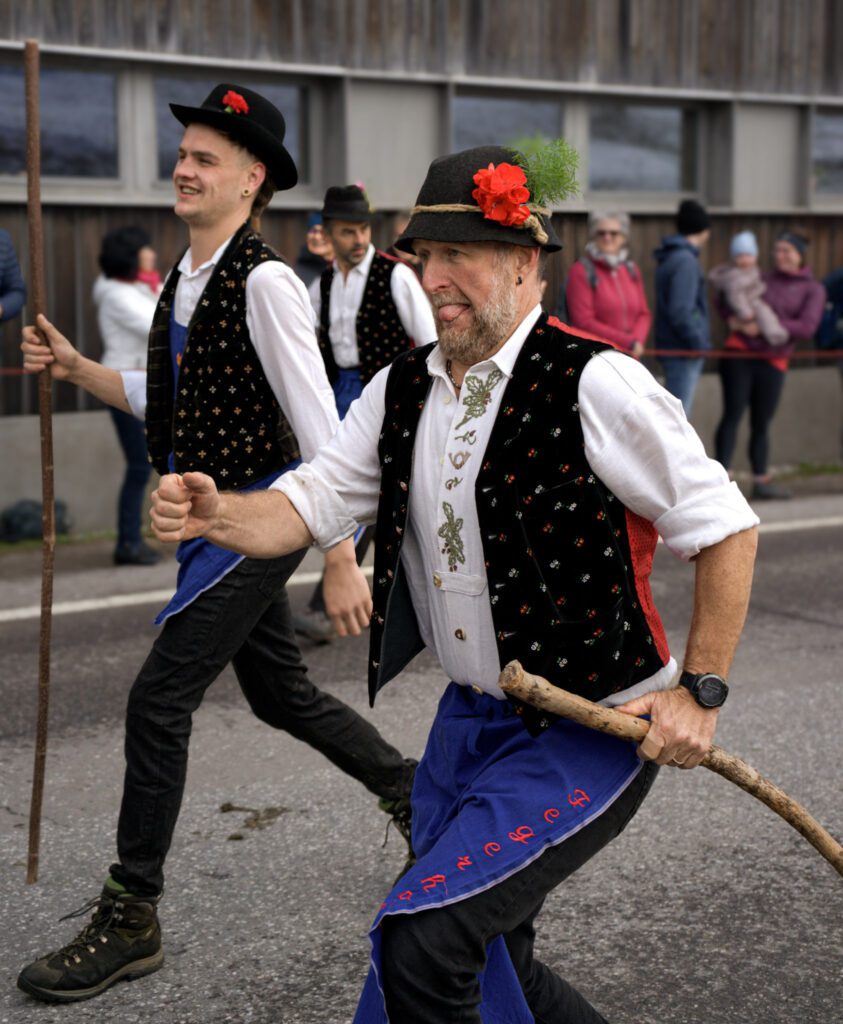
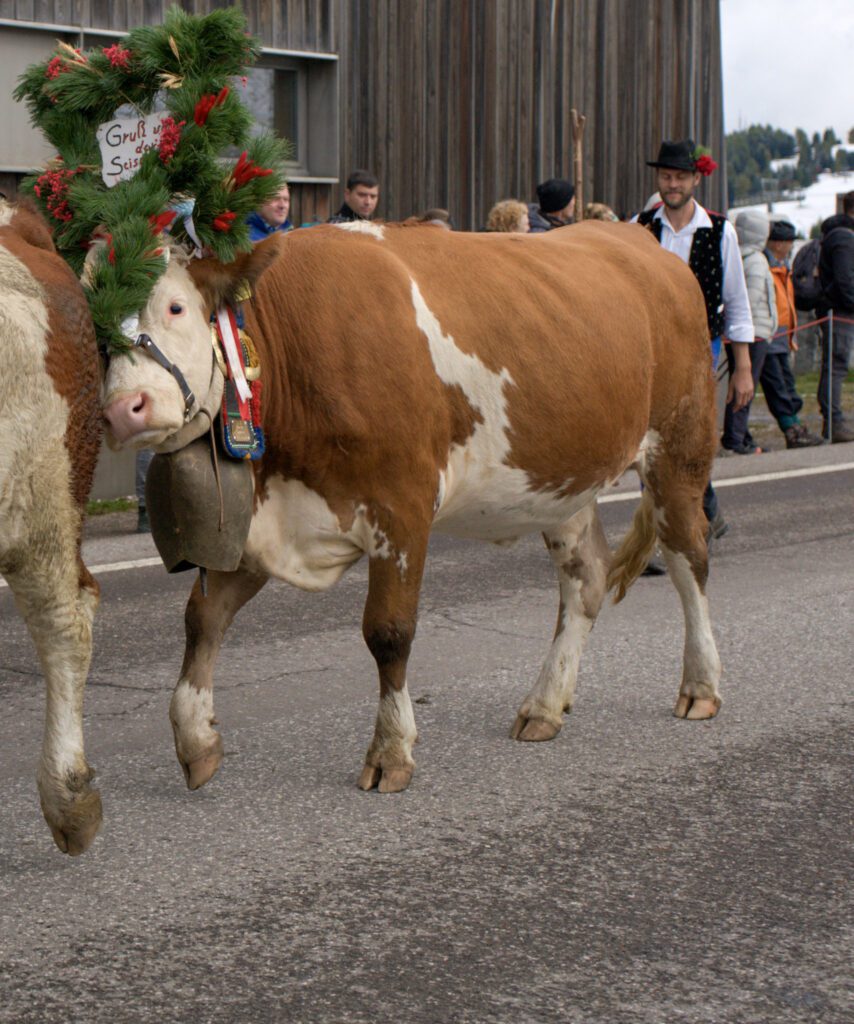
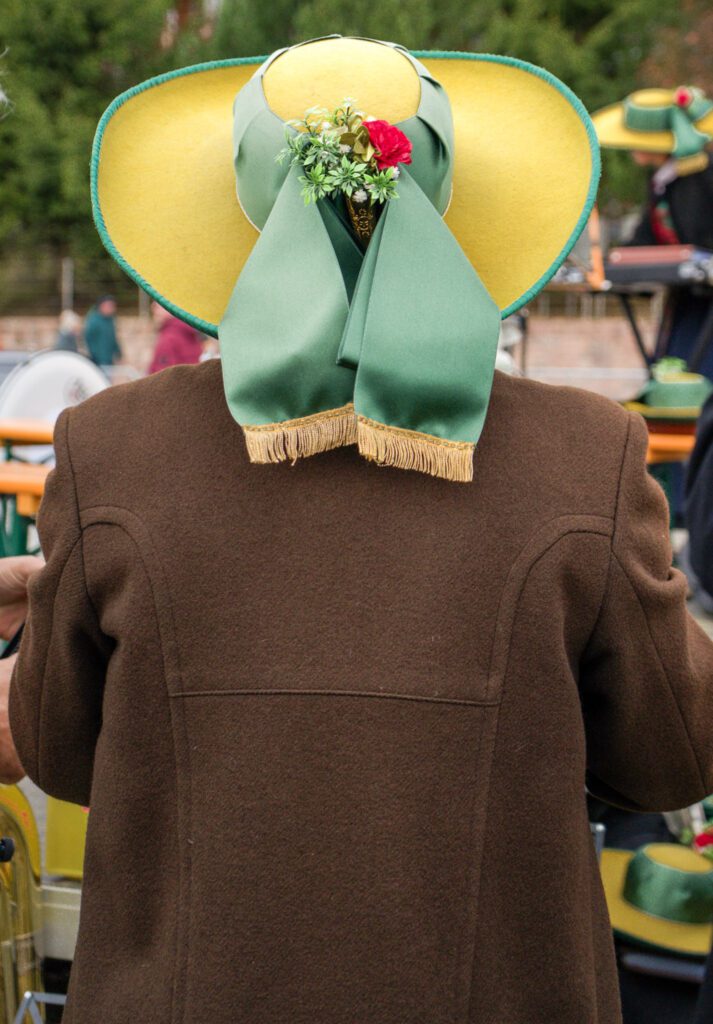
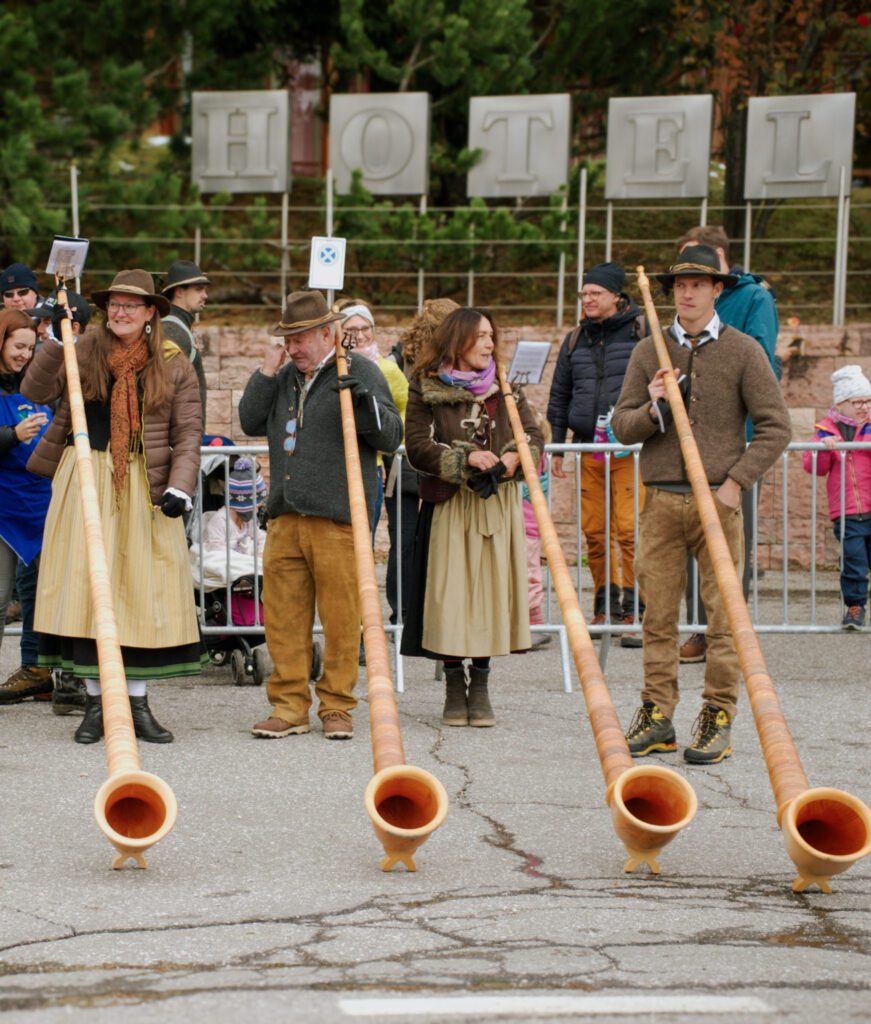
The Almabtrieb, known locally as the Desmontegada, is the ceremonial return of cows from high alpine pastures to the valleys before winter. Farmers and their families celebrate by dressing their cows in floral crowns and bells, parading them through villages in a lively festival atmosphere.
Why it Matters for Travelers:
- It’s a fantastic cultural experience, offering a glimpse into traditional alpine life.
- Many villages hold celebrations with live music, local food (like speck, cheese, and strudel), and artisan markets.
- Some roads may be temporarily closed or traffic may be slower due to the parades.
Notable Almabtrieb Festivals in the Dolomites:
- Val di Funes (Late September): One of the most famous celebrations, with a vibrant festival in the scenic valley.
- San Cassiano & Badia (Alta Badia, Late September – Early October): A great mix of Ladin culture, traditional food, and festivities.
- Cavalese & Moena (Trentino, Late September): Includes horse parades and cheese-tasting events.
How to Plan an Itinerary for Your First Trip to the Dolomites
Planning your first trip to the Dolomites can feel overwhelming—there’s so much to see, and the mountain range spans multiple regions! Whether you’re here for hiking, scenic drives, or a mix of adventure and relaxation, this First-timers Guide to the Dolomites will help you create the perfect itinerary based on your interests and travel style.
Define Your Travel Style and Goals While Traveling to the Dolomites
- Are you focusing on hiking, scenic drives, or cultural stops?
Since you love solo hiking, you might want to structure the itinerary around specific trails while including time for rest and exploration. - How many days do you have?
A short trip (3-5 days) will focus on one or two areas, while a longer trip (7+ days) allows for a deeper experience.
Choose a Base or Multiple Stops in the Dolomites
- Single Base: If you prefer slow travel, staying in one location like Cortina d’Ampezzo, Ortisei, or Canazei allows for day hikes and easy access to sights.
- Multiple Bases: For more variety, you could divide your stay between the eastern Dolomites (Cortina) and western Dolomites (Val Gardena or Alta Badia).
Select Key Hikes and Attractions
Here’s a mix of top hikes and viewpoints to structure your itinerary:
Classic & Must-Do Hikes
- Tre Cime di Lavaredo (Cortina d’Ampezzo) – Iconic loop hike, about 3-4 hours.
- Lago di Sorapis (Cortina area) – Stunning turquoise lake, moderate difficulty.
- Seceda Ridgeline (Val Gardena) – Epic views, reachable via cable car with hiking options.
- Alpe di Siusi (Seiser Alm) – Europe’s largest alpine meadow, great for an easy hike.
- Strada delle 52 Gallerie – A historical WWI hike with tunnels and breathtaking views. Okay shameless plug to get you down to Monte Pasubio to hike this stunner of a route!
Lesser-Known & Adventurous Routes
- Lago di Braies to Croda del Becco – A scenic yet challenging trek.
- Via Ferrata Ivano Dibona – A famous via ferrata for adventure seekers.
- Puez-Odle Altopiano (Val Gardena/Alta Badia) – Moon-like landscapes and remote feel.
Plan for Rest Days & Scenic Drives
- Scenic Drives:
- Great Dolomites Road (Bolzano to Cortina) – Stunning mountain pass drive.
- Passo Giau & Passo Falzarego – Dramatic landscapes.
- Val di Funes – A postcard-perfect valley with churches and pastures.
- Rest & Culture:
- Bolzano & Ötzi Museum – Great for a city stop.
- Bressanone (Brixen) & Monastery of Novacella – Beautiful town with history.
- Wellness day at a spa in Val Gardena or Alta Badia.
Consider the Season
- Summer (June-September): Ideal for hiking; rifugi are open.
- Autumn (September-October): Fewer crowds, golden larches, but some rifugi close early.
- Winter (December-March): Ski season! Snowshoeing and Christmas markets.
- Spring (April-May): Shoulder season; some trails may still have snow.
Transportation & Logistics
- Rental Car: Essential for flexibility, but check ZTL zones in towns.
- Public Transport: Buses work well between major towns but limit early/late starts for hikes.
- Cable Cars: Check operating schedules in advance.
Getting to the Dolomites: Best Airports & Transport Options
The Dolomites don’t have their own airport, so you’ll need to fly into a nearby city and continue by car, bus, or train. Here are the best options:
- Venice Marco Polo (VCE) – The most popular choice for International travelers with direct buses to Cortina d’Ampezzo and easy rental car options (2.5 hour drive).
- Treviso (TSF) – A budget-friendly alternative with similar transport options to Venice.
- Verona ( VRN) – Ideal for the western Dolomites (Val Gardena, Alpe di Siusi). Connect via train to Bolzano or rent a car (2.5-hour drive).
- Innsbruck (INN, Austria) – The closest airport for the northern Dolomites, with train and bus connections to Val Pusteria.
- Milan (MXP/LIN/BGY) – Best for long-haul travelers but requires a 3.5- to 4-hour journey by car or train.
Still trying to find the best deal on flights to Italy to explore the Dolomites? Use this handy dandy tool below to search flights! ⬇️
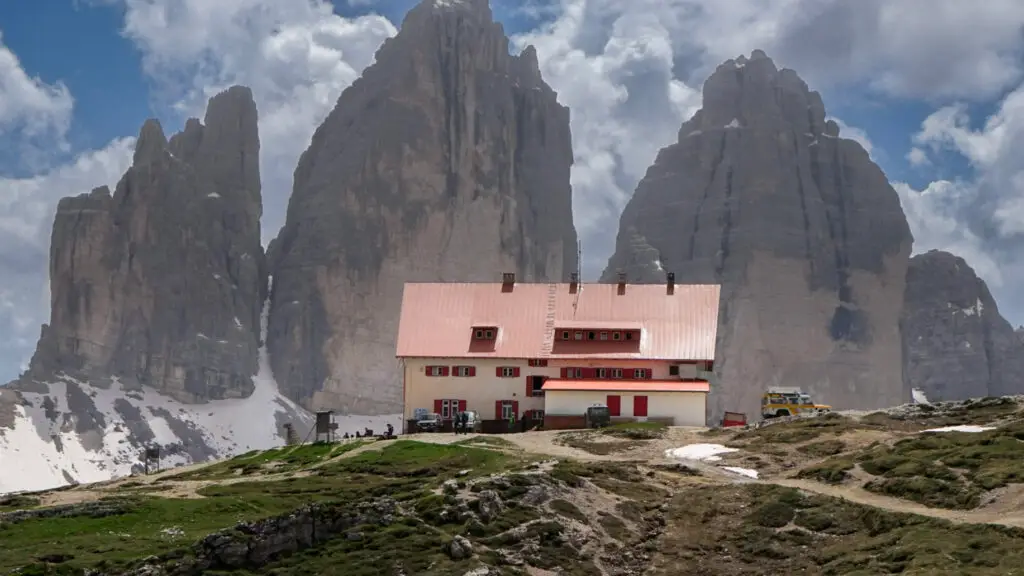
How to Get to the Dolomites
Since I live two hours south of the Dolomites, it’s easy for me to get around, but I’d tell you that renting a car to get around the Dolomites would be your best bet, especially during the off-season.
🚗 Best way to get around? Renting a car offers the most flexibility, but public transport (buses + trains) works well for major towns. If you are looking for rental car deals, check out rates from RentalCars.com
Bus
From Venice to Cortina is probably the fastest option if you are taking public transportation. As of June 25th, 2024, Flixbus has two departures from Venice Marco Polo, one at 11:35 am and 6:55 pm, but please check their website for updated schedules
Flix Bus seems to have quite a few routes to Cortina from major cities like Rome and Milan.
Train
The train is also another low-cost alternative to get to the Dolomites, I’ll be utilizing the train on my next adventure to the Dolomites. Check out Omio for Bus routes and trains to get to your destinations in the Dolomites!
How to Get Around the Dolomites
Know that you can take the train from Milano, Verona, Venice, Innsbruck to cities like Bolzano and Cortina and take busses anywhere around the Dolomites. For First timers this might seem confusing but I promise you it’s easy. Last Summer I did this effortlessly.
- Dolomitibus: This service allows you to explore the Dolomites and expand your discovery radius beyond the South Tyrolean borders. The bus lines allow you to reach Cortina, Auronzo, or Arabba. You can find the current timetables on their website.
- South Tyrolean Integrated Transportation: This service operates buses that cross the province’s boundaries. Some of the lines include:
- Innichen – Sexten – Kreuzberg pass – S. Stefano di Cadore (line 440)
- Toblach – Misurina – Auronzo hut (line 444) near the Three Peaks
- Toblach – Cortina (line 445)
- Toblach – Kreuzberg pass (line 446)
- Corvara – St. Kassian – Falzarego pass (line 465)
- Arabba – Pordoi pass (line 472)
- Gröden – Pordoi pass – Gröden pass (line 471)
- Cortina Express and Dolomiti Buses: These services have daily trips going in and out of the Dolomites from Venice.
- SAD Bus Service in Val di Fassa: This service operates the following lines:
- Pozza di Fassa – Vigo di Fassa – Passo Costalunga – Bolzano (line 180)
- Dolomite passes (Passo Sella, Passo Gardena, Passo Campolongo, Passo Pordoi, Passo Fedaia) (line 471) – only in summer
Please note that the schedules may vary, and it’s always a good idea to check the latest timetables on the respective websites or at local tourist offices as things change seasonally!
Dolomites by Car or Camper
When it comes to cars and getting around the Dolomites know that because of the mountainous terrain it takes awhile to get from one destination to the next, but cars or campers are the most convenient ways to get around in the Dolomites.
Do you need to rent a car for your trip? I trust Rentalcars.com to get me where I need to go and here you can search through their extensive database of rental cars and deals
Pro-Tip➡️: Check out my Driving in Italy 5+ Important Things You Should Know Post for reassurance on driving over here.
Rifugios in the Dolomites
You might be asking yourself how you can stay the night in a Rifugio in the Dolomites. I have written two blogs about my my experience on the Alta Via 1 and 2 along with a What to Expect When You Stay at a Rifugio in The Dolomites. Both detail what its like to stay in a Rifugio.
If you are looking for information on how to book a specific Rifugio you have two options!
- You can make a reservation on this website — Club Alpino Italiano
- You can go to the specific Rifugio website and book through them.
- If you are trying to figure out which rifugios are on the Alta Via 1 and Alta Via 2 or any of the trails on your hike, you can look here
If you are doing the Alta Via 1 or Alta Via 2 it’s wise to book WAY in advance.
I found out I was too late in booking my southern Alta Via1 rifugios in January and I was heartbroken. So you it’s a good Idea to book early and research as early as possible.
Resources for you to look into for your trip to the Dolomites
Oftentimes times many people overlook tourism boards for information. Here is a great resource for you to check out below:
Alta Badia
Packing Essentials For The Dolomites
Packing the essentials is important! Please don’t do any of these hikes with Nikes or flip-flops. I hear so many horror stories about people getting hurt hiking in the wrong gear.
Safety is important and the weather changes constantly in the Dolomites! Travel Insurance as well, Travel Guard is pretty great!
- Hiking Boots: A sturdy pair of hiking boots is essential for the mountainous terrain.
- Essential Hiking Gear: Moisture-wicking socks, base layers, mid-layers for insulation, outer layers, and hats and gloves
- Backpack: A comfortable backpack to carry essentials like water, snacks, and extra layers of clothing.
- Reusable Water Bottle: Stay hydrated during your hikes!
- First Aid Kit: Essential for treating minor injuries. My husband even packed a splint for me to use.
- Sunscreen: Protect your skin from the sun’s UV rays.
- Electricity Converter or Transformer: Italy uses Type F and Type L outlets, so you may need an adapter if your devices use a different plug type.
- Camera Gear: To capture the stunning landscapes. The Dolomites are known for their beautiful landscapes and sunsets, so why not practice your photography?
- Euro Currency: You’ll want euro change for bathrooms and food at the Rifugios
- Power Bank and Extra Cord: To keep your phone charged.
Final Thoughts
The Dolomites are truly a gem for first-time travelers, offering something for everyone—whether you’re a seasoned hiker, a photography enthusiast, or simply someone looking to immerse themselves in awe-inspiring landscapes. I hope this First-Timers Guide to the Dolomites helps you plan your trip!
From exploring charming villages to conquering iconic peaks, every moment spent here will leave you with lasting memories.
Remember to plan ahead, pack wisely, and embrace the slow, intentional pace of the mountains. The Dolomites are more than just a destination—they’re an experience that will stay with you long after you leave.
So, lace up your boots, breathe in the fresh alpine air, and embark on a journey that will surely exceed your expectations. Your adventure in this stunning corner of the world is waiting!
Pin this post for future planning!
Check out my other posts related to the Dolomites⬇️
- A First Timers Guide to the Dolomites :How to Plan your trip and where to stay!
- Solo Hiking the Stunning Alta Via 1 & 2 with Bookatrekking
- Lago Di Sorapis Hiking Guide: Passo Tre Croci to Sorapiss
- What to Expect while staying at Rifugios in the Dolomites
- Your Ultimate Guide to Bolzano and Merano Christmas Markets
- Rango Christmas Market in Garda-Trentino, Italy
- Five of the Best Hikes in the Italian Dolomites You Can Do Near Cortina D’ Ampezzo
- Cadini di Misurina: The Viral Dolomites Viewpoint That’s Not Worth Your Time
- Snowshoeing in the Dolomites: An Epic Guided Adventure Around Cinque Torri
