
Plan the Dolomites with Confidence
Where to stay, when to go, and how to explore Italy’s most dramatic mountain region
The Dolomites are one of those places that live up to the hype—and then quietly overwhelm you once you start planning. Jagged limestone peaks, alpine meadows, storybook villages, cable cars, rifugi, lakes, and high mountain passes… all spread across multiple regions of northern Italy.
And that’s where most travelers get stuck.
I live in northern Italy and return to the Dolomites season after season, —sometimes for hut-to-hut hikes, sometimes for slow mornings in mountain villages, and sometimes simply to wander alpine paths with no real agenda. As a solo traveler, I know how important it is to feel confident stepping out into a region like this on your own. Over time, I’ve learned that the success of a Dolomites trip has far less to do with cramming in highlights and everything to do with how thoughtfully you plan it.
That’s why this Page exists.
Whether you’re visiting for the first time, planning a trip that isn’t centered on hiking, or trying to figure out where to stay without packing up every night, this page brings together the logistics, seasons, bases, transport, and cultural context that most people wish they understood sooner.
Travel Deeper
I don’t just write about where to go—I try to tell the story of this region. The food shared at a rifugio table. The quiet rhythms of mountain life. The layers of history, including the echoes of World War I still etched into these landscapes. These details matter. They’re what give the Dolomites their soul, and they’re often overlooked in favor of blogs with checklists and photo ops.
I know we live in a world that wants quick answers. But I hope that you’ll slow down here just a bit—settle into the story, learn something unexpected, and come away with a richer understanding of the Dolomites as a place to experience, not just pass through. Then get excited about your trip!
Because this region is about far more than hiking and skiing—and it deserves to be approached with curiosity, respect, and intention.
Before diving into where to stay or when to visit, it helps to understand where the Dolomites actually are—and why geography plays such a big role in how your trip unfolds.

Where to Stay in the Dolomites
Where you stay in the Dolomites matters more than most people realize. The region is spread across multiple valleys, and choosing the wrong base can mean hours of unnecessary driving—or missing out on early mornings and quiet evenings entirely. These guides will help you choose a base that actually supports the kind of trip you want to have.
Where to stay before and After the Alta Via 1
Ideal for hikers planning their Alta Via 1 and 2. Sometimes we plan the meat and bones of our trip first, but we can’t forget about the beginning and end!
Where to Stay in the Dolomites: Choosing the Right Base
A practical, no-nonsense breakdown of the best Dolomites bases based on itinerary, travel style, and how much daily driving you realistically want to do.
Where to Stay in Cortina d’Ampezzo (coming Soon)
A deep dive into the most iconic Dolomites base, including nearby lakes, viewpoints, and who Cortina suits best—first-timers, photographers, and travelers chasing classic scenery.
Best Time to Visit the Dolomites
The Dolomites change dramatically with the seasons, and timing your visit well can completely shape your experience. From lift schedules to weather patterns and crowd levels, these guides help you decide when the Dolomites make the most sense for your travel style.
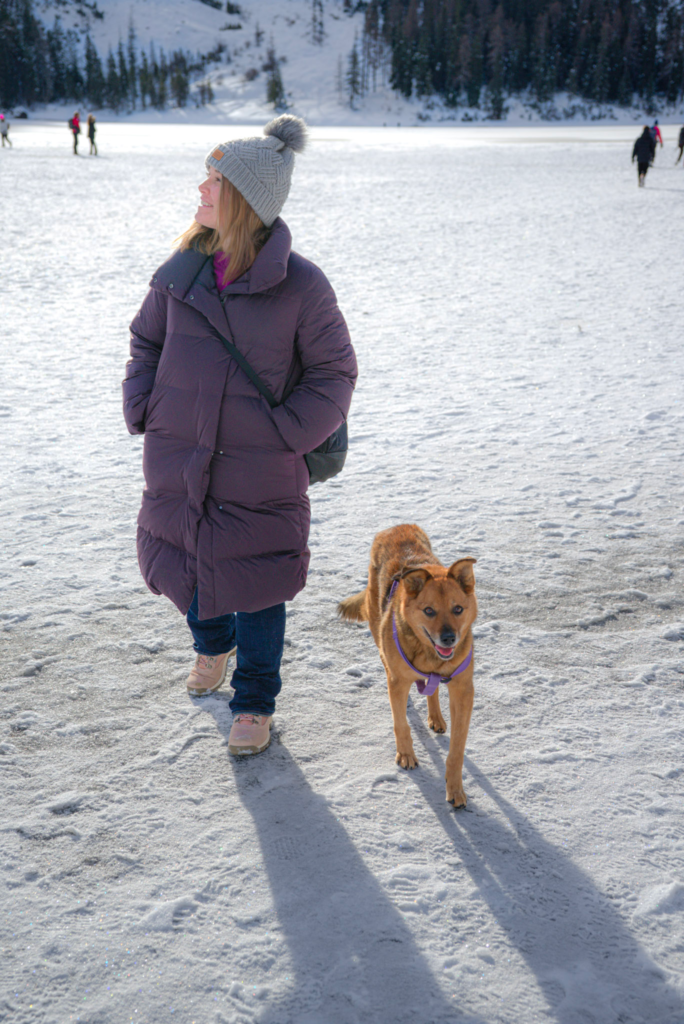
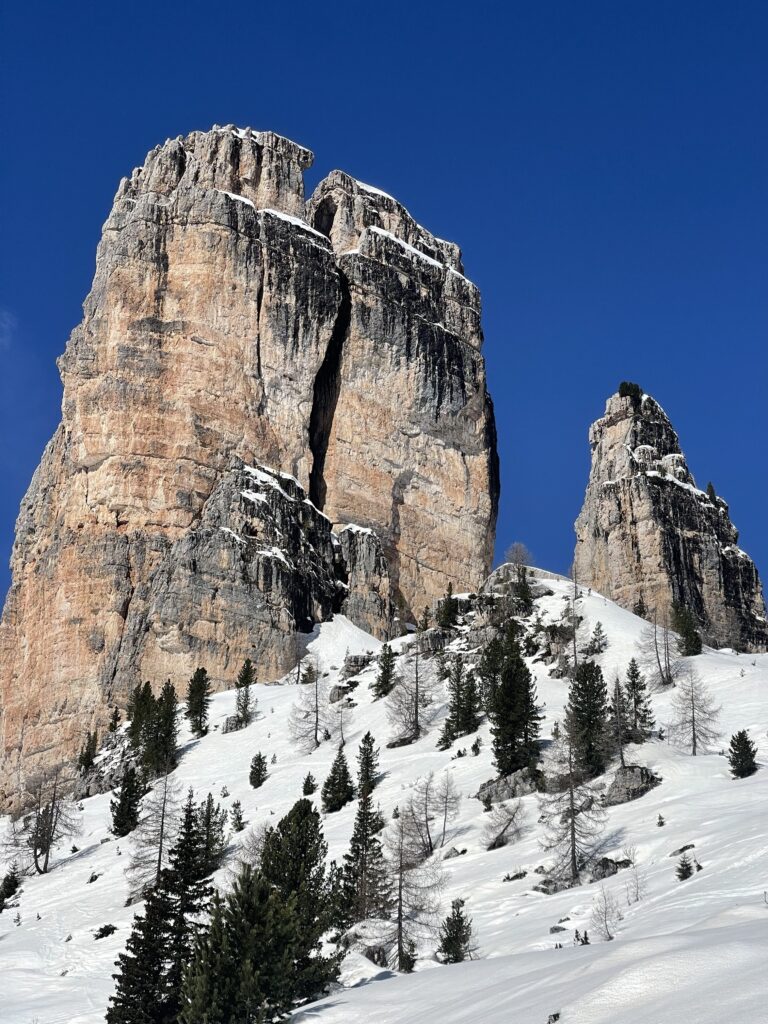
Things to Do in the Dolomites in Winter
A realistic look at winter travel beyond skiing, including snowshoeing, scenic walks, alpine villages, and what to expect if you’re visiting outside peak summer season.
Snowshoeing in the Dolomites: What to Expect
A beginner-friendly introduction to snowshoeing in the Dolomites, including what tours are like, what to wear, and why it’s one of the most accessible winter activities here.
Planning Hut-to-Hut in the Dolomites
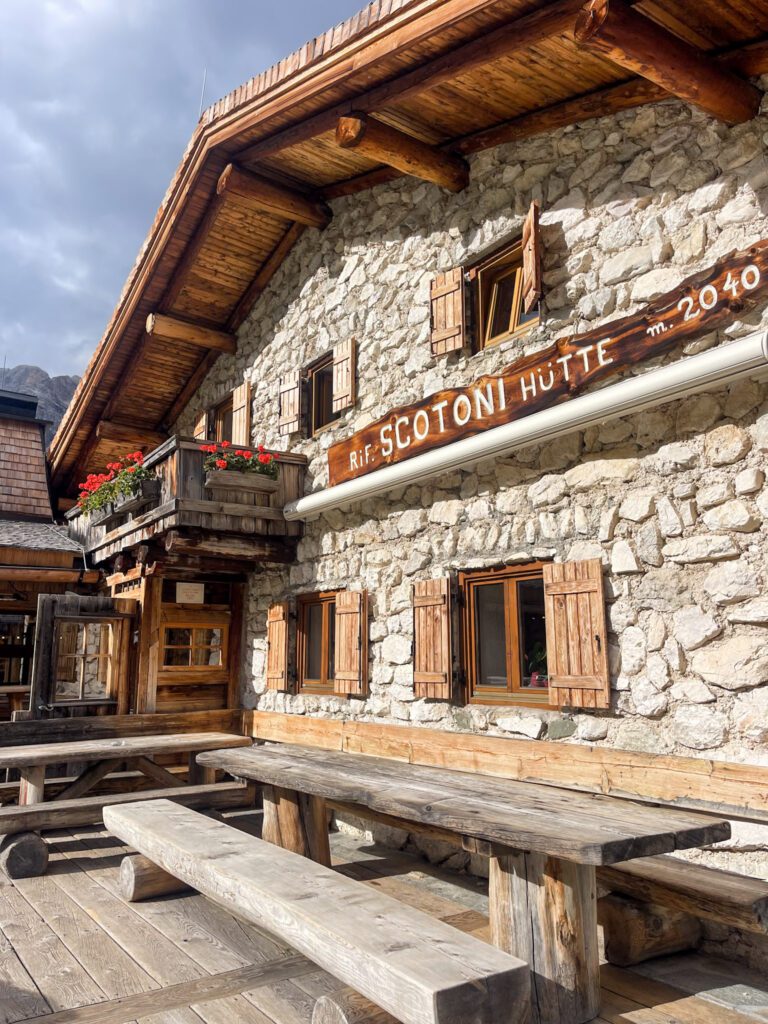
For many travelers, hut-to-hut trekking is an unforgettable way to experience the Dolomites. Even if serious hiking isn’t the focus of your entire trip, preparing for a multi-day route — what to pack, how to book, and whether to go guided or self-guided — is a planning task in its own right. The links below help you approach this respectfully and confidently, without assuming you’re already an expert hiker.
Dolomites Hut-to-Hut Packing List
Pack smart for multi-day hut treks
Dolomites: Guided vs Self-Guided Hiking
A practical comparison of guided and self-guided hut-to-hut itineraries — how to choose based on your experience level, comfort with navigation, luggage transfers, and budget.
Dolomites Mountain Huts Guide
An insider’s overview of rifugi culture, hut amenities, food expectations, how reservations work, and tips for making the most of your evenings in the mountains, whether you’re there to rest or socialize.
How to Book Rifugio in the Dolomites
Step-by-step guidance on booking mountain hut reservations — what platforms to use, when to book, how to handle peak season availability, and tips for stress-free confirmations.
Venice Marco Polo Airport to Cortina
Detailed transportation options from Venice’s main airport to the Dolomites, including bus, shuttle, train + bus combinations, and estimated travel times — useful for hut-to-hut trekkers flying in from abroad.
Experiencing the Dolomites Beyond Hiking
One of the biggest misconceptions about the Dolomites is that you need to be a serious hiker to enjoy them. In reality, much of what makes this region special is accessible without long distances or technical trails—and often reveals a deeper connection to place.
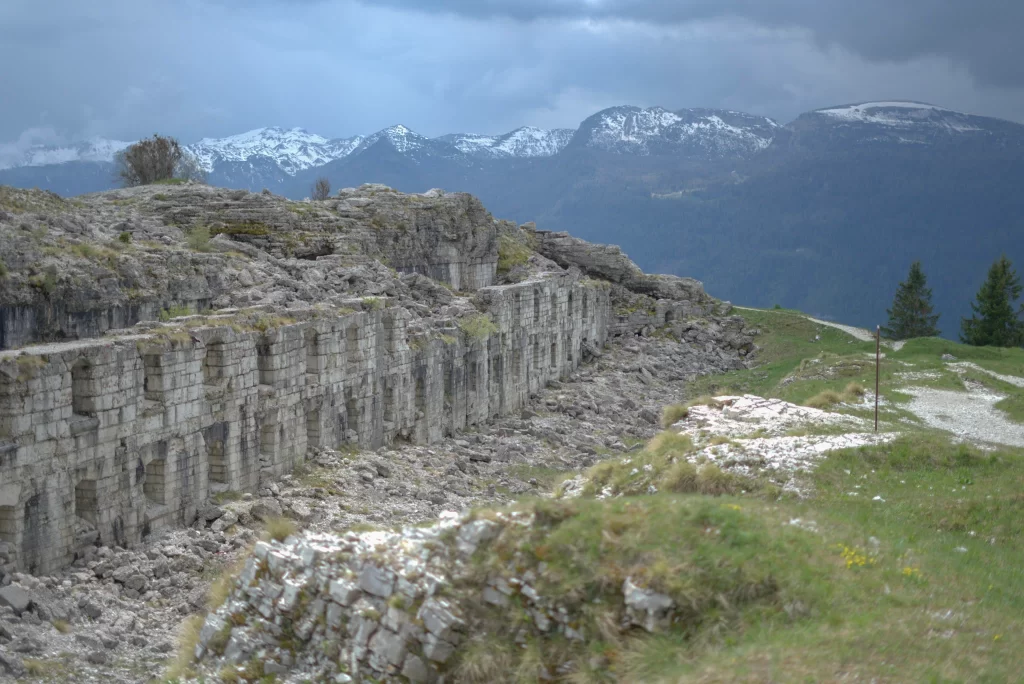
World War I History in the Dolomites
How the landscape still bears the marks of WWI, and why understanding this history adds a powerful layer of meaning to your time in the mountains.
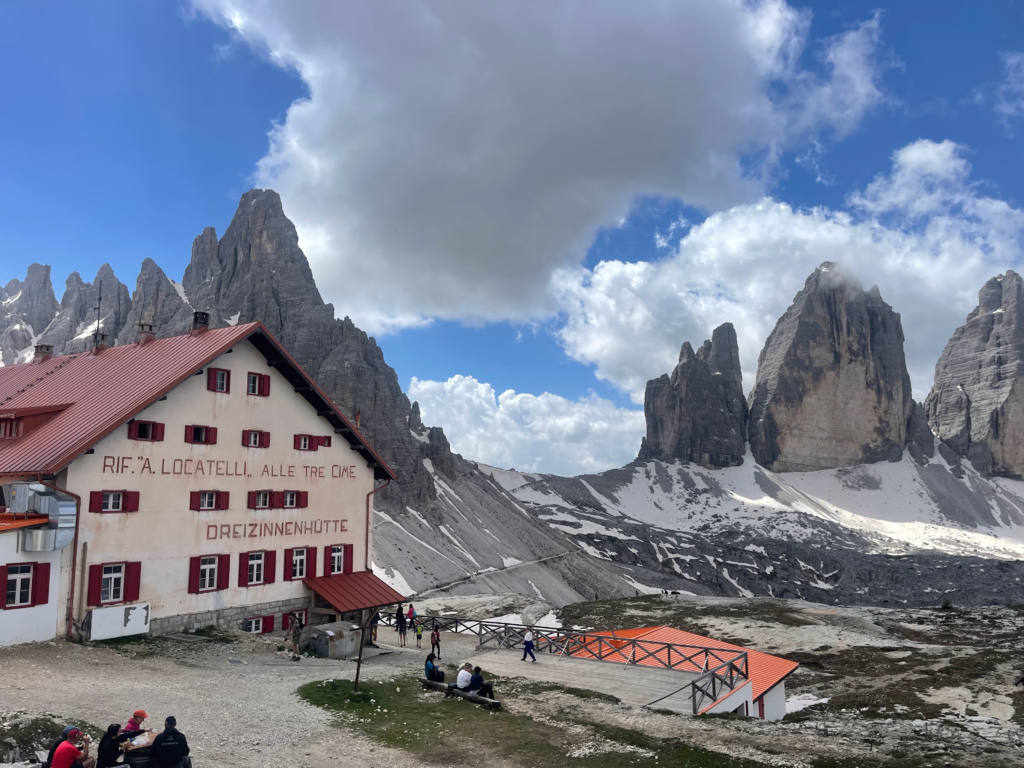
What to Expect at Mountain Huts (Rifugi) in the Dolomites
An inside look at rifugio culture, food, overnight stays, and why these mountain huts are central to life in the Dolomites—even if you’re not hiking hut-to-hut.
Traditional Food in the Dolomites: What to Try & Where
A closer look at the alpine food culture, blending Italian and Tyrolean influences, and how meals in mountain regions reflect both geography and history.
Ladin Culture in the Dolomites: Four Museums to Visit While in Northern Italy
This post will help you understand the culture in the Dolomites and Provide Information on Four Museums to visit while in the region.
Explore More Dolomites Travel Guides
I poured my heart and soul into these guides below, all based on my trips to the Dolomites:
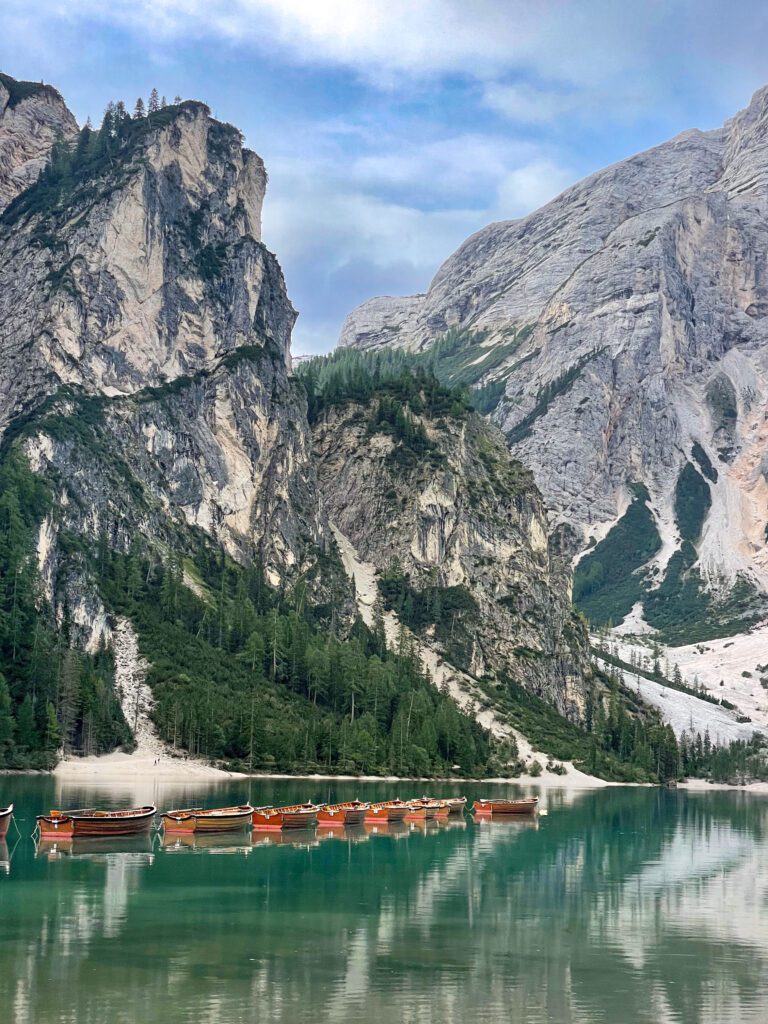
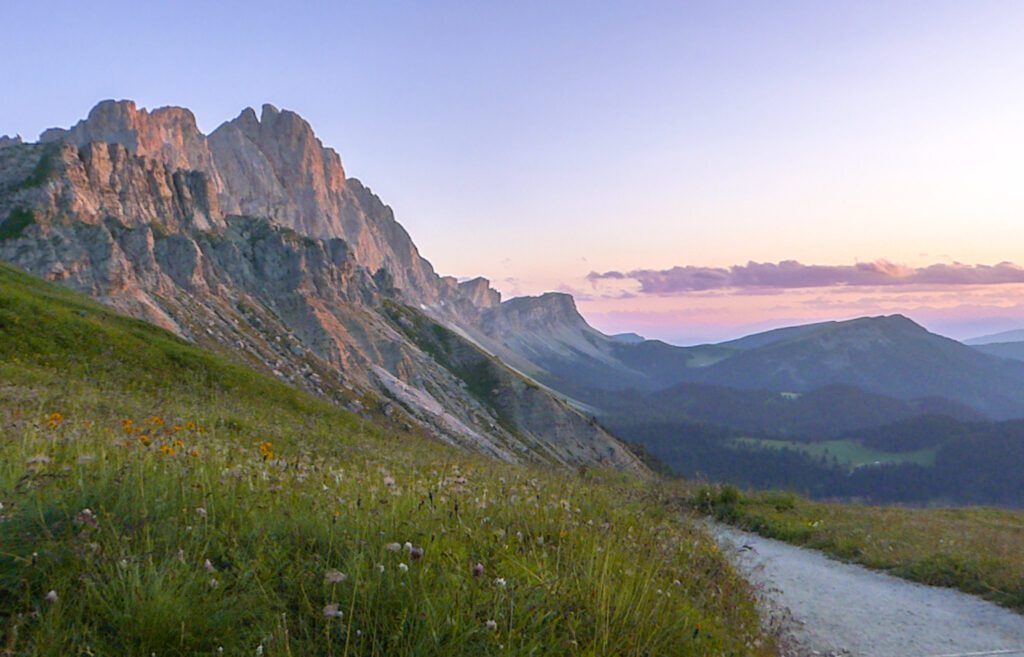
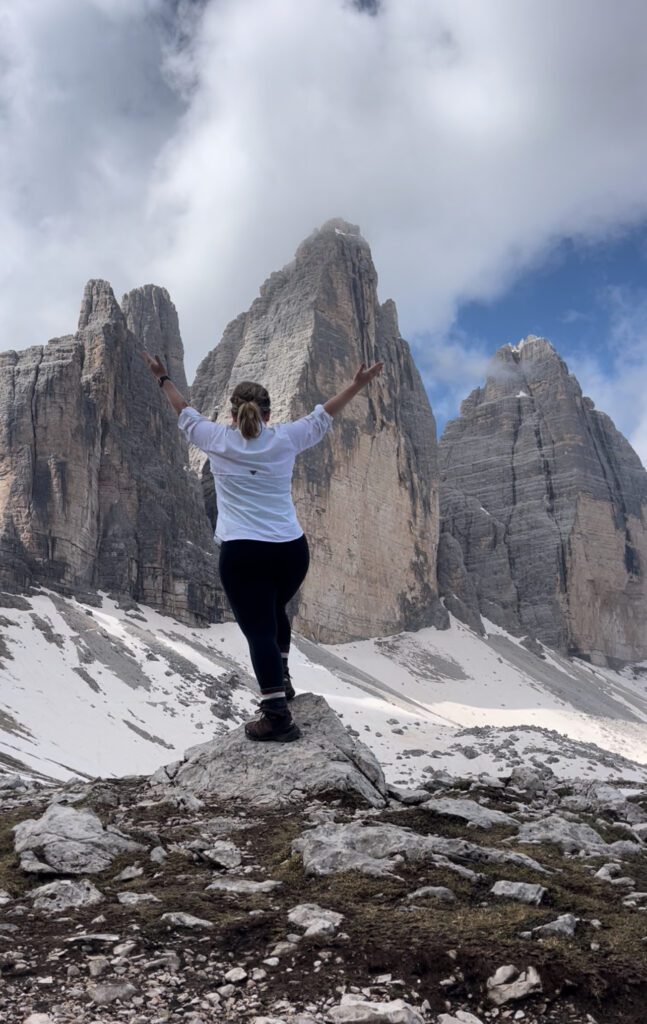
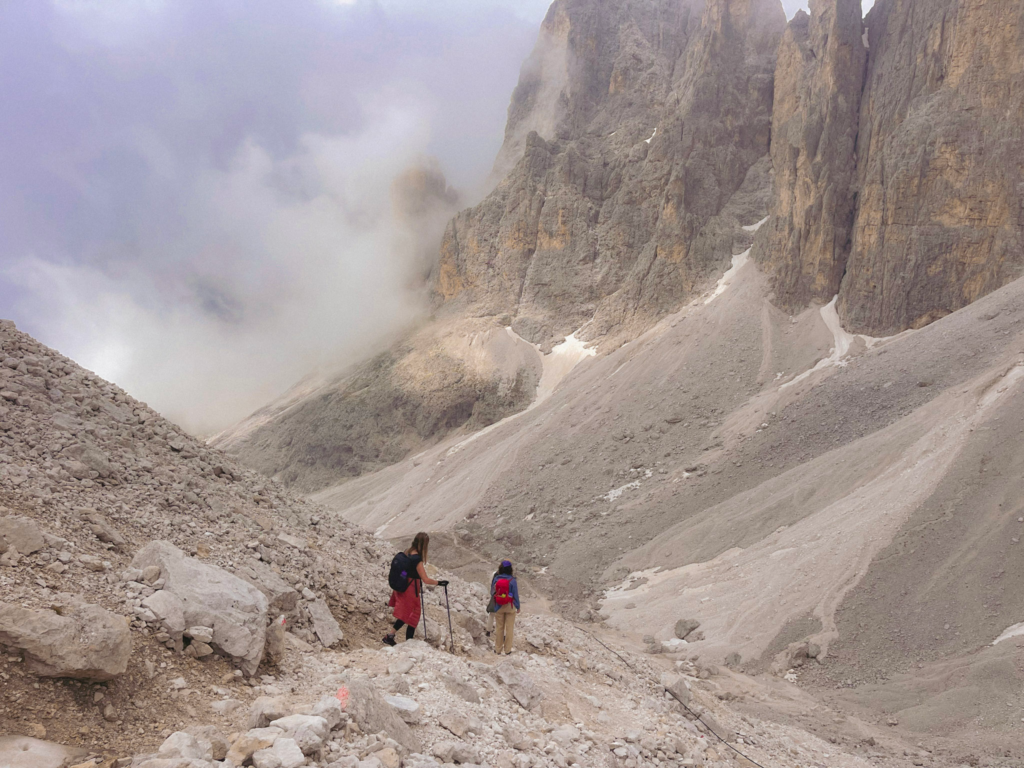
Planning a Trip to the Dolomites: FAQs
These are some commonly asked questions about traveling to the Dolomites
If you’d like to go deeper—whether that’s seasonal planning, specific villages, or slower travel experiences—you’ll find my full library of Dolomites content below.
The Dolomites are in northern Italy, spread across South Tyrol (Alto Adige), Trentino, and the Veneto region. Because the area is made up of multiple valleys and mountain towns, your trip will feel very different depending on where you stay—so it’s worth choosing your base based on your itinerary, not just a pretty hotel photo.
For a first trip, 3–5 days is enough to see highlights from one base. If you want a more relaxed pace or to explore multiple valleys, 7–10 days is ideal. The Dolomites aren’t a “do it all in one day trip” destination—distances look short on a map, but mountain roads make travel slower than you’d expect.
A car makes the Dolomites much easier, especially if you want early starts, sunrise viewpoints, or to move between valleys. That said, some areas (like Val Gardena and Alta Badia) have strong bus and cable car networks, so a car-free trip is possible with the right base and realistic expectations.
It depends on what you want to see, but first-timers usually do best in either Cortina d’Ampezzo (iconic sights and big “wow” scenery) or Val Gardena (efficient cable car access and good transport). If you want quieter villages and slower travel, Alta Badia and San Martino di Castrozza are often better fits.
Late June through September is best for full access (lifts running, trails clear, most rifugi open). Autumn is beautiful and less crowded, but some lifts and huts close as the season shifts. Winter is magical for skiing, snowshoeing, and scenic walks, but you’ll want to plan around weather and road conditions.
Absolutely. You can build an incredible Dolomites trip around cable cars, scenic drives, alpine lakes, village days, food experiences, and short panoramic walks. The biggest mistake people make is assuming the Dolomites are only for hardcore hikers—there’s a lot of beauty here that’s accessible without long distances or steep climbs.
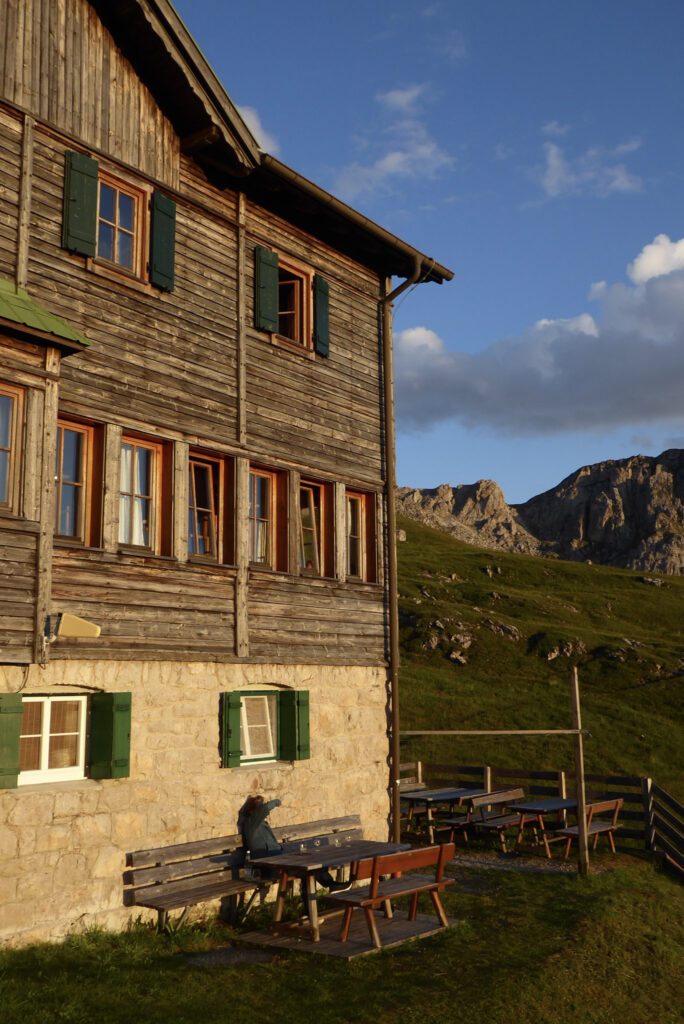
Rifugi are mountain huts that serve food and drinks—some also offer overnight stays. You don’t need to sleep in a rifugio to enjoy them; many are reachable by cable car or short walks, which makes them one of the easiest ways to experience Dolomites culture, local food, and the “mountain rhythm” without a big hike.
Even on a non-hiking trip, pack layers: a light insulated jacket, a rain shell, sturdy walking shoes, and sun protection. Weather changes quickly in the mountains, and temperatures can drop fast in the evening—especially near lakes and at higher viewpoints.
For most travelers, one base is best if you’re visiting for under 5 days. If you have a full week or more, two bases can work well—but moving every night usually creates more stress than it’s worth. The goal is to minimize driving time and maximize mornings and evenings in the mountains.
The Dolomites have a distinct cultural identity shaped by Ladin heritage, Austrian-Italian history, and a unique food tradition you’ll feel in mountain villages and rifugi. There’s also visible World War I history across parts of the range, which adds a layer of meaning to the landscape. It’s one of the reasons I encourage travelers to experience the Dolomites as more than a checklist.