
3-Day Venice Itinerary During Carnevale: How to Experience the Magic Without the Chaos

Welcome to my 3-day Venice Carnival itinerary—born from the fact that my first visit was pure chaos. Venice Carnival is one of the most iconic festivals in Italy, and I showed up with dreamy expectations, got swallowed by crowds, and couldn’t figure out where the real magic was hiding.
Living in Northern Italy, I return year after year, and that’s when Venice finally revealed its rhythm: the quiet dawn hours when costumed Venetians drift through empty squares, the backstreets that stay blissfully calm, and the routes that keep you out of the bottlenecks around Rialto and St. Mark’s.
Once you understand how to move through Venice, Carneval transforms. It stops feeling overwhelming and starts feeling cinematic.
This itinerary, along with my 13 Things You Should Know Before You Go To Venice Carnival will help you experience, Carneval without the stress. If you want the insider Carnevale visitors rave about, this is where it begins.
This Post Pairs Well With:
- Venice Gondola Ride Guide: The Truth About Gondola Rides
- What to Eat in Venice: 4 Food Tours That Get It Right
- Burano Day Trip from Venice: A Guide to the Island
- How to See St. Mark’s Basilica & Doge’s Palace in One Day (Without Losing Your Mind)
- Italy
Venice Carnevale Quick Guide
(At a Glance)
Dates: The Venice Carnival returns
from January 31st to February 17th 2026
Where to Stay:
Cannaregio or Dorsoduro for quieter nights and easy transport.
Getting Around:
Walk when you can; use the vaporetto for long distances. Check updates on the AVM Venezia app or Che Bateo?
Best Times for Costumes:
Mid-morning and late afternoon around St. Mark’s and the Riva Degli Schiavoni.
What to Prioritize:
Mask-making class, St. Mark’s Basilica + Doge’s Palace tour, cicchetti in Cannaregio, golden-hour wandering.
Crowd Tip:
Go early for peaceful canals; avoid San Marco mid-day and on the weekends. Try to enjoy Carnivale during the week if you aren’t worried about bigger events!
Weather:
Venice in February is chilly—layers, comfortable shoes, and a crossbody bag with anti-theft features.
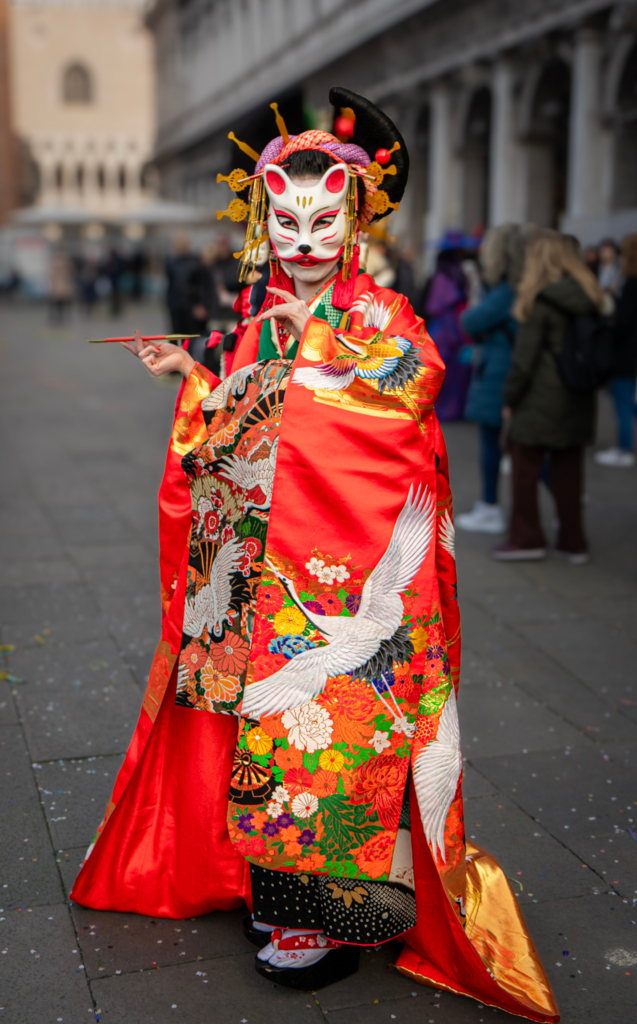
Where to Stay in Venice for Carnevale
When it comes to where to stay during Carnevale, everything comes down to budget, location, and your tolerance for crowds. Prices climb noticeably this time of year, so booking early and choosing the right neighborhood matters.
I personally prefer quieter, more local-feeling neighborhoods where I can sleep well, walk to the action, and still retreat when Carnevale energy gets intense.
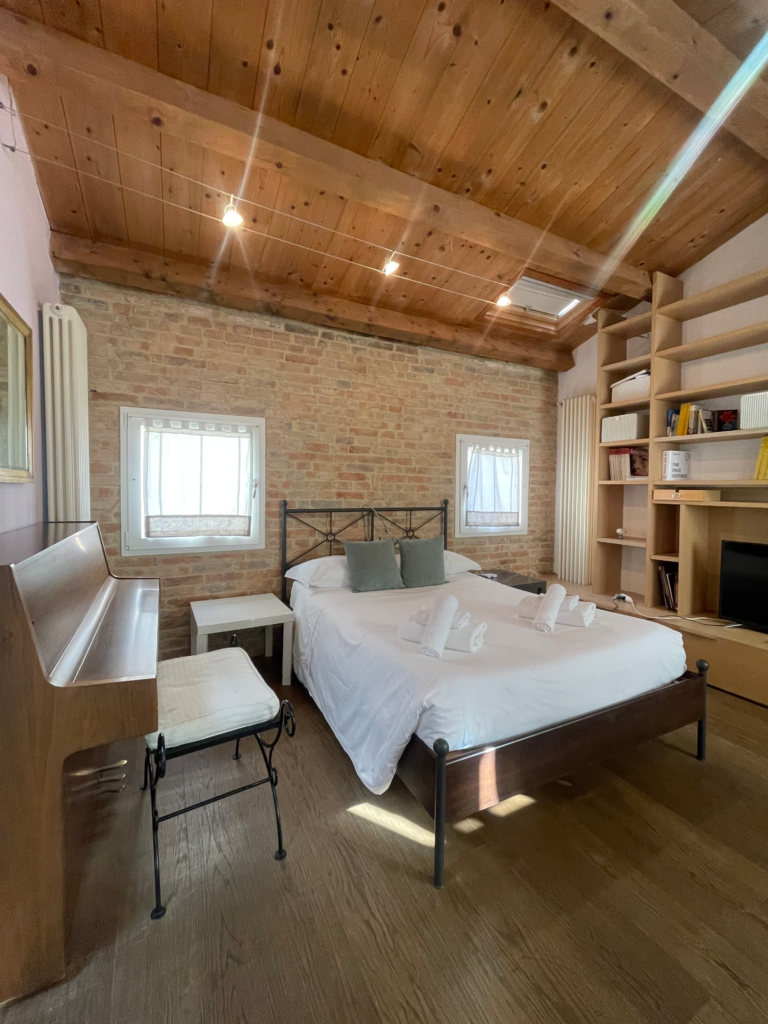
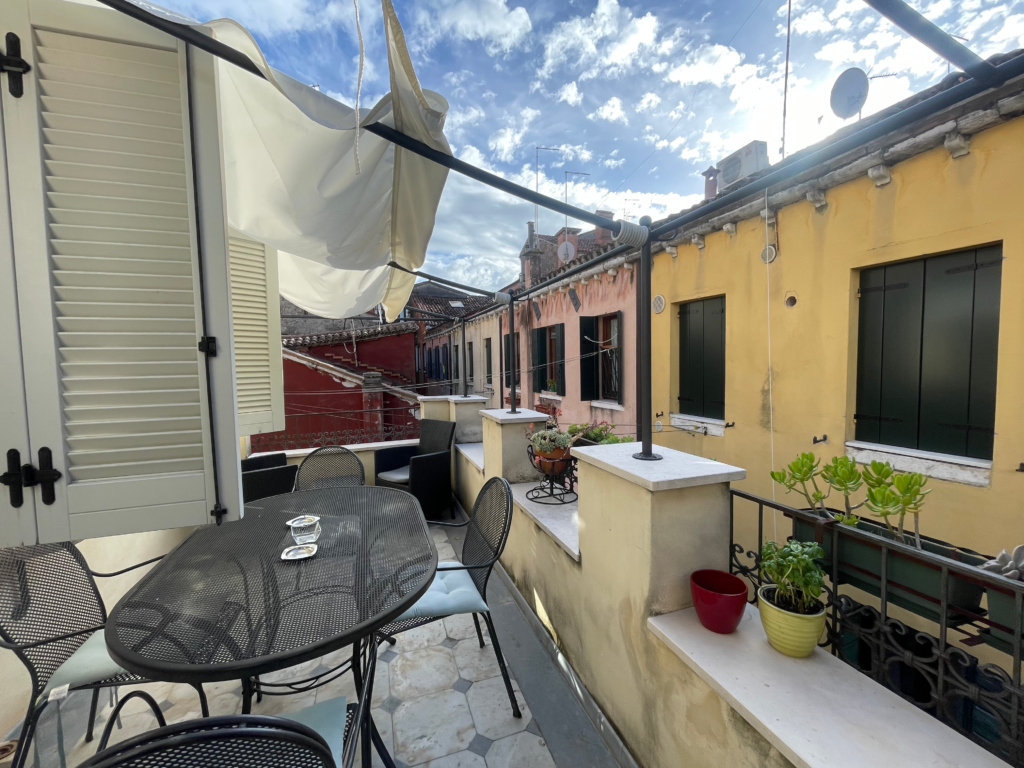
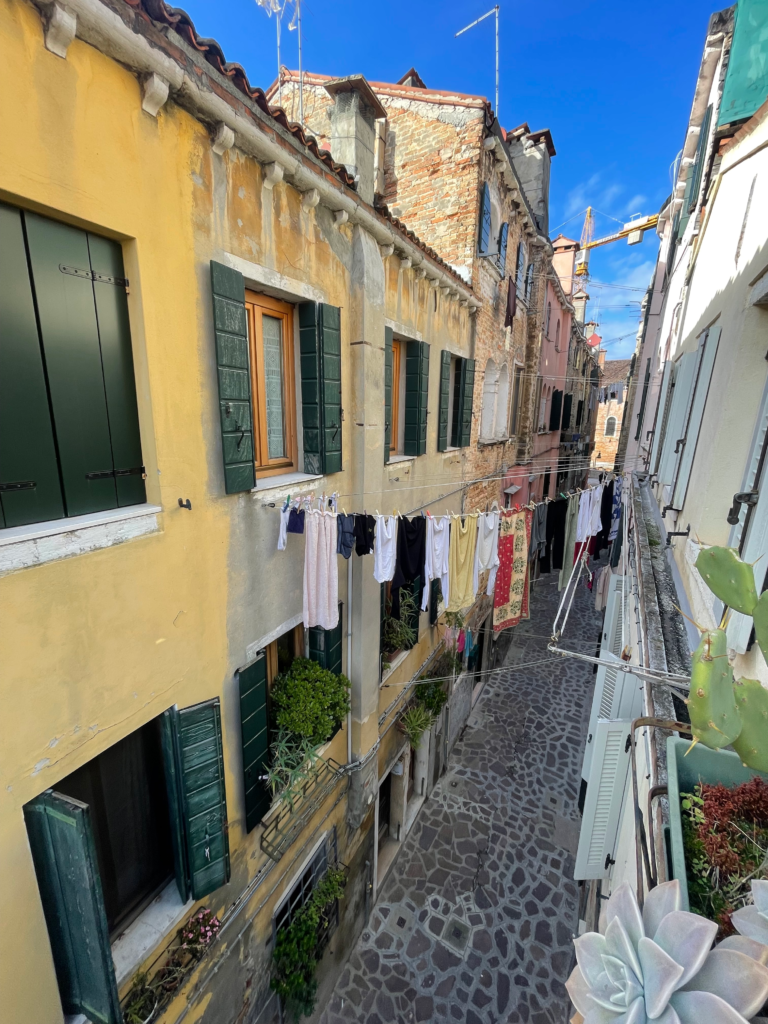
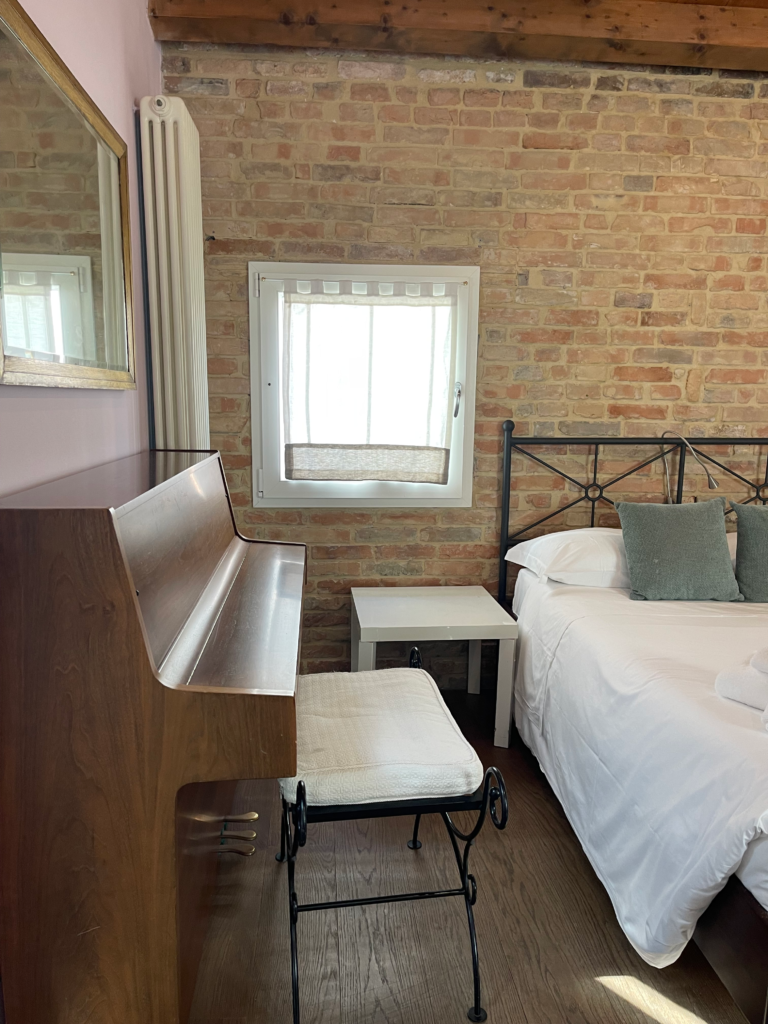
My Stay Near Arsenale: Fenix Otello Apartments
For two of my most recent stays, I booked Fenix Otello Apartments, located near Arsenale and the Giardini Biennale vaporetto stop. This corner of Castello sits on the quieter end of the lagoon, and I’ve really fallen for its lived-in, local feel. It’s a completely different energy from the permanent buzz around Rialto or San Marco.
I’ve stayed here solo and again with my husband and mother-in-law during the Venice Half Marathon in October. Both times, the apartment was clean, comfortable, and felt like a peaceful home base during busy days in the city.
What I loved:
- Quieter, more residential setting
- Easy access to vaporetto stops for Carnevale events
- Good value for the space and comfort level
- Friendly concierge support (they’re based right across from the meeting point you’ll receive after booking, and were quick to help with any issues or questions)
The trade-off:
Getting here takes time, especially if you arrive during peak Carnevale crowd hours. I usually choose the vaporetto, which means managing luggage on a boat that can get crowded. On Carnevale weekends, I’m always very ready to check in and drop my bags by the time I arrive.
Best for:
- Travelers who want a calm, residential base
- Solo travelers and couples who don’t mind a longer vaporetto ride
- Anyone who wants to be within walking distance of San Marco, but not sleeping on top of it
Not ideal for:
- Travelers who want to step out the door directly into St. Mark’s Square
- Anyone who absolutely hates public transport and wants ultra-fast hotel access
You can use a Stay22 map here to find more hotels and apartments that match your budget and preferred neighborhood. Below, I’ll walk through the areas I most recommend during Carnevale.
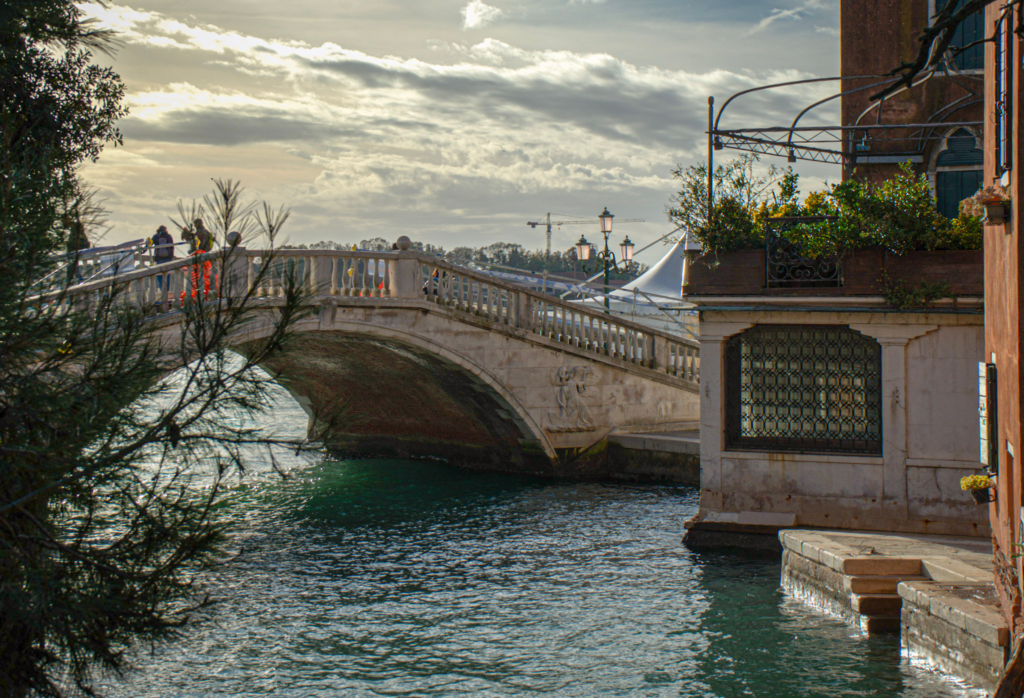
Quiet Neighborhoods in Venice + Map
Cannaregio (Especially Near Fondamenta della Misericordia or Guglie)
Cannaregio is one of Venice’s most local-feeling neighborhoods—peaceful canals, excellent cicchetti bars, and everyday Venetian life, especially around the Jewish Ghetto.
- About 25–30 minutes on foot to St. Mark’s
- Easy vaporetto access via Line 1 or 4.1
Best for:
- Solo travelers who want friendly, relaxed bars and canalside walks
- Budget-minded travelers who still want to walk almost everywhere
- People who like a neighborhood feel more than a postcard-perfect façade
Dorsoduro
Dorsoduro is the artful, slightly bohemian heart of Venice: museums, cozy cafés, students, and local campo life. Campo Santa Margherita brings a bit of buzz at night, while the Zattere waterfront stays relatively calm.
- Around 25 minutes walking to San Marco
- Short vaporetto ride via Line 2
Best for:
- Travelers who want art, cafés, and culture without intense crowds
- Solo travelers who enjoy people-watching with a glass of wine
- Couples looking for a romantic-but-not-touristy base
Sant’Elena
At the far eastern tip of Venice, Sant’Elena is leafy, residential, and wonderfully quiet. Think parks, playgrounds, and strolls by the water.
- About 30 minutes on foot to San Marco
- Around 15–20 minutes by vaporetto via Lines 4.2 or 5.1
Best for:
- Families who need a calmer base
- Long stays and remote workers
- Travelers who want nature and space during Carnevale
Arsenale / Giardini (East Castello)
Just beyond the heaviest crowds of San Marco, this part of Castello feels calm but still connected. Via Garibaldi has a local rhythm—morning markets, artisan shops, and casual cafés.
- About 10–15 minutes on foot to San Marco
- One quick vaporetto stop away
Best for:
- Travelers who want to be close to the action but not in it
- Art and culture lovers (especially during Biennale years)
- Repeat visitors who want a more “lived-in” Venice feel
Giudecca
Across the canal from Dorsoduro, Giudecca is quiet, community-oriented, and blissfully removed from the densest Carnevale crowds. You get lagoon views, relaxed bars, and more breathing room.
- About 10–15 minutes to San Marco by vaporetto (Line 2, or 4.1/5.2 via Zattere)
Best for:
- Couples or friends who want calm evenings
- Travelers who prefer local bars over tourist-heavy bacari
- Anyone who wants “Venice, but slower”
Mestre (Mainland Option)
Mestre is not “classic Venice,” but it’s practical, well-connected, and significantly more affordable—especially during Carnevale.
- Trains run every 10–15 minutes to Venezia Santa Lucia
- The ride takes around 10–12 minutes
- Add 15–20 minutes by vaporetto to reach San Marco
Best for:
- Longer trips where cost and convenience matter more than canal views
- Travelers on a tighter budget
- People arriving with a car (parking is much easier)
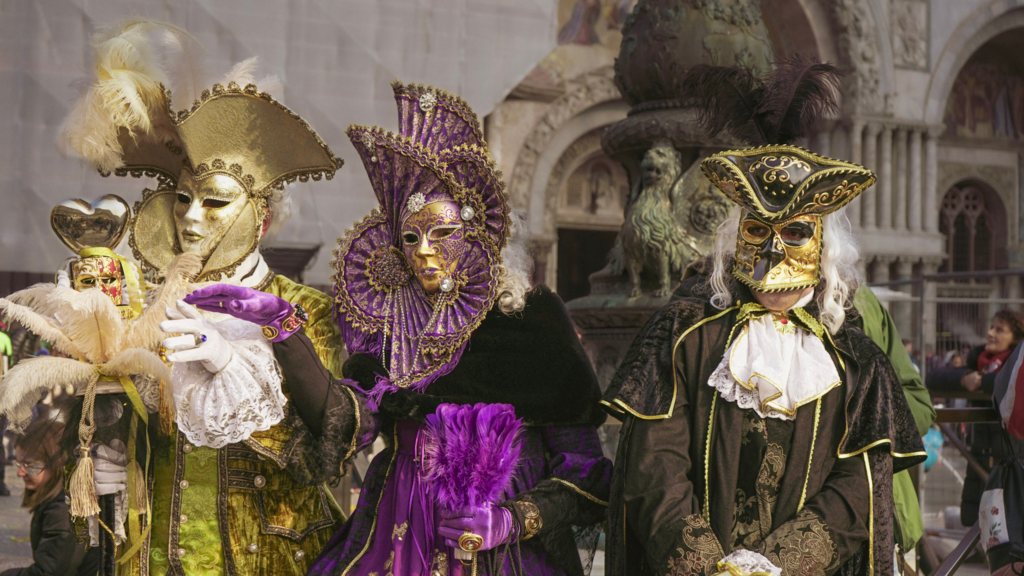
Venice During Carnevale: Weekend or Weekday?
The official dates for Venice Carnivale are from January 31st to February 17th, 2026
When you visit during this window your experience changes dramatically:
- Weekends are full-throttle: parades, performances, packed squares, elaborate costumes, and a kind of electric, theatrical chaos.
- Weekdays are gentler: fewer people, easier navigation, more room for strolls, photography, and quiet mask-spotting.
If you’re aiming for the iconic events and biggest wow moments, plan to be in Venice from Friday through Sunday. If you care more about atmosphere and sanity than spectacle, consider Sunday evening through Tuesday or Wednesday instead.
If you’re planning your trip around events, here’s where you can check the official Carnevale schedule: Here and also with the Venice IAT. It’s updated each year with exact dates, parades, and performances.
La Festa Veneziana sull’Acqua (The Water Parade) – Venice’s Most Anticipated Carnival Event
If you want to feel the shift from “winter in Venice” to “Venice in full Carnival mode,” this is the moment. La Festa Veneziana sull’Acqua transforms Cannaregio into a living stage of boats, masks, and music—and once it begins, Carnival truly starts.
This is the opening regatta held along the Rio di Cannaregio, Venice’s historic working-class district. Masked rowers glide past packed canal banks, music echoes off the buildings, and the entire neighborhood turns into a floating celebration. It’s one of the most symbolic and beloved events of the entire Carnival calendar—for good reason.
The parade features traditional Venetian rowing boats, operated by masked rowers, and is famously led by the Pantegana boat — a giant mechanical rat that glides through the canal before “exploding” in a burst of smoke and celebration near the Rialto Bridge. It’s dramatic, slightly absurd, and completely Venetian.
In 2026, the Water Parade is scheduled on Sunday, 1 February 2026, and the timing is as follows (times are provisional and subject to confirmation at the end of January 2026; please make sure to bookmark this):
- 10:30 – Boat gathering at Dogana da Mar, near the Church of Santa Maria della Salute
- 11:00 – Official departure of the procession
- 11:20 – Explosion of the Pantegana in front of the Rialto Bridge
- 11:30 – Arrival at Campo de l’Erbaria in Rialto with a Venetian street festival
This means you could:
- Then spend two quieter weekday days really getting to know the city at your own pace.
- Arrive in Venice on Saturday
- Experience the Water Parade on Sunday
⚠️ Personal Tip: I’ve only attended this regatta once in my three years of living near Venice—and while it’s absolutely worth seeing, you have to be ready for intense crowd conditions. Bridges and canal walkways fill quickly. Once you pick a spot, you’re essentially committed.
- If you get anxious in tight spaces, consider watching from a less central stretch of the canal.
- If you’re not up for that level of intensity, it’s okay to skip the event and enjoy Carnevale in other ways.
If you want a visual sense of what the crowds and boats look like, you can watch a short clip in my TikTok video from the parade.
My 3-Day Itinerary for Venice During Carnevale
This 3-day itinerary is designed as a framework, not a rigid checklist. Use it as a starting point and shape it around your own pace and interests.
Day 1: Arrive, Settle In, and Soak Up the Atmosphere of Carnivale
Morning: Arrive in Venice
Whether you arrive by water taxi, Alilaguna boat, or bus + vaporetto, your first glimpse of Venice by water is a moment all on its own.
Once you’ve checked in, keep the morning gentle. Wander your immediate neighborhood—whether that’s Cannaregio, Dorsoduro, Castello, or Giudecca—and let your body and brain catch up to the setting.
Stop by a bar and grab a cappucino before or after check-in.
If you want a quick Venetian-style welcome:
Order at the counter, drink standing like a local, or sit if you need to decompress
A few spots worth noting near central areas:
Pick whichever fits the area you’re staying in; this is about grounding yourself, not rushing into sightseeing.
Midday: Mask-Making Workshop
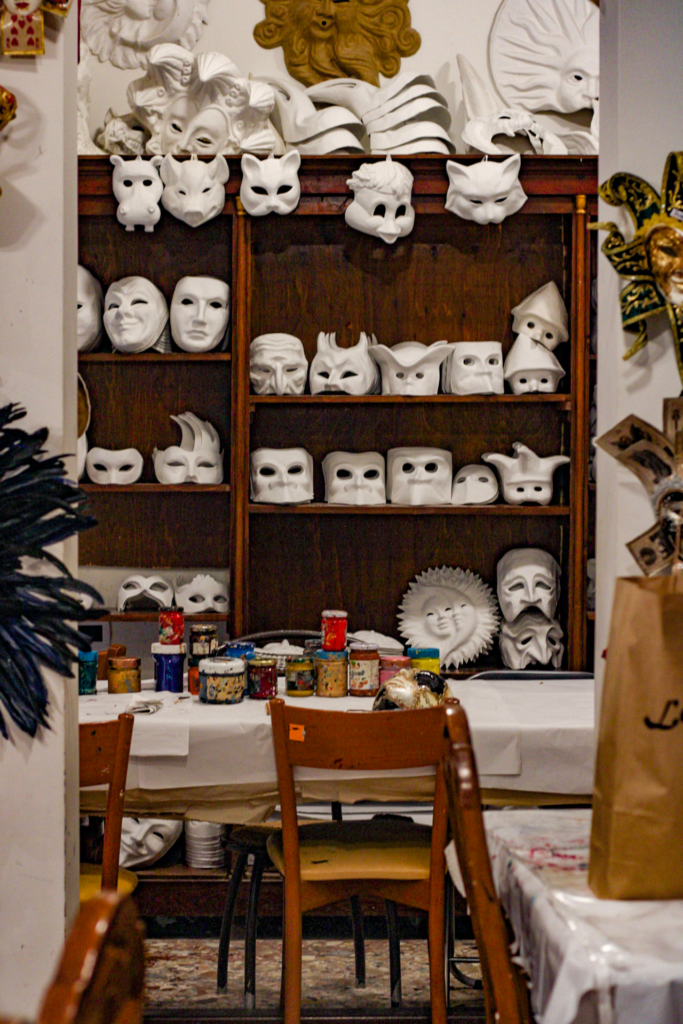
Kick off Carnevale with something hands-on and unforgettable: a traditional Venetian mask-making workshop. You’ll learn the history, painting techniques, and symbolism behind the masks that define this festival. It might sound a little touristy (or even childish), but I promise — these classes are just as fun for solo travelers as they are for families. And yes, you get to walk away with your own one-of-a-kind souvenir.
I’ve taken two different mask-making experiences in Venice, and both gave me a deeper appreciation for the craft and the people keeping it alive.
These are the top three I would consider:
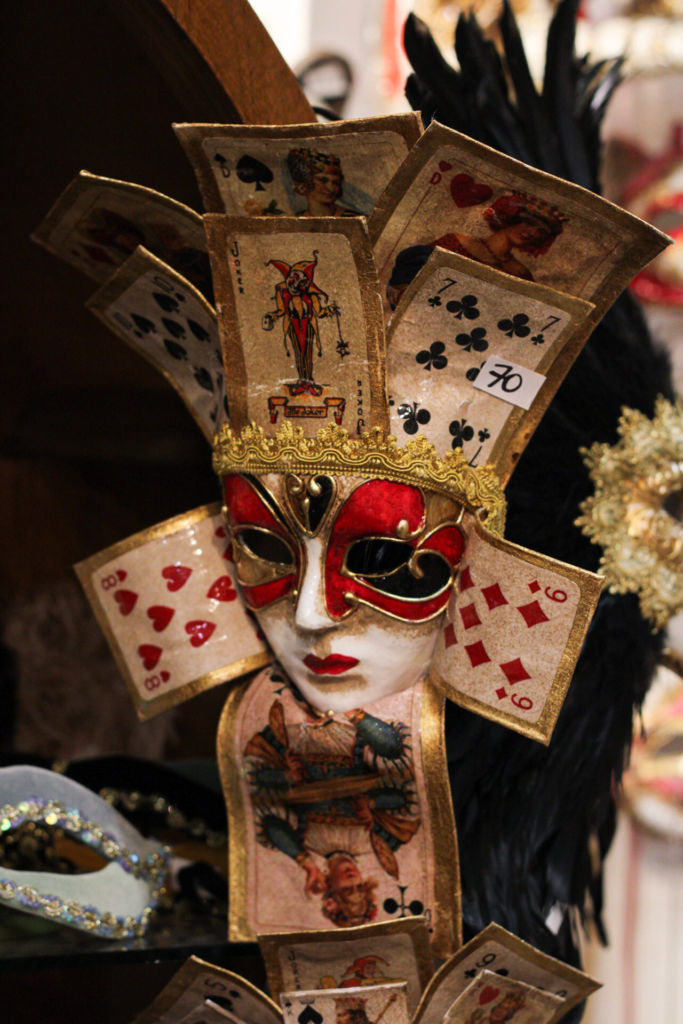
Not into Venetian Maskmaking? No problem. I highly recommend stopping by one (or both) of Venice’s iconic mask shops:
- Ca’ Macana – handcrafted, theatrical, and rooted in real tradition
- LA BOTTEGA DEI MASCARERI– Two brothers, Sergio and Massimo, who have an extensive resume filled with film credits. Many people choose to go here, very well known.
If you’re curious about the history behind these masks — from clandestine gambling to social rebellion — it’s absolutely worth the read. Here’s a fantastic overview:
The History Behind Venetian Masks
Late Afternoon: Wander & Watch
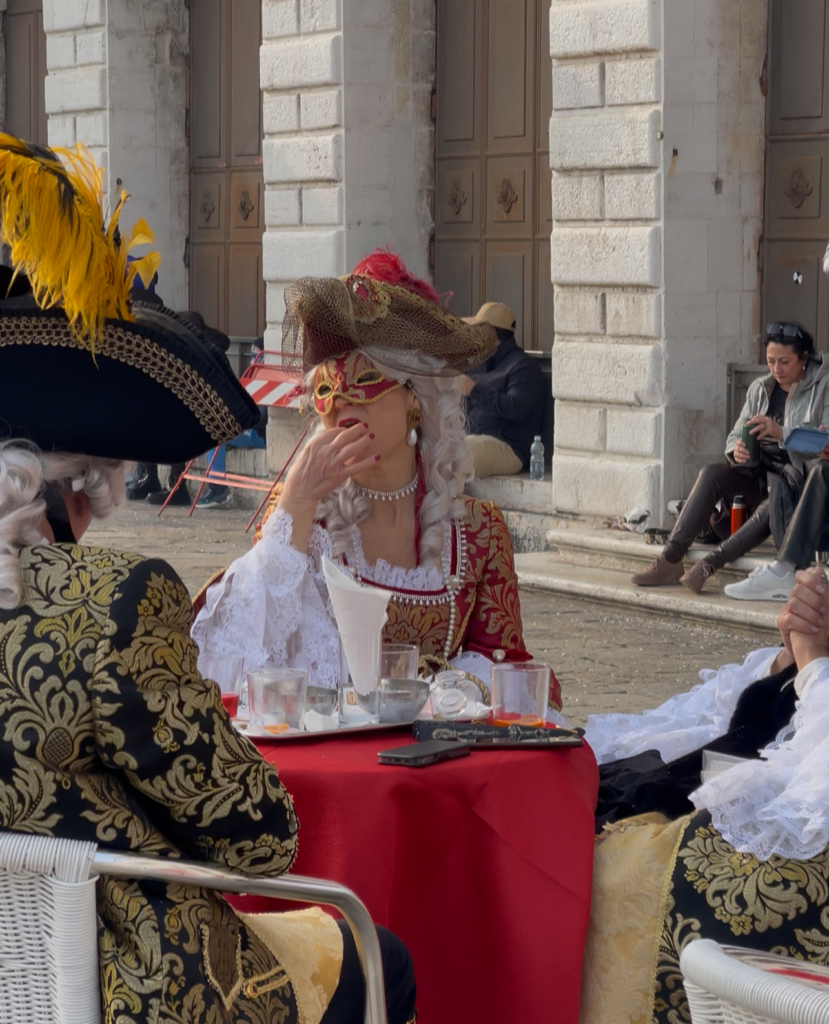
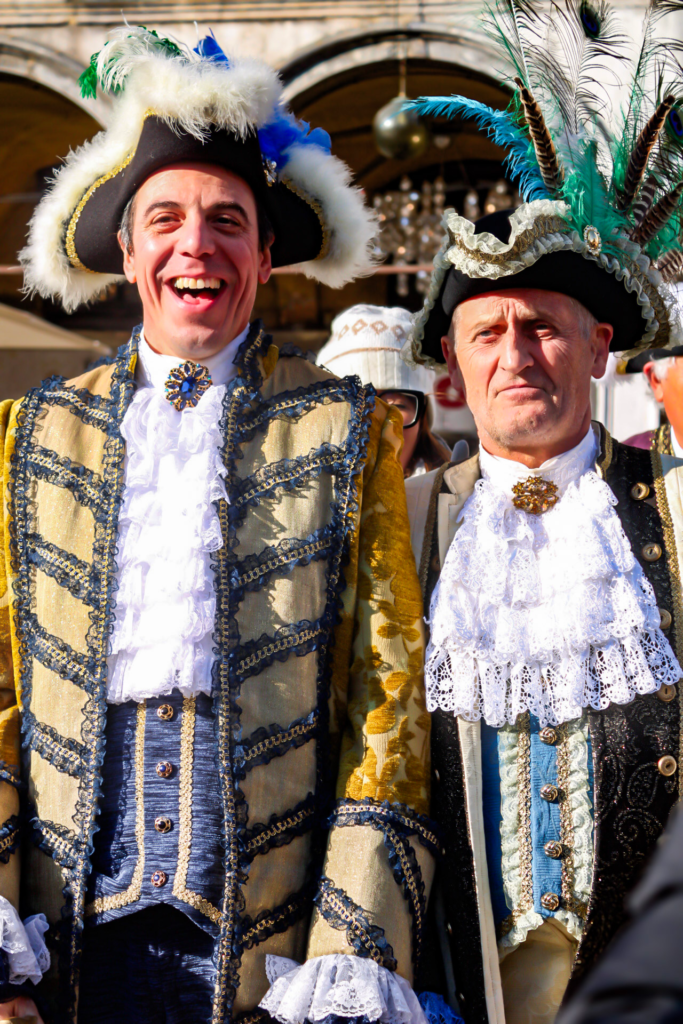
This is the sweet spot for mask-spotting. Head toward the Riva degli Schiavoni and Piazza San Marco to see performers and costumed visitors along the lagoon. If you are in Venice on a weekend, you’ll find many people in masks, and it makes for a fun outing.
On weekends especially, you’ll find:
- People in full historical dress
- Couples and groups posing on the steps, bridges, and near the Doge’s Palace
- Photographers lined up to capture it all
It can feel crowded, but it’s also incredibly photogenic. Most costumed participants are happy to pose as long as you’re respectful and patient.
It’s also a photographer’s dream; you can snap pictures and people will pose for you. I absolutely love the drama in all of this. If you are into photography, this is the place to be!

Evening: Cicchetti + Spritz in Cannaregio
With this evening, I am making you walk all the way to the top of the lagoon! Trust me, each Venetian neighborhood holds something special.
End the night with a relaxed cicchetti crawl along Fondamenta della Misericordia. Think of it as Venetian tapas — small bites, local wines, and casual canal-side vibes. I’ve listed all the places I love in this area below, along with a link to TripAdvisor for reviews! This will get you out of the heavily touristed areas and into the heart of the city.
Cicchetti culture is casual and social. As a solo traveler, I’ve often ended up chatting with locals or other visitors without really trying—it’s one of the reasons I recommend Cannaregio so often.
My favorite Food Tours in Venice
Read all about Food tours in Venice: The art of eating in Venice
Day 2: Burano Morning, Carnevale Afternoon
Day 2 is when a lot of people fall in love with Venice. The contrast between the slow rhythm of Burano and the theatrical energy of Carnevale makes the city feel layered and human, not just like a festival set.
This is often the day when Venice stops feeling like a performance and starts feeling like a lived-in city you’re allowed to be part of.
Morning: Day Trip to Burano
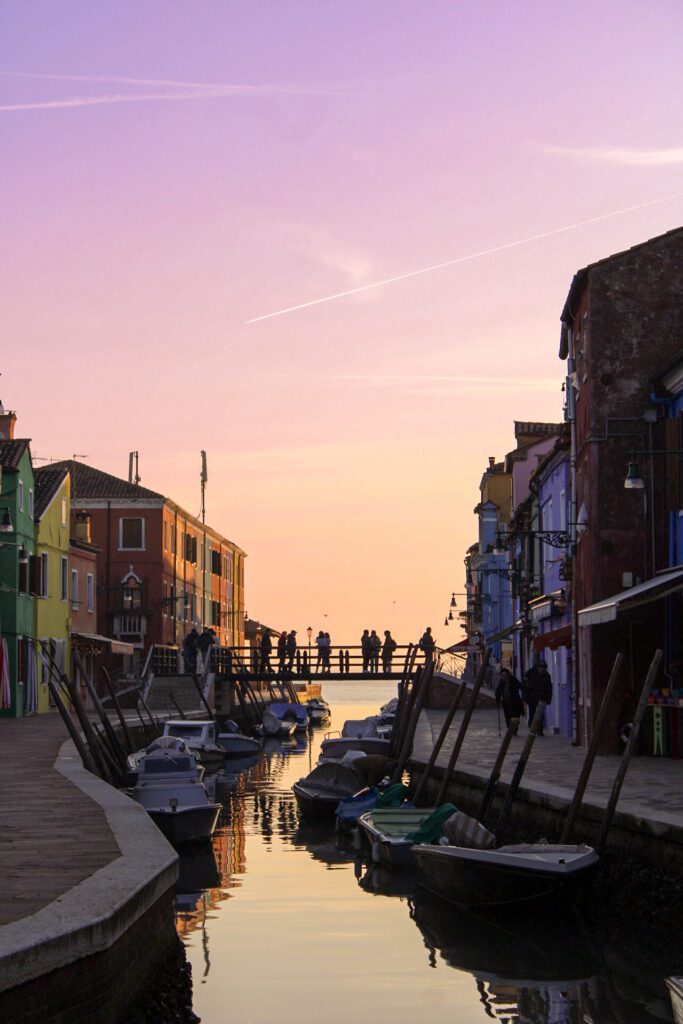
Start early and catch a vaporetto to Burano. During Carnevale, mornings here are often quieter, and the soft light makes the colorful houses glow.
On Burano, you can:
- Wander the back streets away from the main square
- Browse lace shops (or simply admire from the outside)
- Take your time with photography without being jostled
Burano still feels connected to Carnevale—people wear masks here too—but the pace is slower and more grounded. It’s one of my favorite ways to take a breath from the intensity of central Venice.
What to Read Next: The Perfect Day Trip to Burano
Click here to read all about my favorite Island in the Venetian lagoon and how you can maximize your time
Lunch: Trattoria in Burano or Back in Venice
For lunch in Burano, stop by Trattoria da Romano. This is a locally owned restaurant, and it is an absolutely perfect finish to your day in Burano
Afternoon: Venice: 17-18th Century Dress-Up Experience
Back in Venice, this is the perfect time to book a 17th–18th century dress-up experience or costume rental. If you’ve ever dreamed of stepping into the frame instead of just photographing it, this is your moment.
Walk along the Riva, around San Marco, or through quieter streets, and let people take your photo. It’s playful, surreal, and surprisingly empowering for a lot of solo travelers.
This is also golden hour for photographers:
- Late afternoon near the Doge’s Palace
- Views out over the lagoon
- Warm light on masks, cloaks, and capes
Click on the Widget below to see times and availability:
Photography tip: Late afternoon near the Doge’s Palace = golden light + incredible backdrops. I think every photographer or hobby photographer knows this, but if you didn’t!
Evening: Aperitivo and Dinner
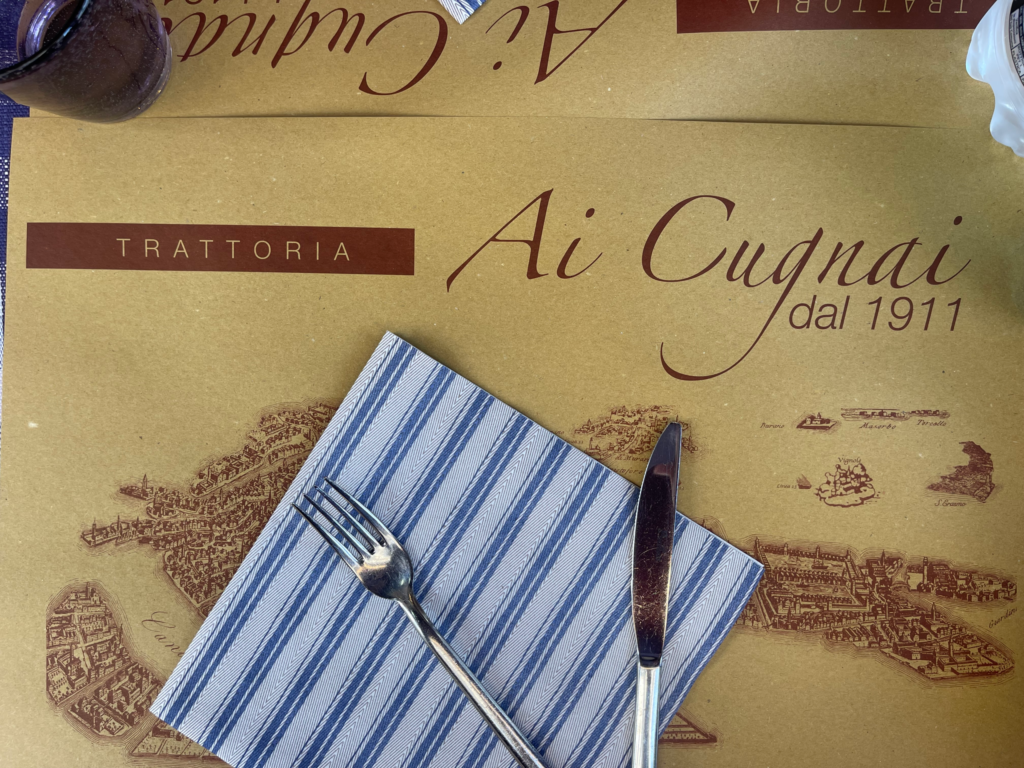
Unwind with dinner or maybe just an aperitivo at Trattoria ai Cugnai dal 1911 ( but book ahead)
It’s a low-key Venetian hangout where I’ve often seen gondoliers on their lunch or dinner break.
Expect:
- Comforting dishes like Lasagna alla Bolognese
- A mix of Venetian and broader Italian flavors
- Fast, friendly service and a solid local-leaning crowd
It’s not about elaborate plating; it’s about feeling like you’ve slipped into a space Venetians actually use.
Day 3: Icons, Hidden Corners, and One Last Quiet Evening
Morning: St. Mark’s Basilica & Doge’s Palace
On Day 3, it’s time for the heavy hitters—St. Mark’s Basilica and the Doge’s Palace.
- Book an early skip-the-line guided tour so you’re not standing in queues for half the morning. Once you’re inside:
- Crossing the Bridge of Sighs into the quiet prisons feels more powerful with a guide connecting the history
- The golden mosaics of St. Mark’s hit differently when you’re not exhausted from waiting
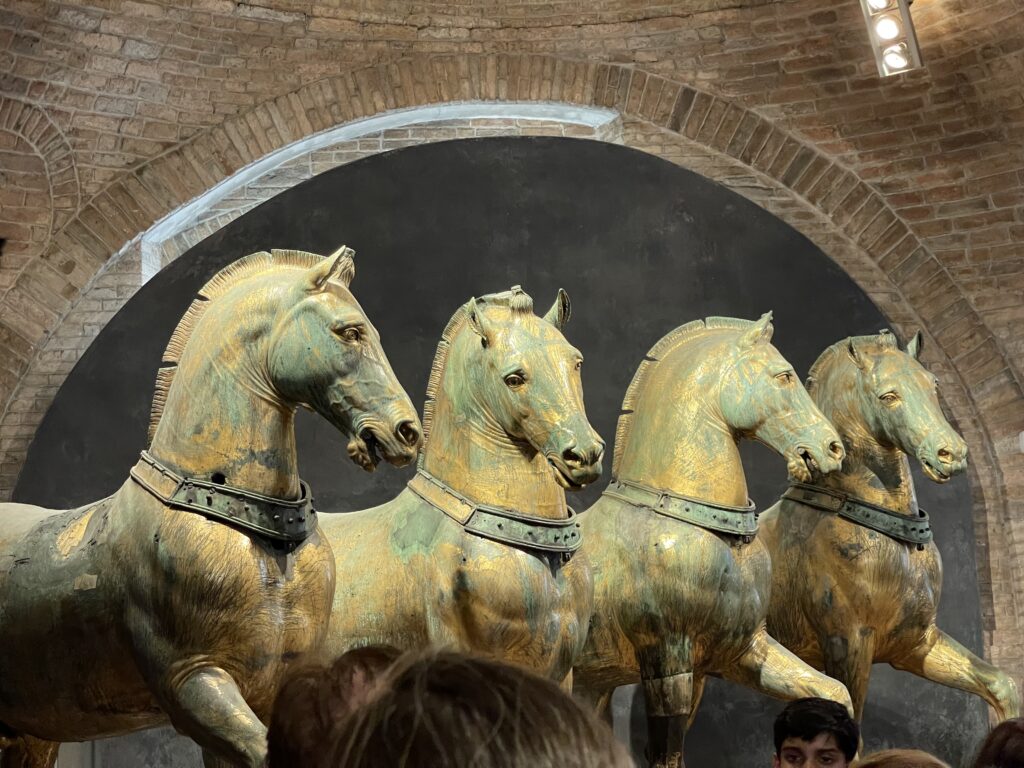
The terrace with the bronze horses gives you a sweeping view over the square
👉 Read about why I think a skip-the-line tour in Venice is the best!


Midday: Art + Hidden Gardens in Dorsoduro
After a big morning, slow things down. Cross over to Dorsoduro and visit the Peggy Guggenheim Collection, one of my favorite museums in Venice.
It’s intimate, right on the Grand Canal, and filled with modern art in what was once Peggy’s home. The garden and terrace alone are worth the visit.
Afterward, slip into Venice’s quieter side with a Venetian garden tour or a visit to one of the city’s lesser-known green spaces.
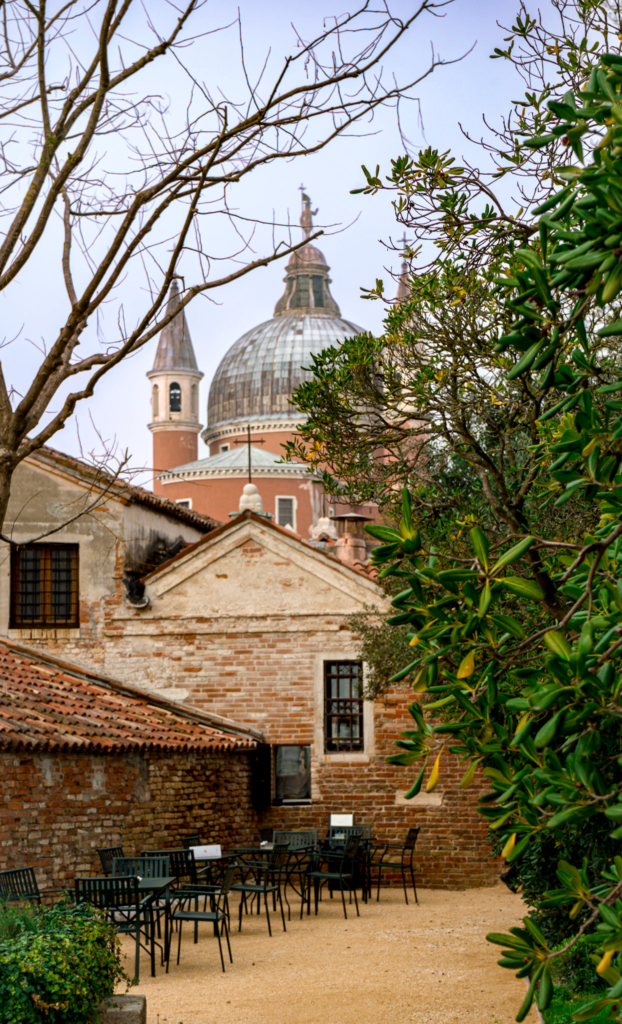
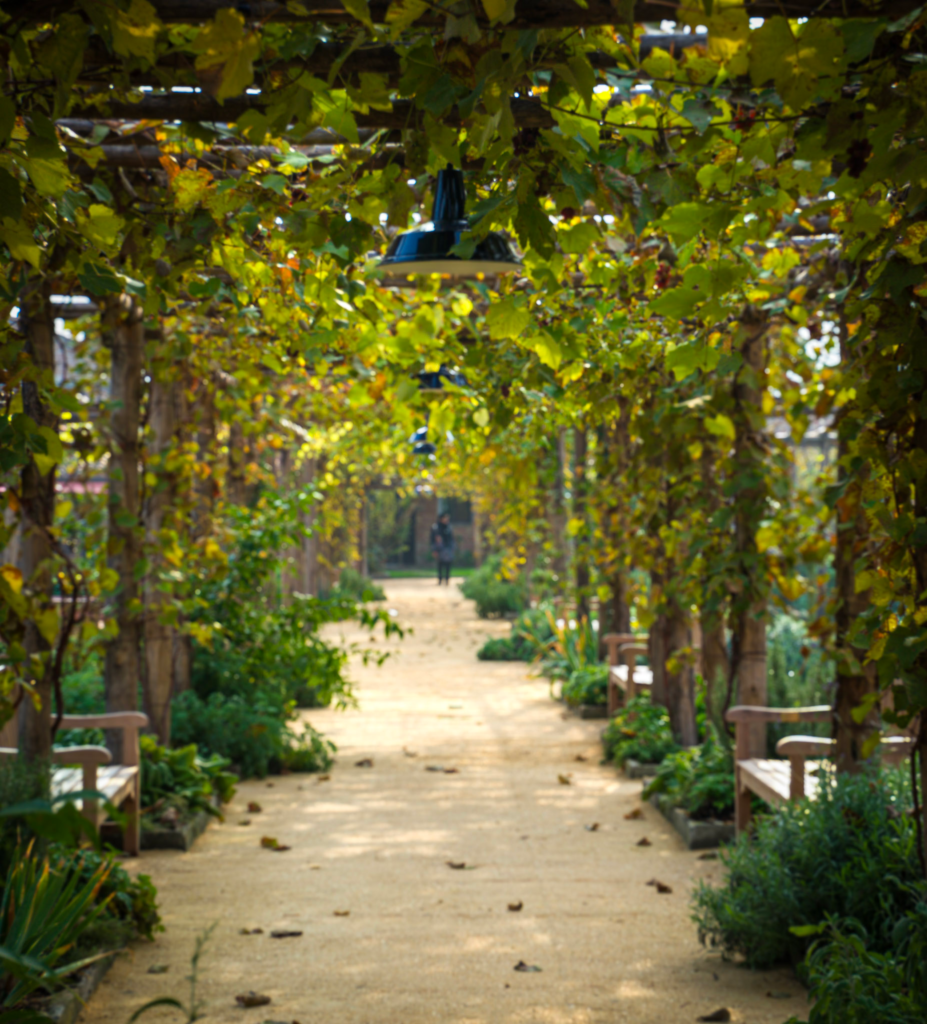
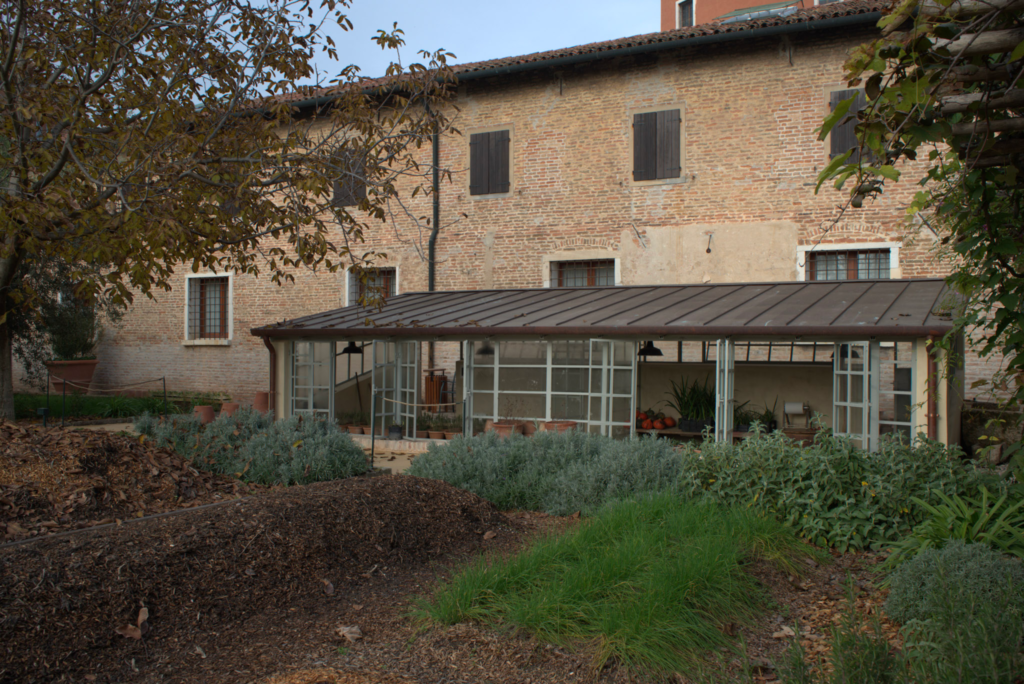
One of my favorite hidden spots is Hortus Redemptoris, a peaceful convent garden tucked behind the Church of the Most Holy Redeemer. I visited in December, and even in winter, it felt quiet, thoughtful, and beautifully cared for—a true oasis when Carnevale feels intense. This is a wonderful place to link out to a separate post or resource if you decide to write more about Venice’s gardens.
Afternoon: Your Time
Leave this part of the day flexible for some R&R
You might:
Take a quiet gondola ride through the back canals instead of sticking to the Grand Canal chaos
- Revisit a neighborhood that really resonated with you
- Spend another hour or two photographing masks and costumes
Curious about Gondola Rides in Venice?
Learn more about how to plan your gondola ride in Venice here

Evening: Quiet Dinner + Lagoon Walk
For your final evening, I would like to give two very different options:
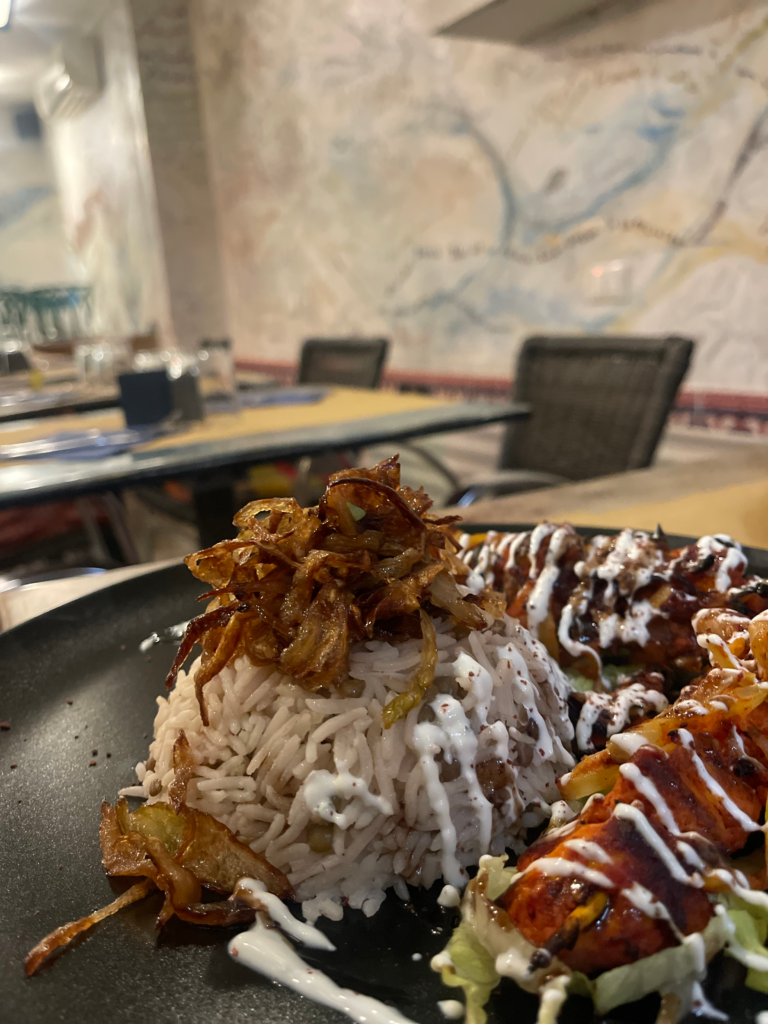
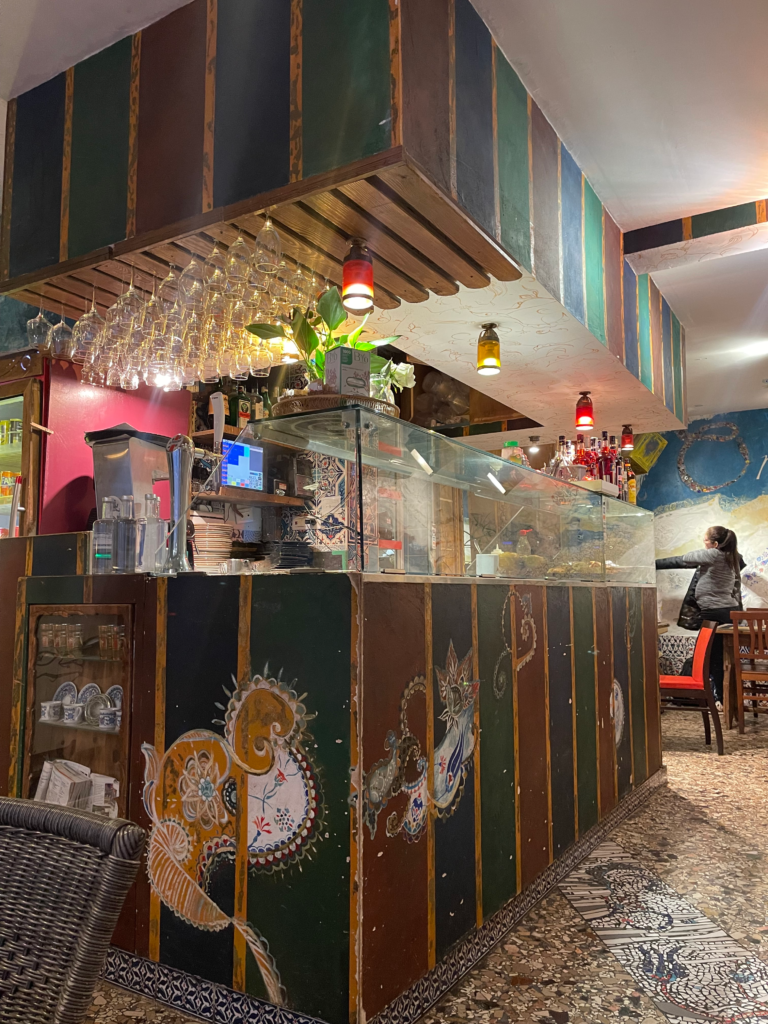
Orient Experience, Featured on Stanley Tucci’s Italy, serving flavors beyond classic Venetian cuisine. It’s a refreshing change of pace when you’re ready for something different, and the food is consistently excellent.
OR
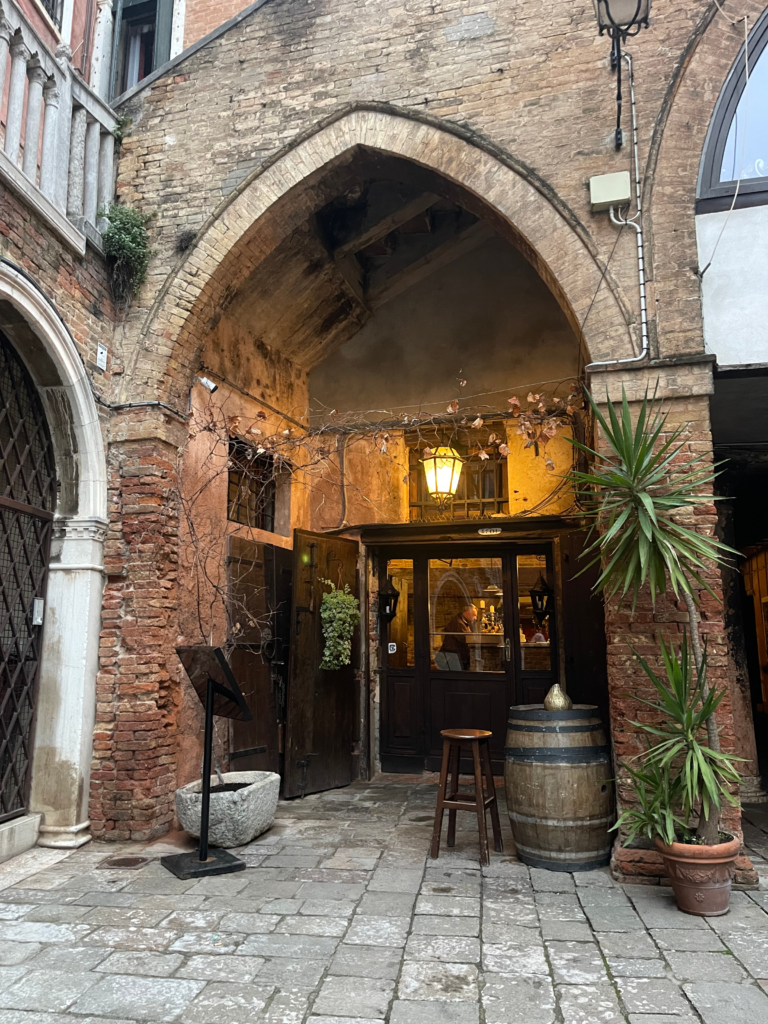
Taverna Al Remer, Tucked just off the Grand Canal, behind the scenes of the busiest areas. You might weave through a crowd to get there, but the payoff is a warm, atmospheric trattoria with local-leaning dishes and a setting that feels like a secret.
One is more central and energetic, the other feels like slipping out the back door of the city. Both are worth experiencing, depending on your mood.
How to Get from Venice Marco Polo Airport to the Islands
Venice might be car-free, but getting from the airport to the historic lagoon city is surprisingly easy — as long as you know your options. Here’s a quick breakdown of the best ways to arrive during Carnevale (or anytime), whether you want speed, scenery, or savings.
1. Alilaguna Water Bus (Public Boat – Budget-Friendly & Scenic)
- Where it leaves: Airport dock, ~10 min walk from arrivals
- Stops: Multiple, including Rialto, San Marco, Guglie, Fondamenta Nove, and Lido
- Lines:
- Blue Line: via Murano, Arsenale → San Marco, Santa Lucia
- Orange Line: via Madonna dell’Orto, Rialto → Santa Maria del Giglio
- Red Line: (Apr–Nov) to Lido and San Marco
- Duration: ~60–90 minutes, depending on stops
- Cost: €18 one-way / €32 round-trip
- Tickets: Buy at the kiosk, online, or via machines at the dock
- Pros: No transfers, beautiful views, easy access to central stops
- Cons: Slow, can be crowded during Carnevale, limited luggage included
Best for: First-time visitors, solo travelers, or anyone who wants the scenic route and doesn’t mind a longer ride.
2. Private Water Taxi (Fastest & Most Direct – but Pricey)
- Where it leaves: Same dock as Alilaguna
- Drop-off: Direct to your hotel (if it has canal access) or nearest available dock
- Duration: ~25–30 minutes
- Cost: €120–€200 per boat (up to 4 people, plus luggage)
- Book: At the airport desk or in advance online (highly recommended during Carnevale)
- Pros: Door-to-door, no walking, super fast
- Cons: Expensive, prices climb for late-night/large groups
Best for: Small groups, travelers with lots of luggage, or anyone wanting that James Bond arrival.
3. Shared Water Taxi (Budget Version of the Private Option)
- Where it leaves: Airport water dock
- Drop-off: Closest available dock to your hotel (shared with others)
- Duration: ~30–45 minutes
- Cost: ~€35 per person
- Book: At arrivals desk, online via GetYourGuide/Viator
- Pros: Cheaper than private, still scenic and convenient
- Cons: Wait time until the boat fills, not truly door-to-door
Best for: Mid-budget travelers who want comfort without the full splurge.
4. Bus + Vaporetto Combo (Most Budget-Friendly Route)
- Step 1: Bus (ACTV Line 5 or ATVO Express) → Piazzale Roma
- Time: 20–30 minutes
- Cost: €10 one-way
- Step 2: Vaporetto (ACTV water bus) from Piazzale Roma → Your stop
- Time: 15–30 minutes depending on route (#1 or #2 lines)
- Cost: €9.50 or use combined ticket (€18)
- Tickets: At airport machines or online; validate before boarding
- Pros: Cheap, frequent, flexible
- Cons: Requires transfers and some walking with luggage
Best for: Budget travelers or those staying near Grand Canal stops like Rialto, Ca’ d’Oro, or San Tomà.
What to Pack for Venice During Carnevale (What People Always Forget)
Venice in February is damp, chilly, and unpredictable, and Carnevale involves a lot of standing, walking, and waiting in crowds.
Here’s what actually matters:
- Water-resistant shoes (not just trendy sneakers)
- Warm socks + layers — wind off the lagoon is real
- A secure crossbody bag that zips completely
- Portable power bank — heavy photo + video days drain batteries fast
- Compact umbrella or packable rain jacket
- Thin gloves if you’ll be out early mornings or late evenings
- Small thermos for coffee or tea while waiting for parades
If you plan to wear a mask:
- Bring anti-fog spray for glasses
- Pack bobby pins or elastic extenders for comfort
- Expect limited peripheral vision — don’t attempt busy bridges at rush hour while masked
Common Venice Carnevale Mistakes (So You Can Avoid Them)
This section quietly builds huge trust and helps with long-tail SEO.
- Only staying near San Marco and never seeing the calmer, livable side of the city
- Arriving late to major events like the Water Parade and getting stuck behind five rows of people
- Underestimating vaporetto crowd levels during peak Carnevale weekend hours
- Wearing uncomfortable shoes and ruining your second day
- Trying to “do everything” instead of letting the city unfold at a slower rhythm
- Skipping reservations for restaurants during Carnevale weekends
Venice during Carnevale rewards early mornings, slow afternoons, and flexible evenings — not checklist travel.
Final Thoughts: Experiencing Venice Carnevale Without Losing the Magic
Venice during Carnevale is intense, beautiful, chaotic, theatrical, and surprisingly tender — sometimes all in the same afternoon. It’s easy to get swept into the noise of St. Mark’s Square and leave thinking the entire festival is just crowds and costumes.
But when you slow it down — when you start your mornings in quiet neighborhoods, slip onto a vaporetto before the rush, wander Burano before the day-trippers arrive, and watch masked figures drift past the lagoon at golden hour — Carnevale becomes something entirely different.
After attending Carnevale multiple years in a row and experimenting with different routes, neighborhoods, and pacing, this 3-day itinerary is the version of Venice I keep coming back for. It’s balanced. It’s human. And it leaves space for the city to surprise you.
If this is your first time experiencing Venice Carnevale, I hope this guide helps you feel grounded, prepared, and excited — not overwhelmed. And if you’re returning, I hope it gives you a new way to see a festival that never quite looks the same twice.
Venice Carnevale FAQ (2026)
Yes — Venice is extremely crowded during Carnevale, especially on weekends and around St. Mark’s Square and Rialto. That said, the experience becomes far more enjoyable if you explore early in the morning, stick to quieter neighborhoods like Cannaregio or Dorsoduro, and avoid San Marco during mid-day peak hours.
Yes, Venice is generally very safe for solo travelers during Carnevale. The biggest concerns are pickpocketing in dense crowds and navigating packed vaporetto lines. Stick to well-lit areas at night, wear a secure crossbody bag, and avoid carrying valuables in coat pockets.
Three days is ideal for Venice Carnevale. It gives you time to experience the main festivities, explore quieter neighborhoods, take a side trip (like Burano), and still see the iconic sights without rushing.
Most outdoor Carnevale experiences are free, including mask-spotting, street performances, and wandering the city. You only need tickets for specific experiences like mask-making workshops, costume rentals, grand balls, private tours, or reserved viewing areas for special events.
It can be — but strategy matters. Visit on weekdays, avoid San Marco during peak hours, focus on neighborhoods like Dorsoduro, Giudecca, and Sant’Elena, and spend mornings exploring before the main crowds arrive.
The best costume viewing is typically on Saturdays and Sundays, especially late morning and late afternoon around St. Mark’s Square, the Doge’s Palace, and the Riva degli Schiavoni.
Most full historical costumes are worn by visiting enthusiasts, photographers, and performers — but you will still see Venetian residents participate with masks, cloaks, and themed outfits, especially during parades and special events.
Yes. Hotel prices rise significantly, restaurant reservations fill faster, and transportation gets busier. Booking accommodations early and basing yourself outside San Marco helps control costs.
Absolutely. Most visitors observe rather than participate in costume. Wearing neutral clothing with a simple mask is very common and completely acceptable.
Yes — anyone can attend a Venice Carnevale grand ball, but tickets must be purchased in advance, and prices vary widely. Some balls are elegant dinner-and-dance events in historic palaces, while others are themed parties with standing-room entry. Prices typically range from €150 to over €500 per person, depending on whether food, live music, costumes, and premium seating are included. Most balls require formal attire and either a Venetian mask or full costume, which can be rented in Venice if you don’t want to bring one. If you’re traveling solo, you can absolutely attend on your own — many solo travelers do — but it’s best to choose a well-established event with a clear schedule and verified reviews.
Planning More of Your Venice Trip?
If you’re building a longer Venice itinerary around Carnevale, these guides will help you go deeper without adding stress:
- How to See St. Mark’s Basilica & Doge’s Palace in One Day (Without Losing Your Mind) – Your best game plan for Venice’s busiest landmark pair
- What to Eat in Venice: 4 Food Tours That Get It Right – For travelers who want context, not just calories
- Burano Day Trip from Venice – A slower, quieter counterbalance to Carnevale
- Venice Gondola Ride Guide: The Truth About Gondola Rides – For choosing the right experience without overpaying
These all layer beautifully onto this itinerary and help round out a first-time visit.
