Guided vs Self-Guided vs DIY: How to Choose the Right Dolomites Trek (Alta Via 1, Alta Via 2 & More)
When you first start dreaming about hiking in the Dolomites, it all feels simple: lace up your boots, book a few rifugios, pick a route, and off you go. But somewhere between Googling “Alta Via 1 refugios and trying to understand why June availability looks like a disappearing act, the overwhelm sets in.
Should you join a guided trek? Book a self-guided package? Do everything on your own?
And what about all the other routes no one talks about?
I’ve been exactly where you are. When I did my first multi-day trek in the Dolomites, I had no idea how complicated the planning could feel. Since then, I’ve completed four days of Alta Via 2, four days of AV1, the high-alpine Palaronda Trek, and the MADE Trek in the Friulian Dolomites. I’ve experienced the region through guided groups, through self-guided packages, and through fully DIY planning, like the one time I organized a girls’ hiking trip to Croda Da Lago. And with that hindsight, the “right” choice becomes much clearer—because each style gives you something completely different.
What I want to do here is pull back the curtain. Not just on the Alta Via 1 and Alta Via 2, but on the decision-making process: the things you don’t see on Instagram, the quiet realities of overcrowding, the value of having a guide when the weather shifts, and the unexpected beauty of choosing a trek most travelers have never heard of.
This Post Pairs Well With
- First-timers Guide to the Dolomites: How to plan, prepare, and what to know
- Guide to Mountain Huts in the Dolomites
- Where to Stay in the Dolomites: My Favorite Hotels
- Where to Stay BEFORE and AFTER the Alta Via 1
- How to Make a Reservation at a Rifugio
- Alta Via 2 in 4 Days: A Short Hut-to-Hut Trek for First-Timers
Why These Trails Honestly Belong on Your Hiking Bucket List
Let’s start with what draws most people in: the Alta Vias.
It’s challenging enough to feel rewarding but approachable enough that many people choose it as their first multi-day trek.
Alta Via 1 (AV1): The Classic, Scenic, Accessible Route
- ~120 km
- Considered the more “beginner-friendly” Alta Via
- Mostly moderate terrain
- No technical climbing
- Incredible scenery from start to finish
AV1 is perfect for people who want something challenging but very doable — a true introduction to hut-to-hut trekking in the Dolomites.
Alta Via 2 (AV2): The Tougher, Wilder, More Dramatic Route
- More elevation, more exposure
- Longer, harder days
- Includes some via ferrata sections
- Fits hikers with experience or higher fitness
I did AV2 first (yes, backwards from what most people recommend), and while the days were long and intense, it was absolutely doable with preparation and a solid level of confidence.e I could figure this out from the signpostings.
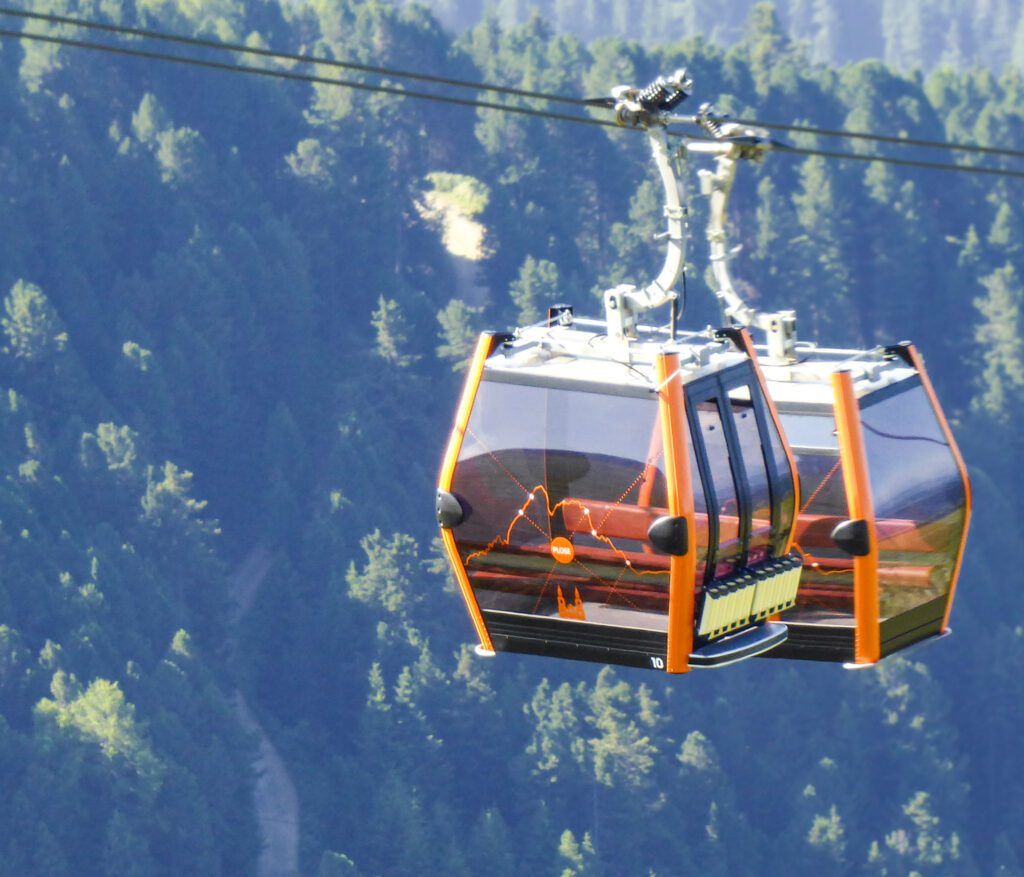
The Alta Via 1 and Alta Via 2 Aren’t Just Trails—They’re Narratives
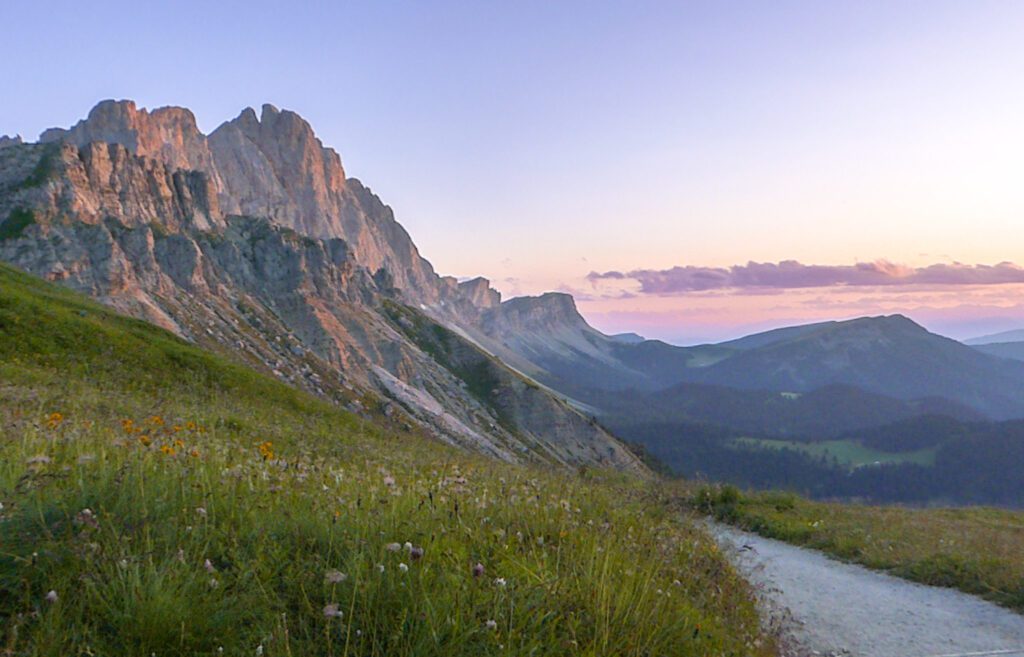
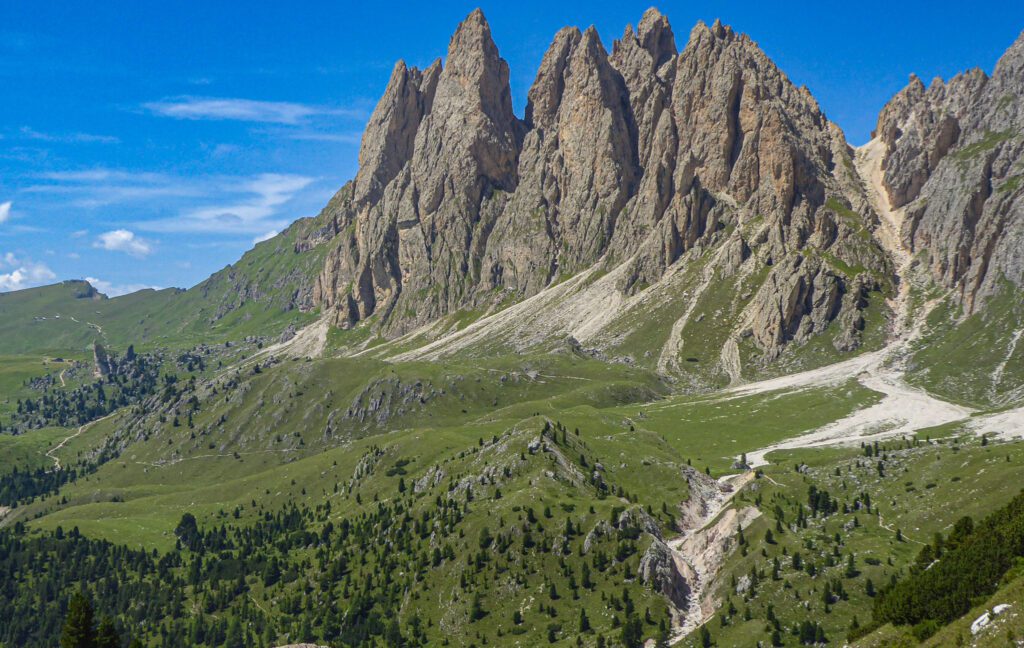
The AV1 is often described as the gentler of the two, a 120-kilometer ribbon running through some of the Dolomites’ most photogenic landscapes. It’s the “classic route,” the one people picture when they imagine themselves staying in mountain huts and waking up to jagged, golden peaks. It’s also the trail where the beauty arrives easily: wide paths, gradual climbs, and rifugios that feel like summer camp for adults.
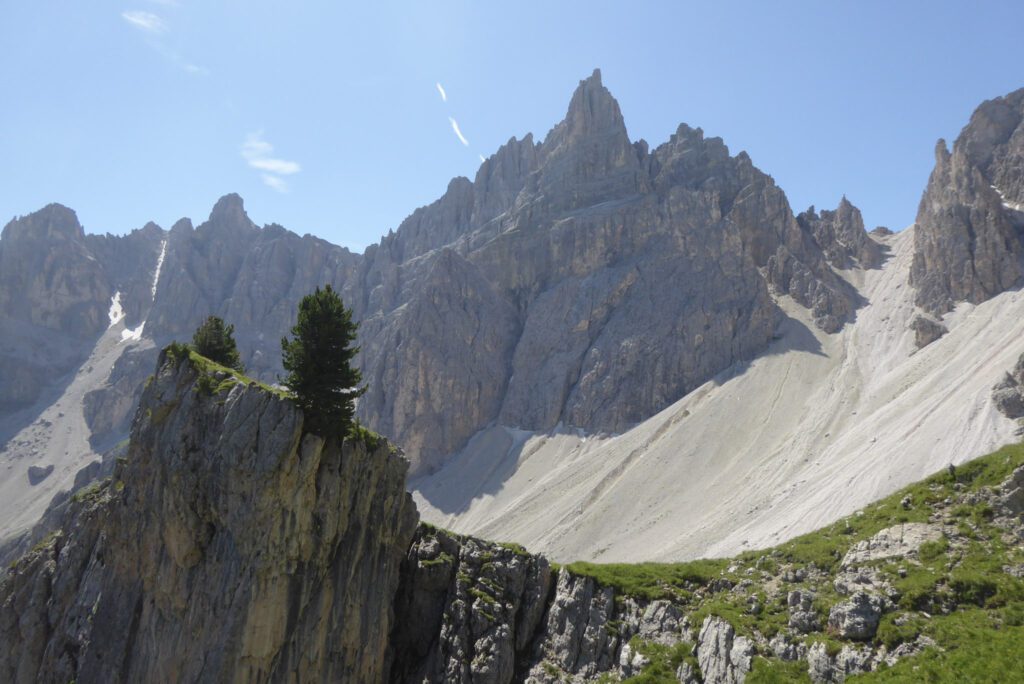
AV2 is a different story—steeper, wilder, more exposed, and more demanding. There are days on AV2 where you feel like you’re threading your way through a cathedral made of stone, cliffs and towers rising in every direction. It’s gorgeous in a way that feels earned. I started with AV2, and while I loved its rawness, I also know now that if you’ve never done a multi-day trek before, it can be overwhelming in ways you can’t anticipate from a map.
Both trails offer life-changing days. But they also share something else no one really prepares you for: crowds.
Let’s Talk About Overtourism…it’s a thing…
I don’t say this to scare you away, but to give you a fuller picture. The Dolomites—especially the main corridors around Cortina, Braies, Tre Cime—are experiencing a level of popularity that would’ve been unthinkable a decade ago. When you arrive at Lago di Braies at sunrise and see the boardwalk packed shoulder-to-shoulder, or when rifugios on AV1 are fully booked by February, it’s hard not to feel the shift.
Does this mean the Alta Vias aren’t worth hiking anymore?
Absolutely not. They’re iconic for a reason.
But overtourism does create pressure. It affects route choice. It affects where you stay. It affects how independent you can realistically be. And—this is important—it’s the reason I now believe your first multi-day trek in the Dolomites might be better spent somewhere else.
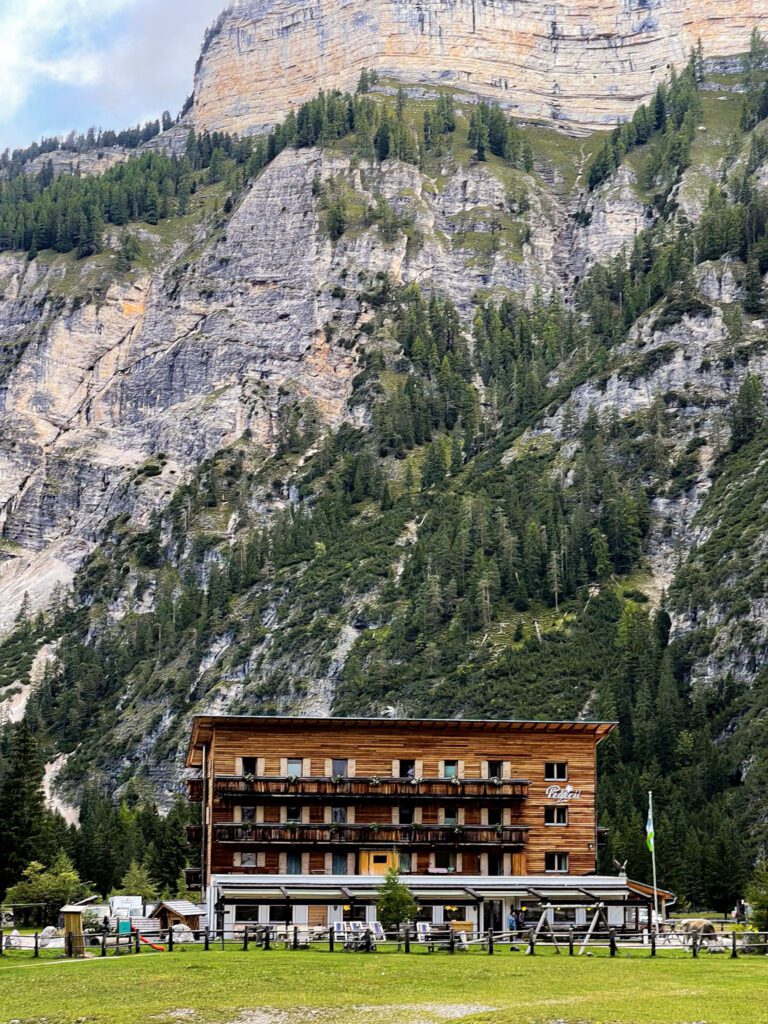

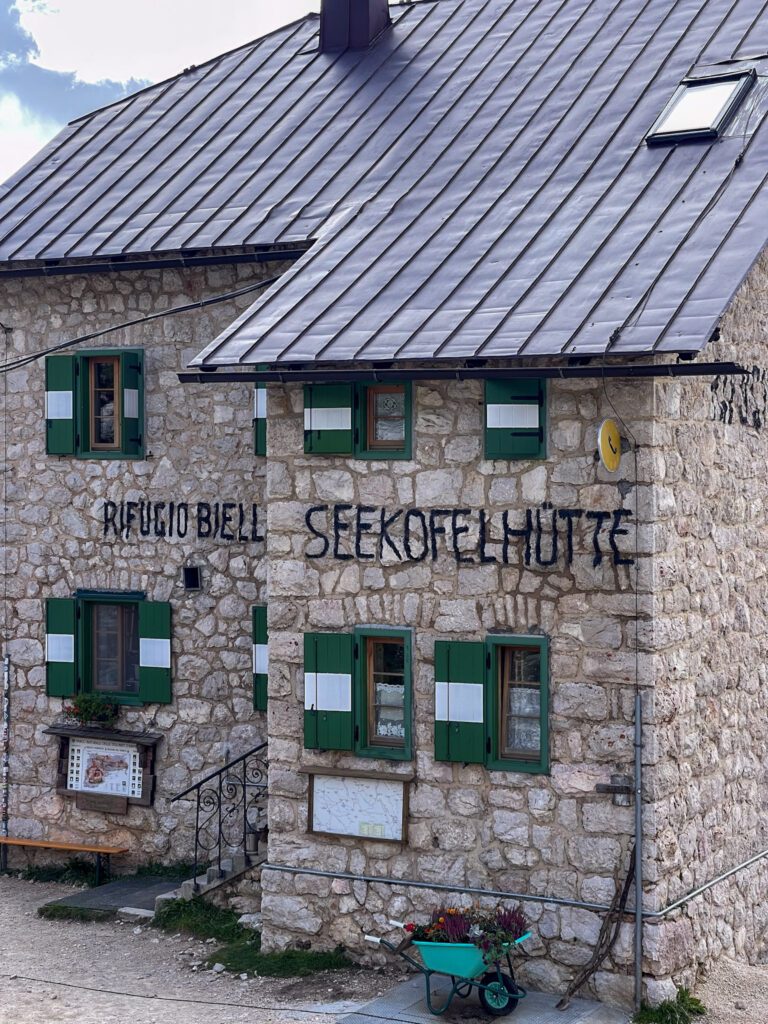
So What Are Your Options? Guided, Self-Guided, and DIY—But With Layers
Let’s reframe this more humanly, because the internet tends to reduce these choices to bullet points.
Guided
A guided trek is exactly what it sounds like: you join a group led by professionals who know the terrain, the weather, the history, and the rhythm of long days in the mountains. You’re not just following a path, you’re learning the language of hut-to-hut hiking, from how to pace your climbs to how to read a ridge when clouds start rolling in.
I used to think guided trips were only for people who lacked confidence. After doing the MADE Trek with The Dolomist, I realized how wrong that assumption was. While only my first day was guided, I realized guided doesn’t mean “less adventurous.” Sometimes guided means “more connected”—to the landscape, to local culture, to stories you would never hear otherwise. The Dolomist specializes in lesser-known regions like the Friulian Dolomites, where silence replaces foot traffic, and the sky feels impossibly wide, and I mean this.
I hesitate to call these regions hidden gems, because that phrase often ignores the communities who have always belonged here. But if you’ve only ever heard of AV1 and AV2, treks like MADE will feel like discovering a different Dolomites—one defined by wildness rather than crowds.
Prime Alps offers another version of this experience, especially for beginners: lighthearted, safe, structured, and confidence-building. If you’re stepping into multi-day trekking for the very first time, guided is often the most grounding way to begin.
Self-Guided
Self-guided treks give you the independence of hiking alone with the logistical support of a company. Bookatrekking.com is the one I’ve used most frequently, and they make the planning feel wonderfully manageable. They secure rifugio bookings (a minor miracle in peak season), map out your daily stages, send GPX files, and remain available if anything goes sideways.
During my AV1, a storm rolled in, and my advisor reached out with alternative plans and safety recommendations. At Rifugio Scotoni, I met other Bookatrekking hikers, and without even planning it, we descended the mountain together the next morning. It was a community without obligation, independence with a safety net.
Self-guided is ideal for hikers who have some experience but don’t want the emotional labor of planning everything themselves. If you’ve done one or two guided trips and are ready for a bit more autonomy, this is a perfect bridge.
DIY
Then there’s the fully independent route—the “send 20 emails to rifugios, cross-check bus schedules, refresh booking sites at midnight” route. I’ve done it for single overnight stays and I’ve enjoyed it. DIY gives you ultimate flexibility, but it demands time, confidence, and a deep understanding of mountain travel.
I only recommend DIY if you’ve done a few treks before, know how to navigate in alpine terrain, and genuinely enjoy the planning process.
If you’d like to explore this further, read my reservation guide here
So Which Trek Is Right for You? (Let’s Make This Practical Without Losing Humanity)
If I were sitting across from you right now with a coffee in hand, here’s what I’d say:
- If this is your first multi-day trek ever, start guided. MADE or Prime Alps will teach you skills you’ll carry into every future adventure.
- If you want the classic Dolomites hut-to-hut experience and feel comfortably intermediate, AV1 is a beautiful choice—self-guided is perfect.
- If you crave challenge, AV2 is unforgettable, but respect its difficulty. Go self-guided only if you already know your limits and your strengths.
- If you want high alpine solitude, Palaronda is breathtaking—but only for hikers with solid experience.
- And if you want a trek that feels deeper, quieter, and more sustainable, anything with The Dolomist is worth your time.
Rifugio Life: The Gentle Heart of These Trails
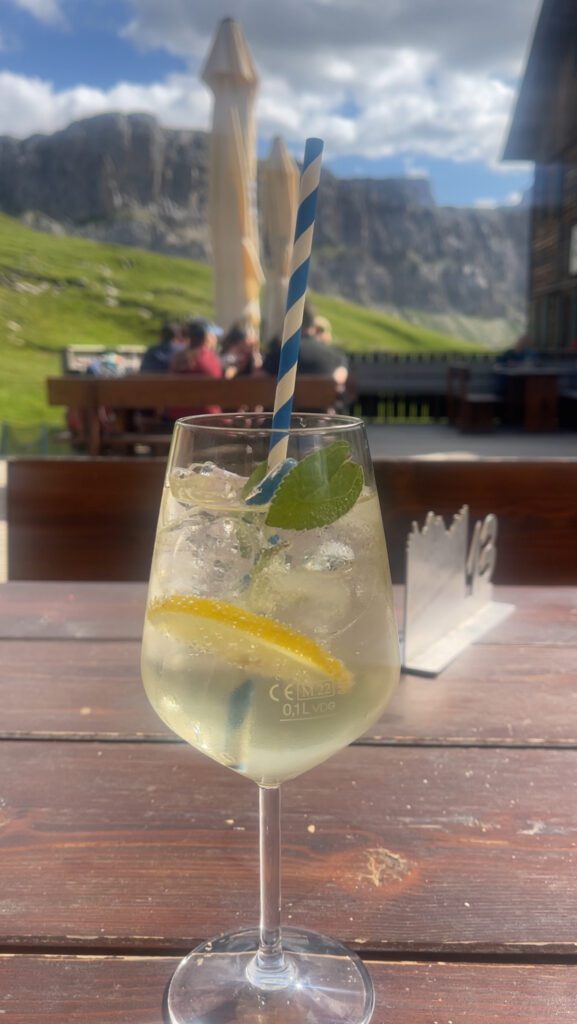
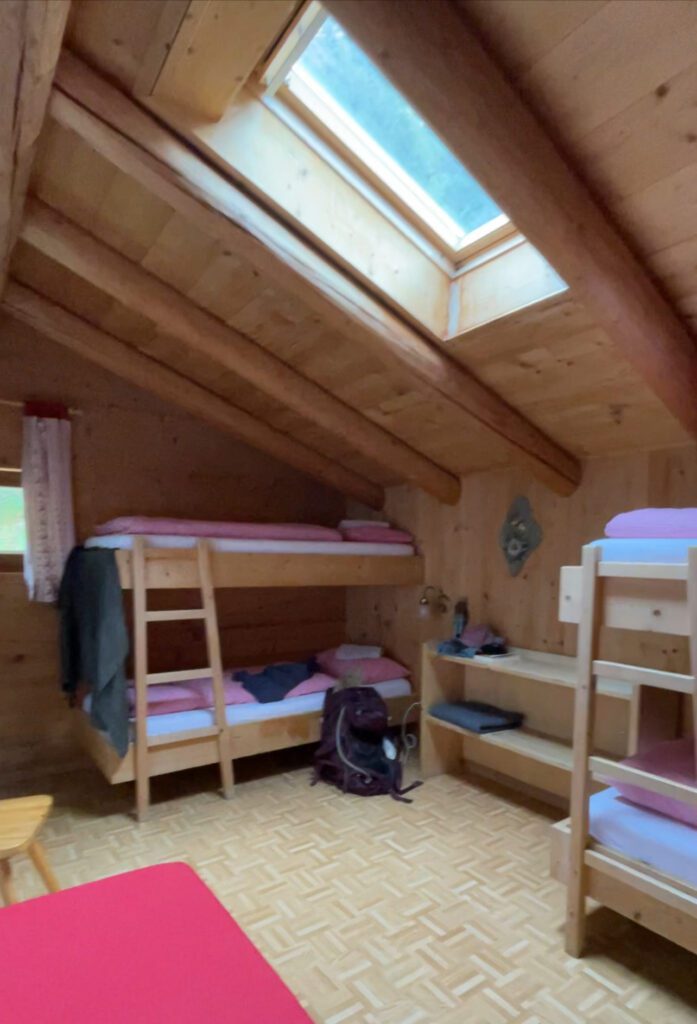
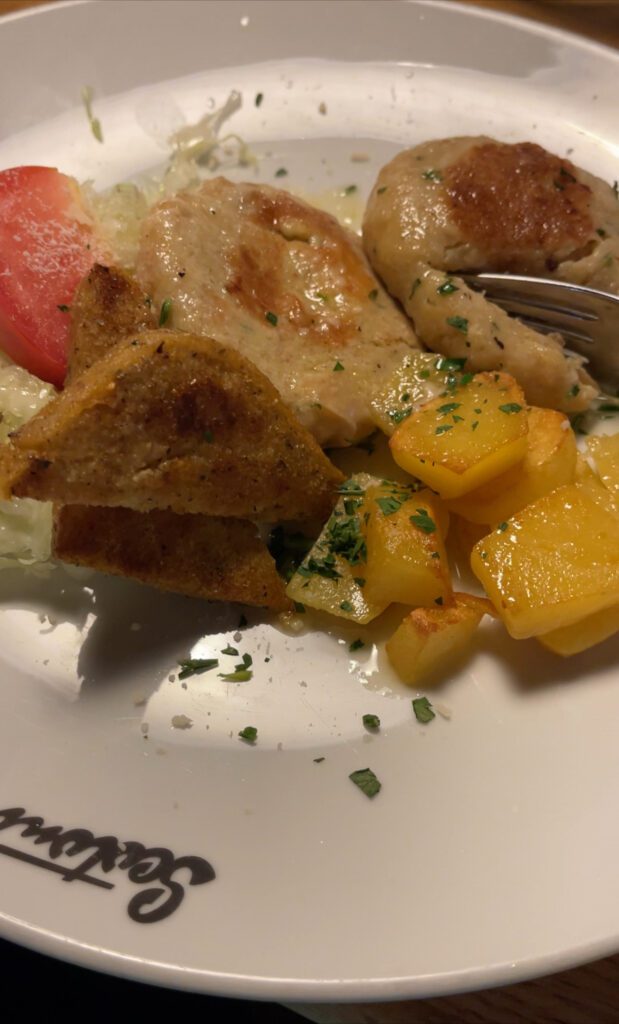
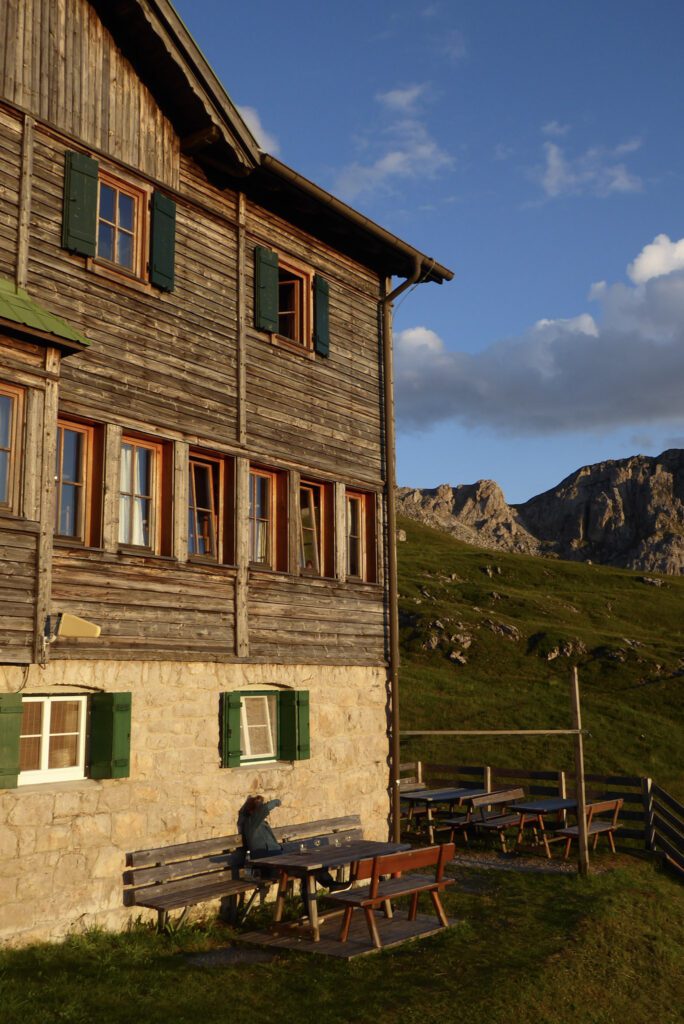
One of my favorite parts of trekking here is the rhythm of rifugio life. You walk all day, then step inside a wooden hut buzzing with warmth—boots lining the entryway, espresso machines hissing, long tables filled with hikers trading stories. Breakfast always tastes better at altitude. Coffee is usually perfect. Evenings are soft, golden, unhurried.
There’s an intimacy to it that reminds you why people return to these mountains again and again. So I see why people are attracted to these treks. It’s addictive.
Read this Next:
Travel Logistics Don’t Need to Be Complicated
Everything in the Dolomites is reachable—Venice, Innsbruck, Treviso, Milan. Buses run often. Trains connect mountain towns. Private transfers fill in the gaps. It’s not the Wild West. But the logistics change from region to region, which is why guided and self-guided trips often feel smoother for newcomers.
The Moments That Stay With You
Some memories leave a mark long after the trail dust washes off:
Descending from Rifugio Scotoni with new friends as the mountains began to shake off a storm.
Watching the sky turn lavender at Rifugio Genova, a color so soft I still think about it.
Arriving at Seceda from the back side—quiet, cinematic, surreal.
Clinging to loose scree at Forcella Rò, terrified but determined.
Losing myself in the quiet valleys of the Friulian Dolomites on the MADE trek.
Trekking isn’t just about difficulty grades or route maps. It’s about the stories you collect along the way. That’s what I love so much about hiking or trekking in the alps!
My Final Thought
You don’t need to be fearless or experienced to hike in the Dolomites. You just need the right match between the style of trek and the kind of traveler you are today. Guided. Self-guided. DIY. Each one offers its own version of beauty.
Choose the one that helps you move through the mountains with curiosity, confidence, and room to breathe.
The rest? The Dolomites will take care of that.
On Pinterest? Let’s be friends! While you’re at it save this pin to your Pinterest Hiking Boards!