
PCS to Poland: 10+ Essential Tips for Military Families and Spouses
When our PCS orders to Poland came through, I didn’t feel excited right away—I felt unprepared. Poland wasn’t a place I grew up hearing about in military circles. I didn’t know anyone who had lived there. There were no big Facebook groups filled with years of posts to scroll through, no endless threads about what neighborhoods were best or which grocery stores carried American brands. It felt like we were stepping into the unknown.
And that unknown came with questions.
Where would we even live, since there’s no on-base housing?
What would daily life look like for a military spouse overseas in a country where English isn’t widely spoken?
And yes—how cold does it actually get up there in northern Poland?
Three years later, I can tell you this: a PCS to Poland doesn’t look or feel like a “typical” European tour. It’s quieter. More local. More immersive. The American community is smaller, information is harder to come by, and you’ll find yourself navigating life more independently than you might be used to. But that’s also the beauty of it. Poland challenges you in ways that ultimately make the experience incredibly rewarding.
You’ll learn to slow down, to appreciate traditions that run deeper than you realize, and to connect with people who might seem reserved at first but are some of the warmest and most generous you’ll ever meet. And somewhere along the way, between the pierogi, the Sunday markets, and the long summer evenings, Poland starts to feel like home.
If you’re heading here with the U.S. military, this guide breaks down 10+ essential tips for your PCS to Poland—from housing and cost of living to cultural traditions, travel, pets, and everyday life.
This Post Pairs Well With:
- Learn more about Poland
- Military Resources and Life Stationed Abroad
- PCS From South Korea to Italy: What you should know
- Culture Shock and How to Deal With It as a Military Spouse and Traveler
- Living in Korea As A Military Spouse: My Honest Experience
ABOUT THIS GUIDE:
This guide aims to provide an account of what it’s like, based on our experiences.
Please refer to all official military websites for updated processes.
If you have children and need firsthand experience to see what the schools are like, send me a message through my contact me page, and I’ll see if I can bring in another spouse to help you out!
1. Where You Might Be Stationed
Unlike larger European hubs, Poland’s U.S. presence is scattered among smaller postings:
- Bydgoszcz – NATO’s Joint Force Training Centre (JFTC)
- Poznań – NATO and U.S. Army mission support
- Drawsko Pomorskie – major training area
- Żagań, Szczecin, Elbląg, Kraków – smaller or emerging assignments
Each location feels different. Some have small NATO communities; others are remote. You won’t find a commissary or on-base housing—most amenities are local. Which I LOVED.
Consider this your gap years abroad; consider this a chance to get to know Poland on a deeper level. What a cool experience! If you’ve never been abroad before, this might be hard for you, I am not going to sugarcoat it.
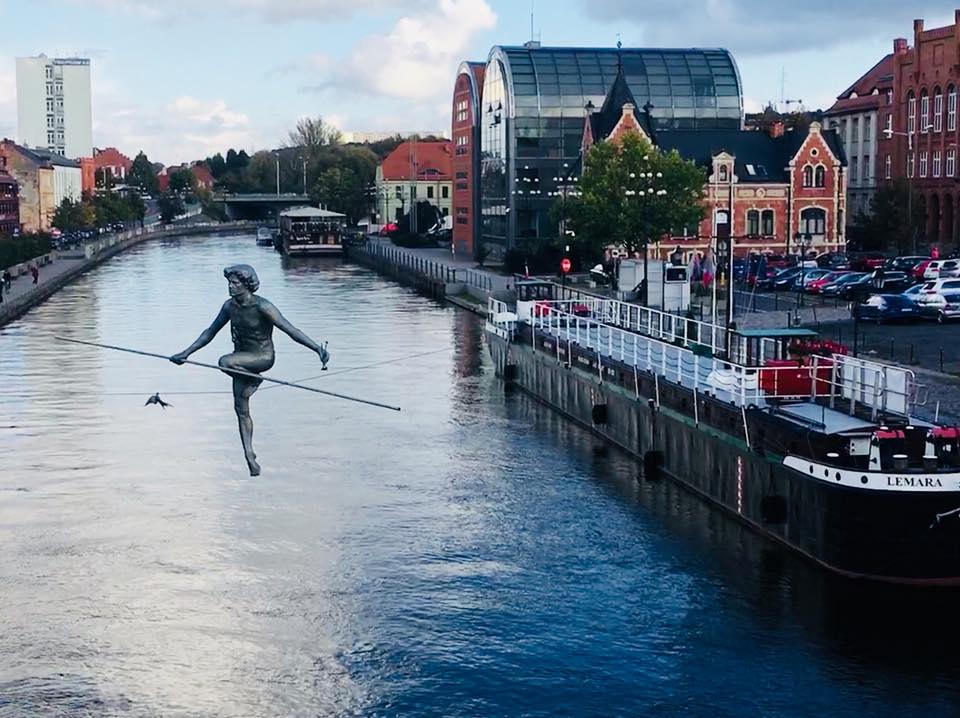
Bydgoszcz was such a gem; it’s a place I go back to often because I still have friends there. The NATO assignments, despite what anyone tells you, are the best. The immersion into the cross-cultural environment is something that I will always look back on fondly. I don’t think people realize how wonderful this is.
Consider yourself lucky to land any assignment in Poland.
2. Entry Requirements: No-Fee Passports and Visas
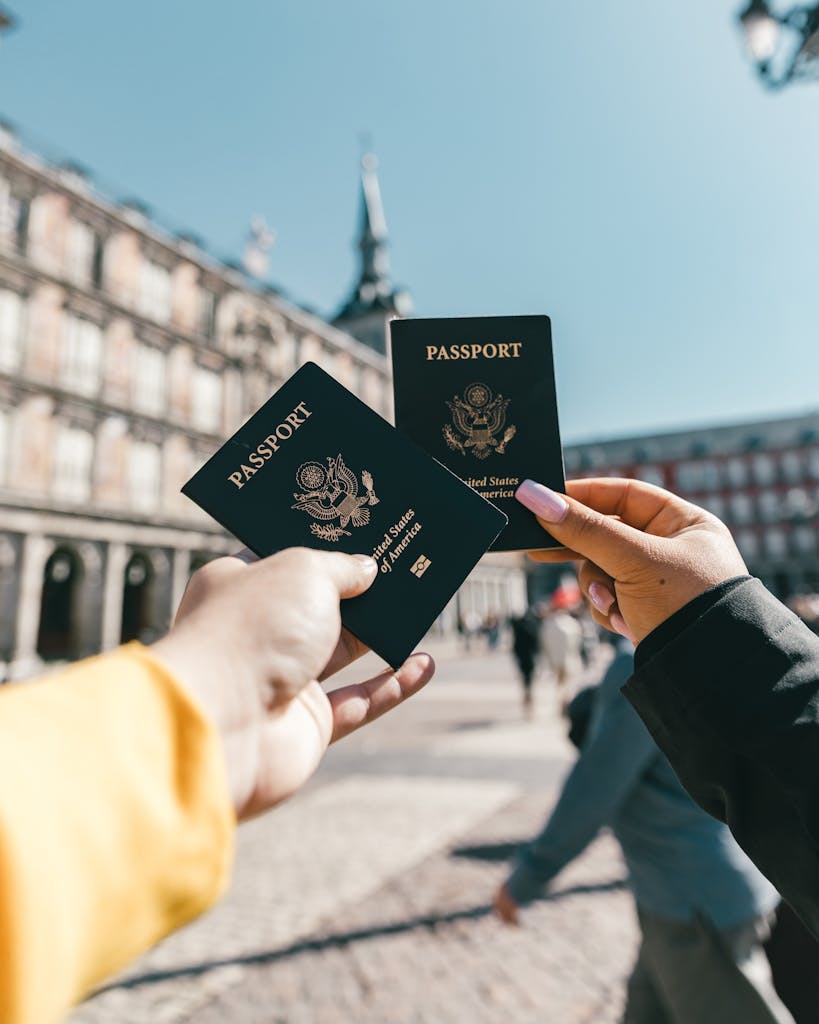
If you’ve been stationed in Italy, you might expect another round of visa paperwork. Good news: Poland is easier. For official travel, service members and dependents use no-fee passports tied to their PCS orders. You’ll still need your regular tourist passport for personal trips.
Start the no-fee passport process early through your command or passport office—processing times can vary, and you can’t make official travel without it. Especially with the new EES rules that have come into play.
There have been some confusing new rules that have come out regarding this, but we now always travel with official orders, a no-fee passport, a tourist passport, and any supporting documents. It’s a pain in the ass, and you’d think after years of having troops overseas, they’d streamline this whole thing, but alas, bureaucracy, am I right? It’s just annoying to carry all the paperwork.
3. Housing
There’s no on-base housing in Poland—everyone lives on the economy. We rented off-post in Zielonka near Bydgoszcz. You’ll do the same wherever you are stationed.
Expect to pay the first month’s rent, a security deposit, and sometimes a realtor’s fee upfront. Many Polish homes include washing machines but not dryers, and heating costs can spike in winter.
The Army housing office can assist with translations, but patience and flexibility go a long way.
Living off base gave us an authentic Polish experience—shopping at local markets, greeting our neighbors in Polish, and really feeling part of the community. It was my favorite part of living in Poland, and I wish EVERY overseas experience was like this because it strips away the bubble and it forces you to interact. You can’t hide behind the base walls– and you learn from others.
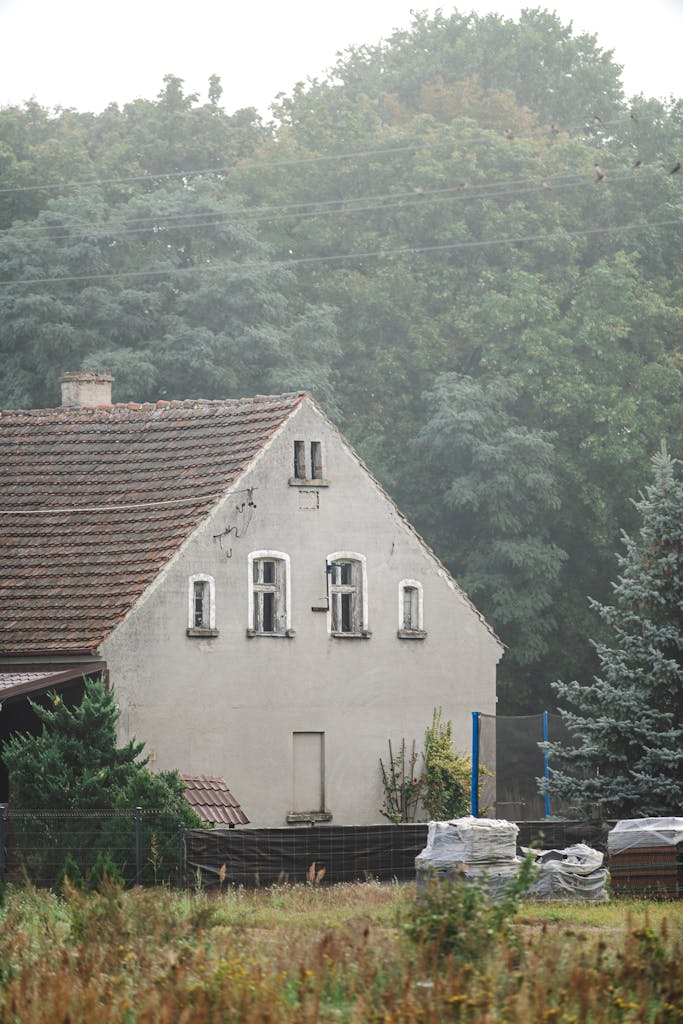
If you are wondering what houses in Poland are like, beautiful, concrete houses with modern amenities. Think heated flooring, updated entry systems, garages, and gated systems. Sometimes you’ll be in older houses or duplex style. I will never forget that we had a heating system that used coal. I have never had to deal with something like that, and when I found out most of Poland still uses coal (rural areas) to heat houses, my mind was blown. My landlord in Poland has since changed over to gas, but that was always a fun moment in my week, loading coal into our furnace.
4. Weather
One of the biggest adjustments during a PCS to Poland is learning to live with the seasons — and I mean really live with them. The Polish climate doesn’t gently ease you into winter; it drops you straight in.
Winter
By late October, the daylight fades quickly, and by December, you’ll be turning on lamps by 3:30 p.m. Winters in northern Poland are long, gray, and cold, with icy sidewalks and mornings that call for scraping frost off the car windshield. Invest in a high-quality winter coat (down or synthetic fill rated for freezing temps), insulated boots, and a reliable umbrella that won’t flip inside out on windy days. I also recommend Vitamin D supplements — they make a noticeable difference during the darker months.
One bit of advice: You may smell something; it’s your neighbors burning trash. You’ll notice dark yellow or off colored plumes coming from chimneys and that would be the trash that is being burnt. You’ll also smell a rich sulfur smell if you happen to be out walking your dogs or on your own walk; it’s coal. It’s definitely something to get used to during the wintertime. I’ve noticed even here in Italy,I smell these things!
Spring
When spring finally shows up, it feels like a celebration. Trees bloom, outdoor cafés reopen, and you’ll see locals soaking in every ray of sun. Spring doesn’t last long before summer sweeps in, but summer in Poland is pure joy. Days stretch late into the evening — it’s not unusual to have light past 9 p.m. — and the weather is mild enough for hiking, lake trips, and long weekends exploring cities like Gdańsk or Kraków.
Autumn
Autumn brings another burst of color. Forest trails around Bydgoszcz and the Drawsko area turn golden, and harvest festivals fill town squares with food stands and music. It’s my favorite time of year, but also when you realize you’re headed back toward that long winter. Rain gear is essential year-round — especially a sturdy, hooded jacket — because Poland’s weather can shift from sunny to stormy in an hour.
The rhythm of the seasons in Poland teaches you patience. You learn to appreciate the coziness of winter, the relief of spring, and the joy of a rare sunny afternoon. It’s a slower, more cyclical way of living — one that will change how you think about time abroad.
5. Cost of Living vs. OHA
Poland remains more affordable than Western Europe, though prices have risen. BOO!
- Cheaper: groceries, public transport, dining out
- Costlier: imported goods, electronics, specialty foods
Your Overseas Housing Allowance usually covers rent comfortably, but plan for upfront costs when you first arrive. I can remember filling out the COLA surveys yearly to no avail.
You’ll shop at stores like Auchan, Carrefour, Biedronka, Lidl, and Aldi. You’ll be in the store with your translator open, scanning all the things your first couple of times there. It’s a different process, but looking back on that, I miss those times because this was me growing and shifting, and changing. I survived, and I am better off for it.
You’re going to have to get used to going to different places for certain items; ingredients may be different. Try it all, branch out!
If you have any issues with gluten, don’t worry, there are often gluten-free sections in the stores!
Clothes Shopping
Get ready to deal with European sizes. Whoosh, this was the hardest part for me. But here is what I want you to do; When you have time and you are in Poland. GO SHOPPING, just go try on clothing. See what fits, what doesn’t. Have patience with yourself.
My favorite stores include: Medicine (I try to shop here when I go back) , Mohito, Calezedonia, and TK Maxx (TJ MAXX). You’ll find other stores, but generally, I love Polish clothing stores and brands.
6. Language & Communication
Polish is one of Europe’s hardest languages—but even trying a few phrases goes far. Learn dzień dobry (good day), dziękuję (thank you), and proszę (please). English is common in tourist areas, less so in smaller towns. That’s okay because while you’re in Poland, YOU ARE GOING TO LEARN POLISH!
NATO bases often offer beginner Polish classes; locals appreciate any effort you make. As one friend told me, “Your Polish is terrible, but we love that you try.”
I took Polish classes every Tuesday and Thursday for 3 years. I can understand, I can speak it when I’ve had enough vodka, and I always stay up to date with Duolingo.
We also embraced Polish customs: we attended local festivals, tried traditional foods, and learned cultural do’s and don’ts. For instance, we discovered that on Polish Independence Day there are parades and everyone dresses in red and white. We learned to carry cash more often (Poland isn’t entirely cashless) and that customer service norms differ (don’t expect the American-style chirpy service ). Poles tend to be straightforward and not overtly chatty, which can feel brusque until you adapt. Adapting to these cultural differences was a gradual process of observation and asking polite questions. If you remain open-minded and respectful, you’ll find Poland to be an incredibly welcoming place beneath the initial formality.
Another tidbit: Polish drinking culture. If you are EVER invited into a Polish person’s house for a party, expect to stay for a while. Get used to understanding the art of drinking Polish vodka.

7. Driving in Poland
Driving can be an adjustment. The pace is fast, and roundabout etiquette matters. You’ll need an international driver’s license or you may exchange it for a Polish one if you’re here long-term.
Seasonal tires are required in winter, and rural roads can be icy. If you’re uncomfortable driving, public transport is an excellent alternative.
However, I was driving in no time, and I felt like I was driving in America for the longest time.
Google Maps works perfectly fine in Poland, and I frequently used it to get around and drive to different cities.
8. Public Transportation
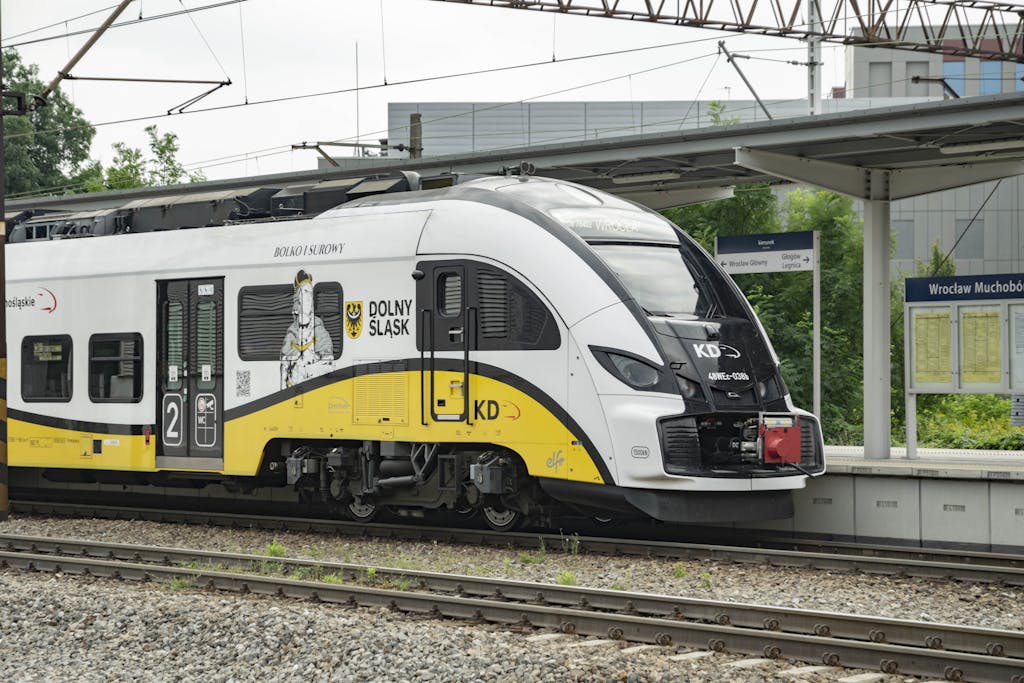
Even if you have a car, Poland’s trains and buses are efficient and inexpensive. Often I would take the train to Warsaw, Gdansk and Krakow just because it was easier.
- PKP Intercity: long-distance routes
- Regional trains: connect nearby cities
- Apps to download: JakdoJade (for trams, buses, and trains), Koleo, and e-Podróżnik for ticketing and schedules.
Please do not buy tickets from third-party sites. Just buy straight from the PKP site or ticketing booth.
9. Shopping & Grocery Stores
Every day shopping will feel different at first, but soon becomes second nature.
Chains to know: Biedronka, Lidl, Carrefour, Auchan. Auchan is your best bet for bulk goods or international items.
Due to the Sunday trading ban, most stores are closed on Sundays, except for small convenience shops. For fresh produce, honey, or local cheese, visit weekend markets—you’ll eat better and spend less.
I kind of touched on this with the paragraph above!

10. Cultural Differences
Poles can seem reserved until you get to know them, but once you’re in, you’re family. Punctuality matters, and traditions run deep:
- All Saints’ Day – families fill cemeteries with candles and flowers.
- Christmas Eve (Wigilia) – the most meaningful meal of the season.
- Godzina W – sirens sound nationwide each August 1 to honor the Warsaw Uprising.
- Tłusty Czwartek (Fat Thursday) – the day to eat pączki and faworki before Lent.
Explore more:
- Godzina W: Experiencing Poland’s Moment of Silence
- All Saints’ Day in Poland: Honoring Loved Ones
- Tłusty Czwartek: Poland’s Sweetest Day
11. Healthcare
There are no U.S. military hospitals in Poland; care is provided through local clinics or hospitals. Find an English-speaking doctor early. I promise you, so many people have been to Poland before you. You should have a list of doctors preferred by the base.
Pharmacies (apteka) handle most prescriptions, and staff are generally helpful. Keep copies of your medical records and insurance information on hand. You’ll need to get reimbursed by Tricare.
In my experience, I only felt strange when I had to go to the public hospital with a broken foot. There was a spouse stationed in Poland who was Polish. She helped me navigate the system and got me to where I needed to be. However, the cultural differences were noticeable. The people in the waiting room brought suitcases with them because they knew they’d be there forever. I had my X-ray done, then I needed to see a specialist due to the nature of my injury.
It was like a wild goose chase getting an MRI that I had to wait two weeks for. By then, I had let my foot go for so long in an inflatable cast that they couldn’t see what was wrong with it. It was wild. I had a check-up where the doctor just gave me anti-blood-clotting meds. Told me that my injury was no big deal and I would be walking in no time.
You rent out things like crutches at stores, not at the Apteka. It was a whole ordeal.
12. Bringing Pets to Poland
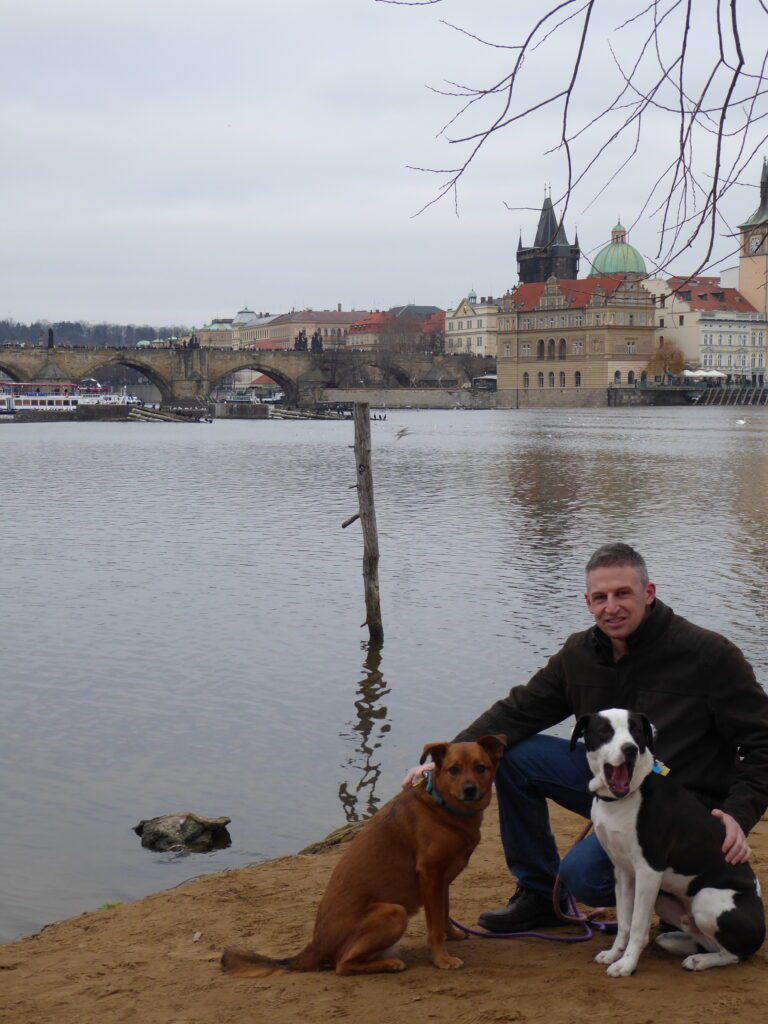
If you’re PCSing to Poland with pets, plan ahead! Dogs and cats must have an ISO-compliant microchip, a rabies vaccination given after the chip, and an EU health certificate issued within ten days of travel. Airlines often limit pet spaces, so book early.
Upon arrival, paperwork is checked, but quarantine isn’t required. Most landlords accept pets, though some charge a small deposit. Poland is pet-friendly—dogs are welcome in parks and many cafes. Winters require paw protection, and tick prevention is vital in summer.
Despite the extra logistics, Poland’s walkable cities and green spaces make it a wonderful place for pets to thrive. We would frequently go on walks outside of our
We were able to find vets that spoke English and even with the language barrier, we made it work. We had some of the best vets in Poland!
13. Traveling From Poland
One of the biggest perks of a PCS to Poland is how easy it is to explore Europe. Budget airlines like Ryanair and Wizz Air fly everywhere, and train routes connect to Germany, Czechia, and beyond. Weekend getaways are simple—just grab your folder full of documents and start planning!
This is probably my favorite part of being stationed abroad. The chance to travel.
14. Working in Poland as a Military Spouse
One of the first questions I had after getting orders to Poland was: Can I work there? The short answer is yes, but it’s complicated.
Poland and the United States do not currently have a Status of Forces Agreement (SOFA) clause that automatically grants work authorization to military spouses. That means you can’t just walk into a job on the local economy without following Polish work permit and visa procedures — and those can be time-consuming and expensive for employers. Most local jobs also require strong Polish language skills.
For many spouses, this reality means pursuing remote work with a U.S.-based employer, freelancing online, or building a portable career in fields like virtual assistance, teaching English online, or creative services. If your work can be done remotely, you’ll need to clarify tax obligations and make sure your employer understands your overseas status.
Some NATO postings, like at JFTC in Bydgoszcz, may have limited on-base or contractor roles that don’t require local work permits, but these are rare and competitive. Volunteering with NATO spouse clubs, local charities, or international schools can also help you stay active, build skills, and network while you’re here.
If working is a priority, start researching before you move. Ask your gaining command if there are any spouse employment resources or contacts. Look into remote job options, update your resume, and think about skills you can offer regardless of location. While Poland might not be the easiest place for military spouse employment, it can be the perfect place to focus on portable career growth or launch that business you’ve been putting off.
My Experience Working Abroad
For example, I taught a fitness boot camp while stationed in Poland. It was volunteer-based. I created a business plan, presented it to the MWA committee, and they approved it. Every Tuesday and Thursday morning and afternoon. I would be out in the pavilion teaching classes to our NATO families and servicemembers. I was able to contribute to the greater well-being of our forces stationed abroad and keep my resume active while working on my MBA (I was a fitness instructor for 7 years, after I quit my corporate job). So think of creative ways you can contribute to your community!
Now, I am putting all my skills to use helping people travel and contracting with a company in the USA to host group trips!
15. Embracing the Experience
Every PCS teaches you something new, but Poland has a way of reshaping your perspective entirely. You’ll navigate a new culture, find community in unexpected places, and gain confidence you didn’t know you had.
Yes, there will be moments of frustration—bureaucracy, language barriers, or missing your favorite coffee creamer—but the trade-off is worth it. You’ll leave with friendships that span continents and memories that stick for life.
If you’re preparing for your PCS to Poland, come with patience, curiosity, and an open heart. Poland will warm up to you—and before long, you’ll find yourself feeling right at home.
As always, feel free to reach out to me, contact me here
