Italy’s MADE Trek: The Quiet Trek You’ll Fall For in Italys Friulian Dolomites

The MADE Trek feels like a secret northern Italy has been keeping — 200 kilometers of untouched alpine trails, remote hamlets, and history-soaked mountain passes that few travelers outside Friuli Venezia Giulia even know exist. I hiked just three days of it, but those miles stayed with me long after I left the trail.
What struck me most wasn’t just the landscape — though the Carnic Alps have a way of unfolding slowly, it was how different the rhythm felt compared to the Dolomites. Here, the mountains are quieter. The trails are softer, more human in scale. And as a solo hiker, I noticed that difference immediately. There’s an ease to the MADE Trek, a sense that the terrain is inviting you in rather than testing how much you can take.
In those first quiet miles, I understood why hikers call this Italy’s best-kept secret — and why walking it alone felt exactly right.
This post pairs well with
- Dolomites for first-timers guide
- Dolomites Mountain Huts Guide
- Easy Day Hikes in the Dolomites: Val Venegia and Sentiero Marcio
- How to Get to Fora Del Lupo and What To Expect
- Overtourism in the Dolomites: Is Cadini di Misurina Still Worth The Hike?
- My Hiking Guides
The Story That Led Me to Hike in the Friulian Dolomites
Months earlier, an email from The Dolomist about the fearless women of the Carnic Porters of the Alps — women who carried supplies through these mountains during World War I, under sniper fire and avalanche.
Their story gripped me. I wanted to walk where they once walked, to understand the strength it took to survive here. Since moving to Italy, I’ve been drawn to the traces of the First World War that still line its Alpine frontiers.
These stories have stayed with me, and I knew I wanted to book this trek through The Dolomist. They paired me with Tiziana from Prime Alps, and from the first step, I realized this hike would be about far more than scenery.
What Is the MADE Trek?
The MADE Trek — short for Malga and Alm Desired Experience — is a long-distance route stretching nearly 200 km from Cima Sappada to Tarvisio. Created through an INTERREG initiative between Italy and Austria, it sustains fragile alpine communities and preserves layered history.
“Malga” (Italian) and “Alm” (German) both mean alpine dairy farm — a nod to the trail’s purpose: to connect the landscapes, food, and traditions of two intertwined cultures.
You’ll encounter:
- WWI history: trenches, lookout posts, memorials
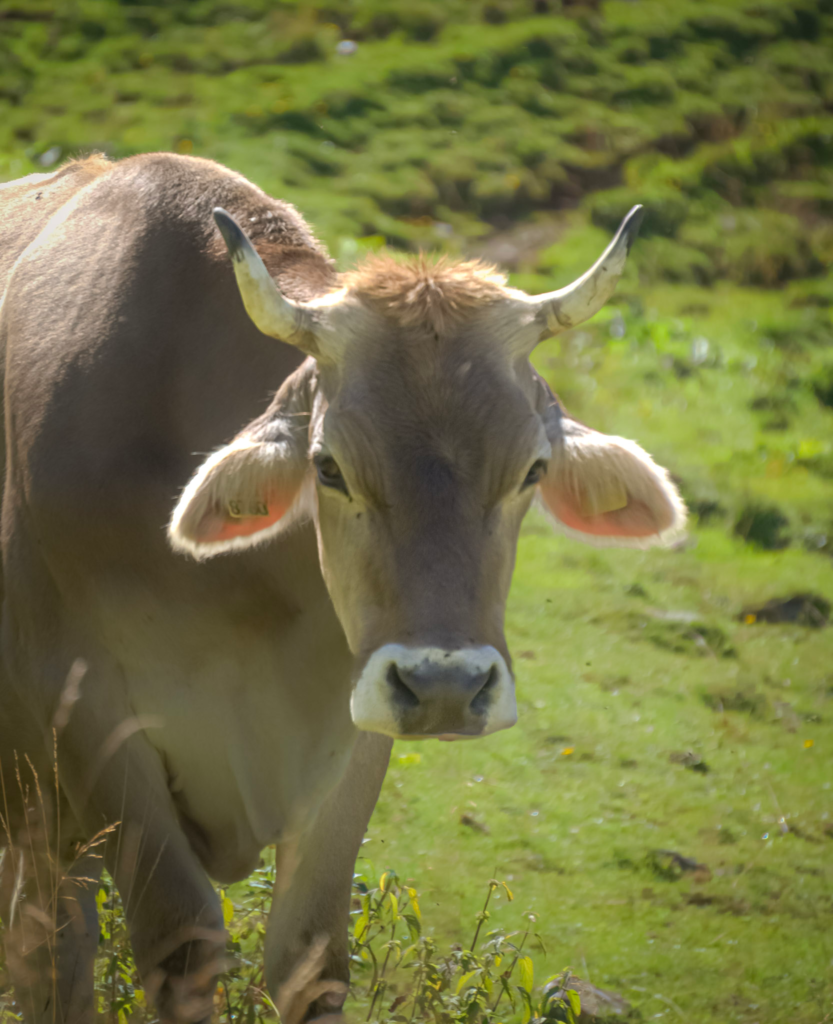
- Living traditions: shepherds leading cattle to summer pastures
- Culinary culture: frico, polenta, and Montasio cheese at rustic rifugi
- Community life: locals queuing for fresh butter at Alpine dairies
My 3-Day MADE Trek Itinerary
Thanks to The Dolomist and the Tarvisio Tourism Consortium, I experienced three unforgettable days of the MADE Trek.
One thing I loved? Having a local guide on my first day. The Dolomist paired me with Tiziana from Prime Alps, who added historical depth and a sense of connection to every step.
Day One: Cima Sappada → Rifugio Calvi
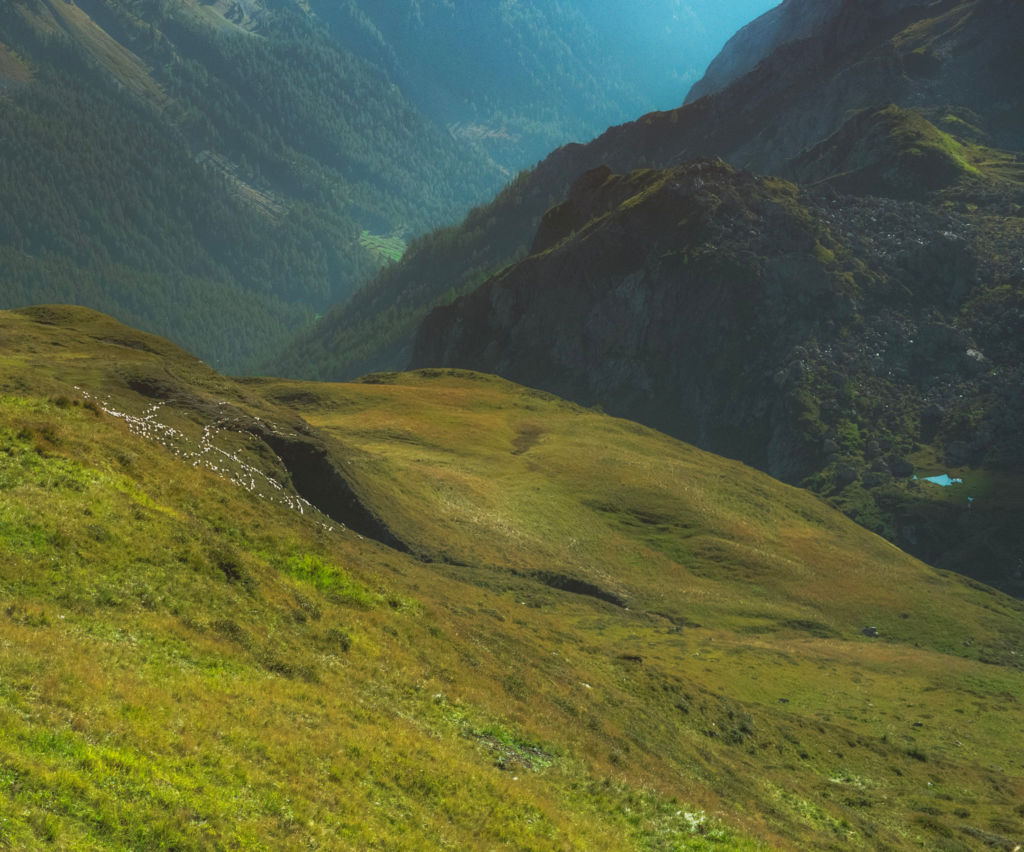
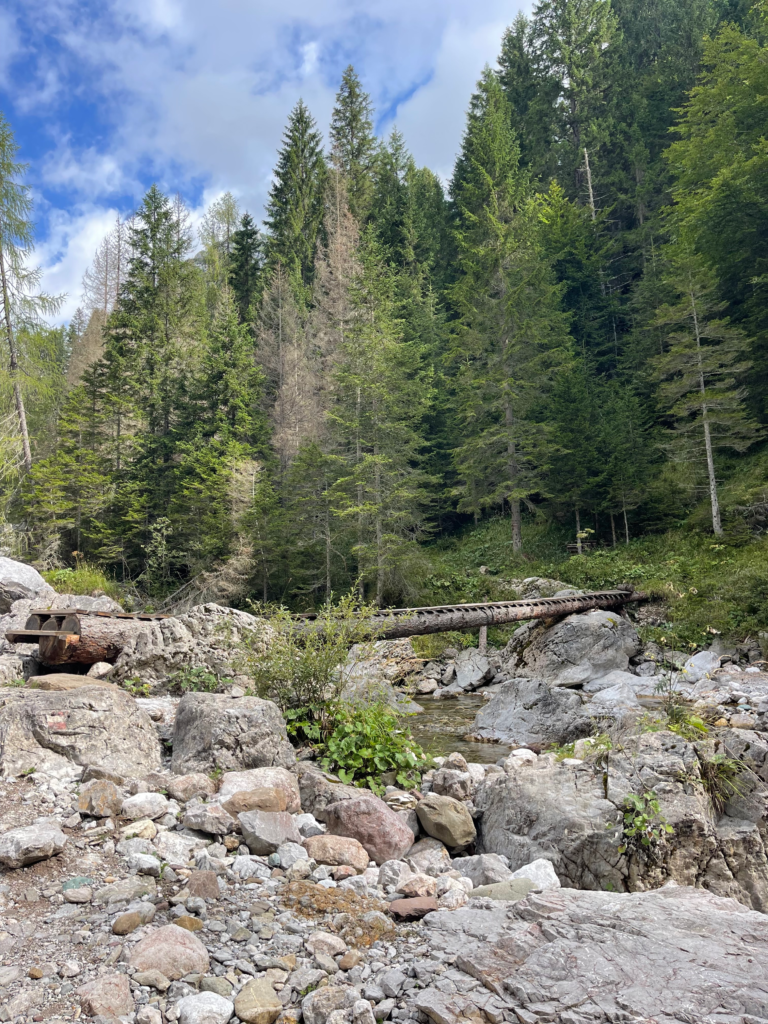
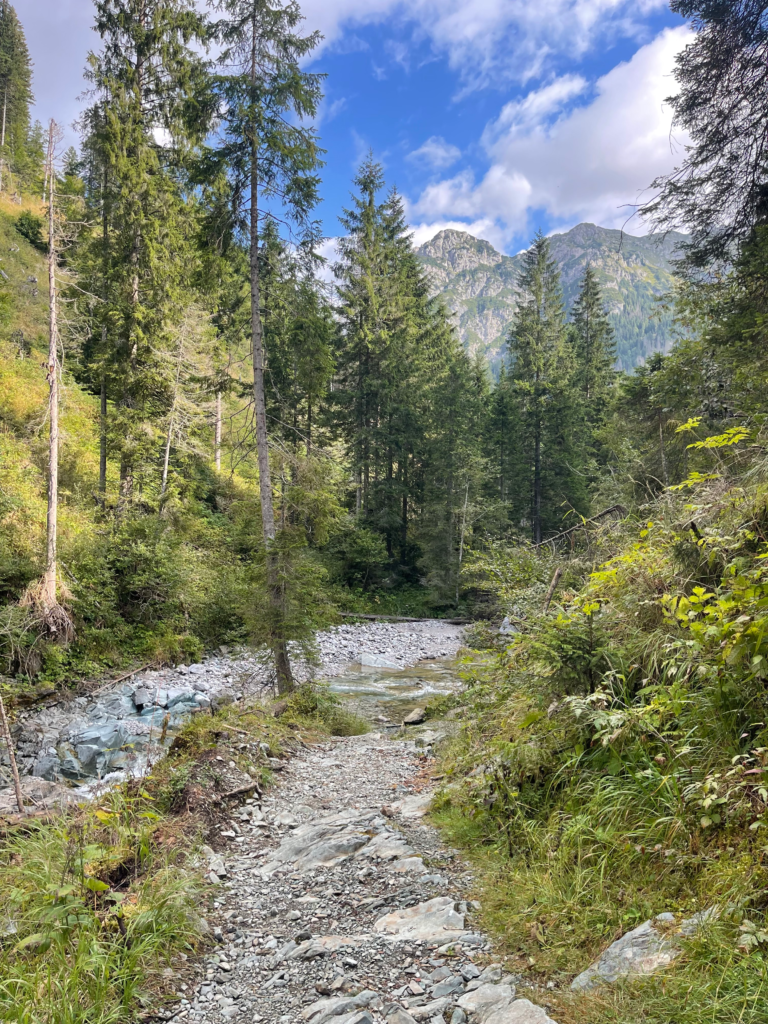
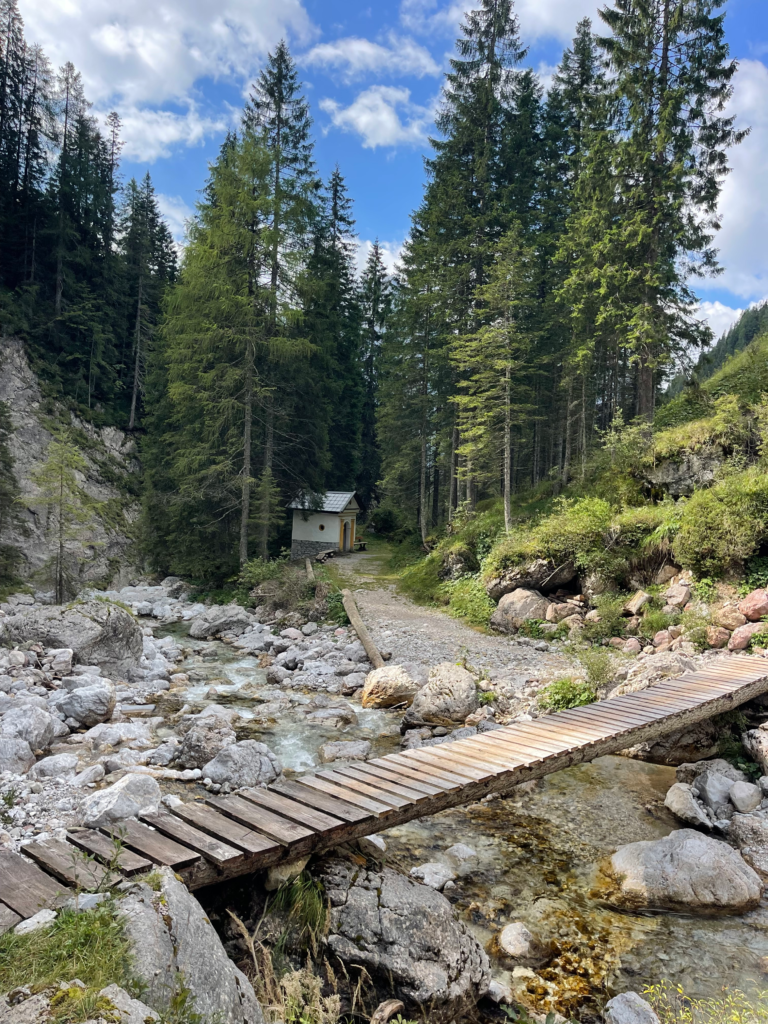
The trail begins in Cima Sappada, following the Piave River — glacier-fed and glass-clear, tumbling bright over pale rock. The valley feels carved by time itself.
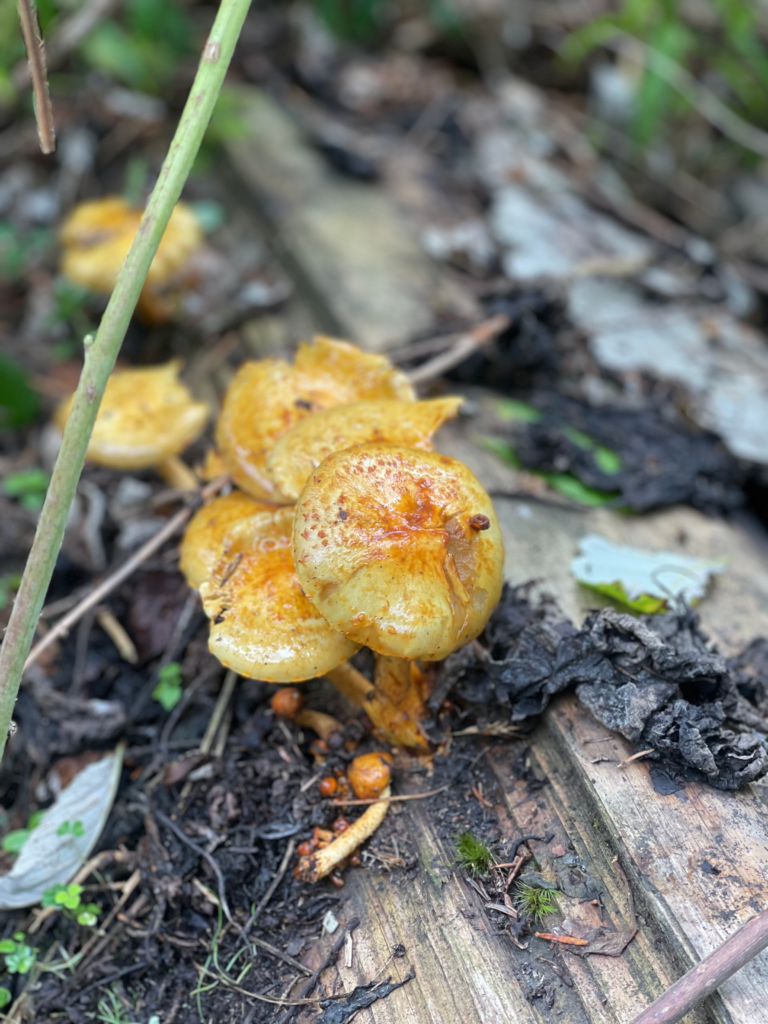
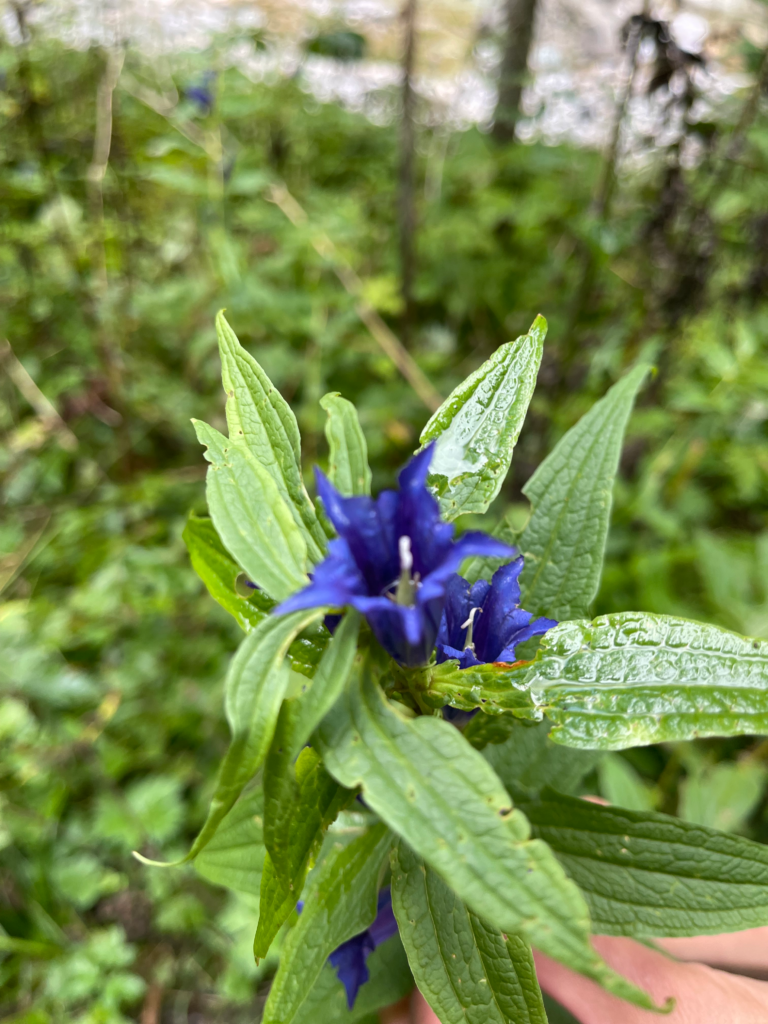
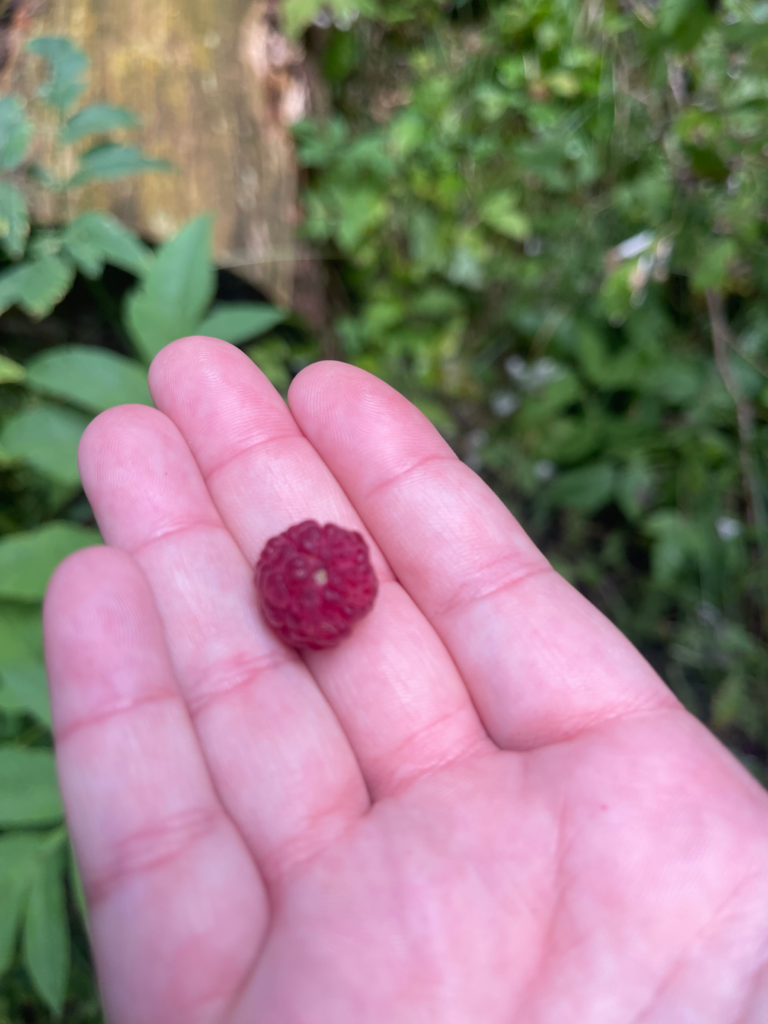
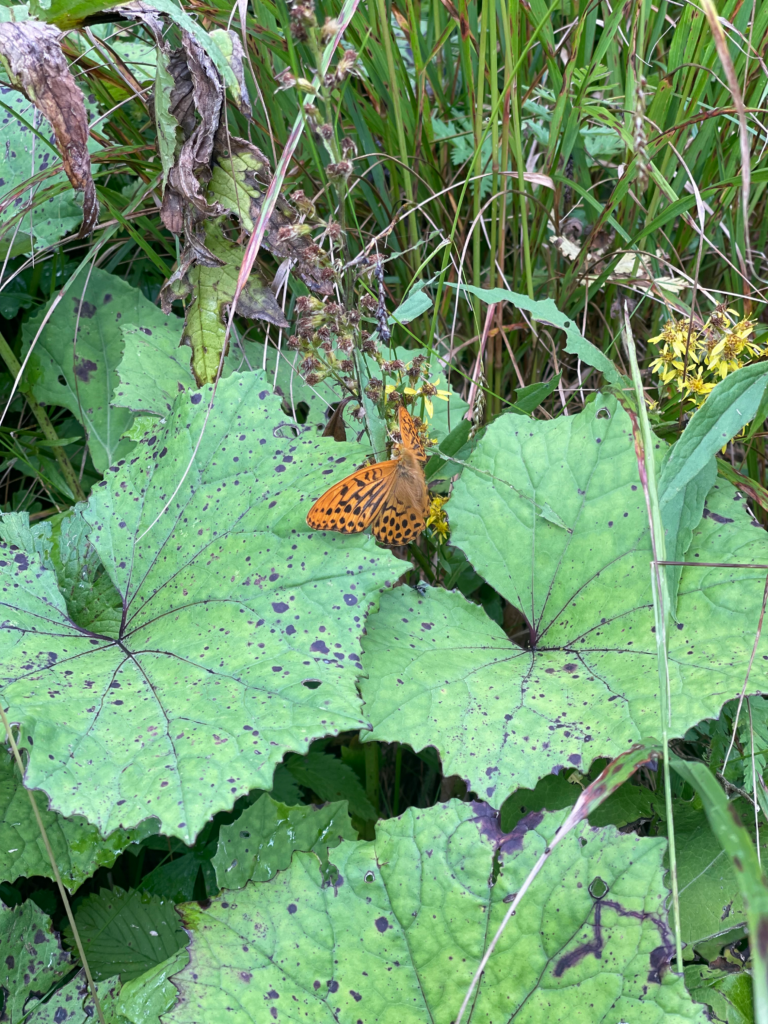
Tiziana pointed out wild strawberries, raspberries, and cardoon leaves, once used in mountain soups. “The porters knew these plants,” she told me. “To survive here, you had to know the mountain with all your senses.”
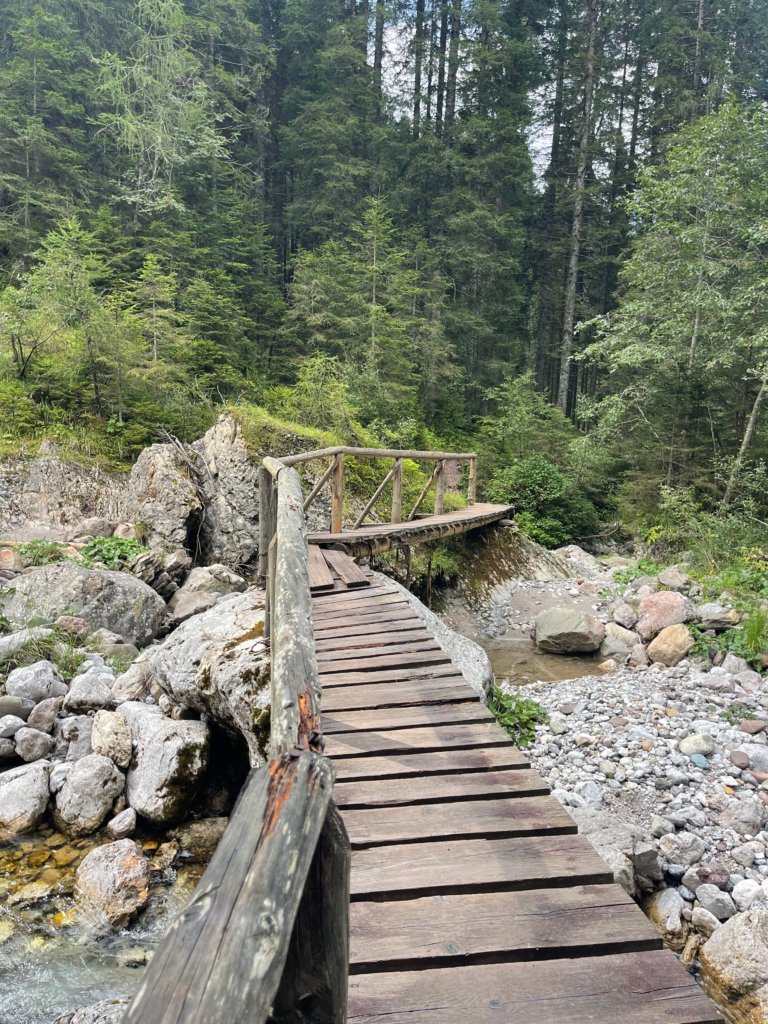
Here I was tasting these wonderful gifts from nature. Wild raspberries were still sweet even though they weren’t at their prime. We crossed over old bridges on the Piave, and it was as if we were in our own little world. Along the way to the Rifugio, I gained firsthand knowledge of the Friulian dialect, what makes this area so different from the Dolomites, and local history with the Carnic Porters of the Alps
The trail transitioned into a paved road where we walked alongside cars heading up to the parking lot just before Rifugio Calvi. This is where Tiziana taught me how to walk with hiking poles a bit better and laughed at my previous technique. Despite hiking so much, I failed to grasp the method early on. As we rounded a corner, Tiziana said, “Ah, Pandoro and Panettone!” referring to Monte Peralba and Monte Chiadenis ahead of us.
Arriving at Rifugio Calvi
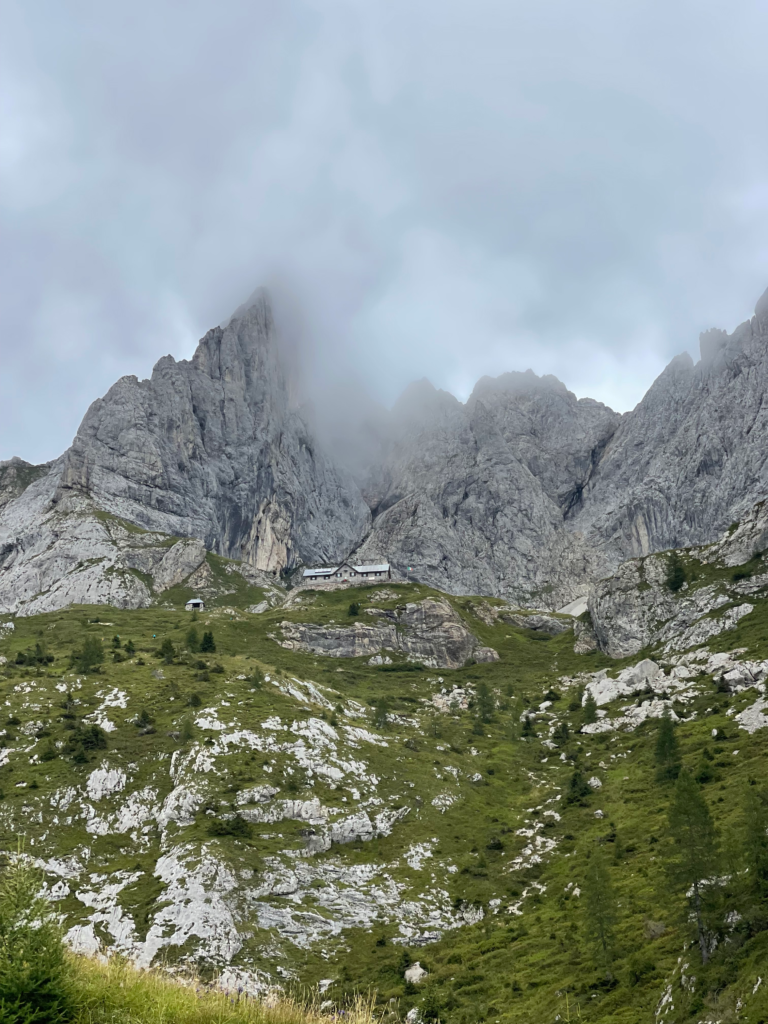
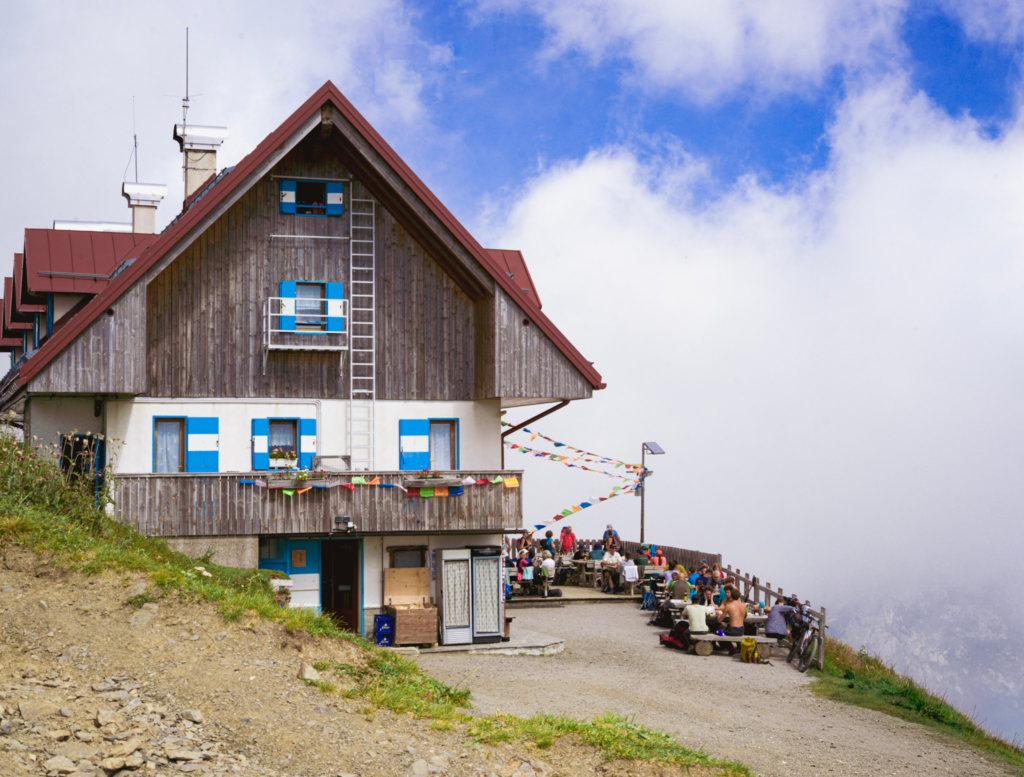
By late afternoon, the slopes around Rifugio Pier Fortunato Calvi appeared — a place heavy with wartime memory. Crumbling stone ruins still mark WWI outposts where soldiers endured brutal winters.
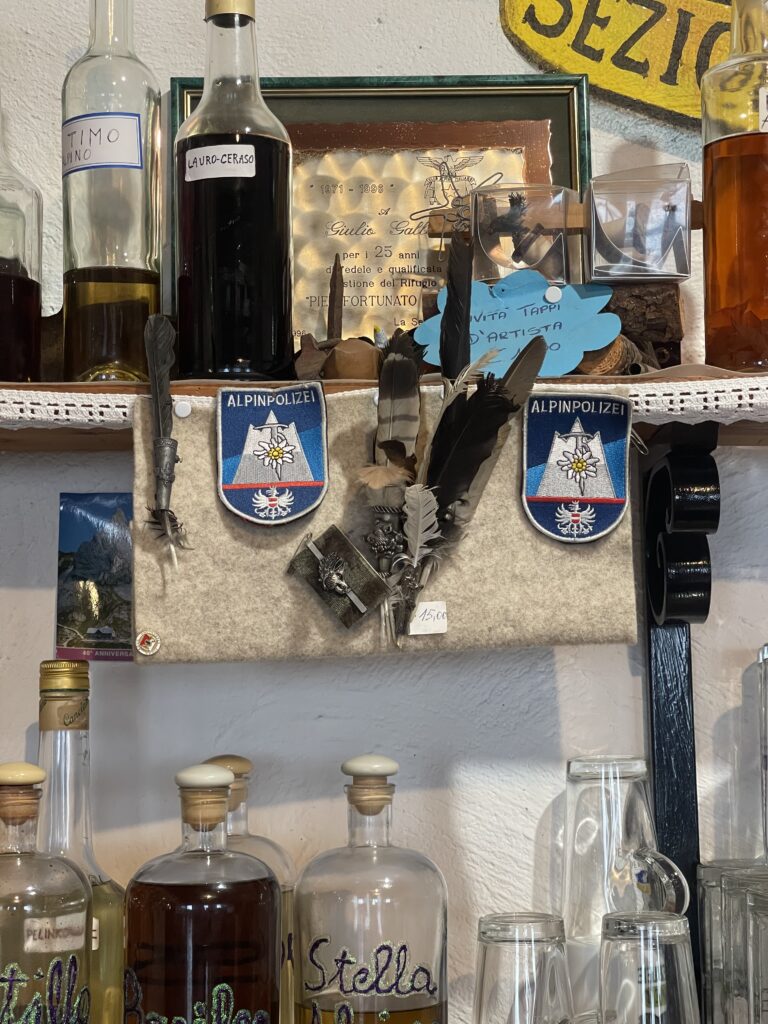
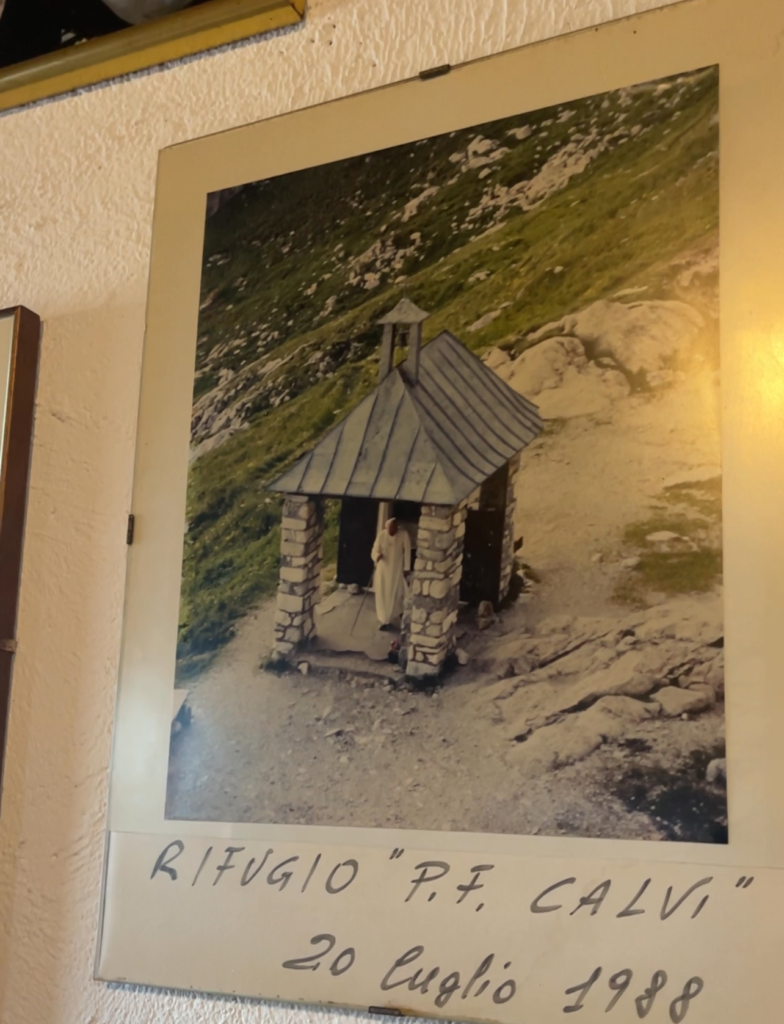
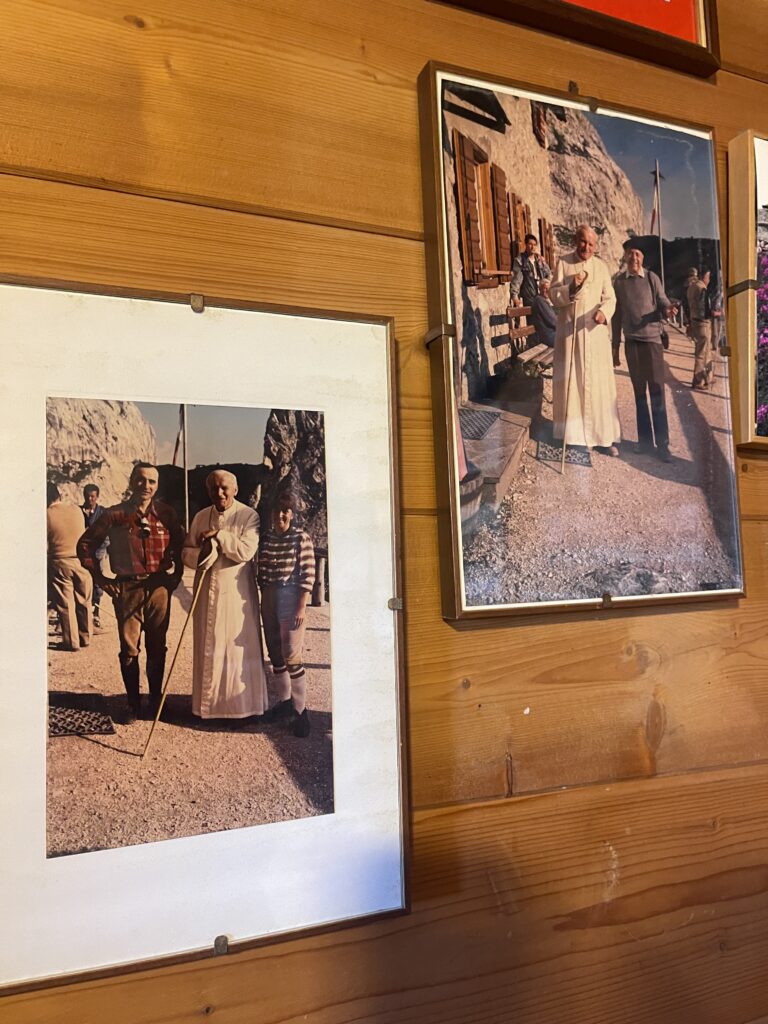
Inside, the hut felt like a museum of resilience. Photos of alpinists and soldiers lined the walls, and a portrait of Pope John Paul II smiled with patrons and owners of the hut. He had come through here walking the Sentiero del Papa, the path that still honors his visit.
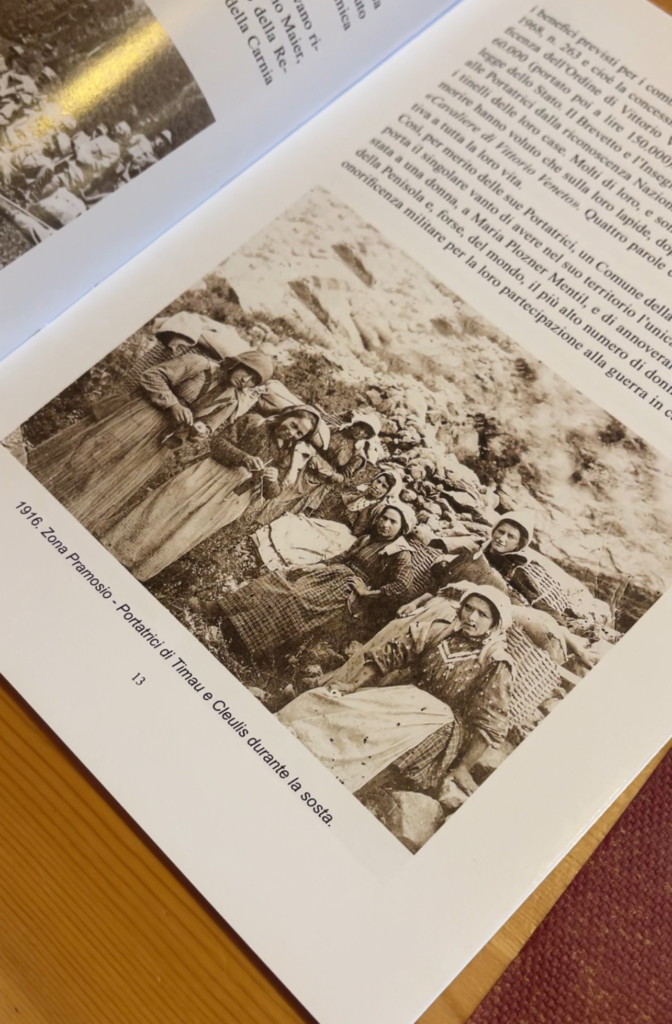
Before Tiziana left, she showed me a book on the Carnic Porters — women bent under impossible loads, their eyes fixed on the horizon. One was Maria Plozner Mentil, killed by a sniper in 1916. This was the story and reason why I was here. There were pictures of these women smiling under what I considered a heavy load, both mentally and physically.
Perhaps the most moving part of all this was realizing how these women, in a time when few women were allowed to work, carved out their own place in history. Their courage didn’t just sustain soldiers — it paved the way for generations of women to have livelihoods, independence, and recognition of their strength.
Overnight at Rifugio Calvi
Rifugio Calvi is run by Anna and her nieces and nephews, whose warmth fills the hut with life. Over barley soup, polenta, and panna cotta, I felt folded into a household that’s endured hardship but still chooses kindness.
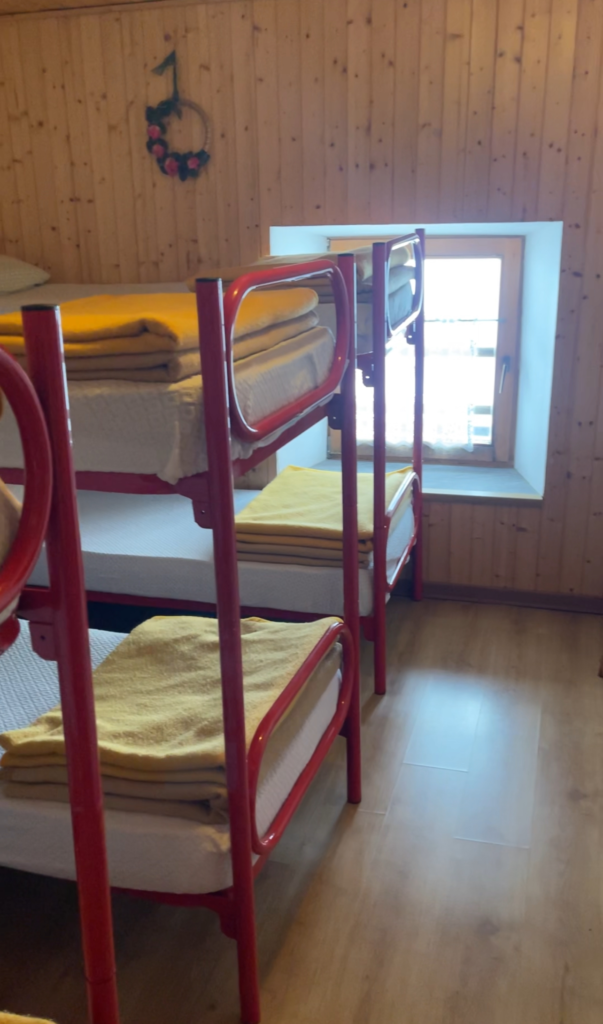
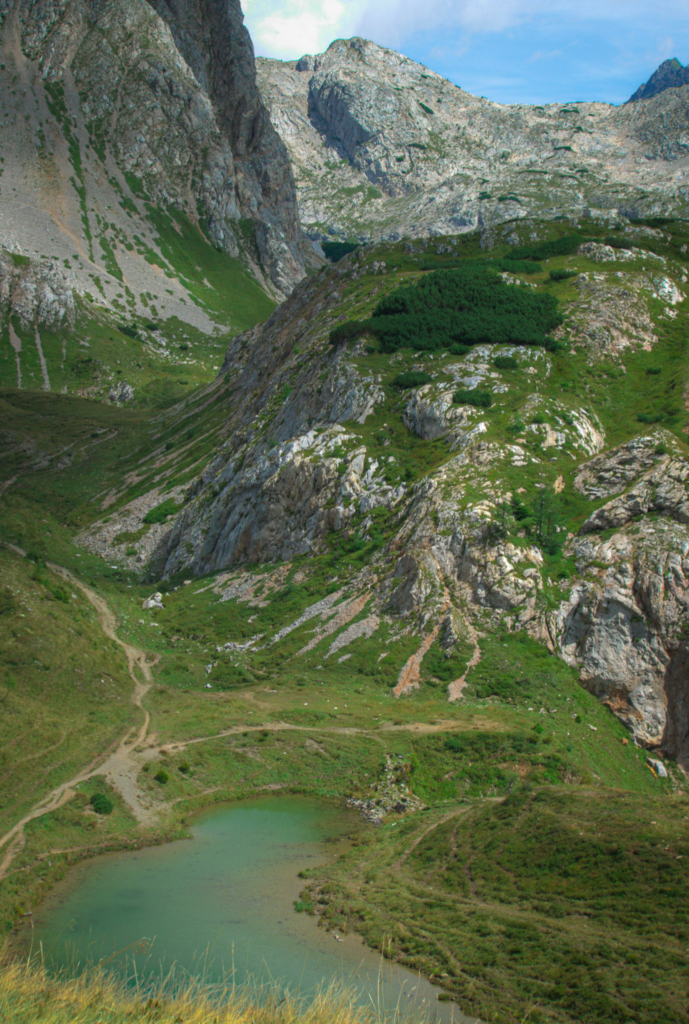
It was late August, and I had a room all to myself — a rare luxury compared to the crowded Dolomites. Alone in my bunk, I felt peace settle in. The silence was alive with mountain air. Just when I thought I would get an epic view of the sun setting, the fog rolled in and covered the rifugio in a thick haze. Below, I could hear those evasive marmots chattering. It made for a perfect “goodnight” from Mother Nature.
Day Two: Rifugio Calvi → Rifugio Tolazzi
The morning broke sharp and crystalline. Below the window: a cloud inversion glowing with purples and gold. This, I thought, was such a wonderful way to welcome the day.
It was 0630am, and I started gathering my items and packing for my early departure. I would need to be out of the hut by no later than 7:30 am if I wanted to make it to Rifugio Tolazzi in time.
I quickly had breakfast, which was simple in nature– like every mountain hut that I had been to. My favorite thing: Coffee in a bowl, which took me back to my time on the Palaronda Trek earlier in the summer.
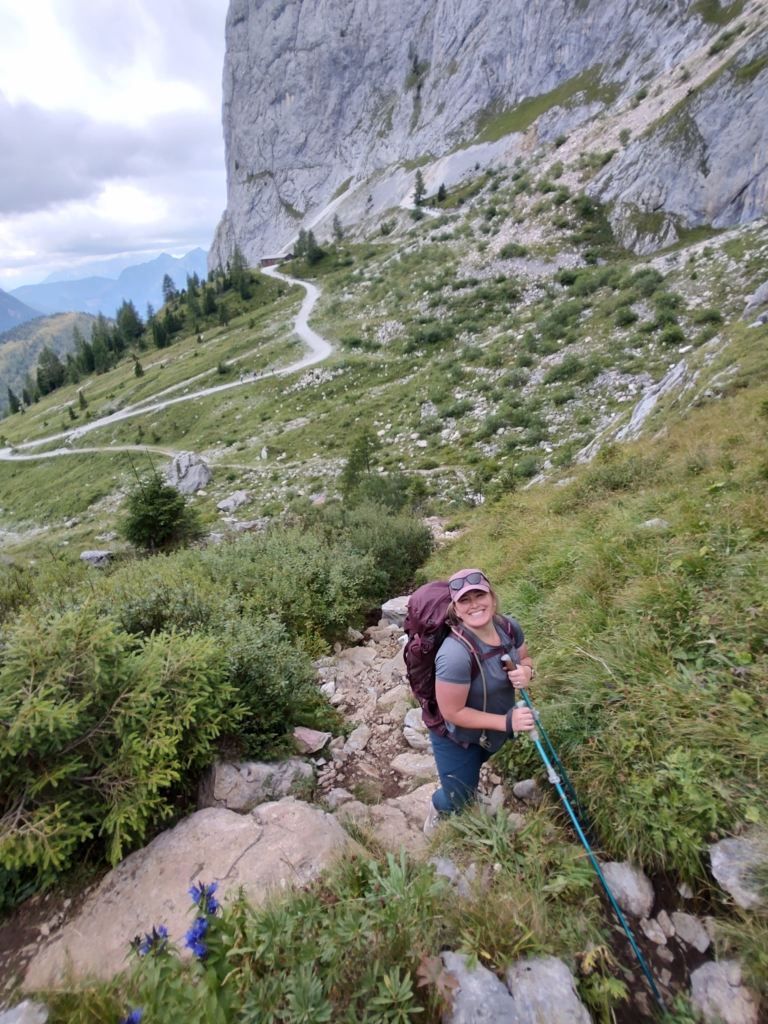
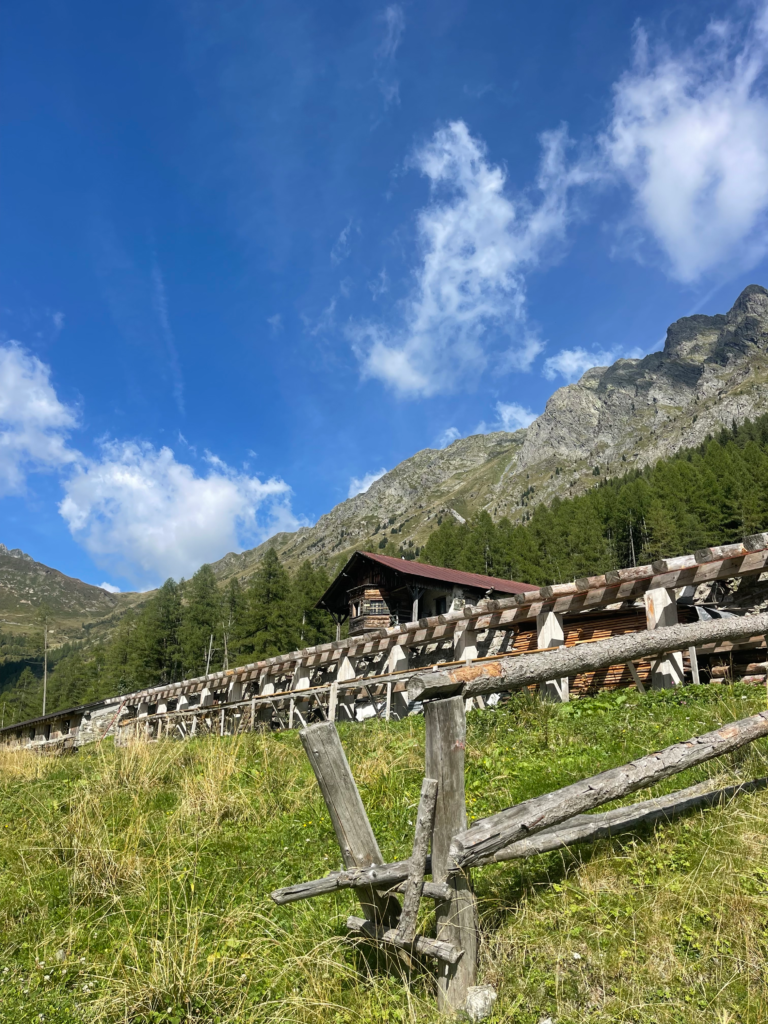
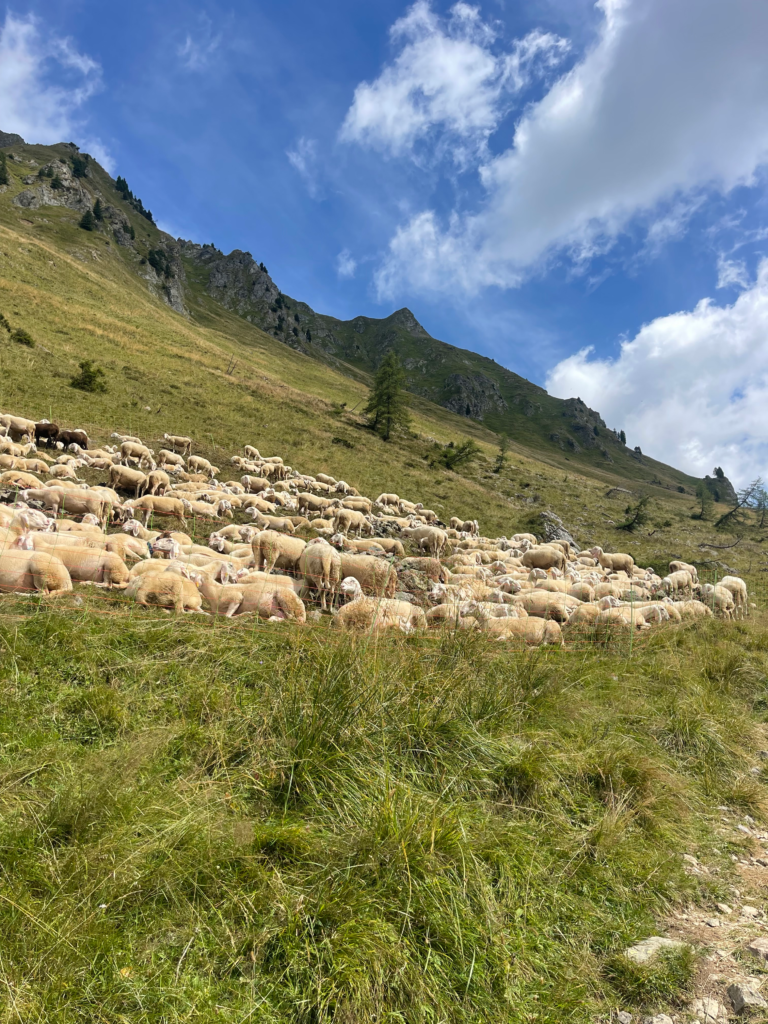
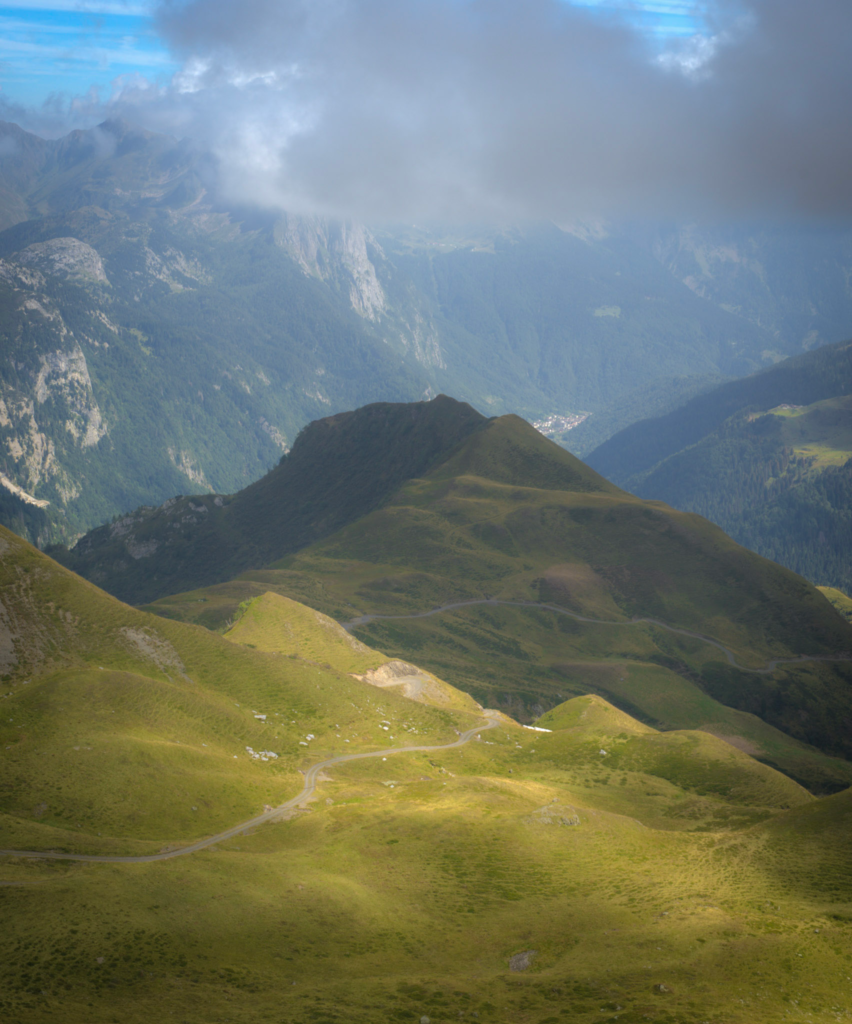
I left the rifugio and turned the corner, and had the first big ascent ahead of me. I sighed, remembering that Tiziana told me to “take this one slowly. Don’t rush the ascent, you’ll max out at the beginning.” I climbed the switchbacks of Monte Chiadenis and into dew-soaked meadows dotted with WWI memorials. out of the corner of my eye, I caught marmots darting back and forth. At Passo Sesis Joch, I paused over the Fiume Degano valley, where sheep grazed beneath jagged ridges.
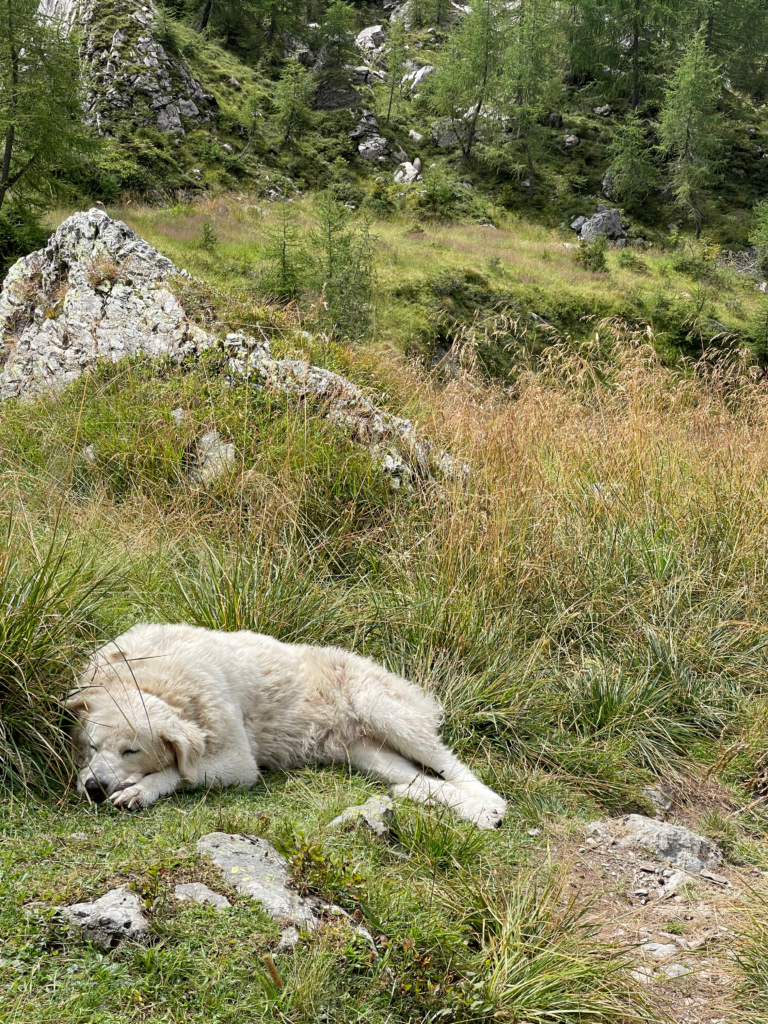
The trail carved through two mountains: the one on my right was Italian, and the one on my left was Austrian. Just before heading down towards Casera Fleons di sotto, I was followed by two sheep-herding dogs who likely thought I was trying to steal a sheep. At one point, a few growls were let out, and I just walked faster.
Climbing Sella Di Sissanis
I started climbing the Sella di Sissanis, broke for lunch, and was so thankful to the staff at Rifugio Calvi for packing a lunch for me. I sat on a rock, looking back into the valley, taking in what lay before me, and couldn’t believe the Great War had happened on these mountains. The sheer strength it must have taken.
After my lunch, I continued on toLago di Pera. A pair of women from Austria fell into step beside me—friends who were hiking together to keep each other accountable.
They asked, “You’re hiking alone? Don’t you feel scared doing this by yourself?” I smiled because, as a solo hiker, I get this question all the time. I told them, “Not really. You’d be surprised by how kind people are.” And it’s true. I’ve met some incredibly kind people in Italy and abroad.
People often say it’s admirable for a woman to hike alone, to face the elements on her own. But the truth is, we face far worse every day out in the world, and it feels like that’s only getting worse. At least on the trail, I can focus on what’s ahead of me, one step at a time, without the noise of everything happening beyond the mountains.
Just before crossing into Austria, the terrain near Kreuzleithohe Punta di Giramondo turned demanding: narrow, slanted trails that tested both legs and nerve. If there’s one thing I hate, it’s narrow trails that seem to have rock and scree to sustain them. But at least the view of Lago Bordaglia was stunning.
Crossing into Austria on the MADE Trek
As I hiked into Austria, a wave of relief washed over me as I was almost to Rifugio Tolazzi, or so I thought. I said goodbye to some cows and crossed the border. Looking down at my Komoot directions as the navigation yelled at me, ” YOU ARE NOW IN AN OFF-GRID SECTION.” Okay, but what does that mean? I thought to myself as I turned a bend, I understood. 15 minutes of walking straight downhill in a switchback fashion. I was sliding, every step calculated. Then, finally, I reached the end. I would follow this route for a while, all while feeling like I needed to rush. It was 430pm.
This section just dragged on; I could see the signs for Wolayersee. Why wasn’t it appearing? My patience paid off.
At Wolayersee, the ruins of wartime fortifications still scarred the landscape. What was before me was simply stunning. The jagged landscape, the crystal blue lake.
By evening, the trail dropped back into Italy, and I arrived at Rifugio Tolazzi, utterly spent. But the staff welcomed me like family, and I soon learned I was their only overnight guest.
Dinner was simple: frico and polenta. Frico — a classic Friuli Venezia Giulia dish of Montasio cheese and potatoes cooked together until the edges turn crisp and golden — hits differently after a day of hiking. The exhaustion softened into something closer to gratitude, helped along by the kind of meal that tastes like it was made for mountain days.
Day Three: Rifugio Tolazzi → Marinelli → Morareto → Return
The third morning softened. Over polenta cake, yogurt, and jam, I lingered, reluctant to leave. This was quite simply one of the best breakfasts I’ve had in a while.
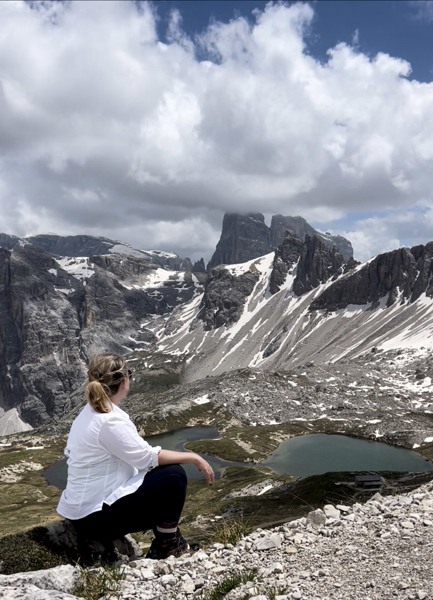
The trail wound through pastures where cowbells marked the rhythm of the day. By midday, I reached Rifugio Marinelli (which now officially holds the status of the most beautiful view in the Carnic Alps, awarded by me) beneath Mount Coglians, the highest peak in the Carnic Alps.
Lunch wasn’t just food; it was an experience — lamb chops, fried cheese, and a tall beer shared with Italians who asked if I ever got lonely hiking alone. “No,” I said, “I think I’d be more scared if I didn’t do this,” explaining how little time I felt I had when moving from place to place.
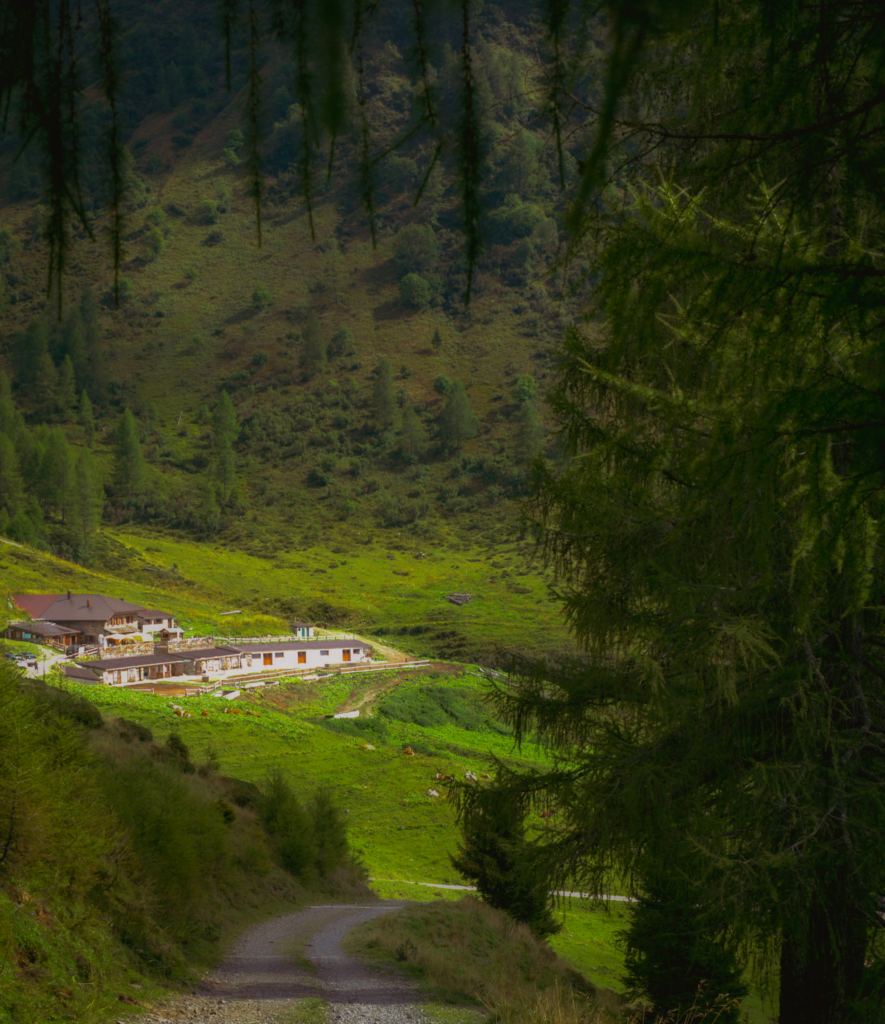
Descending, I stopped at Agriturismo Malga Morareto, alive with families, cheese boards, and laughter. After two days of solitude, it was pure joy.
This is the other face of the MADE Trek — not just silence, but the rhythm of mountain life that still thrives today.
How to Book the MADE Trek
The MADE Trek exists thanks to The Dolomist, Prime Alps, and local tourism consortia working across borders.
When I booked through The Dolomist, they:
- Matched me with a local guide from Prime Alps
- Coordinated hut reservations and transfers
- Helped tailor the trek to my schedule (3 days instead of the full 200 km)
Whether you want a self-guided adventure or a guided cultural trek, The Dolomist connects you with the people who keep these mountains alive.
Why I Recommend the MADE Trek
Of all my hikes in Italy, this one stands out. The Carnic Alps felt unfiltered in a way the Dolomites rarely do anymore — no crowds pressing in, no rush to reach the next panoramic viewpoint, no sense of performing the hike for anyone else. Just quiet valleys, working hamlets, and a mountain culture that still feels lived-in rather than curated. There was a humanity to it that I haven’t felt on many other trails, a kind of understated connection that stayed with me long after I left.
As a solo female hiker, that mattered. I felt safe in a way that was both practical and emotional — waymarked trails that were easy to follow, rifugi where the hosts looked out for you without making a fuss, and locals who offered a nod or a few gentle words of encouragement. There was an unspoken understanding that hikers are part of the landscape here, not an intrusion on it.
The MADE Trek reminded me that hiking doesn’t always have to be about chasing summits or stacking elevation gain. Sometimes the real gift is the pace of the journey — the chance to slow down, to meet the people who shape these mountains, and to listen to the stories the land is willing to share if you’re quiet enough to hear them.
Where to Stay Before and After the Hike
- Before: Albergo Piani di Luzza — welcoming, quiet, perfect for early starts. Mauro and Magda were absolutely wonderful and gracious hosts. Situated just 5 minutes down the road from the parking lot where you’ll park your car, it’s a convenient place to stay. I would recommend this wonderful hotel to anyone. Rooms are simple, inviting. Food is homemade and delicious local food.
- After: Albergo Siera Hof — family-run warmth and hearty local food. I stayed in their new chalet building, and I loved it so much. Quiet, modern, and sleek. A wonderful bed to stay in after a long hike.
Pro Tip: Book early in summer and tell your hosts you’re hiking the MADE Trek — many offer early breakfasts or gear storage.
Packing Tips for the MADE Trek
Keep it light. Seriously, keep it light. Pack only the necessities.
- Hiking boots
- Rain jacket & warm layers
- Poles (essential for descents)
- Cash for Huts
- Snacks (gummy bears encouraged!)
You can check out my rock porch locker for my essential hiking gear.

Final Thoughts: Why the MADE Trek Matters
The Dolomites will always shine — but the Friulian Dolomites offer something quieter: a connection to resilience, memory, and place.
On this trail, you walk where women once carried the war on their backs, where shepherds still call their flocks home, and where silence carries the echoes of history.
If you’re looking for a hike that’s both grounding and transformative, this is it.
Social Media Posts about the MADE trek
