
How to Travel By Train in Italy: A Solo Female Traveler and First-timers Guide
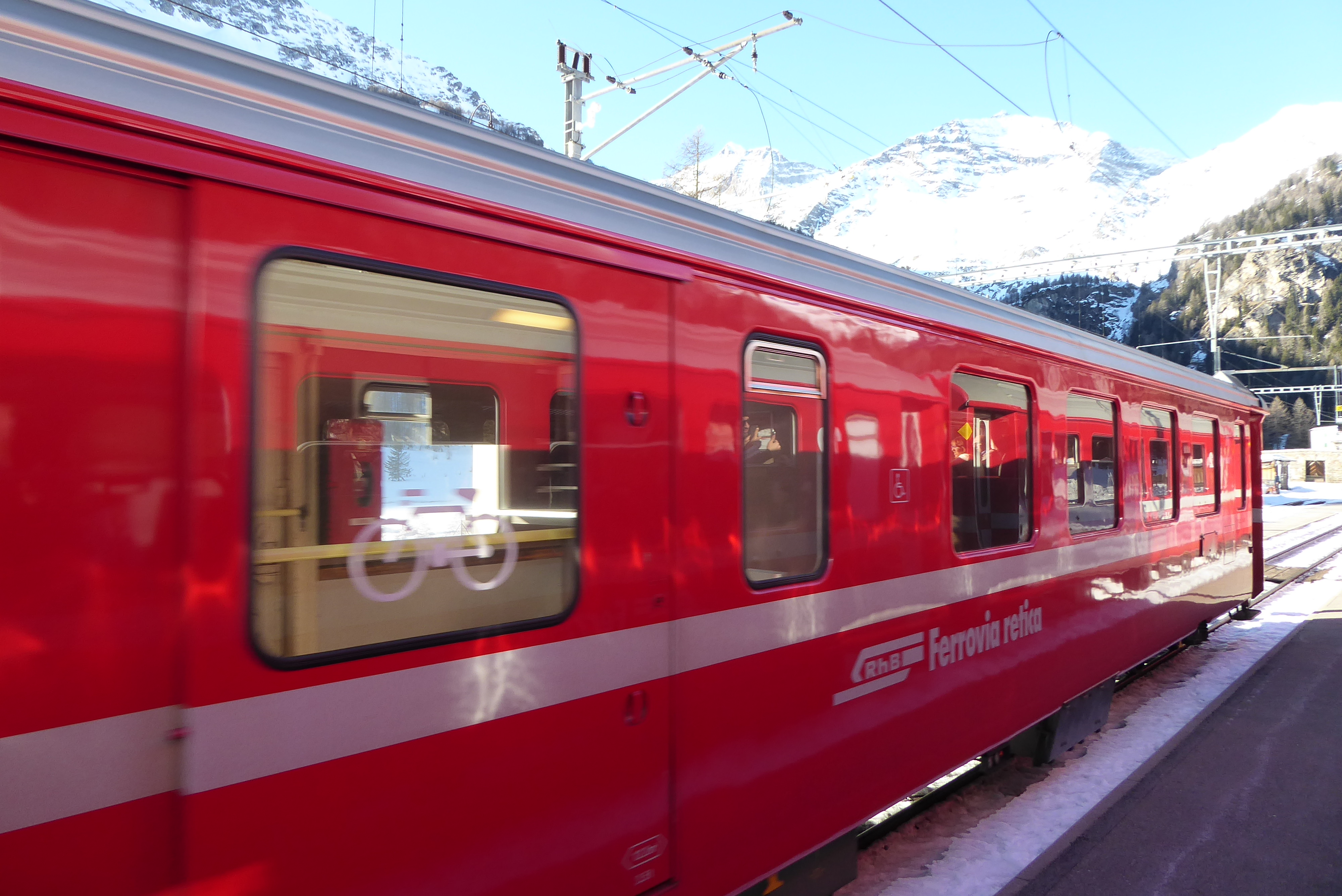
If you’re visiting Italy for the first time and don’t want to look clueless in the train station, this guide will save you. Speaking from experience, Italy’s rail system is fast, safe, affordable and unbelievably confusing if you’ve never used it. Platforms change at the last second. City names appear in Italian only. Some tickets require reservations, others don’t. And if you don’t validate the right kind, you can get fined. Sometimes its just sensory overload.
I’ve lived in Italy for years and take these trains constantly. I know exactly where first-time travelers get stuck, what they misunderstand, and what actually matters when you’re trying to get from point A to point B without stress.
This guide teaches you how to use trains in Italy the right way — how to buy the right ticket, understand timelines, read the departure board, navigate big stations confidently, avoid fines, stay safe, and handle anything that goes wrong.
If you want a clear, beginner-friendly breakdown of Italian train travel that actually helps you move through the country with confidence, start here.
Step one: understand the system before you ever walk into the station
This Post Pairs Well With:
Quick Guide:
How to Use Trains in Italy (For First-Time Travelers)
• Buy high-speed tickets in advance (Frecciarossa / Italo).
• Buy regional tickets anytime — price doesn’t change.
• Digital tickets = no validation.
• Paper regional tickets must be validated before boarding.
• Always match the TRAIN NUMBER, not just the destination.
• Platforms change last-minute — check the departure board, not Google Maps.
• Stations feel hectic, not unsafe — keep your bag zipped and in front.
Before You Go: What First-Time Train Travelers Always Get Wrong
If you’ve never traveled by train outside the U.S., your first Italian station is going to feel like an initiation. Not in a scary way — in a “a lot is happening and I don’t want to look lost” kind of way.
Here’s what catches beginners off guard every single time:
City names are in Italian.
Rome doesn’t appear as Rome — it’s Roma.
Florence becomes Firenze.
Turin becomes Torino.
Venice becomes Venezia.
The moment you switch your mental language, everything becomes readable.
Google Maps is not your friend inside stations.
It gets confused underground, platforms change constantly, and the app simply isn’t synced to real-time station data. If you trust it, you’ll end up at the wrong platform 50% of the time.
Your ticket will NOT list a platform.
Italian railways release platform numbers close to departure — sometimes only 5–10 minutes before. If you’re waiting anxiously thinking your ticket is missing something, it’s not. That’s just Italy.
Regional paper tickets must be validated.
If you don’t validate, you can get fined. It’s not dramatic, it’s just a rule.
Digital tickets? No validation needed.
Trains don’t show up early.
They glide in, unload, reload, and leave. If the platform is empty 15 minutes before departure, that’s normal.
Once you accept these quirks, the system stops feeling unpredictable — and starts feeling beautifully logical.
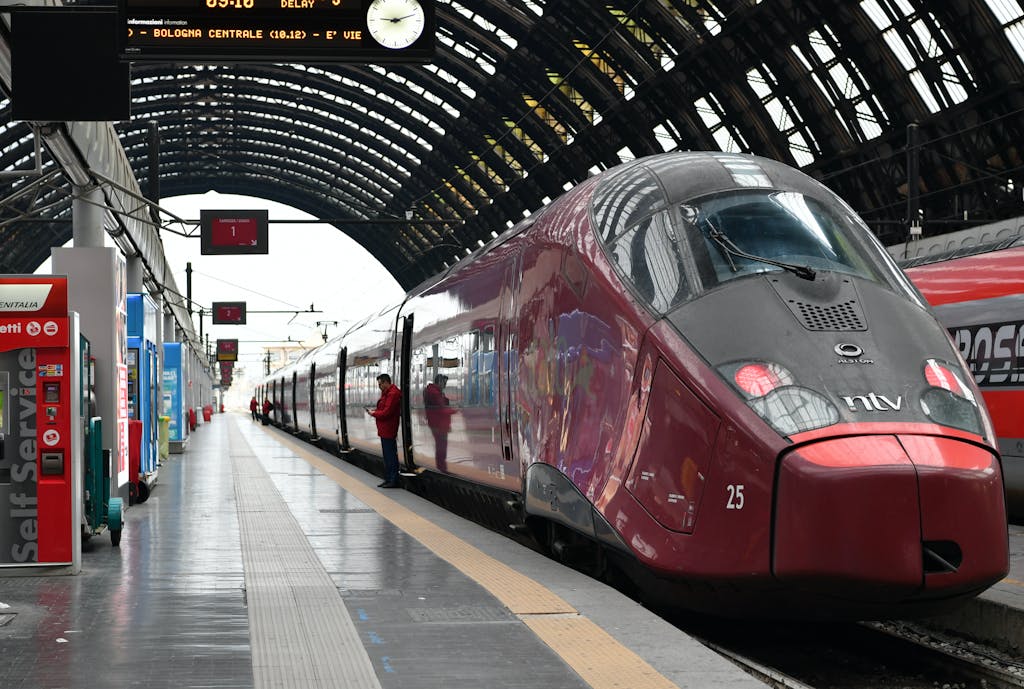
How to Buy Train Tickets in Italy (Explained Like You’re Sitting Beside Me at a Station Café)
Let’s clear up the confusion right now:
There are TWO completely different kinds of trains in Italy.
And until you understand this, nothing will make sense.
1. High-Speed Trains (Fast, Reserved, City-to-City)
These are the Frecciarossa / Frecciargento / Frecciabianca or Italo trains.
They connect major cities quickly — think Rome to Florence, Venice to Milan, Naples to Rome.
High-speed trains work like flights:
You choose a departure time. You choose a seat. You book in advance for the best price.
The price changes depending on demand.
Buy early = cheaper.
Buy same-day = more expensive.
These are the trains you take when you want a smooth, predictable ride with luggage space, outlets, A/C, and peace.
2. Regional Trains (Flexible, Slower, Perfect for Day Trips)
Regional trains are your go-to for smaller towns, lakeside spots, and those charming places high-speed lines don’t reach — think Florence to Lucca, Verona to Lake Garda, Vicenza to Bassano del Grappa. They’re simple to use: no seat reservations, consistent pricing, and they never sell out. In other words, you can just show up and go, which is exactly why beginners end up loving them.
So, Which App or Method Should You Use?
LITERALLY GET YOUR PHONE OUT NOW AND DOWNLOAD THESE!
The Trenitalia app
This is the backbone of Italian rail. It shows high-speed + regional options. It’s not sexy, but it’s reliable.
The Italo app
Sleek, clean, and perfect for big-city connections.
Other Options:
Omio
Your emotional support option — clear English, simple filtering, and beginner-proof. Yes, there’s a small fee. Yes, it’s worth it if you’re anxious. I caution people in using third-party, though, because sometimes when the train is canceled, they can be as far as getting those refunds to you.
Ticket machines in stations
Great for regional tickets. Clunky for high-speed ones.
The ticket counter
This is where you go when you’re confused, stuck, or exhausted and need a human being to say, “Okay, here’s the easiest route.”
And yes — as someone who’s lived in Italy for years, I still walk up to the counter sometimes. There is no shame in it.
Do You Need to Validate Your Ticket? Let’s Remove All Fear From This Step
If you have a digital ticket, stop worrying. It’s already validated.
If you have a paper regional ticket, you must validate it in the little green/grey machine before boarding. The machine stamps it with the date and time so you can’t reuse it. As of 2025, some stations have taken these machines away, and while I don’t know if every station has, just know you may not see them. Talk to the TreinItalia worker you see on the platform for verification
If you forget?
Find the conductor immediately. Explain. Italians respect honesty and effort; they do not respect pretending you “didn’t know.”
It’s a small system, but understanding it removes a big chunk of beginner anxiety.
Understanding Italy’s Train Types (And What They Actually Feel Like)
Most guides explain train types like a chart. That’s not helpful. Here’s how they feel:
- High-speed trains feel like stepping into a well-run office building on wheels. Quiet. Efficient. Calm. Outlets at every seat. Reserved seating keeps the whole environment controlled.
- Intercity trains feel like older cousins of high-speed trains — still comfortable, just not as modern or glamorous.
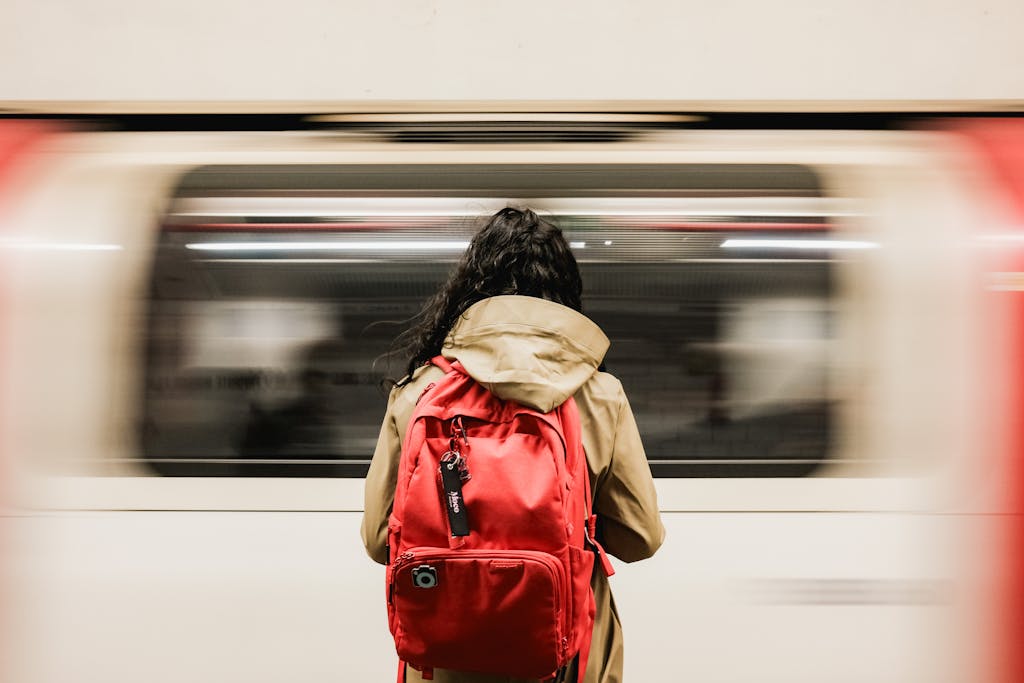
- Regional trains feel like hopping into the daily heartbeat of Italy. Students with backpacks. Grandparents with groceries. Bright morning light streaming through windows. These trains show you the local pace — not the tourist pace.
Each serves a purpose. Each teaches you something different about the country.
What It’s Actually Like to Navigate an Italian Train Station
Walking into a major Italian station for the first time, Milano Centrale, Roma Termini, Venezia Santa Lucia, is overwhelming for one reason:
Everyone looks like they know exactly what they’re doing.
That’s the illusion. Most locals aren’t “calm.” They’re just used to the noise, the echoing announcements, the platform changes, the sudden crowd surges when a train appears.
Your job isn’t to look experienced — it’s to understand what matters.
And what matters is this:
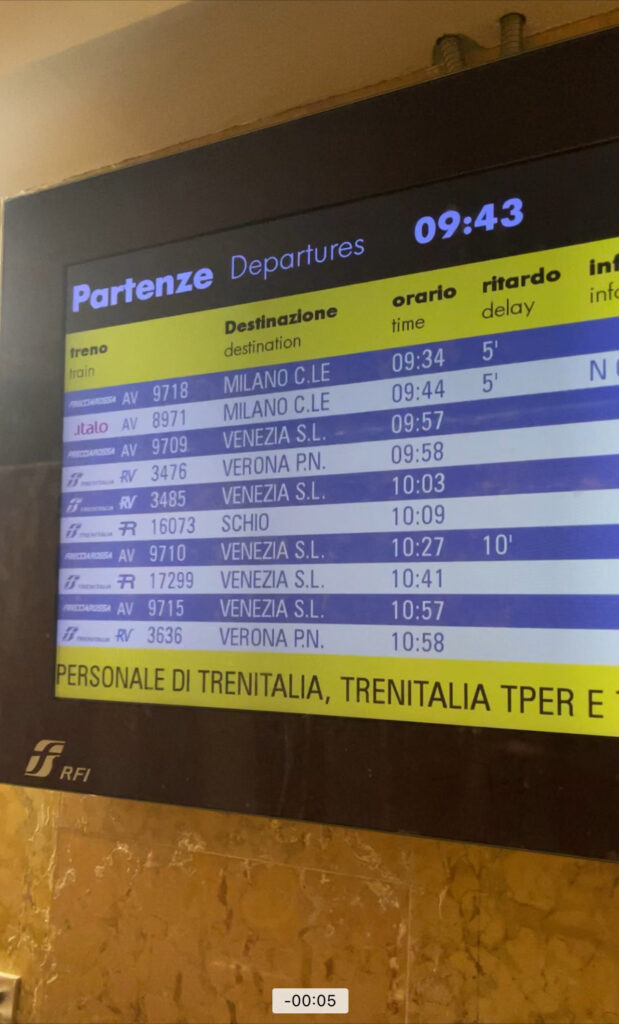
- The departure board is your compass.
- Apps can lag. Announcements can be unclear. People can mislead you accidentally because they assume you’re taking a different train.
But the board? The board will never betray you (speaking from experience)
I often walk to the board to make sure everything is as planned.
You watch for your train number.
Not just the destination. the exact number.
Once the platform appears, you walk with intention (not panic) toward the binario.

Onboard: How to Settle In Without Stressing or Standing Out
You’ll notice quickly: Italian trains are not loud spaces.
People speak softly.
They respect quiet.
They mind their own business.
No one wants to hear your FaceTime conversation.
If you have a reserved seat, claim it confidently. If someone is there, show them your ticket with a polite “Scusi.” No drama. It happens constantly. Sometimes it’s a parent wanting to sit with their child, or it’s an elderly person who just got it wrong. In that case, let it be.
Put your luggage wherever it feels secure: overhead, beside you, at your feet, or on the racks at the end of the car.
There’s no “correct” way — only the way that helps you relax.
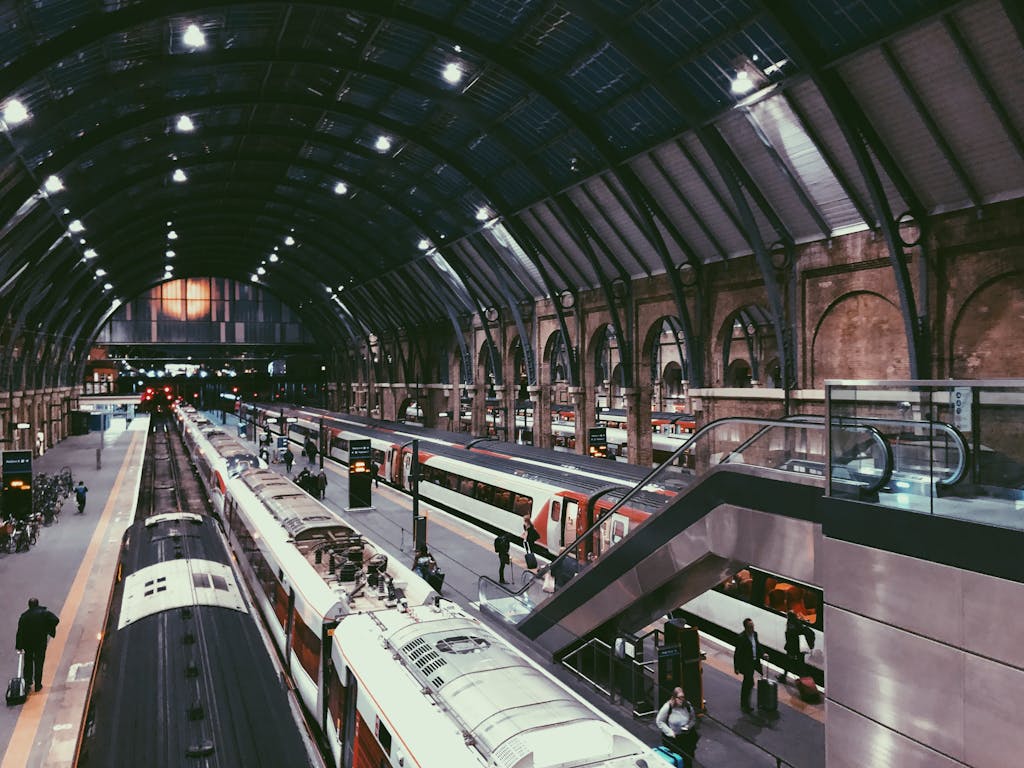
Night Trains: A Soft Introduction to Slow Italian Travel
If you’re taking an overnight train, think of it as a rolling little hostel. Cozy, imperfect, affordable.
Book a private or female-only compartment if you can.
Lock your door.
Keep your essentials close.
Let the sound of the tracks rock you into sleep.
Night trains aren’t glamorous, but they’re an adventure and safer than many people assume.

Safety for Solo Female Travelers: What Actually Matters
Safety for Solo Female Travelers: What You Really Need to Know
When women ask me whether Italian trains are safe, what they’re really asking is, “Am I going to feel okay doing this alone?” And the answer — from someone who has taken dozens of trains here, at all hours, across multiple regions — is yes. You will.
Italian trains aren’t dangerous. What they are is busy. Stations are loud, crowded, and fast-paced, and that alone can make a beginner feel on edge. But “overwhelming” is not the same as “unsafe.”
Most of what you need to do is exactly what you already do intuitively when you travel alone:
In stations, keeping your bag zipped and close is just common sense — the same way it is anywhere in Europe. Sitting near others usually feels more comfortable, especially at night. And if someone’s energy feels off, it’s completely fine to switch cars without explaining yourself. Staying aware isn’t about fear; it’s about moving through the trip with confidence.
The truth is, I’ve felt far more uncomfortable on public transportation in American cities than I ever have on a train in Italy.
Safety on Italian trains is less about danger and more about knowing what normal looks like so your brain stops filling in the blanks with worst-case scenarios. Normal looks like students half-asleep on morning trains, commuters quietly scrolling their phones, families with kids eating snacks, tourists with maps, and the occasional person making way too much noise on a call.
Normal looks like a public space where people are simply trying to get somewhere.
Once you ride a couple of trains, you’ll feel that shift — from “Am I doing this right?” to “Oh, okay. This is fine. I can handle this.”
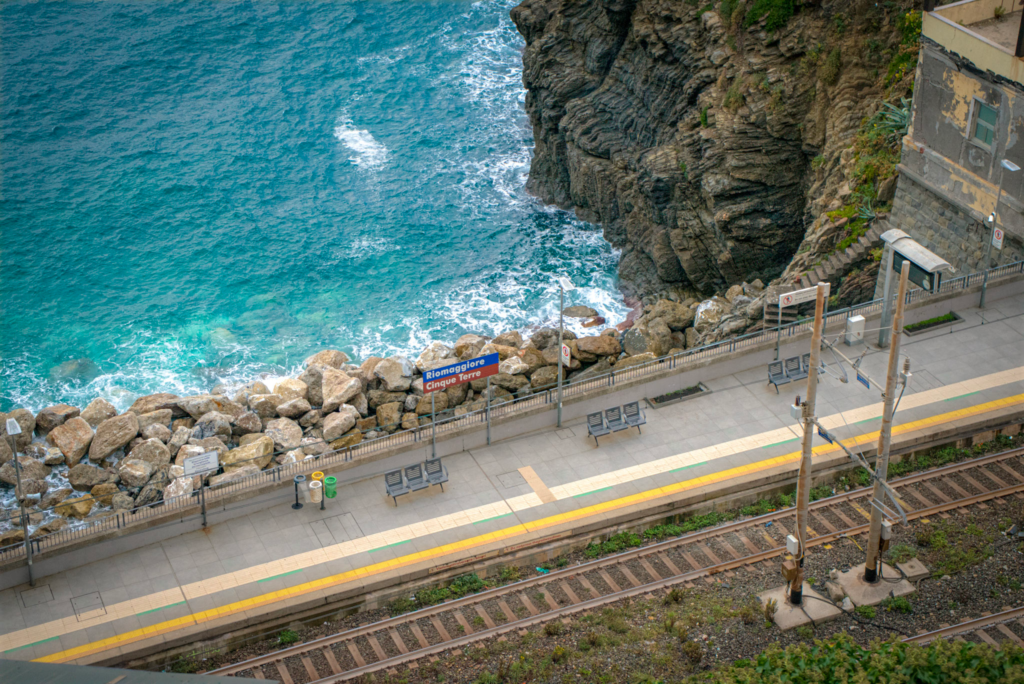
When Things Go Wrong: Delays, Strikes, and Missed Trains
Let’s talk about the part of Italian train travel that makes beginners the most nervous: what happens when something doesn’t go to plan.
Here’s the honest version from someone who’s dealt with all of it while living in Italy:
Trains do run late sometimes, and platforms can switch without much warning. Italy also has occasional transportation strikes — though they’re usually far more organized than people expect.
But here’s the key: none of these things mean your trip falls apart. They’re simply part of using public transportation in a country where the system is massive and constantly moving.
When you travel in Italy by train, what matters isn’t avoiding disruptions — it’s knowing how to respond to them calmly and confidently.
If your train is delayed, changed, or cancelled, here’s exactly what to do:
What I wish more people knew about italian train strikes is that they announce them ahead of time. All you have to do is google “Italian Train Strikes + Month you are going. Then that way you can figure out what to do. An Italian friend of mine told me once “Just reserve on Italo, because it’s a private company” so I have always led with that.
Here’s what else you can do:
- Check the departure board again.
It updates faster and more accurately than the apps. If there’s a platform change, it will show there first. - Look for Trenitalia staff in red uniforms.
They’re the people who can actually tell you what’s happening and where you need to go. They’re used to helping confused travelers. - If you miss a connection or your train is cancelled, go straight to the ticket counter.
In Italy, agents can reroute or rebook you on the next available train — even on a different train type — especially if the delay wasn’t your fault. - Keep your cool.
The system is flexible. You are not stuck. And you are definitely not the first traveler who has stood there thinking, “Okay… now what?”
That’s the unromantic but reassuring truth: Italian train travel is forgiving. Trains come frequently. Staff are used to rerouting people. And the country runs on this system — so it’s built to absorb hiccups without leaving you stranded.
I will never forget trying to show my friend Maggie the wonders of Venice, and the train we bought to Venice was canceled due to rail updates. They were getting buses for people. We just decided to take my car. That’s not an option for many, but I wanted to use this as an example of what they tend to do.
Once you understand this, delays stop feeling like emergencies and start feeling like minor annoyances you know how to handle.
Packing for Train Travel: Only What You Actually Need
I’ll save you from the Pinterest packing lists. Here’s what you need:
• Your phone
• Your charger
• Water
• A snack
• Downloaded tickets
• A layer for surprise A/C blasts
• A sense of humor
That’s it. Truly. I don’t think I need to elaborate!
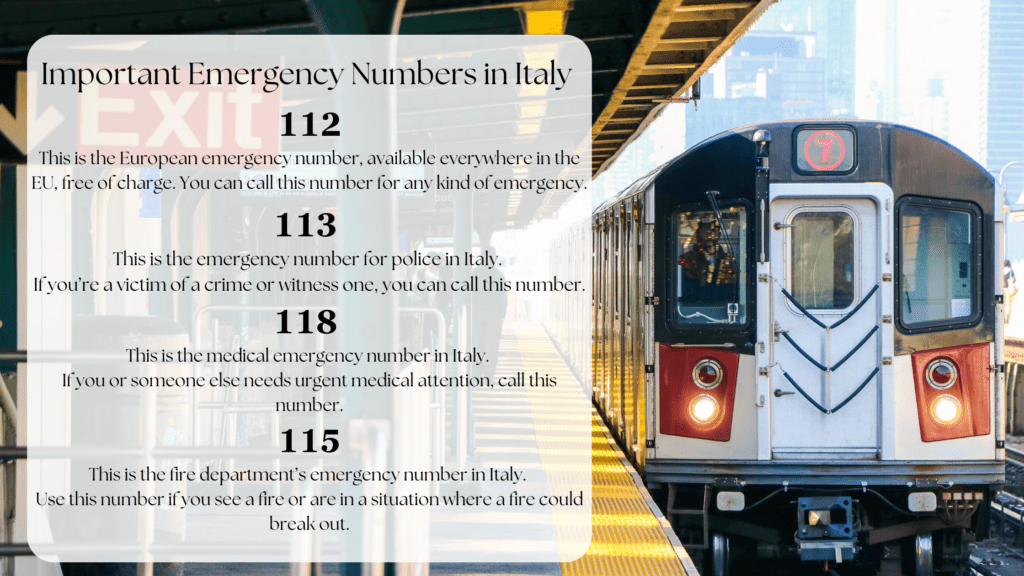
Emergency numbers in Italy
Save these in your phone! This is so important! In the event that something does happen you are ready to go!
The Real Reason Italian Train Travel Matters (It’s Not What You Think)
By the time you’ve taken even one train in Italy, something clicks. You stop worrying about whether you’re doing things “right,” and you start moving with a little more ease. Because now you know how the system works. You understand the board. You understand the rhythm. And you understand that it’s not actually complicated — just different.
That’s the whole point of this guide. Not to turn you into a transportation expert, but to make sure you feel confident enough to navigate Italy without second-guessing yourself at every turn. You don’t need to be fearless to travel Italy by train — you just need clarity, context, and a little practice. And now you have that.
Trains here are efficient, affordable, safe, and genuinely one of the best tools you have for exploring Italy on your own terms. Once you know how to use them, they make solo travel easier, not harder.
So yes — you can do this.
And once you do, you’ll wonder why you ever stressed about it.
Now go enjoy Italy. The trains will get you where you want to go.

Patricia, Thanks for the comment! You are going to have a blast here in Italy. Please email me if you need anything at all! Where will you be headed here in Italy?