
How to Make a Reservation at a Rifugio in 2026
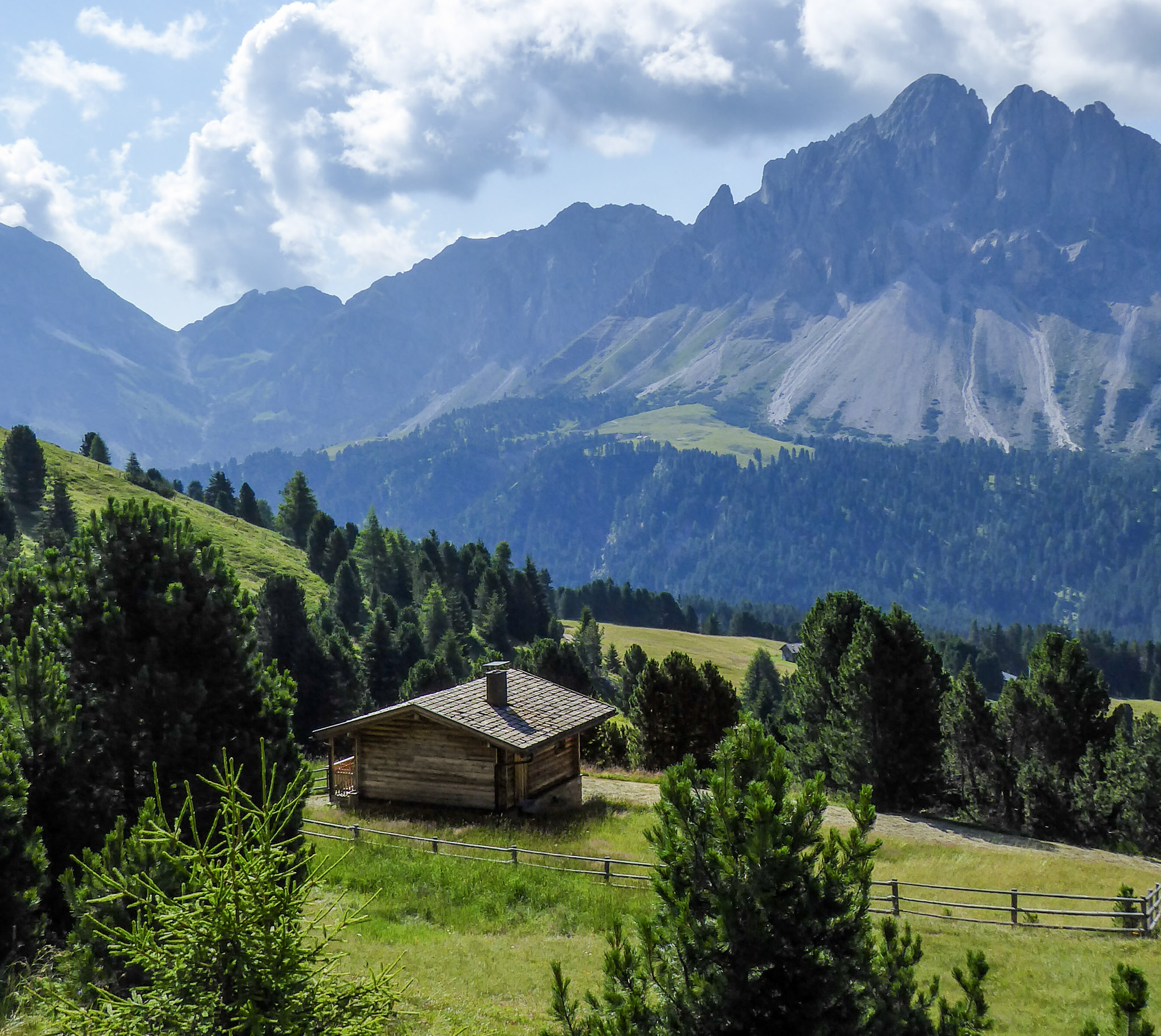
There’s nothing quite like waking up in a mountain hut in the Dolomites—fog curling around the peaks, warm coffee in hand, and a hearty breakfast waiting after a night of deep sleep from a rewarding day’s hike. Learning how to make a reservation at a rifugio ensures you can experience this magical moment seamlessly.
But before you get there, you’ve got to tackle the most confusing part for many first-time hikers: how to make a reservation at a rifugio
I remember my first time planning a multi-day trek in the Dolomites. I was full of excitement—and totally overwhelmed. Some huts had websites with no booking option. Some only listed a phone number. Then feeling relieved that I could book through an agency like bookatrekking.com
This post will walk you through everything you need to know regarding how to book a room at a rifugio!
This Post Pairs Well With:
- Here’s what I pack for my Hut-To-Hut Treks in the Dolomites
- 5 Less-Crowded Hikes Near Cortina d’Ampezzo
- Dolomites Rifugio Guide: Booking, Packing, and Expert Tips
- Alta Via 1 in 4 Days: A Perfect 4 Day Itinerary
- My Favorite Dolomites Hotels
- The First Timers Guide to The Dolomites
- Lago di Sorapis Hiking Guide: Passo Tre Croci to Sorapiss
- A Guide to Solo Hiking Tre Cime di Lavaredo: Tips for Women + First-Timers
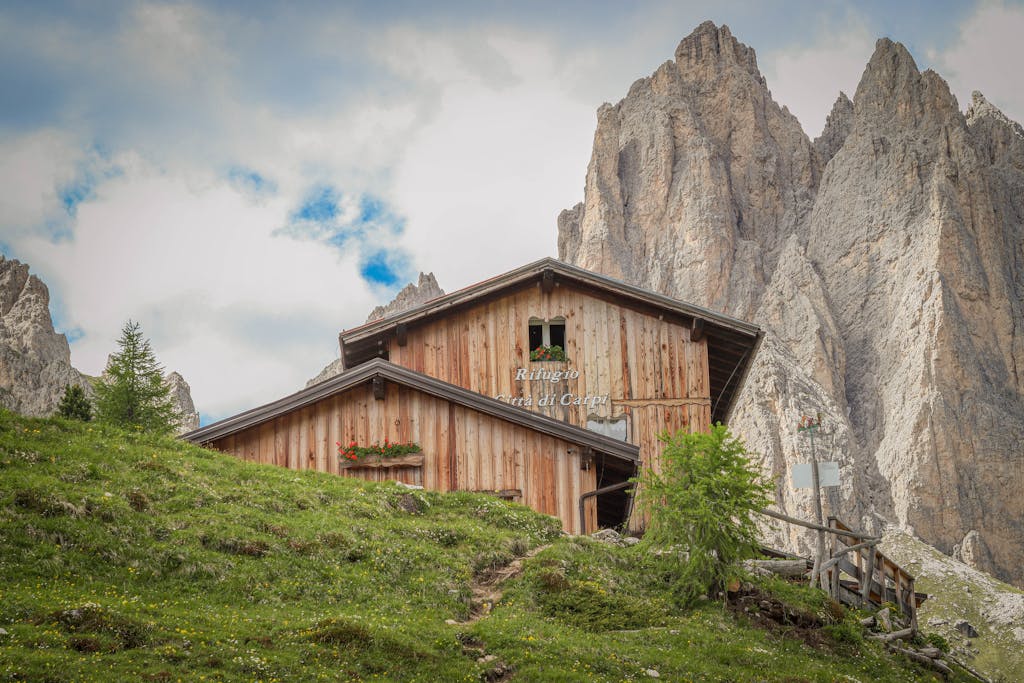
How to Make a Reservation at a Rifugio: Step-by-Step
If you’re new to Dolomites trekking, learning how to make a reservation at a rifugio can feel overwhelming—but it’s easier than it seems.
What Is a Rifugio?
A rifugio (plural rifugi) is a staffed mountain hut in the Alps, especially common in Italy’s Dolomites.
They’re part of the region’s deep-rooted hiking culture and offer food, lodging, and basic comforts right in the heart of the mountains.
They’re not luxury hotels, but they’re charming, warm, and unforgettable.
There are a few types of accommodations in the Dolomites you might see:
- Rifugio – Staffed huts offering dorms or private rooms, usually with dinner and breakfast (called half-board).
- Bivacco – Unstaffed shelters, usually very basic, sometimes without running water.
- Malga/Agriturismo – Mountain farm stays, which sometimes double as overnight stops with meals and unique experiences.
When to Book a Rifugio
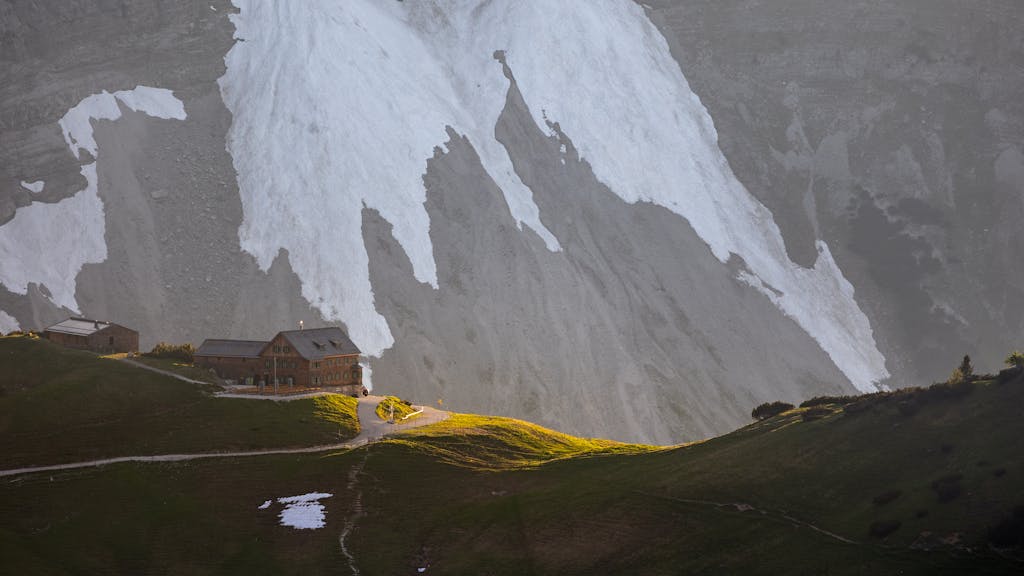
If you’re hiking in July or August, book as early as possible—I am talking 6-7 months in advance.
Popular huts fill up quickly, especially those along routes like the Alta Via 1 or 2.
These two trails have gotten so busy in recent years, and I hesitate to tell solo hikers to just show up, and you’ll get a bed.
Rifugios cannot deny you, and they can find a spot for you. Remember the whole point of a rifugio is to seek shelter.
- May–June: Lower trails may be open, but most high-altitude rifugi are still closed due to snow.
- July–August: High season. Expect crowds but great weather.
- September: Quieter trails, but some huts start closing mid-month.
- October–June: Most huts are closed, with a few exceptions for ski touring or winter hiking.
Personal Insight: I tried aimlessly to book the last half of my Alta Via 1 for 2026 in November of 2025, and bookatrekking informed me they were already sold out!
How to Find Rifugi Along Your Route
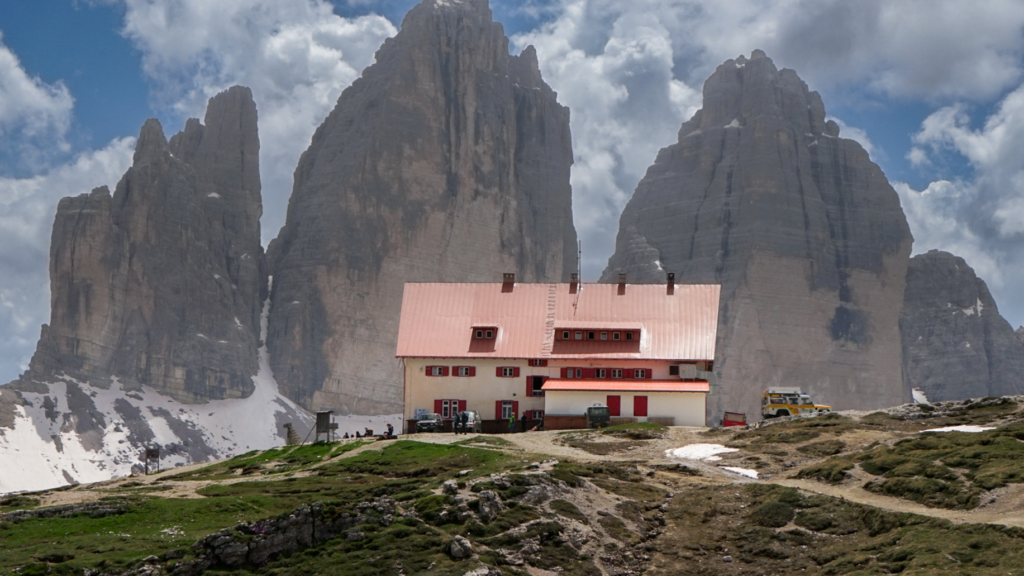
Start with your trail plan and make your reservation for a rifugio along the Alta Via 1 and 2. Many online guides will list recommended overnight stops.
Resources I recommend:
- Tabacco Maps – Excellent, detailed maps of the Dolomites with rifugi marked. You can buy these when you land at stores throughout the Dolomites. Better yet why not download this app — TABACCO MAPS
- Cicerone Guides – In-depth trail books with hut suggestions.
- Bookatrekking.com – Some routes allow you to book huts through a service.
- CAI (Club Alpino Italiano) – Lists all the huts in Italy with contact info and one easy reservation system.
Pro Tip: When you’re hiking point-to-point, choose rifugi within 4–7 hours of each other, depending on your fitness level and terrain.
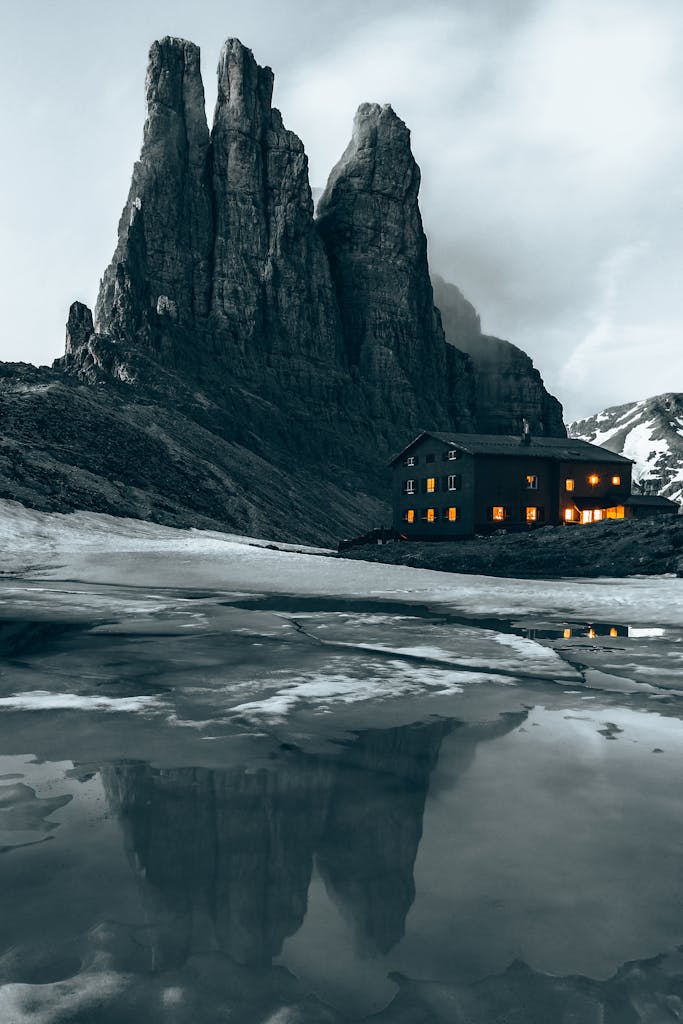
How to Make a Rifugio Reservation
Here’s the part that scares most people—but it’s honestly easier than it looks! I have included screenshots of the Lagazuoi Reservation system just so you can get a feel for what it looks like!
1. Check for an official website
Search for “Rifugio + name” on Google. Some huts have a website with an online form or email address. You’ll want to look for:
- “Prenotazioni” (Reservations)
- “Contatti” (Contact)
2. Send an email (or call if needed)
If there’s no online form, you can send a simple email. Here’s a template in English and Italian:
Subject: Reservation Request – [Your Name] – [Date]
Email (English):
Hello,
I would like to book a reservation at your rifugio for [number of people] on [date].
We would like half-board if possible (dinner and breakfast).
Please let me know if you have availability.
Thank you very much!
[Your Name]Email (Italian):
Ciao,
Vorrei prenotare una notte al vostro rifugio per [numero di persone] il [data].
Vorremmo la mezza pensione se possibile (cena e colazione).
Mi fate sapere se c’è disponibilità?
Grazie mille!
[Your Name]
You can use Google Translate to tweak things, and most hut keepers are used to receiving emails in English or mixed English/Italian.
If they don’t reply after 4–5 days, feel free to follow up or call using WhatsApp.
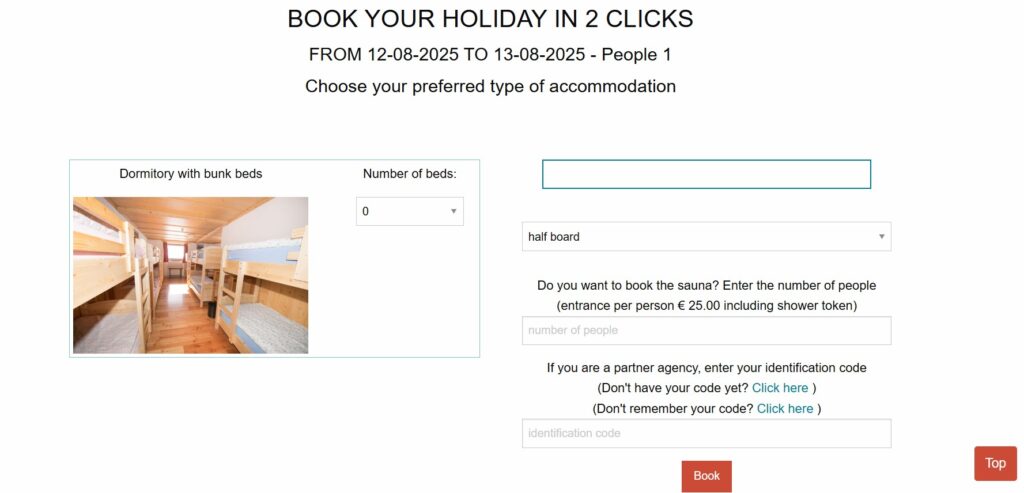
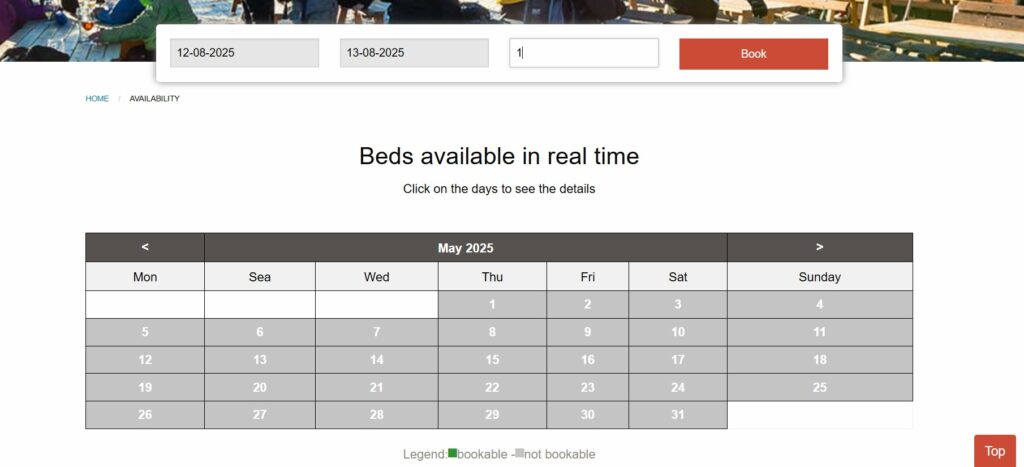
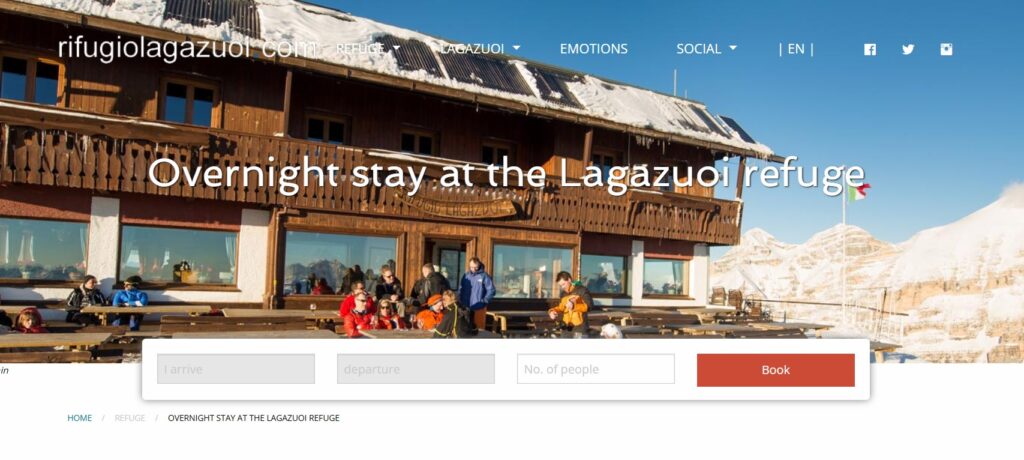
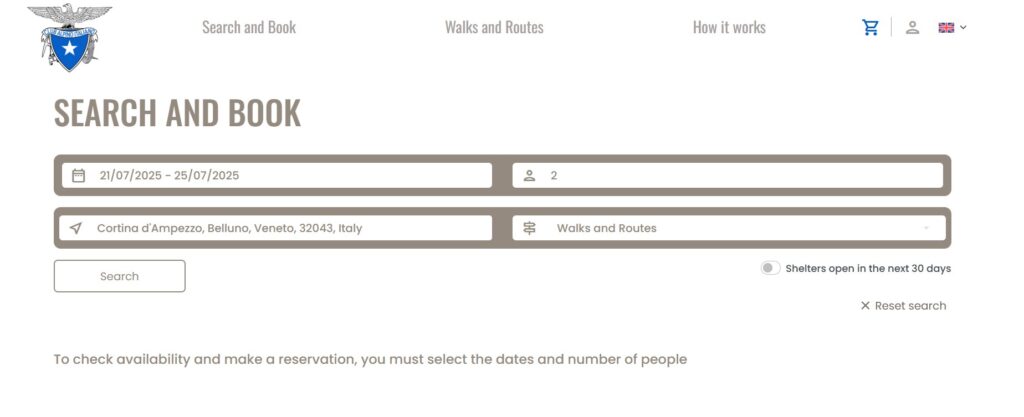
What Info You’ll Need to Provide For your Reservation at a Rifugio
When you email or fill out a form, include:
- Full name
- Date of arrival
- Number of guests
- Half-board request
- Dietary needs (e.g., vegetarian, allergies)
- CAI membership (optional but can give discounts)
Payment & Confirmation For your Reservation at a Rifugio
- Many rifugi require a deposit—usually via bank transfer (bonifico) or credit card– Wise is a good service to use.
- Some only accept cash at check-in—especially remote huts.
- Once confirmed, you’ll often receive an email reply with a written note like “Confermata la prenotazione” (reservation confirmed).
Print or screenshot your confirmation. Some don’t send formal booking links.
Tips for Easier Booking
- Start early: Especially for huts on AV1 and AV2.
- Book direct: Even if there’s a third-party option, direct booking is often cheaper.
- Use Google Translate in the browser when viewing Italian-only websites.
- Call if stuck: Many rifugisti are friendlier than you expect and happy to help.
Booking a Rifugio doesn’t have to be hard!
Once you know how to make a reservation at a rifugio, the whole trek feels more accessible and exciting—you’ll be hiking with confidence in no time and you’ll feel like a true Alpine adventurer.
Whether you’re hiking the Alta Via 1, chasing sunrise views over the Marmolada, or just staying overnight after a big hike near Cortina—there’s something unforgettable about sleeping above the clouds in a warm, friendly hut.
If you’re planning your trip to the Dolomites, check out:
Have questions? Drop them in the comments or send me a message on Instagram @kimberlykepharttravels. I’d love to help you plan your hut-to-hut journey!
