
Add this Polish Museum to the top of your List while in Gdańsk: The Solidarity Center
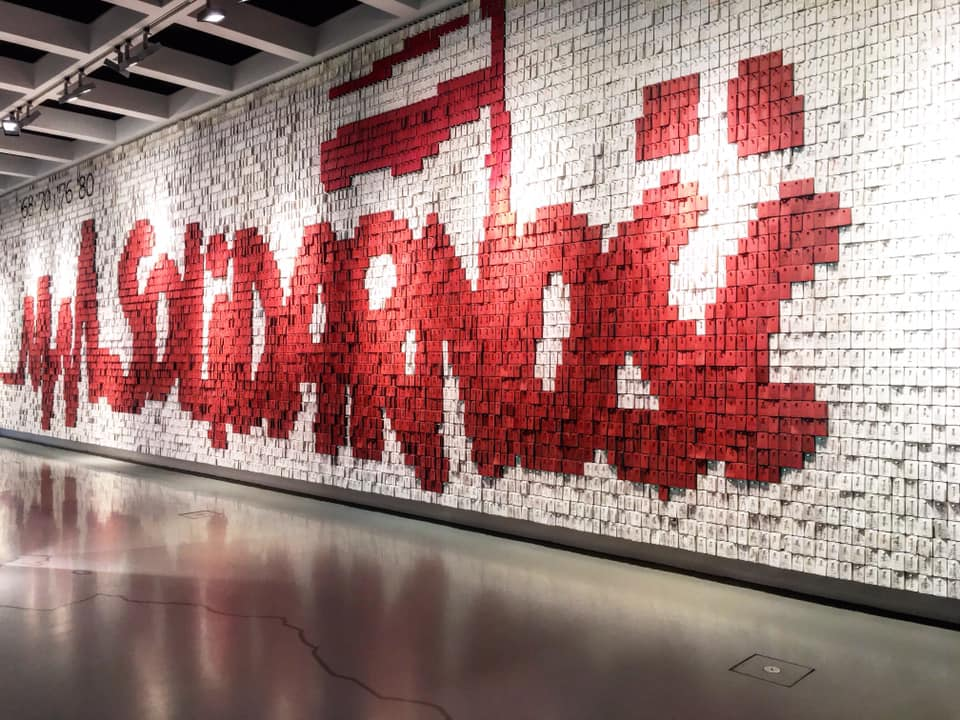
I’ve been to the European Solidarity Centre (Europejskie Centrum Solidarności) in Gdańsk three times—and each visit left me more grounded in history, more in awe of the Polish people’s resilience, and more convinced that ordinary citizens can challenge injustice.
While Auschwitz rightly holds space in many Polish itineraries for its raw confrontation with humanity’s darkest moments, the European Solidarity Centre tells a different but equally vital story: one of courage, dignity, and collective action. It’s the story of a movement that reshaped Poland and reverberated throughout Europe, and if you only have a few days in Gdańsk, this is the top museum you need to go to!
This Post Pairs Well With:
The Solidarity Museum at a Glance
Location: Plac Solidarności 1, Gdańsk, Poland
Opening Hours: See official site for seasonal hours
Admission: Check the website for pricing and free entry days (usually Mondays)
Languages: Polish and English throughout; free audio guides available
Time Needed: 2 to 3 hours minimum
Highlights: The 21 Demands Wall, Lech Wałęsa’s office, shipyard exhibits
Getting There: 15-minute walk from Gdańsk Główny train station
Website: ecs.gda.pl
Where Is the European Solidarity Centre Located?
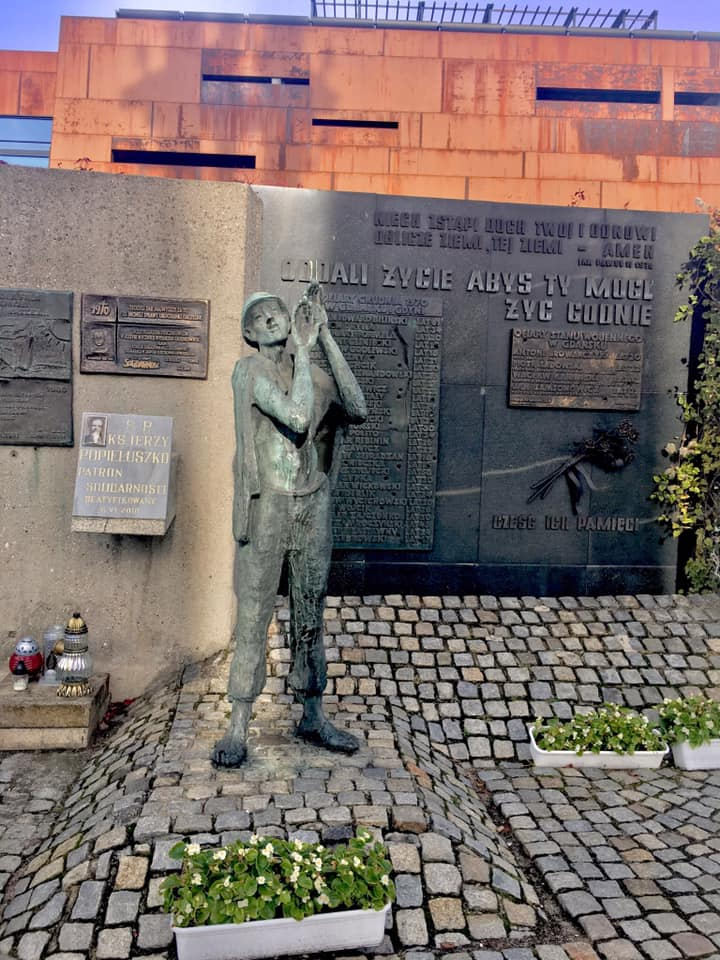
The European Solidarity Centre is located at Plac Solidarności 1, in the heart of the historic Gdańsk Shipyard district. It sits just steps away from the iconic Monument to the Fallen Shipyard Workers of 1970—a fitting reminder of the movement’s origins. The museum is an easy 15-minute walk from Gdańsk Główny train station, making it accessible whether you’re staying in the Old Town or arriving by regional train.
If you’re exploring on foot, the route also takes you past key industrial landmarks that tie directly into the Solidarity story. Trams and buses stop nearby, and paid parking is available just outside the museum for those arriving by car.
What to Know About the European Solidarity Centre in Gdańsk
Set on the site of the former Lenin Shipyards—where it all began—this rust-colored building doesn’t just house exhibits. It embodies the energy of the Solidarity movement: steel, strength, and unshakable resolve.
The museum traces the birth, rise, and legacy of Solidarność (Solidarity), the first independent trade union in the Eastern Bloc. This movement sparked a peaceful revolution against communism using words, strikes, and the collective will of everyday people.
This isn’t just a history lesson. It’s a tribute to the human spirit.
Inside the museum, you’ll find artifacts and exhibits that speak to the weight of that moment. One of the most sobering is a bullet-ridden jacket that belonged to Ludwik Piernicki, a 20-year-old plumber at Gdynia Shipyard who was killed during the December 1970 Massacre.
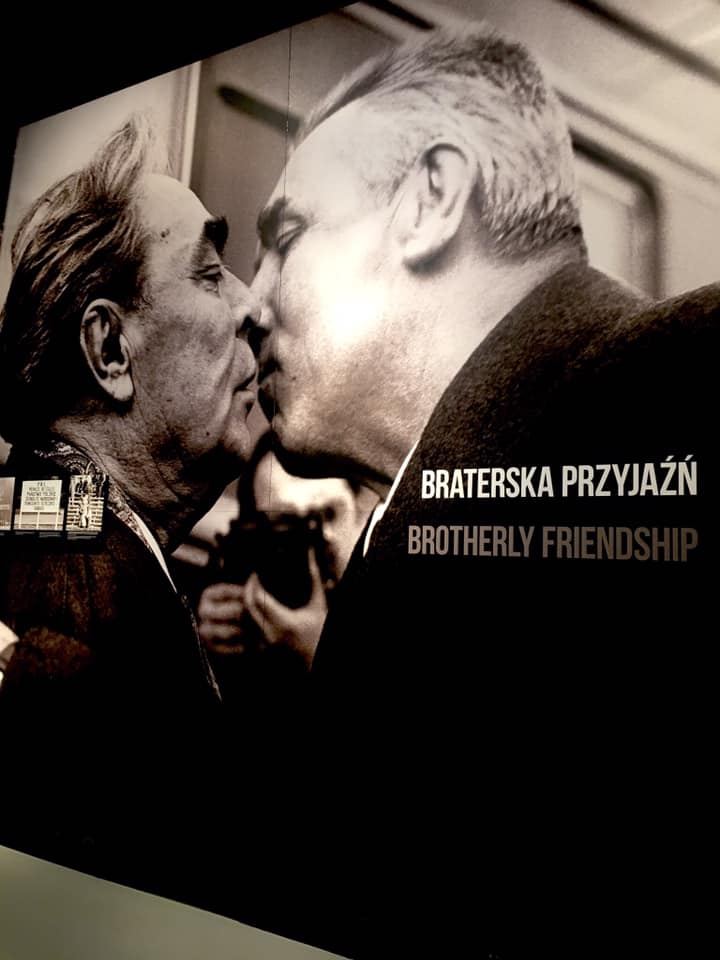
Why the European Solidarity Centre Left a Lasting Impact
I first visited while living in Poland, expecting to stay an hour and I ended up spending the entire afternoon. I would return with friends and family who would come and visit us. Then again, before leaving the country. Each visit, something new stood out—a quote, an image, a piece of footage I hadn’t noticed before.
There’s something deeply emotional about standing in front of the original 21 Demands: a handwritten list taped to the gates of the shipyard in 1980. They weren’t radical. They asked for fair wages, better healthcare, the right to organize, and freedom of speech.
Things many of us take for granted.
And yet these workers risked everything to ask for them. I often wonder how Americans would form the same coalition. What makes us so different?
Just outside the museum stands the Monument to the Fallen Shipyard Workers of 1970. The names carved into its towering pillars are a solemn reminder of what this fight for freedom cost. The inscription on the Monument? by Czesław Miłosz: ‘You who have harmed simple man, mocking him with your laughter, you kill him, someone else will be born, and your deeds and words will be written down.’ was extremely chilling to me.
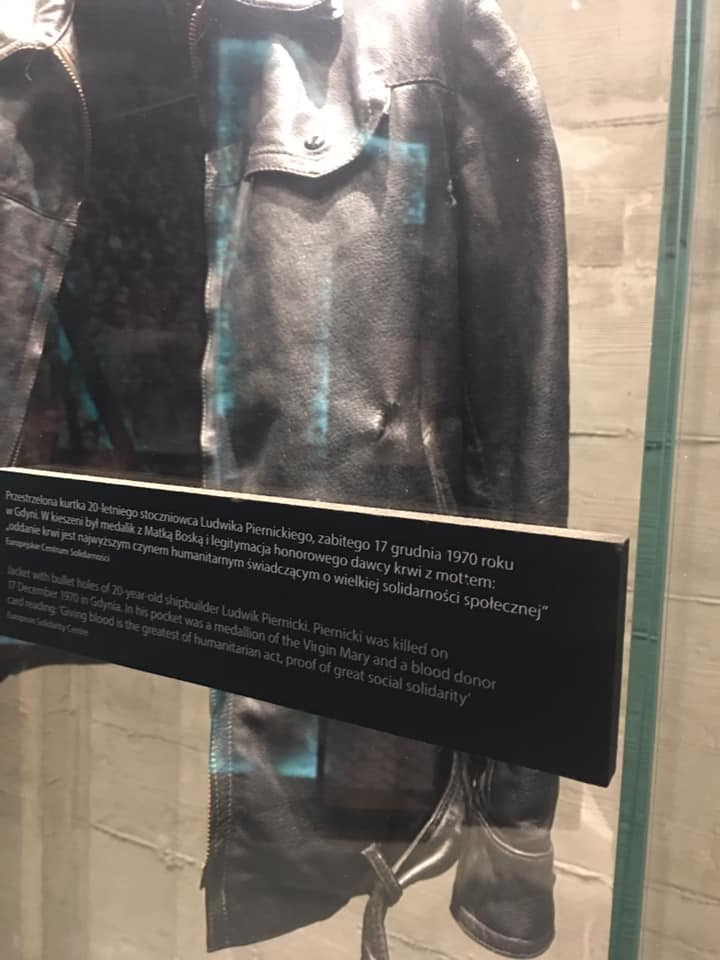
Top Highlights Inside the European Solidarity Centre
The 21 Demands Wall
Still posted in their original handwritten form. Raw, real, and unforgettable.
Multimedia Exhibits
Video interviews, protest footage, posters, personal testimonies, and re-creations of 1980s strike headquarters.
Lech Wałęsa’s Office
Preserved exactly as he left it—modest, unassuming, and full of gravity.
Interactive Archives & Education Zones
Engage with primary sources and explore how Solidarity is taught to future generations.
Who Was Lech Wałęsa and Why Does He Matter?
Lech Wałęsa was an electrician at the Gdańsk Shipyard—a quiet, working-class man with no political background and no powerful allies. But in August 1980, when tensions in the shipyard reached a breaking point, he scaled a wall to join the striking workers and quickly became the voice of their movement.
He wasn’t a polished politician and wasn’t seeking fame. He simply knew that what was happening wasn’t right—and he dared to say so.
Wałęsa’s leadership helped turn a localized labor dispute into a national revolution. As the face of Solidarność (Solidarity), he led peaceful negotiations that forced the communist government to make concessions, including the legal recognition of independent trade unions—a move that was unheard of in the Eastern Bloc at the time.
This didn’t come without risk. Wałęsa was arrested multiple times, placed under surveillance, and held in isolation during martial law. He could’ve easily disappeared. Many did. But he held the line—defiant, consistent, and deeply committed to the people he represented.
In 1983, he was awarded the Nobel Peace Prize, and less than a decade later, he became the first democratically elected president of Poland after the fall of communism.
When you walk through the European Solidarity Centre, you’ll see traces of him everywhere—not just in photos or plaques, but in the movement he helped shape.
Wałęsa’s story reminds us that leadership doesn’t always look the way we expect. It doesn’t require polish. It requires conviction. And the willingness to speak up when silence would be easier.
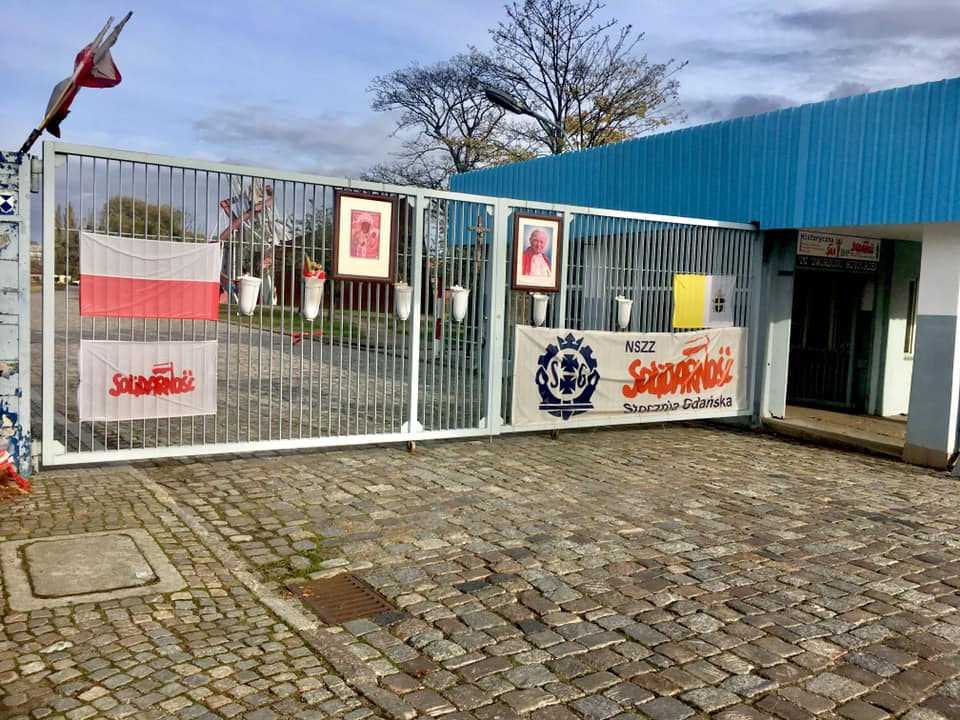
Why the European Solidarity Centre Still Matters Today
In an era of rising authoritarianism, the story of Solidarity reminds us that freedom and democracy are never guaranteed. They are earned. Protected. Fought for. Not once, but again and again.
The people behind this movement weren’t politicians. They were parents, workers, and students. People like you and me.
Change doesn’t always begin at the top. It starts at the gate. With a sign. With a demand.
Final Thoughts: This Museum Will Stay With You
If you’re only in Gdańsk for a day or two, don’t skip this. The European Solidarity Centre isn’t just a museum. It’s a moral checkpoint. It asks you to pause, reflect, and reimagine what it means to stand for something.
Frequently Asked Questions About Visiting the European Solidarity Centre in Gdańsk
Is the European Solidarity Centre in English?
Yes, All exhibit text is presented in both Polish and English, and free audio guides in English are available.
How much time should I plan for the European Solidarity Centre?
Plan for at least 2 to 3 hours. If you’re passionate about Eastern European history or political movements, give yourself more time.
Do I need a tour to visit the Solidarity Museum in Gdańsk?
No. The museum is entirely self-guided and extremely visitor-friendly and Everything is clearly labeled, and the layout walks you through the story chronologically.
Is the museum suitable for kids?
Yes, especially older children and teens. The subject matter is serious, but not graphic. There are interactive sections and educational areas that make the visit engaging.
Where is the museum and how do I get there?
The European Solidarity Centre is located at Plac Solidarności 1 in Gdańsk. It’s about a 15-minute walk from Gdańsk Główny train station.
