
Best Rifugios in the Dolomites for First-Timers (Easy Hikes + Stunning Views)
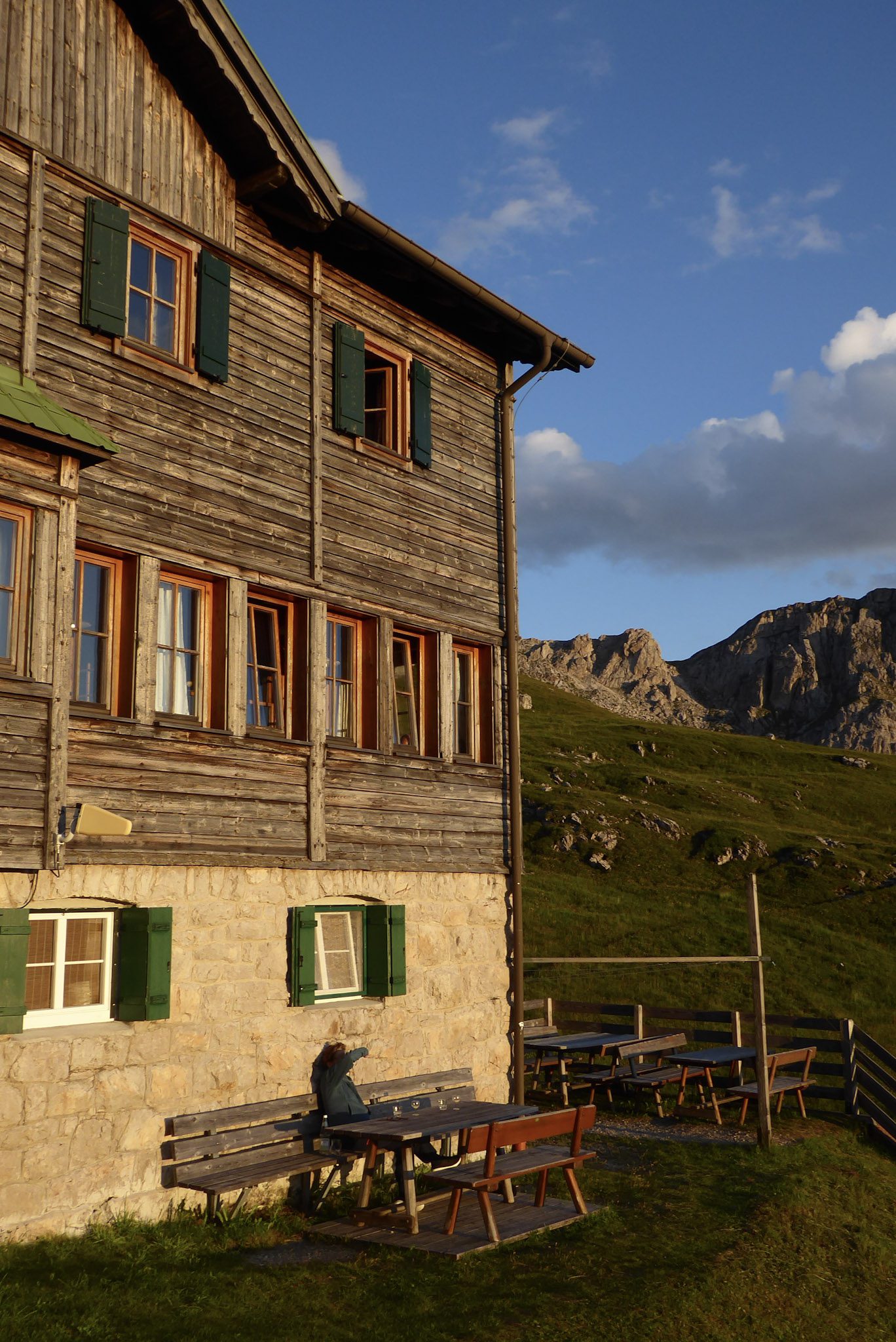
If you’re looking for the best rifugios in the Dolomites, most guides won’t tell you what’s actually doable for a first trip to the Dolomites/
Some huts require long or technical hikes. Others are overcrowded or harder to reach than they sound.
Sorting through that noise can be hard. You don’t need that!
You need information on which rifugios you can actually get to—and enjoy—on a day hike.
I’ve hiked across the Dolomites—from Alta Badia to the quieter Carnic Alps—and these are the ones I’d recommend to anyone visiting for the first time. The great thing about this? There are easy hikes you can do that won’t overwhelm you when you visit the Dolomites. Some of these hikes to Rifugios will take you away from the busy areas of the Dolomites and help you relax and enjoy your time!
This blog post will feature a mix of easy hikes, incredible food, and a few of my personal favorite rifugios (including one you’d be silly to skip).
Not Sure Which Rifugio to Choose? Start Here
If this is your first time in the Dolomites, here’s exactly what I’d recommend:
- Want the easiest possible experience? → Rifugio Pralongià
- Care most about food? → Rifugio Scotoni
- Want Legendary Dolomites Views? → Rifugio Locatelli
- Want something quieter and more local? → Tolazzi or Marinelli
- Want dramatic views without a big hike? → Rifugio Rosetta
- Want something unforgettable and different? → Rifugio Calvi
- Want Iconic Fall Views?→ Rifugio Croda Da Lago/G. Palmieri
👉 If you’re overwhelmed, just pick one of these and build your Dolomites itinerary around it.
Map of Rifugios Mentioned in This Blog Post
If you’re planning your trip, seeing where these rifugios are located makes a huge difference.
The best rifugios in the Dolomites are spread across different regions—from Alta Badia and Val Gardena to the Tre Cime area and the quieter Carnic Alps—so mapping them out helps you group hikes together and avoid unnecessary travel time.
Use this map to:
- See which rifugios are close to where you’re staying
- Plan 1–2 hikes in the same area
- Decide whether you need a car, cable car, or shuttle access
If you’re visiting for a short trip, I recommend choosing one region (like Alta Badia or Val Gardena) and focusing your hikes there rather than trying to cover everything.
So if you see a hike you like, you can focus on that region and go from there!
How to Use This Map:
Click the icon in the top left corner to see all the places I’ve pinned around the city— from cafés and museums to scenic viewpoints. You can turn layers on or off and click any pin to learn more about each spot. Want to keep it handy for your trip? Click the star next to the map’s title to save it to your Google account.
Then, open the Google Maps app, go to “Saved” → “Maps,” and you’ll see this map ready to guide you while you explore.
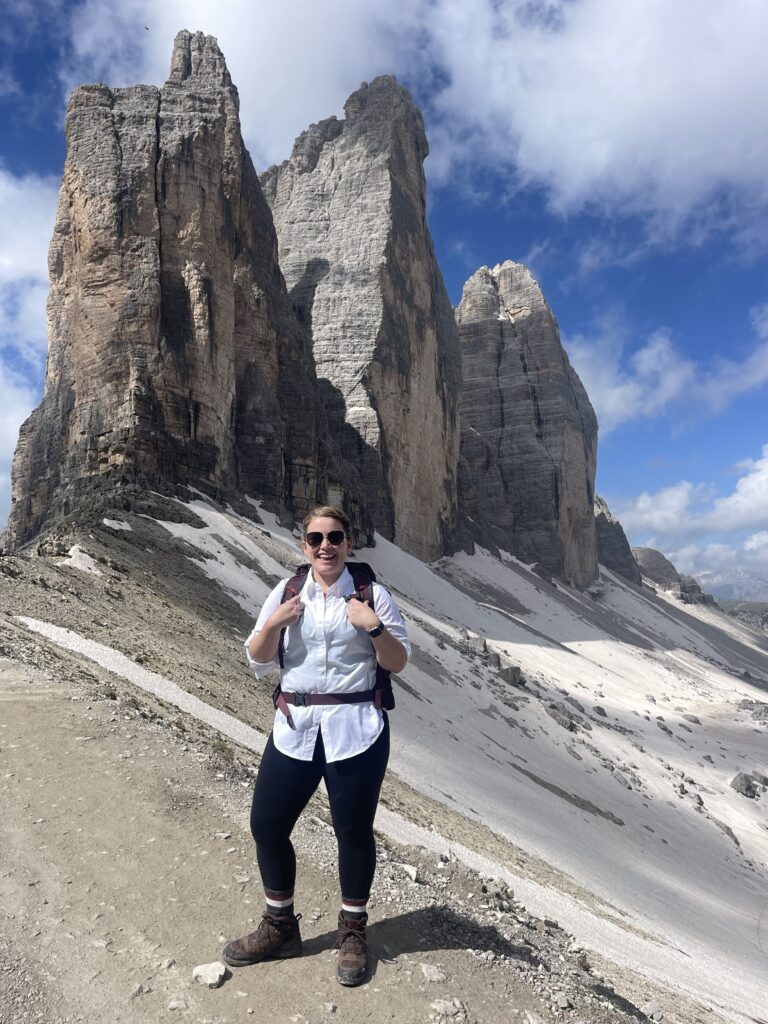
Dolomites Mountain Huts Guide: What First-Timers Need to Know
I have a full guide that covers how to book a rifugio, what to expect while staying there, and a hut-to-hut packing list to set you up for success (click the links).
You don’t need to be an expert hiker
If you’re looking for easy hikes to rifugios in the Dolomites, you have options.
Most of these are doable in 1–5 hours, and many include lift access.
What makes a rifugio beginner-friendly
The best rifugios for first timers typically have:
- Clear trails
- Moderate elevation gain
- Optional cable car access
Day hikes vs hut-to-hut trekking
I think a day hike still gives you the full Dolomites mountain hut experience—views, food, atmosphere, and that feeling of slowing down.
Easy Hikes to the Best Rifugios in the Dolomites
1. Rifugio Locatelli (Tre Cime di Lavaredo / Dreizinnenhütte)
Best For: Iconic Dolomites views
Location: Tre Cime di Lavaredo
Why It’s Worth It
If you’ve seen photos of the Dolomites, there’s a good chance they were taken here.
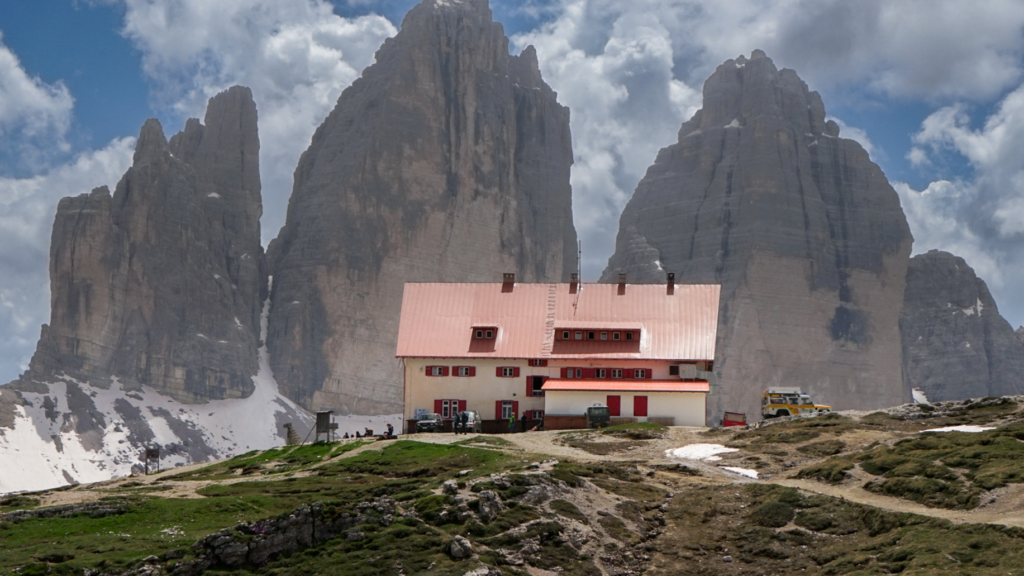
Rifugio Locatelli is easily one of the most famous and most photographed rifugios in the Dolomites, sitting right in front of the Tre Cime peaks.
And yes, it lives up to the hype. I have been here twice now, one time on an epic solo hike to Tre Cime
The views are unreal. You’re staring straight at some of the most recognizable mountains in the region, and it’s one of those places where you stop for a second and just take it in. Once you reach Locatelli, head in, have a Hugo or a spritz with epic views of Tre Cime. Then continue on with your hike.
There are beautiful hikes beyond the mass of tourists, so don’t forget to take the side trails.
I’ll be honest, it’s hard to beat sitting in that rifugio and seeing 3 peaks that meant so much to me.
Difficulty
Easy to moderate—depending on how you do it.
If you start from Rifugio Auronzo (parking area), it’s a relatively manageable hike and one of the most accessible ways to experience a high-alpine landscape in the Dolomites.
Getting There
- Start: Rifugio Auronzo (paid parking)
- Alternative: Longer hikes from surrounding valleys
- Note: Parking here can be expensive and busy
👉 I break down exactly how to plan this hike (including parking + timing) in my Tre Cime di Lavaredo guide.
Hike This Trail
Do this first: Tre Cime di Lavaredo Circuit (Trail 104)
👉 Hut hike through the Sesto Dolomites – Upper Puster Valley
Pro Tip
Go early or late in the day. This is one of the most popular hikes in the Dolomites, and midday crowds can take away from the experience if you’re not prepared for it.
2. Rifugio Pralongià (Alta Badia)
Best For: First-ever rifugio experience
Why It’s Worth It
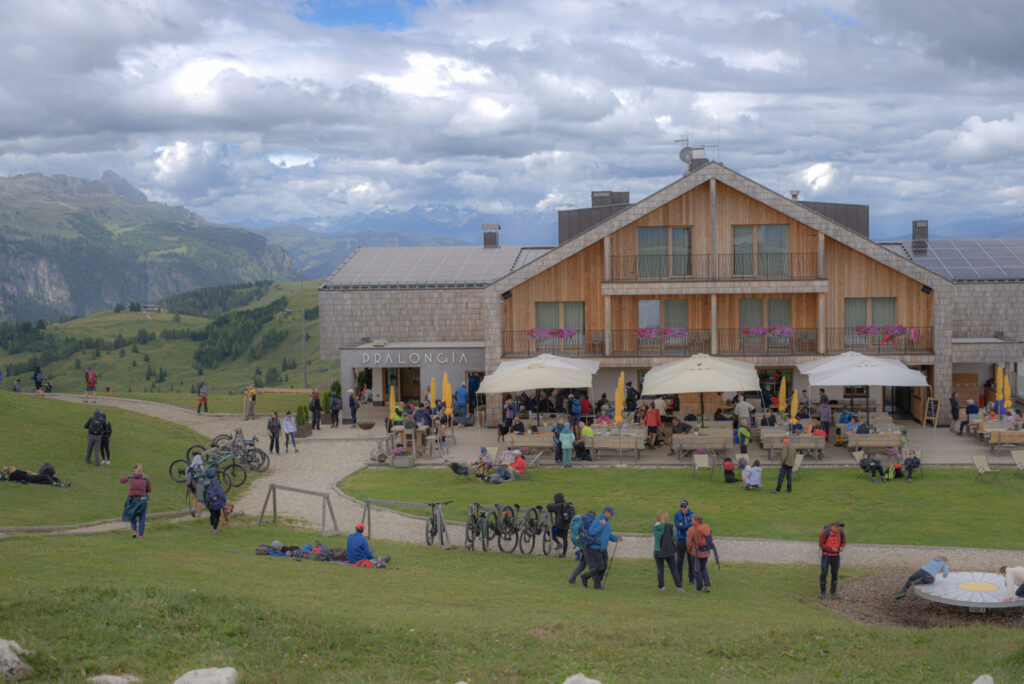
If you are based in Alta Badia, this is a great hike to a Rifugio. You can even take the Piz Sorega Cable car up to the trails on the top of the plateau. Save your energy for more hikes around this area!
It’s open, welcoming, and not intimidating. You get sweeping views without constantly watching your footing or second-guessing yourself.
This is where I’d send anyone who’s unsure about hiking in the Dolomites.
And the canederli at Rifugio Pralongia? PRETTY GOOD! Not only do they have an extensive menu of drinks and food, but they also have bathroom facilities. The view from Rifugio Pralongia is stunning as you take in Marmolada, Sesstass, Corvara, and the Badia valleys below!
Difficulty
If you can walk for 1–2 hours and handle a gentle incline, you’ll be completely fine here.
Getting There
- Start: Alta Badia (more specifically, the San Cassiano side)
- Cable Cars: Multiple access options
- Parking: Park here or walk in from your hotel
Hike This Trail
👉 Take a look at the various hikes you can do on the Pralongia Plateau
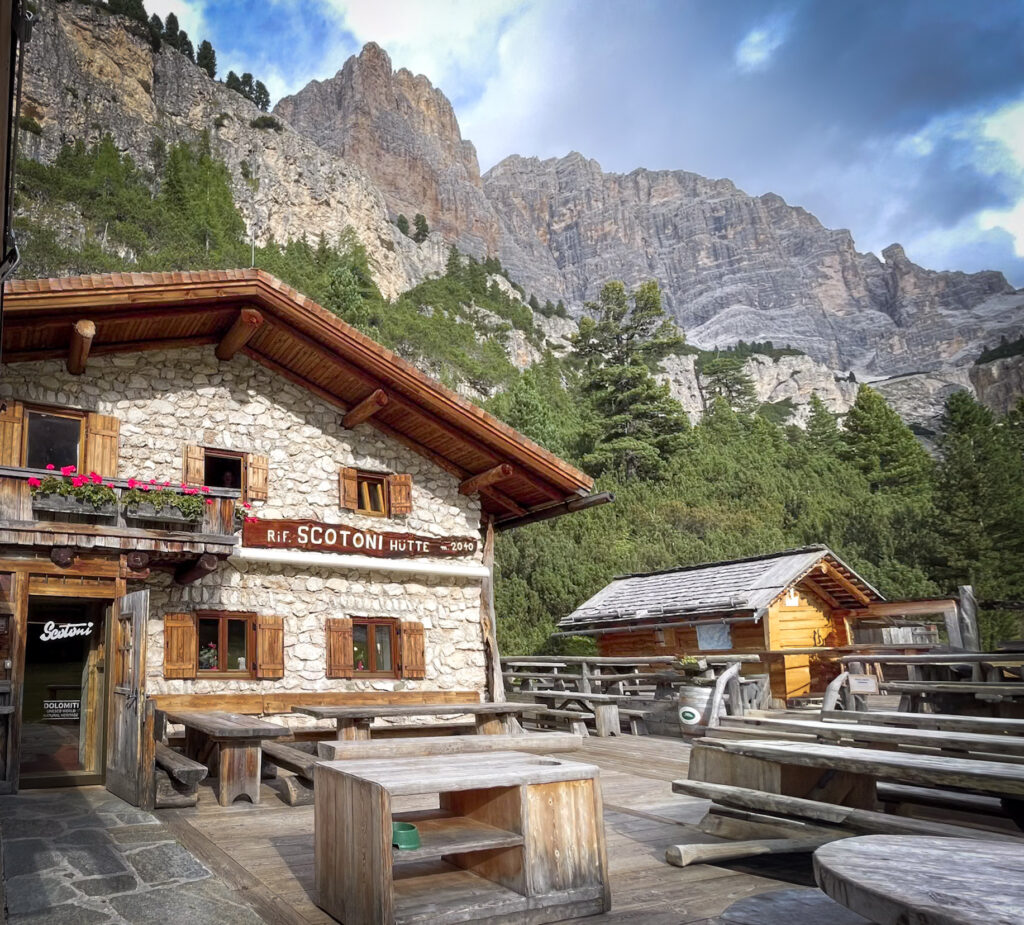
3. Rifugio Scotoni
Best For: Food + atmosphere
Why It’s Worth It
This is one of the best rifugios in the Dolomites, where everything just clicks.
I stayed here during my Alta Via 1 hike, and it’s still one of the most memorable stops I’ve had. The owners are incredibly welcoming, the energy is warm, and the food is something you genuinely look forward to all day.
This isn’t just a stop—it’s an experience.
Also… alpacas. They have Alpacas.
Difficulty (Real Talk)
Moderate.
Steady uphill, but completely manageable for casual hikers.
Getting There
- Start: San Cassiano or Parcheggio Centro Fondo (you could just stay at Camping Sass Dlacia)
- Parking fills quickly in peak season
Hike This Trail
👉 Scotoni Hut – Lagazuoi Lake loop from San Ćiascian – St. Kassian – San Cassiano
Pro Tip
Avoid 12–2 pm unless you’re okay waiting—this place is popular.
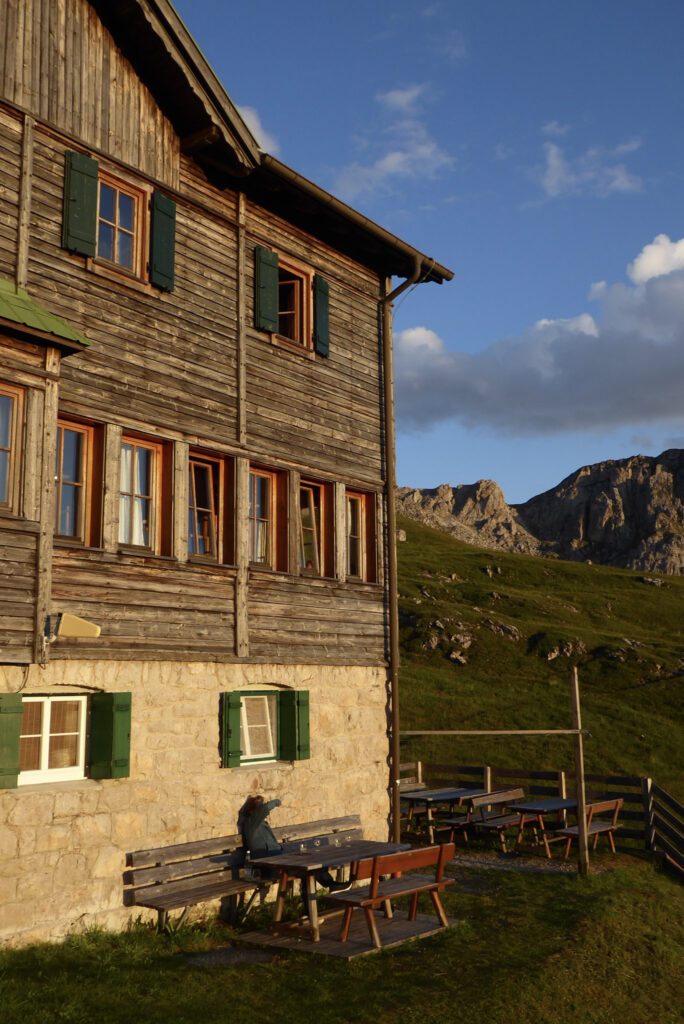
4. Rifugio Genova (Schlüterhütte)
Best For: “Wow” Dolomites views
Why It’s Worth It
This is one of those Dolomites mountain huts where the landscape hits you all at once.
The Odle peaks feel almost unreal. It’s one of my favorite rifugios in South Tyrol—not just for the views, but for the atmosphere and genuinely great food.
Rifugio Genova is on the Alta Via 2 trail, so there is a big chance this would be one of the rifugios you’ll be staying at while hiking the Alta Via 2! I enjoyed staying here, and the sunsets from the back lawn are something else!
Rifugio Genova, also known as Schlüterhütte, was originally built in 1898 by the German and Austrian Alpine Club as part of the early effort to develop hiking and mountaineering routes through the Dolomites, particularly in the Odle (Geisler) group.
After World War I, when South Tyrol became part of Italy, ownership of many alpine huts shifted, including this one. It was later rebuilt and renamed “Rifugio Genova,” though the German name Schlüterhütte is still widely used today.
Over the years, the rifugio has been expanded and modernized, but it has kept its original purpose: serving as a welcoming mountain hut for hikers crossing through this part of the Dolomites.
Difficulty (Real Talk)
Moderate.
You’ll feel the climb, but nothing too technical, and there are so many approaches to Rifugio Genova
Hike This Trail
👉 Rifugio Genova – Schlüter Hut – Zendleser Kofel (2,422 m) loop from Spisser
👉Rifugio Genova – Schlüter Hut – Rifugio Notia Ciamcios loop from Lungiarü – Campill – Longiarù
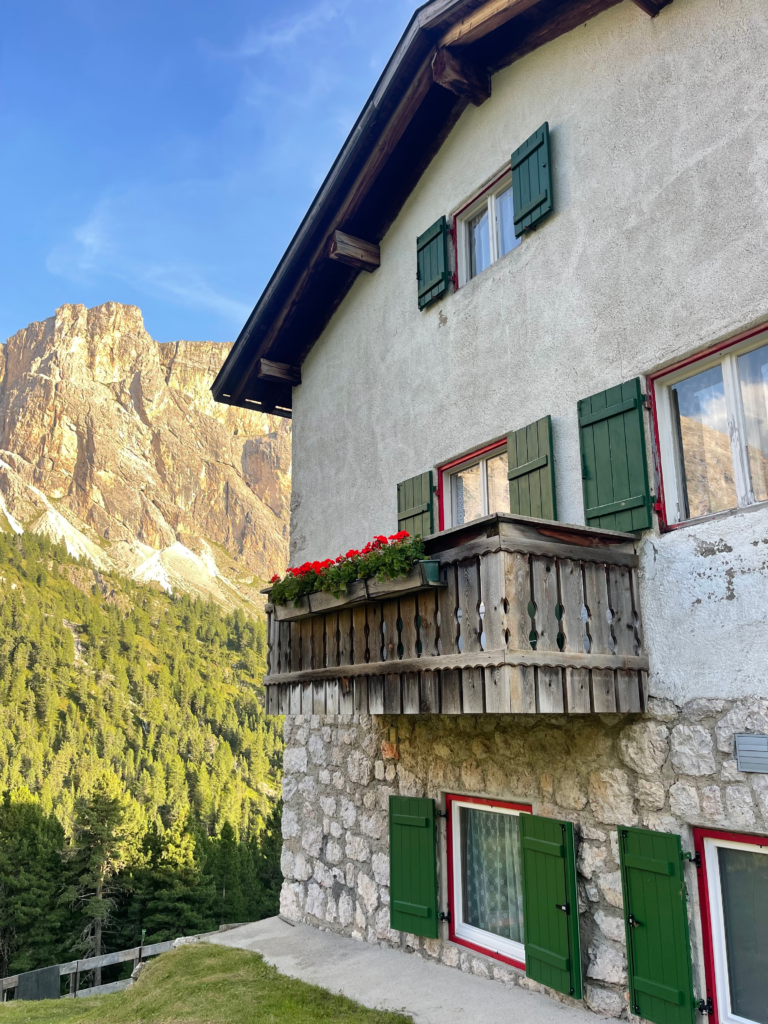
5. Rifugio Firenze
Best For: Staying overnight and hiking from Seceda!
Why It’s Worth It
This area feels like “Hobbit land” in the best way.
You’re close to Seceda, but without the same chaos. The trails are beautiful, the setting is peaceful, and the Skiwasser + schnitzel combo is hard to beat. This is where I stayed while hiking the Alta Via 2 Short. I walked into this rifugio exhausted, and the hospitality is just PERFECT!
If you want to cut out most of the hike for accessibility reasons, you can take various gondolas to reach this rifugio.
Rifugio Firenze (Regensburger Hütte in German) has been around since the late 1800s, originally built by the German and Austrian Alpine Club as part of the early push to make the Dolomites more accessible to hikers and mountaineers.
Like many rifugios in South Tyrol, it’s changed hands and names over time—especially after World War I, when the region became part of Italy—but it still carries that strong alpine heritage.
Today, it sits right in the Seceda/Col Raiser area, and while it’s much more comfortable than it would have been back then, it still feels connected to that original purpose: giving people a place to stop, eat, and take in the mountains without needing to be an expert climber.
Getting There
- Start: Passo Gardena or Col Raiser
- Lift Access: Yes
Hike This Trail
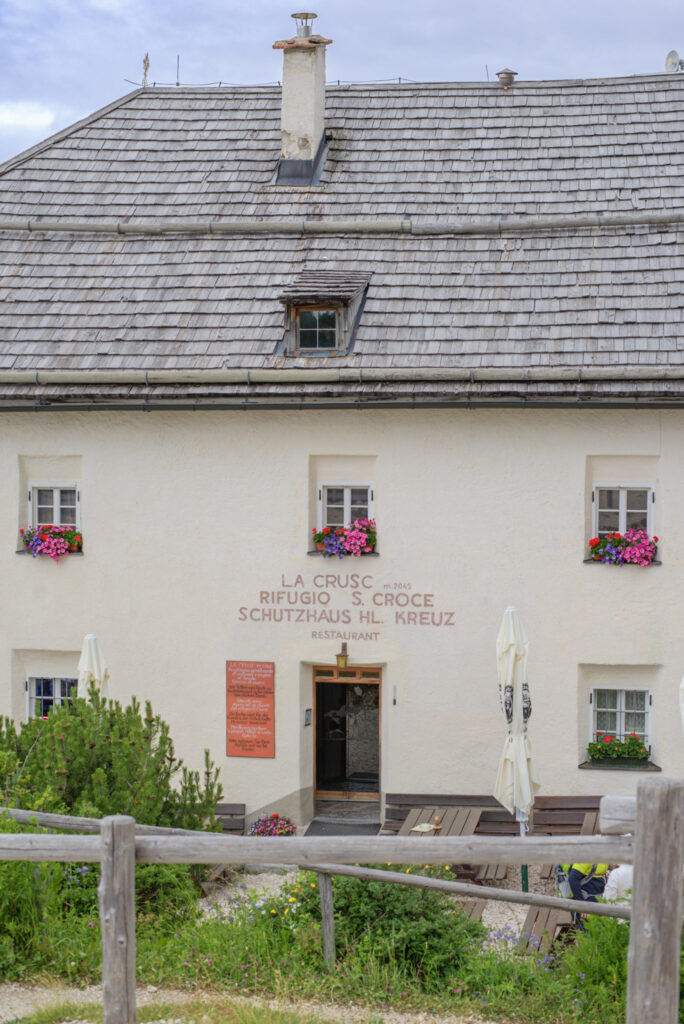
6. Ütia La Crusc (Santa Croce)
Best For: Quiet Alta Badia experience
Why It’s Worth It
If you want one of the best rifugios in the Dolomites without the chaos, this is it.
Ütia La Crusc sits just above San Cassiano, right at the base of the Santa Croce massif, and even though there’s a cable car that gets you close, it somehow still feels calm—especially if you go early in the day or during shoulder season.
This is the kind of place where you can actually slow down. The flowers that bloom during spring, summer are absolutely stunning.
The views here are a little different from the dramatic, jagged peaks you get in other parts of the Dolomites. Instead, you’re looking out over rolling alpine meadows and the Armentara plateau, which feels quieter, softer, and honestly pretty underrated.
I ended up here on a weekend trip to San Cassiano, and it was the perfect way to finish my time in Alta Badia. I loved how easy-going this hike was and how easy it was to get to Ütia La Crusc.
And if you have the time, don’t just stop at the rifugio.
Walk out into the Armentara meadows—this is one of the most peaceful areas in Alta Badia, especially when the wildflowers are in bloom. It’s an easy extension that turns this into a full, slow afternoon instead of just a quick stop. The trail itself is easy going, and you can’t really get lost!
Getting There
- Option: Short hike from the top station
- Longer Hike Option Start: You have a plethora of options; it’s amazing how interconnected trails are in Alta Badia. My favorite option is to start walking from La Villa
Difficulty
Very manageable, especially with lift access.
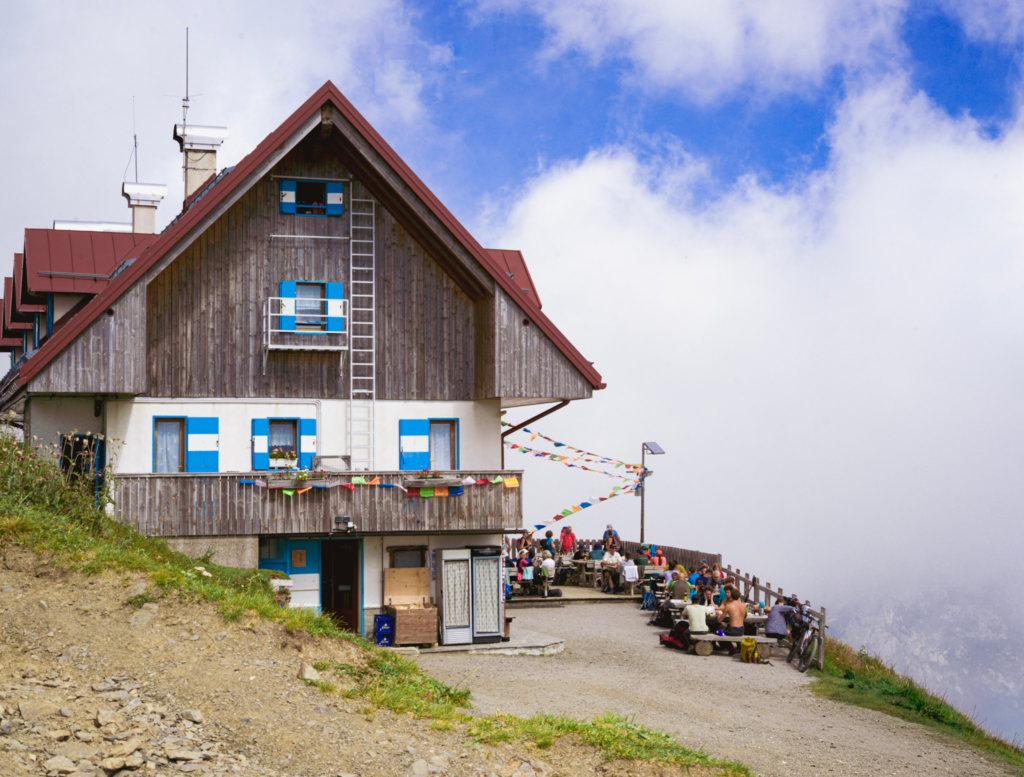
7. Rifugio Tolazzi + Rifugio Marinelli
Best For: Off-the-beaten-path Dolomites
Why It’s Worth It
Rifugio Tolazzi serves as a gateway to the Carnic Alps, easily accessible by car and often used as the starting point for hikes to Wolayersee and the Austrian border.
Higher up, Rifugio Marinelli (Marinelli Bombardieri) dates back to the early 1900s and was built by the Italian Alpine Club. Like much of this region, it’s closely tied to World War I history, with nearby trails following old military routes through the mountains.
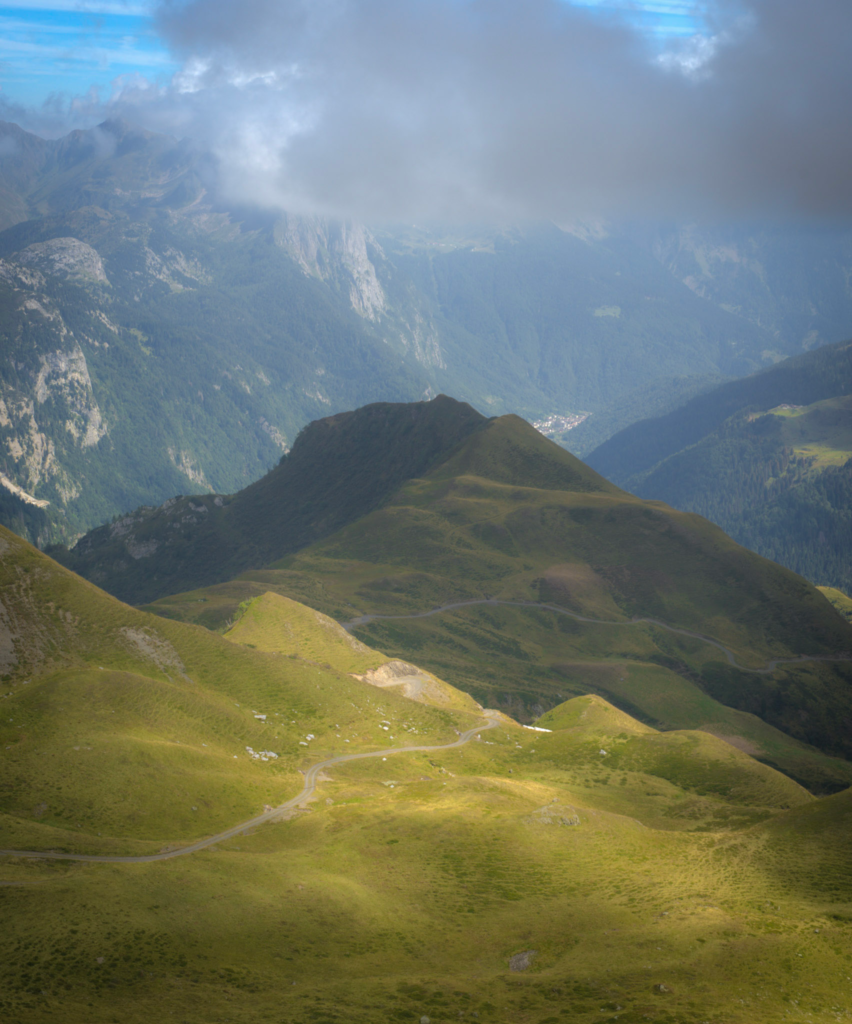
You’ll park at Rifugio Tolazzi, then hike a segment of the MADE trek. As you hike toward Marinelli, the crowds disappear, the views open up, and everything feels more raw and untouched.
And the food? Some of the best I’ve had in the mountains. Frico is a must. And if you eat lamb, the lamb chops at Marinelli are unreal. Sitting on that patio with those views—it’s hard to beat.
You’re hanging out near the base of the Coglian mountains. Which are some of the tallest in Friuli Venezia Giulia?
You can continue on past the rifugio to get more beautiful friulian landscapes. When you decend make sure you stop for the famous Montasio Cheese at Malga Moraretto
Difficulty (Real Talk)
Flexible.
Easy near Tolazzi, moderate if continuing higher.
Getting There
- Start and Parking: Rifugio Tolazzi (drive accessible)
- Option from Tolazzi: Lago Volaia Heart-Shaped Lake Trail (CAI 144)
Hike This Trail
👉 Rifugio Marinelli — ring tour
Pro Tip
Bring hiking poles if you’re heading toward the lake! The ascent /descent is tough!
8. Rifugio Pier Fortunato Calvi
Best For: WWII trails and Trenches
Why It’s Worth It
You’re nuts if you skip this.
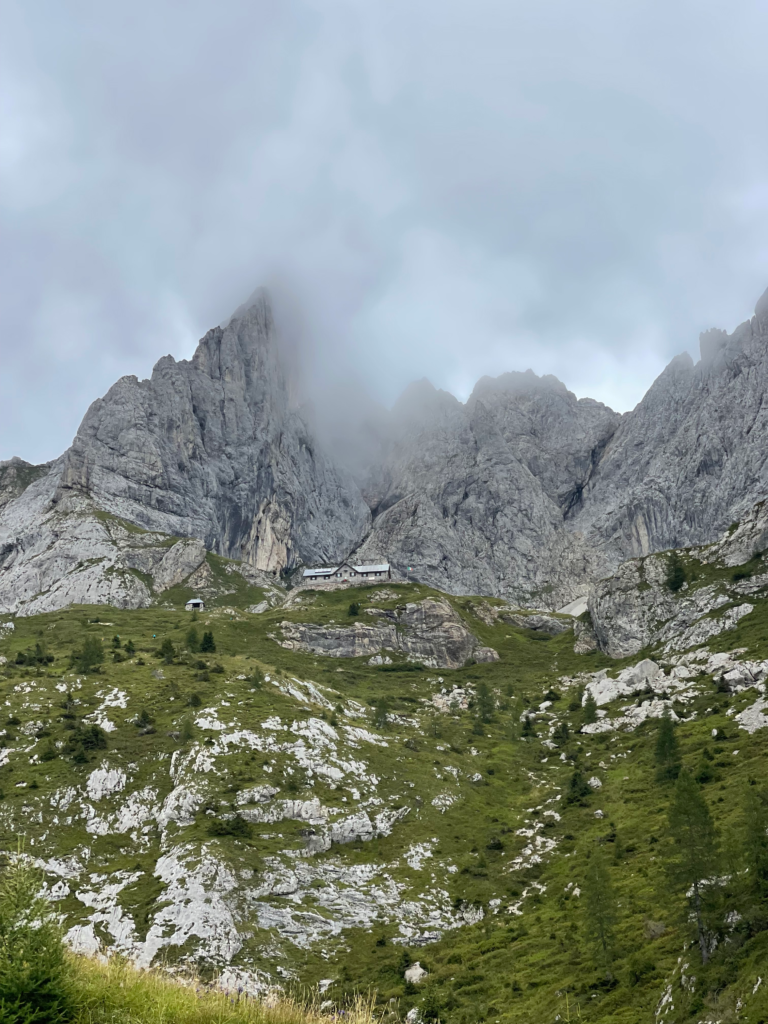
This is one of the best rifugios in the Dolomites if you want something deeper than just views.
You hike through WWI trenches and old war paths. You’re near the Austrian border. And if you go early, you might spot marmots along the trail.
The rifugio itself is full of character, photos, history, and even the bell outside, which visitors ring just like the pope once did. Pope John Paul actually came through the area because of his ties to the Friulian region, and there’s a hiking path called the Sentiero della Pace.
Not only that, but this is the starting point of the MADE trek, which happens to be one of my favorite hikes I’ve done in Italy!
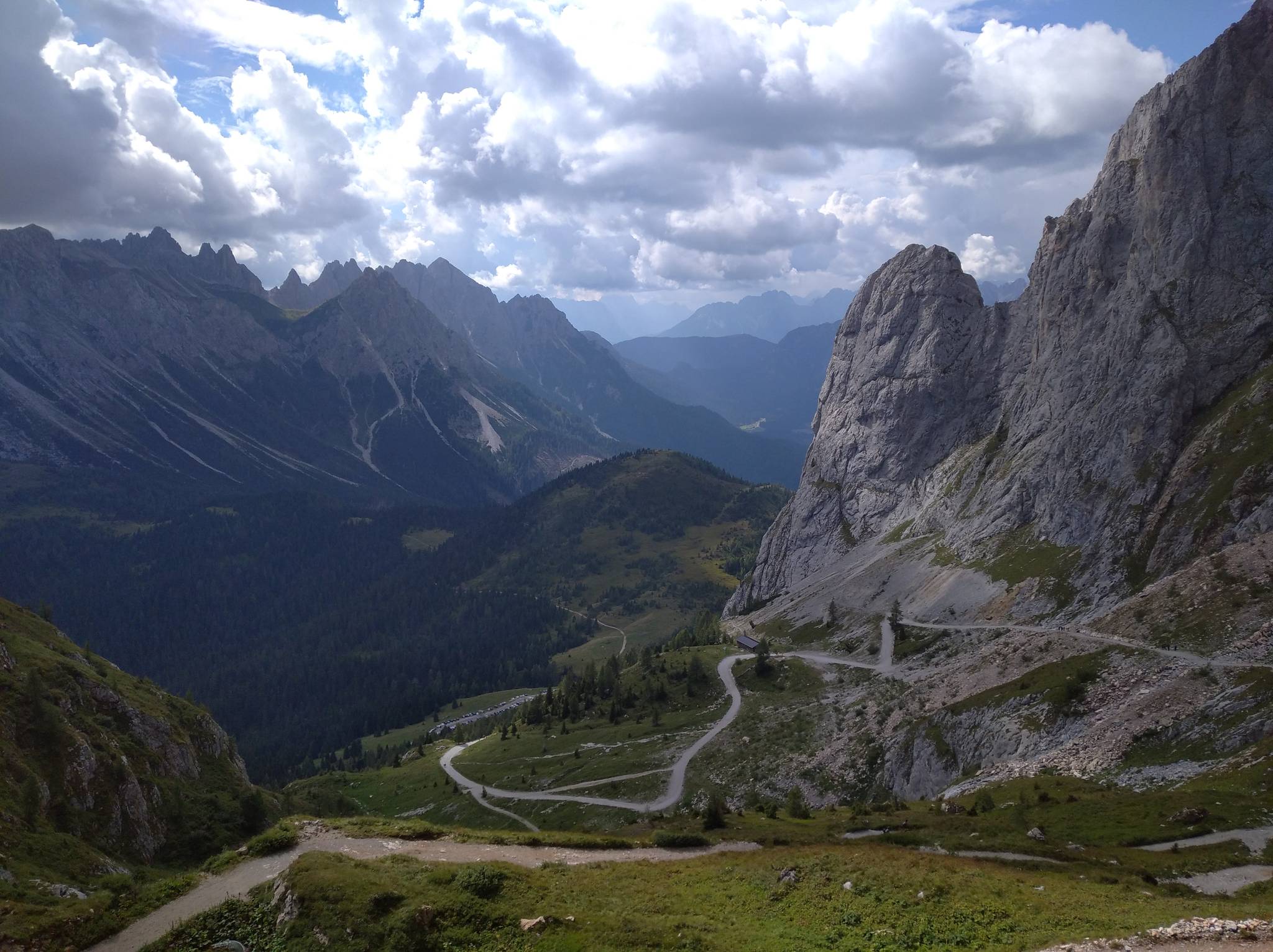
You can hike to Austria from this point, and visit Ex caserma di confine italiana / Ehem. italienische Kaserne
If you are lucky enough, you’ll see Marmots darting around all over the field below Rifugio Calvi
Difficulty
Moderate.
Not the easiest—but absolutely worth it.
Getting There
- Start: Cima Sappada
- Option: Park your car here to make the hike shorter
Hike This Trail
👉 Hike to Rifugio Pier Fortunato Calvi
Pro Tip
- Pay attention to the field just below the rifugio, you might be graced with the presence of Marmots!
- Don’t be afraid to look around the World War I trenches near the rifugio!
9. Rifugio Treviso
Best For: Quiet valley views
Why It’s Worth It
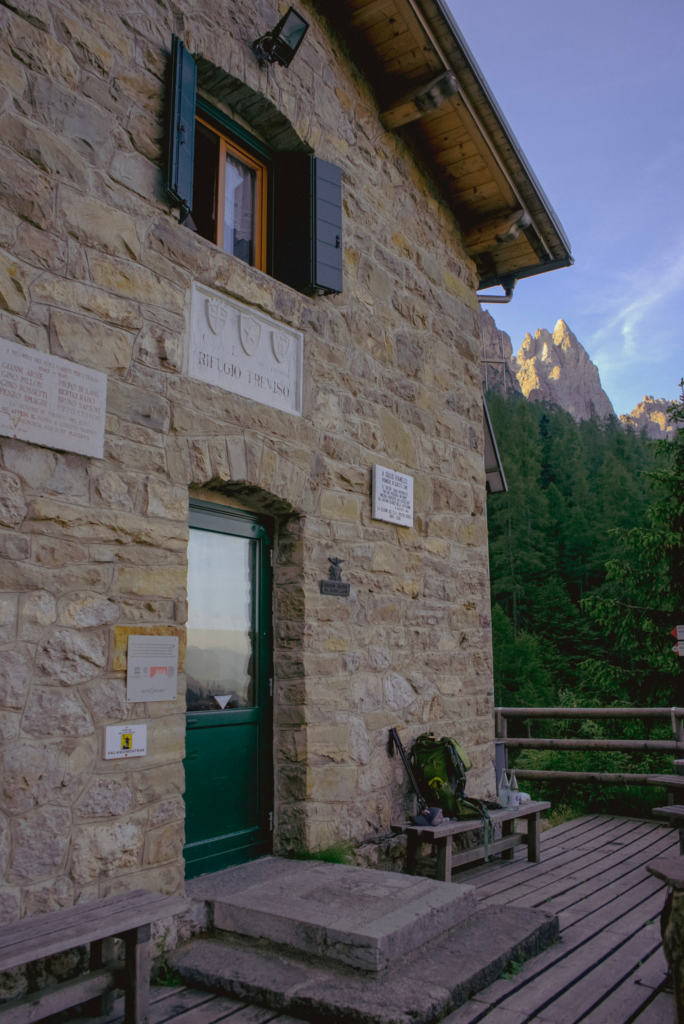
Peaceful, scenic, and a great way to experience the Pale di San Martino without the crowds. This Rifugio is on the Palaronda Itinerary. You do have to hike up some steep trails, but it’s short and to the point. Might be tough if you have some mobility issues, but it’s worth it!
The Climb to Rifugio Treviso is a 4.8 miles (7.7 km) hiking route rated moderate, taking you through the beautiful Parco Naturale Paneveggio-Pale di San Martino, where you can also find other easy day hikes like Val Venegia
Once up at Rifugio Treviso, you get some stunning views of the Val Canali
Hike This Trail
Difficulty (Real Talk)
Easy to reach, but the trails beyond the rifugio, Treviso Hut in Val Canali – Marmor Pass loop is narrow and more technical—know your limits.
10. Rifugio Rosetta
Best For: High alpine without effort!
Why It’s Worth It
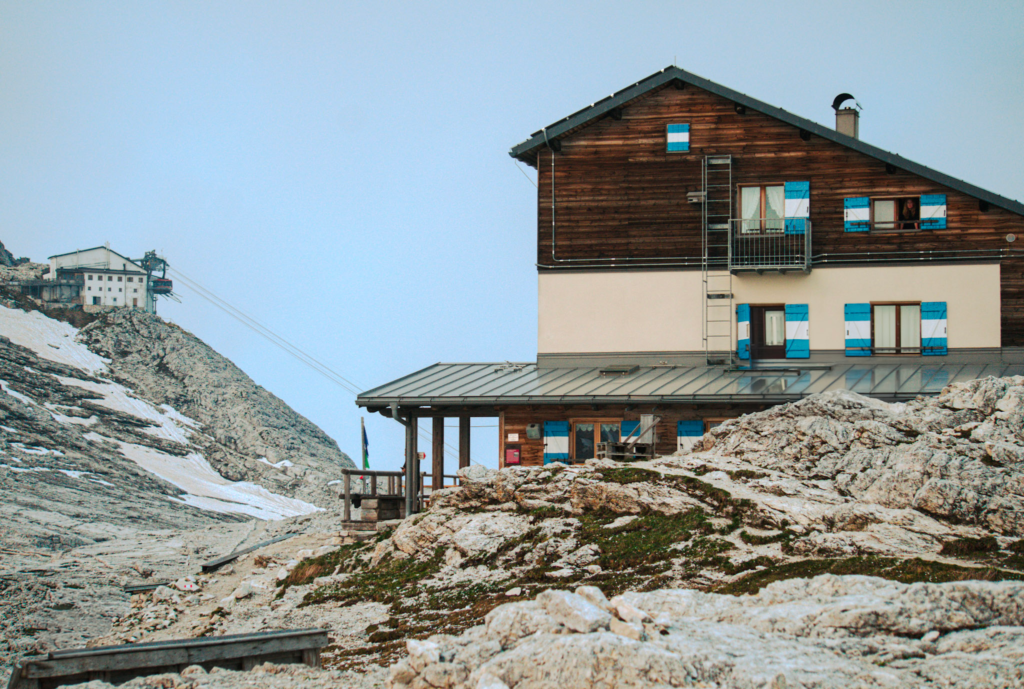
Cable car + short walk = one of the easiest ways to experience a dramatic, almost Martian landscape in the Dolomites. Of course, you can choose to hike up to Rifugio Rosetta, but for those with limitations, you can take the cable car up and hike around the area.
The Pale di San Martino is the largest mountain group in the Dolomites, and honestly, it feels different from the moment you get there.
You’ve got peaks like Cimon della Pala (the “Matterhorn of the Dolomites”), Vezzana at 3,192 meters, and dramatic formations like Sass Maor and Cima della Madonna surrounding you. It’s the kind of landscape that feels a bit wild in the best way.
When I stayed here on Day 1 of my Palaronda Trek, I was floored at how beautiful it was. I kept telling myself I needed to come back here to take it all in, and hike around the top of the Pale Di San Martino and take it slower, but I just haven’t come back
Hike This Trail
- 👉 Pale di San Martino plateau trail from Rifugio Rosetta Pedrotti (via Route 702)
- 👉 Hike to Cima Rosetta loop from Pale di San Martino
Difficulty (Real Talk)
- Very easy with lift access.
- Moderate/hard without
11. Rifugio Plose
Best For: Family Friendly Hike in the Dolomites
Why It’s Worth It
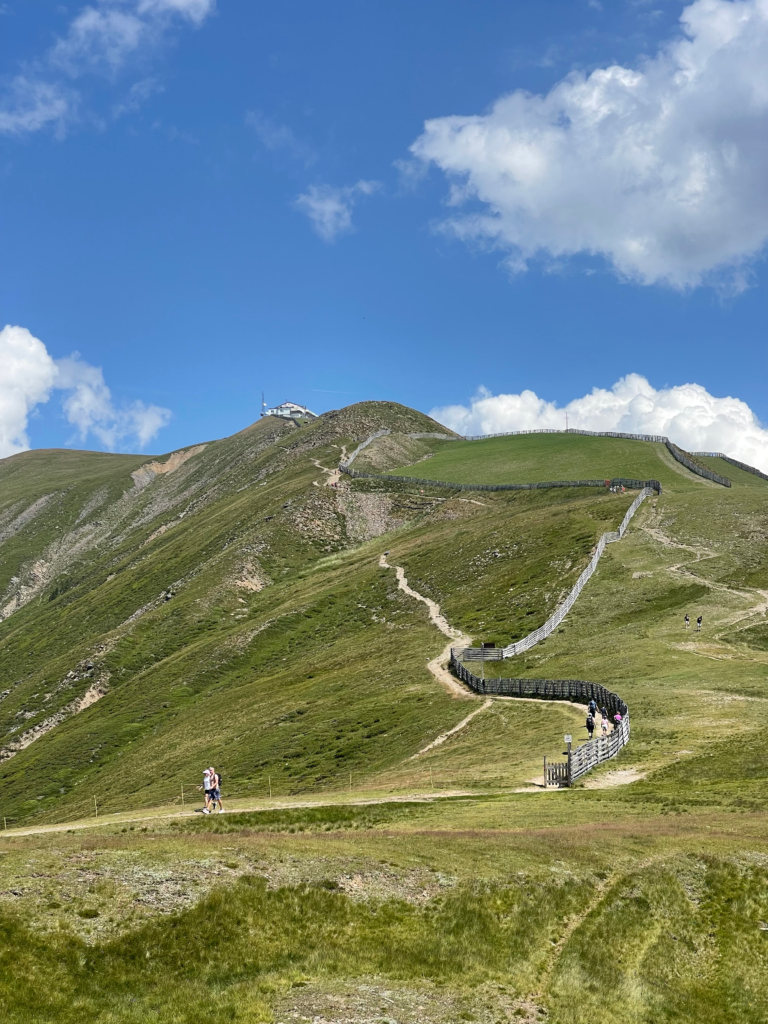
This is easily one of the most beginner-friendly hikes to a rifugio in the Dolomites. And honestly, one of the most enjoyable days you can have without working that hard for it. If you are staying in Bressanone, you can easily take the bus to the cable station and then take the cable car up to the Plose Rifugio!
I took the cable car up to Plose and fully felt like I was cheating… but in the best way.
Within minutes, you’re on this beautiful ridgeline with wide-open views, easy walking trails, and multiple options to explore without committing to anything too intense. It’s the kind of place where you can hike a little, wander a lot, and actually enjoy the experience without constantly checking your energy levels.
At the top of the cable car, you’ve also got the WoodyWalk—a super easy trail that’s technically for kids, but honestly still worth doing. You could easily spend an entire afternoon up here without trying. Walk the ridge, take your time, stop when you want, and just enjoy the views.
And then finish it properly—head over to Rifugio Plose, order an Aperol spritz, and sit there staring out at the Puez-Odle peaks for a while.
And the rifugio itself? Newly renovated, super comfortable, and the dining room views alone are worth sitting down for longer than you planned.
Hike This Trail
Use this hike as a starting point: St. Andrä Waterfall – Drinking Water Fountain loop from Sankt Andrä – Sant’Andrea in Monte
👉 WoodyWalk Entrance – WoodyWalk Trail loop from Sankt Andrä – Sant’Andrea in Monte
Difficulty
Very easy if you take the cable car up—this is one of the most accessible ways to experience the Dolomites.
If you hike up from the base, it becomes significantly more challenging and is better suited for experienced hikers.
12. Croda da Lago (Rifugio Palmieri at Lago Federa)
Best For: Classic Dolomites hike + lake views
Location: Near Cortina d’Ampezzo / Cinque Torri
Why It’s Worth It
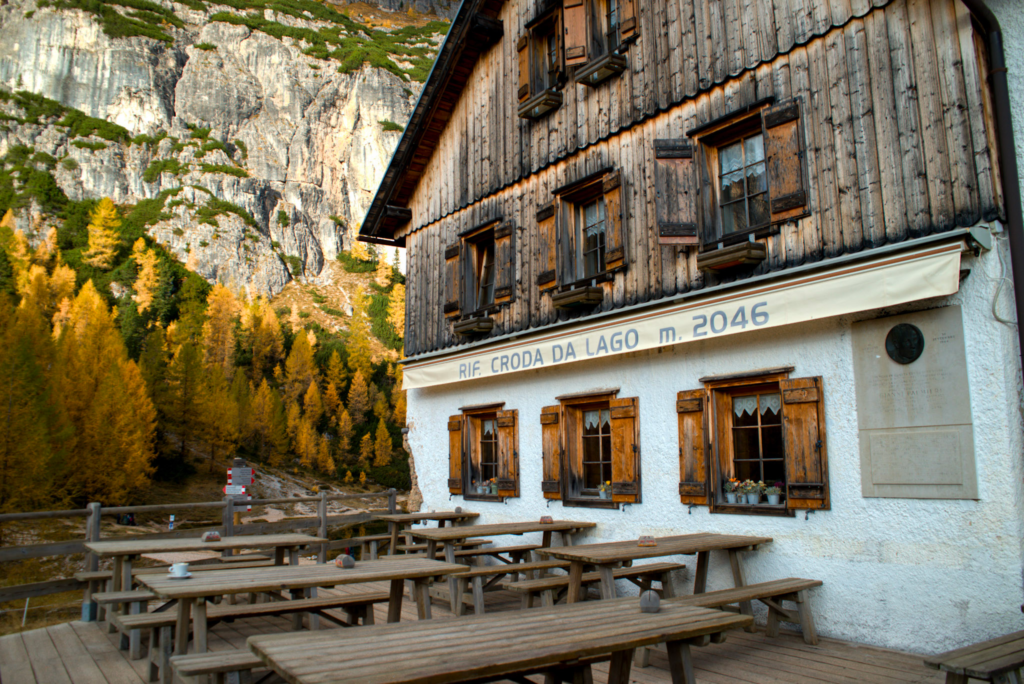
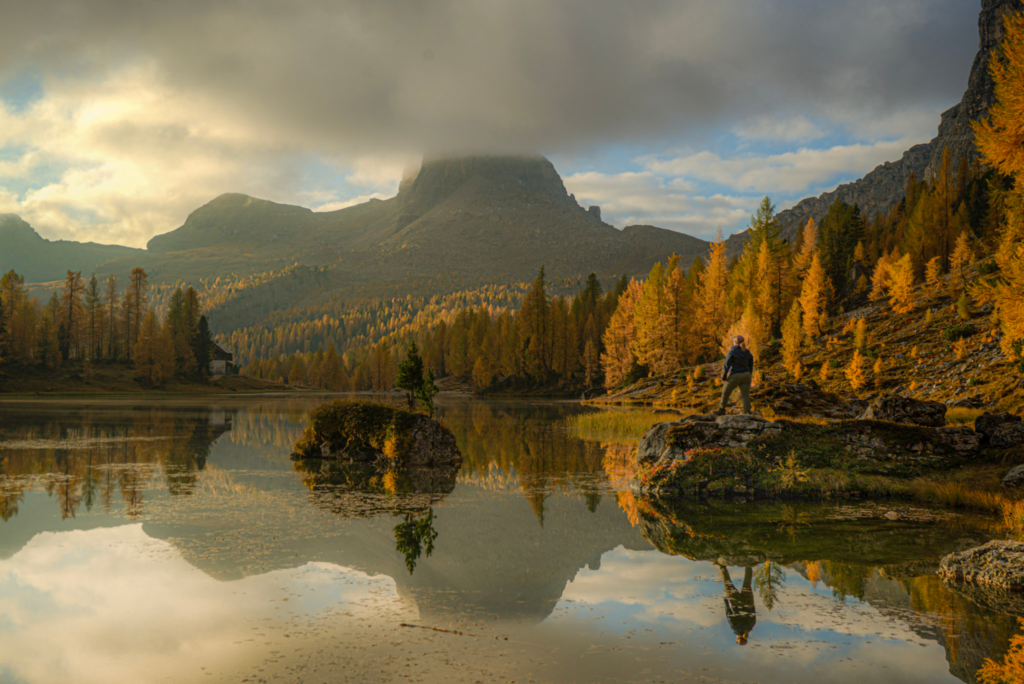
If you’re looking for one of the best fall hikes to a rifugio in the Dolomites, Rifugio Croda Da Lago is it!
The trail to Croda da Lago leads you straight to Lago Federa, where Rifugio Croda Da Lago G. Palmieri sits right on the water with one of the most iconic reflections in the Dolomites.
This is the kind of place that feels like a reward. You see all of the big peaks: Tofana, Cinque Torri, and Novolau.
You hike through the forest, the views slowly open up, and then suddenly you’re standing in front of this alpine lake with jagged peaks reflected back at you. It’s easily one of the most photogenic spots in the region—and one of the most satisfying hikes for first-timers.
Difficulty
Moderate.
A steady uphill climb, but nothing technical.
If you can handle a 2–3 hour hike with elevation gain, this is completely doable—and worth the effort.
Getting There
- Start: Ponte de Ru Curto (most common trailhead)
- Parking: Available but fills up in peak season
- Alternative: Longer loop options available
👉 I break down the full route, timing, and tips in my Croda da Lago hiking guide.

How to Plan a Day Hike to the Best Rifugios in the Dolomites
If you’ve never done a rifugio hike before, this is the part that actually makes or breaks your day.
The biggest mistake people make is trying to do too much. It’s tempting to look at a map and think you can link multiple huts together, but for your first experience, it’s much better to choose one of the best rifugios in the Dolomites for first-timers—something like Pralongià or Scotoni—and build your day around that.
From there, make things easier on yourself wherever you can. If there’s a cable car option, use it. There’s no extra reward for hiking every meter, and many of the best rifugios in the Dolomites are designed to be accessed this way. You’ll enjoy the experience far more if you save your energy for the views and the time spent at the hut.
Planning ahead also makes a huge difference. Download your route on Komoot before you go, because the signal can disappear quickly in the mountains. It’s a small step, but it removes a lot of unnecessary stress once you’re actually on the trail.
Timing matters more than people expect. Starting earlier—ideally before 9 am—means quieter trails, better light, and a much more relaxed pace. It also helps you avoid the midday rush at rifugios, which tends to peak between 12 and 2 pm. If you can arrive just before or after that window, the whole experience feels calmer.
And finally, keep it simple but smart with what you bring. You don’t need much, but having cash, a light layer, and enough water will make your day significantly easier. If you’re heading somewhere like Calvi or beyond Tolazzi, hiking poles are one of those things you’ll be very glad you packed.


Which Rifugio Should You Visit First?
If you’re still deciding, start simple.
Choose one of the best rifugios in the Dolomites for first-timers—like Rifugio Pralongià for an easy, scenic introduction, or Rifugio Scotoni if you want a full food-and-atmosphere experience—and plan your day around that.
You don’t need to see everything on your first trip. You just need one experience that works.
Because the difference between a stressful hike and an incredible one usually comes down to picking the right rifugio—not the most famous one.
Once you get that right, everything else falls into place.
You understand how the trails feel, how long things actually take, and what kind of experience you enjoy most.
And from there, it’s not about finding the best rifugios in the Dolomites anymore.
It’s about choosing your next one.
FAQ: Best Rifugios in the Dolomites
If it’s your first time, Rifugio Pralongià is one of the best rifugios in the Dolomites to start with. It’s easy to access, not intimidating, and has incredible views without a difficult hike.
If you want something with more atmosphere and food, Rifugio Scotoni is another great option.
Yes—many of the best rifugios in the Dolomites are accessible via easy day hikes or cable cars.
Places like Rifugio Pralongià, Rifugio Plose, and Rifugio Rosetta are great examples where you can keep the hike short and still get an incredible experience.
No, you can absolutely visit rifugios as part of a day hike.
Many of the best rifugios in the Dolomites welcome day hikers, so you can hike up, have a full meal, enjoy the views, and head back down the same day.
Not always.
Some rifugios require long or challenging hikes, but many of the best rifugios in the Dolomites for beginners are reachable in 1–3 hours, or even less with cable car access.
Some do, but not all.
It’s always a good idea to bring cash, especially at smaller or more remote rifugios like those in the Carnic Alps.
