Almabtrieb Seiser Alm 2026: How to See the Cattle Drive in Compatsch
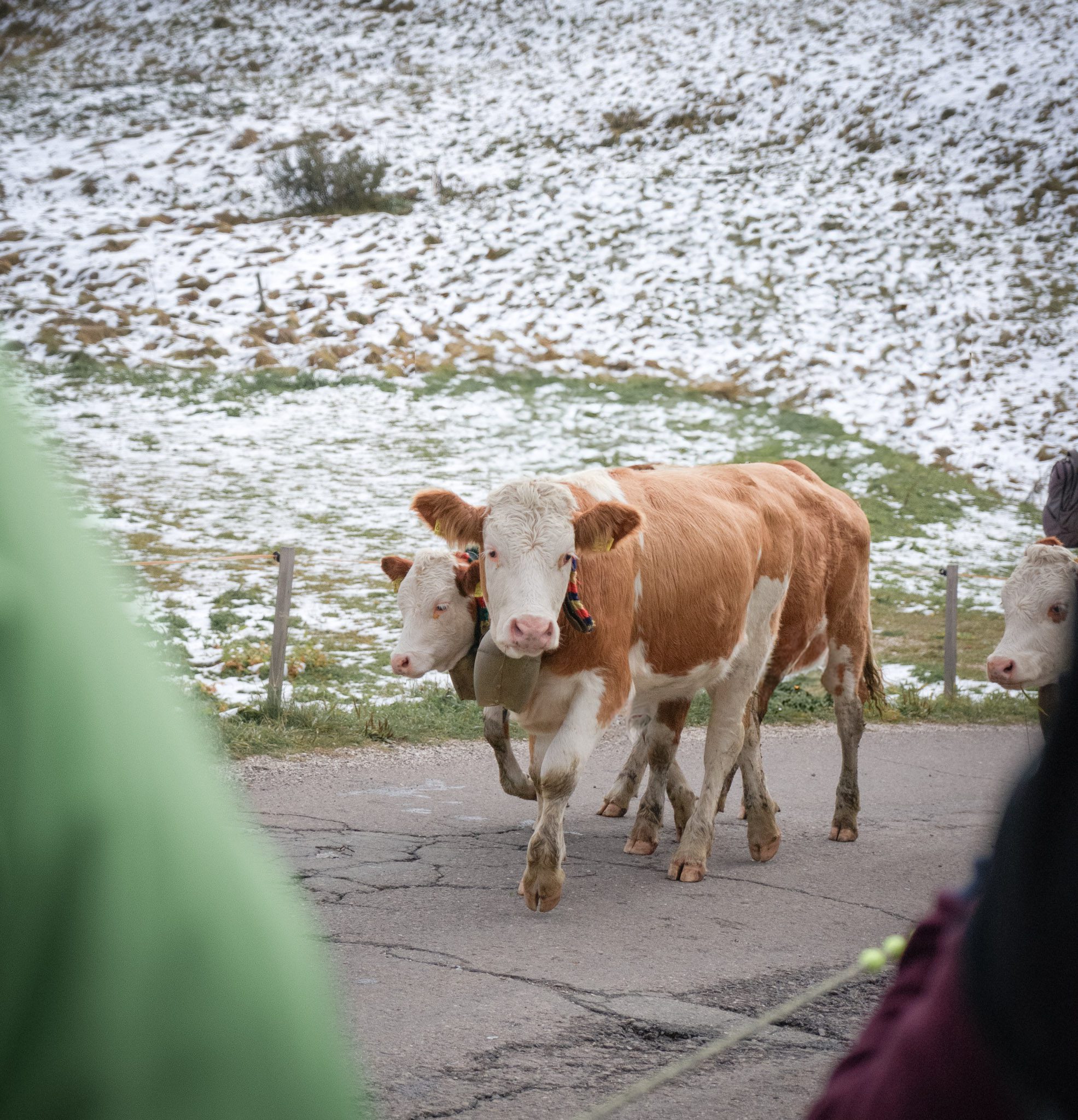
Planning a fall trip to the Dolomites? Don’t skip the Almabtrieb on the Seiser Alm—this is one of the most unique festivals in the Dolomites, and honestly, one of the most fun experiences I’ve had here.
Picture this: flower-crowned cows coming down from the mountains, massive bells echoing across the valley, locals in traditional dress, and schnapps being handed out before 10am. It’s lively, a little chaotic, and somehow still feels completely authentic.
I’ve gone twice in the past two years, and it’s the reason I keep telling people not to overlook the Dolomites in October. This isn’t just something to see—it’s something you actually experience.
If you want a trip that goes beyond hiking and into the culture of the Dolomites, this is it.
Almabtrieb Seiser Alm: What You Need to Know
The Almabtrieb on the Seiser Alm is a traditional cattle drive held each October in the Dolomites.
In 2026, it takes place on October 3 in Compatsch.
Visitors can expect decorated cows, local food, traditional music, and a cultural celebration marking the end of summer grazing season. It’s fun! I always have a blast at Almabtrieb events because I love the tyrolean/ladino/italian culture of the Dolomites.
The best way to attend is by arriving early or taking the cable car from Siusi.
Quick Answer: Almabtrieb Seiser Alm 2026
Location: Compatsch, Alpe di Siusi (Seiser Alm), South Tyrol
Date: October 3, 2026
Time: Festivities begin around 10:00 AM (arrive before 9:00 AM)
Best way to get there: Cable car from Siusi or arrive early by car
What to expect: Decorated cows, traditional dress, local food, music, and a festive alpine atmosphere
Where is Alpe Di Siusi (with a Map)
Compatsch is a small village located on the Alpe di Siusi (also called Seiser Alm), a high alpine plateau in the Dolomites of northern Italy.
The Alpe di Siusi is the largest high-altitude meadow in Europe and sits above the towns of Siusi (Seis am Schlern) and Castelrotto (Kastelruth) in South Tyrol.
To put it simply:
- Compatsch is where the Almabtrieb festival takes place
- Alpe di Siusi (Seiser Alm) is the mountain plateau it sits on
Most visitors reach it by:
- Taking the cable car from Siusi
- Or driving up early before road restrictions begin
If you’re visiting the Dolomites, this area is about:
- 45 minutes from Bolzano
- 1.5–2 hours from Cortina d’Ampezzo
- 1.5 hours from Verona
- 1 hour from Lake Garda
- 2.5 hours from Vicenza
- 3 Hours from Venice
The Dolomites make for a great daytrip from Verona, Venice and Vicenza!
What Is the Almabtrieb in the Dolomites?
The Almabtrieb is an annual autumn cattle drive celebrated across the Alps, including South Tyrol in northern Italy.
In the Dolomites, particularly on the Alpe di Siusi (Seiser Alm), it marks the return of cows from high alpine pastures after a summer of grazing.
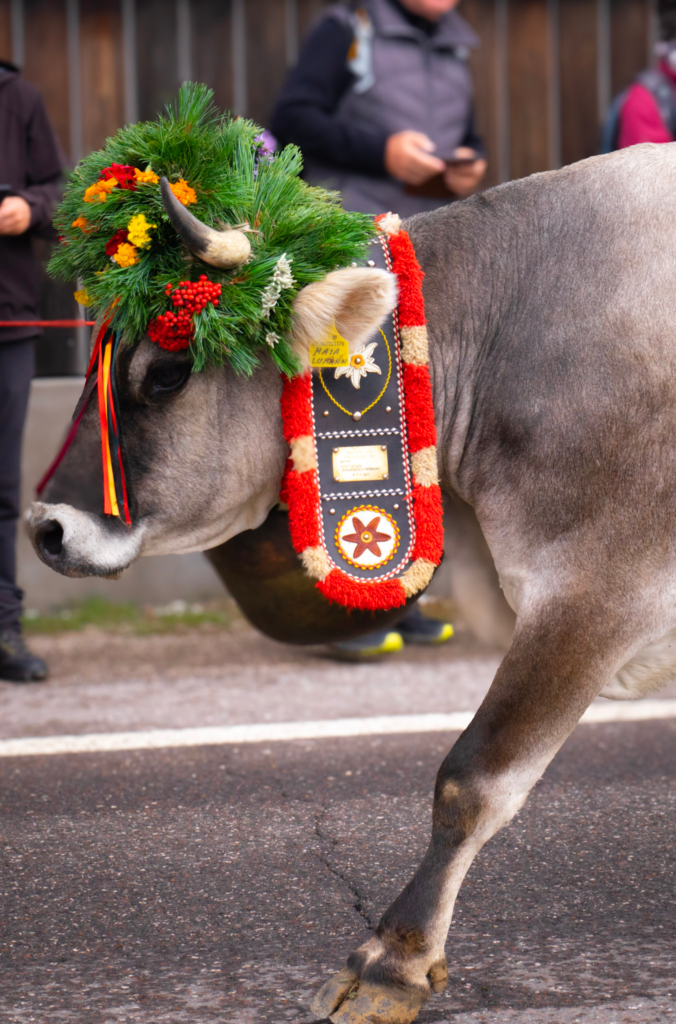
If the season was successful, the cows are decorated with elaborate flower crowns, mirrors, and massive bells before being led through villages in celebration.
This tradition—also known as the Desmontegada in the Ladin valleys—is not staged for tourists. It’s a real, working part of Alpine life.
When Is the Almabtrieb in Compatsch?
The Almabtrieb in the Dolomites takes place every year in late September to early October, depending on weather and grazing conditions.
For 2026, the Almabtrieb on the Seiser Alm (Alpe di Siusi) is scheduled for October 3, 2026.
Because dates change annually, it’s always best to check official South Tyrol event listings before your trip.
What to Expect at the Almabtrieb Festival
Expect a mix of cultural celebration and alpine tradition.
You’ll see:
- Decorated cows with flower crowns and large bells
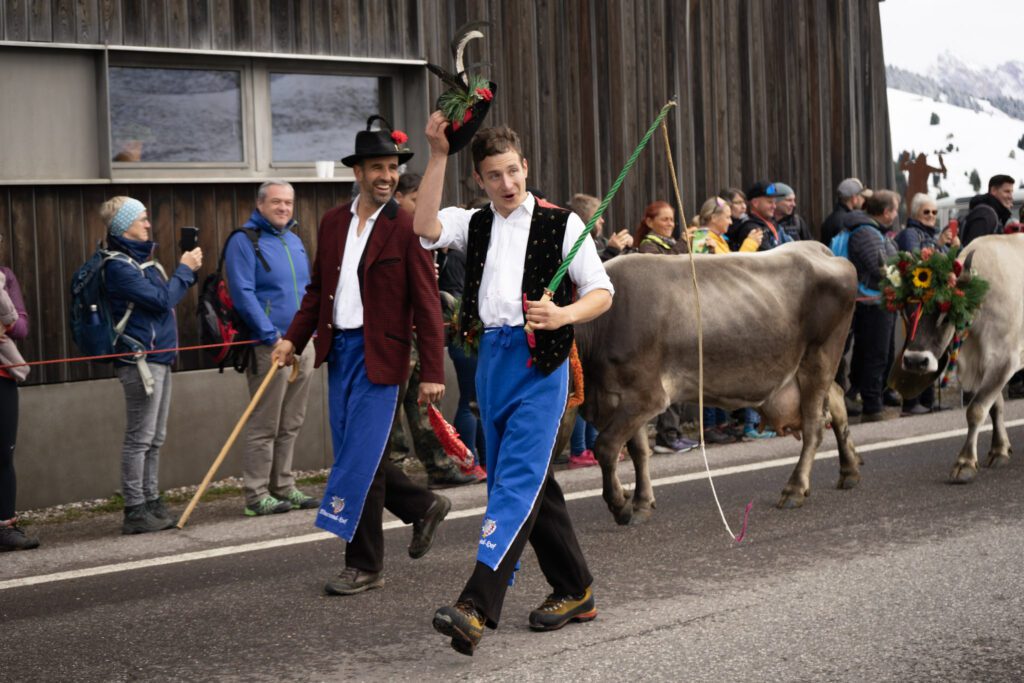
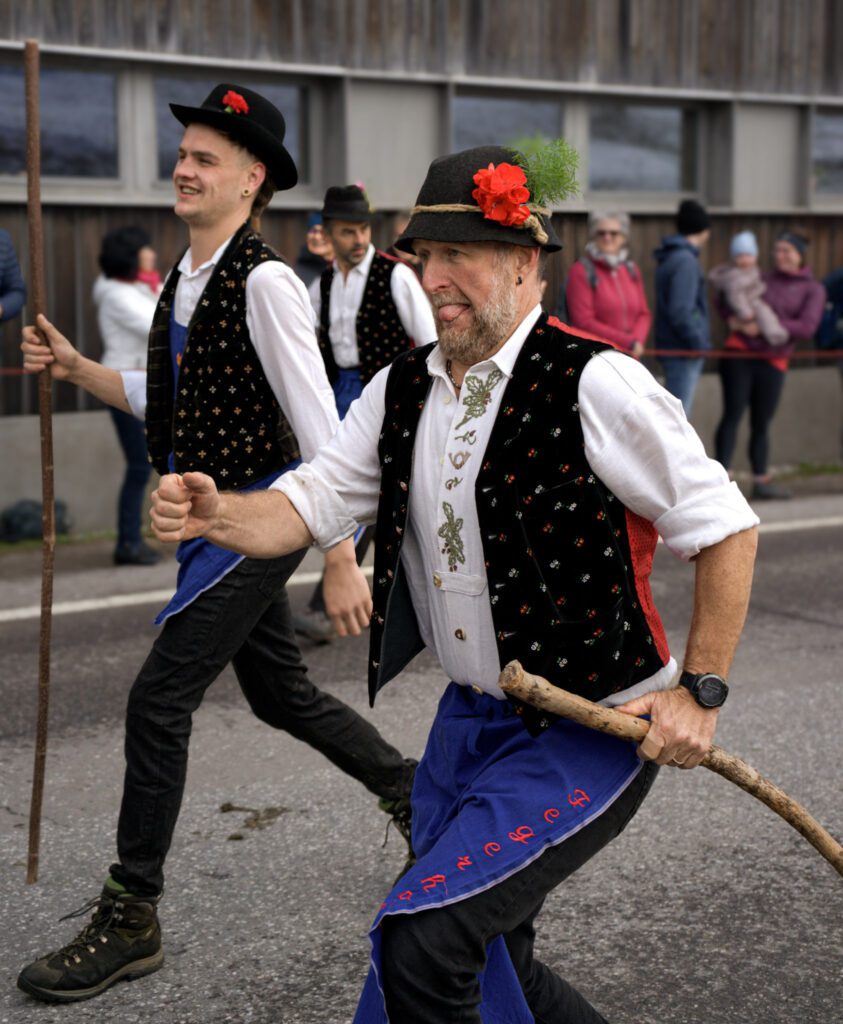
- Farmers and locals in traditional dress
- Live Tyrolean music and dancing
- Food stalls serving Ladin specialties
The event is lively but still feels authentic—this is a real tradition, not a staged performance.
How to Attend the Almabtrieb in Alpe Di Siusi
Here’s the trick I wish more people knew:
Sign up for newsletters from South Tyrol and Alpe di Siusi. Literally go look up a place right now in the Dolomites and see if they have a newsletter you can sign up for. It’s that SIMPLE!
These tourism boards are the ones who confirm Almabtrieb dates each year. They work closely with the farmers — meaning they know exactly when the herds will come down.
The dates change every year based on grazing conditions, weather, and local decisions. Last season, I was literally obsessively checking the South Tyrol event listings, trying to catch at least one Almabtrieb before autumn was over.
When the stars aligned and Compatsch announced their date, I booked fast..
See upcoming Dolomites events on the official South Tyrol website.
What the Almabtrieb Is Actually Like (From My Experience)
When we first arrived in Compatsch, it didn’t feel touristy at all. We found a spot along the road easily, and most of the people around us were locals getting ready for the day.
One of the first things that caught me off guard? Schnapps being handed out like candy, early. The energy was already high before the parade even started.
What Instagram doesn’t show you is the lead-up. You can hear the cows before you see them—bells echoing across the mountains, and watch locals setting everything up.
I had glimpsed this before while hiking Alta Via 1, but being here and experiencing the full celebration made it feel completely different.
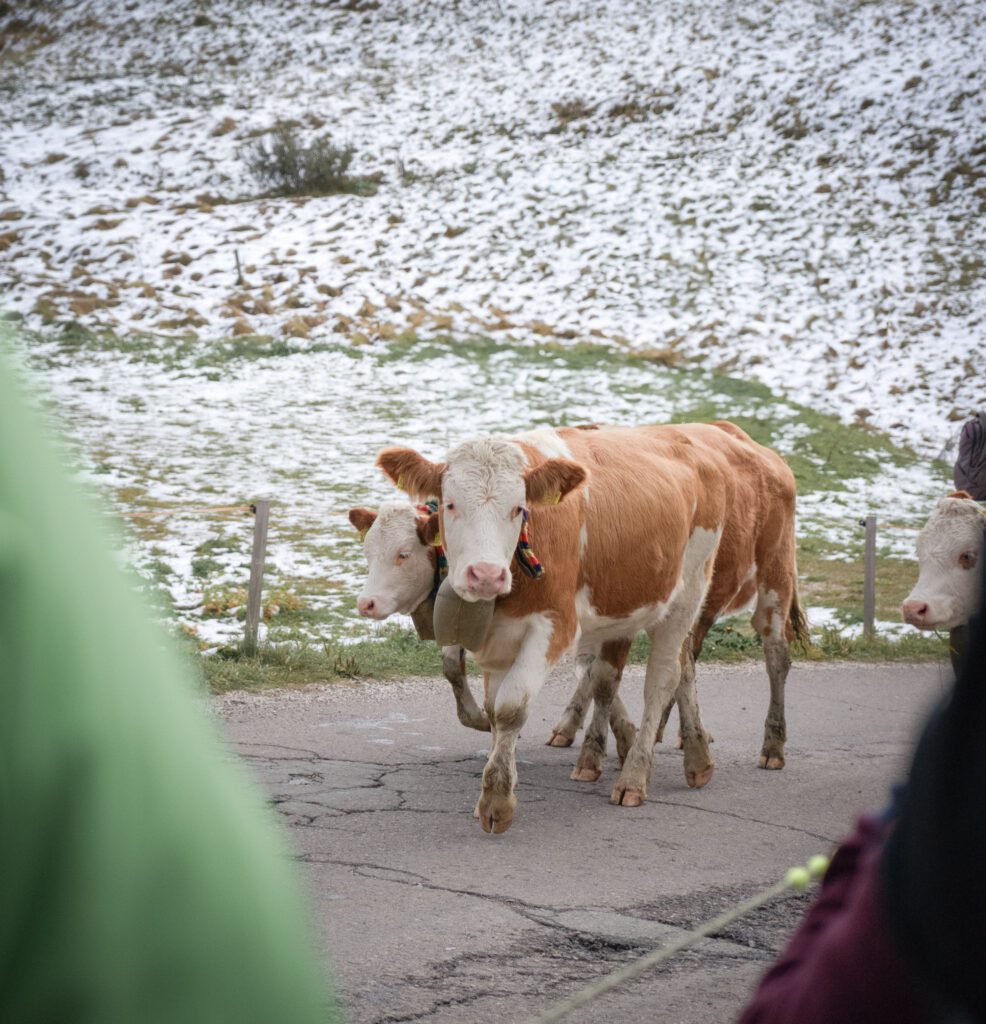
The cows themselves were incredible, huge bells, elaborate flower crowns, and each group dressed in traditional clothing tied to their farm or family.
And the food? Easily one of my favorite parts. Warm Ladin dishes like soups and jam-filled donuts were everywhere, exactly what you want when the weather suddenly drops.
What It Feels Like to Be at an almabtrieb
You hear it before you see it—the deep, echoing sound of cowbells rolling across the mountains.
Then come the smells: sweet fried donuts, warm soups, and mulled wine filling the crisp alpine air.
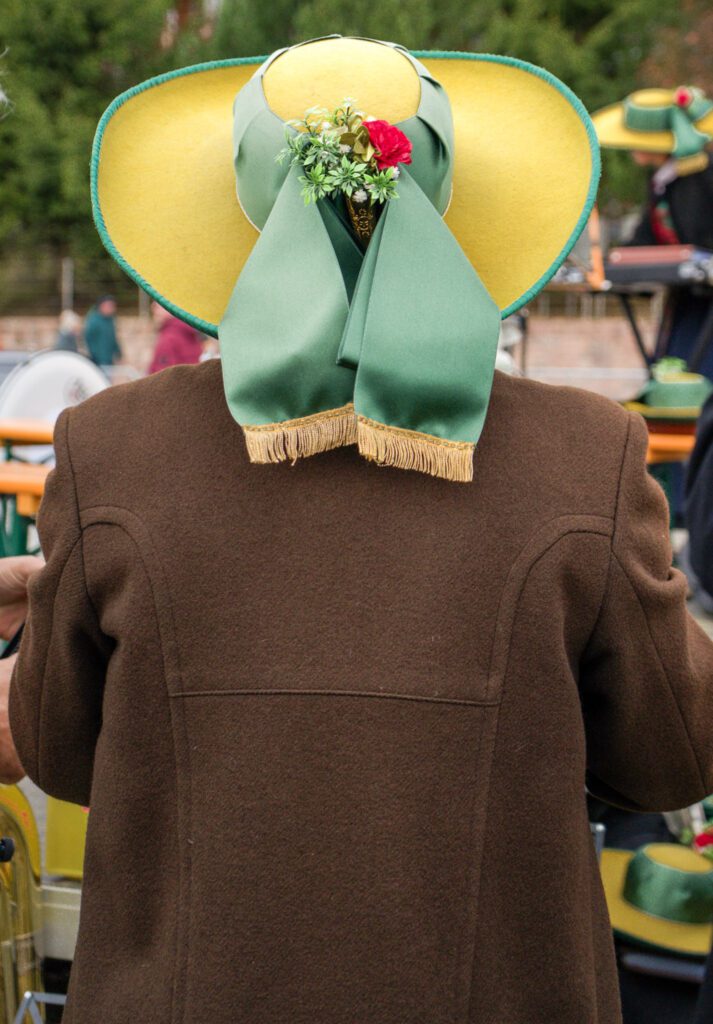
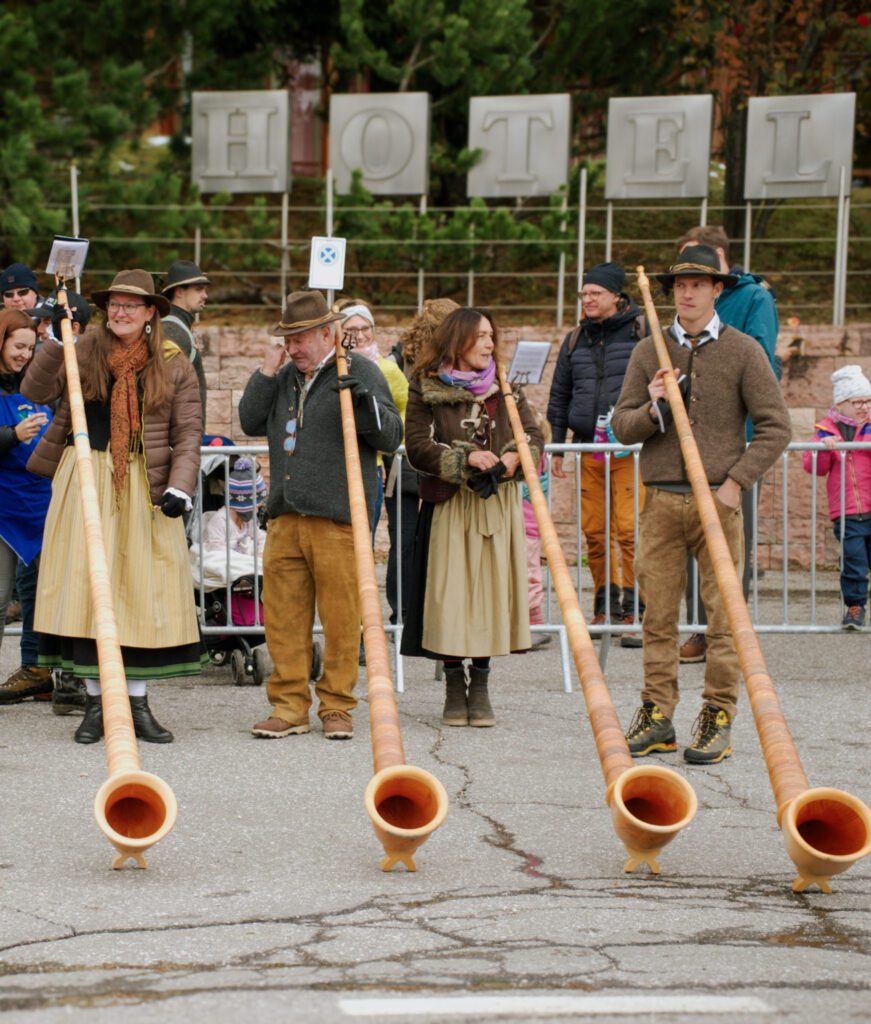
Traditional Tyrolean bands play while locals dance in full costume, and suddenly the whole village feels alive.
And the cows? Honestly… adorable. Decorated with flowers, huge bells, and so much personality.
How to Plan Your Visit (Step-by-Step)
Step 1: Check the official event listing
Step 2: Choose how to get there (cable car or early driving)
Step 3: Book accommodation nearby if possible
Step 4: Arrive before 9:00 AM
Step 5: Follow the celebration toward Castelrotto
Here’s what the cable car costs in 2026:
Seiser Alm Cable Car Prices (2026)
If you’re taking the cable car from Siusi to reach the Alpe di Siusi (Seiser Alm), here are the summer 2026 ticket prices:
| Ticket Type | One Way | Round Trip |
|---|---|---|
| Adult | €21.00 | €30.00 |
| Family (2 adults + children born after Jan 1, 2008) | €46.00 | €65.00 |
Multi-Use Ticket:
- €73.00 for 3 round trips (non-transferable, valid for the season)
The cable car is the easiest and most reliable way to access the plateau, especially on Almabtrieb day when road restrictions are in place.
Prices and schedules can change slightly each season, so it’s always worth checking the official Seiser Alm website before your visit.
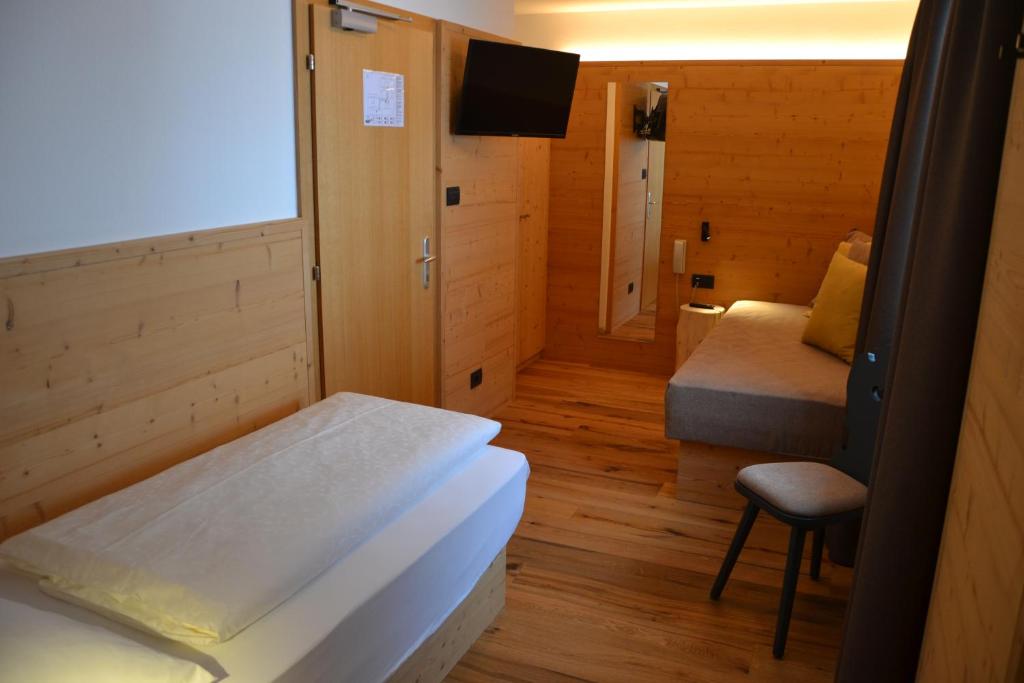
I stayed at Hotel Ortler and dropped my bags off before heading up, which made everything seamless!
Where to Stay in Compatsch or Kastelruth
If you’re planning to attend the Almabtrieb on the Seiser Alm, staying nearby makes a big difference—especially with early access and road restrictions.
The best areas to stay are:
- Alpe di Siusi (Seiser Alm): Most convenient, but more expensive
- Siusi (Seis am Schlern): Best for cable car access
- Castelrotto (Kastelruth): More budget-friendly and still close
I personally stayed at Hotel Ortler, just outside Castelrotto, and it was the perfect base. I was able to drop my bags early, head up to the festival stress-free, and return to a quiet, cozy stay afterward.
If you’re visiting during Almabtrieb weekend, I’d recommend booking early—this is a popular local event, and accommodations fill up quickly.
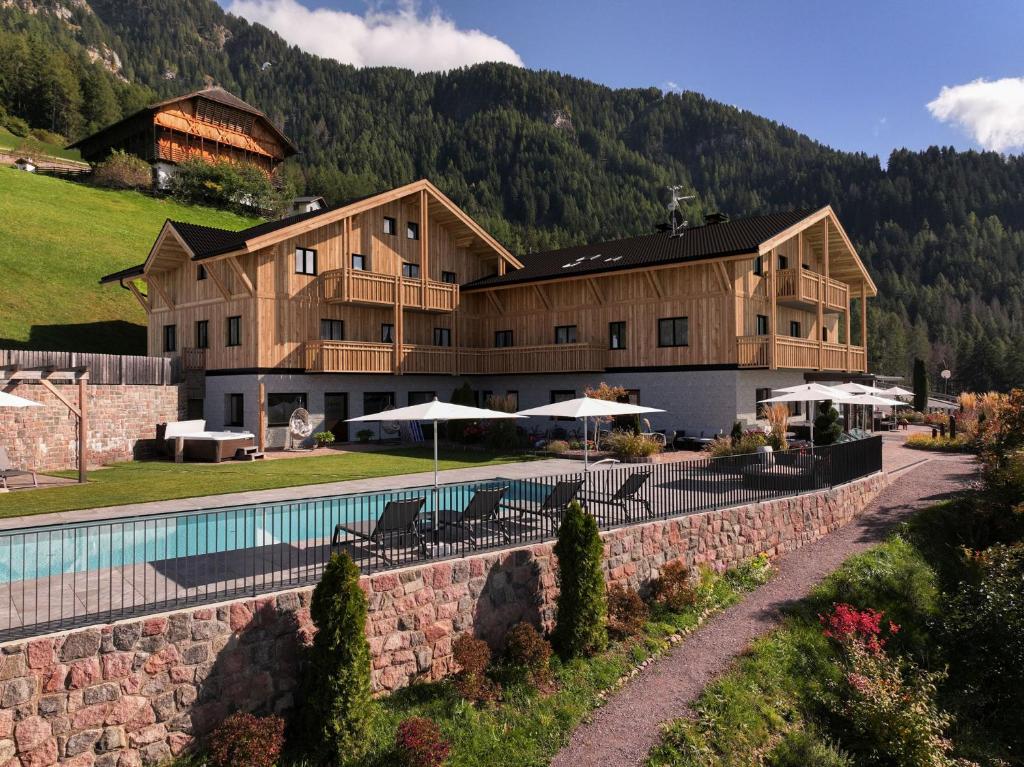
Take a look at the map below, this will help you find hotels in Alpe di Siusi:
What I’d Do Differently Next Time
If I could plan this again, I’d turn it into a full long weekend instead of a quick visit, I was only there overnight. My husband came only for the festivities. I wanted to stay overnight to get some hiking on Alpe Di Siuisi.
I’d also arrive earlier and stand further along the route for better photos, standing further down would have defintely allowed for better photos. What I mean by this is standing near Compatsch Parcheggio (Alp de Suisi) and taking it from that angle. This was where the band and choir were set up.
Mistakes to avoid
Not bringing extra batteries for camera
Underestimating the cold (it can feel like winter)
Arriving too late to gain access to the plateau
Dolomites in October: Why This Is the Best Time to Visit
October in the Dolomites is one of the most underrated times to visit.
Summer crowds are gone, temperatures are cooler, and the region shifts into a more cultural, seasonal experience.
Festivals like the Almabtrieb mark the transition into fall, offering a completely different side of the Dolomites beyond hiking.
How the Almabtrieb Connects to Ladin Culture
The Almabtrieb (or Desmontegada in Italian) is a significant tradition in the Compatsch area on the Seiser Alm (Alpe di Siusi), situated at the heart of Ladin culture. The Ladin people, an ethnic minority in the Dolomites, have preserved their language, customs, and agricultural traditions for centuries. Their connection to transhumance and seasonal cattle movements is deeply embedded in their way of life.
Here’s what you’ll see woven into the festival:
- Traditional farming rituals are still practiced today
- Floral cow crowns symbolizing a safe summer season
- Folk music and dancing in Ladin and Tyrolean style
- Local dishes like Turtres, Bales, speck, Schüttelbrot, and homemade sweets
- Blessings for the animals, an old tradition that continues in some villages
It’s deeply connected to the culture of the dolomites and the timing of the seasons. Farmers and locals have been doing this for generations.
Is the Almabtrieb Worth It?
Yes—100%.
This isn’t just something to do if you happen to be there. It’s worth planning a trip around.
It gives you a deeper understanding of the Dolomites—beyond the landscapes and into the traditions that shape life here.
More Fall Festivals in the Dolomites
If you’re planning a fall trip, the Almabtrieb is just one of many cultural events happening across the region.
You can also experience:
- Desmontegada in Val di Fassa
- Törggelen season in South Tyrol
- Krampus runs in December
Plan Your Dolomites Trip
Moena Almabtrieb Guide
Where to Stay in the Dolomites
Dolomites Rifugio Guide
Who is Krampus Anyway?
What to expect at the Krampus Run of Kastelruth/Castelrotto
Don’t miss out on the Almatreib of Comptasch
If you’re craving a slower, more meaningful way to experience the Dolomites, this is it.
The Almabtrieb brings together culture, food, community, and incredible mountain scenery.
And once you experience it, it’s hard not to fall in love with the Dolomites all over again.
