
PCS to Vicenza, Italy: A Complete Guide for U.S. Military Families
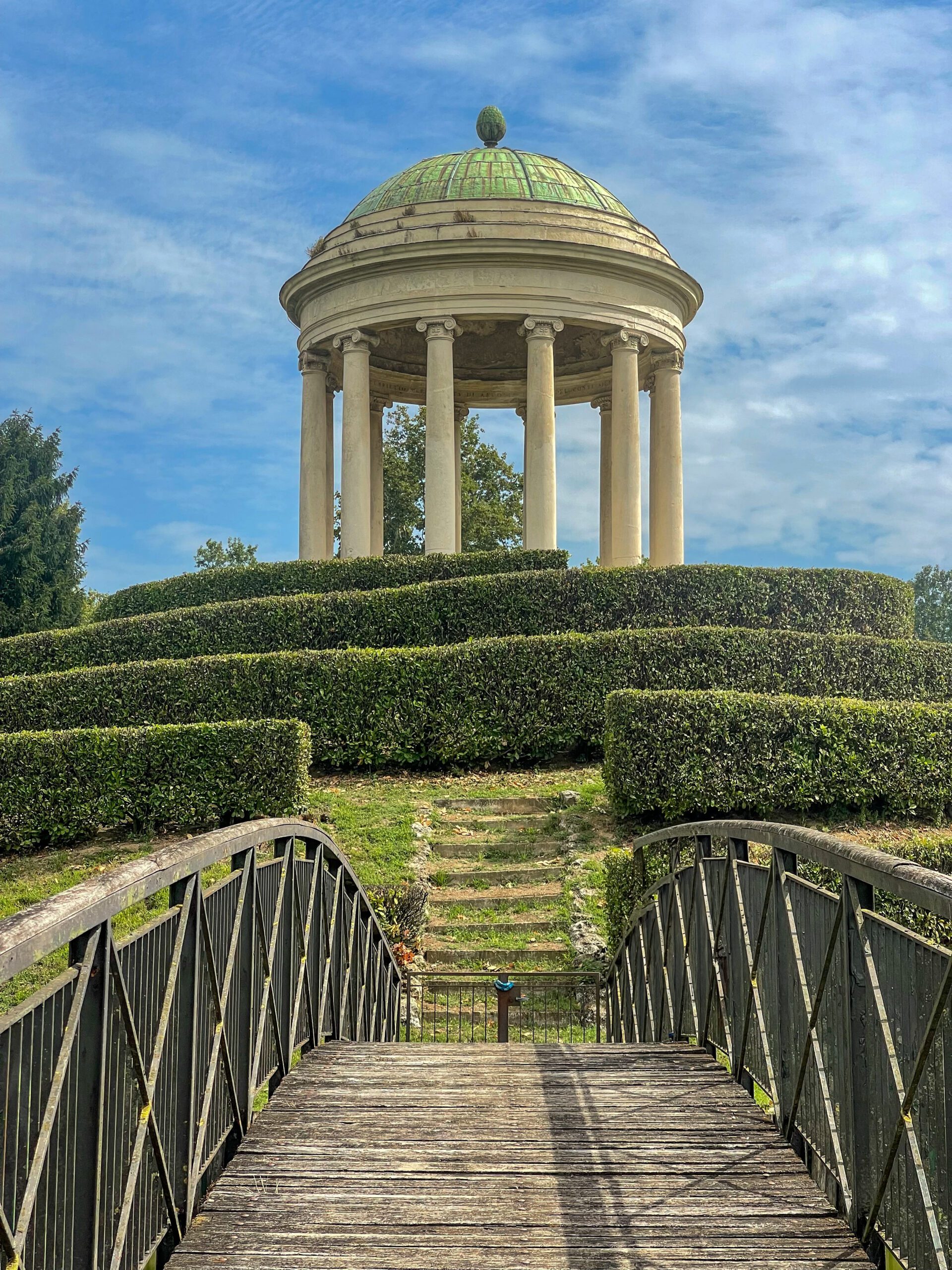
PCS orders in hand and visions of spritzes in Piazza dei Signori?
Slow down.
Moving to Vicenza is exciting. It’s also a major adjustment.
Your welcome brief won’t cover what actually impacts daily life here: housing you cannot secure from the States, car costs people underestimate, spouse employment realities, air quality in the Po Valley, and how healthcare works between U.S. and Italian systems.
This guide is built from lived experience.
If you’re PCSing to Vicenza, here’s what you need to know before you land — and what to expect once you’re here.
Before you PCS Have you done the following?
The following are non-negotiables. You need to have these three things in order before you can even think of coming to Vicenza:
- EFMP Verification
- Check your drivers license expiration date and apply for an IDP
- No Fee Passport Application taken care of?
- Missione Visa Application Sent off, approved, and in your hands.
- You absolutely need a Missione Visa before you EVEN land in Italy!
- Pets: Have you started the process to PCS your pets? You should be thinking about this months in advance!
Before You Arrive
1) You cannot pick housing from the States (and yes, that’s annoying)
Let me say this clearly: you cannot officially choose a house before you move to Vicenza.
As of right now, most families live off base. Is there on-base housing in Vicenza? Sort of. It’s being built. It’s in its final stages (families are meant to live in the towers starting fall 2026)
You’ll in-process and attend a housing briefing when you get here. Meaning you’ll use the USAG Italy housing office and their database once you’re on the ground. That means you’re starting in lodging and house hunting after arrival.
If neither the towers nor the government housing options are available, you’ll be allowed to use a realtor.
It’s not ideal. But knowing this ahead of time helps you:
- pack smarter (and emotionally prepare)
- Plan your lodging time
2) Know which base you’re actually assigned to (before you choose a home)
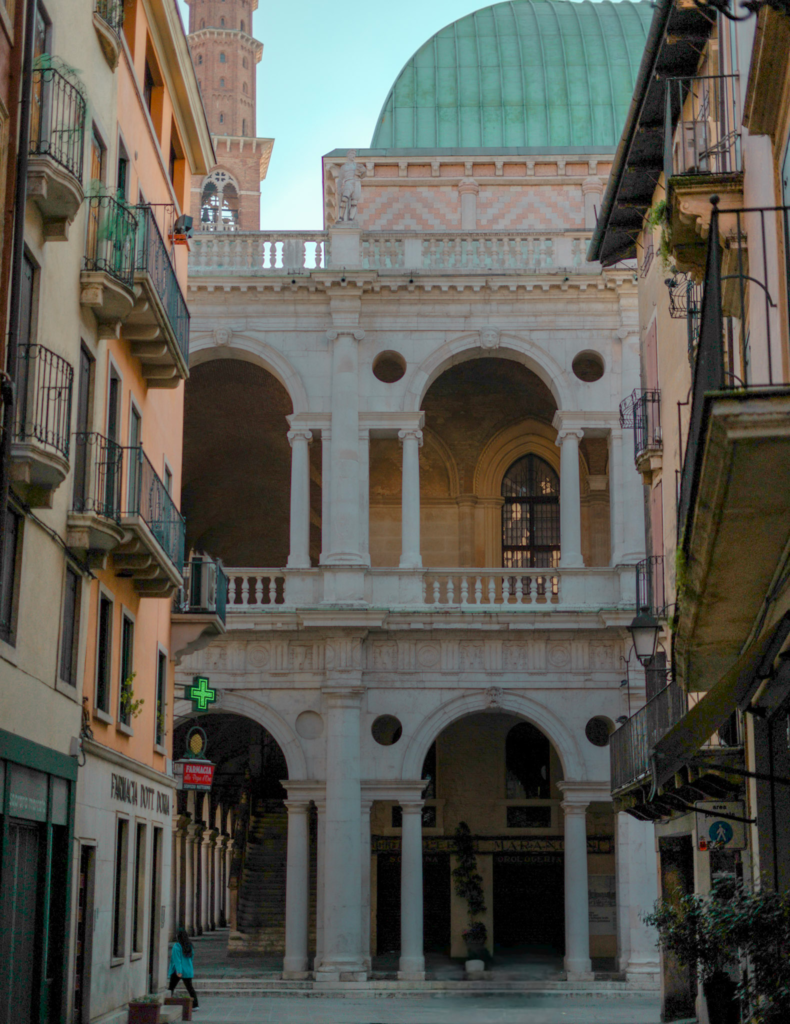
Vicenza has three primary installations: Caserma Ederle, Del Din, and Miotto.
I strongly recommend waiting until you’re in lodging and have confirmation of where your soldier will be assigned.
We learned this the hard way: we picked a place that made sense for the base we assumed… and then it didn’t match real life. We were told he’d be on Caserma Ederle, then 3 months later he was moved to Miotto near Longare.
Action step: confirm the reporting location and typical commute patterns before signing anything.
3) Start saving early (Vicenza can be pricey in very specific ways)
Vicenza isn’t “expensive” in every category, but it can hit you with surprise costs, especially if you are junior enlisted (and yes, even senior enlisted)
- car purchase + insurance + recurring fees/taxes
- rent pricing quirks (military affiliation can raise the number)
- deposits, setup costs, and “first month is chaos” spending
The moment we had hard orders, we had a meeting about finances. Where we had to make some tough choices. We immediately started saving consistently. Even a simple goal (one set amount per month) makes the landing softer.
4) Book lodging ASAP (and have a backup plan)
You’ll likely start at the Ederle Inn. Make reservations as soon as you can.
If it’s full, you may be in a nearby hotel off base, which sounds scary until you realize the base is close and you’ll still be fine.
Pro tip: treat lodging as “part of the process,” not a failure of planning.
How long will you be in the lodging for? OPPH, this varies by person. I know some people who were in lodging for up to 3 months (they ran into housing issues)
5) Getting Your Pets Cleared for Italy (Start Early)
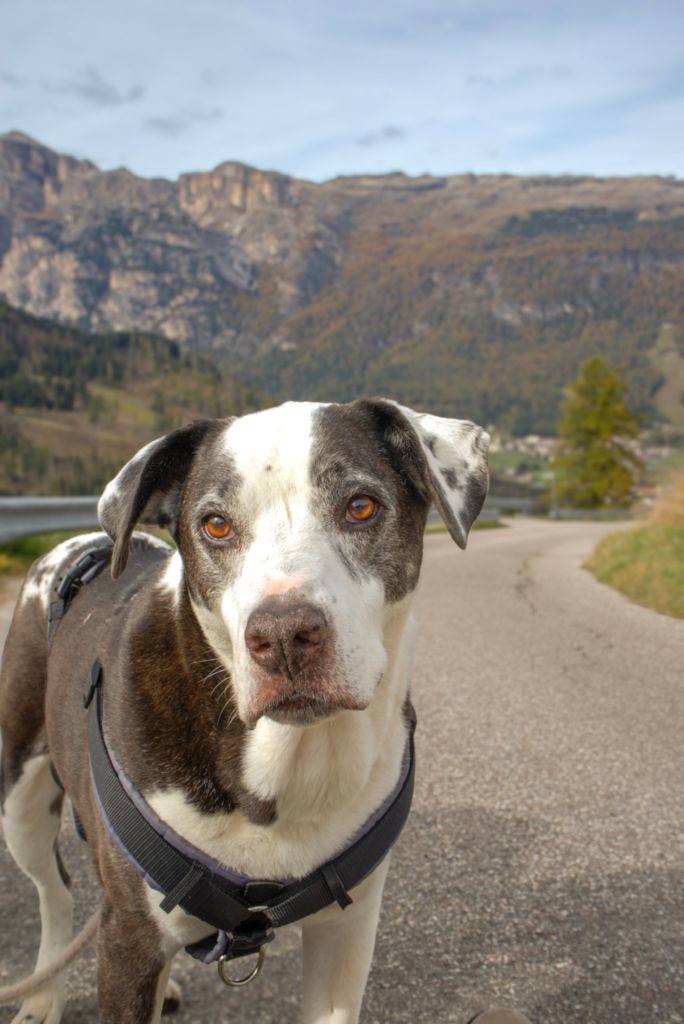
If you’re bringing a dog or cat, do not leave this to the last minute.
Italy has specific entry requirements, and the military adds additional logistics on top of that.
At minimum, your pet will need:
- ISO-compliant microchip
- Up-to-date rabies vaccination (after microchip)
- USDA-endorsed health certificate
- Airline-approved travel crate
Timing matters. The rabies vaccine must be administered after the microchip is placed. If the order is wrong, you may have to redo it.
You’ll also need to coordinate:
- Airline pet reservations (spots are limited per flight)
- Seasonal temperature restrictions
- Patriot Express rules if applicable
Some families choose to use a pet transport company. Others manage it themselves. Both options require planning.
Cost reality:
Moving a pet overseas can cost hundreds to thousands of dollars, depending on airline, size, and timing.
Once you arrive, there are additional considerations:
- Finding pet-friendly housing
- Breed restrictions in certain rental agreements
- Registration requirements
- Local leash and muzzle laws
If you are PCSing with pets, treat this as a primary task — not a side detail.
Start early. Confirm requirements directly through official sources. Double-check timelines.
It is manageable. It just requires organization.
Getting Settled
6) Learn buses early (they’re your temporary superpower)
If you don’t have immediate access to a car, the local bus system can bridge the gap.
- The SVT Vicenza app is helpful for routes and timing.
- There’s a bus stop near the base that can get you to the Centro Storico and the train station.
- Also, you may need to wave the bus down. This is not a metaphor. You’re flagging it like a semi-polite taxi.
Buses can be great early on, but keep expectations realistic:
- Sundays and holidays are different
- some routes feel “lighter” outside weekday commuter hours
7) Neighborhoods in Vicenza for military families
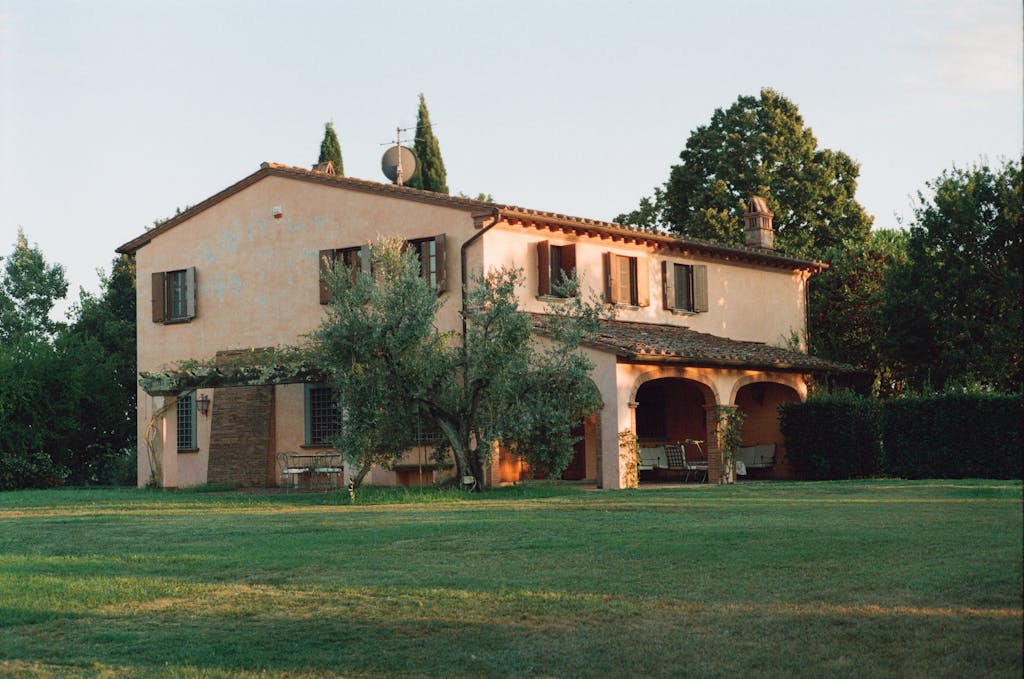
Housing inventory changes constantly, but here are common areas military families consider:
- San Pio X (close to Ederle; convenient)
- Bertesinella (residential with a more relaxed feel)
- Camisano Vicentino (suburban vibe, weekly market)
- Caldogno (quiet, family-friendly, north of Vicenza)
- Centro Storico (historic and charming; lifestyle-dependent)
- Castegnero / Nanto / Bosco di Nanto / Villaganzerla + nearby rural pockets (space + views, more driving)
Reality note: your “dream neighborhood” might not line up with what’s available when you arrive. Focus on what fits your daily routine: commute, school logistics, and groceries/errands.
8) Employment can be tough (and it’s not your fault)
This was one of my biggest personal challenges.
SOFA rules and base hiring realities mean stable employment may be harder to find than in some other duty stations. Sometimes that looks like:
- fewer openings
- more competition
- less continuity
I’m not saying this to discourage you. I’m saying it so you don’t internalize it as failure.
This is also where you might pivot into:
- building something portable (this is part of why blogging became a gift for me)
- volunteering (helpful, but not paid)
- remote work (please check with your employer)
9) Healthcare in Vicenza: On Base and Italian Facilities
You’ll be assigned to a PCM (Primary Care Manager) while here, as there is a clinic on Caserma Ederle. You’ll make an appointment with them, and they refer you to an Italian Hospital near Caserma Ederle if needed. I think this is one of the hardest things for people to get used to when they PCS to Vicenza.
My medical needs have led me on a tour of local healthcare spots, including iron transfusions at San Bartolo and visits to Villa Berica, where my OBGYN is based. Italian hospitals vary widely: San Bartolo is functional, straightforward, and gets the job done, while Villa Berica feels more like the luxurious older sibling who’s genuinely nicer, offering comfort and a more pleasant experience overall.
At Villa Berica, there is an incredible bilingual liaison who made a potentially intimidating procedure feel effortless. She translated every step, held my hand (literally and figuratively), and guided me through the entire process. While San Bartolo is adequate and their team of liaisons is amazing, Villa Berica sets a higher bar.
The difference here is that Villa Berica is private, and San Bartolo is a part of the public health system.
Daily Life Adjustments
10) Embracing Italian Culture and Daily Life
Note that Army Community Services has a whole host of programs to help you get situated in Vicenza. I hope they continue to receive funding for their Italian Language Classes and their Italian Immersion Classes. Please check with them when you get settled after your PCS to Vicenza.
It’s a lot different being a tourist vs. living here
I don’t think people realize how different it is visiting versus living here in Italy. I could go on for days about the differences.
There’s no doubt some romanticism plays a part in the decision to come here and that people have when it comes to Italy. We don’t look beyond the tourist gaze and see how hard life might be for Italians and the immigrants who live here. I like to call it disneyfication of Italy. We tend to get glamorized and don’t look beyond the issues at hand. I feel like everyone needs to understand that people actually live here.
I can guarantee that it’s not as glamorous as it seems for some. We need to understand this and remember during our time here, respect the locals.
11) Processes are different and slow
Get used to dealing with slow processes during your PCS to Vicenza, Italy. Anything from buying a car, renting a house, getting your permesso (hats off to the wonderful lady working in the processing facility), and setting up a bank account. Dealing with going out in the economy– it’s all slow.
Just trying to prepare you for what’s to come. Dealing with any type of bureaucracy is tough. I just want to add that anyone coming here without the help of the military you are my hero for going through all of the pain points.
12) Pausa pranzo or Riposo: Get used to different hours
I wrote a great article about Riposo in Italy for Stars and Stripes Europe, which details this.
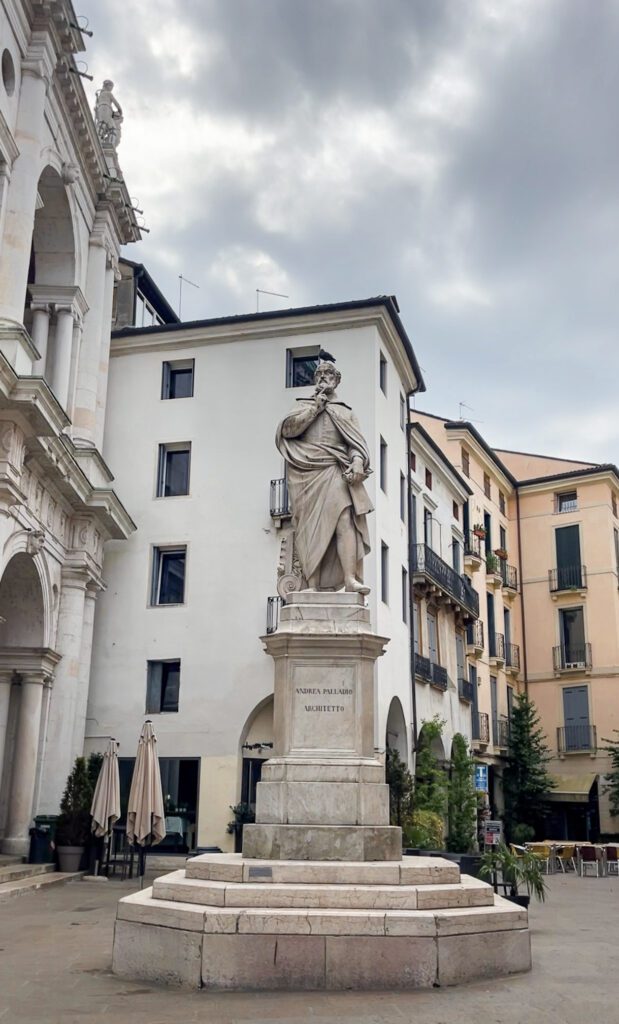
An important cultural practice in Italy is riposo, a midday break typically occurring between 12:30 PM and 3:30 PM. During riposo, many businesses, shops, and services temporarily close their doors, allowing employees to rest and recharge. Understanding and planning around riposo will help ease your daily activities and errands, ensuring smoother adjustments to life in Italy.
You’ll often hear it be called Pausa Pranzo as well.
13) Sundays are a lifestyle shift
This is where people get blindsided.
Many things slow down on Sunday:
- fewer buses
- fewer transportation options
- more closures
You can still have a great weekend — just plan errands accordingly and don’t assume Sunday will behave like Saturday.
14) Smog is a big thing here
This one surprises a lot of people. I was surprised because everyone says it’s worse than South Korea
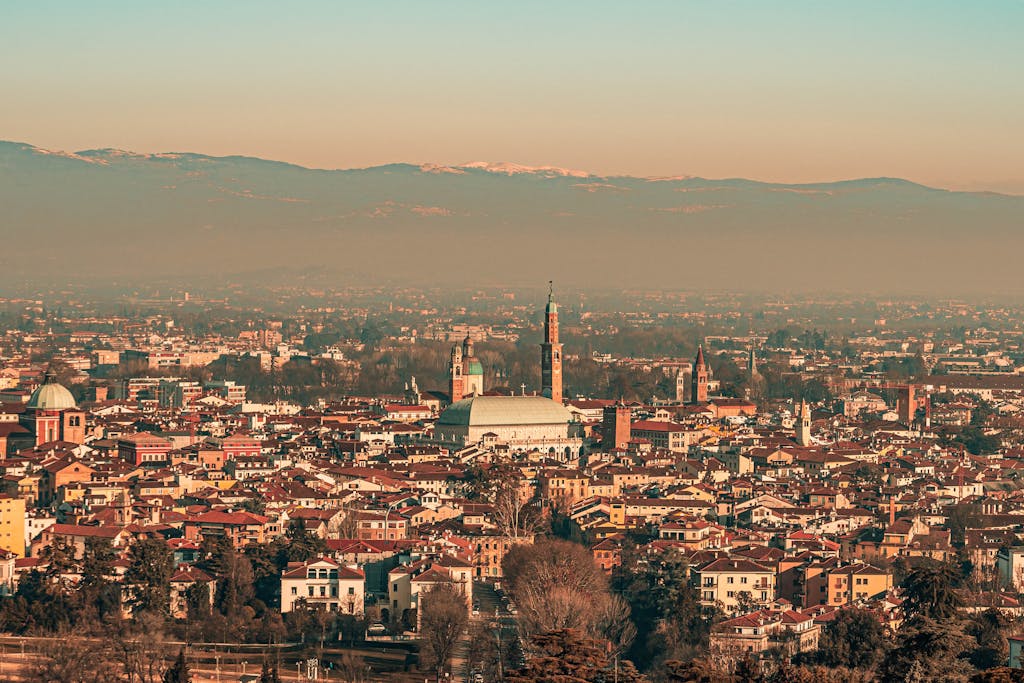
Northern Italy sits in the Po Valley, which is known for having some of the highest air pollution levels in Europe. The geography doesn’t help — the Alps and surrounding mountains can trap air in the valley, especially in winter.
That means there will be days when:
- The mountains disappear behind a gray haze
- The air feels heavy
- You can actually see the smog layer sitting over the city
On top of that, you’ll occasionally notice Saharan dust drifting up from Africa. Yes — actual desert dust. You might see it on your car after a light rain or notice the sky looking slightly yellow or muted.
It’s not every day. There are plenty of clear, beautiful days. But it’s common enough that you should know about it — especially if you or your kids have asthma or are sensitive to air quality.
In the winter, certain restrictions may go into place (like limits on wood-burning or vehicle use in some areas) depending on pollution levels.
My honest take?
Some days I don’t notice it at all. Other days, I absolutely do.
It’s one of those “real life in an industrial valley” realities that doesn’t show up in the tourism brochures.
If air quality is something you’re sensitive to, it’s worth researching and mentally preparing for before your PCS.
15) Driving in Italy is a sport all on its own
I’m not exaggerating.
Driving in Italy is its own category of experience, especially when you first PCS to Vicenza.
I wrote a full guide to driving here (link it), but here’s what you need to know:
- People drive assertively.
- Roundabouts move fast.
- Lanes are tighter than you’re used to.
- Parking is… creative.
- Minor scrapes are common.
And yes — your insurance premiums may go up. This is exactly what I meant earlier about saving money. There are normal-life expenses here that catch you off guard.
We have had more small scrapes and bumps on our vehicle here than anywhere else we’ve lived. Nothing dramatic. Just tight roads, tight parking, and a different driving culture.
I still white-knuckle the steering wheel in some roundabouts. I still mutter things under my breath.
But here’s the important part: you adapt.
It feels chaotic at first, but there is a rhythm to it. You just have to adjust to it.
Budget for the possibility of cosmetic damage. Drive defensively. And don’t take it personally.
16) Be Prepared to Order Car Parts
This is one of those things no one tells you.
If something breaks on your car, you may not be able to walk into a local shop and get the exact part you’re used to in the U.S., especially if you brought your vehicle from the States.
Some parts:
- Have to be ordered.
- Take time to arrive.
- May need to come from another country.
- Aren’t stocked locally if your car isn’t common here.
Even routine things can take longer than expected.
If you rely heavily on your vehicle (most families do), this matters. A simple repair can turn into a multi-day or multi-week wait depending on the issue.
Two things that help:
- Don’t ignore small maintenance issues.
- Build margin into your schedule if your car goes into the shop.
This isn’t a reason to panic. It’s just another example of how “normal life logistics” work a little differently here.
And if you’re debating bringing your car vs. buying local? This is something to factor in.
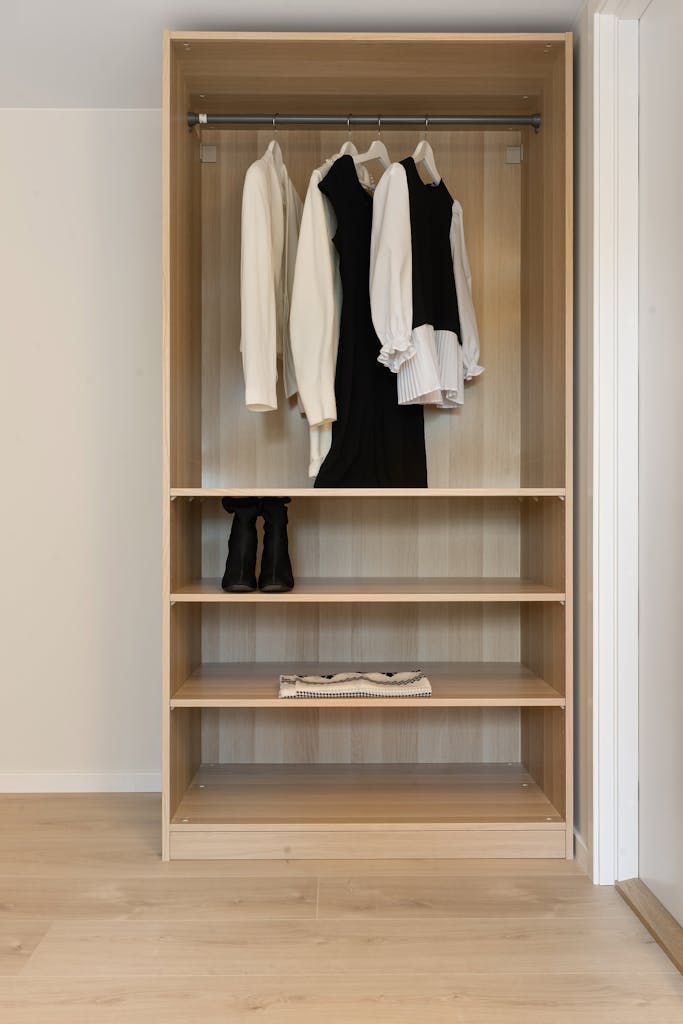
17) Don’t Expect Walk-In Closets — Get Ready for Wardrobes
If you’re coming from the U.S., this might surprise you.
Most homes here do not have built-in closets like you’re used to. Especially not walk-ins.
Instead, you’ll likely have:
- Freestanding wardrobes
- Armoires
- Or closet systems that come with the house
Sometimes they’re great. Sometimes they’re… functional.
It’s normal here. It’s not a downgrade — it’s just a different design standard.
What this means for you:
- Don’t assume your giant closet system from the States will make sense.
- Be mindful of how much clothing you ship.
- Expect storage to look different than what you’re used to.
European homes are often designed around furniture-based storage instead of built-in space.
It’s not a dealbreaker. It’s just one more “this isn’t America” moment that catches people off guard.
Integrating into Vicenza
18) Try the Regional Cuisine — Don’t Default to Americanized Italian Food
Northern Italy does not eat the same food you’re used to from U.S. “Italian” restaurants.
If you stick to searching for:
- Chicken parm
- Fettuccine Alfredo
- Garlic bread
You’re going to be disappointed.
Vicenza is in the Veneto region, and the local cuisine reflects that. You’ll see dishes like:
- Baccalà alla Vicentina (salt cod, very traditional here)
- Bigoli pasta
- Risotto with seasonal ingredients
- Polenta (very common in the north)
- Soave and local Prosecco
Menus are regional and seasonal. What’s available changes.
If something looks unfamiliar, order it anyway. You can enjoy cooking experiences at Trattoria All’ Angelo
Worst case? You don’t love it.
Best case? You discover something you never would’ve ordered in the U.S.
Adjusting your expectations around food makes living here much easier. The goal isn’t to recreate American Italian meals. It’s to understand what this region actually eats.
That shift alone improves the experience.
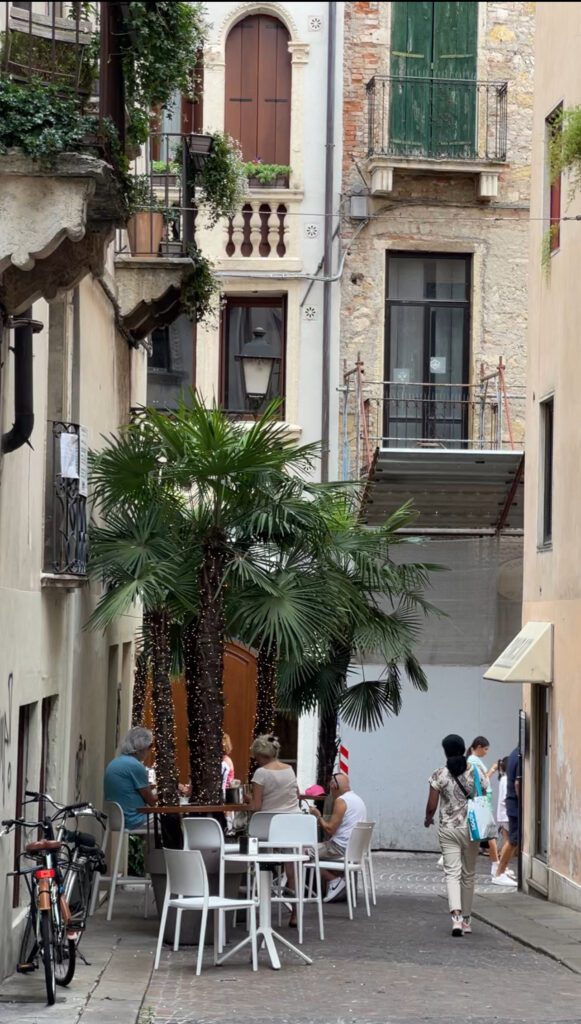
19) A “Bar” Is a Coffee Shop
If you see a sign that says Bar, don’t assume it’s a late-night drinking spot. Two of my favorite places are Hoisen and Cafe Pigfetta. I detail different places to visit in Vicenza here
In Italy, a bar is usually:
- A coffee shop
- A breakfast stop
- A quick sandwich place
- A place to grab water, soda, or an aperitivo
It’s completely normal to walk into a bar at 8:00 AM for:
- An espresso
- A cappuccino
- A cornetto (Italian croissant)
You’ll likely see locals standing at the counter drinking coffee quickly before work.
Bars are a major part of daily life here. They’re casual, accessible, and everywhere.
If you want to integrate faster, start using your local bar regularly. It’s one of the easiest ways to feel less like an outsider and more like a resident.
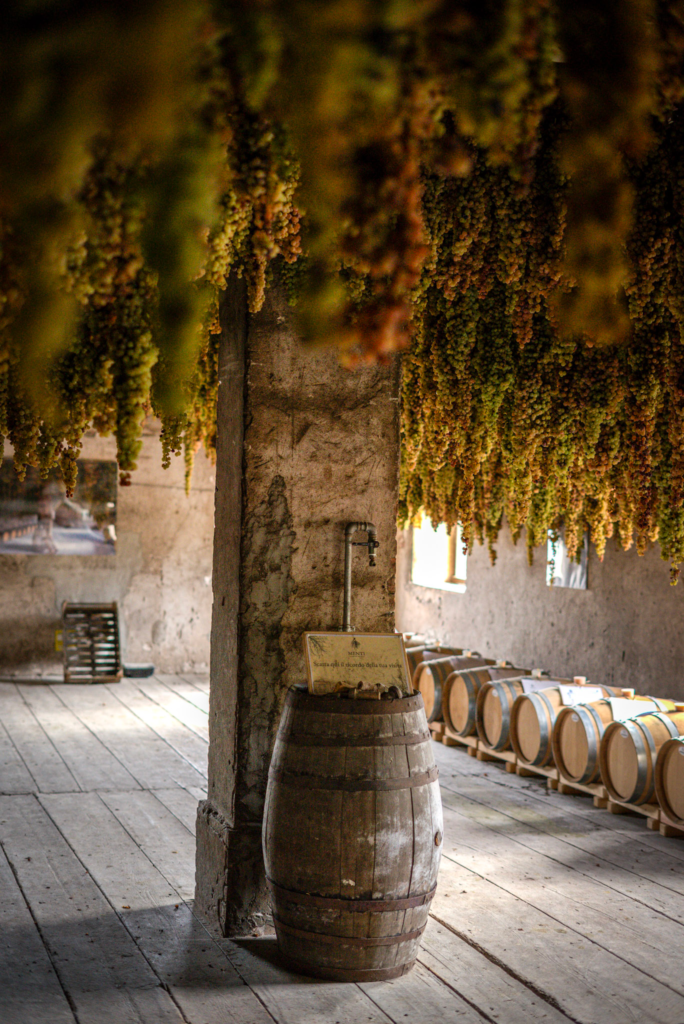
20) You’ll be near some of the best wine regions in Italy
Vicenza sits in the Veneto region, surrounded by established wine areas.
Within short driving distance, you have:
- Soave
- Valpolicella
- Prosecco Hills (Conegliano-Valdobbiadene)
- Colli Berici (right outside Vicenza)
These are not “tourist-only” wine destinations. They’re working in agricultural regions with small producers and family-run wineries.
Visiting wineries here is straightforward:
- Many require reservations.
- Some offer tastings by appointment only.
- Prices are typically far lower than U.S. wine regions.
It’s the perfect way to host your family and friends that are visiting. It also makes for a wonderful weekend away!
Living here gives you access to wine regions most people only see on vacation. It’s worth taking advantage of that.
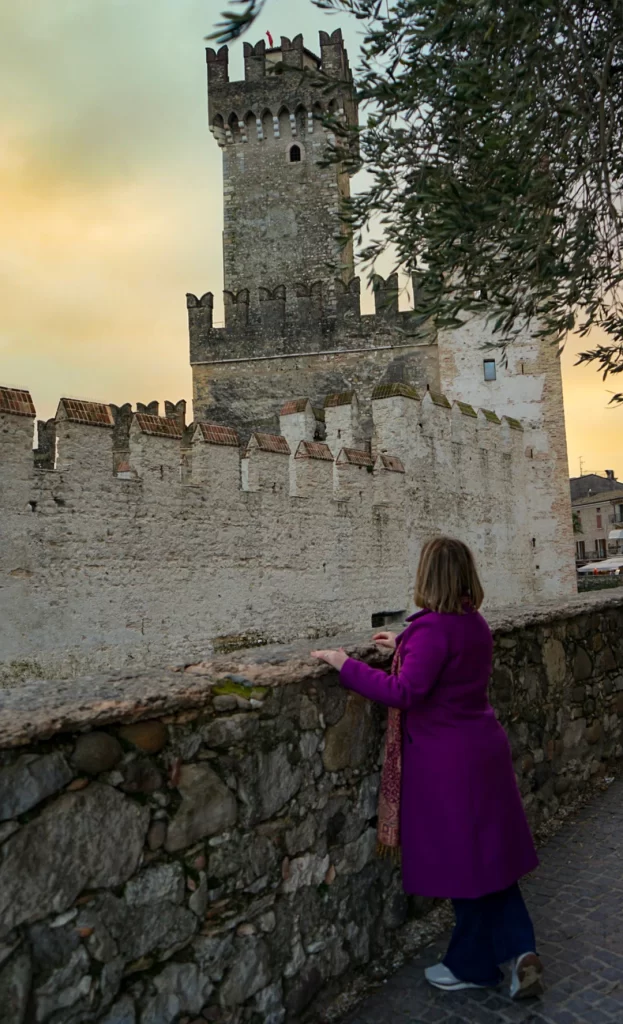
21) Enjoy the History of Vicenza and the Surrounding area
Vicenza is a UNESCO World Heritage Site due to the work of architect Andrea Palladio.
His buildings are throughout the city and the surrounding region. You will pass them regularly — whether you realize it or not.
Most people experience Vicenza as tourists. You’re living here.
One practical way to adjust faster is to understand the city itself:
- Why certain buildings look the way they do
- Why Palladio matters
- Why is Vicenza architecturally significant
- What makes the Centro Storico different from other Italian cities
When you understand your environment, it stops feeling random and starts feeling intentional.
This is also where I tell you to get out and explore the area via train. Italy by train is probably one of the best ways to see such a beautiful country! There are so many wonderful daytrips to take, like the Dolomites, Verona, Venice, Soave, Asiago (Where you can try the famous Cheese), Bassano Del Grappa (where you can get some of the best Grappa in Italy!), Garda, and Bologna

PCS-Specific Pros and Cons of moving to Vicenza
Pros
- Incredible travel access once settled
- Strong base support resources
- High-quality food and seasonal living
- Smaller city routine becomes comfortable
Cons
- Housing can’t be secured in advance
- Driving culture is intense at first
- Car costs add up
- Air quality varies seasonally
- Spouse employment can be competitive
Vicenza can be an incredible chapter.
But it’s not a fairytale. It’s real life in Northern Italy with paperwork, roundabouts, Saharan dust, wardrobes, and all.
If you come in prepared instead of romanticizing it, you’ll adjust faster and enjoy it more.
And once you’re through the initial transition?
You may end up loving it here.
Frequently Asked Questions About PCSing to Vicenza, Italy
Most families do.
If you live inside the city center, you can manage short-term with buses, walking, and trains. But if you live outside the city (which many military families do), a car becomes necessary for commuting, groceries, schools, and appointments.
You should also budget for insurance, registration, maintenance, and possible cosmetic damage from tight roads and parking.
It depends on the category.
Food and wine are generally affordable compared to the U.S. However, the upfront costs of moving can feel expensive. Car purchases, insurance, rental deposits, and initial setup expenses add up quickly.
It’s not that daily life is unaffordable — it’s that the transition period can be financially heavy.
You’ll be assigned a Primary Care Manager at the clinic on Caserma Ederle.
For many services, especially specialty care, you’ll receive referrals to Italian hospitals or private facilities. This is normal and part of how the system functions here.
It can feel unfamiliar at first, but bilingual liaisons and established processes help bridge the gap between U.S. and Italian healthcare systems.
Not in the way social media suggests.
Vicenza is beautiful and culturally rich. But it’s also real life in Northern Italy — with bureaucracy, air quality concerns in the Po Valley, assertive driving, and slower processes.
If you come expecting daily vacation energy, you’ll be frustrated. If you come prepared for real life in a different country, you’ll adjust faster and appreciate it more.
